قمة ترامب-شي لن تكون لحظة “نيكسون في الصين” – ما يتحدثان عنه يكفي في الوقت الحالي
Trump-Xi summit will be no ‘Nixon in China’ moment – that they are talking is enough for now
Taiwan, trade and AI regulation are on the agenda. But will there be progress on any of these issues during Beijing sit-down?
تتمحور الأجندة حول تايوان والتجارة وتنظيم الذكاء الاصطناعي. ولكن هل سيكون هناك تقدم في أي من هذه القضايا خلال اجتماع بكين؟
Meetings between Chinese and American leaders are not exactly routine, but few are historically groundbreaking.
إن الاجتماعات بين القادة الصينيين والأمريكيين ليست روتينية تمامًا، ولكن القليل منها كان له أهمية تاريخية.
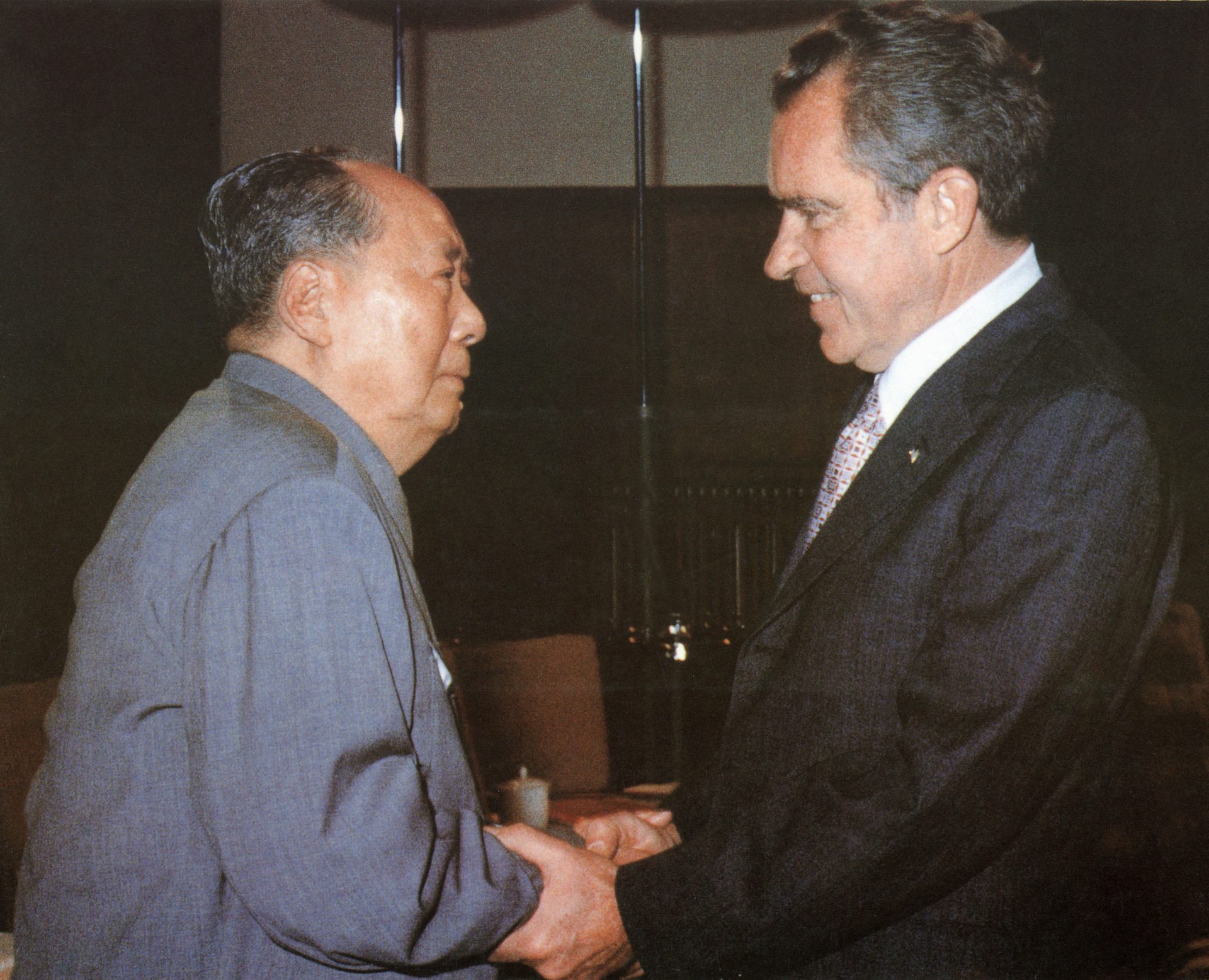
The exceptions include the very first visit by a sitting U.S. president to China, when Richard Nixon met with Chairman Mao Zedong in Beijing in February 1972 – at a time when America did not even formally recognize the People’s Republic of China. Deng Xiaoping’s visit to the U.S. in 1979 generated a similarly iconic moment when the reformist Chinese leader donned a Stetson at a Texas rodeo, a sign that he would be willing to engage with America in a way that Mao contemplated only near the end of his life.
تشمل الاستثناءات الزيارة الأولى للرئيس الأمريكي الحالي إلى الصين، عندما التقى ريتشارد نيكسون برئيس اللجنة الدائمة ماو تزو، في بكين في فبراير 1972 – في وقت لم تعترف فيه أمريكا رسميًا بجمهورية الصين الشعبية. وأحدثت زيارة دينغ شياو بينغ إلى الولايات المتحدة في عام 1979 لحظة أيقونية مماثلة عندما ارتدى القائد الصيني المصلح قبعة ستيتسون في حلبة روديو في تكساس، وهي علامة على استعداده للتفاعل مع أمريكا بطريقة لم يفكر بها ماو إلا قرب نهاية حياته.
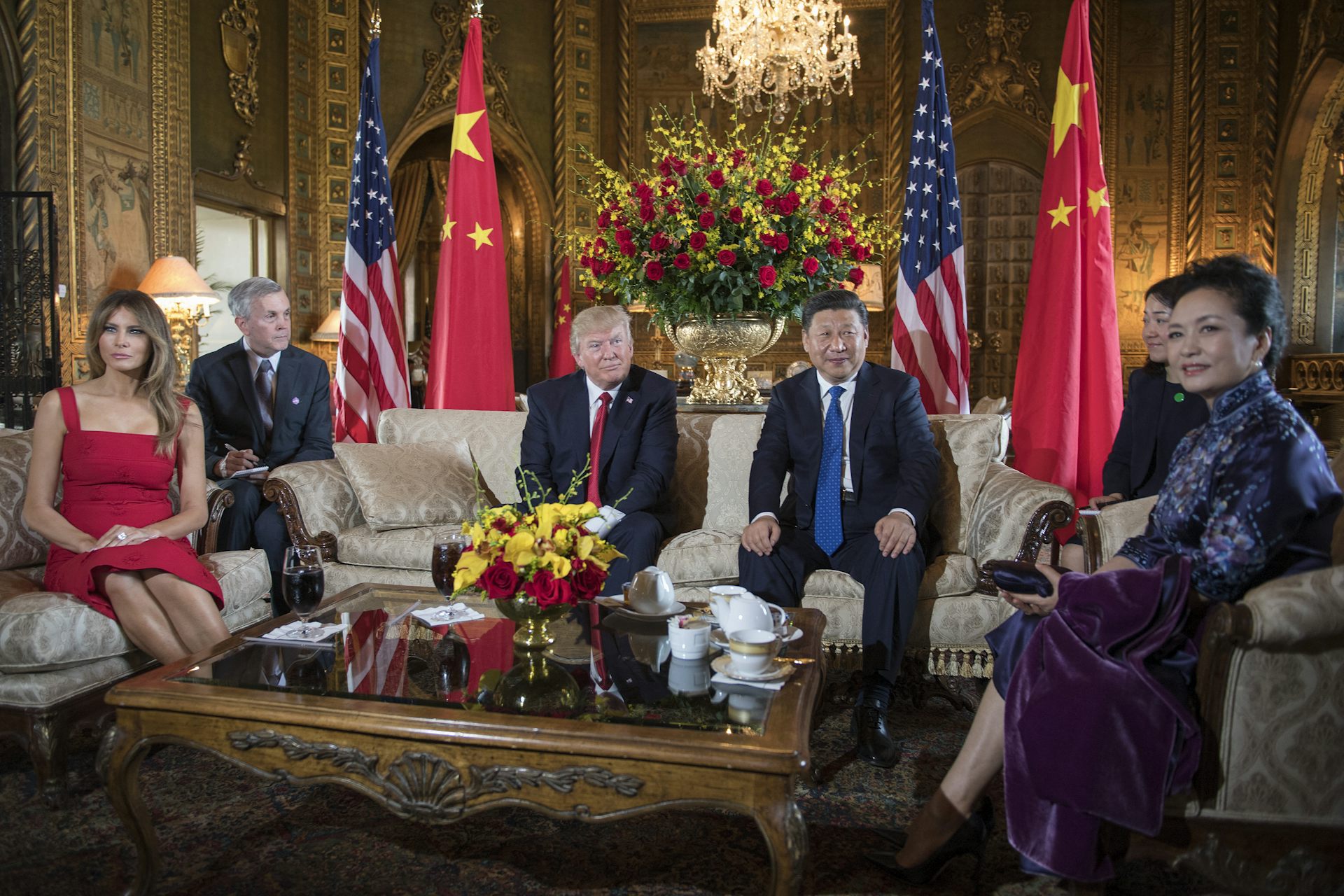
Donald Trump may harbor hopes that his upcoming visit, slated for May 14-15, 2026, could have similar historical significance to those moments half a century ago. It will, after all, be the first face-to-face meeting of U.S. and Chinese leaders in Beijing since Trump’s own visit nearly a decade ago in 2017.
قد يحمل دونالد ترامب آمالًا بأن تكون زيارته القادمة، المحددة في 14-15 مايو 2026، ذات أهمية تاريخية مماثلة لتلك اللحظات التي وقعت قبل نصف قرن. ففي نهاية المطاف، ستكون الاجتماع الأول وجهًا لوجه للقادة الأمريكيين والصينيين في بكين منذ زيارة ترامب بنفسه قبل ما يقرب من عقد من الزمان في عام 2017.
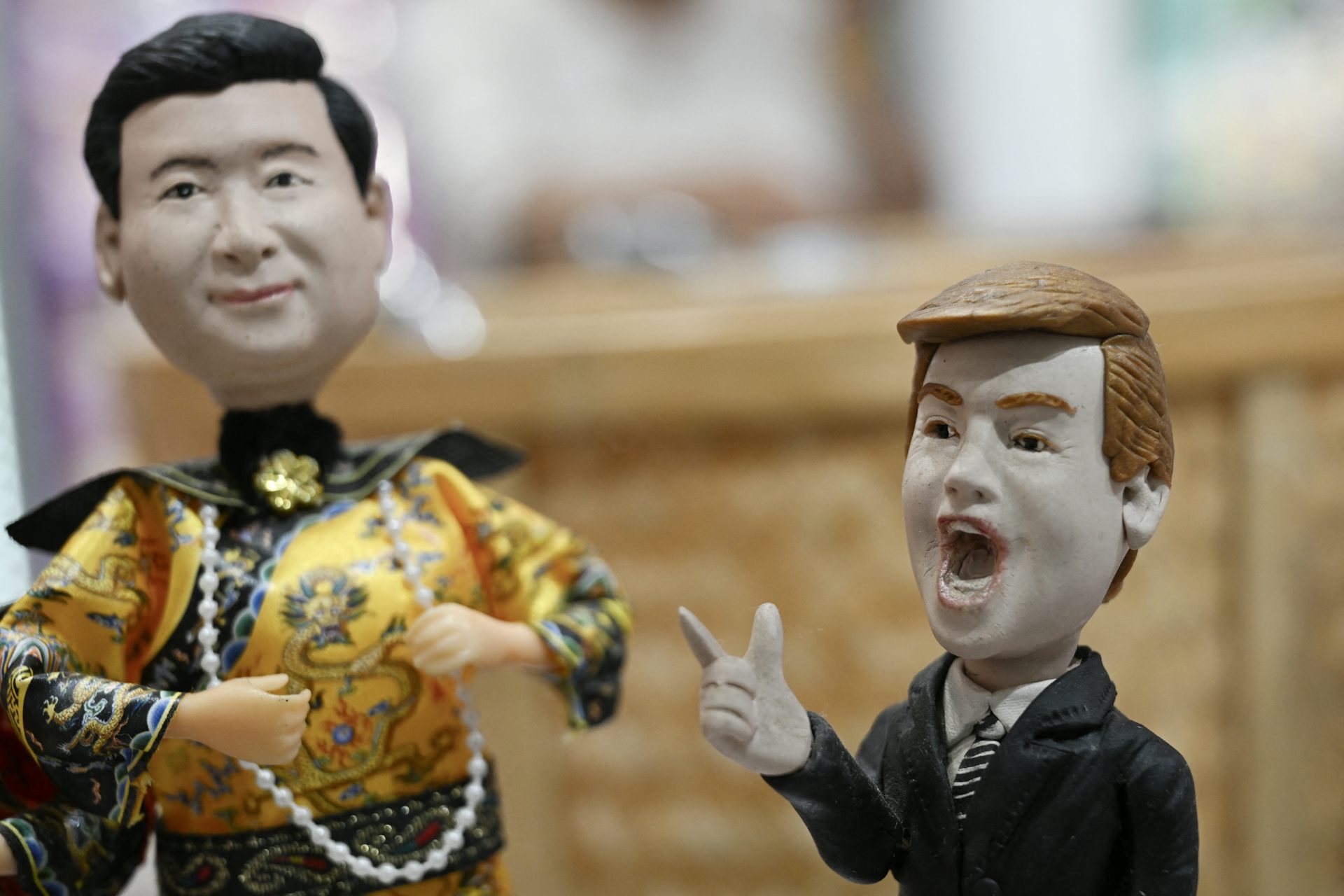
Yet the outcomes of this Trump summit with Xi Jinping are likely to be vague because the goals for both leaders are also only partially evident. The visit is being driven by trade imperatives, but there are other issues that threaten U.S.-China relations in the longer term.
ومع ذلك، من المرجح أن تكون نتائج هذه القمة بين ترامب وشي جين بينغ غامضة لأن الأهداف لكلا القائدين ليست واضحة بالكامل أيضًا. ويتم دفع هذه الزيارة بمقتضيات تجارية، ولكن هناك قضايا أخرى تهدد العلاقات بين الولايات المتحدة والصين على المدى الطويل.
It will be extremely hard for the two sides to address these more deep-rooted divides. Indeed, as an analyst of U.S.-China relations, I believe the world’s two largest economies will have an essentially competitive relationship for years to come, and areas of plausible cooperation – whether on climate change or AI regulation – are increasingly hard to find.
سيكون من الصعب للغاية على الجانبين معالجة هذه الانقسامات الأكثر عمقًا. في الواقع، وبصفتي محللاً للعلاقات بين الولايات المتحدة والصين، أعتقد أن أكبر اقتصادين في العالم سيكون لهما علاقة تنافسية أساسية للسنوات القادمة، وتصبح مجالات التعاون المعقولة – سواء في مجال تغير المناخ أو تنظيم الذكاء الاصطناعي – صعبة المنال بشكل متزايد.
Taiwan: A change in US position?
تايوان: تغيير في موقف الولايات المتحدة؟
One area that has been a source of contention for quite some time is Taiwan. Xi has made it clear that the unification of the island with the mainland cannot be left to “another generation” but has left it vague – up to now – as to how that goal will be achieved.
أحد المجالات التي كانت مصدر خلاف لفترة من الوقت هو تايوان. أوضح شي أن توحيد الجزيرة مع البر الرئيسي لا يمكن تركه لـ “جيل آخر”، لكنه ترك الأمر غامضاً – حتى الآن – بشأن كيفية تحقيق هذا الهدف.
The summit has been preceded by lots of chatter about U.S. preparedness to honor its somewhat ambiguous promise to defend Taiwan in the event of an invasion – with Chinese analysts concluding that the war in Iran has severely weakened Washington’s capabilities on this front.
سبقت القمة الكثير من الأحاديث حول استعداد الولايات المتحدة لتلبية وعدها الغامض بصد تايوان في حالة الغزو – حيث خلص المحللون الصينيون إلى أن الحرب في إيران قد أضعفت بشكل كبير قدرات واشنطن في هذا المجال.
However, there are plenty of signs that Xi would rather find peaceful means to unite with Taiwan that avoid all-out war, particularly as the examples of Russia in Ukraine and the U.S. in Iran show that the outcomes of wars are not predictable.
ومع ذلك، هناك الكثير من العلامات التي تشير إلى أن شي يفضل إيجاد وسائل سلمية للتوحيد مع تايوان تتجنب الحرب الشاملة، خاصة وأن أمثلة روسيا في أوكرانيا والولايات المتحدة في إيران تظهر أن نتائج الحروب ليست قابلة للتنبؤ.
Instead, China has seemingly concentrated its efforts on influencing the upcoming January 2028 Taiwan presidential election. The leader of the island’s major opposition Kuomintang party, Cheng Li-wun, recently visited the mainland and had a photo op with Xi – a sign that she thinks dealmaking with China might just be acceptable to the Taiwan electorate despite its deep distrust of Beijing.
بدلاً من ذلك، يبدو أن الصين ركزت جهودها على التأثير في الانتخابات الرئاسية القادمة لتايوان في يناير 2028. زار زعيم الحزب المعارض الرئيسي للجزيرة، كوامينتانغ، تشنغ لي-وون، البر الرئيسي مؤخراً وأجرى جلسة تصوير مع شي – وهي علامة على أنه يعتقد أن صفقات التعامل مع الصين قد تكون مقبولة لمؤيدي تايوان على الرغم من عدم ثقتهم العميقة في بكين.
To further fuel the narrative of a seemingly inevitable path toward unification, it would be helpful for Xi to have signals that the U.S. is no longer committed to defending Taiwan.
لزيادة تغذية السرد حول مسار يبدو حتمياً نحو التوحيد، سيكون من المفيد لشي أن تكون لديه إشارات إلى أن الولايات المتحدة لم تعد ملتزمة بالدفاع عن تايوان.
China will push for a change from the official position that the U.S. “does not support Taiwan independence” to “the U.S. opposes Taiwan independence.” The latter change sounds minor but would have great significance, as it would essentially be an acknowledgment that the U.S. recognizes unification, by some means, as a legitimate goal in its own right.
ستدفع الصين من أجل تغيير من الموقف الرسمي بأن الولايات المتحدة “لا تدعم استقلال تايوان” إلى “الولايات المتحدة تعارض استقلال تايوان”. هذا التغيير الأخير يبدو طفيفاً ولكنه سيكون ذا أهمية كبيرة، لأنه سيكون في الأساس اعترافاً بأن الولايات المتحدة تعترف بالتوحيد، بوسائل ما، كهدف مشروع في حد ذاته.
Trump has kept his own position ambiguous: He has noted more than once that Taiwan is very close to China and very far from the U.S., but he has also authorized major arms sales to the island that have infuriated Beijing.
حافظ ترامب على موقفه الغامض: فقد أشار أكثر من مرة إلى أن تايوان قريبة جداً من الصين وبعيدة جداً عن الولايات المتحدة، ولكنه سمح أيضاً بمبيعات أسلحة رئيسية للجزيرة أثارت غضب بكين.
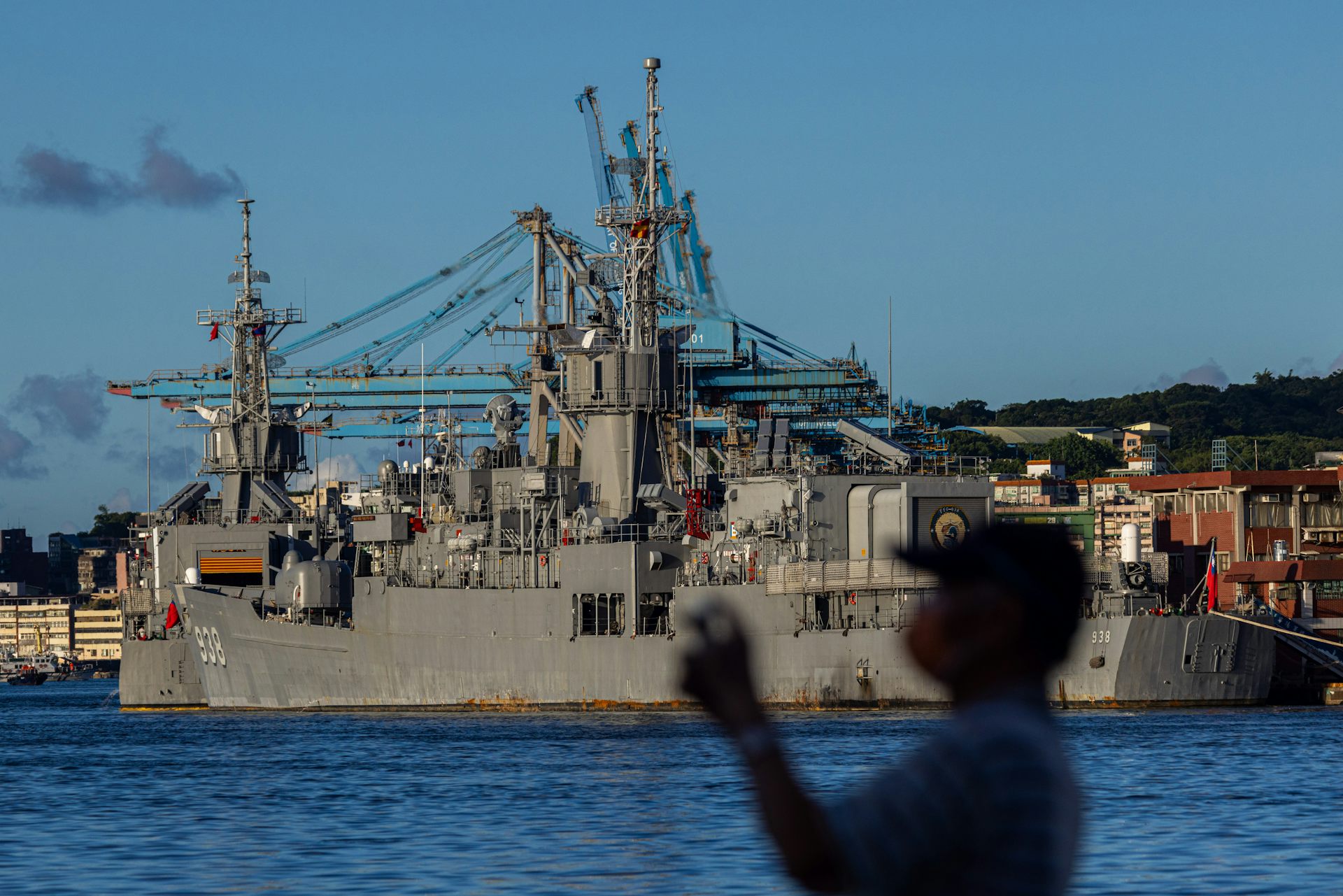
Taiwan’s ruling Democratic Progressive Party does not specifically endorse independence, as it knows that’s a red line for Beijing, but it would regard this change in American language as a serious blow to its position. It’s unlikely that the U.S. would make such a major concession during Trump’s visit – but that won’t stop Beijing from asking for it.
لا يدعم الحزب الديمقراطي التقدمي الحاكم في تايوان الاستقلال بشكل خاص، لأنه يعلم أن ذلك خط أحمر بالنسبة لبكين، ولكنه سيرى هذا التغيير في اللغة الأمريكية كضربة خطيرة لموقفه. من غير المرجح أن تقدم الولايات المتحدة مثل هذا التنازل الكبير خلال زيارة ترامب – ولكن هذا لن يمنع بكين من المطالبة به.
AI: The battle for global leadership
الذكاء الاصطناعي: معركة القيادة العالمية
A more tentative but increasingly important area for discussion during the Xi-Trump summit is technology in general and AI in particular.
مجال أكثر حذراً ولكنه يزداد أهمية للنقاش خلال قمة شي وطرمپ هو التكنولوجيا بشكل عام والذكاء الاصطناعي بشكل خاص.
Just three years ago, the attitude of the U.S. government was summed up in the phrase of then national security adviser Jake Sullivan: “small yard, high fence.”
قبل ثلاث سنوات فقط، تم تلخيص موقف حكومة الولايات المتحدة في عبارة مستشار الأمن القومي آنذاك، جايك سوليفان: “فناء صغير، سياج عالٍ.”
In other words, there would be only a few restricted areas of technology, but they would be fiercely guarded.
بعبارة أخرى، ستكون هناك فقط بعض المناطق المقيدة من التكنولوجيا، ولكنها ستكون محمية بشدة.
In 2026, things have changed. In some areas, tech restrictions have just become looser; the U.S. government now permits the sale to China of some high-specification, American-manufactured chips that were previously restricted. That policy was probably driven by the sense that China was developing its own domestic alternatives anyway and that the U.S. was losing market share.
في عام 2026، تغيرت الأمور. في بعض المجالات، أصبحت القيود التكنولوجية أكثر ارتخاءً؛ تسمح حكومة الولايات المتحدة الآن ببيع بعض الرقائق الأمريكية عالية المواصفات المصنعة في الصين والتي كانت مقيدة سابقاً. ربما كان هذا السياسة مدفوعاً بإحساس بأن الصين كانت تطور بدائلها المحلية على أي حال وأن الولايات المتحدة كانت تفقد الحصة السوقية.
Yet there is growing concern both in the U.S. and China that AI developments are moving too fast for governments – or companies – to know fully what the technology is capable of doing, let alone being able to regulate it.
ومع ذلك، هناك قلق متزايد في كل من الولايات المتحدة والصين من أن تطورات الذكاء الاصطناعي تسير بسرعة كبيرة لدرجة أن تكون الحكومات – أو الشركات – غير قادرة على معرفة ما يمكن أن تفعله هذه التكنولوجيا بالكامل، ناهيك عن القدرة على تنظيمها.
China and the U.S. both desire to dominate AI and set the global norms and standards surrounding it. But they are also aware that AI has the potential to cause immense damage.
تسعى كل من الصين والولايات المتحدة إلى السيطرة على الذكاء الاصطناعي ووضع المعايير والمقاييس العالمية المحيطة به. ولكن لديهما أيضاً وعي بأن للذكاء الاصطناعي القدرة على التسبب في أضرار هائلة.
There has been loose discussion of whether any joint form of supervision or regulation of AI between the U.S. and China might be possible. And that could well form part of the discussions during the leaders’ summit.
كانت هناك مناقشات متفرقة حول ما إذا كان من الممكن وجود شكل مشترك للإشراف أو التنظيم للذكاء الاصطناعي بين الولايات المتحدة والصين. ويمكن أن يشكل ذلك جزءاً من المناقشات خلال قمة القادة.
But realistically, both sides see themselves in fierce competition, and the likelihood that either American or Chinese companies would restrain themselves may be fanciful.
ولكن واقعياً، يرى كلا الجانبين أنفسهما في منافسة شرسة، واحتمالية أن تكبح الشركات الأمريكية أو الصينية نفسها قد تكون خيالية.
The trade elephant in the room
الفيل التجاري في الغرفة
The most substantial achievements of the summit, however, are likely to be in the least glamorous area: remedying the trade deficit.
ومع ذلك، فمن المرجح أن تكمن الإنجازات الأكثر أهمية للقمة في المنطقة الأقل بريقاً: معالجة العجز التجاري.
Trump’s tariffs aim to make the United States’ global trade partners pay a higher price for entry to the American market, and China’s persistent and massive trade surplus has been a prime target for the U.S. president.
تهدف تعريفات ترامب إلى جعل شركاء الولايات المتحدة التجاريين يدفعون سعراً أعلى لدخول السوق الأمريكية، وقد كان الفائض التجاري المستمر والضخم للصين هدفاً رئيسياً للرئيس الأمريكي.
While there are many American products that China would like to buy, most of them are not products that the U.S. government is willing to let them have, including high-tech equipment that could be used for military purposes.
في حين أن هناك العديد من المنتجات الأمريكية التي ترغب الصين في شرائها، فإن معظمها ليست منتجات تسمح الحكومة الأمريكية بامتلاكها، بما في ذلك المعدات عالية التقنية التي يمكن استخدامها لأغراض عسكرية.
Instead, the key products are likely to be agricultural, including U.S. soybeans and beef. Look out for concessions from China that would benefit farmers in key Republican states, such as Iowa.
بدلاً من ذلك، فمن المرجح أن تكون المنتجات الرئيسية زراعية، بما في ذلك فول الصويا واللحم الأمريكي. راقبوا التنازلات من الصين التي ستعود بالنفع على المزارعين في الولايات الجمهورية الرئيسية، مثل آيوا.
The current tariff dispute between the U.S. and China has frozen into a standoff: The U.S. has agreed to allow China’s goods into its immense market at manageable tariff rates, and China has – mostly – agreed to allow critical minerals and rare earths to flow to U.S. manufacturers.
لقد تجمد النزاع الجمركي الحالي بين الولايات المتحدة والصين في حالة جمود: وافقت الولايات المتحدة على السماح لبضائع الصين بالدخول إلى سوقها الهائلة بأسعار جمركية يمكن التحكم فيها، ووافقت الصين – في الغالب – على السماح بتدفق المعادن الحيوية والأرض النادرة إلى المصنعين الأمريكيين.
That truce lasts until October, but the summit may see it extended.
يستمر هذا الهدنة حتى أكتوبر، ولكن قد تشهد القمة تمديداً لها.
Neither side is keen to restart the trade war that marked the summer of 2025, when Trump announced tariffs of over 100% on China and the U.S. was in danger of having key mineral supplies cut off as a result.
لا يرغب أي من الجانبين في إعادة إشعال الحرب التجارية التي ميزت صيف عام 2025، عندما أعلن ترامب عن تعريفات جمركية تزيد عن 100% على الصين ووجدت الولايات المتحدة نفسها في خطر انقطاع إمداداتها من المعادن الرئيسية نتيجة لذلك.
Summit to talk about? Perhaps not
هل هناك قمة يجب التحدث عنها؟ ربما لا
So how consequential will the Trump-Xi summit be? Well, don’t expect another “Nixon meets Mao” moment.
فما مدى أهمية قمة ترامب-شي؟ حسنًا، لا تتوقعوا لحظة أخرى من نوع “نيكسون يلتقي ماو.”
The circumstances more than a half-century on are also remarkably different. Today’s China, unlike in 1972, has an economy and military second only to the U.S. and a central position in global organizations, from the United Nations to the World Trade Organization, particularly as the U.S. retreats from such institutions.
الظروف التي مرت بأكثر من نصف قرن تختلف أيضًا بشكل ملحوظ. الصين اليوم، على عكس عام 1972، لديها اقتصاد وعسكر لا يقلان عن الولايات المتحدة، ومكانة مركزية في المنظمات العالمية، من الأمم المتحدة إلى منظمة التجارة العالمية، خاصة مع تراجع الولايات المتحدة من هذه المؤسسات.
Both the U.S. and Chinese sides know that they can expect limited cooperation at best from their opponent.
تدرك كل من الجانبين الأمريكي والصيني أنهما يمكن أن يتوقعا تعاونًا محدودًا على أفضل تقدير من خصمهما.
But after a period, particularly during the COVID-19 pandemic, when communication between the countries atrophied, it’s still important that they are talking at all.
ولكن بعد فترة، لا سيما خلال جائحة كوفيد-19، عندما خمد التواصل بين البلدين، لا يزال من المهم أن يتحدثا على الأقل.
Rana Mitter does not work for, consult, own shares in or receive funding from any company or organization that would benefit from this article, and has disclosed no relevant affiliations beyond their academic appointment.
رانّا ميتير لا تعمل لصالح، أو تستشار، أو تمتلك أسهمًا في، أو تتلقى تمويلاً من أي شركة أو منظمة ستستفيد من هذه المقالة، ولم تكشف عن أي انتماءات ذات صلة تتجاوز منصبها الأكاديمي.
Read more
-
بينما تخطط شركات سبيس إكس، وأوبن إيه آي، وأنثروبيك لإطلاق منتجات ضخمة، فهل سيجعل ذلك عمالقة الذكاء الاصطناعي أكثر مساءلة؟
As SpaceX, OpenAI and Anthropic plan blockbuster launches, will it make AI giants more accountable?
-
هل تفضل كأس العالم الدول الديمقراطية أم الاستبدادية؟ أجريت بعض الحسابات لمعرفة ذلك
Does the World Cup favor democratic or autocratic nations? I did some number crunching to find out