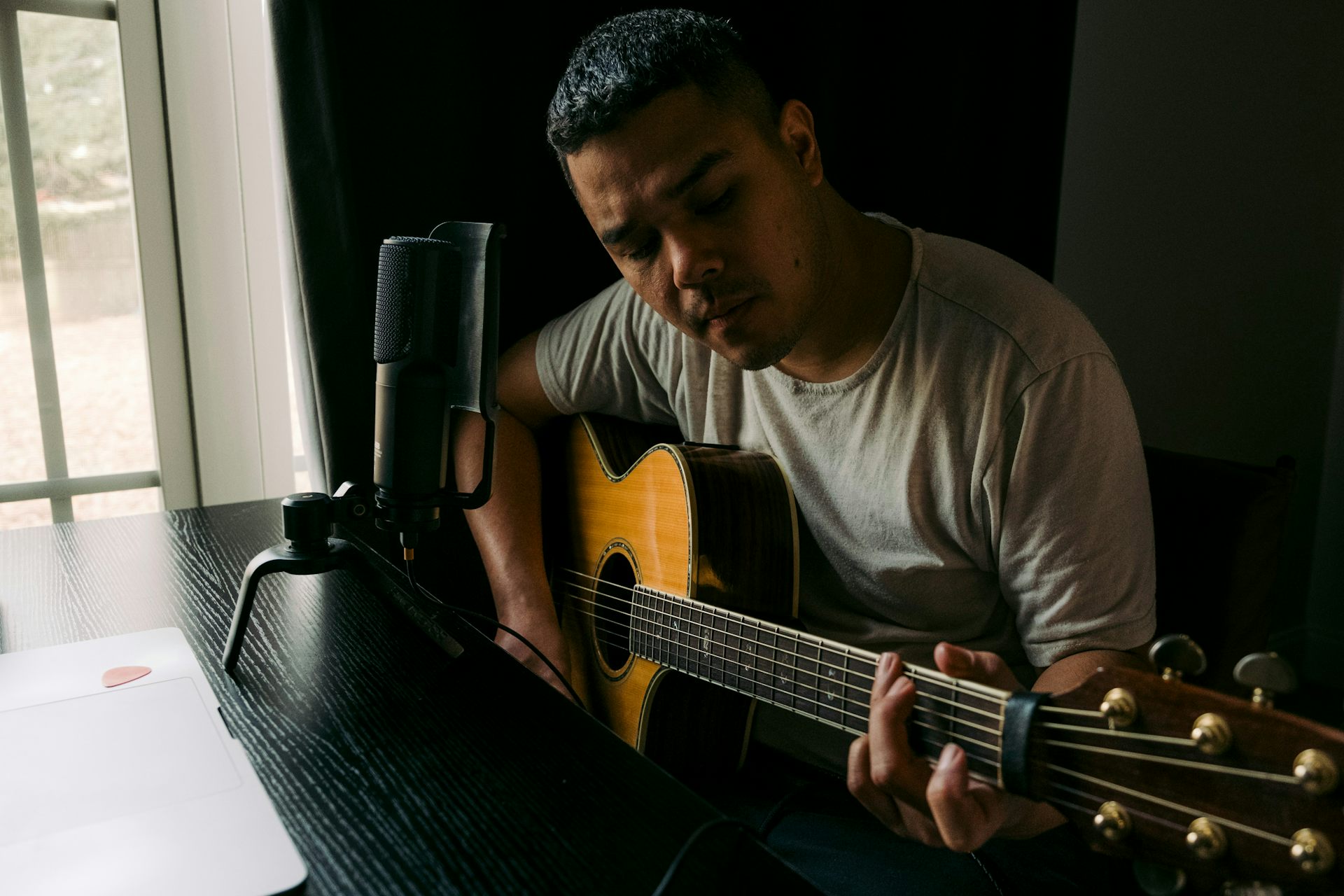
في عصر الذكاء الاصطناعي، أصبح الإنتاج الإبداعي البشري ترفاً
In the age of AI, human creative output is becoming a luxury
People value human-created art not just for its quality, but because it represents effort, intention and lived experience.
يُقدّر الناس الفن الذي صنعه الإنسان ليس فقط لجودته، بل لأنه يمثل الجهد، والنية، والتجربة المعاشة.
Imagine two identical spoons. One is hand-wrought from silver by a skilled metalworker. The other, a base-metal facsimile, was mass-produced by a machine. Which would you value more? Most of us would say the handmade spoon.
تخيل ملعقتين متطابقتين. إحداهما مصنوعة يدوياً من الفضة بواسطة حرفي ماهر. والأخرى، وهي نسخة مقلدة من معدن أساسي، تم إنتاجها بكميات كبيرة بواسطة آلة. أيهما ستقدر أكثر؟ سيقول معظمنا الملعقة المصنوعة يدوياً.
In 1899, more than a century ago, American economist and sociologist Thorstein Veblen used this very example to explain how we assign value, or his theory of conspicuous consumption, in which he contended that bourgeois consumption was driven primarily by a desire to display wealth to others. Even if these spoons were indistinguishable, explained Veblen, the hand-made spoon, once identified, would be more highly valued.
في عام 1899، أي قبل أكثر من قرن، استخدم الاقتصادي والاجتماعي الأمريكي ثورستين فيبلن هذا المثال تحديداً لشرح كيف نُقيّم القيمة، أو نظريته حول الاستهلاك التفاخري، حيث جادل بأن استهلاك الطبقة البرجوازية كان مدفوعاً بشكل أساسي بالرغبة في عرض الثروة على الآخرين. وأوضح فيبلن أنه حتى لو كانت هذه الملاعق غير قابلة للتمييز، فإن الملعقة المصنوعة يدوياً، بمجرد تحديدها، ستحظى بقيمة أعلى.
This is in part because “the hand-wrought spoon gratifies our taste, our sense of the beautiful, while that made by machinery out of base metal has no useful office beyond a brute efficiency.” But for Veblen there is another factor more important than any aesthetic judgment: costliness.
يعود هذا جزئياً إلى أن “الملعقة المصنوعة يدوياً تُرضي ذوقنا، وحسنا بالجمال، بينما الملعقة المصنوعة بالآلة من المعدن الأساسي ليس لها فائدة عملية تتجاوز الكفاءة الخام”. ولكن بالنسبة لفيبلن، هناك عامل آخر أهم من أي حكم جمالي: التكلفة.
The hand-wrought spoon is preferred above all, Veblen suggested, because it is a means of demonstrating wealth. However, as we enter a world in which almost anything, including art, writing and music, can be machine-wrought, it seems that Veblen may have misjudged his spoons.
أشار فيبلن إلى أن الملعقة المصنوعة يدوياً هي المفضلة فوق كل شيء، لأنها وسيلة لإظهار الثروة. ومع ذلك، فبينما ندخل عالماً يمكن فيه تصنيع كل شيء تقريباً، بما في ذلك الفن والكتابة والموسيقى، بالآلات، يبدو أن فيبلن ربما أخطأ في تقدير ملاعقه.
We don’t value human creations solely for their beauty or their price tag. We also value them because they embody deliberate labour and expertise.
نحن لا نُقدّر الإبداعات البشرية لمجرد جمالها أو سعرها. بل نُقدّرها أيضاً لأنها تجسد العمل اليدوي المتعمد والخبرة.
AI-generated writing is judged differently
يُحكَم على الكتابة المُولَّدة بالذكاء الاصطناعي بشكل مختلف
Our own research has shown that even highly trained writing educators cannot reliably distinguish between AI-generated and human-written essays. In fact, one study has shown that general audiences may actually prefer blander AI-generated poetry over more difficult, human-written poetry.
أظهر بحثنا أن حتى معلمي الكتابة المدربين تدريباً عالياً لا يستطيعون التمييز بشكل موثوق بين المقالات المُولَّدة بالذكاء الاصطناعي وتلك المكتوبة بواسطة البشر. في الواقع، أظهرت دراسة أن الجماهير العامة قد تفضل في الواقع الشعر المُولَّد بالذكاء الاصطناعي والأكثر بساطة على الشعر المكتوب بواسطة البشر والأكثر تعقيداً.
But while public taste may favour the simple and formulaic, the disclosure of artificial authorship is enough to make most people recoil.
ولكن بينما قد يميل الذوق العام إلى البساطة والصيغة المحددة، فإن الكشف عن التأليف الاصطناعي يكفي لجعل معظم الناس ينفرون.
In a recent study involving a series of experiments, participants were asked to compare pieces of AI-generated creative writing, including poetry and fiction. In each case, they were told that some passages were human-written and some were AI-generated. Across 16 experiments, respondents consistently devalued the writing labelled as AI-generated.
في دراسة حديثة شملت سلسلة من التجارب، طُلب من المشاركين مقارنة قطع من الكتابة الإبداعية المُولَّدة بالذكاء الاصطناعي، بما في ذلك الشعر والخيال. وفي كل حالة، قيل لهم إن بعض المقاطع كُتبت بواسطة البشر وبعضها مُولَّد بالذكاء الاصطناعي. وعبر 16 تجربة، قلل المشاركون باستمرار من قيمة الكتابة المُصنَّفة على أنها مُولَّدة بالذكاء الاصطناعي.
The authors of the study call this the “AI disclosure penalty.” It is possible to conclude from the study that audiences unfairly judge AI-generated content, but we disagree. This bias towards human creation is inherent to our relationship with art. When people believe something was made by a machine, they like it less.
يسمي مؤلفو الدراسة هذا “عقوبة الكشف عن الذكاء الاصطناعي”. ومن الممكن الاستنتاج من الدراسة أن الجماهير تحكم بشكل غير عادل على المحتوى المُولَّد بالذكاء الاصطناعي، لكننا نختلف. هذا التحيز تجاه الإبداع البشري متأصل في علاقتنا بالفن. عندما يعتقد الناس أن شيئًا ما صُنع بواسطة آلة، فإنهم يحبونه أقل.
Some argue that AI can democratize creativity by lowering barriers to production and enabling more people to participate in cultural expression. But the evidence suggests that when authorship becomes effortless, perceived value declines.
يجادل البعض بأن الذكاء الاصطناعي يمكنه دمقرطة الإبداع عن طريق خفض حواجز الإنتاج وتمكين المزيد من الناس من المشاركة في التعبير الثقافي. لكن الأدلة تشير إلى أنه عندما يصبح التأليف سهلاً، تنخفض القيمة المتصورة.
The importance of effort and experience
أهمية الجهد والخبرة
Art costs something. Both John Milton and James Joyce believed that their writing had cost them their eyesight. John Keats believed that the emotional exertion of writing poetry would worsen his tuberculosis and cost him his life. They kept writing anyway. We resent the machine because its creations cost it nothing.
يكلف الفن ثمناً. كان كل من جون ميلتون وجيمس جويس يعتقدان أن كتاباتهما كلفتها بصرهما. واعتقد جون كيتس أن الجهد العاطفي لكتابة الشعر من شأنه أن يفاقم من سَلّاته ويودي بحياته. ومع ذلك، استمرا في الكتابة. ونحن نغضب من الآلة لأن إبداعاتها لا تكلفها شيئاً.
When an algorithm generates a story about heartbreak or an essay on human struggle, it is trading in stolen emotions. AI has never felt pain, suffered a loss or wrestled with the frustration of a blank page, so its output, no matter how technically smooth, feels fundamentally deceptive.
عندما تُنشئ خوارزمية قصة عن خيبة الأمل أو مقالاً عن الكفاح البشري، فإنها تتاجر بالعواطف المسروقة. لم يشعر الذكاء الاصطناعي بالألم قط، أو يعاني من خسارة، أو يتصارع مع إحباط الصفحة الفارغة، لذا فإن مخرجاته، مهما كانت سلسة تقنياً، تبدو خادعة جوهرياً.
People hate the idea of being moved by a parlour trick. In addition, many of us have a deep, instinctive revulsion to the industrialization of our inner lives. As Joanna Maciejewska observed, “I want AI to do my laundry and dishes so that I can do art and writing, not for AI to do my art and writing so that I can do my laundry and dishes.”
يكره الناس فكرة التأثر بحيلة مسرحية. بالإضافة إلى ذلك، لدينا الكثير منا نفور عميق وغريزي من تصنيع حياتنا الداخلية. وكما لاحظت جوانا ماكاييفسكا: “أريد أن يقوم الذكاء الاصطناعي بغسل ملابسي وأطباقي حتى أتمكن أنا من ممارسة الفن والكتابة، وليس أن يقوم الذكاء الاصطناعي بفني وكتابتي حتى أتمكن أنا من غسل ملابسي وأطباقي.”
We happily accept machines stamping out our car parts and toasters because efficiency is the goal, but applying that same cold logic to human expression strips away the vulnerability, risk and stakes that make art mean anything in the first place.
نحن نقبل بسعادة الآلات التي تصنع أجزاء سياراتنا ومحمصة الخبز لأن الكفاءة هي الهدف، ولكن تطبيق هذا المنطق البارد نفسه على التعبير البشري يجرد الضعف والمخاطرة والمخاطر التي تجعل الفن ذا معنى في المقام الأول.
This becomes more consequential as AI-generated content floods the digital media landscape.
يصبح هذا أكثر أهمية مع غمر المحتوى الذي يولده الذكاء الاصطناعي لمشهد الإعلام الرقمي.
Why human work is becoming more valuable
لماذا أصبح العمل البشري أكثر قيمة
Our media ecosystem has evolved so that paying directly for much of the content we consume is optional. In an era of streaming music, television and film, we rarely own the product we consume, and creators receive pennies on the dollar compared to previous economic models.
لقد تطور نظامنا الإعلامي لدرجة أن الدفع المباشر مقابل جزء كبير من المحتوى الذي نستهلكه أصبح خياراً. في عصر البث الموسيقي والتلفزيون والأفلام، نادراً ما نمتلك المنتج الذي نستهلكه، ويتلقى المبدعون أجزاءً ضئيلة من القيمة مقارنة بالنماذج الاقتصادية السابقة.
To make matters worse, media companies are increasingly pushing AI-generated content in the form of tens of thousands of social media posts, books, podcasts and videos every day and encouraging artists and content creators to supercharge the quantity of their output by relying on AI.
ومما يزيد الأمر سوءاً، أن شركات الإعلام تروج بشكل متزايد للمحتوى المُولَّد بالذكاء الاصطناعي في شكل عشرات الآلاف من منشورات وسائل التواصل الاجتماعي والكتب والبودكاست ومقاطع الفيديو كل يوم، وتشجع الفنانين ومُنشئي المحتوى على زيادة كمية إنتاجهم بشكل كبير بالاعتماد على الذكاء الاصطناعي.
Much of this output is highly formulaic — produced at scale and designed for rapid, low-engagement consumption. It is an endless, flavourless paste of clichés and nonsense, meant to be mindlessly consumed by doomscrolling thumbs and immediately forgotten. Despite working in an era in which payment is optional amid a deluge of slop, many artists, journalists and writers are making a living because enough of their audience chooses to support the work of real human creators.
جزء كبير من هذا الإنتاج صيغي للغاية — يتم إنتاجه على نطاق واسع ومصمم للاستهلاك السريع ومنخفض التفاعل. إنه معجون لا نهاية له، بلا نكهة، من الكليشيهات والهراء، والمصمم ليتم استهلاكه بلا تفكير بواسطة أصابع التمرير القاتم، ويُنسى على الفور. على الرغم من العمل في عصر أصبح فيه الدفع خياراً وسط فيضان من المحتوى الرديء، فإن العديد من الفنانين والصحفيين والكتاب يعيشون على مهنتهم لأن جزءاً كافياً من جمهورهم يختار دعم عمل المبدعين البشريين الحقيقيين.
The “AI disclosure penalty” reminds us that the consumption of art is not tied to purely aesthetic considerations but involves a need to connect with and appreciate the effort and labour of others.
يذكرنا “عقوبة الكشف عن الذكاء الاصطناعي” بأن استهلاك الفن لا يرتبط بالاعتبارات الجمالية البحتة فحسب، بل يتضمن حاجة للتواصل مع جهد الآخرين وتقدير عملهم.
Consumers have long been willing to pay more for goods labelled “handmade,” “handcrafted,” “artisanal” or “bespoke” on the understanding that those goods were made using traditional techniques that took more effort and human skill.
لطالما كان المستهلكون على استعداد لدفع المزيد مقابل السلع التي تحمل علامات “مصنوع يدوياً” أو “حرفي” أو “فني” أو “مفصّل حسب الطلب”، على افتراض أن هذه السلع صُنعت باستخدام تقنيات تقليدية تطلبت جهداً ومهارة بشرية أكبر.
As generative AI turns writing, art and digital media into frictionless, infinitely replicable outputs, human cognitive effort is undergoing a profound shift. It is becoming an artisanal good that consumers must choose to support and value.
مع تحويل الذكاء الاصطناعي التوليدي للكتابة والفن والوسائط الرقمية إلى مخرجات سلسة وقابلة للتكرار إلى ما لا نهاية، يمر الجهد المعرفي البشري بتحول عميق. إنه يصبح سلعة حرفية يجب على المستهلكين اختيار دعمها وتقديرها.
The Industrial Revolution transformed hand-made furniture and hand-woven textiles into premium markers of craftsmanship and authenticity. The AI revolution is doing something similar for intellectual and creative labour — audiences are beginning to place a premium not necessarily on the competent execution of a poem or an essay, which a machine can generate in seconds, but on the invisible friction, the lived experience and the deliberate toil of the human mind behind it.
حوّلت الثورة الصناعية الأثاث المصنوع يدوياً والمنسوجات المنسوجة يدوياً إلى علامات متميزة للحرفية والأصالة. وتقوم ثورة الذكاء الاصطناعي بشيء مماثل للعمل الفكري والإبداعي — بدأ الجمهور يضعون قيمة ليس بالضرورة على التنفيذ الكفؤ للقصيدة أو المقال، الذي يمكن للآلة إنتاجه في ثوانٍ، بل على الاحتكاك الخفي، والتجربة المعاشة، والجهد المتعمد للعقل البشري وراءه.
In a landscape increasingly saturated with instant content, the verified effort of a human creator is shifting from a baseline expectation to a highly coveted, bespoke quality. Ultimately, what we value about art is not whether it’s perfect, but its ability to connect us with another human being.
في مشهد مشبع بشكل متزايد بالمحتوى الفوري، يتحول الجهد المُوثَّق للمبدع البشري من توقع أساسي إلى جودة مرغوبة للغاية ومصممة خصيصاً. في نهاية المطاف، ما نقدّره في الفن ليس ما إذا كان مثالياً، بل قدرته على ربطنا بإنسان آخر.
Nathan Murray has received funding for his research from the Social Sciences and Humanities Research Council of Canada (SSHRC) .
حصل ناثان موراي على تمويل لأبحاثه من مجلس البحوث في العلوم الإنسانية والاجتماعية في كندا (SSHRC) .
Elisa Tersigni has received funding from the Social Sciences and Humanities Research Council of Canada (SSHRC) .
حصل إيليسا تيرسييني على تمويل من مجلس البحوث في العلوم الإنسانية والاجتماعية في كندا (SSHRC) .
Read more
-
لماذا تتخلص الأسر الأوروبية من هذا الكم الهائل من الطعام – وكيفية الحد من جبل النفايات
Why European households throw away so much food – and how to curb the waste mountain