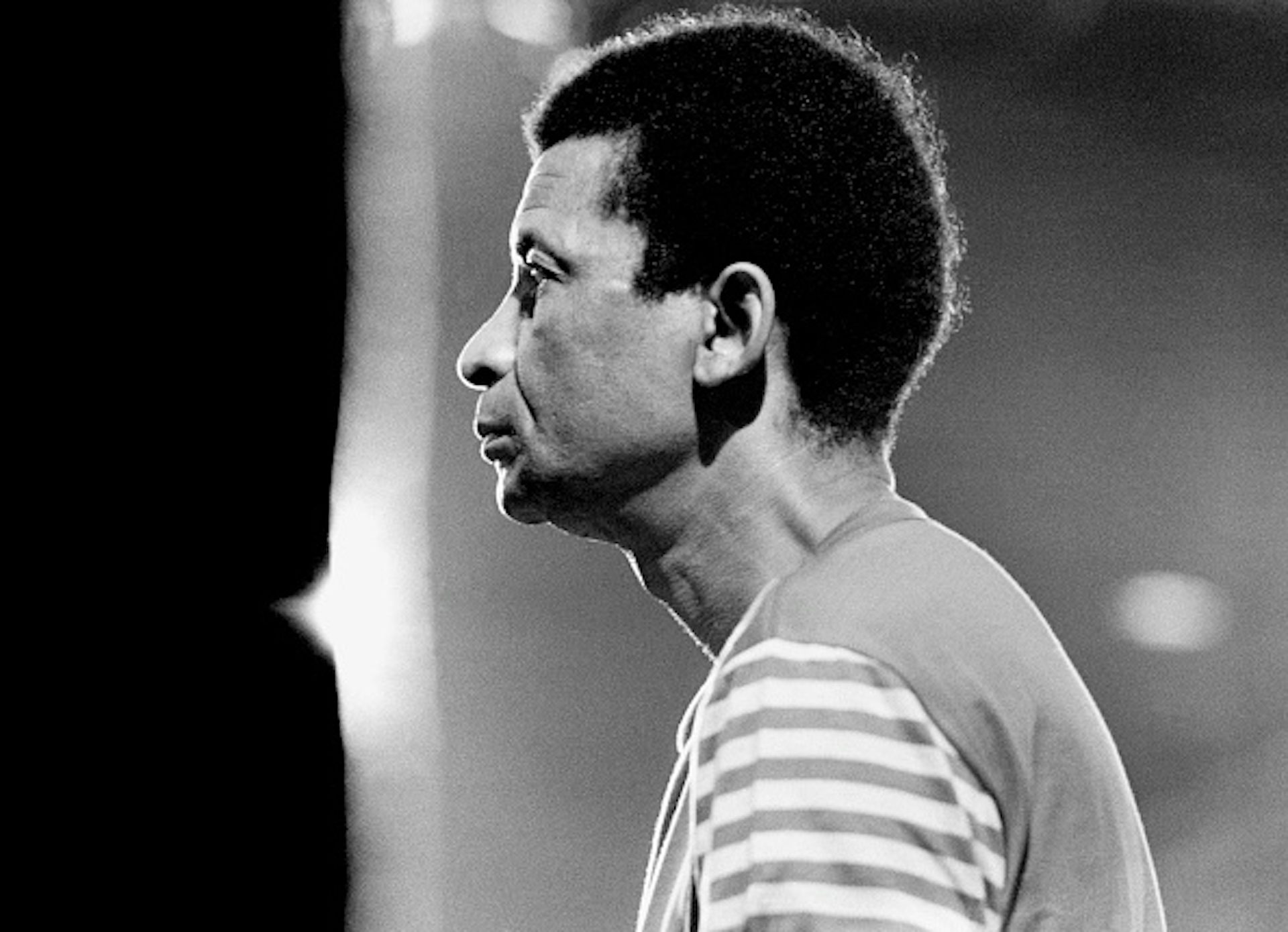
صاغ عازف البيانو عبد الله إبراهيم ثقافة جديدة ومذهلة لجنوب أفريقيا
Pianist Abdullah Ibrahim crafted a magnificent new culture for South Africa
He embodied a special brand of multiple identities and belief systems, and took them to the world.
لقد جسّد علامة خاصة من الهويات المتعددة وأنظمة المعتقدات، وحملها إلى العالم.
Adolph Johannes Brand was born on 9 October 1934 in Cape Town. He would become better known as Dollar Brand and then Abdullah Ibrahim, an artist of mixed ethnic descent who personified the city’s multiculturalism and represented it on the world’s stages.
وُلد أدولف يوهانس براند في 9 أكتوبر 1934 في كيب تاون. واشتهر لاحقاً باسم دولار براند، ثم عبد الله إبراهيم، وهو فنان ذو أصل عرقي مختلط جسّد التعددية الثقافية للمدينة ومثلها على مسارح العالم.
He went to school in District Six, a municipal inner city area with residents of diverse backgrounds. Due to the enforcement of apartheid it was declared a “white area” in 1966 and the community was removed by force in 1982. It was the creative ambience in which he started to play piano aged seven.
ذهب إلى المدرسة في منطقة سيكس (District Six) ، وهي منطقة حضرية داخلية بلدية يسكنها أشخاص من خلفيات متنوعة. وبسبب تطبيق نظام الفصل العنصري، أُعلنت المنطقة “منطقة بيضاء” عام 1966، وتم إجلاء المجتمع قسرًا عام 1982. كان الجو الإبداعي هو الذي بدأ فيه بعزف البيانو وهو في السابعة من عمره.
A bebop-inspired jazz musician performing as Dollar Brand, he had his first musical successes in the mid-1950s. He became Abdullah Ibrahim when converting to Islam in 1968, and his deep religious spirituality was an essential ingredient to his music.
بصفته عازف جاز مستوحى من موسيقى البيبوب وعازفاً تحت اسم دولار براند، حقق أول نجاحاته الموسيقية في منتصف الخمسينيات. وأصبح عبد الله إبراهيم عند تحوله إلى الإسلام عام 1968، وكانت روحانيته الدينية العميقة عنصراً أساسياً في موسيقاه.
Ibrahim’s more than 70 records received numerous prestigious awards. His deep spirituality, solemn dignity and soul has also been captured in the documentary films A Brother with Perfect Timing in 1987 and A Struggle for Love in 2005.
حصلت أكثر من 70 ألبوماً لعبد الله إبراهيم على العديد من الجوائز المرموقة. كما تم تجسيد روحه الروحانية العميقة ووقاره وكريمته في الأفلام الوثائقية “أخ بتوقيت مثالي” عام 1987 و”صراع حب” عام 2005.
As a political scientist of southern Africa, I have written about Ibrahim as a defiant public intellectual, placing his work within his unique worldviews.
بصفتي عالماً سياسياً من جنوب أفريقيا، كتبت عن إبراهيم باعتباره مفكراً عاماً متحدياً، واضعاً عمله ضمن منظوره الفريد للعالم.
He personified the special brand of multiple identities and belief systems, consolidated and transmitted over generations among a variety of descendants in the urban settings at the Cape. His spirituality was not only a source of resilience but also defiance, his humanity political without any need for ideology.
لقد جسّد العلامة الخاصة للهويات وأنظمة المعتقدات المتعددة، التي توطدت ونُقلت عبر الأجيال بين سلالات متنوعة في البيئات الحضرية بكيب تاون. لم تكن روحانيته مجرد مصدر للصمود بل كانت أيضاً تحدياً، وكانت إنسانيته سياسية دون أي حاجة للأيديولوجيا.
In search of genuine expressions through music, he became an icon of a counter-world to the apartheid regime, taking sides by being and living up to what he was.
في بحثه عن تعابير أصيلة من خلال الموسيقى، أصبح رمزاً لعالم مضاد لنظام الأبارتايد، حيث اتخذ موقفه بالوجود والعيش بما يمثله.
The early years
السنوات المبكرة
In 1959 he began to play in the Sophiatown-based band Jazz Epistles with other South African legends Kippie Moeketsi, Hugh Masekela, Jonas Gwangwa, Johnny Gertze and Makaya Ntshoko. They recorded Jazz Epistle Verse One as the first black South African jazz LP record.
في عام 1959، بدأ العزف في فرقة “جاز إبستلز” (Jazz Epistles) التي كانت مقرها في سوبيهاتاون، مع أساطير جنوب أفريقيين آخرين هم كيبّي موكيتسي، وهيو ماسكيلا، وجوناس غوانغوا، وجوني جيرتزي، وماكايا نتشوكو. سجلوا ألبوم “جاز إبستلز فيرس ون” (Jazz Epistle Verse One) باعتباره أول تسجيل لألبوم موسيقى الجاز السوداء الجنوب أفريقية.
In 1962 Ibrahim left for Europe, touring (with Gertze and Ntshoko) as The Dollar Brand Trio. In Switzerland the South African jazz vocalist Sathima Bea Benjamin put them in contact with Duke Ellington. Together Ellington and the Trio made two recordings (including Benjamin on the second one) .
في عام 1962، غادر إبراهيم إلى أوروبا، متجولاً (مع جيرتزي ونتشوكو) باسم “ثي دولر براند تريو” (The Dollar Brand Trio) . وفي سويسرا، عرضت المغنية للجاز الجنوب أفريقية ساتيما بيّا بنجامين عليهم التواصل مع دوك إلينغتون. قام كل من إلينغتون والثلاثي بتسجيل ألبومين (بما في ذلك بنجامين في الألبوم الثاني) .
The Trio entered the circuit of international jazz festivals and toured Europe. In 1965 Ibrahim and Benjamin married and moved to New York, where he played at the Newport Jazz Festival. He continued close collaboration with Duke Ellington and interacted with some most renowned jazz musicians of the time.
دخل الثلاثي دائرة المهرجانات الدولية لموسيقى الجاز وجال أوروبا. وفي عام 1965، تزوج إبراهيم وبنجامين وانتقلا إلى نيويورك، حيث عزف في مهرجان نيو بورت للجاز (Newport Jazz Festival) . وواصل التعاون الوثيق مع دوك إلينغتون وتفاعل مع بعض أشهر عازفي الجاز في ذلك الوقت.
Despite his international fame, he never forgot where he came from. Mandla Langa, a writer who was the African National Congress-in-exile’s cultural attaché in Europe, has observed:
على الرغم من شهرته الدولية، لم ينسَ أبدًا من أين أتى. وقد لاحظ ماندلا لانغا، الكاتب الذي كان الملحق الثقافي للحزب الوطني الأفريقي في المنفى بأوروبا:
He could have lost all connection with South Africa, but he chose not to.
كان بإمكانه أن يفقد كل اتصال بجنوب أفريقيا، لكنه اختار ألا يفعل ذلك.
A personal experience illustrates the point: when performing in West Berlin in the mid-1970s, a few exiled Namibians living there visited him backstage before the concert. When on stage to play before a packed auditorium, he stopped after intonating a few notes on the piano. Turning around, he looked at the group and declared, “Ek speel net vir julle.” (I only play for you) .
تجربة شخصية توضح هذه النقطة: عندما كان يؤدي في برلين الغربية في منتصف السبعينيات، زاره عدد قليل من الناميبيين المطرودين الذين يعيشون هناك خلف الكواليس قبل الحفل. وعندما كان على المسرح ليعزف أمام قاعة مكتظة، توقف بعد أن عزف بضع نغمات على البيانو. استدار ونظر إلى المجموعة وأعلن: “Ek speel net vir julle.” (أنا أعزف لكم فقط) .
Mannenberg and Cape jazz
ماننبرغ وجاز الكيب
A turning point in Ibrahim’s career (then still mainly known as Dollar Brand) – and a watershed for South African musical history – was his short return to South Africa during the mid-1970s.
كان نقطة تحول في مسيرة إبراهيم (الذي عُرف آنذاك بشكل رئيسي باسم دولار براند) – ونقطة مفصلية للتاريخ الموسيقي في جنوب أفريقيا – هو عودته القصيرة إلى جنوب أفريقيا خلال منتصف السبعينيات.
Mannenberg, a 14-minute track capturing the atmosphere of the Cape Flats, was recorded in June 1974 in one take as an act of collective improvisation. It was released on the album Mannenberg – Is Where It’s Happening.
تم تسجيل “ماننبرغ”، وهو مقطع مدته 14 دقيقة يلتقط أجواء سهول الكيب (Cape Flats) ، في يونيو عام 1974 في لقطة واحدة كعمل من أعمال الارتجال الجماعي. وقد صدر على ألبوم بعنوان “Mannenberg – Is Where It’s Happening.”
As historian John Edwin Mason observed, its unique combination of musical vocabularies and idioms, rooted in South Africa, yet aware of international trends, helped to make it “the most iconic” composition in South African jazz history.
وكما لاحظ المؤرخ جون إدوين ماسون، ساعد مزيجه الفريد من المفردات والتعابير الموسيقية، المتجذرة في جنوب أفريقيا ولكنه واعي بالتوجهات العالمية، على جعله التكوين “الأكثر أيقونية” في تاريخ الجاز الجنوب أفريقي.
Within a year it sold more copies than any other South African jazz album. Being subsequently performed by some of the band’s members at political protest gatherings, it became a song of resistance and resilience. A fellow jazz musician from District Six declared it “the most powerful anthem of the struggle in the 1980s … which had no words, it simply referred to a series of styles of music that was influenced by black culture”.
في غضون عام، باع المزيد من النسخ من أي ألبوم جاز جنوب أفريقي آخر. وبما أنه تم عزفه لاحقًا من قبل بعض أعضاء الفرقة في تجمعات الاحتجاج السياسي، أصبح أغنية للمقاومة والصمود. وقد وصفه زميل له في مجال الجاز من منطقة “ديستريكت سيكس” بأنه “أقوى نشيد للنضال في الثمانينيات… لم يكن يحتوي على كلمات، بل أشار ببساطة إلى سلسلة من الأساليب الموسيقية المتأثرة بالثقافة السوداء”.
These were automatically associated with being free, to have an identity. Ibrahim’s fusion of melodies in his improvisations resembled a mixture of American jazz with local genres such as marabi and mbaqanga, but also langarm, vastrap and ticky draai. This blend is known as Cape jazz. More recordings followed with African Herbs (1975) , Banyana – Children of Africa and Black Lightning (both 1976) .
هذه الأساليب ارتبطت تلقائيًا بالحرية، وبامتلاك الهوية. وشبه دمج إبراهيم للألحان في ارتجالاته بمزيج من الجاز الأمريكي مع الأنواع المحلية مثل “مارابي” و”مباكانغا”، ولكنه شمل أيضًا “لانغارم” و”فاستراب” و”تيكي دراي.” يُعرف هذا المزيج باسم جاز الكيب. وتلت ذلك تسجيلات أخرى بألبومات (African Herbs) عام 1975، و (Banyana – Children of Africa) و (Black Lightning) (كلاهما عام 1976) .
Triggered by the Soweto uprising of 16 June 16 1976, Ibrahim declared his support for the African National Congress and returned to New York. In 1978 he released Anthem for the New Nation. Another milestone became African Marketplace, recorded in 1979 with a 12-piece-band – ranked as number 70 in a list of The 100 Jazz Albums that Shook the World.
بعد أن أثار انتفاضة سويتو في 16 يونيو 1976، أعلن إبراهيم دعمه للحزب الوطني الأفريقي وعاد إلى نيويورك. وفي عام 1978 أصدر ألبوم “Anthem for the New Nation.” وأصبح ألبوم “African Marketplace”، الذي سجل عام 1979 بفرقة مكونة من 12 عازفًا، علامة فارقة أخرى – حيث صُنّف ضمن المرتبة السبعين في قائمة “أفضل ١٠٠ ألبوم جاز هز العالم.”
Returning home
العودة إلى الوطن
A legend in his own lifetime, Ibrahim returned to South Africa after he met the newly-released Nelson Mandela 1990 in Germany, who told him to come home. In 1994 he performed with a symphony orchestra on occasion of Mandela’s inauguration as president. Mandela reportedly referred to him as “our Mozart”.
أسطورة في حياته، عاد إبراهيم إلى جنوب أفريقيا بعد لقائه نيلسون مانديلا الذي أُطلق سراحه حديثاً عام ١٩٩٠ في ألمانيا، والذي طالبه بالعودة إلى وطنه. وفي عام ١٩٩٤، قدم عرضاً مع أوركسترا سيمفونية بمناسبة تنصيب مانديلا رئيساً. ويذكر أن مانديلا وصفه بـ “موزارت الخاص بنا.”
In 1999 Ibrahim founded an academy for South African musicians in Cape Town, where he also initiated the Cape Town Jazz Orchestra, launched in 2006. In 2016 he performed with Hugh Masekela for the first time since 1960, reuniting the legendary Jazz Epistles to commemorate the 40th anniversary of the Soweto uprising.
في عام ١٩٩٩، أسس إبراهيم أكاديمية للموسيقيين الجنوب أفريقيين في كيب تاون، حيث أطلق أيضاً فرقة جاز كيب تاون أوركسترا (Cape Town Jazz Orchestra) التي انطلقت في عام ٢٠٠٦. وفي عام ٢٠١٦، قدم عرضاً مع هيو ماسكيلا لأول مرة منذ عام ١٩٦٠، مجدداً بذلك “رسل الجاز” الأسطوريين تخليداً للذكرى الأربعين لانتفاضة سويتو.
A solo piano recording was released in 2008 as Senzo (meaning ancestor in Chinese and Japanese, and a nod to his father’s name, Senzo, which also means creation in South Africa’s Nguni languages) . As a review in All About Jazz ended:
صدر تسجيل منفرد على البيانو في عام ٢٠٠٨ بعنوان سينزو (Senzo) (الذي يعني السلف بالصينية واليابانية، وإشارة إلى اسم والده، سينزو، الذي يعني أيضاً الخلق في اللغات النغوني بجنوب أفريقيا) . واختتمت مراجعة نشرت في موقع “All About Jazz” بما يلي:
Abdullah Ibrahim is a true inheritor of the ancestral name.
عبد الله إبراهيم هو وريث حقيقي للاسم العائلي.
Upon release of The Balance in 2019, his first album after five years, The Wall Street Journal titled: A Jazz Master Continues to Grow.
عند إصدار ألبوم “ذا بالانس” (The Balance) عام ٢٠١٩، وهو أول ألبومه بعد خمس سنوات، وصفت صحيفة وول ستريت جورنال عنوانه بأنه: “مايسترو الجاز يواصل النمو.”
In 2024 he released his final recording, an expansive and critically acclaimed double album called 3.
في عام ٢٠٢٤، أصدر تسجيله الأخير، وهو ألبوم مزدوج واسع النطاق وحظي بإشادة نقدية بعنوان 3.
A legacy beyond music
إرث يتجاوز الموسيقى
Ibrahim has been a midwife to musical expressions under apartheid, which were a form of resistance based on one’s own human dignity, self-respect and confidence as protest against oppression and discrimination. He did this without noise, rather – like his personal habitus – calm, steadfast and determined, resting in himself.
كان إبراهيم قابلة للتعبير الموسيقي في ظل نظام الفصل العنصري، والذي شكل شكلاً من أشكال المقاومة القائمة على الكرامة الإنسانية الذاتية واحترام الذات والثقة بالنفس كاحتجاج ضد القمع والتمييز. وقد فعل ذلك بصمت، بل – مثل نمطه الشخصي (habitus) – بهدوء وثبات وعزيمة، مستمدًا قوته من ذاته.
He contributed to a new culture under – and after – apartheid. Abdullah Ibrahim played a significant role in the creation of something new. There will be no other like him.
لقد ساهم في ثقافة جديدة تحت نظام الفصل العنصري وبعده. لعب عبد الله إبراهيم دوراً هاماً في خلق شيء جديد. لن يكون هناك مثله غيره.
Henning Melber does not work for, consult, own shares in or receive funding from any company or organisation that would benefit from this article, and has disclosed no relevant affiliations beyond their academic appointment.
هننج ميلبر لا يعمل لدى أو يقدم استشارات لـ أو يمتلك حصصاً في أو يتلقى تمويلاً من أي شركة أو منظمة يمكن أن تستفيد من هذا المقال، ولم يفصح عن أي انتماءات ذات صلة تتجاوز منصبه الأكاديمي.
Read more
-

عندما تُطرح عمالقة الذكاء الاصطناعي للاكتتاب العام، هل سيعرف المستثمرون العاديون ما إذا كانوا يواكبون هذه الموجة؟
When AI giants go public, will ordinary investors know if they are along for the ride?
-

ما هو فيروس الهانتا، المرض الذي أودى بحياة 3 ركاب في سفينة سياحية؟
What is hantavirus, the disease that has killed 3 cruise ship passengers?