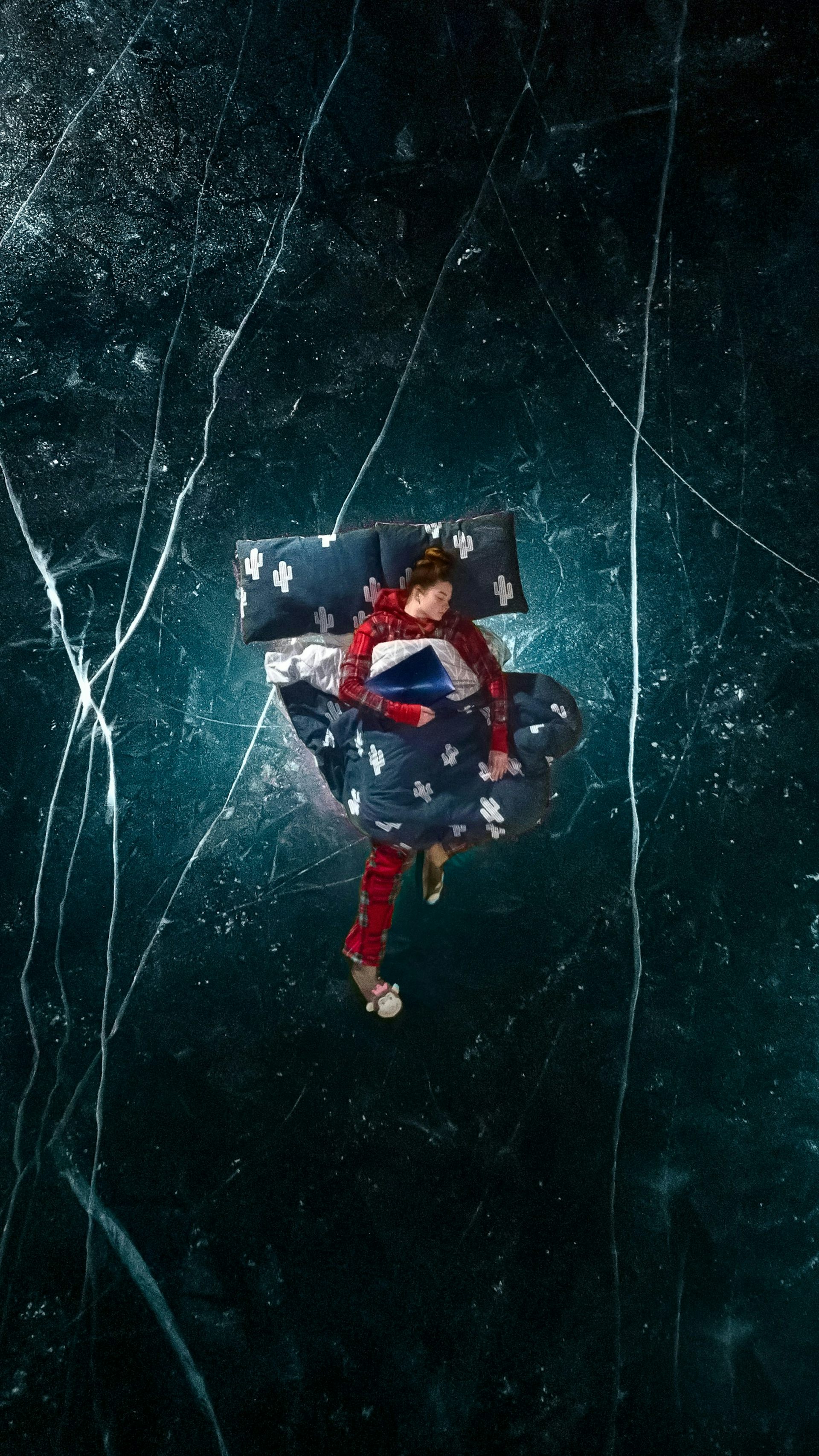
دليل الكلاسيكيات: كتاب سيغموند فرويد “تفسير الأحلام” منحنا التحليل النفسي
Guide to the classics: Sigmund Freud’s The Interpretation of Dreams gave us psychoanalysis
Sigmund Freud’s 800-page book on dreams introduced a new way of thinking about the mind that reverberated through the 20th century.
قدم كتاب سيغموند فرويد المكون من ٨٠٠ صفحة عن الأحلام طريقة تفكير جديدة حول العقل، تردد صداها عبر القرن العشرون.
Sigmund Freud published The Interpretation of Dreams late in 1899. It has outsized importance among his writings, as arguably the founding document of psychoanalysis. In his own estimation, the book contains “the most valuable of all the discoveries it has been my good fortune to make”.
نشر سيغموند فرويد كتاب “تفسير الأحلام” في أواخر عام 1899. ويحمل هذا الكتاب أهمية قصوى بين مؤلفاته، إذ يُعد على الأرجح الوثيقة التأسيسية للتحليل النفسي. وفي تقديره الخاص، يحتوي الكتاب على “أثمن الاكتشافات التي حالفني الحظ في تحقيقها.”
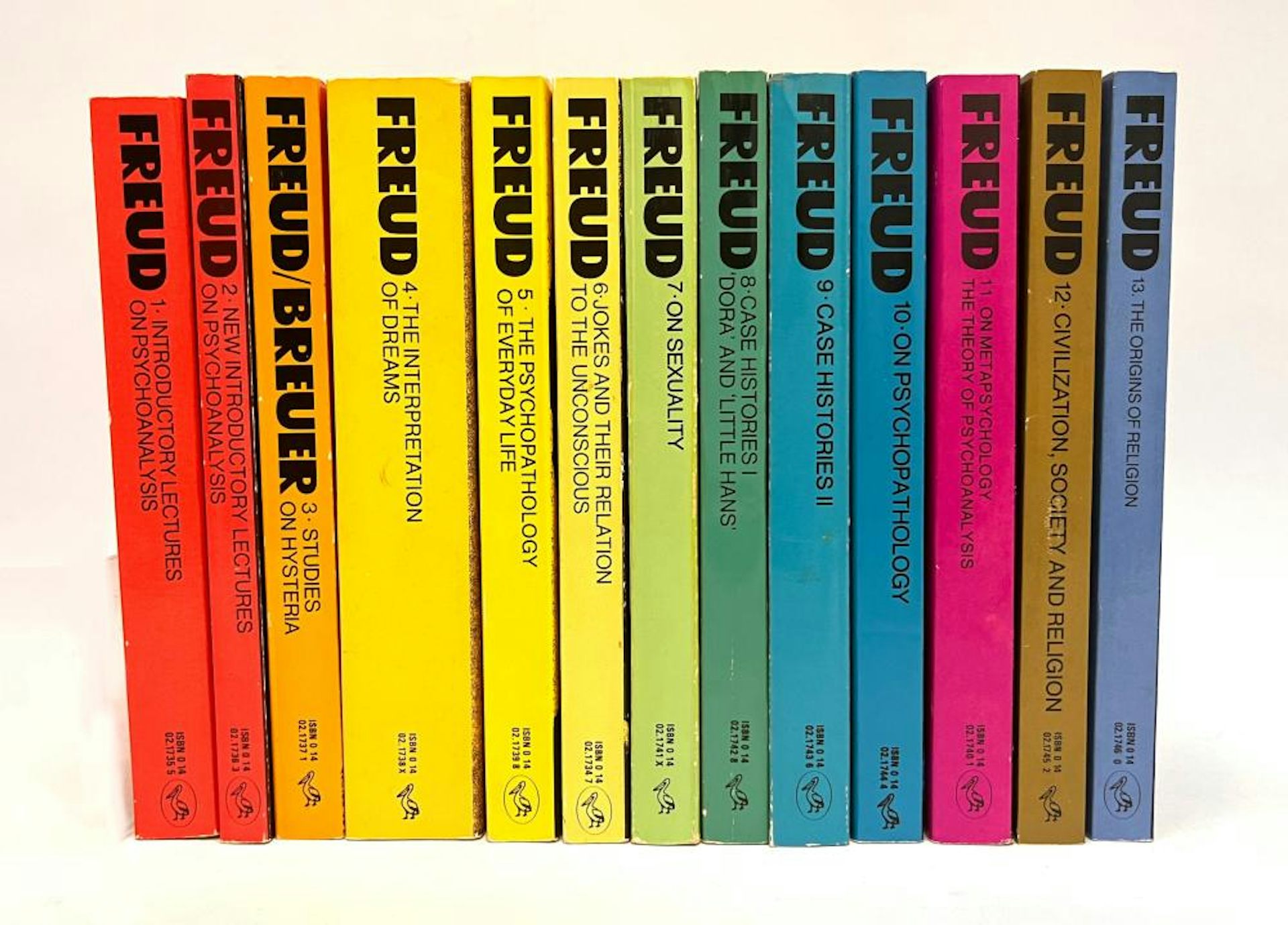
When I first became interested in psychoanalysis, the Pelican Freud Library was the mother lode. Launched in 1973, this first English-language paperback edition of Freud’s major writings was intended for a general readership. Its colourful covers brightened many a student’s bookshelf.
عندما أصبحت مهتمًا بالتحليل النفسي لأول مرة، كانت مكتبة بيلِكان لفرويد هي المصدر الأساسي. وقد كان الغرض من إطلاق هذا الإصدار الأول للغة الإنجليزية لكتابات فرويد الرئيسية عام 1973 هو استهداف القراء العامين. وكانت أغلفةه الملونة تضيء رفوف كتب العديد من الطلاب.
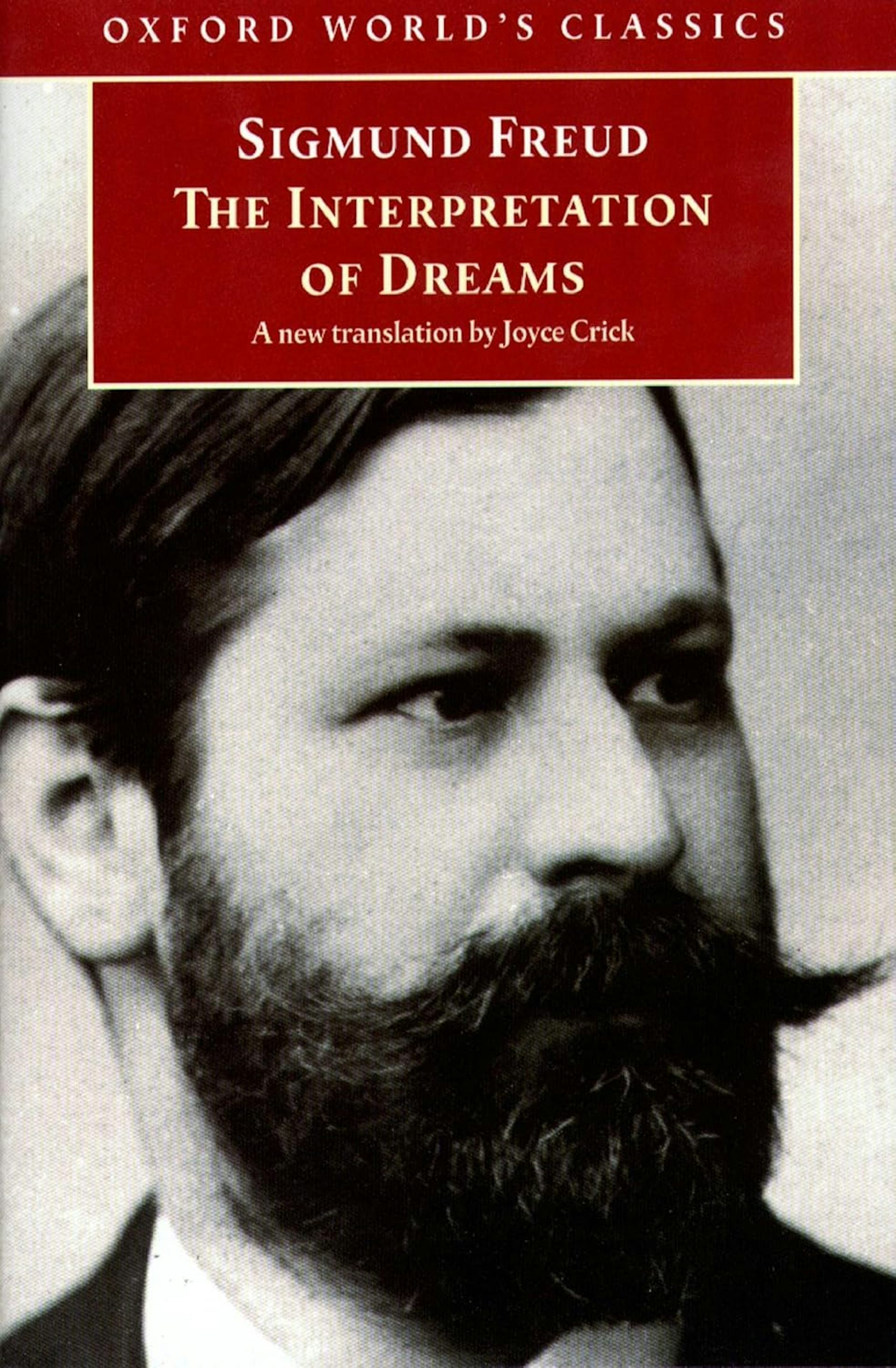
Psychoanalysts and bookshelves no longer have the same cachet among students, and the general reader has other priorities. But Joyce Crick’s 1999 translation has now been published in the Oxford World Classics series, certifying the book as a literary masterwork – and it deserves that status.
لم يعد لعلماء التحليل النفسي ورفوف الكتب نفس الهالة بين الطلاب، كما أن للقارئ العام أولويات أخرى. ولكن ترجمة جويس كريك الصادرة عام 1999 قد نُشرت الآن ضمن سلسلة أوكسفورد العالمية الكلاسيكية، مما يمنح الكتاب صفة العمل الأدبي العظيم – وهو يستحق هذا التصنيف بالفعل.
Though it is a treatise on dreams, Freud’s book introduced a new way of thinking about the mind that reverberated through the 20th century. Although the impact of psychoanalysis has dwindled in the Anglosphere, its ideas continue to shape how we understand mental health, therapy and human nature itself.
على الرغم من أنه أطروحة عن الأحلام، إلا أن كتاب فرويد قدم طريقة جديدة للتفكير في العقل تردد صداها طوال القرن العشرين. وعلى الرغم من أن تأثير التحليل النفسي قد تضاءل في العالم الناطق بالإنجليزية، فإن أفكاره لا تزال تشكل كيفية فهمنا للصحة العقلية والعلاج والطبيعة البشرية ذاتها.
Dream theories and ‘psychical strangeness’
نظريات الأحلام و”الغرابة النفسية”
Freud opens his book with an extended review of dream theories, from the ancient Greeks to more recent psychologists and philosophers. These theories speculate on how dreams relate to the preceding day’s experiences, how they respond to the stimuli that impinge on us – from outside and within – while we sleep, and why we struggle to recall them on waking.
يفتتح فرويد كتابه بمراجعة مطولة لنظريات الأحلام، بدءاً من الإغريق القدماء وصولاً إلى علماء النفس والفلاسفة الأحدث. تتكهن هذه النظريات بكيفية ارتباط الأحلام بتجارب اليوم السابق، وكيف تستجيب للمحفزات التي تضغط علينا – من الخارج ومن الداخل – أثناء نومنا، ولماذا نكافح لتذكرها عند الاستيقاظ.
These early dream theories offered differing views on the function of dreaming and the sleeping brain’s capacities. Some viewed dreams as works of creative imagination and prophecy, whereas others wrote them off as residues of a weakened mind.
قدمت نظريات الأحلام المبكرة هذه آراء متباينة حول وظيفة الحلم وقدرات الدماغ النائم. رأى البعض أن الأحلام هي أعمال خيال إبداعي ونبوءة، بينما اعتبرها آخرون مجرد بقايا لعقل ضعيف.
To Freud, what is fundamental to dreams is their “psychical strangeness”. They appear to take place in a different location from waking consciousness: in a different theatre, not merely under a dimmer light.
بالنسبة لفرويد، ما هو أساسي في الأحلام هو “غرابتها النفسية.” فهي تبدو وكأنها تحدث في موقع مختلف عن الوعي اليقظ: في مسرح مختلف، وليس فقط تحت ضوء خافت.
In addition to their enigmatic quality, Freud emphasises how dreams lack sense and logic.
بالإضافة إلى طبيعتها الغامضة، يشدد فرويد على أن الأحلام تفتقر إلى المعنى والمنطق.
The dream is incoherent, without compunction it unites the grossest contradictions, permits impossibilities, sets aside the knowledge that influences us by day, and exposes us as ethically and morally obtuse.
الحلم غير متماسك، وبدون تردد يجمع التناقضات الفادحة، ويسمح بالمستحيلات، ويتجاهل المعرفة التي تؤثر علينا في النهار، ويكشفنا كأشخاص غامضين أخلاقياً وأخلاقياً.
Despite their apparent incoherence, dreams should not be denied “the dignity of being a process of the psyche”. They are meaningful products of a sophisticated mental process, rather than the somatic froth of sleep. “The madness of the dream may not be without method,” Freud writes.
على الرغم من عدم اتساقها الظاهري، لا ينبغي إنكار الأحلام “كرقي عملية نفسية”. إنها نتاج ذو معنى لعملية عقلية متطورة، وليست مجرد رغوة جسدية للنوم. يكتب فرويد: “قد لا يكون جنون الحلم بلا منهج”.
Dream interpretation and wish fulfilment
تفسير الأحلام وتحقيق الأمنيات
If dreams are intelligently crafted, it should be possible to decode them. Contrary to a common misunderstanding and the enduring popularity of dream dictionaries, Freud argues this should be done without resorting to a collection of fixed symbols.
إذا كانت الأحلام مُصاغة بذكاء، فيجب أن يكون من الممكن فك شفرتها. خلافاً لسوء فهم شائع والشعبية المستمرة لمعاجم الأحلام، يجادل فرويد بأن هذا يجب أن يتم دون اللجوء إلى مجموعة من الرموز الثابتة.
An old song jokes that “a thing’s a phallic symbol if it’s longer than it’s wide”, but Freud maintained that dreams can only be understood by exploring the dreamer’s personal associations to their content. These associations allow it to be located in an autobiographically meaningful “psychical chain”.
تُمازح أغنية قديمة قائلة: “الشيء رمز قضيب إذا كان أطول مما هو عريض”، لكن فرويد أكد أن الأحلام لا يمكن فهمها إلا باستكشاف الارتباطات الشخصية للحالم بمحتوا الحلم. تسمح هذه الارتباطات بتحديدها ضمن “سلسلة نفسية” ذات مغزى سيرة ذاتية.
Freud contended that a wish can always be found at the dream’s core or “navel”, and that the dream represents a fulfilment of that wish. In the first dream he analysed, which featured Irma, a former patient, the motivating wish was Freud’s desire to be exonerated from responsibility for her illness.
زعم فرويد أنه يمكن دائماً العثور على الأمنية في جوهر الحلم أو “سرته”، وأن الحلم يمثل تحقيق تلك الأمنية. وفي أول حلم قام بتحليله، والذي تضمن إيرما، وهي مريضة سابقة، كانت الأمنية المحفزة هي رغبة فرويد في التبرئة من المسؤولية عن مرضها.
Sometimes the wish being fulfilled is obvious: hungry people dream of food. At other times, the wish is disguised through a process Freud calls “dream-distortion” and likens to political censorship. The dream’s distorted “manifest content”, the elements experienced by the dreamer, must be distinguished from the “latent content”, the hidden wish fulfilment they express.
في بعض الأحيان يكون تحقيق الأمنية واضحاً: يحلم الجائعون بالطعام. وفي أوقات أخرى، تكون الأمنية مُقنّعة عبر عملية يسميها فرويد “تشويه الحلم” ويشبهها بالرقابة السياسية. يجب التمييز بين “المحتوى الظاهر” المشوّه للحلم، وهو العناصر التي يختبرها الحالم، و”المحتوى الكامن”، وهو تحقيق الأمنية الخفية التي يعبر عنها.
Dream distortion and objectionable wishes
تشويه الأحلام والرغبات غير المقبولة
This formulation raises several questions. Why must certain wishes be disguised, for example? Freud’s answer was that some wishes are objectionable to the person and would wake them if expressed directly. Dreams serve as guardians of sleep by fulfilling these repressed or suppressed wishes in a camouflaged, hallucinatory form that the censor will tolerate.
يثير هذا الصياغة عدة تساؤلات. لماذا يجب أن تكون بعض الرغبات متنكرة، على سبيل المثال؟ كانت إجابة فرويد هي أن بعض الرغبات غير مقبولة بالنسبة للشخص وتوقظه إذا عبر عنها بشكل مباشر. تعمل الأحلام كحراس للنوم من خلال تحقيق هذه الرغبات المكبوتة أو المضمرة في شكل مموه وهلوسي يتسامح معه “الرقيب.”
Who exactly is the censor trying to keep in the dark, if the same person is being guarded and doing the guarding? Here, Freud proposed that there are two distinct systems or agencies in the mind: one urging fulfilment of the wish and the other resisting it.
من هو بالضبط هذا الرقيب الذي يحاول إبقاء أحداً في الظلام، إذا كان نفس الشخص هو الذي يتم حمايته والذي يقوم بالحراسة؟ هنا، اقترح فرويد وجود نظامين أو وكالتين متميزتين في العقل: أحدهما يدفع لتحقيق الرغبة والآخر يقاومها.
That resistance extends to waking life. We tend to forget our dreams not because they are fragmentary or elusive, Freud argued, but because we want to bury their messages.
يمتد هذا المقاوم إلى الحياة اليقظة. نميل إلى نسيان أحلامنا ليس لأنها مجزأة أو مراوغة، كما جادل فرويد، بل لأننا نريد دفن رسائلها.
And how is the disguise carried out? Here, Freud referred to what he dubbed the “dream-work”. The latent content of a dream is transformed into the experienced manifest dream by condensing multiple dream elements into one, and by substituting elements, as when a latent feeling about one person is represented as directed towards someone else. Dream thoughts are also camouflaged by representing them as visual or auditory images. These transformations account for why dreams seem strange and puzzling.
وكيف يتم التمويه؟ هنا، أشار فرويد إلى ما أسماه “عمل الحلم.” يتحول المحتوى الكامن للحلم إلى الحلم الظاهر المُعاش عن طريق تكثيف عناصر حلم متعددة في عنصر واحد، وعن طريق استبدال العناصر، كما هو الحال عندما يُمثل شعور كامن تجاه شخص ما بأنه موجه نحو شخص آخر. يتم أيضاً تمويه أفكار الأحلام من خلال تمثيلها كصور بصرية أو سمعية. تفسر هذه التحولات سبب ظهور الأحلام غريبة ومحيرة.
Freud as psychological Sherlock
فرود كشيرلوك النفسي
Indeed, to Freud interpreting dreams is like solving a puzzle: he compares it to deciphering the meaning of hieroglyphics or a rebus. His book’s many examples show him to be dogged and clever in unmasking the concealed wishes.
في الواقع، فإن تفسير الأحلام عند فرويد يشبه حل اللغز: فهو يقارنه بفك شفرة معنى الهيروغليفية أو التورية. وتُظهر الأمثلة العديدة في كتابه أنه مثابر وذكي في الكشف عن الرغبات الخفية.
He is especially fond of tracing elaborate verbal associations and allusions. On one occasion, a woman’s name (Pélagie) is linked in an associative chain to plagiarism, to the class of plagiostomes (a class of sharks and rays) , and then to fish’s bladder.
إنه يحب بشكل خاص تتبع الارتباطات اللفظية والإشارات المعقدة. وفي مناسبة ما، يتم ربط اسم امرأة (بيلاجي) بسلسلة ارتباطية بالانتحال، وبفصيلة البلاجيوستومات (وهي فصيلة من أسماك القرش والشفنين) ، ومن ثم إلى مثانة السمكة.
These interpretations can be read as the virtuoso insights of a psychological Sherlock Holmes. However, the sceptical reader will worry that someone of Freud’s verbal and intellectual dexterity could find meaning where none exists. Dream analysis of this kind is unconstrained by rules of evidence. It’s more like riffing on an inkblot than solving a crime.
يمكن قراءة هذه التفسيرات على أنها رؤى بارعة كـ “شيرلوك هولمز” النفسي. ومع ذلك، سيقلق القارئ المتشكك من أن شخصًا يمتلك البراعة اللفظية والفكرية التي يتمتع بها فرويد يمكنه إيجاد معنى حيث لا يوجد شيء. إن تحليل الأحلام بهذا النوع غير مقيد بقواعد الأدلة. إنه أقرب إلى العزف على بقعة حبر منه إلى حل جريمة.
Critics of psychoanalysis have pointed to this lack of interpretive constraint and the impossibility of knowing confidently whether an interpretation is valid. Faced with the challenges of reliable interpretation, dream analysts need a degree of caution and humility that Freud lacked.
أشار نقاد التحليل النفسي إلى هذا النقص في القيود التفسيرية واستحالة معرفة ما إذا كان التفسير صحيحًا بثقة. ومواجهة تحديات التفسير الموثوق، يحتاج محللو الأحلام إلى درجة من الحذر والتواضع التي افتقر إليها فرويد.
But successful theories are not built on humility. Towards the end of his book, Freud expands on what he has discovered, to make broader claims. Dreams demonstrate the existence of the unconscious as a mental system, which is “the true reality of the psyche”. For genuine insight into the mind, we must “get away from overestimating the attribute of consciousness”.
لكن النظريات الناجحة لا تُبنى على التواضع. وفي نهاية كتابه، يوسع فرويد ما اكتشفه ليقدم ادعاءات أوسع. وتُظهر الأحلام وجود اللاوعي كنظام عقلي، وهو “الحقيقة الحقيقية للنفس.” وللحصول على بصيرة حقيقية في العقل، يجب علينا أن “نتجنب المبالغة في تقدير سمة الوعي.”
Legacy: the Unconscious to Oedipus
الإرث: من اللاوعي إلى أوديب
The Interpretation of Dreams is often considered to be Freud’s most important work. The first genuinely psychoanalytic book that he published on his own, it introduces several ideas that were to become fundamental to the movement.
غالباً ما يُعتبر كتاب تفسير الأحلام أهم أعمال فرويد. إنه أول كتاب تحليلي نفسي حقيقي نشره بمفرده، ويقدم عدة أفكار كان من المقرر أن تصبح أساسية للحركة.
These include the Preconscious (mental content that can be made conscious) and Unconscious (content blocked from consciousness) as separate psychological “systems”. There’s the Oedipus complex: a supposed stage in a boy’s psychosexual development where he sees himself as a romantic rival with his father for his mother’s affections.
تشمل هذه الأفكار ما قبل الوعي (المحتوى العقلي الذي يمكن جعله واعياً) واللاوعي (المحتوى المحجوب عن الوعي) كنظامين نفسيين منفصلين. وهناك عقدة أوديب: وهي مرحلة مفترضة في التطور النفسي الجنسي للفتى، حيث يرى نفسه منافساً رومانسياً لوالده على محبة والدته.
Then, there’s the separation of manifest and latent content, and the distinction between primary and secondary process thinking (the former a mode of dream-like thought that ignores laws of logic, time and space; the latter a coherent and linear mode beloved by essay markers) . They all make their first appearances here.
ثم هناك فصل المحتوى الظاهر والمحتوى الكامن، والتمييز بين التفكير بالعملية الأولية والثانوية (الأول هو نمط من التفكير الشبيه بالأحلام يتجاهل قوانين المنطق والزمان والمكان؛ أما الثاني فهو النمط المتماسك والخطي الذي أحبه كُتاب المقالات) . وقد ظهر كل منها لأول مرة هنا.
The idea that psychological phenomena can be interpreted as disguised wish fulfilments was also carried forward into Freud’s subsequent books on parapraxes (so-called “Freudian slips”) and jokes. However, dreams remained the “royal road” to the unconscious, whereas these phenomena were merely side streets.
كما تم نقل فكرة أن الظواهر النفسية يمكن تفسيرها على أنها تحقيق رغبات متنكّر إلى كتب فرويد اللاحقة حول الأخطاء الطارئة (المعروفة باسم “زلات فرويد”) والنكات. ومع ذلك، ظلت الأحلام هي “الطريق الملكي” للوصول إلى اللاوعي، بينما كانت هذه الظواهر مجرد شوارع جانبية.
Combined with his earlier work on hysteria, which examined the roles of trauma and repressed memory, this series of books established the foundations of a movement that was to become immensely influential in the 20th century, both within psychology and psychiatry, and in the culture at large.
وبالجمع مع عمله السابق حول الهستيريا، الذي فحص أدوار الصدمة والذاكرة المكبوتة، أرست سلسلة الكتب هذه أسس حركة كان من المقرر أن تصبح مؤثرة للغاية في القرن العشرين، سواء داخل علم النفس والطب النفسي، أو في الثقافة بشكل عام.
Dream science
علم الأحلام
The book’s legacy for the study of dreams is less clear. In Beyond the Pleasure Principle, which he published in 1920, Freud acknowledged that some dreams were not in fact wish fulfilments. The repetitive dreams that woke World War I soldiers in a cold sweat did not express a wish and were clearly not serving as guardians of sleep.
إن إرث الكتاب لدراسة الأحلام أقل وضوحاً. ففي كتابه “ما وراء مبدأ اللذة” (Beyond the Pleasure Principle) ، الذي نشره عام 1920، أقر فرويد بأن بعض الأحلام لم تكن في الواقع تحقيقاً لرغبات. فالأحلام المتكررة التي أيقظت جنود الحرب العالمية الأولى وهي يتعرقون البارد لم تعبر عن رغبة ولم تكن بوضوح بمثابة حراس للنوم.
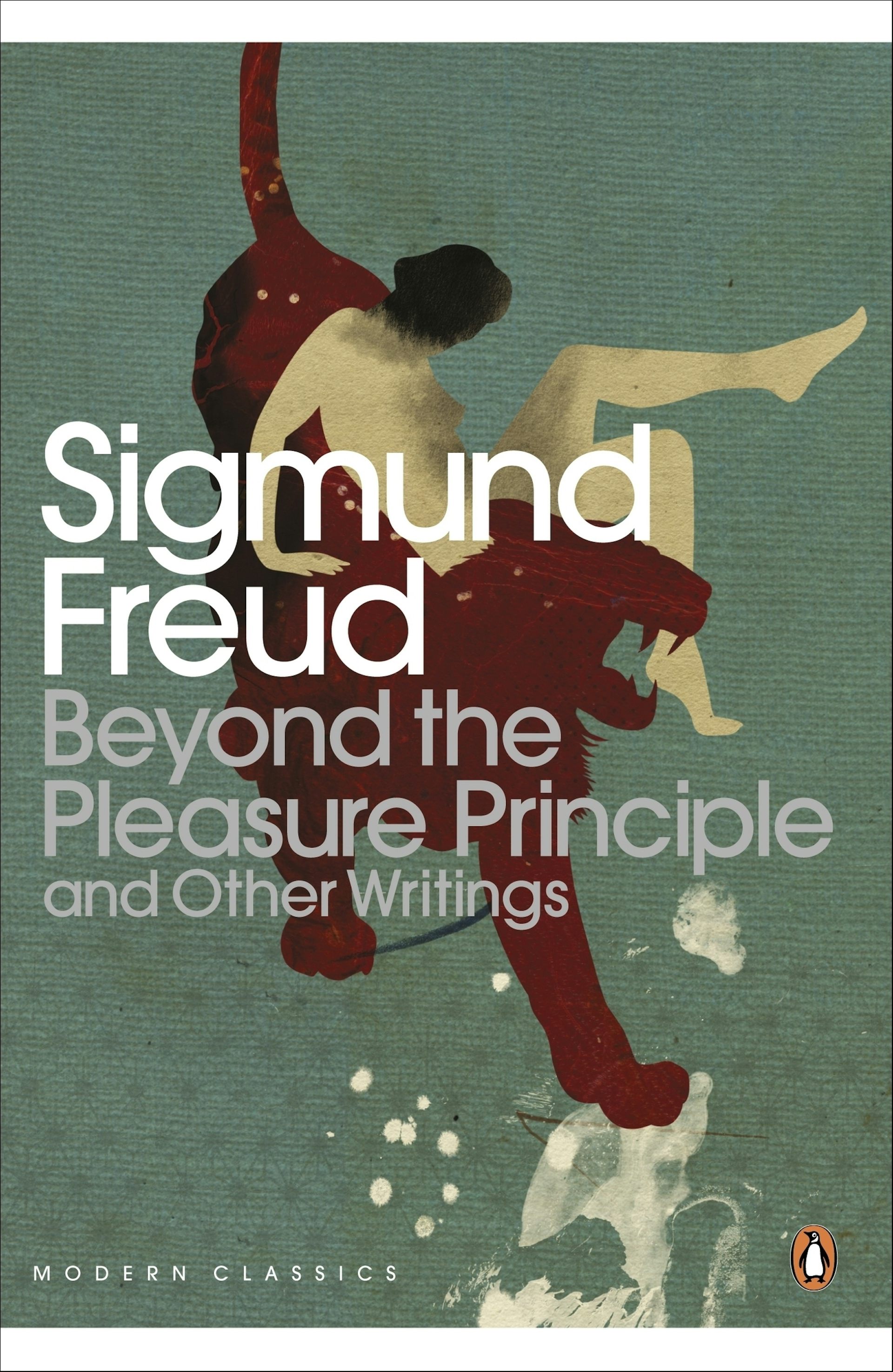
A different dynamic was at work here, Freud suggested: specifically, a compulsion to repeat. This compulsion could be manifested in many ways, but in traumatic dreams, it represented an attempt to master overwhelming experiences. Dreams that replay scenes from the battlefield reveal undigested horrors, rather than disguised wishes.
اقترح فرويد أن هناك ديناميكية مختلفة كانت تعمل هنا: وتحديداً، إكراه على التكرار. يمكن أن يتجلى هذا الإكراه بطرق عديدة، ولكن في الأحلام الصادمة، فإنه يمثل محاولة لإتقان التجارب الساحقة. فالأحلام التي تعيد عرض مشاهد من ساحة المعركة تكشف عن رُعب غير مُهضَم، بدلاً من الرغبات المتنكرة.
The wish fulfilment theory is no longer widely held among those who study dreaming, thanks in part to developments in neuroscience. In 1953, dreaming was found to accompany rapid eye movement (REM) sleep, a newly discovered sleep phase with a distinct neurophysiology. This discovery opened Freud’s theory up to new lines of attack.
لم يعد مفهوم تحقيق الرغبة هو المفهوم السائد بين دارسي الأحلام، ويرجع الفضل في ذلك جزئياً إلى التطورات في علم الأعصاب. ففي عام 1953، وُجد أن الحلم يرافق نوم حركة العين السريعة (REM) ، وهي مرحلة نوم مكتشفة حديثاً ذات فسيولوجيا عصبية مميزة. وقد فتح هذا الاكتشاف نظرية فرويد أمام خطوط هجوم جديدة.
In 1977, psychiatrists Allan Hobson and Robert McCarley argued that during REM sleep, the brain stem sends electrical activations upward like a firework. The forebrain then attempts to make narrative sense of these more or less random impulses. Because they are unconnected, the narrative usually lacks coherence.
وفي عام 1977، جادل طبيب النفسان ألان هوبسون وروبرت ماكارلي بأن جذع الدماغ يرسل تنشيطات كهربائية صعوداً أثناء نوم حركة العين السريعة (REM) ، مثل الألعاب النارية. ثم يحاول المخ الأمامي بعد ذلك إضفاء معنى سردي على هذه الاندفاعات العشوائية تقريباً. ولأنها غير مترابطة، غالباً ما يفتقر السرد إلى الاتساق.
What neuroscientific evidence teaches us about dreams is not entirely settled, and Hobson and McCarley’s views have been challenged and updated. However, the neuroscience of sleep does not support the view that most dreams are disguised wish fulfilments.
ما يعلمنا إياه الدليل العصبي حول الأحلام ليس محسوماً بالكامل، وقد تم تحدي آراء هوبسون وماكارلي وتحديثها. ومع ذلك، فإن علم الأعصاب الخاص بالنوم لا يدعم الرأي القائل بأن معظم الأحلام هي تحقيق لرغبات متنكرة.
Even so, no one now argues that dreams are meaningless or that they tell us nothing about the dreamer. We have Freud to thank for persuading us that even ephemeral experiences carry significance.
على أي حال، لا أحد يجادل الآن بأن الأحلام بلا معنى أو أنها لا تخبرنا بشيء عن الحالم. ونحن مدينون لفرويد لأنه أقنعنا بأن حتى التجارب العابرة تحمل أهمية.
Nick Haslam receives funding from the Australian Research Council.
يتلقى نيك هاسلام تمويلاً من المجلس الأسترالي للبحوث.
Read more
-

بعد ثلاثين عامًا من ألبوم “Reasonable Doubt”، تجسد مسيرة جاي زي أكبر التناقضات في موسيقى الهيب هوب.
30 years after ‘Reasonable Doubt,’ Jay-Z’s career embodies hip-hop’s biggest contradictions
-
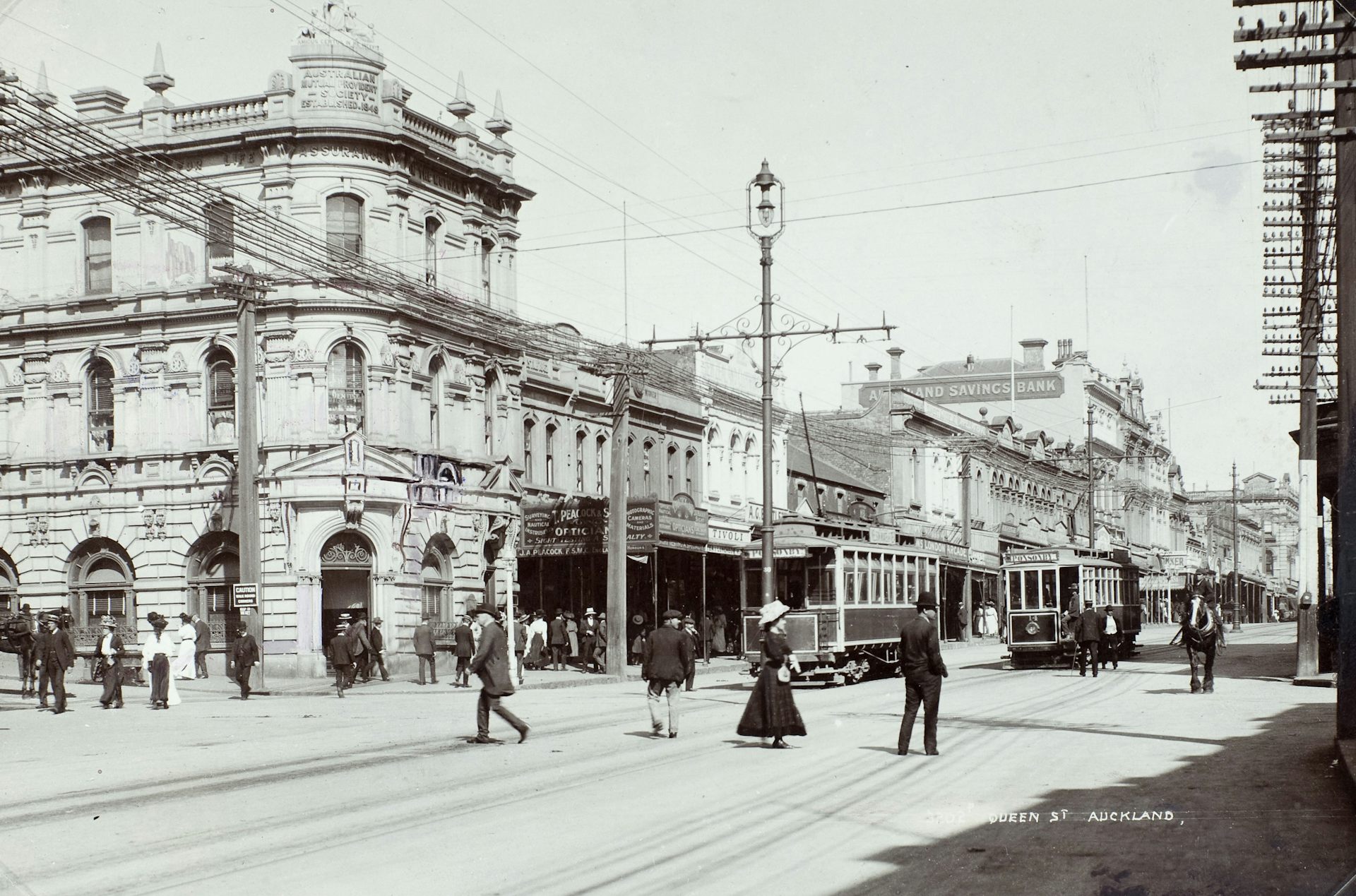
هل كان أوكلاند مهد لكنة الكيوي؟ نظرية قديمة تسمع بها مجدداً
Was Auckland the cradle of the Kiwi accent? An old theory gets a new hearing