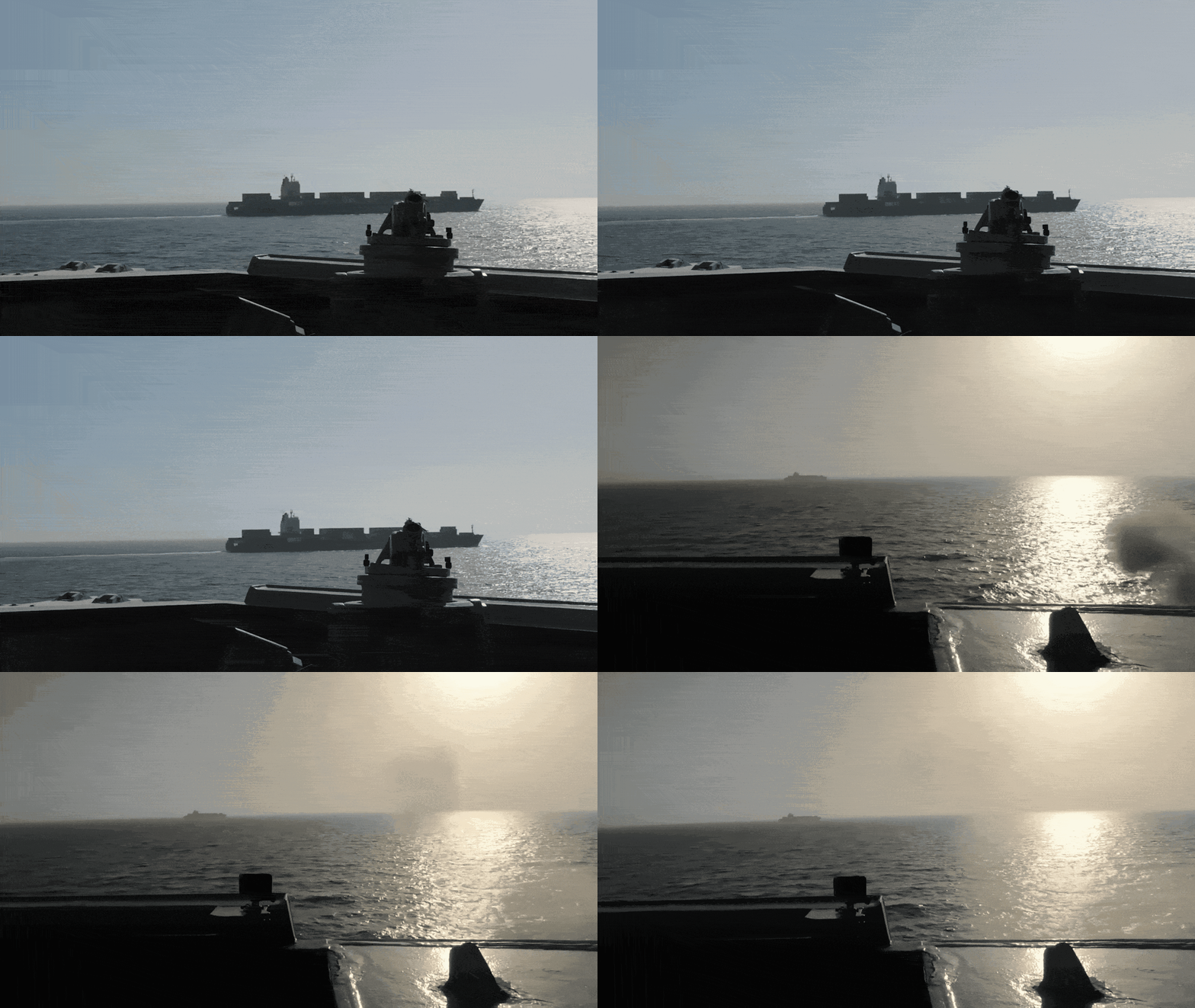
تطلق كل من الولايات المتحدة وإيران النار على سفن تجارية في مضيق هرمز. فهل يتصرف كلا الجانبين بشكل قانوني؟
Both the US and Iran are firing on commercial ships in the Strait of Hormuz. Are both sides acting lawfully?
Using force against a ship during a blockade is only lawful under certain conditions. A naval expert explains.
إن استخدام القوة ضد سفينة أثناء الحصار يكون قانونيًا فقط بموجب ظروف معينة. ويوضح خبير بحري.
Over the past several days, there have been conflicting reports about the Strait of Hormuz. It’s difficult to know what’s happening from one moment to the next.
على مدى الأيام القليلة الماضية، كانت هناك تقارير متضاربة حول مضيق هرمز. ومن الصعب معرفة ما يحدث من لحظة إلى أخرى.
Iran said the waterway was open to commercial shipping again, then turned around and said it was closed.
قالت إيران إن الممر المائي مفتوح أمام الشحن التجاري مرة أخرى، ثم تراجعت وقالت إنه مغلق.
Iran then fired at two Indian-flagged ships going through the strait, forcing them to turn around.
ثم أطلقت إيران النار على سفينتين تحملان علم الهند وهما تعبران المضيق، مما أجبرهما على التراجع.
The next day, the US fired on an Iranian cargo vessel, which Tehran called a violation of the two countries’ temporary ceasefire and threatened retaliation.
وفي اليوم التالي، أطلقت الولايات المتحدة النار على سفينة شحن إيرانية، وهو ما وصفته طهران بانتهاك لوقف إطلاق النار المؤقت بين البلدين وهددت بالرد.
What’s actually happening in the strait? Are both sides acting lawfully? We asked naval expert Jennifer Parker to explain.
ما الذي يحدث بالفعل في المضيق؟ وهل يتصرف كلا الجانبين بشكل قانوني؟ طلبنا من الخبيرة البحرية جينيفر باركر أن تشرح.
What happened over the weekend?
ماذا حدث خلال عطلة نهاية الأسبوع؟
There have been several key developments over the last 48 hours.
كانت هناك عدة تطورات رئيسية خلال الـ 48 ساعة الماضية.
The first was the statement from US President Donald Trump and the Iranian foreign minister on social media that the Strait of Hormuz remained open. It was an interesting announcement because it was consistent with what the foreign minister had said at the beginning of the ceasefire a week and a half ago.
كان الأول هو البيان الصادر عن الرئيس الأمريكي دونالد ترامب ووزير الخارجية الإيراني على وسائل التواصل الاجتماعي بأن مضيق هرمز لا يزال مفتوحاً. كان إعلاناً مثيراً للاهتمام لأنه كان متسقاً مع ما قاله وزير الخارجية في بداية وقف إطلاق النار قبل أسبوع ونصف.
On Saturday, we saw a large number of tankers and cargo vessels move towards the top of the strait to follow what Iran has designated as a new passageway. Some ships that are clearly desperate to get out of the strait were obviously more confident they were safe to transit through at that point.
يوم السبت، رأينا عدداً كبيراً من ناقلات النفط وسفن البضائع تتحرك باتجاه الجزء العلوي من المضيق لاتباع ما أعلنت إيران عنه كممر جديد. كانت بعض السفن التي بدا أنها يائسة للخروج من المضيق أكثر ثقة بشكل واضح بأنها آمنة للمرور في تلك المرحلة.
The Joint Maritime Information Centre in Bahrain said 18 ships were able to transit through, at least ten through the new Iranian-designated transit route, which is north of the normal transit route.
قال المركز المشترك للمعلومات البحرية في البحرين إن 18 سفينة تمكنت من العبور، منها عشر سفن على الأقل عبر مسار العبور الجديد الذي حددته إيران، والذي يقع شمال مسار العبور الطبيعي.
However, Iranian Revolutionary Guard Corps Navy then reportedly attacked a number of civilian merchant vessels. One was an Indian tanker that was on an approved list with the IRGC to travel through the strait.
ومع ذلك، أفادت التقارير بأن بحرية الحرس الثوري الإيراني هاجمت عدداً من سفن التجارة المدنية. وكانت إحداها ناقلة هندية كانت مدرجة في قائمة معتمدة لدى الحرس الثوري الإيراني للمرور عبر المضيق.
This suggests the Iranian military may have been disagreeing with the statement of the Iranian foreign minister, saying the strait remains closed.
يشير هذا إلى أن الجيش الإيراني ربما كان لا يتفق مع بيان وزير الخارجية الإيراني، الذي يقول بأن المضيق لا يزال مغلقاً.
Is the US blockade legal?
هل الحصار الأمريكي قانوني؟
Then, on Sunday, the US fired on an Iranian-flagged cargo ship in the Arabian Sea.
ثم، يوم الأحد، أطلقت الولايات المتحدة النار على سفينة بضائع تحمل علم إيران في بحر العرب.
The US is blockading Iranian ports through what’s called a distant blockade. This means US Navy ships are not sitting right off Iran’s ports to stop vessels. Rather, they are positioned further back in the Gulf of Oman and the northern Arabian Sea, with a blockade line effectively drawn between the Iranian-Pakistan border to around the Omani-UAE border.
تحاصر الولايات المتحدة الموانئ الإيرانية من خلال ما يسمى “الحصار البعيد.” وهذا يعني أن سفن البحرية الأمريكية لا تتمركز قبالة موانئ إيران مباشرة لإيقاف السفن. بل يتم وضعها في موقع أبعد في خليج عمان وبحر العرب الشمالي، مع رسم خط حصار يمتد فعلياً بين الحدود الإيرانية الباكستانية وصولاً إلى حدود عمان والإمارات.
The US Central Command has reported turning away a number of ships – at least 23 as of April 18.
أفاد القيادة المركزية الأمريكية بإبعاد عدد من السفن – لا يقل عن 23 سفينة اعتباراً من 18 أبريل.
When a ship approaches the blockade line en route to or from an Iranian port, the US Navy will radio the vessel and say it is not free to go through. Most ships will then turn around.
عندما تقترب سفينة من خط الحصار في طريقها إلى ميناء إيراني أو منه، ستقوم البحرية الأمريكية بإرسال راديو إلى السفينة وتفيد بأنها غير حرة بالمرور. وستقوم معظم السفن بعد ذلك بالعودة.
This is allowed in a lawful blockade under the law of naval warfare. Once a conflict has started, a blockade is a lawful if it complies with certain provisions:
هذا مسموح به في الحصار القانوني بموجب قانون الحرب البحرية. وبمجرد أن تبدأ النزاعات، يكون الحصار قانونياً إذا امتثل لأحكام معينة:
the blockade must be declared
يجب إعلان الحصار
it must be impartial, meaning it needs to apply to all ships
يجب أن يكون محايداً، مما يعني أنه يجب أن ينطبق على جميع السفن
humanitarian goods must be permitted to go through
يجب السماح بمرور البضائع الإنسانية
it must be effective, meaning you can’t declare a blockade, start doing it, and then not actually enforce it
يجب أن يكون فعالاً، مما يعني أنه لا يمكنك إعلان الحصار، والبدء بتطبيقه، ثم عدم فرضه فعلياً
it can’t close off neutral ports.
ولا يمكنه إغلاق الموانئ المحايدة.
Many news reports have said the US is blockading the Strait of Hormuz. But it is actually blockading Iranian ports, not the strait. A blockade of the strait would be illegal because this would affect neutral ports in the Persian Gulf. Ships in an international strait enjoy unimpeded transit passage, which cannot be hampered or suspended by the coastal state.
ذكرت العديد من التقارير الإخبارية أن الولايات المتحدة تحاصر مضيق هرمز. لكنها في الواقع تحاصر الموانئ الإيرانية، وليس المضيق. سيكون حصار المضيق غير قانوني لأنه سيؤثر على الموانئ المحايدة في الخليج العربي. تتمتع السفن في المضيق الدولي بمرور عبور غير معوق، ولا يمكن للدولة الساحلية إعاقة هذا المرور أو تعليقه.
Is the US permitted to fire on a cargo vessel?
هل يُسمح للولايات المتحدة بإطلاق النار على سفينة بضائع؟
The US says it warned the Touska, the Iranian-flagged vessel, to stop over a six-hour period.
تقول الولايات المتحدة إنها حذرت سفينة “توسكا”، وهي سفينة تحمل علم إيران، من التوقف على مدى فترة ست ساعات.
If a vessel doesn’t comply with warnings like this, warning shots can then be fired, depending on your country’s rules of engagement. The country maintaining the blockade may also use “disabling fire” against the ship.
إذا لم تمتثل سفينة لتحذيرات كهذه، يمكن إطلاق طلقات تحذيرية، اعتماداً على قواعد الاشتباك في بلدك. وقد تستخدم الدولة التي تفرض الحصار أيضاً “النيران المعطِّلة” ضد السفينة.
This is what the US claims happened – the US Navy destroyer fired on the Touska’s engine room to make it stop. My assessment is this is consistent with the law of naval warfare because the US Navy is enforcing an effective blockade. It also appears to have adhered to the principles of proportionality and necessity under international law.
هذا ما تدعي الولايات المتحدة أنه حدث – حيث أطلق مدمرة تابعة للبحرية الأمريكية النار على غرفة محركات “توسكا” لإيقافها. تقييمي هو أن هذا يتوافق مع قانون الحرب البحرية لأن البحرية الأمريكية تفرض حصاراً فعالاً. ويبدو أيضاً أنها التزمت بمبادئ التناسب والضرورة بموجب القانون الدولي.
The US also seized the ship, which is consistent with the law. In terms of the crew, the US has not announced what it intends to do with them. If the crew is non-Iranian, they would likely be released and repatriated. If the crew is Iranian, or if some of the crew are linked to the IRGC, they could be detained.
كما قامت الولايات المتحدة بضبط السفينة، وهو ما يتوافق مع القانون. وفيما يتعلق بالطاقم، لم تعلن الولايات المتحدة عما تنوي فعله بهم. فإذا كان الطاقم غير إيراني، فمن المرجح أن يتم إطلاق سراحهم وإعادتهم إلى بلادهم. أما إذا كان الطاقم إيرانيًا، أو إذا كان بعض أفراد الطاقم مرتبطين بالحرس الثوري الإيراني، فيمكن احتجازهم.
By contrast, based on current reporting, the ships fired on by Iran appear to have been neutral merchant vessels transiting an international strait. On the information publicly available, there is no indication they had become lawful military objectives.
في المقابل، وبناءً على التقارير الحالية، يبدو أن السفن التي أطلقت عليها إيران النار كانت سفن تجارية محايدة تعبر مضيقاً دولياً. ووفقاً للمعلومات المتاحة للجمهور، لا يوجد ما يشير إلى أنها أصبحت أهدافاً عسكرية مشروعة.
This is not a lawful use of force because these vessels are not a lawful military objective.
هذا ليس استخداماً مشروعاً للقوة لأن هذه السفن ليست هدفاً عسكرياً مشروعاً.
Neutral merchant vessels are generally considered civilian objects under the law unless, by their nature, location, purpose or use, they make an effective contribution to military action. Therefore, it’s not lawful to attack them.
تُعتبر السفن التجارية المحايدة عموماً من المنشآت المدنية بموجب القانون ما لم تساهم، بطبيعتها أو موقعها أو غرضها أو استخدامها، بشكل فعال في العمليات العسكرية. ولذلك، فليس من المشروع مهاجمتها.
There are some exceptions to that, including a merchant vessel seeking to breach a lawful blockade.
هناك بعض الاستثناءات لذلك، بما في ذلك السفينة التجارية التي تسعى لخرق حصار مشروع.
Where do things go from here?
أين ستتجه الأمور من هنا؟
The US is not saying it’s in control of the strait, it’s saying it’s in control of the vessels going in and out of Iran, which is different.
الولايات المتحدة لا تقول إنها تسيطر على مضيق، بل تقول إنها تسيطر على السفن التي تدخل وتخرج من إيران، وهذا أمر مختلف.
Iran has claimed it’s in control of the strait since the war began. It has been attacking and threatening civilian, predominantly neutral vessels since then.
طالبت إيران بالسيطرة على المضيق منذ بدء الحرب. وقد كانت تهاجم وتهدد السفن المدنية، المحايدة في الغالب، منذ ذلك الحين.
What I think we are seeing is a tussle for leverage to supercharge the negotiations between the US and Iran, should they continue this week in Pakistan.
ما أعتقد أننا نشهده هو صراع على النفوذ لتسريع المفاوضات بين الولايات المتحدة وإيران، في حال استمرارها هذا الأسبوع في باكستان.
Read more
-

لقد حللنا سجل تيك توك لـ 142 رجلاً. إليك ما علّمنا إياه عالم الذكورة (المانوسفير).
We analysed the TikTok history of 142 men. Here’s what it taught us about the manosphere
-
أراد بوتين أن يجعل روسيا عظيمة مرة أخرى. وبدلاً من ذلك، أصبحت أوكرانيا القوة الصاعدة الجديدة في أوروبا
Putin wanted to make Russia great again. Instead, Ukraine is the new rising power in Europe