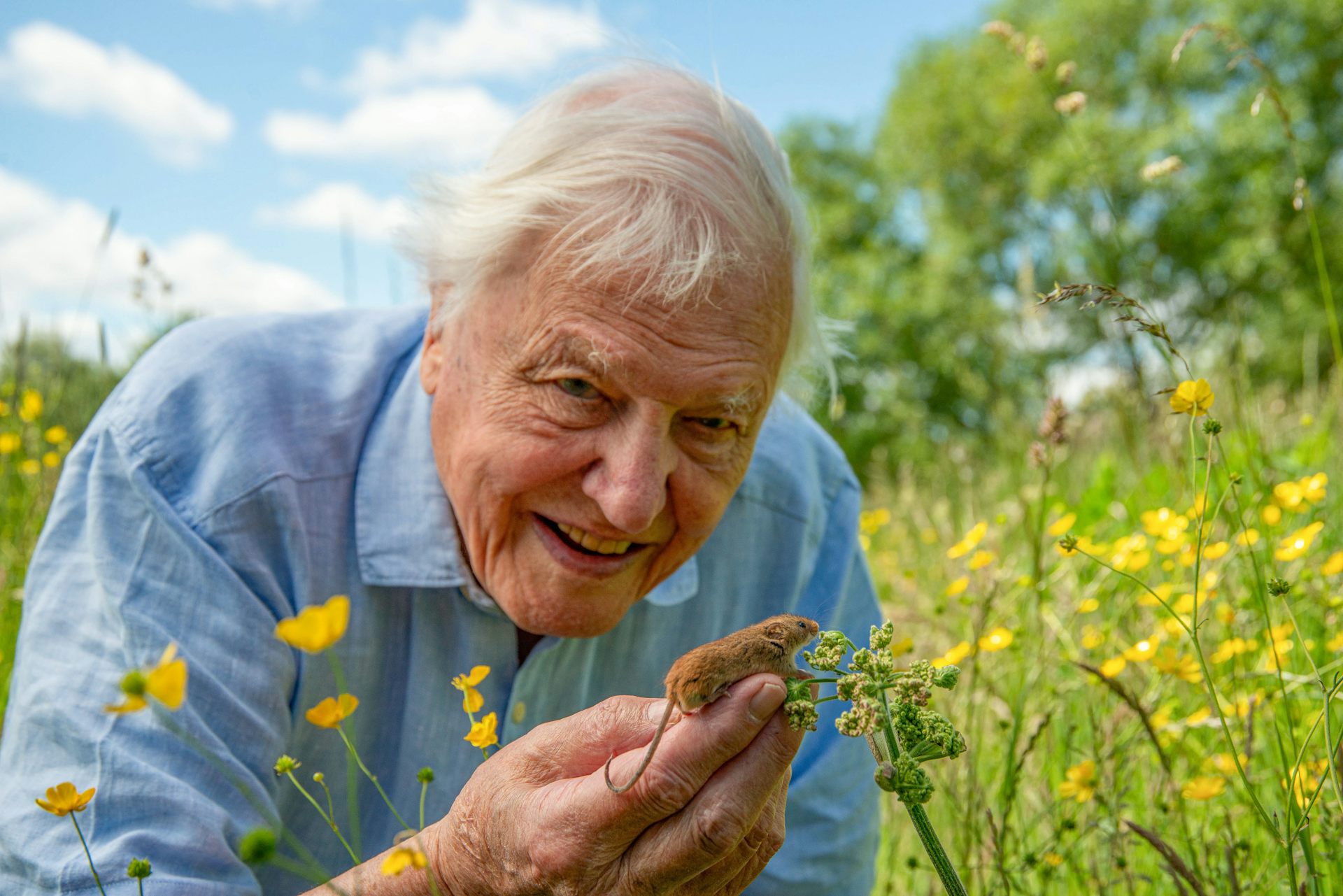
بمناسبة بلوغ ديفيد أتينبروغ المائة عام، يستكشف أربعة خبراء إرثه، من العلم إلى سرد القصص.
As David Attenborough turns 100, four experts explore his legacy, from science to storytelling
Attenborough has influenced everything from conservation and documentary production to the communication of the biggest story of all – climate change.
أثّر أتينبروغ في كل شيء، بدءاً من المحافظة على البيئة وإنتاج الأفلام الوثائقية، وصولاً إلى توصيل أكبر قصة على الإطلاق – تغير المناخ.
Sir David Attenborough has mastered the craft of storytelling. He has undoubtedly inspired generations of people around the globe to love and care for the natural world. And in doing so, he’s become one of the most recognisable – and most trusted – faces on our screens.
أتقن السير ديفيد أتانبروغ فن السرد القصصي. لقد ألهم بلا شك أجيالاً من الناس حول العالم لحب ورعاية العالم الطبيعي. وبذلك، أصبح أحد أكثر الوجوه شهرة وثقة على شاشاتنا.
Now, he’s celebrating his 100th birthday and a lifetime of wildlife filmmaking. As part of The Conversation UK’s climate storytelling strand, four experts critique how he has influenced everything from conservation and documentary production to the communication of the biggest story of all – climate change.
الآن، يحتفل بعيد ميلاده المئة وحياة كاملة من صناعة أفلام الحياة البرية. وكجزء من مسار السرد المناخي لمنصة “ذا كونفرسيشن” البريطانية، يحلل أربعة خبراء كيف أثر على كل شيء بدءاً من الحفاظ على البيئة وإنتاج الأفلام الوثائقية وصولاً إلى توصيل أكبر قصة على الإطلاق – تغير المناخ.
Scientific insight
البصيرة العلمية
Ben Garrod, science broadcaster and Professor of Evolutionary Biology and Science Engagement at the University of East Anglia, has presented alongside Attenborough in several landmark documentaries. Here he reflects on Attenborough’s passion for furthering our scientific understanding of the natural world.
قدم بن جارود، المعروف في مجال البث العلمي والأستاذ في علم الأحياء التطوري والمشاركة العلمية بجامعة إيست أنجليا، إلى جانب أتنبورو، العديد من الأفلام الوثائقية البارزة. وفي هذا المقال، يتأمل بن جارود شغف أتنبورو بتعزيز فهمنا العلمي للعالم الطبيعي.
I once sat on a remote beach with Attenborough, near the very tip of South America. I can still clearly remember the warmth of the rounded, flat stones beneath me. We sat only a metre or so apart. We’d just spent the morning filming the excavation of the largest dinosaur ever discovered.
جلست ذات مرة على شاطئ ناءٍ مع أتنبورو، بالقرب من أقصى طرف أمريكا الجنوبية. ما زلت أتذكر بوضوح دفء الأحجار المستديرة والمسطحة تحت قدمي. جلسنا على مسافة متر تقريباً. كنا قد قضينا للتو صباحنا في تصوير حفريات أكبر ديناصور تم اكتشافه على الإطلاق.
Over lunch, Attenborough had recalled we were close to a beach he’d filmed at years before, where grey whale mothers drew in close to shore with their calves to rub against the stone in the shallows to exfoliate their skin. As luck would have it, it was the perfect time of year and before long, there we were watching a mother and calf just a few metres offshore.
خلال الغداء، تذكر أتنبورو أننا كنا بالقرب من شاطئ صوره قبل سنوات، حيث كانت أمهات الحيتان الرمادية تقتربن من الشاطئ مع صغارها لتفرك أنفسها بالصخور في المياه الضحلة لتتخلص من جلدها. ولحسن الحظ، كان ذلك هو الوقت المثالي من العام، وسرعان ما كنا نشاهد أمًا وصغيرها على بعد أمتار قليلة من الشاطئ.
Facts and figures bubbled out of Attenborough excitedly, not at all like the calm and more measured way we’re all so used to. For those few minutes, he was childlike in his wonder and excitement at the scene in front of us and I marvelled at how he has not only maintained that love for the natural world for so long but how he has always so passionately shared it with the rest of us.
تدفقت الحقائق والأرقام من أتنبورو بحماس، ولم يكن ذلك على الإطلاق مثل الهدوء والاتزان الذي اعتدنا عليه جميعاً. ففي تلك الدقائق القليلة، كان طفولياً في دهشته وحماسه من المشهد أمامنا، وأُعجبت كيف لم يحافظ فقط على هذا الحب للعالم الطبيعي لفترة طويلة، بل كيف شاركه بشغف مع بقية الناس دائماً.
For a century now, Attenborough’s life has been intimately interwoven not only with humanity’s growing scientific understanding of the natural world but also its accelerating loss. Spanning over 70 years, Attenborough has been our most trusted and prolific mediator between scientific knowledge and the public.
على مدى قرن من الزمان، تداخلت حياة أتنبورو بشكل وثيق ليس فقط مع التطور المعرفي العلمي المتزايد للبشرية حول العالم الطبيعي، بل أيضاً مع خسارته المتسارعة. وعلى مدى أكثر من 70 عاماً، كان أتنبورو وسيطنا الأكثر ثقة وإنتاجية بين المعرفة العلمية والجمهور.
His early landmark BBC series Life on Earth: A Natural History (1979) did something few academic texts ever could. It made the complexity of evolutionary biology accessible. Across his work, natural selection, adaptation, ecology and behaviour are not presented as intangible concepts but as organic processes shaping form, function and ultimately survival across the natural world.
لقد فعل عمله المبكر، مسلسل BBC الشهير “الحياة على الأرض: تاريخ طبيعي” (1979) ، شيئاً لم تستطع العديد من النصوص الأكاديمية تحقيقه. فقد جعل تعقيد علم الأحياء التطوري متاحاً للجميع. وعبر أعماله، لا يتم تقديم الانتخاب الطبيعي، والتكيف، والبيئة، والسلوك كمفاهيم مجردة، بل كعمليات عضوية تشكل الشكل والوظيفة وفي نهاية المطاف البقاء عبر العالم الطبيعي.
In doing so, Attenborough helped normalise evolutionary thinking for hundreds of millions of viewers worldwide, embedding complex scientific principles into popular culture, right in our living rooms.
وبهذا، ساعد أتنبورو على تطبيع التفكير التطوري لمئات الملايين من المشاهدين حول العالم، وغرس المبادئ العلمية المعقدة في الثقافة الشعبية، مباشرة في غرف معيشتنا.
Central to his work has been a commitment to scientific accuracy. Attenborough’s programmes have been developed in close collaboration with academics and field researchers, ensuring narratives about animal behaviour, ecosystems and biodiversity reflect current evidence.
كان الالتزام بالدقة العلمية محور عمله. فقد تم تطوير برامج أتنبورو بالتعاون الوثيق مع الأكاديميين والباحثين الميدانيين، مما يضمن أن تعكس الروايات المتعلقة بسلوك الحيوان، والنظم البيئية، والتنوع البيولوجي الأدلة الحالية.
This relationship between science and storytelling has been crucial because rather than dumbing down complexity, Attenborough’s “everyday” approach demonstrates audiences can engage with content that could all too easily be written off as belonging to more academic and scientifically literate viewers.
لقد كان هذا التفاعل بين العلم وسرد القصص أمراً بالغ الأهمية، لأنه بدلاً من تبسيط التعقيد، أظهر نهج أتنبورو “اليومي” أن الجمهور يمكنه التفاعل مع محتوى يمكن أن يُنظر إليه بسهولة على أنه مخصص للمشاهدين الأكثر أكاديمية ومعرفة علمية.
The Insights section is committed to high-quality longform journalism. Our editors work with academics from many different backgrounds who are tackling a wide range of societal and scientific challenges.
يركز قسم “البصائر” على الصحافة الطويلة عالية الجودة. ويعمل محرروه مع أكاديميين من خلفيات مختلفة يتناولون مجموعة واسعة من التحديات المجتمعية والعلمية.
Yet the tone of his work has changed. His early documentaries were characterised by a sense of abundance and discovery. Over time, as scientific evidence for biodiversity loss and climate change mounted, his work shifted accordingly. More recently, his documentaries increasingly shine a light on human impact, habitat destruction and extinction risk. This evolution of change in his own tone mirrors the science itself, highlighting Attenborough’s credibility as a communicator willing to adjust his message as the evidence demands.
ومع ذلك، فقد تغير نبرة عمله. فقد اتسمت أفلامه الوثائقية المبكرة بإحساس الوفرة والاكتشاف. ومع مرور الوقت، ومع تزايد الأدلة العلمية على فقدان التنوع البيولوجي وتغير المناخ، تحول عمله وفقاً لذلك. وفي الآونة الأخيرة، تسلط أفلامه الوثائقية بشكل متزايد الضوء على التأثير البشري، وتدمير الموائل، وخطر الانقراض. وهذا التطور في نبرته الخاصة يعكس العلم نفسه، مسلطاً الضوء على مصداقية أتنبورو كمتواصل مستعد لتعديل رسالته حسب ما تقتضيه الأدلة.
Attenborough’s contribution to conservation has not come through activism alone. Research shows that an emotional connection to nature precedes any behavioural change. Attenborough has actively helped build the public conditions necessary for conservation policy and action by fostering wonder, curiosity and empathy for the natural world. His influence can be traced in the generations of scientists, conservationists and educators who cite his programmes as formative experiences.
لم تأتِ مساهمة أتينبوروج في الحفاظ على البيئة من النشاط وحده. تُظهر الأبحاث أن الارتباط العاطفي بالطبيعة يسبق أي تغيير سلوكي. لقد ساعد أتينبوروج بنشاط في بناء الظروف العامة اللازمة لسياسات العمل والحفاظ على البيئة من خلال تعزيز الدهشة والفضول والتعاطف مع العالم الطبيعي. ويمكن تتبع تأثيره في أجيال من العلماء وعلماء البيئة والمعلمين الذين يستشهدون ببرامجه كتجارب تشكيلية.
For many, particularly those without access to wild spaces, Attenborough’s work provides an opportunity and gateway to encounter wild animals and remote ecosystems but also local habitats, helping give us all access to the wonder he perceives in the world around him.
بالنسبة للكثيرين، وخاصة أولئك الذين لا يملكون وصولاً إلى المساحات البرية، يوفر عمل أتينبوروج فرصة وبوابة لمقابلة الحيوانات البرية والنظم البيئية النائية، وكذلك الموائل المحلية، مما يساعدنا جميعاً على الوصول إلى الدهشة التي يدركها في العالم من حوله.
As he turns 100, Attenborough’s legacy is surely inseparable from the global environmental challenges we now face. He has helped society understand not only how life evolved, but, more importantly, why it matters that we protect it now. In an era defined by ecological crisis, his work reminds us that scientific knowledge is most powerful when it connects people to the living world so strongly, it compels us to care enough to protect it, so that we might carry on his legacy and, just like him, act as stewards.
مع بلوغه المائة عام، لا ينفصل إرث أتينبوروج بالتأكيد عن التحديات البيئية العالمية التي نواجهها الآن. لقد ساعد المجتمع على فهم ليس فقط كيف تطورت الحياة، ولكن، والأهم من ذلك، لماذا من المهم أن نحميها الآن. في عصر يتسم بالأزمة البيئية، يذكرنا عمله بأن المعرفة العلمية هي الأقوى عندما تربط الناس بالعالم الحي بقوة تجبرنا على الاهتمام بما يكفي لحمايته، حتى نتمكن من مواصلة إرثه، وأن نعمل كأوصياء مثله.
Natural history filmmaking
صناعة الأفلام عن التاريخ الطبيعي
Jean-Baptiste Gouyon, Professor of Science Communication at the UCL Department of Science and Technology Studies, explains the impact Attenborough has had on natural history television.
يشرح جان-بابتيست غويون، أستاذ التواصل العلمي في قسم الدراسات العلمية والتكنولوجية بجامعة لندن الجامعية (UCL) ، التأثير الذي أحدثه آتينبوروه على تلفزيون التاريخ الطبيعي.
In the early 1950s, television was taking off across Britain, but the BBC was still finding its visual voice. Its controller, Cecil McGivern, warned in June 1952 that there was “far too much emphasis…on the spoken word and far too little on the thing seen”. Most early television producers had come from BBC radio and initially made programmes that resembled radio with pictures.
في أوائل الخمسينيات، كان التلفزيون يزدهر في جميع أنحاء بريطانيا، لكن هيئة الإذاعة البريطانية (BBC) كانت لا تزال تبحث عن صوتها البصري. وحذّر مديرها، سيسيل ماكجيفيرن، في يونيو 1952، من أن هناك “تركيزاً مفرطاً… على الكلمة المنطوقة وقليلاً جداً على ما يُرى”. وقد جاء معظم منتجي التلفزيون الأوائل من إذاعة هيئة الإذاعة البريطانية وأنتجوا في البداية برامج تشبه الراديو بالصور.
Into this world stepped a young David Attenborough, unencumbered by a career in sound, ready to invent a new language for television and, in the process, reshape natural history filmmaking. At 26, he earned his first natural history credit as producer of The Coelacanth (1953) , a 20-minute programme prompted by the capture of a live coelacanth “living fossil” fish off Madagascar.
وفي هذا العالم، ظهر ديفيد آتينبوروه الشاب، غير مقيد بمسيرة مهنية في مجال الصوت، ومستعد لاختراع لغة جديدة للتلفزيون، وفي هذه العملية، إعادة تشكيل صناعة الأفلام عن التاريخ الطبيعي. وفي سن السادسة والعشرين، حصل على أول عمل له في مجال التاريخ الطبيعي كمنتج لفيلم “الكويلكوث” (The Coelacanth) عام 1953، وهو برنامج مدته 20 دقيقة نتج عن اصطياد سمكة “أحفورة حية” من نوع الكويلكوث قبالة مدغشقر.
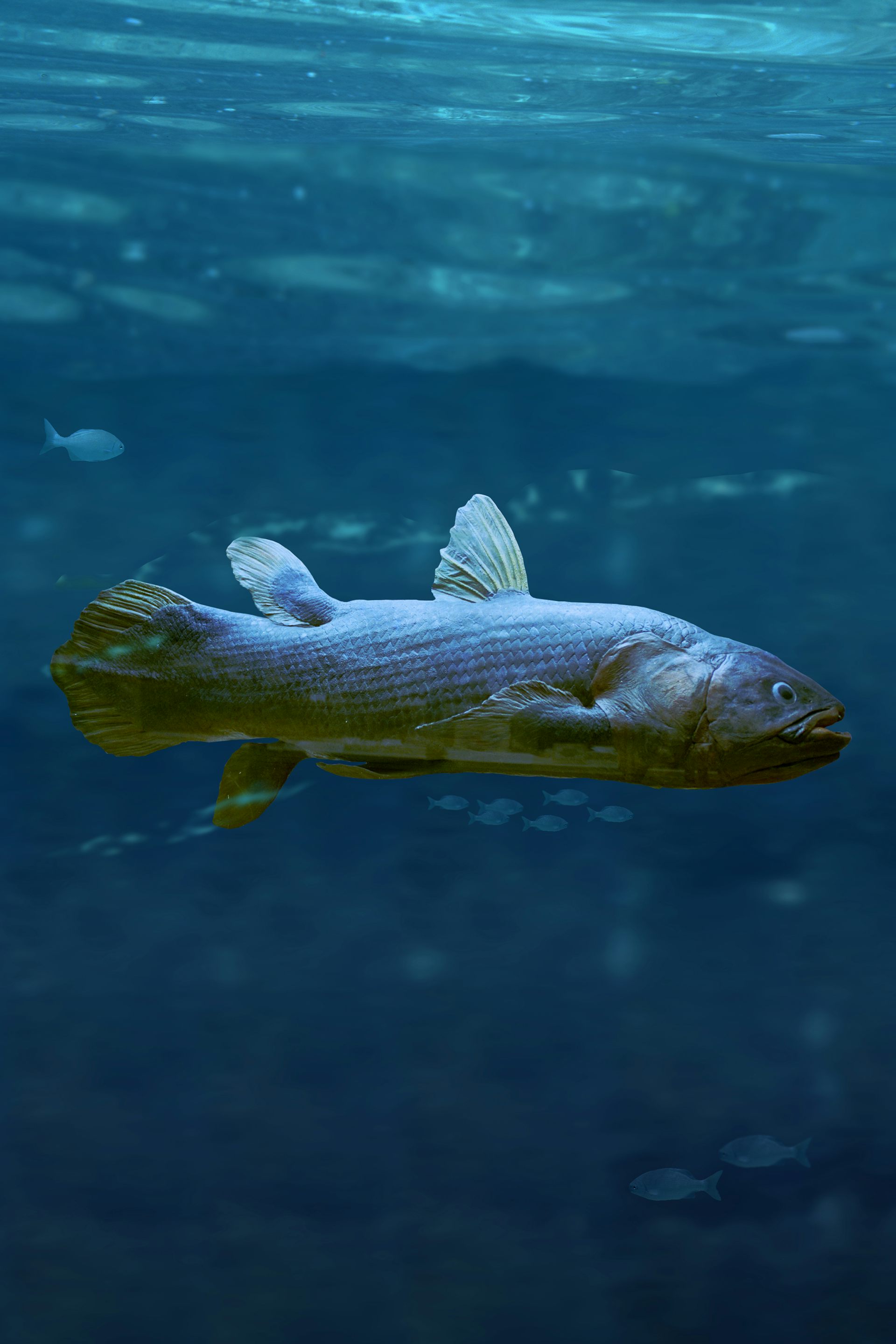
Eschewing sensationalism, Attenborough tied the story to Darwin’s theory of evolution. This use of wildlife programmes to communicate scientific ideas became his trademark.
متجنباً الإثارة المبالغ فيها، ربط آتينبوروه القصة بنظرية داروين للتطور. وأصبح استخدام برامج الحياة البرية لتوصيل الأفكار العلمية علامته التجارية.
The programme blended prerecorded footage with live studio sequences featuring evolutionary biologist Julian Huxley, who used the coelacanth to illustrate life’s transition from sea to land.
مزج البرنامج بين اللقطات المسجلة مسبقاً والمشاهد الحية في الاستوديو التي شارك فيها عالم الأحياء التطوري جوليان هكسلي، الذي استخدم الكويلكوث لتوضيح انتقال الحياة من البحر إلى اليابسة.
With the Zoo Quest series (1954) , Attenborough began reshaping wildlife television. For these programmes, he travelled to exotic places with staff from the London Zoo to capture animals for the collection. Each episode relied on prerecorded film linked by live studio sequences, allowing tighter narrative control. The hero in the films, shot by Charles Lagus, was Attenborough himself, who back in London also presented the studio sequences. By assuming all the roles of hero, producer, narrator and presenter, Attenborough became the central performer in the story.
وبسلسلة “مغامرات حديقة الحيوان” (Zoo Quest) عام 1954، بدأ آتينبوروه بإعادة تشكيل تلفزيون الحياة البرية. لهذه البرامج، سافر إلى أماكن غريبة مع موظفين من حديقة حيوان لندن لالتقاط الحيوانات للمجموعة. اعتمدت كل حلقة على فيلم مسجل مسبقاً يربطها بمشاهد حية في الاستوديو، مما سمح بتحكم سردي أوثق. وكان البطل في الأفلام، الذي التقطه تشارلز لاغوس، هو آتينبوروه نفسه، الذي قدم أيضاً مشاهد الاستوديو في لندن. ومن خلال تولي جميع أدوار البطل والمنتج والراوي والمقدم، أصبح آتينبوروه المؤدي المركزي في القصة.
From then on, Attenborough’s fluid on-screen performances gained him much acclaim. A very hard worker, he put much effort in producing highly detailed scripts, which left little to chance. Indeed, by the early 1960s, he had all but lost faith in live television, writing to a BBC colleague:
ومنذ ذلك الحين، أكسبته عروض آتينبوروه السلسة على الشاشة الكثير من الإشادة. وبصفته عاملاً مجتهداً للغاية، بذل جهداً كبيراً في إنتاج نصوص مفصلة للغاية، مما ترك القليل للمصادفة. وبالفعل، بحلول أوائل الستينيات، كاد أن يفقد إيمانه بالتلفزيون المباشر، حيث كتب إلى زميل له في هيئة الإذاعة البريطانية:
To begin with I got a tremendous kick out of the excitement of putting out programmes live. But it wore off after a bit and really, except for challenging interviews with lots of ‘immediacy’, I’m for film or some other sort of controlled recording process every time. It is so maddening to miss an effect because of some small mechanical hitch, as so often happens live.
في البداية، كنت أستمتع بشكل كبير بإثارة بث البرامج مباشرة. لكن هذا الشعور تلاشى بعد فترة، وفي الواقع، باستثناء المقابلات الصعبة التي تتطلب الكثير من “الفورية”، فأنا أفضل الفيلم أو أي نوع آخر من عمليات التسجيل المتحكم بها في كل مرة. من المحبط جداً تفويت تأثير ما بسبب عطل ميكانيكي بسيط، كما يحدث غالباً في البث المباشر.
Consistently high ratings encouraged others to emulate his method, and live formats became less fashionable. Film-based production also allowed programmes to be stockpiled, repeated and sold, supporting a more sustainable business model.
شجعت التقييمات العالية والمستمرة الآخرين على محاكاة منهجه، وأصبحت التنسيقات المباشرة أقل رواجاً. كما سمح الإنتاج القائم على الأفلام بتخزين البرامج وتكرارها وبيعها، مما دعم نموذج عمل أكثر استدامة.
After Attenborough moved into BBC management in 1965, his goal was to turn natural history television into a science communication genre. He argued that it was “important” to move away from programmes that simply showcased the beauty of nature and instead engage viewers “to examine in a serious and critical way new trends and ideas in zoology”. Returning to hands-on programme-making a decade later, he embedded this vision in his magnum opus, Life on Earth (1979) .
بعد انتقال آتينبوروه إلى إدارة هيئة الإذاعة البريطانية في عام 1965، كان هدفه تحويل تلفزيون التاريخ الطبيعي إلى نوع من أنواع التواصل العلمي. وجادل بأنه من “المهم” الابتعاد عن البرامج التي تعرض ببساطة جمال الطبيعة، وبدلاً من ذلك إشراك المشاهدين “لمراجعة الاتجاهات والأفكار الجديدة في علم الحيوان بطريقة جادة ونقدية.” وعند عودته إلى صناعة البرامج العملية بعد عقد من الزمان، رسخ هذه الرؤية في عمله الضخم، “الحياة على الأرض” (Life on Earth) عام 1979.
In the early 1950s, when Attenborough joined the BBC, natural history television had been mostly conceived of as a specialist genre catering for amateur naturalists to share in the aesthetic and emotional enjoyment of nature. By the 1980s, he had helped transform it into one of the most popular genres of TV programming and a powerful conduit for science communication. This influence continues in his later work, including Planet Earth II, Blue Planet II and Our Planet, which combine cinematic storytelling with urgent environmental themes.
في أوائل الخمسينيات، عندما انضم آتينبوروه إلى هيئة الإذاعة البريطانية، كان تلفزيون التاريخ الطبيعي يُنظر إليه في الغالب على أنه نوع متخصص يلبي احتياجات علماء الطبيعة الهواة لمشاركة المتعة الجمالية والعاطفية للطبيعة. وبحلول الثمانينيات، ساعد في تحويله إلى أحد أكثر أنواع البرامج التلفزيونية شعبية وقناة قوية للتواصل العلمي. ويستمر هذا التأثير في أعماله اللاحقة، بما في ذلك “كوكب الأرض الثاني” و”الكوكب الأزرق الثاني” و”كوكبنا”، التي تجمع بين السرد السينمائي والمواضيع البيئية الملحة.
As he celebrates his 100th birthday, Attenborough’s legacy endures, defining natural history television as one of the most powerful forms of science communication and inspiring generations to look at the living world with wonder and understanding.
بمناسبة احتفاله بالذكرى المئوية لميلاده، يظل إرث أتينبوروج قائماً، حيث عرّف التلفزيون الخاص بالتاريخ الطبيعي كأحد أقوى أشكال التواصل العلمي، وألهم الأجيال للنظر إلى العالم الحي بالدهشة والفهم.
Communicating research
توصيل الأبحاث
Saffron O’Neill researches climate communication and public engagement. She explains the ways Attenborough has shaped climate communication techniques across the world.
تُجري سافرون أونيل أبحاثاً حول التواصل المناخي والمشاركة العامة. وتشرح الطرق التي شكّل بها آتينبروغ تقنيات التواصل المناخي في جميع أنحاء العالم.
Attenborough is one of the few voices on climate change that almost everyone is willing to listen to. Over seven decades, his work has transformed how scientific knowledge is communicated, combining advances in broadcasting with powerful storytelling.
يُعد آتينبروغ أحد الأصوات القليلة حول تغير المناخ التي يرغب فيها الجميع تقريباً في الاستماع إليها. على مدى سبعة عقود، غيّر عمله طريقة توصيل المعرفة العلمية، حيث جمع بين التطورات في البث التلفزيوني وسرد القصص المؤثر.
Research by Climate Outreach in 2020 found that Attenborough is trusted by people across the political spectrum, from “progressive activists” to “backbone conservatives”. More than 95% of people surveyed recognise him and his programmes reach an exceptionally diverse audience, even in today’s competitive media landscape.
ووجدت أبحاث أجرتها منظمة “مناخ التوعية” (Climate Outreach) في عام 2020 أن آتينبروغ يحظى بثقة الناس عبر الطيف السياسي، بدءاً من “النشطاء التقدميين” وصولاً إلى “المحافظين الأساسيين.” ويُدرك أكثر من 95% من الأشخاص الذين شملهم الاستطلاع شخصيته، وتصل برامجه إلى جمهور متنوع بشكل استثنائي، حتى في المشهد الإعلامي التنافسي اليوم.
My colleague, PhD researcher Kate Holden, is exploring how young people engage with marine sustainability through online video, from traditional nature documentaries to YouTubers like MrBeast. Attenborough still stands out as an expert young people take seriously.
تستكشف زميلتي، الباحثة في الدكتوراه كيت هولدن، كيفية تفاعل الشباب مع الاستدامة البحرية من خلال مقاطع الفيديو عبر الإنترنت، بدءاً من الأفلام الوثائقية التقليدية عن الطبيعة وصولاً إلى صانعي المحتوى على يوتيوب مثل “مستر بيست.” ولا يزال آتينبروغ يبرز كخبير يأخذ الشباب محتوى عمله على محمل الجد.
Part of his appeal lies in his willingness to meet audiences where they are, adapting to changing media habits. He joined Instagram in 2020 (breaking the Guinness World Record for the fastest time to reach one million followers) and has collaborated with Netflix to stream shows.
جزء من جاذبيته يكمن في استعداده للقاء الجماهير حيثما كانوا، والتكيف مع عادات الإعلام المتغيرة. وقد انضم إلى إنستغرام في عام 2020 (مُحطماً بذلك الرقم القياسي العالمي في غينيس لأسرع وقت للوصول إلى مليون متابع) ، وتعاون مع نتفليكس لبث العروض.
Attenborough has shown the power of the media to shape how we see the natural world. Although there is little evidence for the appealing notion that watching a documentary like Blue Planet II directly drives behavioural change (such as reducing peoples’ plastic consumption) , nature documentaries can certainly drive both public and policy interest via increased media attention.
أظهر آتينبروغ قوة وسائل الإعلام في تشكيل نظرتنا إلى العالم الطبيعي. وعلى الرغم من أن هناك أدلة قليلة على الفكرة الجذابة بأن مشاهدة فيلم وثائقي مثل “الكوكب الأزرق الثاني” تدفع بشكل مباشر إلى التغيير السلوكي (مثل تقليل استهلاك البلاستيك) ، إلا أن الأفلام الوثائقية عن الطبيعة يمكنها بالتأكيد أن تحفز الاهتمام العام والسياساتي من خلال زيادة الاهتمام الإعلامي.
Engaging the public on climate and nature requires moving beyond a simple notion of “getting the message across” and towards recognising the complexity and power of storytelling. For this, Attenborough’s success is an invaluable model.
يتطلب إشراك الجمهور في قضايا المناخ والطبيعة تجاوز مجرد فكرة “إيصال الرسالة” والتوجه نحو إدراك تعقيد وقوة السرد القصصي. ولهذا، يُعد نجاح آتينبروغ نموذجاً لا يقدر بثمن.
His programmes combine top-class storytelling with pioneering technology. The visual appeal of his richly crafted documentaries is matched by compelling stories about little-known species. His work forms a substantial archive of success – many of the most popular TV programmes of all time are his nature documentaries.
تجمع برامجه بين السرد القصصي من الطراز الأول والتكنولوجيا الرائدة. ويُضاهي الجاذبية البصرية لأفلامه الوثائقية المصممة بعناية القصص المؤثرة عن الأنواع الأقل شهرة. ويشكل عمله أرشيفاً كبيراً للنجاح – فكثير من أشهر البرامج التلفزيونية على الإطلاق هي أفلامه الوثائقية عن الطبيعة.
In a highly cited paper from 2007, a team led by environmental social scientist Irene Lorenzoni defined engagement with climate change. They claimed that: “It is not enough for people to know about climate change in order to be engaged; they also need to care about it, be motivated and able to take action.”
في ورقة بحثية مُستشهد بها بكثرة عام 2007، عرّف فريق بقيادة عالمة الاجتماع البيئية إيرين لورينزوني مفهوم المشاركة في تغير المناخ. وادعوا أن: “لا يكفي أن يعرف الناس عن تغير المناخ ليكونوا منخرطين؛ بل يحتاجون أيضاً إلى الاهتمام به، وأن يكونوا متحفزين وقادرين على اتخاذ إجراء.”
Early Attenborough programming focused on increasing peoples’ knowledge about the natural world and as part of this, implicitly providing a reason to care about it. Increasingly though, he has moved to a more explicit stance about the climate emergency and our moral and ethical duty to act. An analysis of Attenborough’s use of language carried out in the late 2010s demonstrates this. It shows how he now uses emotional appeals to action. During an appearance on the Outrage + Optimism podcast he said: “we have an obligation on our shoulders and it would be to our deep eternal shame if we fail to acknowledge that.”
ركزت برامج آتينبروغ المبكرة على زيادة معرفة الناس بالعالم الطبيعي، وكجزء من ذلك، قدمت ضمنياً سبباً للاهتمام به. ومع ذلك، فقد انتقل بشكل متزايد إلى موقف أكثر وضوحاً بشأن حالة الطوارئ المناخية وواجبنا الأخلاقي والإنساني في العمل. ويُظهر تحليل لاستخدام آتينبروغ للغة، أُجري في أواخر العقد الثاني من القرن الحادي والعشرين، هذا التحول. ويُظهر كيف يستخدم الآن النداءات العاطفية لتحفيز العمل. وخلال ظهوره في بودكاست “الغضب + التفاؤل”، قال: “لدينا التزام على عاتقنا، وسيكون من عارنا الأبدي إذا فشلنا في الاعتراف بذلك.”
When a communicator like activist Greta Thunberg makes an appeal to morality, it can polarise audiences. Attenborough’s broad popularity makes his message reach wider audiences. His trustworthiness, storytelling mastery and innovative use of technology helps explain why he continues to have such a lasting impact on science and environmental communication, seven decades after his first broadcast.
عندما يوجه متحدث مثل الناشطة غريتا تونبرغ نداءً للأخلاق، يمكن أن يؤدي ذلك إلى استقطاب الجماهير. أما الشعبية الواسعة لآتينبروغ فتجعل رسالته تصل إلى جماهير أوسع. وتساعد ثقته، وإتقانه لسرد القصص، واستخدامه المبتكر للتكنولوجيا في تفسير سبب استمراره في إحداث تأثير دائم على العلم والتواصل البيئي، بعد سبعة عقود من بثه الأول.
Speaking up about climate change
التحدث عن تغير المناخ
Chloe Brimicombe, Climate Scientist at the University of Oxford, explores whether Attenborough’s on-screen attention to the climate crisis could have started earlier.
تستكشف كلوي بريميكومب، عالمة المناخ في جامعة أكسفورد، ما إذا كان اهتمام أتانبوروج الظاهر بأزمة المناخ قد بدأ في وقت أبكر.
In his early documentaries, Attenborough focused on the wonder of the natural world.
في أفلامه الوثائقية المبكرة، ركز أتانبوروج على عظمة العالم الطبيعي.
He did go on to warn of the dangers of how humans were damaging the environment, but much of his early messaging reflected the belief that climate change can be linked to overpopulation. This is not demonstrated by the evidence. In fact, the richest in society are the most polluting but the smallest population group.
لقد حذر بالفعل من مخاطر تسبب البشر في إلحاق الضرر بالبيئة، ولكن جزءًا كبيرًا من رسالته المبكرة عكس الاعتقاد بأن تغير المناخ يمكن ربطه بالزيادة السكانية. وهذا ما لا تدعمه الأدلة. في الواقع، أن أغنى فئات المجتمع هم الأكثر تلويثًا، ولكنهم أصغر مجموعة سكانية.
However, in recent years his beliefs changed with the science and more of his films started to cover climate change directly. For example, Climate Change: The Facts in 2019 and Perfect Planet 2021.
ومع ذلك، في السنوات الأخيرة، تغيرت قناعاته مع تطور العلم وبدأت المزيد من أفلامه تغطي تغير المناخ بشكل مباشر. على سبيل المثال، “تغير المناخ: الحقائق” عام 2019 و”الكوكب المثالي” عام 2021.
Attenborough’s works are part of the culture of the UK and the world. In my own life Attenborough’s works have always been present. During my undergraduate degree at Aberystwyth University, I was shown Frozen Planet in a lecture about glaciers and ice sheets because my lecturer was featured in the series. That moment stuck with me as I started my career as a climate scientist.
تُعد أعمال أتانبوروج جزءًا من ثقافة المملكة المتحدة والعالم. في حياتي الشخصية، كانت أعمال أتانبوروج موجودة دائمًا. خلال دراستي الجامعية في جامعة أبريستويث، عُرض عليّ فيلم “الكوكب المتجمد” في محاضرة عن الأنهار الجليدية والصفائح الجليدية لأن المحاضر كان مشاركًا في السلسلة. علقت تلك اللحظة في ذاكرتي عندما بدأت مسيرتي المهنية كعالمة مناخ.
During my PhD in environmental sciences at the University of Reading, my fellow researchers were all big fans of Attenborough and of what could be achieved through the power of documentary film-making. In 2025, I was lucky enough to attend the film premier of Ocean with David Attenborough, something I consider a once-in-a-lifetime opportunity.
خلال درجة الدكتوراه في العلوم البيئية بجامعة ريدينغ، كان زملاؤي الباحثون جميعهم من المعجبين الكبار بأتانبوروج وبما يمكن تحقيقه من خلال قوة صناعة الأفلام الوثائقية. في عام 2025، كنت محظوظة بحضور العرض الأول لفيلم “المحيط مع ديفيد أتانبوروج”، وهو أمر أعتبره فرصة لا تتكرر في العمر.
As well as inspiring audiences with awe and wonder, documentaries can be an important way to communicate what is happening to our changing climate. They reach audiences that might not otherwise engage on the subject. Documentary making has drawn critique for focusing on a producer’s interest instead of capturing the scientific background behind a certain issue.
بالإضافة إلى إلهام الجماهير بالرهبة والدهشة، يمكن أن تكون الأفلام الوثائقية وسيلة مهمة لتوصيل ما يحدث لمناخنا المتغير. فهي تصل إلى جماهير قد لا تهتم بالموضوع لولا ذلك. وقد تعرض صناعة الأفلام الوثائقية لانتقادات لتركيزها على اهتمام المنتج بدلاً من التقاط الخلفية العلمية وراء قضية معينة.
This has led to schemes such as the Wellcome Trust Public Engagement Scheme being setup to help bring scientists and documentary makers together.
وقد أدى ذلك إلى إنشاء برامج مثل “برنامج التفاعل العام لمؤسسة ويلكوم” للمساعدة في جمع العلماء وصناع الأفلام الوثائقية معًا.
In Attenborough’s A Life on Our Planet (2020) , he talks about the changes he has seen in the natural environment and his concern for the future of the planet. In the film Ocean with David Attenborough, the 2025 premier took place just before the UN’s ocean summit in Nice, France. This helped lead to real policy discussions and changes. That includes supporting the global ocean’s treaty, a landmark international agreement which creates a network of protected ocean sanctuaries.
في فيلم أتانبوروج “حياة على كوكبنا” (2020) ، يتحدث عن التغيرات التي رآها في البيئة الطبيعية وقلقه على مستقبل الكوكب. وفي فيلم “المحيط مع ديفيد أتانبوروج”، الذي عُرض لأول مرة في عام 2025، جرى ذلك قبل قمة المحيط التابعة للأمم المتحدة في نيس، فرنسا. وقد ساعد ذلك في إجراء مناقشات وتغييرات سياسية حقيقية. ويشمل ذلك دعم معاهدة المحيط العالمية، وهو اتفاق دولي تاريخي ينشئ شبكة من المحميات البحرية.
Attenborough may have been late in communicating specifically on climate change. But, in recent years he has changed to being a strong advocate. Now, it’s time to make sure that message is heard and acted upon so that the world’s wonders remain for many generations to come.
ربما تأخر أتانبوروج في التواصل تحديدًا حول تغير المناخ. ولكن، في السنوات الأخيرة، تحول ليصبح مناصرًا قويًا. الآن، حان الوقت للتأكد من سماع هذه الرسالة والعمل بموجبها حتى تظل عجائب العالم موجودة لأجيال قادمة.
The climate crisis has a communications problem. How do we tell stories that move people – not just to fear the future, but to imagine and build a better one? This article is part of Climate Storytelling, a series exploring how arts and science can join forces to spark understanding, hope and action.
تتسم أزمة المناخ بمشكلة تواصل. كيف نروي قصصًا تحرك الناس – ليس فقط خوفًا من المستقبل، بل لتخيل وبناء مستقبل أفضل؟ هذه المقالة هي جزء من “سرد القصص المناخية”، وهي سلسلة تستكشف كيف يمكن للفن والعلم أن يتضافرا لإشعال الفهم والأمل والعمل.
Chloe BrimicombeI is part-funded by the ESRC research council and she is a heat ambassador for shade the UK.
كلوي بريميكومب ممولة جزئيًا من مجلس البحوث التابع للعلوم الاجتماعية (ESRC) ، وهي سفيرة للحرارة لمبادرة “ظل المملكة المتحدة.”
Jean-Baptiste Gouyon received funding from The Leverhulme Trust and the AHRC
تلقى جان-بابتيست غويون تمويلاً من مؤسسة ليفرهولم ومن مجلس البحوث الإنسانية (AHRC) .
Saffron O’Neill receives funding from the ESRC (UKRI3360 and ES/W00805X/1) . She also receives funding for C3DS (Centre for Climate Communication and Data Science) from the Children’s Investment Fund Foundation (grant: 2210–08101) and the University of Exeter. The funders had no role in the conceptualization, design, data collection, analysis, decision to publish, or preparation of the manuscript and therefore the findings and conclusions are those of the author and do not necessarily reflect the positions or policies of the funders.
تتلقى سافرون أونييل تمويلاً من مجلس البحوث التابع للعلوم الاجتماعية (ESRC) (UKRI3360 و ES/W00805X/1) . كما تتلقى تمويلاً لمركز الاتصال وعلوم البيانات المناخية (C3DS) من مؤسسة صندوق استثمار الأطفال (المنحة: 2210–08101) وجامعة إكسيتر. لم يكن للممولين أي دور في التصور أو التصميم أو جمع البيانات أو التحليل أو قرار النشر أو إعداد المخطوطة، وبالتالي فإن النتائج والاستنتاجات هي للمؤلفة ولا تعكس بالضرورة مواقف أو سياسات الممولين.
Ben Garrod does not work for, consult, own shares in or receive funding from any company or organisation that would benefit from this article, and has disclosed no relevant affiliations beyond their academic appointment.
لا يعمل بن جارود لدى، أو يقدم استشارات لـ، أو يمتلك حصصاً في، أو يتلقى تمويلاً من أي شركة أو منظمة قد تستفيد من هذا المقال، ولم يفصح عن أي انتماءات ذات صلة تتجاوز منصبه الأكاديمي.
Read more
-
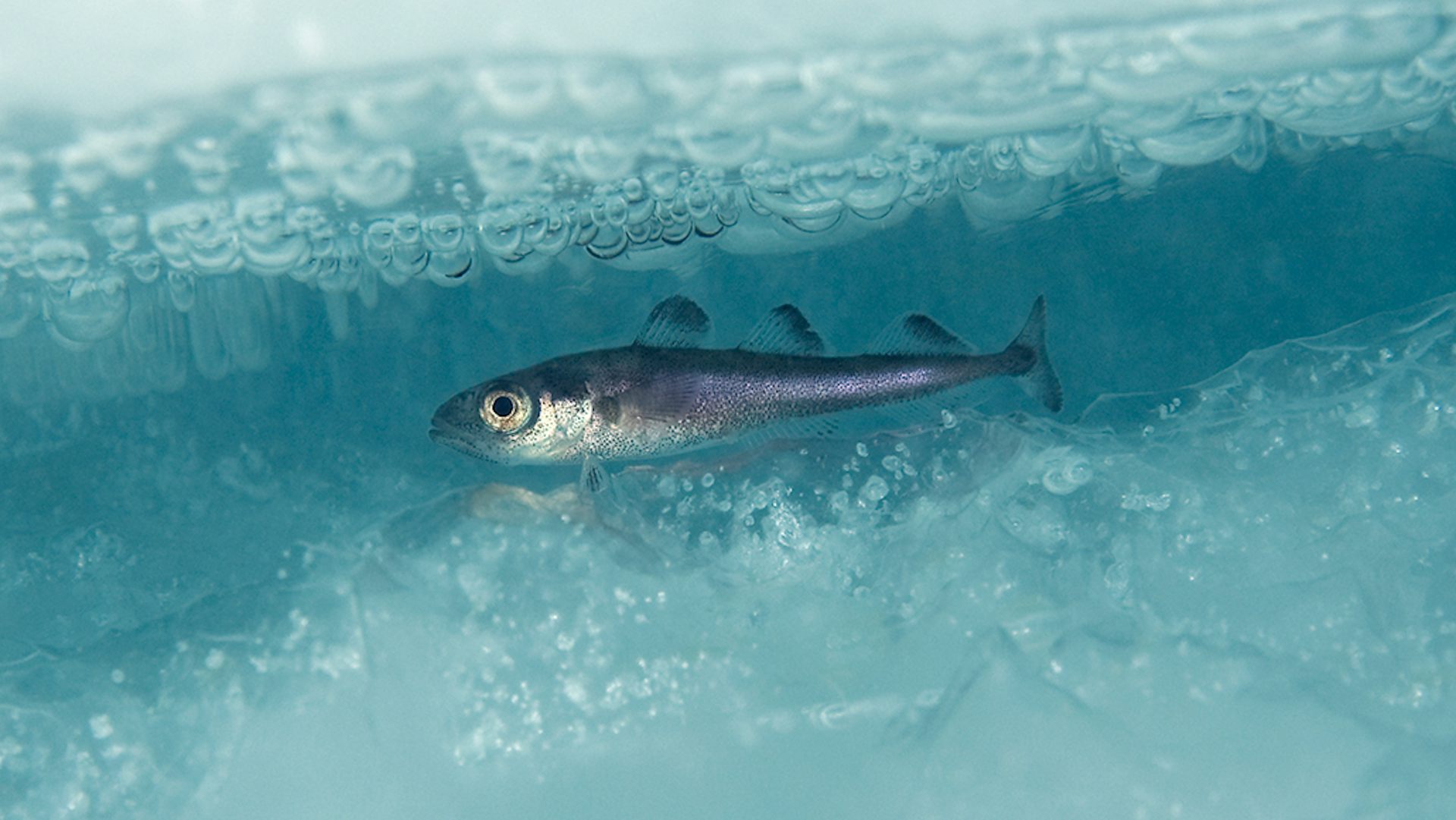
لقد أبقت اتفاقية صيد الأسماك الناجحة في القطب الشمالي روسيا والصين والولايات المتحدة وغيرهما على العمل معًا لمدة 5 سنوات – وقد تكون نموذجاً للدبلوماسية المستقبلية.
This successful Arctic fishing treaty has kept Russia, China, the US and others working together for 5 years – it could be a model for future diplomacy
-

من “المغادرة الفرنسية” إلى “الوداعات الأيرلندية”: لماذا قد يكون من حقك مغادرة الحفلة دون وداع
From ‘French leave’ to ‘Irish goodbyes’: why you may be right to exit a party without saying goodbye