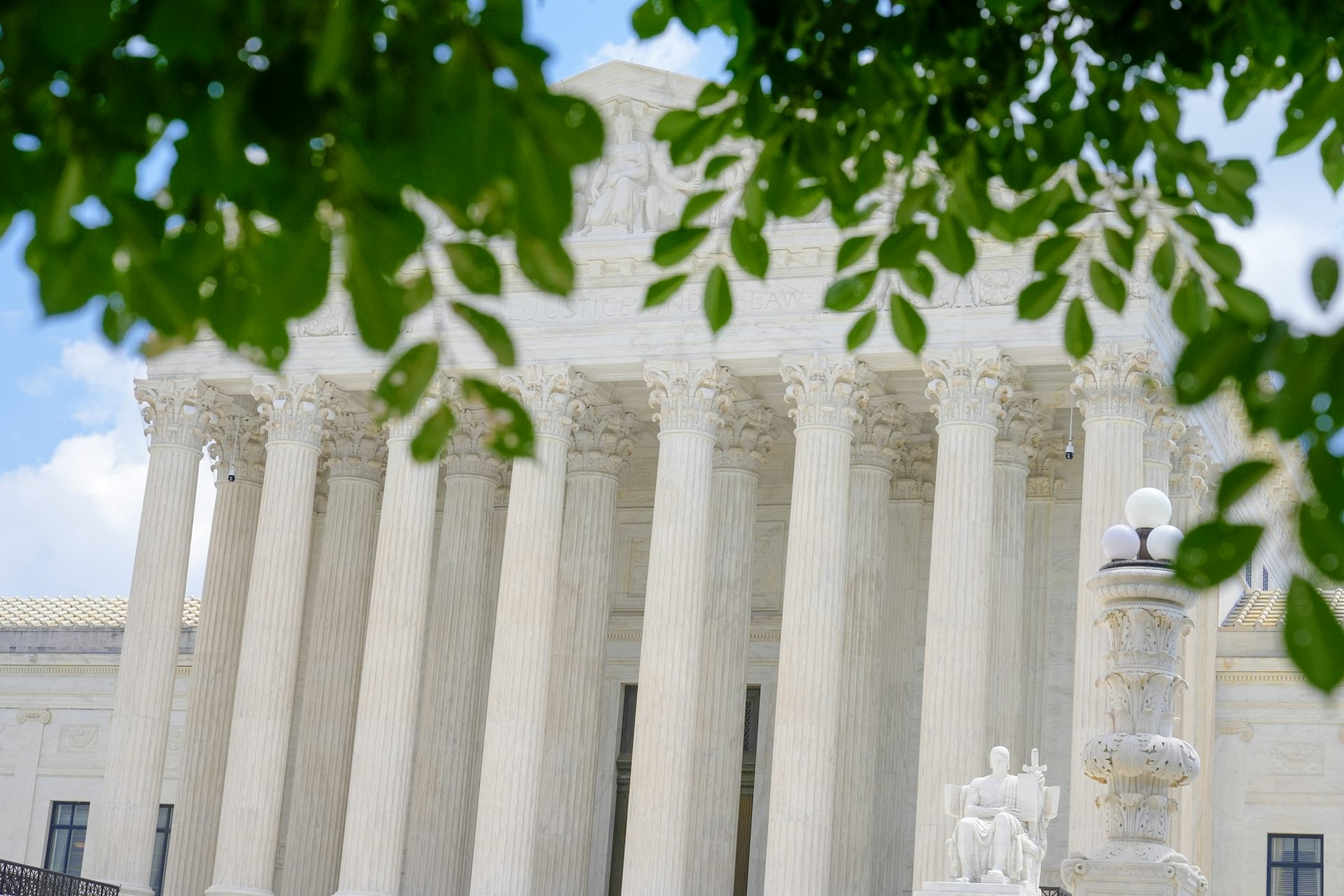
رداً على ترامب، تؤكد المحكمة العليا المواطنة بالميلاد، مشددة على الوعد بالمساواة في إعلان الاستقلال.
In rebuke to Trump, Supreme Court upholds birthright citizenship, emphasizing the promise of equality in the Declaration of Independence
Pointing to the citizenship clause of the 14th Amendment, the high court ruled that all babies born in the United States ‘are citizens by birth.’
بالإشارة إلى بند المواطنة في التعديل الرابع عشر، قضت المحكمة العليا بأن جميع الأطفال المولودين في الولايات المتحدة “مواطنون بموجب الولادة”.
The Supreme Court on June 30, 2026, declared that universal birthright citizenship is protected by the citizenship clause of the 14th Amendment to the U.S. Constitution, meaning that nearly all babies born in the United States automatically become American citizens, regardless of their parents’ immigration status.
أعلنت المحكمة العليا في 30 يونيو 2026 أن الجنسية المكتسبة بالولادة الشاملة محمية بموجب بند المواطنة في التعديل الرابع عشر للدستور الأمريكي، مما يعني أن جميع الأطفال المولودين تقريباً في الولايات المتحدة يصبحون مواطنين أمريكيين تلقائياً، بغض النظر عن وضع الهجرة لوالديهم.
The ruling rejects President Donald Trump’s executive order, signed the first day of his second administration, which sought to end birthright citizenship for the children of parents present in the country illegally and for tourists visiting only temporarily.
يرفض الحكم الأمر التنفيذي للرئيس دونالد ترامب، الذي وقّع في اليوم الأول من إدارته الثانية، والذي سعى إلى إنهاء الجنسية المكتسبة بالولادة لأطفال الآباء المتواجدين في البلاد بشكل غير قانوني وللسياح الذين يزورون مؤقتاً فقط.
The high court ruled that “under the Constitution, they are citizens by birth.”
وقضت المحكمة العليا بأن “بموجب الدستور، هم مواطنون بالولادة.”
A close decision
قرار حاسم
The ruling was split 5-4 on the meaning of the 14th Amendment. A sixth justice, Brett Kavanaugh, ruled against the Trump order on the grounds that it violates federal law – which Congress could alter – but not the Constitution itself, making the ruling 6-3 against Trump.
انقسم الحكم بنتيجة 5-4 بشأن معنى التعديل الرابع عشر. وحكم قاضٍ سادس، بريت كافانو، ضد أمر ترامب على أساس أنه ينتهك القانون الفيدرالي – الذي يمكن للكونغرس تعديله – ولكنه لا ينتهك الدستور نفسه، مما جعل الحكم 6-3 ضد ترامب.
Supreme Court watchers, including myself, expected the three liberal justices – Ketanji Brown Jackson, Elena Kagan and Sonia Sotomayor – to rule in favor of universal birthright citizenship, but imagined that the six conservatives would divide.
توقع مراقبو المحكمة العليا، بمن فيهم أنا، أن تحكم القاضيات الليبراليات الثلاث- كيتانجي براون جاكسون وإيلينا كاغان وسونيا سوتومايور- لصالح المواطنة بالولادة الشاملة، لكنهم تخيلوا أن المحافظين الستة سينقسمون.
Two conservatives, Chief Justice John Roberts and Justice Amy Coney Barrett, joined the liberals to form a narrow majority.
انضم محافظان، وهما رئيس القضاة جون روبرتس والقاضية إيمي كوني باريت، إلى الليبراليات لتشكيل أغلبية ضئيلة.
Four of the justices appointed by Republican presidents see the original public meaning of the 14th Amendment as quite different, primarily recognizing the citizenship of former slaves and their descendants after the Civil War. But they don’t see it applying to anyone born in the United States regardless of parentage.
يرى أربعة من القضاة الذين عينهم رؤساء الجمهوريين أن المعنى العام الأصلي للتعديل الرابع عشر مختلف تمامًا، حيث يركز بشكل أساسي على الاعتراف بمواطنة العبيد السابقين وأحفادهم بعد الحرب الأهلية. لكنهم لا يرون أنه ينطبق على أي شخص ولد في الولايات المتحدة بغض النظر عن نسبه.
In their view, birthright citizenship was only promised to those whose parents were legal residents with sole allegiance to the United States. As they see it, the American people can expand federal law to grant citizenship to others if they choose, but the Constitution does not demand it.
في رأيهم، وُعِدَ المواطنة بالولادة فقط لأولئك الذين كان والداهم مقيمين قانونيين وولائهم الوحيد للولايات المتحدة. وكما يرونه، يمكن للشعب الأمريكي توسيع القانون الفيدرالي لمنح الجنسية للآخرين إذا اختاروا ذلك، لكن الدستور لا يطالب بذلك.
The meaning of the Declaration
معنى الإعلان
The timing of the landmark ruling is meaningful, coming a few days before the 250th anniversary of the Declaration of Independence on July 4, 1776.
إن توقيت الحكم التاريخي يحمل دلالة عميقة، حيث جاء قبل أيام قليلة من الذكرى السنوية الـ 250 لإعلان الاستقلال في 4 يوليو عام 1776.
As a longtime observer of the Supreme Court, I believe the best way to understand the dispute is that it reflects a deep conflict over how we see the meaning of the Declaration of Independence and how it frames the meaning of the Constitution.
بصفتي مراقبًا طويل الأمد للمحكمة العليا، أعتقد أن أفضل طريقة لفهم هذا النزاع هي أنه يعكس صراعاً عميقاً حول كيفية رؤيتنا لمعنى إعلان الاستقلال وكيف يؤطر معنى الدستور.
Roberts concludes the ruling with the statement that “Citizenship, then and now, was the right to have rights – to freely participate in our political community.”
اختتم روبرتس الحكم بالقول: “كانت المواطنة، في الماضي والحاضر، حقًا يتمثل في امتلاك الحقوق – والمشاركة الحرة في مجتمعنا السياسي.”
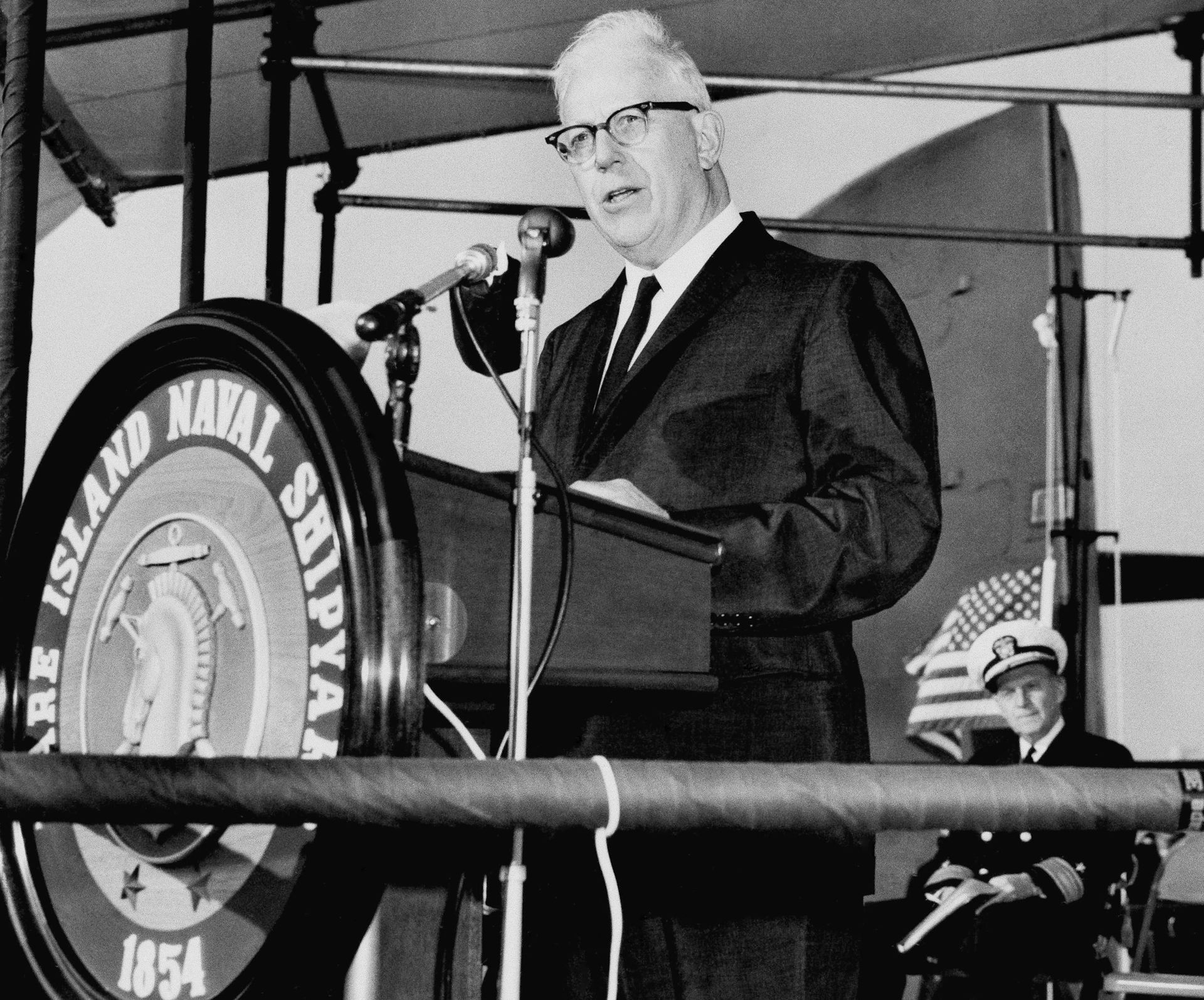
This is a reference to a famous quote from Chief Justice Earl Warren dissenting in a 1958 ruling recognizing congressional power to strip a native-born American of their citizenship for voting in a foreign election. Warren, the chief justice who authored Brown v. Board of Education in 1954 and many other landmark rulings expanding constitutional rights, wrote that “Citizenship is man’s basic right for it is nothing less than the right to have rights.”
ويشير هذا إلى اقتباس شهير لرئيس القضاة إيرل وارن، الذي خالف فيه الرأي في حكم عام 1958 يعترف بسلطة الكونغرس تجريد الأمريكي المولود على أرض الوطن من جنسيته بسبب التصويت في انتخابات أجنبية. كتب وارن، رئيس القضاة الذي ألف قضية براون ضد مجلس التعليم عام 1954 والعديد من الأحكام التاريخية الأخرى التي وسعت الحقوق الدستورية، أنه: “المواطنة هي حق أساسي للإنسان لأنها لا تقل عن الحق في التمتع بالحقوق.”
In Warren’s – and Roberts’ – view, the Declaration of Independence established not only the importance of individual rights, but also the equality of all in holding those rights. Citizenship must be equal and open, defined as broadly as the Constitution allows, rather than narrow in its scope.
في رأي وارن – وروبرتس – لم يقتصر إعلان الاستقلال على تأسيس أهمية الحقوق الفردية فحسب، بل أكد أيضاً مساواة الجميع في حيازة تلك الحقوق. ويجب أن تكون المواطنة متساوية ومفتوحة، وتُعرّف بأوسع نطاق تسمح به الدستور، بدلاً من أن تكون ضيقة النطاق.
When the 14th Amendment expanded citizenship after the Civil War, it did so with universal language, addressing race but also something broader: “All persons born or naturalized in the United States, and subject to the jurisdiction thereof, are citizens of the United States and of the State wherein they reside.”
عندما وسع التعديل الرابع عشر مفهوم المواطنة بعد الحرب الأهلية، فقد فعل ذلك بلغة عالمية، تتناول العرق ولكنها تتجاوز ذلك لتشمل شيئاً أوسع: “جميع الأشخاص المولودون أو الممنوحو الجنسية في الولايات المتحدة، والخاضعين بولايتها القضائية، هم مواطنون في الولايات المتحدة وفي الولاية التي يقيمون فيها.”
In the majority’s view, this must be read broadly to achieve the declaration’s insistence on rights and equality.
في رأي الأغلبية، يجب قراءة هذا النص على نطاق واسع لتحقيق إصرار الإعلان على الحقوق والمساواة.
The dissenters believe that the declaration did something else: It established a new sovereign people who control their own definition of citizenship. In this view, the Declaration of Independence established a distinct kind of equality — an equal share in control over the government through political representation and elections.
يعتقد المعارضون أن الإعلان فعل شيئاً آخر: فقد أسس شعبًا سياديًا جديدًا يسيطر على تعريفه الخاص للمواطنة. ومن هذا المنظور، أرسى إعلان الاستقلال نوعًا متميزًا من المساواة — وهي حصة متساوية في السيطرة على الحكومة من خلال التمثيل السياسي والانتخابات.
This view means that the current citizens must agree to offer an equal share in governance to any new members of society, but there is no such thing as citizenship without consent: No one can demand citizenship in a democracy by violating its laws.
يعني هذا الرأي أن المواطنين الحاليين يجب أن يتفقوا على تقديم حصة متساوية في الحكم لأي أعضاء جدد في المجتمع، ولكن لا يوجد شيء يسمى بالمواطنة بدون موافقة: فلا يمكن لأحد أن يطالب بالجنسية في الديمقراطية بانتهاك قوانينها.
Accepting or rejecting the British inheritance
قبول أو رفض التراث البريطاني
On the second page of the ruling, Roberts explains that “the story of citizenship in the United States begins with the English common law.”
في الصفحة الثانية من الحكم، يشرح روبرتس أن “قصة المواطنة في الولايات المتحدة تبدأ بالقانون العام الإنجليزي.”
Going back to the landmark Calvin’s Case in 1608, the British rule was that anyone born in the dominion of the king was a natural born subject.
بالعودة إلى قضية كالفن الشهيرة عام 1608، كانت القاعدة البريطانية هي أن أي شخص يولد في نطاق الملك هو رعايا مولود طبيعيًا.
Roberts writes that “This view crossed the Atlantic with the colonists — and was adopted with little fanfare after the Revolution, as ‘subjects’ of the sovereign became ‘citizens’ of the States.”
يكتب روبرتس أن “هذا الرأي عبر الأطلسي مع المستعمرين- وتم اعتماده دون ضجة كبيرة بعد الثورة، حيث أصبح ‘الرعايا’ للسياديون ‘مواطنين’ بالولايات.”
This British common law rule of broad citizenship shaped the discussion in the key case of Wong Kim Ark in 1898. As Roberts summarizes it, “What the Court held in Wong Kim Ark was simple: the Citizenship Clause incorporated the common law and granted citizenship to nearly all children born in the United States.”
شكلت قاعدة القانون العام البريطاني للمواطنة الواسعة هذه النقاش في قضية وونغ كيم آرك الرئيسية عام 1898. وكما يلخصها روبرتس، “ما أقرته المحكمة في قضية وونغ كيم آرك كان بسيطًا: فقد دمج بند المواطنة القانون العام ومنح الجنسية لجميع الأطفال المولودين تقريبًا في الولايات المتحدة.”
In the view of the dissenters, the problem is that subjects are not citizens. That means that being “under the jurisdiction” of the United States is very different from being under the jurisdiction of England or any other previous nation.
من وجهة نظر المعارضين، تكمن المشكلة في أن الرعايا ليسوا مواطنين. وهذا يعني أن التواجد “تحت ولاية قضائية” للولايات المتحدة يختلف اختلافًا كبيرًا عن التواجد تحت ولاية قضائية لإنجلترا أو أي دولة سابقة أخرى.
Justice Clarence Thomas dissented on the grounds that “the English principle was a rule of feudal servitude, not a rule of citizenship.”
عارض القاضي كلارنس طومس على أساس أن “المبدأ الإنجليزي كان قاعدة للعبودية الإقطاعية، وليس قاعدة للمواطنة.”
Justice Samuel Alito agreed in his dissent, referring to the common law as “a medieval rule” and an “ancient British rule that even the United Kingdom has abandoned.”
وافق القاضي صامويل أليتو في اعتراضه، مشيرًا إلى القانون العام بأنه “قاعدة من العصور الوسطى” و”قاعدة بريطانية قديمة تخلت عنها حتى المملكة المتحدة.”
Alito insists that “the Declaration of Independence repudiated the foundation on which the British rule was based” because it “emphatically rejected the British theory of government.”
يصر أليتو على أن “إعلان الاستقلال قد رفض الأساس الذي بنيت عليه القاعدة البريطانية” لأنه “رفض بشكل قاطع النظرية البريطانية للحكم.”
5-4 on the meaning of July 4
٥-٤ حول معنى الرابع من يوليو
The Declaration of Independence established a new relationship between individuals and the government, moving from the government controlling the people to the people controlling the government. Subjects became citizens, and with it came the authority over who can become a new citizen.
أرسى إعلان الاستقلال علاقة جديدة بين الأفراد والحكومة، متحولاً من سيطرة الحكومة على الشعب إلى سيطرة الشعب على الحكومة. وأصبح الرعايا مواطنين، ومع ذلك جاءت السلطة فيما يتعلق بمن يمكن أن يصبح مواطنًا جديدًا.
In the now-controlling interpretation of the Constitution, the American people did just that through the 14th Amendment, expanding the nature of citizenship to a more universal and equal footing, in line with the new racial equality the amendment enshrines.
في التفسير الحالي المسيطر للدستور، فعل الشعب الأمريكي ذلك تحديداً عبر التعديل الرابع عشر، موسعاً طبيعة المواطنة إلى أساس أكثر عالمية ومساواة، تماشياً مع المساواة العرقية الجديدة التي يكرسها هذا التعديل.
Birthright citizenship applies to all who are born here. That view is now the law of the land.
تُطبق المواطنة بالولادة على جميع من يولدون هنا. وهذا الرأي هو القانون الساري حالياً.
In the other, now-dissenting view, the 14th Amendment granted citizenship only to those “who, at birth, owe allegiance solely to this country.”
أما في الرأي الآخر، والمعارض الآن، فقد منح التعديل الرابع عشر الجنسية فقط لأولئك الذين “يَدينون الولاء حصرياً لهذه البلاد عند الولادة.”
Both sides agree, as Alito phrased it, that this may be “one of the most important decisions in the history of the Court.”
يتفق الجانبان، كما صاغها أليتو، على أن هذا قد يكون “أحد أهم القرارات في تاريخ المحكمة.”
Morgan Marietta does not work for, consult, own shares in or receive funding from any company or organization that would benefit from this article, and has disclosed no relevant affiliations beyond their academic appointment.
مورغان ماريتا لا تعمل لدى أو تستشير أو تمتلك أسهمًا في أي شركة أو منظمة ولا تتلقى تمويلاً منها يمكن أن يستفيد من هذه المقالة، ولم تكشف عن أي انتماءات ذات صلة بخلاف تعيينها الأكاديمي.
Read more
-

قرن وحيد القرن: لماذا تريد جنوب أفريقيا إحياء التجارة الدولية، ولماذا يخشى النقاد العواقب
Rhino horn: why South Africa wants to revive the international trade, and why critics fear the consequences
-

يمكن للأشجار والنباتات تبريد المدن بما يصل إلى 18 درجة مئوية – ولكن فقط إذا كانت من النوع المناسب
Trees and greenery can cool cities by as much as 18°C – but only if they’re the right type