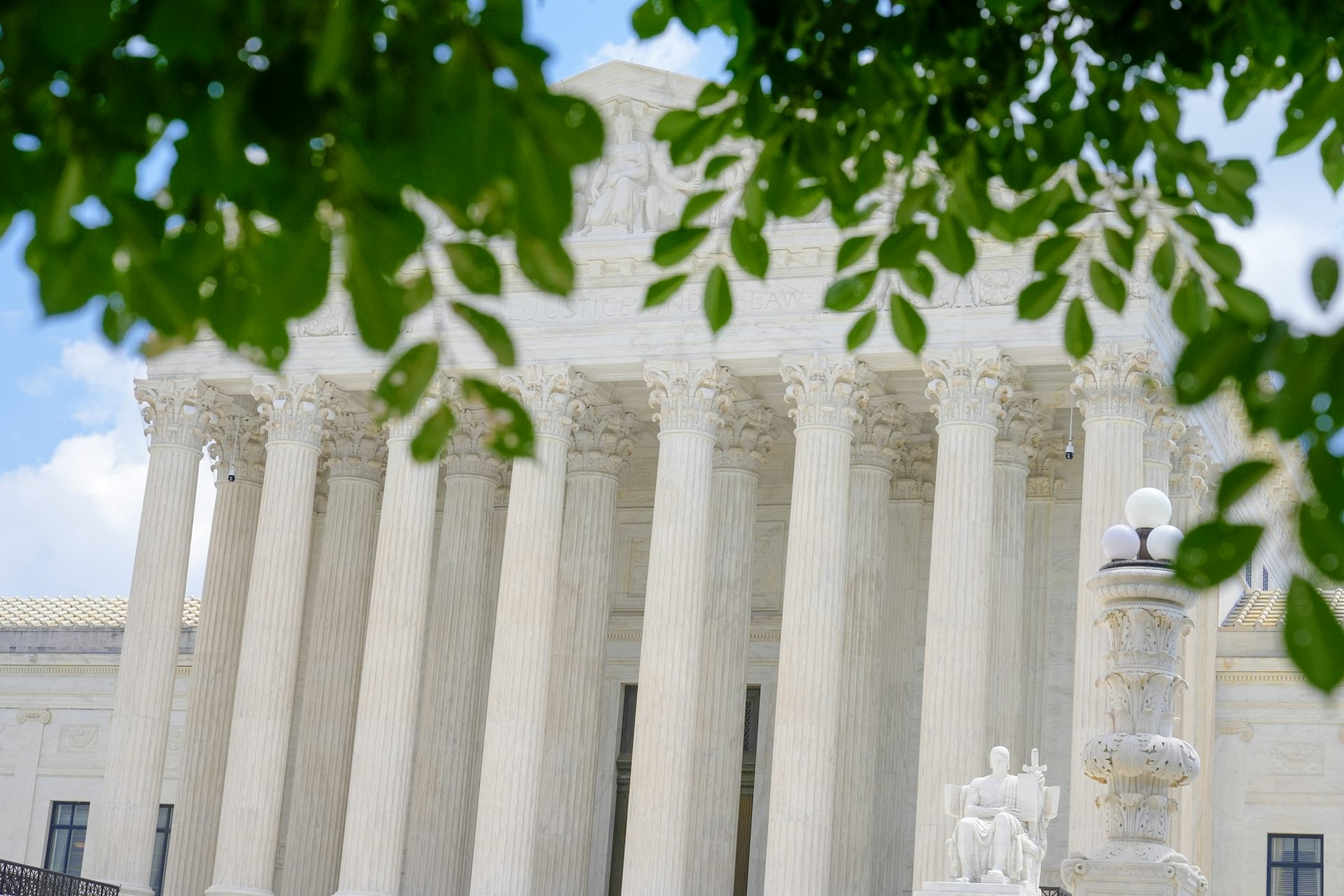
ट्रम्प को जवाब देते हुए, सर्वोच्च न्यायालय ने जन्मसिद्ध नागरिकता को बरकरार रखा है, और स्वतंत्रता की घोषणा में समानता के वादे पर जोर दिया।
In rebuke to Trump, Supreme Court upholds birthright citizenship, emphasizing the promise of equality in the Declaration of Independence
Pointing to the citizenship clause of the 14th Amendment, the high court ruled that all babies born in the United States ‘are citizens by birth.’
चौदहवें संशोधन के नागरिकता खंड की ओर इशारा करते हुए, उच्च न्यायालय ने फैसला सुनाया कि संयुक्त राज्य अमेरिका में पैदा होने वाले सभी बच्चे ‘जन्म से नागरिक होते हैं।’
The Supreme Court on June 30, 2026, declared that universal birthright citizenship is protected by the citizenship clause of the 14th Amendment to the U.S. Constitution, meaning that nearly all babies born in the United States automatically become American citizens, regardless of their parents’ immigration status.
सर्वोच्च न्यायालय ने 30 जून, 2026 को घोषणा की कि सार्वभौमिक जन्मसिद्ध नागरिकता अमेरिकी संविधान के चौदहवें संशोधन के नागरिकता खंड द्वारा सुरक्षित है। इसका अर्थ यह है कि संयुक्त राज्य अमेरिका में पैदा हुए लगभग सभी बच्चे अपने माता-पिता की आप्रवासन स्थिति की परवाह किए बिना स्वचालित रूप से अमेरिकी नागरिक बन जाते हैं।
The ruling rejects President Donald Trump’s executive order, signed the first day of his second administration, which sought to end birthright citizenship for the children of parents present in the country illegally and for tourists visiting only temporarily.
यह फैसला राष्ट्रपति डोनाल्ड ट्रम्प के कार्यकारी आदेश को खारिज करता है, जिस पर उनके दूसरे प्रशासन के पहले दिन हस्ताक्षर किए गए थे। इस आदेश का उद्देश्य उन माता-पिता के बच्चों के लिए जन्मसिद्ध नागरिकता समाप्त करना था जो अवैध रूप से देश में मौजूद हैं और केवल अस्थायी रूप से आने वाले पर्यटकों के लिए भी ऐसा ही था।
The high court ruled that “under the Constitution, they are citizens by birth.”
उच्च न्यायालय ने फैसला सुनाया कि “संविधान के तहत, वे जन्म से नागरिक हैं।”
A close decision
एक करीबी फैसला
The ruling was split 5-4 on the meaning of the 14th Amendment. A sixth justice, Brett Kavanaugh, ruled against the Trump order on the grounds that it violates federal law – which Congress could alter – but not the Constitution itself, making the ruling 6-3 against Trump.
14वें संशोधन के अर्थ पर फैसला 5-4 से बंटा। एक अन्य जस्टिस, ब्रेट कैवनाह ने यह तर्क देते हुए ट्रम्प के आदेश के खिलाफ फैसला सुनाया कि यह संघीय कानून का उल्लंघन करता है – जिसे कांग्रेस बदल सकती है – लेकिन संविधान स्वयं नहीं, जिससे फैसला ट्रम्प के खिलाफ 6-3 हो गया।
Supreme Court watchers, including myself, expected the three liberal justices – Ketanji Brown Jackson, Elena Kagan and Sonia Sotomayor – to rule in favor of universal birthright citizenship, but imagined that the six conservatives would divide.
सुप्रीम कोर्ट के पर्यवेक्षकों, जिनमें मैं भी शामिल हूँ, को उम्मीद थी कि तीन उदारवादी जस्टिस – केतानजी ब्राउन जैक्सन, एलेना कागन और सोनिया सोटोमायोर – सार्वभौमिक जन्मसिद्ध नागरिकता के पक्ष में फैसला सुनाएँगी, लेकिन उन्होंने कल्पना की कि छह रूढ़िवादी विभाजित हो जाएँगे।
Two conservatives, Chief Justice John Roberts and Justice Amy Coney Barrett, joined the liberals to form a narrow majority.
दो रूढ़िवादी, मुख्य न्यायाधीश जॉन रॉबर्ट्स और जस्टिस एमी कोनी बैरेट ने उदारवादियों से जुड़कर एक संकीर्ण बहुमत बनाया।
Four of the justices appointed by Republican presidents see the original public meaning of the 14th Amendment as quite different, primarily recognizing the citizenship of former slaves and their descendants after the Civil War. But they don’t see it applying to anyone born in the United States regardless of parentage.
रिपब्लिकन राष्ट्रपतियों द्वारा नियुक्त चार जस्टिस 14वें संशोधन के मूल सार्वजनिक अर्थ को काफी अलग मानते हैं, जो मुख्य रूप से गृहयुद्ध के बाद पूर्व दासों और उनके वंशजों की नागरिकता को मान्यता देता था। लेकिन वे इसे माता-पिता की परवाह किए बिना संयुक्त राज्य अमेरिका में पैदा हुए किसी भी व्यक्ति पर लागू नहीं होते देखते हैं।
In their view, birthright citizenship was only promised to those whose parents were legal residents with sole allegiance to the United States. As they see it, the American people can expand federal law to grant citizenship to others if they choose, but the Constitution does not demand it.
उनके विचार में, जन्मसिद्ध नागरिकता केवल उन लोगों को वादा किया गया था जिनके माता-पिता के पास संयुक्त राज्य अमेरिका के प्रति एकमात्र निष्ठा के साथ कानूनी निवास था। जैसा कि वे देखते हैं, अमेरिकी लोग अपनी इच्छा से दूसरों को नागरिकता देने के लिए संघीय कानून का विस्तार कर सकते हैं, लेकिन संविधान इसकी मांग नहीं करता है।
The meaning of the Declaration
घोषणा का अर्थ
The timing of the landmark ruling is meaningful, coming a few days before the 250th anniversary of the Declaration of Independence on July 4, 1776.
यह ऐतिहासिक फैसले का समय महत्वपूर्ण है, क्योंकि यह 4 जुलाई, 1776 को स्वतंत्रता की घोषणा की 250वीं वर्षगांठ से कुछ दिन पहले आया है।
As a longtime observer of the Supreme Court, I believe the best way to understand the dispute is that it reflects a deep conflict over how we see the meaning of the Declaration of Independence and how it frames the meaning of the Constitution.
सुप्रीम कोर्ट के एक लंबे समय के पर्यवेक्षक के रूप में, मेरा मानना है कि विवाद को समझने का सबसे अच्छा तरीका यह है कि यह इस बात पर गहरे संघर्ष को दर्शाता है कि हम स्वतंत्रता की घोषणा के अर्थ को कैसे देखते हैं और यह संविधान के अर्थ को कैसे आकार देता है।
Roberts concludes the ruling with the statement that “Citizenship, then and now, was the right to have rights – to freely participate in our political community.”
रॉबर्ट्स ने अपने फैसले का समापन इस बयान के साथ किया कि “नागरिकता, तब भी और अब भी, अधिकारों का अधिकार थी – हमारे राजनीतिक समुदाय में स्वतंत्र रूप से भाग लेने का अधिकार।”
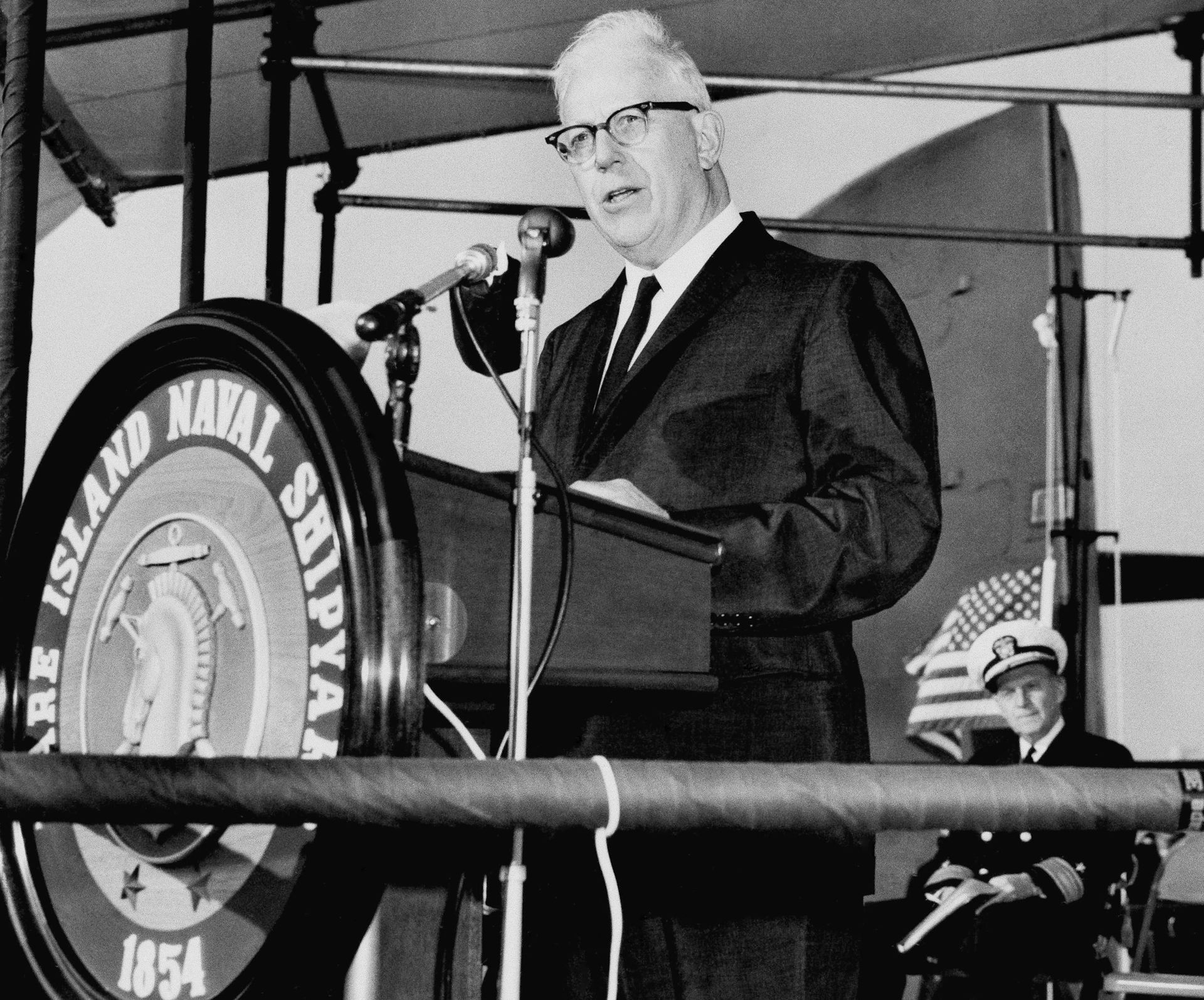
This is a reference to a famous quote from Chief Justice Earl Warren dissenting in a 1958 ruling recognizing congressional power to strip a native-born American of their citizenship for voting in a foreign election. Warren, the chief justice who authored Brown v. Board of Education in 1954 and many other landmark rulings expanding constitutional rights, wrote that “Citizenship is man’s basic right for it is nothing less than the right to have rights.”
यह मुख्य न्यायाधीश अर्ल वॉरेन के 1958 के एक फैसले में असहमति व्यक्त करने वाले प्रसिद्ध उद्धरण का संदर्भ है, जिसमें कांग्रेस को किसी मूल अमेरिकी नागरिक की विदेशी चुनाव में मतदान करने पर उसकी नागरिकता छीनने की शक्ति को मान्यता दी गई थी। वॉरेन, जो 1954 में ब्राउन बनाम बोर्ड ऑफ एजुकेशन और संवैधानिक अधिकारों का विस्तार करने वाले कई अन्य ऐतिहासिक फैसलों के लेखक थे, ने लिखा था कि “नागरिकता मनुष्य का मौलिक अधिकार है क्योंकि यह अधिकारों का अधिकार होने से कम कुछ नहीं है।”
In Warren’s – and Roberts’ – view, the Declaration of Independence established not only the importance of individual rights, but also the equality of all in holding those rights. Citizenship must be equal and open, defined as broadly as the Constitution allows, rather than narrow in its scope.
वॉरेन और रॉबर्ट्स दोनों के दृष्टिकोण में, स्वतंत्रता की घोषणा ने न केवल व्यक्तिगत अधिकारों के महत्व को स्थापित किया, बल्कि इन अधिकारों को रखने में सभी की समानता को भी स्थापित किया। नागरिकता को संकीर्ण दायरे के बजाय उतना ही समान और खुला होना चाहिए जितना संविधान अनुमति देता है।
When the 14th Amendment expanded citizenship after the Civil War, it did so with universal language, addressing race but also something broader: “All persons born or naturalized in the United States, and subject to the jurisdiction thereof, are citizens of the United States and of the State wherein they reside.”
जब 14वें संशोधन ने गृहयुद्ध के बाद नागरिकता का विस्तार किया, तो उसने सार्वभौमिक भाषा के साथ ऐसा किया, जिसमें नस्ल को संबोधित करने के साथ-साथ कुछ व्यापक भी शामिल था: “संयुक्त राज्य अमेरिका में पैदा हुए या प्राकृतिकृत सभी व्यक्ति, और इसके अधिकार क्षेत्र के अधीन, संयुक्त राज्य अमेरिका और उस राज्य के नागरिक हैं जहाँ वे निवास करते हैं।”
In the majority’s view, this must be read broadly to achieve the declaration’s insistence on rights and equality.
बहुमत के दृष्टिकोण में, घोषणा द्वारा अधिकारों और समानता पर जोर देने के लिए इसे व्यापक रूप से पढ़ा जाना चाहिए।
The dissenters believe that the declaration did something else: It established a new sovereign people who control their own definition of citizenship. In this view, the Declaration of Independence established a distinct kind of equality — an equal share in control over the government through political representation and elections.
असहमति जताने वालों का मानना है कि घोषणा ने कुछ और किया: इसने एक नए संप्रभु लोगों की स्थापना की जो अपनी नागरिकता की परिभाषा को नियंत्रित करते हैं। इस दृष्टिकोण में, स्वतंत्रता की घोषणा ने एक विशिष्ट प्रकार की समानता स्थापित की — राजनीतिक प्रतिनिधित्व और चुनावों के माध्यम से सरकार पर नियंत्रण में समान हिस्सेदारी।
This view means that the current citizens must agree to offer an equal share in governance to any new members of society, but there is no such thing as citizenship without consent: No one can demand citizenship in a democracy by violating its laws.
इस दृष्टिकोण का अर्थ है कि वर्तमान नागरिकों को समाज के किसी भी नए सदस्य को शासन में समान हिस्सा देने के लिए सहमत होना चाहिए, लेकिन सहमति के बिना नागरिकता जैसी कोई चीज़ नहीं होती: कोई भी अपने कानूनों का उल्लंघन करके लोकतंत्र में नागरिकता की मांग नहीं कर सकता।
Accepting or rejecting the British inheritance
ब्रिटिश विरासत को स्वीकार करना या अस्वीकार करना
On the second page of the ruling, Roberts explains that “the story of citizenship in the United States begins with the English common law.”
फैसले के दूसरे पन्ने पर, रॉबर्ट्स समझाते हैं कि “संयुक्त राज्य अमेरिका में नागरिकता की कहानी अंग्रेजी सामान्य कानून से शुरू होती है।”
Going back to the landmark Calvin’s Case in 1608, the British rule was that anyone born in the dominion of the king was a natural born subject.
1608 के ऐतिहासिक कैल्विन केस पर वापस जाते हुए, ब्रिटिश नियम यह था कि राजा के डोमेन में पैदा हुआ कोई भी व्यक्ति प्राकृतिक रूप से जन्मा विषय होता था।
Roberts writes that “This view crossed the Atlantic with the colonists — and was adopted with little fanfare after the Revolution, as ‘subjects’ of the sovereign became ‘citizens’ of the States.”
रॉबर्ट्स लिखते हैं कि “यह दृष्टिकोण उपनिवेशवादियों के साथ अटलांटिक पार कर गया- और क्रांति के बाद थोड़े धूमधाम के साथ अपनाया गया, क्योंकि संप्रभु के ‘विषय’ राज्यों के ‘नागरिक’ बन गए।”
This British common law rule of broad citizenship shaped the discussion in the key case of Wong Kim Ark in 1898. As Roberts summarizes it, “What the Court held in Wong Kim Ark was simple: the Citizenship Clause incorporated the common law and granted citizenship to nearly all children born in the United States.”
व्यापक नागरिकता के इस ब्रिटिश सामान्य कानून नियम ने 1898 में वोंग किम आर्क के महत्वपूर्ण मामले में चर्चा को आकार दिया। जैसा कि रॉबर्ट्स इसका सारांश देते हैं, “वोंग किम आर्क में अदालत का फैसला सरल था: नागरिकता खंड ने सामान्य कानून को शामिल किया और संयुक्त राज्य अमेरिका में पैदा हुए लगभग सभी बच्चों को नागरिकता प्रदान की।”
In the view of the dissenters, the problem is that subjects are not citizens. That means that being “under the jurisdiction” of the United States is very different from being under the jurisdiction of England or any other previous nation.
असहमति जताने वालों के विचार में, समस्या यह है कि विषय नागरिक नहीं होते हैं। इसका मतलब है कि संयुक्त राज्य अमेरिका के “अधिकार क्षेत्र में होना” इंग्लैंड या किसी अन्य पिछले राष्ट्र के अधिकार क्षेत्र में होने से बहुत अलग है।
Justice Clarence Thomas dissented on the grounds that “the English principle was a rule of feudal servitude, not a rule of citizenship.”
जस्टिस क्लारेन्स थॉमस ने इस आधार पर असहमति जताई कि “अंग्रेजी सिद्धांत सामंती दासता का नियम था, न कि नागरिकता का नियम।”
Justice Samuel Alito agreed in his dissent, referring to the common law as “a medieval rule” and an “ancient British rule that even the United Kingdom has abandoned.”
जस्टिस सैमुअल अलिटो ने अपनी असहमति में सहमति व्यक्त की, सामान्य कानून को “एक मध्ययुगीन नियम” और “एक प्राचीन ब्रिटिश नियम बताया जिसे यूनाइटेड किंगडम ने भी त्याग दिया है।”
Alito insists that “the Declaration of Independence repudiated the foundation on which the British rule was based” because it “emphatically rejected the British theory of government.”
अलिटो जोर देते हैं कि “स्वतंत्रता की घोषणा ने उस नींव को खारिज कर दिया जिस पर ब्रिटिश नियम आधारित था” क्योंकि इसने “ब्रिटिश सरकार के सिद्धांत को स्पष्ट रूप से अस्वीकार किया।”
5-4 on the meaning of July 4
4 जुलाई के अर्थ पर 5-4
The Declaration of Independence established a new relationship between individuals and the government, moving from the government controlling the people to the people controlling the government. Subjects became citizens, and with it came the authority over who can become a new citizen.
स्वतंत्रता की घोषणा ने व्यक्तियों और सरकार के बीच एक नया संबंध स्थापित किया, जो सरकार द्वारा लोगों को नियंत्रित करने से बदलकर लोगों द्वारा सरकार को नियंत्रित करने की ओर बढ़ा। प्रजाजन नागरिक बन गए, और इसके साथ यह अधिकार भी आया कि कौन नया नागरिक बन सकता है।
In the now-controlling interpretation of the Constitution, the American people did just that through the 14th Amendment, expanding the nature of citizenship to a more universal and equal footing, in line with the new racial equality the amendment enshrines.
संविधान की अब प्रभावी व्याख्या में, अमेरिकी लोगों ने 14वें संशोधन के माध्यम से ऐसा ही किया, नागरिकता की प्रकृति को अधिक सार्वभौमिक और समान आधार तक विस्तारित किया, जो यह संशोधन नई नस्लीय समानता के अनुरूप स्थापित करता है।
Birthright citizenship applies to all who are born here. That view is now the law of the land.
जन्मसिद्ध नागरिकता उन सभी पर लागू होती है जो यहाँ पैदा होते हैं। यह दृष्टिकोण अब कानून का नियम है।
In the other, now-dissenting view, the 14th Amendment granted citizenship only to those “who, at birth, owe allegiance solely to this country.”
दूसरे, अब असहमति वाले दृष्टिकोण में, 14वें संशोधन ने नागरिकता केवल उन लोगों को दी “जो जन्म के समय पूरी तरह से इस देश के प्रति निष्ठा रखते हैं।”
Both sides agree, as Alito phrased it, that this may be “one of the most important decisions in the history of the Court.”
दोनों पक्ष सहमत हैं, जैसा कि अलिटो ने कहा, कि यह “न्यायालय के इतिहास में सबसे महत्वपूर्ण निर्णयों में से एक हो सकता है।”
Morgan Marietta does not work for, consult, own shares in or receive funding from any company or organization that would benefit from this article, and has disclosed no relevant affiliations beyond their academic appointment.
मॉर्गन मारिएटा किसी भी कंपनी या संगठन के लिए काम नहीं करती हैं, सलाह नहीं देती हैं, उसमें शेयर का स्वामित्व नहीं रखती हैं या उससे फंडिंग प्राप्त नहीं करती हैं जिससे इस लेख को लाभ होगा, और उन्होंने अपने अकादमिक पद से परे कोई प्रासंगिक जुड़ाव प्रकट नहीं किया है।
Read more
-
होमर के इलियड को पढ़ना टिकटॉक पर स्क्रॉल करने जैसा महसूस होता है
Reading Homer’s Iliad feels like scrolling through TikTok
-

वजन घटाने वाली दवाएं जैसे ओज़ेंपिक नशा भी ठीक कर सकती हैं – और अब हमें पता चला है कि कैसे
Weight-loss drugs like Ozempic could work for addiction too – and we finally know how