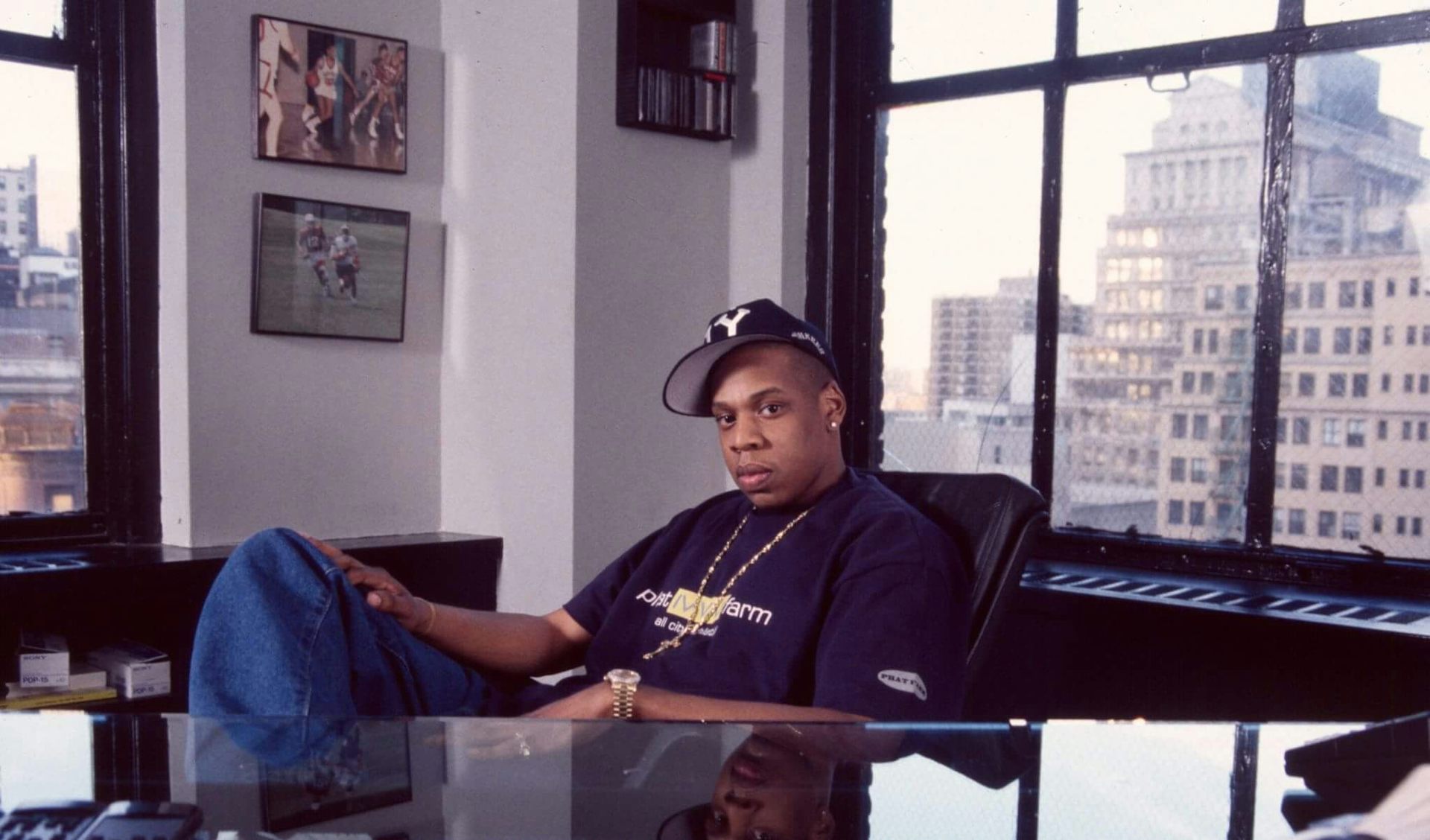
بعد ثلاثين عامًا من ألبوم “Reasonable Doubt”، تجسد مسيرة جاي زي أكبر التناقضات في موسيقى الهيب هوب.
30 years after ‘Reasonable Doubt,’ Jay-Z’s career embodies hip-hop’s biggest contradictions
What happens when a rapper whose early work explored capitalism’s brutality becomes one of the system’s most successful beneficiaries?
ماذا يحدث عندما يصبح مغني راب، كانت أعماله المبكرة تستكشف وحشية الرأسمالية، أحد أنجح مستفيدي هذا النظام؟
“Reasonable Doubt” was not the first rap album I ever owned. But Jay-Z’s debut was the first hip-hop album I bought with my own money. More importantly, it was the first one I studied as a young writer who aspired to become a rapper, a dream that eventually came true.
لم يكن ألبوم “Reasonable Doubt” الأول من نوعه الذي امتلكته في الراب. لكن الألبوم الافتتاحي لجاي-زي كان أول ألبوم هيب هوب أشتريه بمالي الخاص. والأهم من ذلك، أنه كان أول ما درسته ككاتب شاب يطمح أن يصبح مغني راب، وهو حلم تحقق في نهاية المطاف.
Jay-Z sounded cool in a way that resembled a jazz musician more than a conventional rap star. He rapped with a quiet calm that also conveyed supreme confidence. His lyrics were layered, skillful and unorthodox.
بدا جاي-زي بمظهر “رائع” بطريقة تشبه موسيقي الجاز أكثر من نجم الراب التقليدي. لقد أدى الغناء بإيقاع هادئ ينقل في الوقت ذاته ثقة مطلقة. كانت كلماته متعددة الطبقات، وبارعة، وغير تقليدية.
Yes, the tracks often revolved around drug dealing. But the hustlers who populated “Reasonable Doubt” weren’t degenerates. They were refined and astute thinkers. And unlike other gangsta rappers, there was a moral quandary at the heart of his storytelling. In tracks like “D’Evils,” Jay-Z’s narrator turns crime, aspiration and paranoia into meditations on capitalism and the psychic cost of wealth:
نعم، غالبًا ما دارت الأغاني حول الاتجار بالمخدرات. لكن المتعاملين الذين ملأوا ألبوم “Reasonable Doubt” لم يكونوا من المتحللين. بل كانوا مفكرين راقيين وأذكياء. وعلى عكس مغنيي الراب العصابات الآخرين، كان هناك معضلة أخلاقية في صميم قصصه. ففي أغاني مثل “D’Evils”، يحول الراوي لجاي-زي الجريمة والطموح والبارانويا إلى تأملات حول الرأسمالية والتكلفة النفسية للثراء:
We used to fight for building blocks Now we fight for blocks with buildings that make a killing The closest of friends when we first started But grew apart as the money grew, and soon grew black-hearted
اعتدنا أن نتقاتل من أجل قطع البناء الآن نتقاتل من أجل كتل بأبنية تجني المال أقرب الأصدقاء عندما بدأنا لكن تباعدنا مع نمو المال، وسرعان ما أصبح قلوبنا قاسية
And later:
وفي وقت لاحق:
My soul is possessed by D’Evils in the form of diamonds and Lexuses
روحي مسكونة بـ “D’Evils” في شكل الماس والكزس
The cinematic complexity displayed in its tracks helps explain why “Reasonable Doubt” was inducted into the Grammy Hall of Fame, and why it still matters 30 years later.
إن التعقيد السينمائي المعروض في أغانيه يساعد على تفسير سبب إدراج ألبوم “Reasonable Doubt” في قاعة مشاهير الجرامي، ولماذا لا يزال مهمًا بعد 30 عامًا.
But the album also launched the career of a rapper whose own trajectory has come to mirror hip-hop’s own transformation.
لكن الألبوم أيضًا أطلق مسيرة مغني راب اتجهت هي نفسها لتعكس تحول الهيب هوب الخاص به.
In 1996, hip-hop was still fighting for legitimacy. Three decades later, it had been folded into the mainstream. Kendrick Lamar can win a Pulitzer Prize, Nas can have an endowed fellowship at Harvard University, and Jay-Z, who once couldn’t get signed to a label, can create a label of his own and become a billionaire business mogul.
في عام 1996، كان الهيب هوب لا يزال يناضل من أجل الشرعية. وبعد ثلاثة عقود، تم دمجه في التيار السائد. يمكن لكيندريك لامار الفوز بجائزة بوليتزر، ويمكن لناس الحصول على زمالة ممولة في جامعة هارفارد، وجاي-زي، الذي لم يتمكن ذات مرة من التعاقد مع أي شركة تسجيلات، يمكنه إنشاء شركته الخاصة وأن يصبح قطب أعمال بمليارات الدولارات.
Is it even possible for hip-hop to be seen as countercultural in 2026? And what happens when hip-hop’s most successful outsider becomes central to the very institutions he once seemed to challenge?
هل من الممكن حتى اعتبار الهيب هوب ثقافة مضادة في عام 2026؟ وماذا يحدث عندما يصبح أكثر مغني راب نجاحًا ومنبوذًا محوريًا للمؤسسات التي بدا أنه يتحدىها ذات يوم؟
From moral panic to corporate behemoth
من الذعر الأخلاقي إلى العملاق المؤسسي
When “Reasonable Doubt” was released, hip-hop was both ascendant and under siege.
عندما صدر ألبوم “Reasonable Doubt”، كان الهيب هوب في آن واحد صاعداً ومحاصراً.
In February 1996, Tupac Shakur came out with “All Eyez on Me,” which became one of the bestselling rap albums of all time; seven months later, he was shot and killed. His friend-turned-rival, The Notorious B.I.G., was shot and killed in a drive-by shooting the following year. The media often cast these high-profile deaths as proof that rap music was inseparable from street violence, and the moral panic around hip-hop’s influence on young listeners only intensified.
في فبراير 1996، أصدر توباك شاكور ألبوم “All Eyez on Me”، الذي أصبح أحد أكثر ألبومات الراب مبيعاً على الإطلاق؛ وبعد سبعة أشهر، قُتل إطلاق نار. أما صديقه وتحول إلى منافس له، ذا نوتوريوس بي جي (The Notorious B.I.G.) ، فقد قُتل أيضاً في حادث إطلاق نار عشوائي العام التالي. غالباً ما قدمت وسائل الإعلام هذه الوفيات البارزة كدليل على أن موسيقى الراب لا تنفصل عن العنف في الشوارع، وتصاعد الذعر الأخلاقي حول تأثير الهيب هوب على المستمعين الشباب.
How times have changed. Today, hip-hop powers advertising campaigns, luxury branding and streaming platforms. According to Nielsen, rap surpassed rock music as the most popular music genre in the U.S. in 2018. Today, it accounts for roughly 1-in-4 on-demand audio streams.
كم تغيرت الأزمان. اليوم، يشغل الهيب هوب الحملات الإعلانية والعلامات التجارية الفاخرة ومنصات البث. ووفقاً لـ نيلسن، تجاوز الراب موسيقى الروك ليصبح النوع الموسيقي الأكثر شعبية في الولايات المتحدة عام 2018. واليوم، يمثل حوالي ربع (1 من كل 4) تدفقات الصوت عند الطلب.
Jay-Z has played an outsized role in that transformation.
لعب جاي-زي (Jay-Z) دوراً كبيراً في هذا التحول.
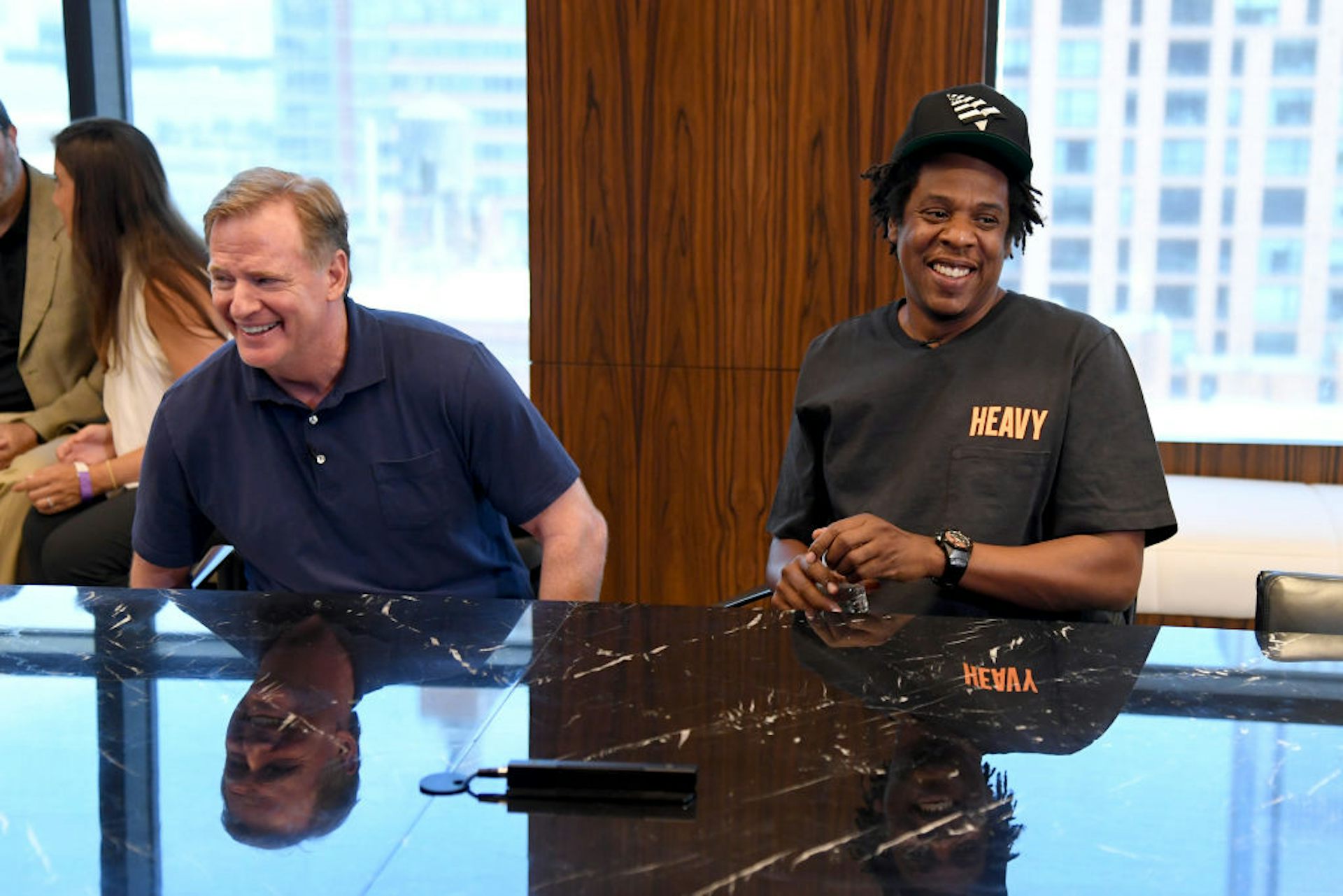
Since 1998, he’s won 25 Grammys for his own music. In that time, he’s also built a business empire. There’s his talent agency, Roc Nation; his streaming platform, TIDAL; his venture capital firm, Marcy Venture Partners; and his luxury alcohol brands, Armand de Brignac and D’Ussé. Through Roc Nation, he’s also a strategic partner with the NFL, advising the football league on its entertainment programming.
منذ عام 1998، فاز بـ 25 جائزة غرامي لموسيقاه الخاصة. وفي هذه الأثناء، بنى أيضاً إمبراطورية أعمال. هناك وكالته الفنية، “Roc Nation”؛ ومنصته للبث، “TIDAL”؛ وشركة رأس المال المغامر التابعة له، “Marcy Venture Partners”؛ وعلاماته التجارية للكحول الفاخرة، “Armand de Brignac” و “D’Ussé.” ومن خلال “Roc Nation”، هو أيضاً شريك استراتيجي مع دوري كرة القدم الأمريكية (NFL) ، حيث يقدم المشورة للاتحاد حول برامجه الترفيهية.
Forbes currently pegs his net worth at US$2.8 billion.
تُقدر فوربس حالياً صافي ثروته بـ 2.8 مليار دولار أمريكي.
Confronted on capitalism
مواجهة الرأسمالية
In April 2026, GQ published a long interview with Jay-Z.
في أبريل 2026، نشرت مجلة “جي كيو” (GQ) مقابلة مطولة مع جاي زي.
This was a big deal: Jay-Z hadn’t interacted with the media like this since 2017, when he was promoting his 13th solo album, “4:44.”
كان هذا حدثاً ضخماً: لم يتفاعل جاي زي مع وسائل الإعلام بهذه الطريقة منذ عام 2017، عندما كان يروج لألبومه المنفرد الثالث عشر بعنوان “4:44.”
How would one of hip-hop’s elder statesmen reflect on his career and his many successes?
كيف سيتأمل أحد كبار عمالقة الهيب هوب مسيرته المهنية ونجاحاته العديدة؟
In the interview, Jay-Z didn’t present his riches as a complicated outcome of capitalism’s contradictions. Instead, he talked about his wealth as if it were something his critics had failed to understand. When asked about the belief that there’s something inherently suspect about accumulating so much money, he pushed back:
في المقابلة، لم يقدم جاي زي ثروته كنتيجة معقدة لتناقضات الرأسمالية. بل تحدث عن ثرائه وكأن الأمر شيئاً فشل نقادُه في فهمه. وعندما سُئل عن الاعتقاد بوجود شيء مشبوه بطبيعته فيما يتعلق بتراكم الكثير من المال، رد قائلاً:
“It’s almost like a cop-out. You get to demonize this group of folks without fixing the actual system that exists […] Your morality defines who you are. Your morality is not defined by a dollar amount.”
“الأمر يكاد يكون تملصاً. أن تتمكنوا من شيطنة هذه المجموعة من الناس دون إصلاح النظام الفعلي القائم […] أخلاقك هي ما يحدد هويتك. وأخلاقك لا تُعرّف بمبلغ مالي.”
As for the notion that his career trajectory was somehow hypocritical:
أما بالنسبة لفكرة أن مساره المهني كان متناقضاً بطريقة ما:
“The only thing I heard coming up was the American dream. You could make it, if you pull yourself up by the bootstraps. I heard that my entire life – until we started being successful. Then it was like: You’re selling out because you’re making money.”
“الشيء الوحيد الذي سمعته يتكرر هو الحلم الأمريكي. يمكنك النجاح، إذا رفعت نفسك بنفسك. وسمعت أنه طوال حياتي – حتى بدأنا بالنجاح. ثم أصبح الأمر وكأن: أنت تبيع مبادئك لأنك تكسب المال.”
He then went on to insist that being handsomely paid is not some sort of betrayal to hip-hop, art or his community.
ثم أصر على أن الحصول على مقابل مادي جيد ليس نوعاً من الخيانة للهيب هوب أو الفن أو مجتمعه.
“I make art first and then I make sure that I’m compensated for my art. … That [capitalist] structure exists; I just see the world for what it is, not for what I want it to be. I’m a realist.”
“أصنع الفن أولاً، ومن ثم أتأكد من تعويضي عن فني…. هذا الهيكل [الرأسمالي] موجود؛ أنا فقط أرى العالم كما هو، وليس كما أريده أن يكون. أنا واقعي.”
To me, Jay-Z certainly sounded persuasive. He also sounded defensive. I think that’s because hip-hop has long been haunted by the idea that wealth compromises credibility, even as the tracks have always contained aspirational themes of luxury and entrepreneurship.
بالنسبة لي، بدا جاي زي مقنعاً بالتأكيد. وبدا أيضاً دفاعياً. أعتقد أن السبب في ذلك هو أن الهيب هوب طالما ظل مسكوناً بفكرة أن الثروة تقوض المصداقية، حتى عندما كانت الأغاني دائماً تحتوي على مواضيع طموحة للرفاهية وريادة الأعمال.
Don’t hate the player, hate the game
لا تكره اللاعب، اكره اللعبة
For my generation, Jay-Z sold aspiration in addition to albums.
بالنسبة لجيلّي، باع جاي-زي التطلعات بالإضافة إلى الألبومات.
I wore Rocawear denim suits in high school with a kind of conviction that now feels almost funny to admit. In college, drinking Belvedere vodka, which appeared in many a Jay-Z track in the early 2000s, felt like a rite of passage.
كنت أرتدي بدلات “روكاوير” الجينز في المدرسة الثانوية بقناعة نوعاً ما أشعر الآن أنه من الغريب الاعتراف به. وفي الكلية، كان شرب مشروب “بلفيدير” الفودكا، الذي ظهر في العديد من أغاني جاي-زي أوائل الألفينات، يبدو وكأنه طقس عبور.
That’s because Jay made luxury seem urbane, sophisticated and distinctly Black. Even later in life, when I’d smoke Cohiba cigars, drink D’USSÉ or read about art collecting, I felt like I was living inside a script he had helped write.
ذلك لأن جاي جعل الرفاهية تبدو حضرية وراقية وسوداء بامتياز. وحتى في وقت لاحق من حياتي، عندما كنت أدخن سيجار “كوهيبا”، أو أشرب “ديوسيه” (D’USSÉ) ، أو أقرأ عن جمع الأعمال الفنية، شعرت وكأنني أعيش داخل سيناريو ساهم هو في كتابته.
Looking back, I can see that much of my admiration for him was cloaked in materialism. Now, I think about the work of political scientist Cedric Robinson, who wrote extensively about what he called “racial capitalism.”
بالنظر إلى الوراء، يمكنني أن أرى أن الكثير من إعجابي به كان مغطى بالمادية. الآن، أفكر في عمل عالم الاجتماع السياسي سيدريك روبنسون، الذي كتب بشكل مكثف عما أسماه “الرأسمالية العرقية.”
He argued that capitalism has always been structured through race. It does not merely tolerate racial hierarchy; it depends on it. That means Black wealth – even spectacular Black wealth – does not automatically equal Black liberation. One Black billionaire can be held up as evidence of progress, while the broader system that continues to produce Black inequality remains intact.
جادل بأن الرأسمالية كانت دائماً منظمة عبر العرق. إنها لا تتسامح مع التسلسل الهرمي العنصري فحسب؛ بل تعتمد عليه. وهذا يعني أن الثروة السوداء – حتى الثروة السوداء المذهلة – لا تساوي تلقائياً التحرر الأسود. يمكن الاستشهاد بملياردير أسود كدليل على التقدم، بينما يظل النظام الأوسع الذي يستمر في إنتاج عدم المساواة السوداء سليماً.
In other words, if Jay-Z’s ascent becomes shorthand for Black progress, then the critique of the system that continues to oppress those at the margins starts to fade. The culture begins to confuse exceptional mobility with collective freedom.
بعبارة أخرى، إذا أصبح صعود جاي-زي اختصاراً للتقدم الأسود، فإن نقد النظام الذي يواصل قمع المهمشين يبدأ بالتلاشي. ويبدأ الثقافة بالخلط بين التنقل الاستثنائي والحرية الجماعية.
At the same time, I don’t think Jay-Z can be simply understood as a sellout. Communication scholar A.J. Escoffery has written a lot about what he calls “reparative media.” Essentially, he calls for media institutions to do more than offer tokens of representation to marginalized communities. Media companies need to be built or owned by those communities.
في الوقت نفسه، لا أعتقد أنه يمكن فهم جاي-زي ببساطة على أنه خائن للمبادئ. كتب عالم الاتصال أ.ج. إسكوفيري الكثير عن ما يسميه “الإعلام التصحيحي”. أساساً، يدعو إلى أن تقوم مؤسسات الإعلام بأكثر من مجرد تقديم رموز للتمثيل للمجتمعات المهمشة. يجب بناء شركات الإعلام أو امتلاكها من قبل تلك المجتمعات.
Jay-Z’s defenders will sometimes describe him along these lines – as a Robin Hood-like figure who has taken capital from historically white-owned institutions and redirected some of it toward Black communities or Black entrepreneurs. Even if those gestures remain, at heart, capitalist – like his investments in cannabis brands – he’ll often use his positioning and clout to fund minority-owned businesses.
سيصف مدافعو جاي-زي أحياناً بأسلوب كهذا – باعتباره شخصية شبيهة بروبن هود، استولى على رؤوس الأموال من مؤسسات كانت مملوكة تاريخياً للبيض وأعاد توجيه جزء منها نحو المجتمعات السوداء أو رواد الأعمال السود. حتى لو بقيت تلك الإيماءات في جوهرها رأسمالية – مثل استثماراته في علامات القنب – فإنه غالباً ما يستخدم موقعه ونفوذه لتمويل الشركات المملوكة للأقليات.
In the GQ interview, the rapper seemed to acknowledge the compromises he felt compelled to make, and he spoke of the limits Black artists face in industries they do not own:
في مقابلة مع مجلة “جي كيو”، بدا المغني أناني يقر بالتنازلات التي شعر أنه مضطر لإجرائها، وتحدث عن القيود التي تواجه الفنانين السود في الصناعات التي لا يملكونها:
“[There’s] nowhere you’re going to go that Black people control distribution and control media. At some point you’re going to have to partner with somebody.”
“[لا يوجد] مكان ستذهب إليه يتحكم فيه السود في التوزيع وفي الإعلام. في مرحلة ما سيتعين عليك الشراكة مع شخص ما.”
In that, Jay-Z highlights what hip-hop continues to grapple with. The genre no longer has to prove it belongs in the mainstream. But it has to figure out what it means to survive without being fully absorbed by it.
هنا، يسلط جاي-زي الضوء على ما لا يزال الهيب هوب يعاني منه. لم يعد النوع بحاجة إلى إثبات أنه ينتمي إلى التيار السائد. لكن عليه أن يكتشف ماذا يعني البقاء دون أن يتم استيعابه بالكامل فيه.
Jabari M. Evans does not work for, consult, own shares in or receive funding from any company or organization that would benefit from this article, and has disclosed no relevant affiliations beyond their academic appointment.
جاباري م. إيفانز لا يعمل لدى، ولا يستشير، ولا يمتلك حصصاً في، أو يتلقى تمويلاً من أي شركة أو منظمة يمكن أن تستفيد من هذه المقالة، ولم يفصح عن أي انتماءات ذات صلة تتجاوز تعيينه الأكاديمي.
Read more
-

تجمع القوات العسكرية الإيرانية بين الطائرات بدون طيار المتطورة والمخترقين وأسلحة تقليدية قديمة
Iran’s military forces combine state-of-the-art drones and hackers with out-of-date conventional weapons
-

يطعم الأرز مليارات البشر – لكن دوره في تغذية تغير المناخ يتزايد
Rice feeds billions of people – but its role in fueling climate change is growing