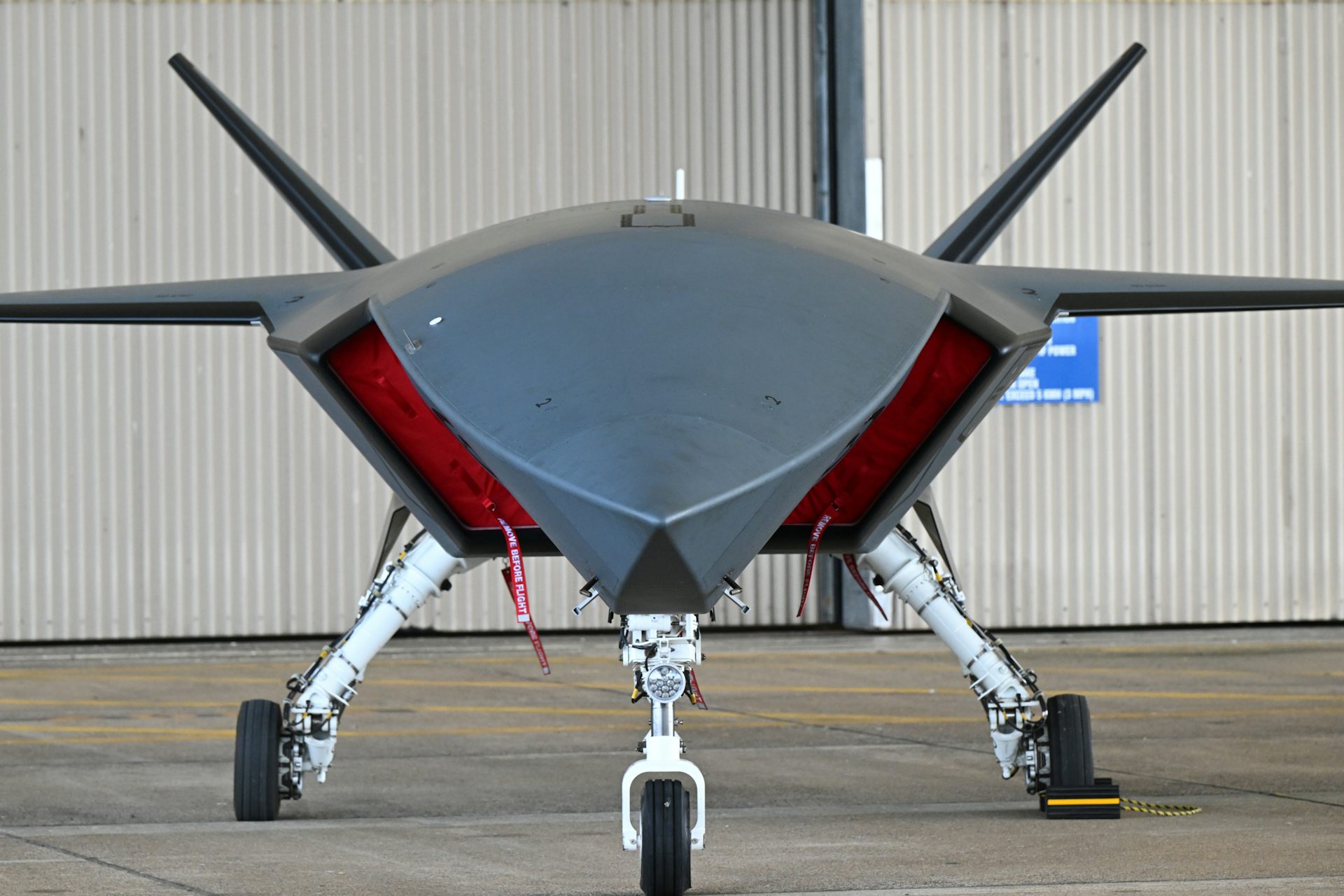
لقد نجحت إيران في الصمود أمام أقوى جيش في العالم. فما الذي يمكن أن تتعلمه أستراليا من استراتيجياتها؟
Iran just outlasted the world’s most powerful military. What can Australia learn from its strategies?
Australia needs to consider how to adapt its military tactics and preparedness to meet potential future threats.
تحتاج أستراليا إلى النظر في كيفية تكييف تكتيكاتها العسكرية واستعدادها لمواجهة التهديدات المستقبلية المحتملة.
Iran has emerged undefeated after nearly four months of war against a nuclear-armed regional rival (Israel) and the world’s most powerful military (the United States) .
برزت إيران دون هزيمة بعد ما يقرب من أربعة أشهر من الحرب ضد منافس إقليمي يمتلك الأسلحة النووية (إسرائيل) وأقوى جيش في العالم (الولايات المتحدة) .
The regime is still in control of its population and territory. Though its economy is suffering, Iran’s industrial base is still churning out missiles, drones and rockets.
لا يزال النظام مسيطراً على سكانه وأراضيه. وعلى الرغم من أن اقتصاده يعاني، إلا أن القاعدة الصناعية الإيرانية ما زالت تنتج الصواريخ والطائرات المسيرة والصواريخ البالستية.
Many of Tehran’s top leaders have been killed, but the survivors remain determined to drive negotiations to an advantageous outcome.
قُتل العديد من كبار قادة طهران، لكن الناجين ما زالوا مصممين لدفع المفاوضات نحو نتيجة مواتية.
Australia is obviously very different from Iran in many respects. And war here is not imminent. But that doesn’t mean we can’t learn anything from Iran’s experience – in addition to Ukraine’s.
من الواضح أن أستراليا مختلفة جداً عن إيران في العديد من الجوانب. والحرب ليست وشيكة هنا. لكن هذا لا يعني أنه لا يمكننا التعلم أي شيء من تجربة إيران – بالإضافة إلى تجربة أوكرانيا.
Here are a few lessons to consider about the way war is changing and how middle powers like Australia can better prepare to defend itself.
فيما يلي بعض الدروس التي يجب أخذها في الاعتبار حول الطريقة التي تتغير بها طبيعة الحرب وكيف يمكن للقوى المتوسطة مثل أستراليا أن تستعد بشكل أفضل للدفاع عن نفسها.
Unconventional deterrence
الردع غير التقليدي
Before the war, Iran’s “axis of resistance” – the Houthis in Yemen, Hezbollah in Lebanon, Hamas in Gaza, and Shia militias in Iraq – gave it strategic depth.
قبل الحرب، منح “محور المقاومة” الإيراني – الحوثيين في اليمن، وحزب الله في لبنان، وحماس في غزة، والميليشيات الشيعية في العراق – عمقاً استراتيجياً.
Specifically, this network of proxy groups created asymmetric deterrence – it prevented more powerful adversaries from directly attacking it for decades.
على وجه التحديد، أنشأت شبكة المجموعات الوكيلة هذه ردعاً غير متماثل؛ فقد منعت الخصوم الأقوى من مهاجمتها بشكل مباشر لعقود.
Yes, the US and Israel did eventually attack Iran in last year’s 12-day war and this year’s conflict. But they did so knowing Iran’s proxies might retaliate by striking their bases, sabotaging their infrastructure or subverting their alliances – all of which ended up happening.
نعم، هاجمت الولايات المتحدة وإسرائيل إيران في الحرب التي دامت 12 يوماً العام الماضي وفي الصراع هذا العام. لكنهما فعلا ذلك وهما يعلمان أن وكلاء إيران قد ينتقمون بضرب قواعدهم، أو تخريب بنيتهم التحتية، أو تقويض تحالفاتهم – وكل ذلك ما حدث بالفعل.
Australia would never sponsor terrorism. However, adopting an unconventional deterrence strategy is still possible, if it adheres to ethical and legal norms.
أستراليا لن ترعى الإرهاب أبداً. ومع ذلك، فإن تبني استراتيجية ردع غير تقليدية لا يزال ممكناً، إذا التزمت بالمعايير الأخلاقية والقانونية.
For instance, Australia could use irregular warfare capabilities, such as small, well-armed, amphibious teams or air, sea-surface and undersea drones – to influence an adversary’s calculus in deciding whether and how to attack us.
على سبيل المثال، يمكن لأستراليا استخدام قدرات الحرب غير النظامية، مثل الفرق الصغيرة المسلحة جيداً والمنقسمة بين البر والبحر أو الطائرات بدون طيار الجوية والبحرية وتحت سطح البحر – للتأثير على حسابات الخصم في تحديد ما إذا كان وكيف سيهاجمنا.
Keep deterring, even during war
استمرارية الردع، حتى أثناء الحرب
Deterrence is sometimes seen as solely a pre-war strategy. If war breaks out, it has failed by definition.
يُنظر إلى الردع أحيانًا على أنه استراتيجية ما قبل الحرب فقط. فإذا اندلعت الحرب، فهذا يعني فشله بحكم التعريف.
More sophisticated analysts, however, talk about “intra-war deterrence”, or the ability to keep deterring once war starts.
ومع ذلك، يتحدث المحللون الأكثر تطوراً عن “الردع داخل فترة الحرب”، أو القدرة على الاستمرار في الردع بمجرد بدء الحرب.
Think of Iran using drones and mines to keep US ships out of the Persian Gulf and making it harder for US forces to raid Iran’s oil terminal at Kharg Island.
فكر في إيران التي تستخدم الطائرات المسيرة والألغام لمنع السفن الأمريكية من دخول الخليج العربي، وجعل الأمر أكثر صعوبة للقوات الأمريكية لاغارة محطة النفط الإيرانية في جزيرة خوراج.
For Australia, this means continuing to demonstrate the ability to prevent an enemy from achieving its goals after war breaks out. This can be hugely valuable if it stops the enemy from using certain weapons or taking specific actions against us.
بالنسبة لأستراليا، يعني هذا الاستمرار في إظهار القدرة على منع العدو من تحقيق أهدافه بعد اندلاع الحرب. يمكن أن يكون هذا ذا قيمة هائلة إذا حال دون استخدام العدو لأسلحة معينة أو اتخاذ إجراءات محددة ضدنا.
Build regional relationships
بناء العلاقات الإقليمية
Although Iran attacked many of its Persian Gulf neighbours, its relationships with Pakistan and Oman paid off.
على الرغم من أن إيران هاجمت العديد من جيرانها في الخليج العربي، إلا أن علاقاتها مع باكستان وعمان أثمرت.
Both countries hosted negotiations to try to end the war and played restraining roles during the conflict.
استضاف البلدان الاتفاقيات لمحاولة إنهاء الحرب ولعبا أدواراً كابحة خلال النزاع.
Likewise, before the war started, many regional countries were reluctant to allow Israeli or American aircraft to use their bases or fly over their territories, partly as a result of Iran’s diplomatic efforts.
وبالمثل، قبل بدء الحرب، كانت العديد من الدول الإقليمية مترددة في السماح للطائرات الإسرائيلية أو الأمريكية باستخدام قواعدها أو التحليق فوق أراضيها، جزئياً نتيجة للجهود الدبلوماسية الإيرانية.
For Australia, which sometimes has a blind spot for its neighbourhood, regional relationships can be a source of support in war.
بالنسبة لأستراليا، التي قد تكون لديها نقاط عمياء تجاه جيرانها أحياناً، يمكن أن تشكل العلاقات الإقليمية مصدراً للدعم في زمن الحرب.
Hold at risk something your enemy needs
احتفظ بخطر شيء يحتاجه عدوك
Within a week of the war breaking out, Iran closed the Strait of Hormuz. The US and Israel responded by escalating their air campaign and establishing a counter-blockade of Iranian ports. US warships also began escorting tankers through the chokepoint.
في غضون أسبوع من اندلاع الحرب، أغلق إيران مضيق هرمز. وردت الولايات المتحدة وإسرائيل بتصعيد حملتهما الجوية وتأسيس حصار مضاد للموانئ الإيرانية. كما بدأت السفن الحربية الأمريكية بمرافقة ناقلات النفط عبر نقطة الاختناق.
But Iran still held at risk a chunk of global energy sea traffic, creating leverage for peace talks.
لكن إيران ظلت تحتفظ بخطر جزء من حركة الملاحة العالمية للطاقة، مما خلق لها نفوذاً في محادثات السلام.
In Australia’s case, our adversaries also need things we can control, such as raw materials, sea lanes, supply chains, financial resources or data links.
في حالة أستراليا، يحتاج خصومنا أيضاً إلى أشياء يمكننا التحكم بها، مثل المواد الخام أو ممرات البحار أو سلاسل الإمداد أو الموارد المالية أو وصلات البيانات.
Again, Australia is not Iran. We would act in accordance with legal and ethical norms and only in the extreme case of a war for national survival. But in those circumstances, we could exert leverage over these things.
مرة أخرى، أستراليا ليست إيران. سنتصرف وفقاً للمعايير القانونية والأخلاقية وفقط في الحالة القصوى للحرب من أجل البقاء الوطني. ولكن في تلك الظروف، يمكننا ممارسة النفوذ على هذه الأشياء.
Decentralise for resilience
اللامركزية لتحقيق المرونة
The Israeli-US “decapitation strikes” killed Iranian Supreme Leader Ali Khamenei on the war’s first day, but Iran fought on with barely a break.
قتلت “ضربات قطع الرأس” الإسرائيلية-الأمريكية المرشد الأعلى الإيراني علي خامنئي في اليوم الأول من الحرب، لكن إيران واصلت القتال بالكاد مع فترة توقف.
This is largely due to its “mosaic defence” strategy. Military authority was automatically delegated to 31 regional commanders who had the freedom to strike targets identified before the war. This made Iran’s regime much harder to topple.
يعود هذا إلى حد كبير لاستراتيجيته الدفاعية “الفسيفسائية.” وقد تم تفويض السلطة العسكرية تلقائيًا لـ 31 قائدًا إقليميًا كان لهم حرية ضرب الأهداف التي تم تحديدها قبل الحرب. وهذا جعل نظام إيران أصعب بكثير على الإطاحة به.
Given Australia’s vast size and dispersed population, a decentralised command-and-control strategy makes sense. Australia’s traditional structure of military districts offers a precedent, alongside our decentralised civil defence and emergency services.
نظرًا للحجم الشاسع للسكان الموزعين في أستراليا، فإن استراتيجية القيادة والسيطرة اللامركزية منطقية. ويقدم الهيكل التقليدي للمناطق العسكرية الأسترالية سابقة، إلى جانب خدمات الدفاع المدني والطوارئ اللامركزية لدينا.
Recently, our preference has been centrally coordinated command from Canberra and the Joint Operations Command at Bungendore, NSW. This kind of system is appropriate for managing operations outside our territory, but it might need rethinking in the event of a major attack on Australia.
وفي الآونة الأخيرة، كان تفضيلنا هو القيادة المنسقة مركزياً من كانبرا وقائد العمليات المشتركة في بانغيندور، نيو ساوث ويلز. وهذا النوع من الأنظمة مناسب لإدارة العمليات خارج أراضينا، ولكنه قد يحتاج إلى إعادة تفكير في حال وقوع هجوم كبير على أستراليا.
Build a mobilisation base and resilient defence industry
بناء قاعدة تعبئة وصناعة دفاع مرنة
Iran has a very large fighting force, including 340,000 regular armed forces, around 120,000 members of the Iranian Revolutionary Guard Corps, and about 600,000 members of its Basij militia. This provided a large mobilisation base after the initial US and Israeli strikes.
تمتلك إيران قوة قتالية كبيرة، تشمل 340 ألف فرد من القوات المسلحة النظامية، وحوالي 120 ألف عضو في الحرس الثوري الإيراني، وما يقرب من 600 ألف عضو في ميليشيا الباسيج. وقد وفر هذا قاعدة تعبئة ضخمة بعد الضربات الأولية الأمريكية والإسرائيلية.
Likewise, Iran’s defence industry is decentralised and was able to continue producing missiles and drones in hardened, concealed and dispersed facilities, despite heavy air attack.
وبالمثل، فإن صناعة الدفاع الإيرانية لا مركزية وكانت قادرة على مواصلة إنتاج الصواريخ والطائرات المسيرة في منشآت محصنة ومخفية وموزعة، على الرغم من الهجمات الجوية الكثيفة.
Australia could learn from this by decentralising its own defence industry, particularly dual-use facilities and small and medium enterprises, and stockpiling our critical manufacturing inputs, such as minerals, fuel, advanced electronics and other hard-to-source components. This was routine during the second world war and needs to return to our thinking.
يمكن لأستراليا أن تتعلم من ذلك عن طريق لامركسة صناعتها الدفاعية الخاصة، وخاصة المرافق ذات الاستخدام المزدوج والمؤسسات الصغيرة والمتوسطة، وتكديس مدخلات التصنيع الحيوية لدينا، مثل المعادن والوقود والإلكترونيات المتقدمة والمكونات الأخرى التي يصعب الحصول عليها. كان هذا روتينًا خلال الحرب العالمية الثانية ويجب أن يعود إلى تفكيرنا.
Likewise, Australian Defence Force reserves are far smaller than needed for wartime mobilisation, something successive governments have failed to remedy.
وبالمثل، فإن احتياطيات القوات المسلحة الأسترالية أقل بكثير مما هو مطلوب للتعبئة في زمن الحرب، وهو أمر فشلت الحكومات المتعاقبة في تداركه.
Extended range weapons and magazine depth
أسلحة المدى الطويل وعمق الذخيرة
Finally, Iran has demonstrated an impressive variety of long-range, low-cost, rapidly manufactured rockets, missiles and drones. The lesson is that quantity counts as much as quality.
أخيرًا، أظهرت إيران مجموعة مثيرة للإعجاب من الصواريخ والطائرات المسيرة والمدفعية بعيدة المدى ومنخفضة التكلفة وسهلة التصنيع. الدرس المستفاد هو أن الكم يوازي أهمية الكيف.
Australia has historically had a high-tech military with advanced capabilities, but limited capacity. For example, the most recent Defence Strategic Review cut the army’s armoured forces to the point where we can probably sustain only one limited combat deployment.
كان لأستراليا تاريخيًا جيش عالي التقنية بقدرات متقدمة، ولكن بسعة محدودة. على سبيل المثال، خفض أحدث تقرير استراتيجي للدفاع القوات المدرعة في الجيش إلى نقطة قد لا نتمكن من الحفاظ فيها إلا على نشر قتالي محدود واحد.
For future conflicts, we need greater “magazine depth”. This means investing more in low-cost drones, rockets and missiles and stockpiling the right kinds of ammunition in the right places. And crucially, we need the ability to keep producing weapons weapons during extended conflict.
بالنسبة للنزاعات المستقبلية، نحتاج إلى “عمق ذخيرة” أكبر. وهذا يعني الاستثمار أكثر في الطائرات المسيرة والصواريخ والمدفعية منخفضة التكلفة وتخزين الأنواع المناسبة من الذخائر في الأماكن الصحيحة. والأهم من ذلك، أننا بحاجة إلى القدرة على مواصلة إنتاج الأسلحة خلال النزاع المطول.
David Kilcullen does not work for, consult, own shares in or receive funding from any company or organisation that would benefit from this article, and has disclosed no relevant affiliations beyond their academic appointment.
ديفيد كيلكولن لا يعمل لدى أو يشارك في استشارات أو يمتلك أسهمًا في أي شركة أو منظمة تستفيد من هذه المقالة، ولم يفصح عن أي انتماءات ذات صلة تتجاوز منصبه الأكاديمي.
Read more
-
كأس العالم يدخل مرحلته التالية بعد السحرة والمفاجآت وتوصيلات البيرة الطارئة
The World Cup enters its next stage after witch doctors, surprises and emergency beer deliveries
-
داخل مجمعات الاحتيال في جنوب شرق آسيا: عاملة مُتاجر بها تحكي عن الاحتيال والإكراه والتعذيب
Inside Southeast Asia’s scam compounds: A trafficked worker tells of fraud, coercion and torture