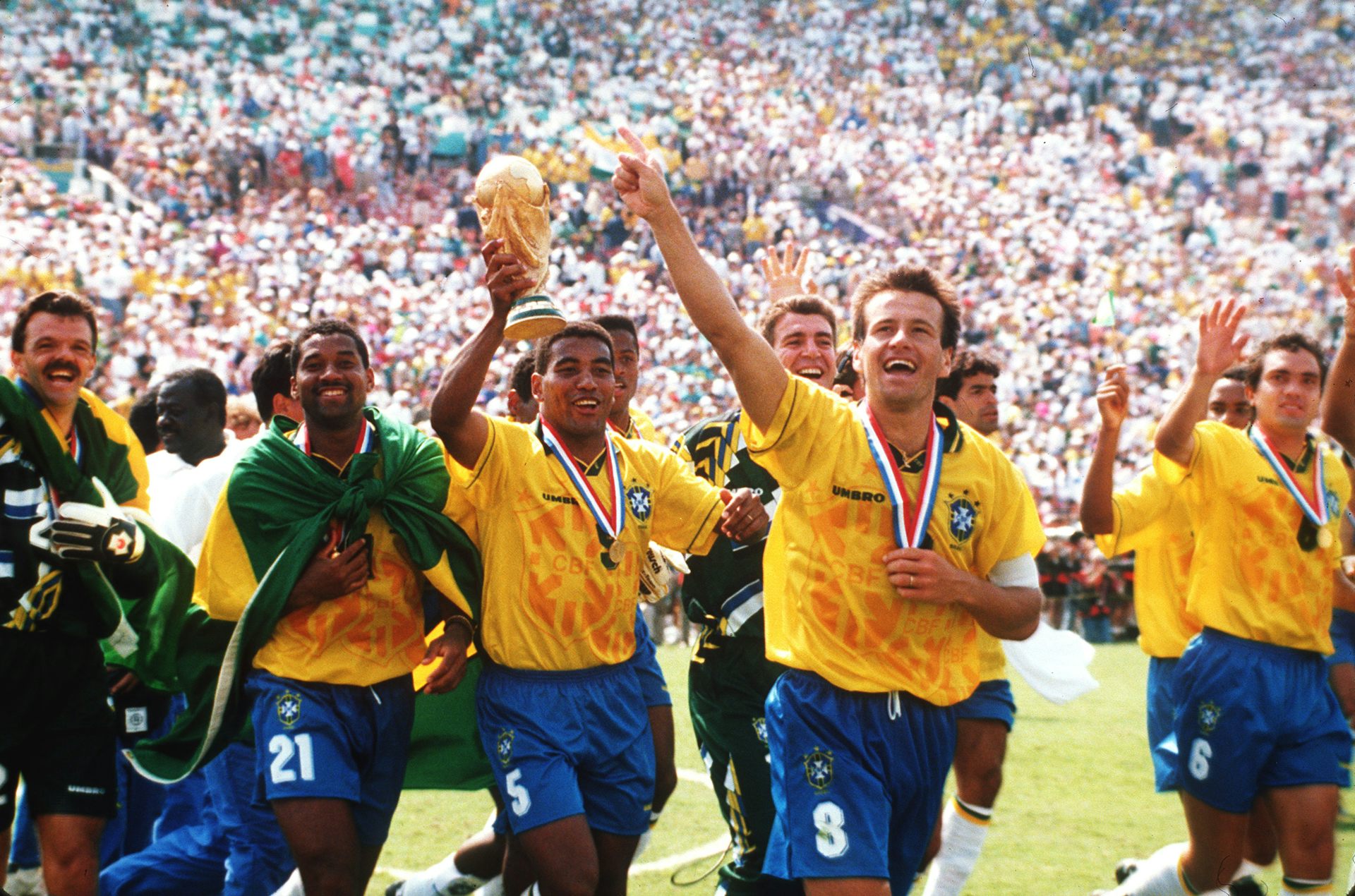
من “الولايات المتحدة ٩٤” حتى الآن: كيف تغيرت كرة القدم منذ كأس العالم الأمريكية الأخيرة
From ‘USA94’ to now: how soccer has changed since the last American World Cup
More matches, smaller nations, significant rule changes – the 2026 World Cup will be vastly different to the 1994 version in the US.
المزيد من المباريات، والدول الأصغر، والتغييرات الكبيرة في القواعد – سيكوب كأس العالم ٢٠٢٦ مختلفًا تمامًا عن نسخة عام ١٩٩٤ في الولايات المتحدة.
The United States hosted its first World Cup in 1994.
استضافت الولايات المتحدة أول كأس عالم لها في عام 1994.
Soccer has changed dramatically in many ways since then – on and off the pitch.
تغيرت كرة القدم بشكل كبير في العديد من الجوانب منذ ذلك الحين – سواء داخل الملعب أو خارجه.
As the US (with Mexico and Canada) gets set to host the mega-event once again, more than anything, the tournament’s defining change since 1994 is its sheer scale-up.
ومع استعداد الولايات المتحدة (والمكسيك وكندا) لاستضافة الحدث الضخم مرة أخرى، فإن التغيير الأبرز في البطولة منذ عام 1994 هو توسعها الهائل.
The scale-up
التوسع في النطاق
This scale-up can be clearly quantified. The 1994 tournament featured 52 matches across 32 days with 24 teams. By contrast, the 2026 event (the first three-nation World Cup) will involve 78 matches in the US alone, over 39 days.
يمكن تحديد هذا التوسع كمياً بوضوح. استضافت بطولة عام 1994 52 مباراة على مدى 32 يوماً بمشاركة 24 فريقاً. في المقابل، ستشمل نسخة عام 2026 (كأس العالم ثلاثي الدول الأول) 78 مباراة في الولايات المتحدة وحدها، على مدى أكثر من 39 يوماً.
The competition’s 48 teams are divided into 12 groups, with progression to the knockout stage awarded to the top two teams in each group along with the eight best third-placed teams.
يُقسم الـ 48 فريقاً المشارك في البطولة إلى 12 مجموعة، ويُمنح التقدم إلى مرحلة خروج المغلوب لأفضل فريقين في كل مجموعة، بالإضافة إلى أفضل ثمانية فرق تحتل المركز الثالث.
In terms of games, the tournament has doubled in size since 1994.
من حيث عدد المباريات، تضاعف حجم البطولة منذ عام 1994.
The scale-up is not accidental. It has been driven by the twin forces of globalisation and commodification, alongside a deliberate strategy by FIFA president Gianni Infantino to both protect and extend football’s commercial dominance.
إن التوسع في النطاق ليس عرضياً. لقد كان مدفوعاً بقوتين متلازمتين هما العولمة والتسليع، إلى جانب استراتيجية متعمدة من رئيس الفيفا، جياني إنفانتينو، لحماية الهيمنة التجارية لكرة القدم وتوسيعها في آن واحد.
Central to this has been expanding the tournament into non-traditional markets, most notably the US – the world’s largest sports economy – thereby generating substantial financial returns and commercial interest.
وكان المحور الأساسي لذلك هو توسيع البطولة لتشمل أسواقاً غير تقليدية، وأبرزها الولايات المتحدة – أكبر اقتصاد رياضي في العالم – مما يولد عوائد مالية كبيرة واهتماماً تجارياً.
Infantino and FIFA have faced sustained criticism in global media – ranging from controversial symbolic gestures involving Donald Trump to concerns over ticket pricing. But the broader outcome is clear: the World Cup has become more expansive and commercially powerful than ever.
واجه إنفانتينو والفيفا انتقادات مستمرة في وسائل الإعلام العالمية – تراوحت بين الإيماءات الرمزية المثيرة للجدل التي تورط فيها دونالد ترامب والمخاوف بشأن أسعار التذاكر. لكن النتيجة الأوسع واضحة: لقد أصبحت بطولة كأس العالم أكثر اتساعاً وقوة تجارية من أي وقت مضى.
At the same time, FIFA has deepened its claim to global reach by incorporating smaller nations such as Cape Verde and Curaçao, whose combined populations are well under one million.
في الوقت نفسه، عمقت الفيفا ادعاءها بالوصول العالمي من خلال دمج دول أصغر مثل فيردي وكوراساو، التي يقل مجموع سكانها عن مليون نسمة.
The scale-up rests on two core dynamics. First, more matches mean more broadcast content, and media rights remain FIFA’s largest revenue stream. Expanding to 104 matches significantly increases the value of rights deals, particularly across participating nations.
يرتكز التوسع على ديناميكيتين أساسيتين. أولاً، تعني المزيد من المباريات المزيد من المحتوى التلفزيوني، ولا يزال حق البث يمثل أكبر مصدر إيرادات للفيفا. إن التوسع إلى 104 مباريات يزيد بشكل كبير من قيمة صفقات الحقوق، لا سيما عبر الدول المشاركة.
Second, expansion broadens FIFA’s political base. By granting more countries access, it strengthens the influence of nations previously on the margins of global soccer.
ثانياً، يوسع التوسع القاعدة السياسية للفيفا. فمن خلال منح المزيد من الدول حق الوصول، فإنه يقوي نفوذ الدول التي كانت سابقاً على هامش كرة القدم العالمية.
Within FIFA’s voting structure, each member association carries equal weight: the vote of powerhouse Brazil counts the same as that of Curaçao, a recent entrant with a population around 150,000.
ضمن هيكل التصويت الخاص بالفيفا، تحمل كل جمعية عضوية وزناً متساوياً: صوت البرازيل القوية يوازي صوت كوراساو، وهي دولة حديثة العضوية يبلغ عدد سكانها حوالي 150 ألف نسمة.
At the same time, a larger tournament increases the likelihood that major population centres and emerging consumer markets (such as China, India, and Southeast Asia) will participate, further expanding the World Cup’s commercial reach.
في الوقت نفسه، تزيد البطولة الأكبر من احتمالية مشاركة المراكز السكانية الكبرى والأسواق الاستهلاكية الناشئة (مثل الصين والهند وجنوب شرق آسيا) ، مما يوسع نطاق الوصول التجاري لكأس العالم.
The unresolved question for FIFA is one of limits: how far can expansion go before it dilutes the exclusivity and premium value of the World Cup?
السؤال الذي لم يُحسم بالنسبة للفيفا هو مسألة الحدود: إلى أي مدى يمكن أن يذهب التوسع قبل أن يضعف التفرد والقيمة المتميزة لكأس العالم؟
The World Game in the US
اللعبة العالمية في الولايات المتحدة
Soccer in the US has grown markedly since the 1994 event. In many ways, this growth reflects the original intent behind awarding the 1994 World Cup to the States.
لقد نما كرة القدم في الولايات المتحدة بشكل ملحوظ منذ حدث عام 1994. وبطرق عديدة، يعكس هذا النمو النية الأصلية وراء منح كأس العالم لعام 1994 للولايات.
The 1994 tournament was still the best-attended in history, largely due to the use of National Football League (NFL) venues. It was granted on the condition that a viable professional league be reestablished following the collapse of the North American Soccer League in 1984.
كانت بطولة عام 1994 لا تزال الأكثر حضوراً في التاريخ، ويرجع ذلك إلى حد كبير إلى استخدام ملاعب دوري كرة القدم الوطني (NFL) . وقد مُنحت على شرط إعادة تأسيس دوري احترافي قابل للحياة بعد انهيار دوري كرة القدم الشمالي الأمريكي في عام 1984.
Major League Soccer (MLS) , launched in 1996, is now firmly established within the US sporting landscape.
أصبح دوري كرة القدم الرئيسي (MLS) ، الذي أُطلق في عام 1996، راسخاً الآن ضمن المشهد الرياضي الأمريكي.
The pathway has also strengthened, with college athletes feeding into MLS and increasingly major European leagues, alongside the expansion of secondary professional and semi-professional tiers.
كما تعزز المسار، حيث يتغذى الرياضيون الجامعيون إلى دوري MLS والمزيد من الدوريات الأوروبية الكبرى، إلى جانب توسع المستويات الاحترافية وشبه الاحترافية الثانوية.
Growth has been especially strong in the women’s game thanks to significant new investment.
كان النمو قوياً بشكل خاص في لعبة السيدات بفضل الاستثمار الجديد الكبير.
The US men’s team, currently ranked 16th in the world, could plausibly make a deep run in 2026.
يمكن لفريق الرجال الأمريكي، المصنف حالياً في المرتبة السادسة عشرة عالمياً، أن يحقق مسيرة عميقة في عام 2026 بشكل معقول.
As in 1994, matches this year will largely be staged in football stadiums to maximise capacity.
كما في عام 1994، ستُقام مباريات هذا العام إلى حد كبير في ملاعب كرة القدم لزيادة الطاقة الاستيعابية إلى أقصى حد.
Rule changes and technology
تغييرات القواعد والتكنولوجيا
FIFA’s rule changes are largely designed to keep the ball in play and increase the tempo of matches. Measures addressing time-wasting – from stricter control of throw-ins and goal kicks to tighter management of added time – reflect this objective.
صُممت التغييرات التي أدخلتها الفيفا إلى حد كبير لإبقاء الكرة في اللعب وزيادة وتيرة المباريات. وتعكس التدابير التي تعالج إضاعة الوقت – بدءاً من الرقابة الأكثر صرامة على الرميات الجانبية والركلات الهدف وصولاً إلى الإدارة المحكمة للوقت الإضافي – هذا الهدف.
The 1994 World Cup introduced major reforms, including a ban on back-passes to goalkeepers and awarding three points for a win to encourage attacking play.
أدخلت نسخة عام 1994 من كأس العالم إصلاحات كبرى، بما في ذلك حظر التمريرات الخلفية لحراس المرمى ومنح ثلاث نقاط للفوز لتشجيع اللعب الهجومي.
Looking to the 2026 event, technological oversight will expand, with Video Assistant Referee (VAR) technology applied more broadly to decisions such as second yellow cards and corner calls.
بالنظر إلى حدث عام 2026، سيتوسع الإشراف التكنولوجي، حيث سيتم تطبيق تقنية حكم الفيديو المساعد (VAR) على نطاق أوسع لاتخاذ قرارات مثل البطاقات الصفراء الثانية وقرارات الركنيات.
Player welfare has also become more prominent: after the extreme heat issues of 1994, mandated drinks breaks will be introduced – one in each half around the 22-minute mark.
أصبحت رفاهية اللاعبين أكثر بروزاً أيضاً: فبعد مشاكل الحرارة الشديدة في عام 1994، سيتم إدخال فترات راحة إلزامية للشرب – فترة واحدة في كل شوط تقريباً عند الدقيقة الثانية والعشرين.
Substitution rules have also evolved significantly, increasing from two in 1994 to five regular substitutions, along with an additional allowance for concussion replacements.
كما تطورت قواعد التبديل بشكل كبير، حيث زادت من اثنتين في عام 1994 إلى خمس تبديلات عادية، بالإضافة إلى مخصص إضافي لاستبدال حالات ارتجاج المخ.
Same game, different scale
نفس اللعبة، بمقاييس مختلفة
Since its codification and even in early filmed matches more than a century ago, soccer’s simplicity has been the foundation of its global dominance.
منذ تدوينها وحتى في المباريات المصورة المبكرة قبل أكثر من قرن، كانت بساطة كرة القدم هي أساس هيمنتها العالمية.
The sport’s continuity bridges generations. The leading players of the 1994 World Cup, such as Italy’s Roberto Baggio and Brazil’s Romário, could plausibly compete in the modern game, even if today’s players are generally more physically developed.
يُجسِّر استمرارية الرياضة الأجيال. فمن الممكن أن ينافس اللاعبون البارزون في كأس العالم عام 1994، مثل روبرتو باجيو الإيطالي وروماريو البرازيلي، في اللعبة الحديثة، حتى لو كان اللاعبون اليوم أكثر تطوراً بدنياً بشكل عام.
Ultimately, despite the scale, global reach and commercialisation of tournaments like the World Cup, soccer’s enduring success lies in its consistency.
في نهاية المطاف، على الرغم من الحجم والانتشار العالمي والتسويق للبطولات مثل كأس العالم، يكمن نجاح كرة القدم الدائم في اتساقها.
The game played on the world’s biggest stage remains fundamentally the same as that played in parks, schools and local grounds; simple, universal and instantly recognisable.
تظل اللعبة التي تُلعَب على أكبر مسرح في العالم مماثلة جوهرياً لتلك التي تُلعَب في الحدائق والمدارس والملاعب المحلية؛ بسيطة، وعالمية، ويمكن التعرف عليها على الفور.
Steve Georgakis does not work for, consult, own shares in or receive funding from any company or organisation that would benefit from this article, and has disclosed no relevant affiliations beyond their academic appointment.
لا يعمل ستيف جورجاكيس لدى، أو يقدم استشارات لـ، أو يمتلك أسهماً في، أو يتلقى تمويلاً من أي شركة أو منظمة يمكن أن تستفيد من هذه المقالة، ولم يفصح عن أي انتماءات ذات صلة تتجاوز تعيينه الأكاديمي.
Read more
-

ماذا يمكن أن تعني “حقبة ما بعد المضادات الحيوية” للطب الحديث
What a ‘post-antibiotic era’ could mean for modern medicine
-
قرن وحيد القرن: لماذا تريد جنوب أفريقيا إحياء التجارة الدولية، ولماذا يخشى النقاد العواقب
Rhino horn: why South Africa wants to revive the international trade, and why critics fear the consequences