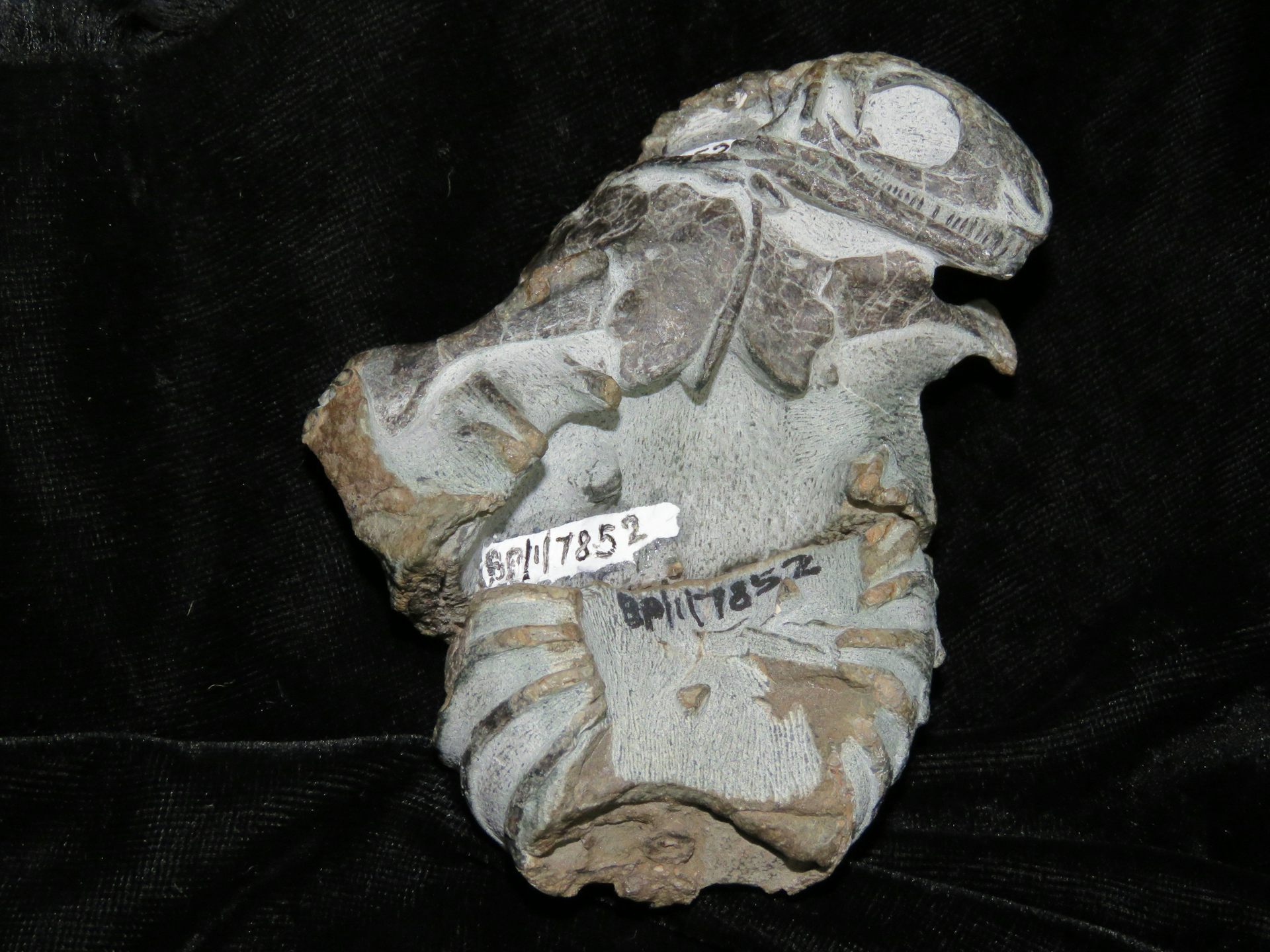
أخيرًا للسلاحف مكان في شجرة الحياة: دراسة بالأشعة السينية لأحافير جنوب أفريقيا كانت حاسمة.
Turtles finally have a place in the tree of life: X-ray study of South African fossils was a decider
Palaeontologists have got a clearer picture of where turtles fit in the animal kingdom, thanks to analysis of a southern African fossil.
حصل علماء الحفريات على صورة أوضح لمكان السلاحف في مملكة الحيوان، وذلك بفضل تحليل حفرية جنوب أفريقية.
The origin of turtles has always been a bit of a puzzle for scientists who study the evolution of animals. To this day, where they fit in the tree of life remains a highly debated topic.
لطالما كان أصل السلاحف لغزاً بعض الشيء للعلماء الذين يدرسون تطور الحيوانات. وحتى يومنا هذا، يظل مكانتها في شجرة الحياة موضوعاً مثيراً للجدل للغاية.
The evolutionary relationships of most vertebrate groups are well understood. Thanks to genetic and morphological (anatomical, body shape) data, even animals with highly specialised skeletons can be clearly placed on the animal family tree. Examples include whales or birds.
العلاقات التطورية لمعظم مجموعات الفقاريات مفهومة جيداً. بفضل البيانات الوراثية والشكلية (التشريحية، شكل الجسم) ، يمكن وضع حتى الحيوانات ذات الهياكل العظمية المتخصصة للغاية بوضوح على شجرة عائلة الحيوانات. ومن الأمثلة على ذلك الحيتان أو الطيور.
Turtles, however, have long remained an exception. Genetic studies identify them as relatives of the so-called archosaurs. This is a group that includes modern birds and crocodiles as well as extinct reptiles like dinosaurs and pterosaurs. But the fossil record seemed to tell a different story. Living turtles and their fossil relatives were so specialised that they offered few clues that would link even the oldest turtle fossils to other reptile groups. Or so scientists thought.
ومع ذلك، ظلت السلاحف لفترة طويلة استثناءً. تحدد الدراسات الوراثية أنها أقارب ما يسمى بالأركوصورات. وهي مجموعة تشمل الطيور والتماسيح الحديثة بالإضافة إلى الزواحف المنقرضة مثل الديناصورات والبتيروصورات. لكن السجل الأحفوري بدا وكأنه يروي قصة مختلفة. كانت السلاحف الحية وأقاربها الأحفورية متخصصة للغاية لدرجة أنها قدمت أدلة قليلة يمكن أن تربط حتى أقدم أحافير السلاحف بمجموعات الزواحف الأخرى. أو هكذا ظن العلماء.
Our international team of palaeontologists has now provided a comprehensive reassessment of the turtle’s place in the animal world. Our analysis sheds new light on the relationships among primitive turtles. It confirms that Eunotosaurus africanus, a fossil from South Africa and Malawi, which was presumed to be a “proto-turtle”, is not a direct ancestor of modern turtles. Instead, this animal is very distantly related to modern reptiles, finding its deep root among much older reptilian ancestors that have no modern representatives.
قدم فريقنا الدولي من علماء الحفريات الآن إعادة تقييم شاملة لمكانة السلحفاة في عالم الحيوان. ويسلط تحليلنا ضوءاً جديداً على العلاقات بين السلاحف البدائية. ويؤكد أن أحفورة Eunotosaurus africanus، وهي أحفورة من جنوب أفريقيا ومالاوي، والتي كان يُفترض أنها “سلف أولي للسلاحف”، ليست سلفاً مباشراً للسلاحف الحديثة. بل إن هذا الحيوان مرتبط ببعد بالزواحف الحديثة، ويجد جذره العميق بين أسلاف زواحف أقدم بكثير ولا يملك ممثلين حديثين.
Based on anatomy, the phylogenetic analysis also provides the first robust support from fossil studies for the close relationship between turtles and the archosaur (bird-crocodilian) lineage.
وبناءً على التشريح، يقدم التحليل التفرعي أيضاً أول دعم قوي من الدراسات الأحفورية للعلاقة الوثيقة بين السلاحف وسلالة الأركوصور (الطيور-التمساحيات) .
For more than 20 years, genetic data and anatomical data reached different conclusions about the relationships of turtles. Now they agree.
لأكثر من 20 عاماً، توصلت البيانات الوراثية والبيانات التشريحية إلى استنتاجات مختلفة حول علاقات السلاحف. والآن، هي تتفق.
Comparing reptile anatomy
مقارنة تشريح الزواحف
Fifteen researchers from South Africa, the US, UK, France and Germany participated in the study. Their combined expertise included:
شارك في الدراسة خمسة عشر باحثًا من جنوب أفريقيا والولايات المتحدة والمملكة المتحدة وفرنسا وألمانيا. وشملت خبرتهم المشتركة ما يلي:
computed tomography (CT) technology (advanced x-rays)
تقنية التصوير المقطعي المحوسب (CT) (الأشعة السينية المتقدمة)
reptilian anatomy and phylogenetics
التشريح وعلم تطور الزواحف (الفيلوجينيتكس)
Permo-Triassic stratigraphy (the study of rock layers where fossils are found) .
الطبقات الجيولوجية (الستراتيغرافيا) في العصر البيرمي-الترياسي (دراسة طبقات الصخور التي توجد فيها الأحافير) .
The combination was critical to obtain these groundbreaking results. Collection staff from the Evolutionary Studies Institute, Iziko South African Museum, National Museum, Albany Museum and Council for Geoscience in South Africa were also instrumental in enabling access to the specimens.
كان هذا المزيج حاسمًا للحصول على هذه النتائج الرائدة. كما كان موظفو مجموعات المتحف من معهد الدراسات التطورية، ومتحف إيزيكو بجنوب أفريقيا، والمتحف الوطني، ومتحف ألباني، والمجلس الجيولوجي في جنوب أفريقيا، أساسيين في تمكين الوصول إلى العينات.
The team painstakingly compiled anatomical comparisons across more than 200 fossil reptile species. We hoped to find previously overlooked similarities between early shelled turtles, their shell-less predecessors, and other early reptiles. Comparisons of the bones that frame the brain cavity were particularly important. These couldn’t previously be seen by scientists, but with powerful CT scanning methods their anatomy was laid bare.
قام الفريق بتجميع مقارنات تشريحية بعناية عبر أكثر من 200 نوع من الزواحف المتحجرة. لقد أمّلنا العثور على أوجه تشابه لم يسبق ملاحظتها بين السلاحف المبكرة ذات الأصداف، وسلائفها الخالية من الأصداف، والزواحف المبكرة الأخرى. كانت مقارنات العظام التي تحيط بتجويف الدماغ مهمة بشكل خاص. لم يكن من الممكن للعلماء رؤية هذه العظام سابقًا، ولكن باستخدام طرق المسح المقطعي المحوسب القوية، انكشف تشريحها.
Particularly surprising was what we learned about Eunotosaurus africanus, a 30cm-long burrowing reptile that lived in southern Africa some 260 million years ago. Previous studies considered it as the oldest known member of the turtle family, or a “proto-turtle”. Its broadened trunk and wide ribs looked something like a turtle shell. We studied almost all of the material of Eunotosaurus available in South African collections to address this idea once again.
كان الأكثر إثارة للدهشة هو ما تعلمناه عن Eunotosaurus africanus، وهو زاحف حافر يبلغ طوله 30 سم عاش في جنوب أفريقيا قبل حوالي 260 مليون سنة. اعتبرت الدراسات السابقة أنه أقدم عضو معروف في عائلة السلاحف، أو “سلحفاة بدائية.” بدا جذعه المتسع وأضلاعه العريضة شبيهًا إلى حد ما بقوقعة السلحفاة. درسنا تقريبًا كل المواد الخاصة بـ Eunotosaurus المتوفرة في المجموعات الأفريقية لمعالجة هذه الفكرة مرة أخرى.
Our working group at the Evolutionary Studies Institute studies some of the oldest rock layers from the Karoo Basin of South Africa, where Eunotosaurus is found. If Eunotosaurus was indeed a “proto-turtle”, we’d expect to find the forerunners of living lizards, crocodiles or birds (that is, reptiles) in these same layers. Paradoxically, we’ve found no other close relatives of modern reptiles at all. This made us suspect that even if turtles are ancient relatives of living birds and crocodilians, perhaps Eunotosaurus was no “proto-turtle” at all.
تدرس مجموعتنا العاملة في معهد الدراسات التطورية بعضًا من أقدم الطبقات الصخرية من حوض كارو في جنوب أفريقيا، حيث يوجد Eunotosaurus. إذا كان Eunotosaurus بالفعل “سلحفاة بدائية”، فنتوقع العثور على أسلاف السحالي أو التماسيح أو الطيور الحية (أي الزواحف) في هذه الطبقات نفسها. ومن المفارقات أننا لم نجد أي أقارب مقربين أخرى للزواحف الحديثة على الإطلاق. وقد جعلنا هذا نشك في أنه حتى لو كانت السلاحف أقارب قديمة للطيور والتماسيح الحية، فربما لم يكن Eunotosaurus “سلحفاة بدائية” على الإطلاق.
One breakthrough was reconstructing the bones of the braincase (housing the brain and ear) from high-resolution x-ray images of fossil and living reptiles. By peering inside the skull of Eunotosaurus, and comparing its bones with those of undisputed fossil turtles, we could see previously out-of-reach aspects of their anatomy for the first time.
كان أحد الإنجازات الكبرى هو إعادة بناء عظام القحف (الذي يضم الدماغ والأذن) من صور الأشعة السينية عالية الدقة للزواحف المتحجرة والحية. من خلال النظر داخل جمجمة Eunotosaurus، ومقارنة عظامها بتلك التابعة للسلاحف المتحجرة التي لا جدال فيها، تمكنا من رؤية جوانب تشريحها التي كانت بعيدة المنال سابقًا لأول مرة.
These x-ray scans revealed the very primitive anatomy of Eunotosaurus. For example, it has bones in the back of the skull that were lost in turtles and all living reptiles. Features like a slender ear bone (the stapes) and the hooked fifth toe that are present in many living reptiles and other fossil turtles were completely lacking in Eunotosaurus. In contrast, the braincase of unambiguous fossil turtles, such as Proganochelys quenstedti, shared a suite of characteristics that are found in the ancestors of crocodilians and birds, but absent in Eunotosaurus.
كشفت صور الأشعة السينية هذه عن التشريح البدائي للغاية لـ Eunotosaurus. على سبيل المثال، يحتوي على عظام في مؤخرة الجمجمة فُقدت في السلاحف وجميع الزواحف الحية. كانت الميزات مثل عظمة الأذن النحيلة (الركاب) والإصبع الخامس المعقوف الموجودة في العديد من الزواحف الحية والسلاحف المتحجرة الأخرى غائبة تمامًا في Eunotosaurus. في المقابل، تشارك القحف الخاص بالسلاحف المتحجرة الواضحة، مثل Proganochelys quenstedti، مجموعة من الخصائص الموجودة في أسلاف التماسيح والطيور، ولكنها غائبة في Eunotosaurus.
These lines of evidence provides firm anatomical support that turtles are the closest living relatives of archosaurs. When Eunotosaurus was considered a “proto-turtle”, many of these features were considered to have evolved independently in the turtle lineage. Now, we show that turtles share these features with their archosaur relatives because they inherited them from a common ancestor.
تقدم خط الأدلة هذا دعمًا تشريحيًا قويًا بأن السلاحف هي الأقرب من الأقارب الأحياء للزواحف القديمة (الأركوصورات) . عندما كان يُعتبر Eunotosaurus “سلحفاة بدائية”، اعتُبر أن العديد من هذه الميزات تطورت بشكل مستقل في سلالة السلاحف. الآن، نُظهر أن السلاحف تشترك في هذه الميزات مع أقاربها من الزواحف القديمة لأنها ورثتها من سلف مشترك.
These new results now place the origin of turtles where it fits better with both fossil and genetic data. When geneticists study living turtles, they compare their DNA to modern birds, crocodiles and lizards to infer evolutionary relationships. Our fossil findings now align with what those genetic comparisons have been suggesting all along: turtles branched off from the same ancestor that gave rise to crocodiles and birds.
تضع هذه النتائج الجديدة الآن أصل السلاحف في مكان يتوافق بشكل أفضل مع كل من البيانات الأحفورية والوراثية. عندما يدرس علماء الوراثة السلاحف الحية، فإنهم يقارنون حمضها النووي بالطيور والتماسيح والسحالي الحديثة لاستنتاج العلاقات التطورية. وتتوافق نتائجنا الأحفورية الآن مع ما كانت تشير إليه تلك المقارنات الوراثية طوال الوقت: حيث تفرعت السلاحف من نفس السلف الذي أدى إلى ظهور التماسيح والطيور.
Instead of being a living group of relics with ancestors present in the Middle Permian, turtles, like other modern reptiles, diversified and evolved their shell in the Triassic Period, approximately 20 million years after Eunotosaurus was already extinct.
بدلاً من أن تكون مجموعة حية من الأحافير ذات أسلاف موجودة في العصر البيرمي الأوسط، تنوعت السلاحف، مثل الزواحف الحديثة الأخرى، وطورت درعها في العصر الترياسي، أي بعد حوالي 20 مليون سنة من انقراض حيوان يونوتوصور.
With turtles now firmly placed among their closest living relatives, palaeontologists will need to reassess other long-standing questions about reptile evolution. Advanced imaging techniques like computed tomography should now be applied to other enigmatic fossil groups, potentially clarifying their evolutionary relationships.
مع وضع السلاحف الآن في مكانة راسخة بين أقرب أقربائها الأحياء، سيحتاج علماء الحفريات إلى إعادة تقييم أسئلة أخرى طويلة الأمد حول تطور الزواحف. يجب الآن تطبيق تقنيات التصوير المتقدمة مثل التصوير المقطعي المحوسب على مجموعات أحفورية غامضة أخرى، مما قد يوضح علاقاتها التطورية.
Our work highlights the fact that overlooked early reptile fossils, particularly those found in the South African fossil record, may hold the key to understanding reptile relationships.
يسلط عملنا الضوء على حقيقة أن الأحافير المبكرة للزواحف التي تم التغاضي عنها، وخاصة تلك الموجودة في السجل الأحفوري بجنوب أفريقيا، قد تحمل مفتاح فهم العلاقات بين الزواحف.
Valentin Buffa receives funding from the National Research Foundation of South Africa.
يتلقى فالنتين بوفا تمويلاً من المؤسسة الوطنية للبحوث في جنوب أفريقيا.
Jonah Choiniere receives research funding from the South African National Research Foundation, GENUS the DSTI/NRF Centre of Excellence in Palaeosciences, and from the Palaeontological Scientific Trust. He has an honorary affiliation with the American Museum of Natural History, New York, NY.
يتلقى جوناه تشوينير تمويلاً بحثياً من المؤسسة الوطنية للبحوث في جنوب أفريقيا، ومركز التميز في علوم الأحافير GENUS التابع لـ DSTI/NRF، ومن صندوق علم الأحافير. وله انتماء فخري إلى المتحف الأمريكي للتاريخ الطبيعي، نيويورك، نيويورك.
Julien Benoit receives funding from the DSTI-NRF African Origins Platform.
يتلقى جوليان بنوا تمويلاً من منصة الأصول الأفريقية التابعة لـ DSTI-NRF.
Xavier Jenkins receives funding from the National Science Foundation as an NSF-EAR Postdoctoral Fellow.
يتلقى زافيير جنكينز تمويلاً من المؤسسة الوطنية للعلوم كزميل ما بعد الدكتوراه في NSF-EAR.
Read more
-
اقتراح ألمانيا لتخفيف التوترات التجارية مع الصين لم يلقَ ترحيباً في بكين
Germany’s proposal to ease trade tensions with China has not gone down well in Beijing
-
كيف جعلت الحرب في إيران الدول الأوروبية أقرب لبعضها – بدون ترامب
How the war in Iran has brought European countries closer together – without Trump