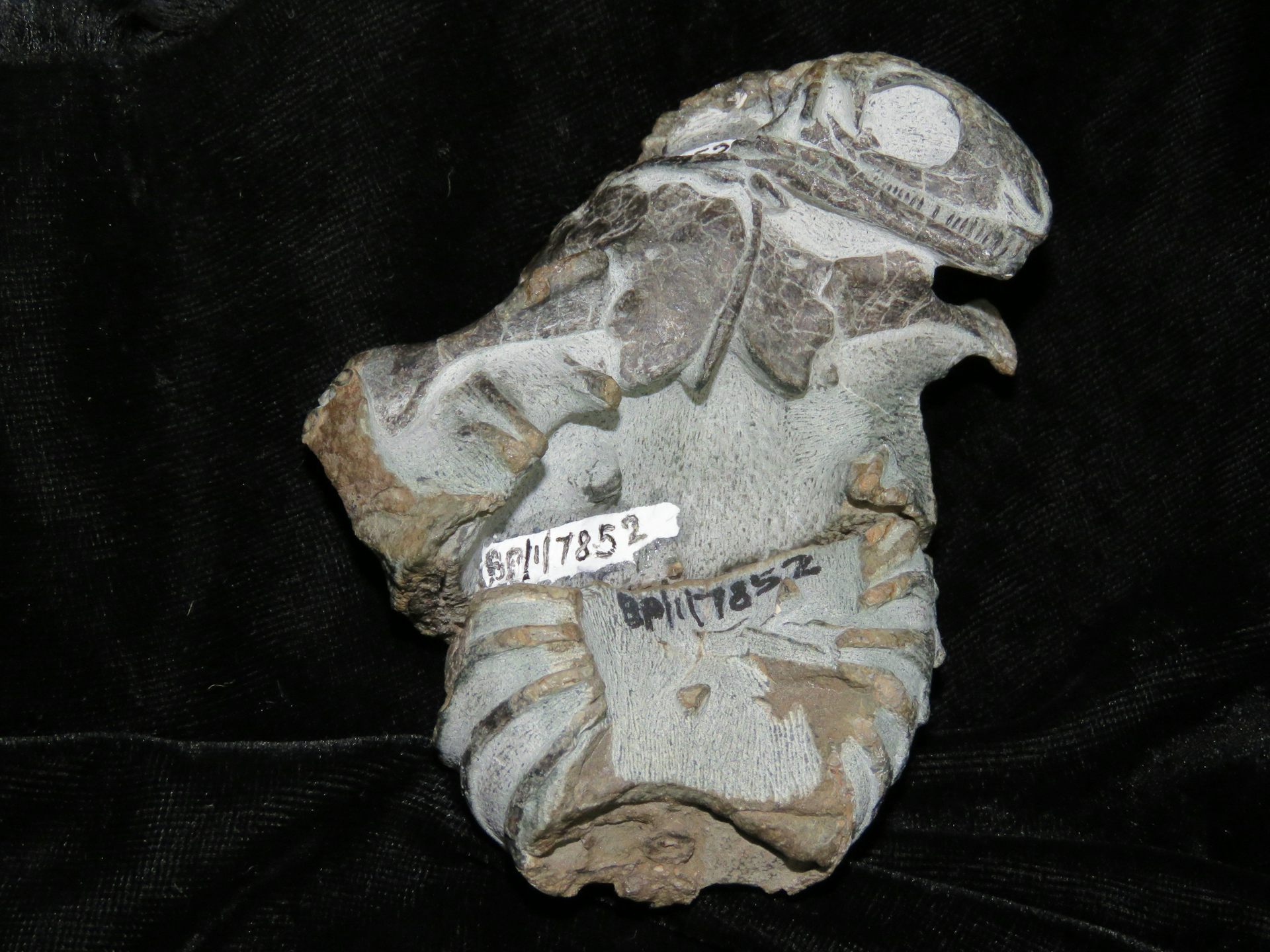
कछुओं को आखिरकार जीवन के वृक्ष में एक स्थान मिल गया: दक्षिण अफ्रीका के जीवाश्मों का एक्स-रे अध्ययन निर्णायक साबित हुआ
Turtles finally have a place in the tree of life: X-ray study of South African fossils was a decider
Palaeontologists have got a clearer picture of where turtles fit in the animal kingdom, thanks to analysis of a southern African fossil.
एक दक्षिणी अफ्रीकी जीवाश्म के विश्लेषण के कारण, जीवाश्म विज्ञानी को यह स्पष्ट तस्वीर मिल गई है कि कछुए पशु जगत में कहाँ फिट होते हैं।
The origin of turtles has always been a bit of a puzzle for scientists who study the evolution of animals. To this day, where they fit in the tree of life remains a highly debated topic.
कछुओं की उत्पत्ति हमेशा से ही उन वैज्ञानिकों के लिए एक पहेली रही है जो जानवरों के विकास का अध्ययन करते हैं। आज भी, जीवन के वृक्ष में उनका स्थान एक अत्यधिक बहस का विषय बना हुआ है।
The evolutionary relationships of most vertebrate groups are well understood. Thanks to genetic and morphological (anatomical, body shape) data, even animals with highly specialised skeletons can be clearly placed on the animal family tree. Examples include whales or birds.
अधिकांश कशेरुकी समूहों के विकासवादी संबंध अच्छी तरह से समझे जाते हैं। आनुवंशिक और आकारिक (शारीरिक संरचना) डेटा के कारण, अत्यधिक विशिष्ट कंकाल वाले जानवरों को भी पशु परिवार के वृक्ष पर स्पष्ट रूप से रखा जा सकता है। उदाहरणों में व्हेल या पक्षी शामिल हैं।
Turtles, however, have long remained an exception. Genetic studies identify them as relatives of the so-called archosaurs. This is a group that includes modern birds and crocodiles as well as extinct reptiles like dinosaurs and pterosaurs. But the fossil record seemed to tell a different story. Living turtles and their fossil relatives were so specialised that they offered few clues that would link even the oldest turtle fossils to other reptile groups. Or so scientists thought.
हालांकि, कछुए लंबे समय से एक अपवाद बने हुए हैं। आनुवंशिक अध्ययन उन्हें तथाकथित आर्कोसॉर्स के संबंधी के रूप में पहचानते हैं। यह एक ऐसा समूह है जिसमें आधुनिक पक्षी और मगरमच्छ के साथ-साथ डायनासोर और टेरोसॉर्स जैसे विलुप्त सरीसृप भी शामिल हैं। लेकिन जीवाश्म रिकॉर्ड कुछ और कहानी बताता प्रतीत होता था। जीवित कछुए और उनके जीवाश्म संबंधी इतने विशिष्ट थे कि वे कुछ ऐसे सुराग देते थे जो सबसे पुराने कछुए के जीवाश्मों को अन्य सरीसृप समूहों से जोड़ सकें। या कम से कम वैज्ञानिकों को ऐसा लगता था।
Our international team of palaeontologists has now provided a comprehensive reassessment of the turtle’s place in the animal world. Our analysis sheds new light on the relationships among primitive turtles. It confirms that Eunotosaurus africanus, a fossil from South Africa and Malawi, which was presumed to be a “proto-turtle”, is not a direct ancestor of modern turtles. Instead, this animal is very distantly related to modern reptiles, finding its deep root among much older reptilian ancestors that have no modern representatives.
पुराजीवविज्ञानी (palaeontologists) की हमारी अंतर्राष्ट्रीय टीम ने अब पशु जगत में कछुए के स्थान का एक व्यापक पुनर्मूल्यांकन प्रदान किया है। हमारे विश्लेषण से आदिम कछुओं के बीच संबंधों पर नई रोशनी पड़ती है। यह पुष्टि करता है कि Eunotosaurus africanus, जो दक्षिण अफ्रीका और मलावी का एक जीवाश्म है और जिसे “प्रोटो-कछुआ” माना जाता था, आधुनिक कछुओं का सीधा पूर्वज नहीं है। बल्कि, यह जानवर आधुनिक सरीसृपों से बहुत दूर संबंधित है, और इसकी गहरी जड़ें बहुत पुराने सरीसृप पूर्वजों में पाई जाती हैं जिनका कोई आधुनिक प्रतिनिधि नहीं है।
Based on anatomy, the phylogenetic analysis also provides the first robust support from fossil studies for the close relationship between turtles and the archosaur (bird-crocodilian) lineage.
शरीर रचना विज्ञान के आधार पर, फाइलोजेनेटिक विश्लेषण कछुओं और आर्कोसॉर्स (पक्षी-मगरमच्छ) वंश के बीच निकट संबंध के लिए जीवाश्म अध्ययनों से पहला मजबूत समर्थन प्रदान करता है।
For more than 20 years, genetic data and anatomical data reached different conclusions about the relationships of turtles. Now they agree.
20 से अधिक वर्षों तक, आनुवंशिक डेटा और शारीरिक डेटा कछुओं के संबंधों के बारे में अलग-अलग निष्कर्ष पर पहुँचे थे। अब वे सहमत हैं।
Comparing reptile anatomy
सरीसृप शरीर रचना विज्ञान की तुलना
Fifteen researchers from South Africa, the US, UK, France and Germany participated in the study. Their combined expertise included:
दक्षिण अफ्रीका, अमेरिका, यूके, फ्रांस और जर्मनी के पंद्रह शोधकर्ताओं ने इस अध्ययन में भाग लिया। उनकी संयुक्त विशेषज्ञता में शामिल थे:
computed tomography (CT) technology (advanced x-rays)
कम्प्यूटेड टोमोग्राफी (CT) तकनीक (उन्नत एक्स-रे)
reptilian anatomy and phylogenetics
सरीसृप शरीर रचना विज्ञान और फाइलोजेनेटिक्स
Permo-Triassic stratigraphy (the study of rock layers where fossils are found) .
परमो-ट्राइएसिक स्तरीकरण विज्ञान (वह अध्ययन जहाँ जीवाश्म पाए जाते हैं, चट्टान की परतों का) ।
The combination was critical to obtain these groundbreaking results. Collection staff from the Evolutionary Studies Institute, Iziko South African Museum, National Museum, Albany Museum and Council for Geoscience in South Africa were also instrumental in enabling access to the specimens.
इन अभूतपूर्व परिणाम प्राप्त करने के लिए यह संयोजन महत्वपूर्ण था। दक्षिण अफ्रीका में इज़िको (Iziko) अफ्रीकी संग्रहालय, राष्ट्रीय संग्रहालय, अल्बानी संग्रहालय और काउंसिल फॉर जियोसाइंस के विकासवादी अध्ययन संस्थान के संग्रह कर्मचारियों ने भी नमूनों तक पहुँचने में महत्वपूर्ण भूमिका निभाई।
The team painstakingly compiled anatomical comparisons across more than 200 fossil reptile species. We hoped to find previously overlooked similarities between early shelled turtles, their shell-less predecessors, and other early reptiles. Comparisons of the bones that frame the brain cavity were particularly important. These couldn’t previously be seen by scientists, but with powerful CT scanning methods their anatomy was laid bare.
टीम ने 200 से अधिक जीवाश्म सरीसृप प्रजातियों में शारीरिक तुलनाएँ बड़ी मेहनत से संकलित कीं। हम शुरुआती कवच वाले कछुओं, उनके कवच रहित पूर्ववर्तियों और अन्य शुरुआती सरीसृपों के बीच पहले से अनदेखी समानताओं को खोजने की उम्मीद कर रहे थे। मस्तिष्क गुहा को फ्रेम करने वाली हड्डियों की तुलना विशेष रूप से महत्वपूर्ण थी। पहले वैज्ञानिक इन्हें नहीं देख सकते थे, लेकिन शक्तिशाली CT स्कैनिंग विधियों से उनकी शरीर रचना उजागर हुई।
Particularly surprising was what we learned about Eunotosaurus africanus, a 30cm-long burrowing reptile that lived in southern Africa some 260 million years ago. Previous studies considered it as the oldest known member of the turtle family, or a “proto-turtle”. Its broadened trunk and wide ribs looked something like a turtle shell. We studied almost all of the material of Eunotosaurus available in South African collections to address this idea once again.
विशेष रूप से आश्चर्यजनक बात यह थी कि हमने यूनोटोसाउरस अफ्रीकनस (Eunotosaurus africanus) के बारे में क्या सीखा, जो 30 सेंटीमीटर लंबा एक बिल खोदने वाला सरीसृप था जो लगभग 260 मिलियन वर्ष पहले दक्षिणी अफ्रीका में रहता था। पिछले अध्ययनों ने इसे कछुआ परिवार का सबसे पुराना ज्ञात सदस्य, या एक “प्रोटो-कछुआ” माना था। इसका चौड़ा धड़ और चौड़ी पसलियाँ कछुए के खोल जैसी दिखती थीं। हमने इस विचार को एक बार फिर संबोधित करने के लिए दक्षिण अफ्रीकी संग्रह में उपलब्ध यूनोटोसाउरस की लगभग सभी सामग्री का अध्ययन किया।
Our working group at the Evolutionary Studies Institute studies some of the oldest rock layers from the Karoo Basin of South Africa, where Eunotosaurus is found. If Eunotosaurus was indeed a “proto-turtle”, we’d expect to find the forerunners of living lizards, crocodiles or birds (that is, reptiles) in these same layers. Paradoxically, we’ve found no other close relatives of modern reptiles at all. This made us suspect that even if turtles are ancient relatives of living birds and crocodilians, perhaps Eunotosaurus was no “proto-turtle” at all.
विकासवादी अध्ययन संस्थान में हमारा कार्य समूह दक्षिण अफ्रीका की कारो बेसिन की कुछ सबसे पुरानी चट्टान परतों का अध्ययन करता है, जहाँ यूनोटोसाउरस पाया जाता है। यदि यूनोटोसाउरस वास्तव में एक “प्रोटो-कछुआ” था, तो हम इन परतों में जीवित छिपकलियों, मगरमच्छों या पक्षियों (यानी, सरीसृपों) के अग्रदूतों को खोजने की उम्मीद करेंगे। विरोधाभासी रूप से, हमें आधुनिक सरीसृपों के कोई अन्य करीबी रिश्तेदार नहीं मिले। इससे हमें संदेह हुआ कि भले ही कछुए जीवित पक्षियों और मगरमच्छों के प्राचीन रिश्तेदार हों, शायद यूनोटोसाउरस कोई “प्रोटो-कछुआ” ही नहीं था।
One breakthrough was reconstructing the bones of the braincase (housing the brain and ear) from high-resolution x-ray images of fossil and living reptiles. By peering inside the skull of Eunotosaurus, and comparing its bones with those of undisputed fossil turtles, we could see previously out-of-reach aspects of their anatomy for the first time.
एक सफलता जीवाश्म और जीवित सरीसृपों की उच्च-रिज़ॉल्यूशन एक्स-रे छवियों से मस्तिष्ककोष (मस्तिष्क और कान को रखने वाला) की हड्डियों का पुनर्निर्माण करना था। यूनोटोसाउरस के खोपड़ी के अंदर झाँककर, और इसकी हड्डियों की तुलना निर्विवाद जीवाश्म कछुओं की हड्डियों से करके, हम पहली बार उनकी शरीर रचना के पहले से दुर्गम पहलुओं को देख सके।
These x-ray scans revealed the very primitive anatomy of Eunotosaurus. For example, it has bones in the back of the skull that were lost in turtles and all living reptiles. Features like a slender ear bone (the stapes) and the hooked fifth toe that are present in many living reptiles and other fossil turtles were completely lacking in Eunotosaurus. In contrast, the braincase of unambiguous fossil turtles, such as Proganochelys quenstedti, shared a suite of characteristics that are found in the ancestors of crocodilians and birds, but absent in Eunotosaurus.
इन एक्स-रे स्कैन ने यूनोटोसाउरस की बहुत आदिम शरीर रचना का खुलासा किया। उदाहरण के लिए, इसमें खोपड़ी के पिछले हिस्से में हड्डियाँ हैं जो कछुओं और सभी जीवित सरीसृपों में खो गई हैं। पतली कान की हड्डी (स्टेपेस) और मुड़ी हुई पाँचवीं उंगली जैसी विशेषताएँ जो कई जीवित सरीसृपों और अन्य जीवाश्म कछुओं में मौजूद हैं, यूनोटोसाउरस में पूरी तरह से अनुपस्थित थीं। इसके विपरीत, प्रोगानोकेलीस क्वेंस्टेडटी (Proganochelys quenstedti) जैसे स्पष्ट जीवाश्म कछुओं का मस्तिष्ककोष कई विशेषताओं का साझा समूह था जो मगरमच्छों और पक्षियों के पूर्वजों में पाए जाते हैं, लेकिन यूनोटोसाउरस में अनुपस्थित हैं।
These lines of evidence provides firm anatomical support that turtles are the closest living relatives of archosaurs. When Eunotosaurus was considered a “proto-turtle”, many of these features were considered to have evolved independently in the turtle lineage. Now, we show that turtles share these features with their archosaur relatives because they inherited them from a common ancestor.
साक्ष्य की ये पंक्तियाँ दृढ़ शारीरिक समर्थन प्रदान करती हैं कि कछुए आर्कसॉर के सबसे करीबी जीवित रिश्तेदार हैं। जब यूनोटोसाउरस को “प्रोटो-कछुआ” माना जाता था, तो इनमें से कई विशेषताओं को कछुआ वंश में स्वतंत्र रूप से विकसित माना जाता था। अब, हम दिखाते हैं कि कछुए इन विशेषताओं को अपने आर्कसॉर रिश्तेदारों के साथ साझा करते हैं क्योंकि उन्होंने उन्हें एक सामान्य पूर्वज से विरासत में प्राप्त किया था।
These new results now place the origin of turtles where it fits better with both fossil and genetic data. When geneticists study living turtles, they compare their DNA to modern birds, crocodiles and lizards to infer evolutionary relationships. Our fossil findings now align with what those genetic comparisons have been suggesting all along: turtles branched off from the same ancestor that gave rise to crocodiles and birds.
ये नए परिणाम अब कछुओं की उत्पत्ति को उस स्थान पर रखते हैं जहाँ यह जीवाश्म और आनुवंशिक दोनों डेटा के साथ बेहतर ढंग से फिट बैठता है। जब आनुवंशिकीविद् जीवित कछुओं का अध्ययन करते हैं, तो वे विकासवादी संबंधों का अनुमान लगाने के लिए उनके डीएनए की तुलना आधुनिक पक्षियों, मगरमच्छों और छिपकलियों से करते हैं। हमारे जीवाश्म निष्कर्ष अब उस बात के अनुरूप हैं जो उन आनुवंशिक तुलनाओं द्वारा लगातार सुझाया जा रहा है: कछुए उसी पूर्वज से अलग हुए जो मगरमच्छों और पक्षियों के उदय का कारण बना।
Instead of being a living group of relics with ancestors present in the Middle Permian, turtles, like other modern reptiles, diversified and evolved their shell in the Triassic Period, approximately 20 million years after Eunotosaurus was already extinct.
मिडिल पर्मियन में पूर्वजों के साथ एक जीवित अवशेष समूह होने के बजाय, कछुए, अन्य आधुनिक सरीसृपों की तरह, ट्रायसिक काल में अपने खोल का विविधीकरण और विकास किया, जो यूनोटोसौरस के विलुप्त होने के लगभग 20 मिलियन वर्ष बाद हुआ।
With turtles now firmly placed among their closest living relatives, palaeontologists will need to reassess other long-standing questions about reptile evolution. Advanced imaging techniques like computed tomography should now be applied to other enigmatic fossil groups, potentially clarifying their evolutionary relationships.
चूंकि कछुए अब अपने सबसे करीबी जीवित रिश्तेदारों के बीच मजबूती से स्थापित हो गए हैं, पुराजीवविज्ञानी सरीसृप विकास के बारे में अन्य लंबे समय से चले आ रहे सवालों का पुनर्मूल्यांकन करने की आवश्यकता होगी। कंप्यूटेड टोमोग्राफी जैसी उन्नत इमेजिंग तकनीकों को अब अन्य रहस्यमय जीवाश्म समूहों पर लागू किया जाना चाहिए, जिससे उनके विकासवादी संबंधों को संभावित रूप से स्पष्ट किया जा सकता है।
Our work highlights the fact that overlooked early reptile fossils, particularly those found in the South African fossil record, may hold the key to understanding reptile relationships.
हमारा कार्य इस तथ्य पर प्रकाश डालता है कि उपेक्षित प्रारंभिक सरीसृप जीवाश्म, विशेष रूप से जो दक्षिण अफ्रीका के जीवाश्म रिकॉर्ड में पाए गए हैं, वे सरीसृप संबंधों को समझने की कुंजी हो सकते हैं।
Valentin Buffa receives funding from the National Research Foundation of South Africa.
वालेनटिन बफ़ा को दक्षिण अफ्रीका के राष्ट्रीय अनुसंधान फाउंडेशन से फंडिंग मिलती है।
Jonah Choiniere receives research funding from the South African National Research Foundation, GENUS the DSTI/NRF Centre of Excellence in Palaeosciences, and from the Palaeontological Scientific Trust. He has an honorary affiliation with the American Museum of Natural History, New York, NY.
जोना चोइनियर को दक्षिण अफ्रीकी राष्ट्रीय अनुसंधान फाउंडेशन, जीएनयूएस डीएसटीआई/एनआरएफ सेंटर ऑफ एक्सीलेंस इन पैलियोसाइंसेज, और पैलियोन्टोलॉजिकल साइंटिफिक ट्रस्ट से शोध फंडिंग मिलती है। उनका अमेरिकन म्यूजियम ऑफ नेचुरल हिस्ट्री, न्यूयॉर्क, एनवाई के साथ मानद जुड़ाव है।
Julien Benoit receives funding from the DSTI-NRF African Origins Platform.
जूलियन बेनोइट को डीएसटीआई-एनआरएफ अफ्रीकी ओरिजिन प्लेटफॉर्म से फंडिंग मिलती है।
Xavier Jenkins receives funding from the National Science Foundation as an NSF-EAR Postdoctoral Fellow.
एक्सएवियर जेनकिंस को एनएसएफ-ईएआर पोस्टडॉक्टरल फेलो के रूप में नेशनल साइंस फाउंडेशन से फंडिंग मिलती है।
Read more
-

‘फ्रेंच लीव’ से ‘आयरिश विदाई’ तक: क्यों बिना अलविदा कहे पार्टी छोड़ना सही हो सकता है
From ‘French leave’ to ‘Irish goodbyes’: why you may be right to exit a party without saying goodbye
-

लिंग पहचान पर बहस वैश्विक स्तर पर हिंसा के पीड़ितों की सुरक्षा के प्रयासों को कैसे कमजोर कर सकती है
How debate about gender identity could undermine global efforts to protect victims of violence