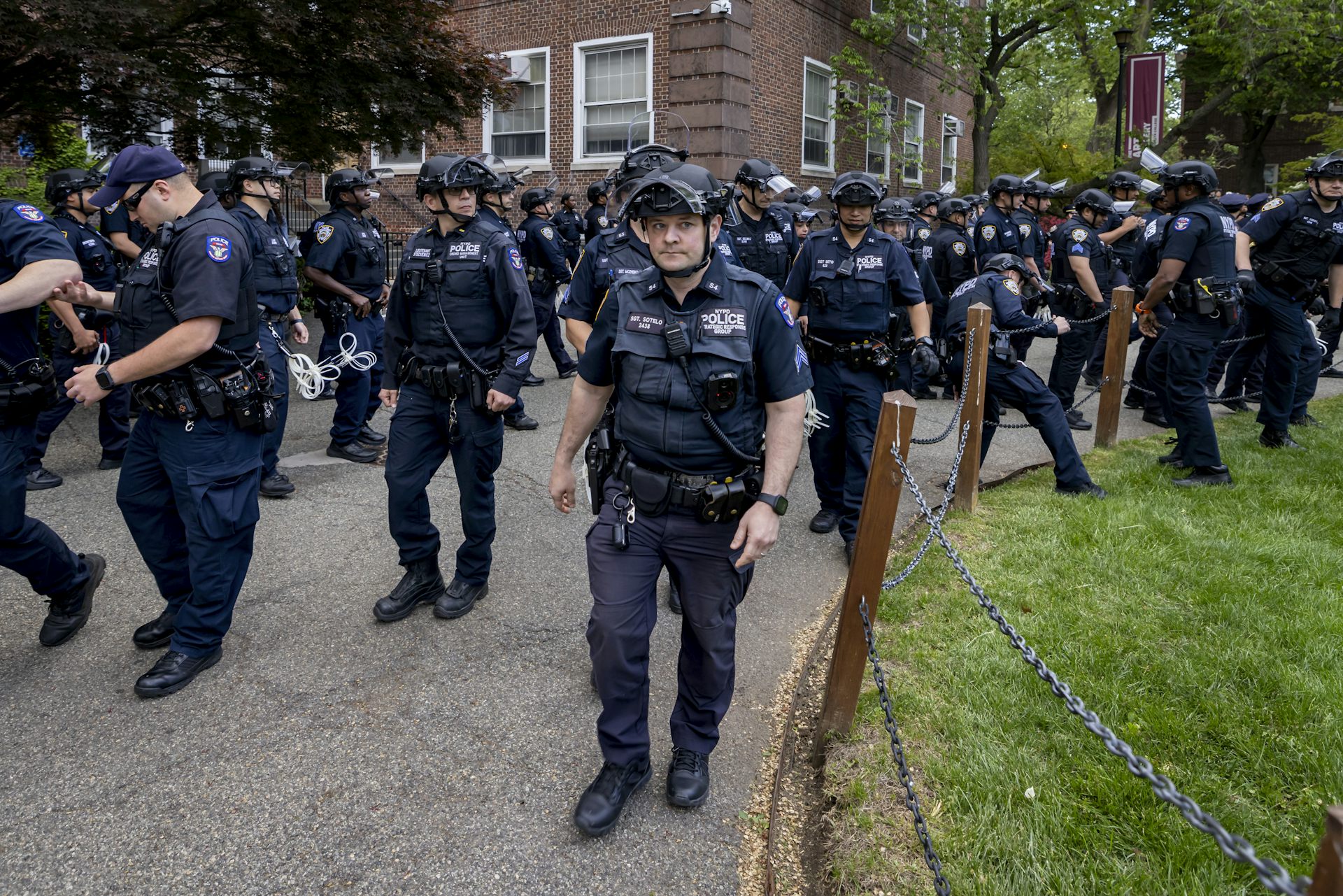
إن تأثيرات التخويف لحرب ترامب على حرية التعبير تتجاوز أسوار الحرم الجامعي بكثير – وهذه هي النقطة.
Chilling effects of Trump’s war on free speech extend far beyond campus walls – and that’s the point
A persistent government strategy to sow fear through punitive measures has corroded freedom and democracy.
لقد أدت استراتيجية حكومية مستمرة لزرع الخوف من خلال الإجراءات العقابية إلى تآكل الحرية والديمقراطية.
Younger Americans have soured on the second Donald Trump presidency, but they are not protesting it.
لقد ساءت نظرة الأمريكيين الأصغر سناً للرئاسة الثانية دونالد ترامب، لكنهم لا يحتجون عليها.
Despite an unpopular Iran war and an even more unpopular Trump administration, college campus protests nationwide have gone silent. And at many schools, student activism is virtually nonexistent.
على الرغم من حرب إيران غير الشعبية وإدارة ترامب الأقل شعبية، ساد الصمت في احتجاجات الحرم الجامعي على مستوى البلاد. وفي العديد من المدارس، أصبح النشاط الطلابي شبه معدوم.
This silence comes in the wake of a relentless Trump administration war on campus speech that has involved lawsuits, arrests, deportations and expulsions.
يأتي هذا الصمت في أعقاب حرب إدارة ترامب المستمرة على حرية التعبير في الحرم الجامعي، والتي شملت الدعاوى القضائية، والاعتقالات، والترحيلات، والطرد.
Reports cite a range of complicated factors for the restraint, from apathy to technology-induced incapacity. But as public policy and law and social science experts, we believe students aren’t protesting for a very simple reason: They are afraid. They are self-censoring and disengaging from campaign activism to avoid punitive measures.
تستشهد التقارير بمجموعة من العوامل المعقدة لهذا التقيد، بدءاً من اللامبالاة وصولاً إلى العجز الناجم عن التكنولوجيا. ولكن بصفتنا خبراء في السياسة العامة والقانون والعلوم الاجتماعية، نعتقد أن الطلاب لا يحتجون لسبب بسيط للغاية: إنهم خائفون. إنهم يمارسون الرقابة الذاتية وينسحبون من النشاط الحملاتي لتجنب الإجراءات العقابية.
In law and social science, we call this impact a chilling effect – the behavioral tendency for people in face of a threat to self-censor and restrain their activities for self-protection.
في القانون والعلوم الاجتماعية، نطلق على هذا التأثير اسم “التأثير المُثبِّط” (Chilling Effect) – وهو الميل السلوكي للأشخاص، في مواجهة التهديد، إلى ممارسة الرقابة الذاتية وتقييد أنشطتهم لحماية أنفسهم.
It’s increasingly clear to us that these impacts are not incidental or ancillary to Trump administration policy. Rather, the chilling effects are the point. This is the closest thing to a consistent governing strategy in Trump’s second term.
من الواضح بشكل متزايد بالنسبة لنا أن هذه التأثيرات ليست عرضية أو ثانوية لسياسات إدارة ترامب. بل على العكس، فإن التأثيرات المثبطة هي جوهر الأمر. وهذا هو أقرب شيء إلى استراتيجية حكم متماسكة في ولاية ترامب الثانية.
The broader chill of Trump threats
البرودة العامة لتهديدات ترامب
Chilling effects can be subtle, but today they are everywhere. And it’s not just students who are chilled by Trump administration threats.
يمكن أن تكون الآثار المثبطة خفية، ولكنها في كل مكان اليوم. ولا يقتصر الخوف من تهديدات إدارة ترامب على الطلاب فحسب.
Professors are censoring themselves in lectures and rewriting syllabuses. Researchers are stripping grant applications of words that might attract federal scrutiny, or abandoning the topics entirely. Media outlets are modifying their news coverage to avoid Trump lawsuits or sanctions.
يُمارس الأساتذة الرقابة الذاتية في المحاضرات ويعيدون كتابة المناهج الدراسية. ويقوم الباحثون بتجريد طلبات المنح من الكلمات التي قد تجذب تدقيقاً فيدرالياً، أو يتخلون عن المواضيع بالكامل. وتعدل وسائل الإعلام تغطيتها الإخبارية لتجنب دعاوى قضائية أو عقوبات من ترامب.
Law enforcement and regulatory agencies are refusing to investigate Trump-aligned actors inside or outside government, and major national law firms are declining cases challenging Trump administration policies.
تتجنب وكالات إنفاذ القانون والتنظيم التحقيق في الأطراف المتحالفة مع ترامب داخل الحكومة أو خارجها، وتتراجع مكاتب المحاماة الوطنية الكبرى عن القضايا التي تتحدى سياسات إدارة ترامب.
Publishers are “stepping back” from LGBTQ+ books and other progressive subjects. Many in targeted immigrant communities are afraid to leave home to go to work or school.
يتراجع الناشرون عن الكتب المتعلقة بمجتمع الميم (LGBTQ+) والمواضيع التقدمية الأخرى. ويخشى الكثيرون في المجتمعات المهاجرة المستهدفة مغادرة منازلهم للذهاب إلى العمل أو الدراسة.
In most cases, these people and institutions are not being specifically targeted or threatened by Trump. But they are afraid, and their fear is doing the administration’s work for it. They stay silent, avoid attention and confrontation, and look the other way. In other cases, they change their speech and behavior to accommodate or conform to the administration’s worldview.
في معظم الحالات، لا يتم استهداف هؤلاء الأشخاص والمؤسسات أو تهديدهم بشكل محدد من قبل ترامب. لكنهم خائفون، وخوفهم يقوم بعمل الإدارة. يظلون صامتين، ويتجنبون الاهتمام والمواجهة، ويتغاضون. وفي حالات أخرى، يغيرون خطابهم وسلوكهم لاستيعاب أو التوافق مع النظرة العالمية للإدارة.
Of course, there are counterexamples, such as the winter protests in Minneapolis in response to brutality by agents with U.S. Immigration and Customs Enforcement, and the recent “No Kings” rallies. But even here, the broader but less visible trend – chilling effects – is evident.
بالطبع، هناك أمثلة مضادة، مثل الاحتجاجات الشتوية في مينيابوليس ردًا على وحشية الوكلاء التابعين لهجرة وجمارك الولايات المتحدة، والتجمعات الأخيرة تحت شعار “لا ملوك.” ولكن حتى هنا، يظهر الاتجاه الأوسع والأقل وضوحاً – وهو الآثار المثبطة – جلياً.
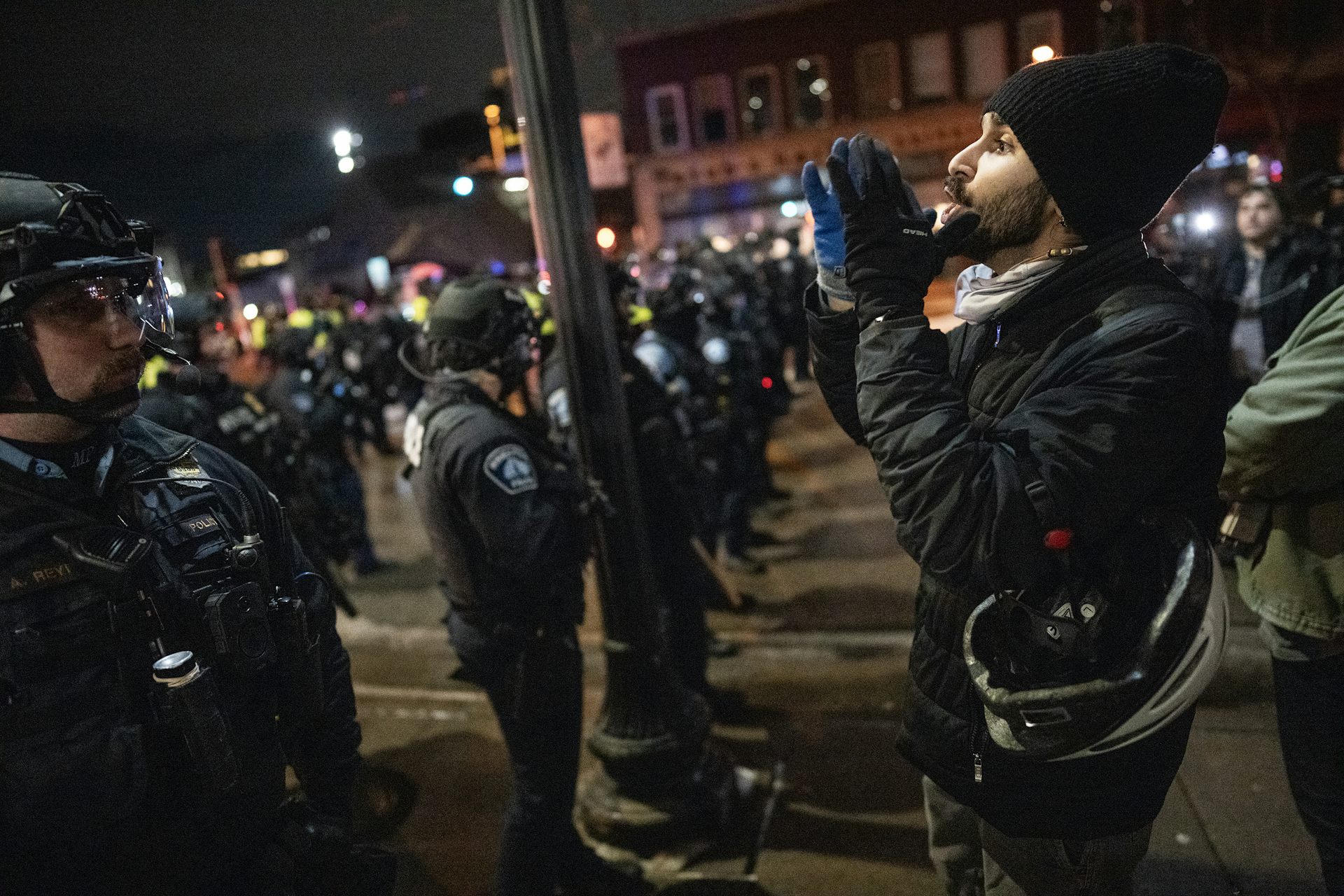
For instance, in recent reporting on the latest No Kings rallies, many media outlets observed that students were noticeably missing, despite the Trump administration’s unpopularity among younger Americans.
على سبيل المثال، في التقارير الأخيرة حول أحدث تجمعات “لا ملوك”، لاحظت العديد من وسائل الإعلام أن الطلاب كانوا غائبين بشكل ملحوظ، على الرغم من عدم شعبية إدارة ترامب بين الشباب الأمريكيين.
A persistent strategy
استراتيجية مستمرة
We believe none of this is by accident.
نعتقد أن لا شيء من هذا محض صدفة.
In a new book, “Chilling Effects: Repression, Conformity, and Power in the Digital Age,” one of us – Jon Penney – explains how law, technology, and state and corporate power are weaponized to chill and repress, and the dangers this poses for the United States and other democratic societies. The other – Bruce Schneier – has extensively studied the security infrastructure enabling this.
في كتاب جديد بعنوان “التأثيرات المُثبِّطة: القمع، والامتثال، والسلطة في العصر الرقمي”، يشرح أحدنا – جون بيني – كيف يتم تسليح القانون والتكنولوجيا وسلطة الدولة والشركات لتثبيط وتقييد الحريات، والمخاطر التي يشكلها ذلك على الولايات المتحدة والمجتمعات الديمقراطية الأخرى. أما الآخر – بروس شناير – فقد درس على نطاق واسع البنية التحتية الأمنية التي تُمكّن ذلك.
What we see isn’t gratuitous government cruelty, chaos or vengeance. Instead, we see a persistent strategy to maximize fear and chilling effects in ways that are corrosive to freedom and democracy.
ما نراه ليس قسوة حكومية عشوائية، أو فوضى، أو انتقاماً. بل نرى استراتيجية مستمرة لتعظيم الخوف والتأثيرات المُثبِّطة بطرق مُقَوِّضة للحرية والديمقراطية.
Research suggests that surveillance, personal threats, uncertainty and abuse of power are key factors in doing so. The federal government has a clear and systematic pattern of employing these very mechanisms across a number of domains far beyond campuses.
تشير الأبحاث إلى أن المراقبة، والتهديدات الشخصية، وعدم اليقين، وإساءة استخدام السلطة هي عوامل رئيسية في القيام بذلك. ولدى الحكومة الفيدرالية نمط واضح ومنهجي لاستخدام هذه الآليات في عدد من المجالات التي تتجاوز الحرم الجامعي بكثير.
They are evident in militarized raids by Immigration and Customs Enforcement and in journalists being arrested and indicted for reporting on protests. They are made clear in the long list of political enemies the Trump administration has investigated or threatened, including the Federal Reserve chairman. And they can also be seen in the weaponization of technology, including ramping up surveillance to target critics and protestors.
تتجلى هذه الآليات في الغارات المسلحة التي تجريها سلطة الجمارك والهجرة، وفي اعتقال الصحفيين وتوجيه تهم إليهم بسبب تغطيتهم للاحتجاجات. وتتضح أيضاً في القائمة الطويلة من الأعداء السياسيين الذين حققت أو هددت بهم إدارة ترامب، بما في ذلك رئيس الاحتياطي الفيدرالي. ويمكن رؤيتها أيضاً في تسليح التكنولوجيا، بما في ذلك تكثيف المراقبة لاستهداف النقاد والمحتجين.
Corrosive to freedom and democracy
مُعيق للحرية والديمقراطية
History offers some guidance on impacts.
يقدم التاريخ بعض التوجيهات حول التأثيرات.
During the McCarthy era, overreaching laws, surveillance, and public and private sector reprisals ostensibly targeted alleged communists. But the real aim was often to suppress progressive journalists, trade unions and political opposition.
خلال حقبة مكارثي، استهدفت القوانين المفرطة في التجاوز، والمراقبة، والانتقامات في القطاعين العام والخاص، ظاهرياً الشيوعيين المزعومين. لكن الهدف الحقيقي كان غالباً هو قمع الصحفيين التقدميين، والنقابات العمالية، والمعارضة السياسية.
In the 1960s, these same tactics were reused by Southern states to chill the Civil Rights Movement. Historians have written about how the widespread fear and conformity of these periods reshaped American society in enduring ways, including the destruction of progressive political movements and both delaying and muting the Civil Rights Movement itself.
في الستينيات، أعادت الولايات الجنوبية استخدام هذه التكتيكات نفسها لتبريد حركة الحقوق المدنية. كتب المؤرخون عن كيف أعادت المخاوف الواسعة والامتثال في هذه الفترات تشكيل المجتمع الأمريكي بطرق دائمة، بما في ذلك تدمير الحركات السياسية التقدمية وتأخير حركة الحقوق المدنية وإسكاتها في آن واحد.
When such state threats are systematized, they can foment a broader climate of fear, self-censorship and conformity. In that climate, dissenting speech, political opposition, democratic mobilization and other checks on power become increasingly difficult, even dangerous. It is no surprise, for instance, that Trump critics regularly admit to self-censorship, fearing for their safety.
عندما يتم تمنهج مثل هذه التهديدات الحكومية، يمكنها تأجيج مناخ أوسع من الخوف، والرقابة الذاتية، والامتثال. في هذا المناخ، يصبح التعبير المعارض، والمعارضة السياسية، والتعبئة الديمقراطية، وغيرها من ضوابط السلطة، أكثر صعوبة، بل وخطورة. ليس من المستغرب، على سبيل المثال، أن يعترف منتقدو ترامب بانتظام بالرقابة الذاتية، خوفاً على سلامتهم.
Chilling effects are thus not only repressive – causing self-censorship – but productive. They produce conforming and compliant speech and behavior, which can have longer-term social impacts. They not only undermine protected rights and suppress accountability but can promote social change – even without a popular mandate to do so.
لذلك، فإن التأثيرات المُعيقة ليست قمعية فحسب – إذ تسبب الرقابة الذاتية – بل هي إنتاجية أيضاً. فهي تنتج خطاباً وسلوكاً متوافقاً وممتثلاً، الأمر الذي يمكن أن يكون له تأثيرات اجتماعية طويلة الأمد. إنها لا تقوض الحقوق المحمية وتقمع المساءلة فحسب، بل يمكنها أيضاً تعزيز التغيير الاجتماعي – حتى بدون تفويض شعبي للقيام بذلك.
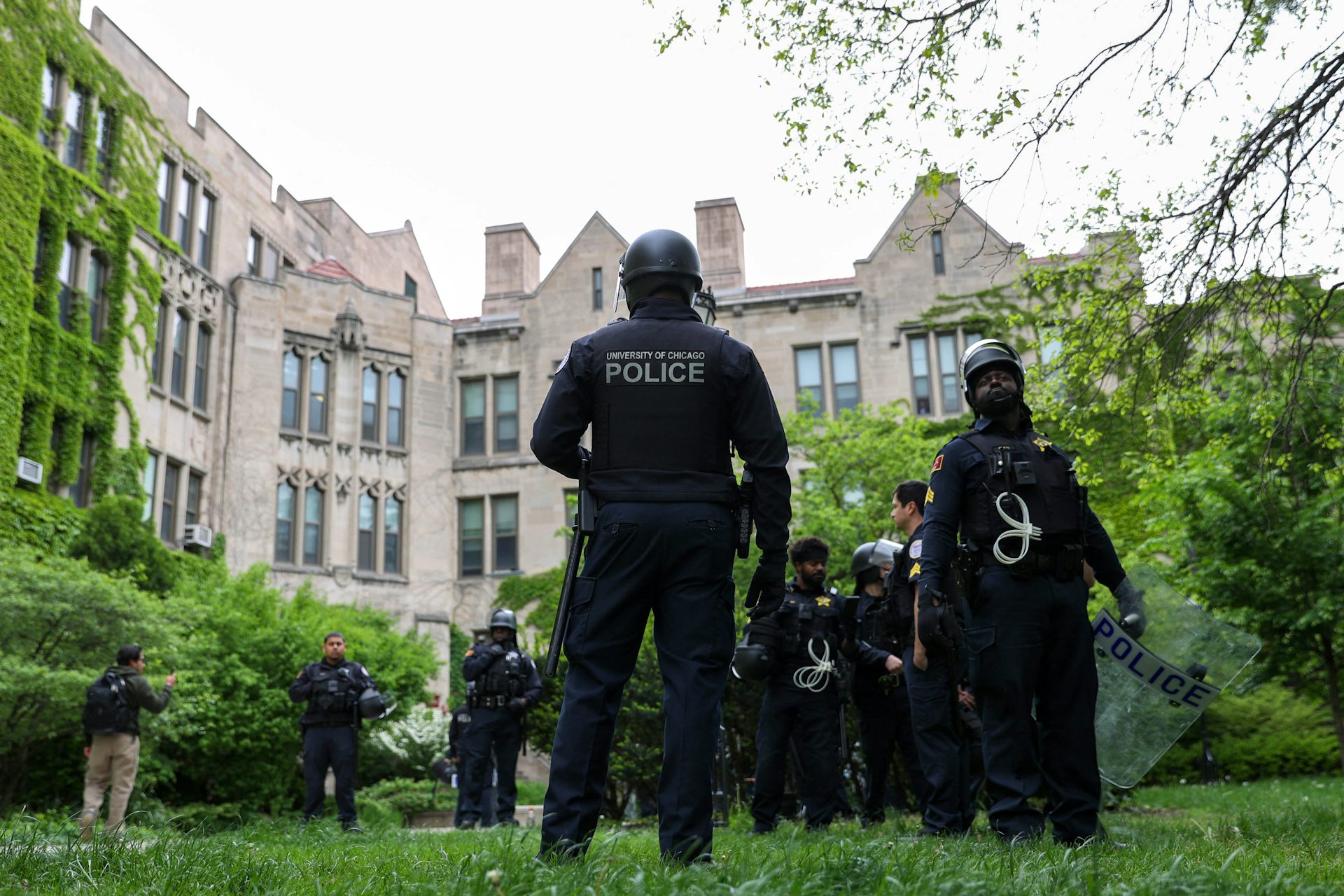
This latter point is often missed. It explains Trump’s assaults on universities and cultural institutions such as the Kennedy Center for the Arts and the Smithsonian. Often dismissed as peculiar Trump obsessions, they are fully consistent with Project 2025 – the sweeping policy blueprint for Trump’s second term authored by a coalition of conservative groups and its call to target the “institutions of American civil society” and “wield federal power” to “reverse” decades of progressive cultural advancements.
غالباً ما يتم إغفال هذه النقطة الأخيرة. وهي تفسر اعتداءات ترامب على الجامعات والمؤسسات الثقافية مثل مركز كينيدي للفنون ومكتبة سميثسونيان. فغالباً ما يتم تجاهل هذه الاعتداءات باعتبارها هواجس غريبة لترامب، لكنها متوافقة تماماً مع “مشروع 2025” – وهو المخطط السياساتي الشامل لفترة ترامب الثانية، الذي صاغته ائتلاف من المجموعات المحافظة، ويدعو إلى استهداف “مؤسسات المجتمع المدني الأمريكي” و”ممارسة السلطة الفيدرالية” لـ “عكس” عقود من التقدم الثقافي التقدمي.
In the near term, this means an increasingly weakened democratic society, with the government and its patrons enjoying freedom to pursue their objectives. Over the long term, this can mean a changed society as more conformist and compliant speech and culture become more widely accepted and entrenched.
على المدى القريب، يعني هذا مجتمعاً ديمقراطياً يضعف بشكل متزايد، حيث تتمتع الحكومة ورعايتها بالحرية لمتابعة أهدافها. وعلى المدى الطويل، يمكن أن يعني هذا مجتمعاً متغيرًا حيث يصبح الخطاب والثقافة الأكثر امتثالاً وتوافقاً أكثر قبولاً وتجذراً.
Not inevitable
ليس أمراً حتمياً
In our view, this future is not inevitable, just as the McCarthy era “Red Scare” and violent civil rights era repression were not. In both cases, fear and chilling effects were resisted in law and civil society, as they can be today.
من وجهة نظرنا، فإن هذا المستقبل ليس حتمياً، تماماً كما لم يكن “الخوف الأحمر” في حقبة مكارثي أو القمع العنيف لحقوق المواطنة. ففي كلتا الحالتين، قوبل الخوف والتأثيرات المُثبِّطة في القانون والمجتمع المدني، كما يمكن أن يحدث اليوم.
But the central mechanisms – surveillance, uncertainty, personal threats and abuse of power – would need to be addressed. For instance, new legislation could ensure justice for lawless government actors and constrain surveillance. Courts can block abuses of federal power, including illegal arrests, detentions and mass citizen databases.
ولكن يجب معالجة الآليات المركزية – المراقبة، وعدم اليقين، والتهديدات الشخصية، وإساءة استخدام السلطة. على سبيل المثال، يمكن لتشريعات جديدة أن تضمن العدالة ضد الجهات الحكومية الخارجة عن القانون وتقيد المراقبة. ويمكن للمحاكم أن تمنع تجاوزات السلطة الفيدرالية، بما في ذلك الاعتقالات غير القانونية، والاحتجاز، وقواعد بيانات المواطنين الجماعية.
The media, lawyers and civil society can hold the government accountable. And students, teachers, universities and cultural institutions can resist the tendency to self-censor and conform.
يمكن لوسائل الإعلام والمحامين والمجتمع المدني مساءلة الحكومة. ويمكن للطلاب والمعلمين والجامعات والمؤسسات الثقافية مقاومة الميل إلى الرقابة الذاتية والتوافق.
The citizen mobilization in Minnesota and the No Kings rallies are examples of that. But to resist chilling effects and their dangers over the long term, this would have to be the norm, not the exception.
إن التعبئة المدنية في مينيسوتا ومظاهرات “لا ملوك” هي أمثلة على ذلك. ولكن لمقاومة التأثيرات المُثبِّطة ومخاطرها على المدى الطويل، يجب أن يكون هذا هو القاعدة، وليس الاستثناء.
Jon Penney has acted as an expert witness, on a pro bono basis, for the American Civil Liberties Association in litigation challenging the legality of government surveillance.
عمل جون بيني كشاهد خبير، وعلى أساس تطوعي، لصالح الجمعية الأمريكية للحريات المدنية في دعاوى قضائية تتحدى قانونية المراقبة الحكومية.
Bruce Schneier does not work for, consult, own shares in or receive funding from any company or organization that would benefit from this article, and has disclosed no relevant affiliations beyond their academic appointment.
لا يعمل بروس شناير، ولا يستشير، ولا يمتلك حصصاً، ولا يتلقى تمويلاً من أي شركة أو منظمة يمكن أن تستفيد من هذه المقالة، ولم يفصح عن أي انتماءات ذات صلة تتجاوز تعيينه الأكاديمي.
Read more
-
حرب ترامب المزعومة “ضد الإرهاب المخدرات” في أمريكا اللاتينية تذكر بريغان – فكما كان الحال آنذاك، الأمر يتعلق بمحاربة اليساريين أكثر من محاربة مهربي المخدرات.
Trump’s ‘narco-terrorism’ war in Latin America evokes Reagan – then as now, it’s more about fighting leftists than drug runners
-

نظريات المؤامرة: هل يعتقد 300,000 كويز حقًا أن كندا تبني جيشًا من الثعالب العملاقة المتحورة؟
Conspiracy theories: do 300,000 Kiwis really believe Canada is building an army of mutant super-raccoons?