هجوم مسجد سان دييغو: تفسيرات عنصرية للتاريخ الأوروبي تلهم المتطرفين
San Diego mosque attack: racist interpretations of European history are inspiring extremists
The imagery of Europe’s history is often invoked to justify white supremacist violence around the world.
غالباً ما يتم الاستشهاد بصور تاريخ أوروبا لتبرير العنف الأبيض المتفوق حول العالم.
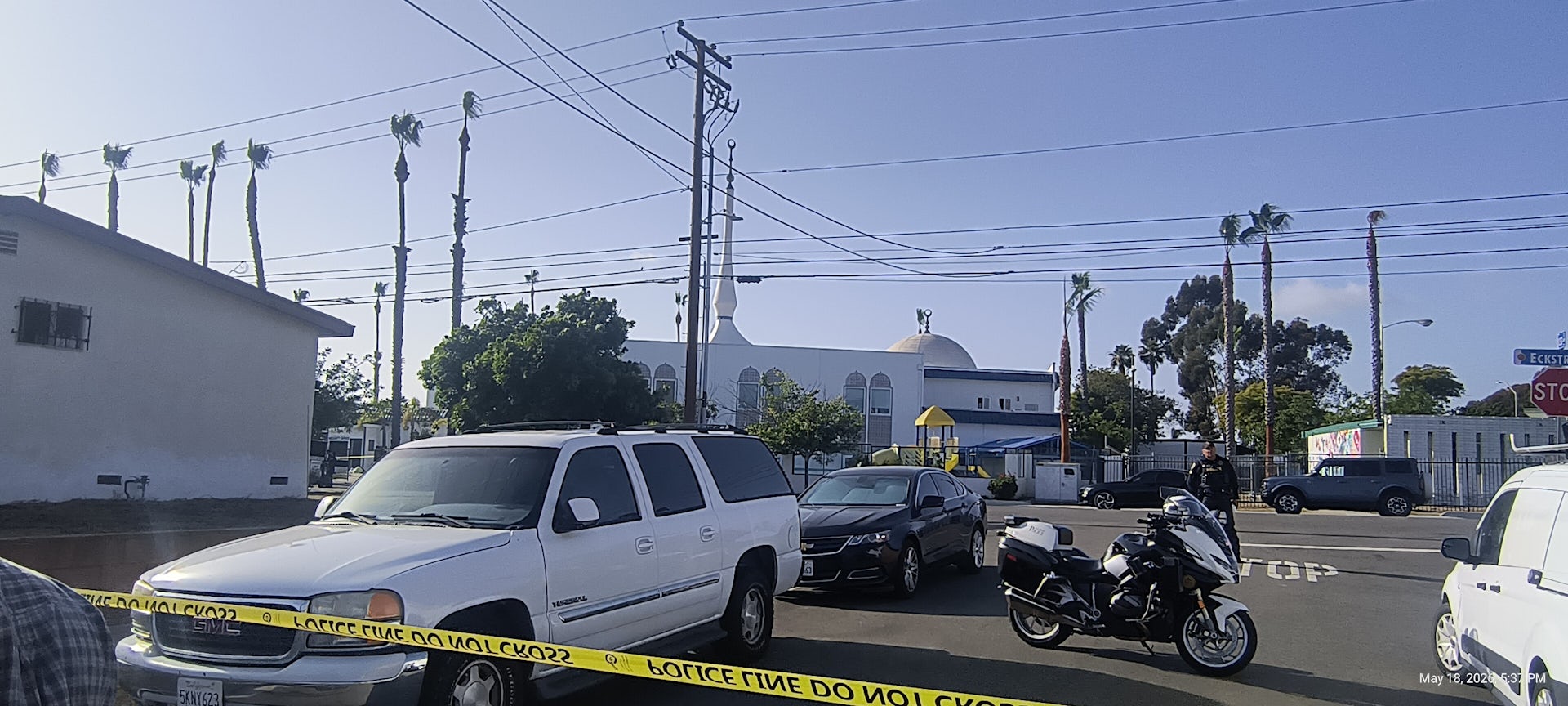
On Monday, May 18, two assailants, a 17 and an 18 year old, attacked the Islamic Center of San Diego, the site of both a mosque and school, killing three adults. The assailants were wearing Nazi SS insignia, and had the words “race war” written on their weapons.
في يوم الاثنين الموافق 18 مايو، هاجم اثنان من المهاجمين، يبلغان من العمر 17 و 18 عامًا، المركز الإسلامي في سان دييغو، وهو موقع يضم مسجدًا ومدرسة، مما أسفر عن مقتل ثلاثة بالغين. كان المهاجمون يرتدون شارات الـ SS النازية، وكانت كلمات “حرب العرق” مكتوبة على أسلحتهم.
The attack underscores European history’s centrality to the global far right’s discourse and ideology. It was the latest deadly manifestation of the weaponisation of European history to justify violence in America in the present.
يؤكد هذا الهجوم على مركزية التاريخ الأوروبي في خطاب وأيديولوجية اليمين المتطرف العالمي. لقد كان هذا أحدث تجلي مميت لتسليح التاريخ الأوروبي لتبرير العنف في أمريكا في الوقت الحاضر.
But this is not just a US problem. Europe’s history was also explicitly referenced in the manifesto of the 2019 Christchurch shooter in New Zealand. The Christchurch attack was itself inspired by Anders Breivek’s 2011 attack in Norway, which was primarily motivated by a violent white nationalist worldview.
لكن هذه ليست مجرد مشكلة أمريكية. لقد تمت الإشارة إلى تاريخ أوروبا بشكل صريح أيضًا في بيان مطلق النار في كرايستشيرش عام 2019 في نيوزيلندا. وكان هجوم كرايستشيرش نفسه مستوحى من هجوم أندرس بريفيك عام 2011 في النرويج، والذي كان مدفوعًا بشكل أساسي بنظرة عالمية عنيفة قومية بيضاء.
These attackers all drew inspiration from Adolf Hitler and the SS to justify both antisemitic and Islamophobic violence. But within the white nationalist imaginary, European history begins much earlier. It extends to visions of a pure white race in the Greek and Roman eras, and to idolisation of historical figures such as Charles Martel, the Frankish leader who defeated a Muslim army in Tours in 732.
استلهم هؤلاء المهاجمون جميعًا من أدولف هتلر والـ SS لتبرير العنف المناهض للسامية والعنف المناهض للإسلام. ولكن ضمن الخيال القومي الأبيض، يبدأ التاريخ الأوروبي في وقت أبكر بكثير. ويمتد إلى رؤى عن عرق أبيض نقي في العصرين اليوناني والروماني، وإلى تقديس شخصيات تاريخية مثل شارل مارتل، الزعيم الفرنجي الذي هزم جيشًا مسلمًا في تورز عام 732.
Leer más: The enduring legacy of medieval Christian depictions of Islam in today’s political discourse
اقرأ المزيد: الإرث الدائم للتصوير المسيحي في العصور الوسطى للإسلام في الخطاب السياسي اليوم
It also leans heavily on the imagery of the European Crusades to retake the Holy Land, which began in the 12th century. The Knights Templar – the Crusade-era order of Christian warrior monks – has captured far-right popular imagination in Europe and the US, especially among the alt-right.
كما يعتمد بشكل كبير على صور الحملات الصليبية الأوروبية لاستعادة الأراضي المقدسة، والتي بدأت في القرن الثاني عشر. وقد استولى فرسان الهيكل – وهي جماعة من الرهبان المحاربين المسيحيين من عصر الصليبيات – على الخيال الشعبي اليميني المتطرف في أوروبا والولايات المتحدة، خاصة بين “اليمين البديل” (alt-right) .
Political actors across the spectrum invoke the past to grant legitimacy in the present and suggest inevitability in the future. But for far-right leaders, European history is especially easy to weaponise. It provides a ready-made set of memes, metaphors, images and tropes that legitimise hate speech – and hate crimes – in the name of protecting Christian Europeans from the perceived threat of Jewish and Muslim invaders.
يستحضر الفاعلون السياسيون عبر الطيف الماضي لمنح الشرعية في الحاضر واقتراح الحتمية في المستقبل. ولكن بالنسبة لقادة اليمين المتطرف، من السهل بشكل خاص تسليح التاريخ الأوروبي. فهو يوفر مجموعة جاهزة من الميمات والاستعارات والصور والموضوعات التي تضفي الشرعية على خطاب الكراهية – وجرائم الكراهية – باسم حماية الأوروبيين المسيحيين من التهديد المتصور للمغتربين اليهود والمسلمين.
Warning signs
علامات التحذير
In 1992, I set foot in the Islamic Center of San Diego for the first time. As an undergraduate student at UC San Diego, I was there to announce that our Muslim Student Association was fundraising for the very first Bosnian Muslim refugees who were arriving in our county. We had to have this meeting because most of the congregation at the mosque had no idea there were even Muslims in the former Yugoslavia.
في عام 1992، وطأت قدماي المركز الإسلامي في سان دييغو للمرة الأولى. بصفتي طالبًا جامعيًا في جامعة كاليفورنيا سان دييغو، كنت هناك للإعلان عن أن جمعيتنا للطلاب المسلمين كانت تجمع التبرعات لأول لاجئي مسلمين بوسنيين يصلون إلى مقاطعتنا. كان علينا عقد هذا الاجتماع لأن معظم المصلين في المسجد لم يكونوا يعلمون بوجود مسلمين في يوغوسلافيا السابقة.
Track forward to May 2026, two assailants used a camera to record their massacre in the Center and broadcast it on Discord, with the words “race war” etched onto their pistols. The practice of writing on firearms is not an isolated incident in the history of Islamophobic attacks, nor is recording them on video.
بالتطلع إلى مايو 2026، استخدم مهاجمان كاميرا لتسجيل مذبحة في المركز وبثها على ديسكورد، مع نقش عبارة “حرب الأعراق” على مسدساتهما. إن ممارسة الكتابة على الأسلحة النارية ليست حادثة معزولة في تاريخ الهجمات المناهضة للإسلام، ولا تسجيلها بالفيديو.
In March 2019, an Australian-born man attacked two mosques in Christchurch, New Zealand. He killed 51 people and filmed his attack, broadcasting it on Facebook. The video is still in circulation on the internet today.
في مارس 2019، هاجم رجل من أصل أسترالي مسجدين في كرايستشيرش، نيوزيلندا. قتل 51 شخصًا وصوّر هجومه، وبثه على فيسبوك. ولا يزال الفيديو متداولًا على الإنترنت حتى اليوم.
The Christchurch attacker used five guns inscribed with the names of various European historical figures and battles against Muslims, as well as the racial slur “kebab remover”, a sinister euphemism for ethnic cleansing that is linked to the 1991-1995 Bosnian civil war.
استخدم مهاجم كرايستشيرش خمسة بنادق منقوشة بأسماء شخصيات تاريخية أوروبية وحملات قتالية ضد المسلمين، بالإضافة إلى الشتيمة العنصرية “مزيل الكباب”، وهو تعبير ملطف خبيث للتطهير العرقي يرتبط بالحرب الأهلية البوسنية في الفترة 1991-1995.
The phrase is an homage to Bosnian Serb leader Radovan Karadžić, the very warlord whose crimes against humanity led so many Bosniak refugees to flee the country – and many of those who reached the US settled in San Diego. It was Karadžić who conflated “kebabs” with the Bosniak Muslims, and “remove kebab” is still an Islamophobic meme among the European far right, where the continent’s ubiquitous kebab shops are often equated with Muslim immigration.
تُعد هذه العبارة تحية للزعيم الصربي البوسني رادوفان كارادجيتش، وهو زعيم الحرب الذي أدت جرائمه ضد الإنسانية إلى فرار العديد من لاجئي البوشناق من البلاد – والعديد ممن وصلوا إلى الولايات المتحدة استقروا في سان دييغو. كان كارادجيتش هو من خلط بين “الكباب” والمسلمين البوشناق، ولا يزال “إزالة الكباب” ميمًا مناهضًا للإسلام بين اليمين المتطرف الأوروبي، حيث غالبًا ما تُعادل محلات الكباب المنتشرة في القارة بالهجرة الإسلامية.
Leer más: How Islamophobic rhetoric leaves an impact on the mental health of Muslim Americans
اقرأ المزيد: كيف يترك الخطاب المناهض للإسلام تأثيرًا على الصحة العقلية للأمريكيين المسلمين
The New Zealand attacker also etched battles from the Crusades on his weapons, and his online manifesto named Anders Breivik as his hero. Breivik detonated a bomb in central Oslo in 2011, killing 8 people before massacring 69 more. Breivik was obsessed with the medieval Crusades, dressing up as a Knight Templar in his own manifesto.
كما نقش المهاجم في نيوزيلندا معارك من الحروب الصليبية على أسلحته، وذكر في بيانه عبر الإنترنت أن أندرس برييفيك هو بطلُه. فلقد فجّر برييفيك قنبلة في وسط أوسلو عام 2011، وقتل 8 أشخاص قبل أن يذبح 69 آخرين. كان برييفيك مهووسًا بالحروب الصليبية في العصور الوسطى، حيث ارتدى زي فرسان الهيكل في بيانه الخاص.
The New Zealand neo-Crusader attack inspired two attacks in the US the following month. In April 2019, three members of a Kansas militia calling itself the Crusaders were arrested before they could carry out a plot to bomb an apartment complex housing Somali Muslim families and a mosque.
ألهب هجوم نيوزيلندا “الصهيوي الصليبي” هجومين في الولايات المتحدة في الشهر التالي. ففي أبريل 2019، ألقي القبض على ثلاثة أعضاء في ميليشيا كانساس أطلقت على نفسها اسم “الصليبيين” قبل أن يتمكنوا من تنفيذ خطة لتفجير مجمع سكني يضم عائلات مسلمة صومالية ومسجد.
In the same month, a 19-year-old student walked into a synagogue in northern San Diego County and opened fire on the congregation that was commemorating the last day of Passover, killing a 60 year old woman and injuring three others. This same attacker had previously tried to burn down a local mosque, inspired by the Christchurch shooting.
في نفس الشهر، دخل طالب يبلغ من العمر 19 عامًا إلى كنيس في شمال مقاطعة سان دييغو وأطلق النار على المصلين الذين كانوا يحتفلون بآخر يوم من عيد الفصح، وقتل امرأة تبلغ من العمر 60 عامًا وأصاب ثلاثة آخرين. وقد حاول هذا المهاجم نفسه سابقًا حرق مسجد محلي، مستوحى من إطلاق النار في كرايستشيرش.
This assailant was a nursing student at Cal State University San Marcos where I teach, and was studying in a building just across from my history department. He told students he admired Hitler, and his colleagues reported it to our administration, which failed to act on the warnings of his weaponisation of history.
كان هذا المهاجم طالب تمريض في جامعة كال ستيت سان ماركوس حيث أُدرّس، وكان يدرس في مبنى مقابل قسم التاريخ الخاص بي. أخبر الطلاب أنه معجب بأدولف هتلر، وأبلغ عنه زملاؤه إدارتنا، التي فشلت في اتخاذ إجراءات بناءً على تحذيراته حول تسليح التاريخ.
Leer más: San Diego mosque shooting reflects how online rhetoric, media depictions and political discourse contribute to increased Islamophobia
اقرأ المزيد: إطلاق النار في مسجد سان دييغو يعكس كيف يساهم الخطاب عبر الإنترنت والتصوير الإعلامي والخطاب السياسي في زيادة كراهية الإسلام.
Weaponised history legitimises violence
التاريخ المُسَلَّح يشرعن العنف
Following in the footsteps of the New Zealand shooter and the Cal State San Marcos shooter, both of the San Diego mosque shooters engaged in their deadly assault to motivate future copycat attacks.
على خطى مطلق النار في نيوزيلندا ومطلق النار في جامعة كاليفورنيا سان ماركوس، انخرط كل من مطلقَي النار في مسجد سان دييغو في هجومهما المميت لتحفيز هجمات مقلدة مستقبلية.
Their manifestos reportedly envision their shooting as inspiring a “crusade”. They even called themselves the “Sons” of the New Zealand attacker.
ويُفيد التقرير أن بياناتهما المعلنة تتصور إطلاق النار على أنه إلهام لـ “صليبية.” بل وصفوا أنفسهم بأنهم “أبناء” المهاجم في نيوزيلندا.
On April 24 2026, I returned to the Islamic Center, not as a student, but as a history professor giving a community lecture. And as a historian, I was uniquely qualified to warn them that, based on my study of the history of past Islamophobia in our area and globally, there was an increased risk of violent attacks, including on the Center itself. Tragically, my fear became manifest just a few weeks later.
في 24 أبريل 2026، عدت إلى المركز الإسلامي، ليس كطالب، بل كأستاذ تاريخ يقدم محاضرة مجتمعية. وبصفتي مؤرخاً، كنت مؤهلاً بشكل فريد لتحذيرهم من أنه، بناءً على دراستي لتاريخ حالات رهاب الإسلام الماضية في منطقتنا وعلى مستوى العالم، كان هناك خطر متزايد للهجمات العنيفة، بما في ذلك على المركز نفسه. ومأساوياً، أصبح خوفي واضحاً بعد بضعة أسابيع فقط.
In that lecture, I lamented that while Crusader history is ubiquitous, neither on my campus nor in the entire San Diego area is there a single class or program devoted to the history of both Muslim Americans and Arab Americans. This is a class I have been pushing and fighting for since 2012, when I permanently moved to the area.
في تلك المحاضرة، أعربت عن أسفي أنه بينما تاريخ الصليبيين منتشر في كل مكان، لا توجد في حرم جامعتي ولا في منطقة سان دييغو بأكملها أي مادة دراسية أو برنامج مخصص لتاريخ كل من الأمريكيين المسلمين والأمريكيين العرب. هذه مادة كنت أدفع وأقاتل من أجلها منذ عام 2012، عندما انتقلت بشكل دائم إلى المنطقة.
We can combat the radicalisation that stems from a racist, fantasised version of European history. We can do this by not just teaching classes on Europe’s military conquests and crusades, but also the rich, lengthy history of ordinary Muslims and Arabs coming to both the US and Europe, trying to make a better future for both their children and their newly adopted countries.
يمكننا مكافحة التطرف الذي ينبع من نسخة عنصرية وخيالية من التاريخ الأوروبي. يمكننا القيام بذلك ليس فقط بتدريس فصول عن الفتوحات العسكرية والصليبيات الأوروبية، ولكن أيضاً التاريخ الغني والمطول للمسلمين والعرب العاديين الذين أتوا إلى كل من الولايات المتحدة وأوروبا، محاولين بناء مستقبل أفضل لأطفالهم وبلدانهم المتبناة حديثاً.

A weekly e-mail in English featuring expertise from scholars and researchers. It provides an introduction to the diversity of research coming out of the continent and considers some of the key issues facing European countries. Get the newsletter!
نشرة بريد إلكتروني أسبوعية باللغة الإنجليزية تقدم خبرات من باحثين وأكاديميين. وهي تقدم مقدمة لتنوع الأبحاث القادمة من القارة وتنظر في بعض القضايا الرئيسية التي تواجه الدول الأوروبية. احصل على النشرة الإخبارية!
Ibrahim Al-Marashi no recibe salario, ni ejerce labores de consultoría, ni posee acciones, ni recibe financiación de ninguna compañía u organización que pueda obtener beneficio de este artículo, y ha declarado carecer de vínculos relevantes más allá del cargo académico citado.
إبراهيم المرشي لا يتلقى راتباً، ولا يمارس أعمال استشارية، ولا يمتلك أسهمًا، ولا يتلقى تمويلاً من أي شركة أو منظمة يمكنها الاستفادة من هذا المقال، وقد صرّح بأنه يفتقر إلى أي روابط ذات صلة تتجاوز المنصب الأكاديمي المذكور.
Read more
-

تشير نتائج مصادم الهادرونات الكبير إلى فيزياء غير مكتشفة
Our Large Hadron Collider results hint at undiscovered physics
-
تحفة مارجان ساترافي “برسوبوليس” غيّرت فهم العالم لإيران
Marjane Satrapi’s masterpiece Persepolis transformed the world’s understanding of Iran