
تحفة مارجان ساترافي “برسوبوليس” غيّرت فهم العالم لإيران
Marjane Satrapi’s masterpiece Persepolis transformed the world’s understanding of Iran
First published in 2000, Persepolis created a transformative shift in comics, memoir and political storytelling. Its Iranian–French creator has died, aged 56.
نُشرت “برسوبوليس” لأول مرة عام 2000، وأحدثت تحولاً جذرياً في القصص المصورة والمذكرات والسرد السياسي. توفيت مؤلفتها الإيرانية-الفرنسية، عن عمر يناهز 56 عاماً.
Marjane Satrapi, best known for her memoir and film Persepolis, has died, aged 56. The death of this much loved Iranian–French artist, graphic novelist, film-maker and activist has been met with widespread celebration of her life – and its dedication to resistance, freedom and humanity. French president Emmanuel Macron paid tribute to “a great artist who transformed an Iranian childhood into a universal fable”.
توفيت مارجان ساترابي، المعروفة بمذكراتها وفيلمها “برسوبوليس”، عن عمر يناهز السادسة والخمسين عاماً. وقد قوبل وفاة هذه الفنانة الإيرانية-الفرنسية المحبوبة، والروائية المصورة، وصانعة الأفلام، والناشطة، باحتفال واسع بحياتها – وتفانيها في مقاومة الحرية والإنسانية. وقد قدم الرئيس الفرنسي إيمانويل ماكرون تحية لـ “فنانة عظيمة حوّلت طفولة إيرانية إلى حكاية عالمية.”
Satrapi was born in Rasht (like my own mother) in 1969, then raised in Tehran. She came of age during the Iranian Revolution and the turbulent years that followed. As political repression intensified, members of her family and wider social circle were arrested, persecuted – and in some cases, executed, like her uncle Anoosh, a former political prisoner and exile, executed by the Islamic Republic.
ولدت ساترابي في رأسشت (مثل والدتي) عام 1969، ونشأت بعد ذلك في طهران. بلغت سن الرشد خلال الثورة الإيرانية والسنوات المضطربة التي تلتها. ومع تصاعد القمع السياسي، أُلقي القبض على أفراد من عائلتها ودوائرها الاجتماعية الأوسع، وتعرضوا للاضطهاد – وفي بعض الحالات، أُعدموا، مثل عمها أنوش، السجين السياسي والمنفي السابق الذي أعدمته الجمهورية الإسلامية.
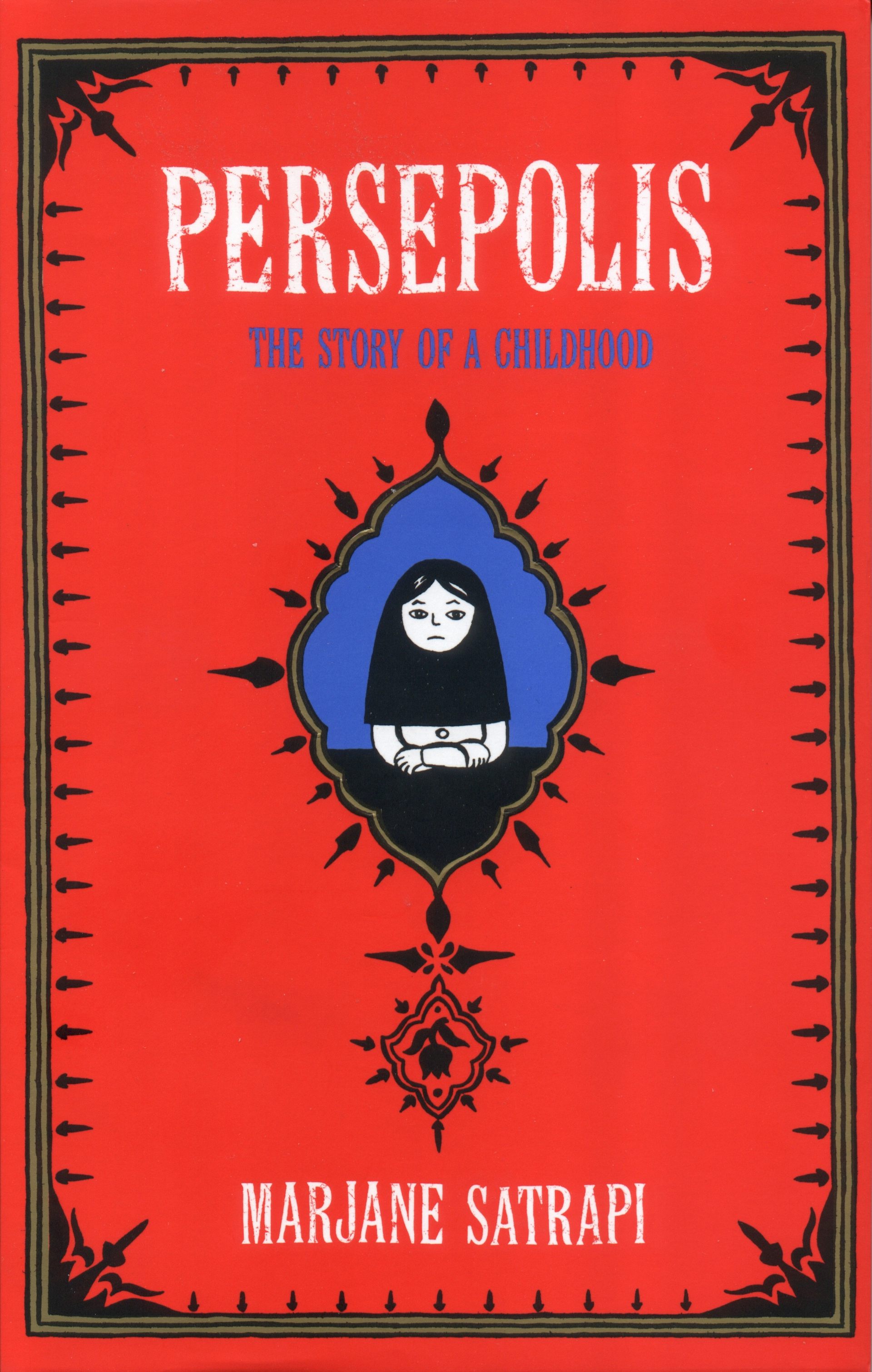
First published in 2000, Persepolis created a transformative shift in comics, memoir and political storytelling. Eventually extended into four volumes, it follows Satrapi’s childhood, her adolescence in Vienna (where her parents sent her to study in 1983) and her later struggle to navigate belonging between Iran and Europe. Satrapi returned to Tehran to attend university in 1989. In 1994, she moved back to Europe.
نُشر كتاب “برسوبوليس” لأول مرة عام 2000، وأحدث تحولاً جذرياً في مجال القصص المصورة والمذكرات والسرد السياسي. وتتبع المجلدات الأربعة، طفولة ساترابي، ومراهقتها في فيينا (حيث أرسلها والداها للدراسة عام 1983) ، ونضالها اللاحق للتنقل بين الانتماء لإيران وأوروبا. عادت ساترابي إلى طهران لمتابعة الجامعة عام 1989. وفي عام 1994، انتقلت مرة أخرى إلى أوروبا.
Satrapi finished her studies in France, where she settled, gaining French nationality in 2006. Last year, she refused France’s prestigious legion d’honneur, over its “hypocrisy” in its dealings with Iran.
أكملت ساترابي دراستها في فرنسا، حيث استقرت وحصلت على الجنسية الفرنسية في عام 2006. وفي العام الماضي، رفضت وسام “ليجيون د’أونور” الفرنسي المرموق، بسبب “نفاقه” في تعامله مع إيران.
Satrapi illustrated the dislocations of revolution, migration, adolescence and return in such a way that her memoir travelled far beyond her home country. Through its deceptively simple black-and-white illustrations, Persepolis became globally influential because it offered an intimate account of revolutionary Iran and exile that challenged dominant stereotypes.
صوّرت ساترابي اضطرابات الثورة والهجرة والمراهقة والعودة بطريقة جعلت مذكراتها تتجاوز حدود بلادها بكثير. ومن خلال رسوماتها بالأبيض والأسود البسيطة والمضللة، اكتسب “برسوبوليس” تأثيراً عالمياً لأنه قدم وصفاً حميمياً لإيران الثورية والمنفى تحدى الصور النمطية السائدة.
For many readers, Satrapi is still the woman who explained Iran in the simplest, yet most powerful way.
بالنسبة للعديد من القراء، لا تزال ساترابي هي المرأة التي شرحت إيران بأبسط الطرق وأكثرها قوة.
Growing up between worlds with Marjane
نشأت بين عالمين مع مارجان
Today, reading Persepolis with a cup of tea and a candle lit in Satrapi’s memory, I am struck by how little my reaction has changed since first watching the film at a university screening in France in 2019.
اليوم، وأنا أقرأ “بيرسيبوليس” مع فنجان من الشاي وشمعة مضاءة تخليداً لذكرى ساترابي، أندهش من مدى قلة تغير ردة فعلي منذ أن شاهدت الفيلم لأول مرة في عرض جامعي بفرنسا عام 2019.
Like Marjane, I grew up between worlds: the child of returnees in the early days of the revolution, a girl who wore the compulsory hijab, listened to Western music, argued with authority, fell in love, had her heart broken and dreamed of lives beyond the horizon. Later, I welcomed political activism, harassment, migration and multiple exiles into my life. Yet what made Persepolis so powerful was not that it reflected my experiences of repression, but that it captured everything beyond.
مثلي مثل مارجان، نشأت بين عالمين: طفلة عائلة عائدة في الأيام الأولى للثورة، فتاة ارتدت الحجاب الإلزامي، استمعت إلى الموسيقى الغربية، تشاجرت مع السلطة، أحبت، انكسر قلبها، وحلمت بحيوات وراء الأفق. لاحقاً، استقبلت في حياتي النشاط السياسي، والمضايقات، والهجرة، والمنفى المتعدد. ومع ذلك، لم يكن ما جعل “بيرسيبوليس” قوياً هو أنه عكس تجاربي في القمع، بل أنه التقط كل ما هو أبعد من ذلك.
Satrapi reminded the world that Iranians are not merely subjects of geopolitics or victims of authoritarianism. We have families, friendships, humour, terrible fashion choices, impossible romances and complicated identities.
ذكّرت ساترابي العالم بأن الإيرانيين ليسوا مجرد خاضعين للجيوسياسة أو ضحايا للاستبداد. لدينا عائلات، وصداقات، وروح دعابة، وخيارات أزياء فظيعة، ورومانسيات مستحيلة، وهويات معقدة.
Like all great memoirs, Persepolis made the particular universal. It allowed readers to see themselves in an Iranian girl from Tehran. In doing so, it made it harder to deny our shared humanity. Her art has the kind of charm that allows everyone to see themselves in one corner of it or another.
مثل جميع المذكرات العظيمة، جعلت “بيرسيبوليس” الخاص أمراً عالمياً. لقد سمحت للقراء برؤية أنفسهم في فتاة إيرانية من طهران. وبذلك، جعل من الصعب إنكار إنسانيتنا المشتركة. لفنها نوع من السحر يسمح للجميع برؤية أنفسهم في زاوية ما منه أو أخرى.
In Satrapi’s hands, exile was neither heroic nor tragic. It was disorienting, lonely, creative and politically productive. Her enduring legacy, however, lies not simply in what she told the world about the country she left behind, but in what she revealed about the experience of living between worlds as a human being.
في يدي ساترابي، لم يكن المنفى بطولياً ولا مأساوياً. لقد كان مُربكاً، ومنعزلاً، وإبداعياً، ومُنتجاً سياسياً. ومع ذلك، فإن إرثها الدائم لا يكمن ببساطة فيما أخبرت به العالم عن البلد الذي تركته، بل فيما كشفت عنه حول تجربة العيش بين عالمين كإنسان.
“I was a Westerner in Iran, an Iranian in the West. I had no identity.” Few lines from Persepolis capture the condition of exile more powerfully than this one.
“كنت غربية في إيران، وإيرانية في الغرب. لم يكن لي هوية.” قليل من الأسطر من “بيرسيبوليس” يلتقط حالة المنفى بقوة مثل هذا السطر.
Reading Persepolis at different times of one’s life offers a language for contradictions that often feel impossible to explain: loving one’s country while criticising it, belonging to multiple places while feeling fully accepted by none, and carrying memories across borders that others struggle to understand.
قراءة “بيرسيبوليس” في أوقات مختلفة من حياة المرء تقدم لغة للتناقضات التي تبدو غالباً مستحيلة الشرح: حب بلدك مع انتقاده، الانتماء إلى أماكن متعددة مع عدم الشعور بالقبول الكامل في أي منها، وحمل الذكريات عبر الحدود التي يجد الآخرون صعوبة في فهمها.
In telling her own story, Satrapi captured something far larger than herself. In her 56 years of life, she stayed true to herself and never forgot where she came from.
في سرد قصتها الخاصة، التقطت ساترابي شيئاً أكبر بكثير من ذاتها. في سنوات حياتها الـ 56، ظلت صادقة مع نفسها ولم تنسَ أبداً من أين أتت.
Iran: misunderstood and dehumanised
إيران: مفهومة خطأ ومُجرّدة من الإنسانية
After the Islamic Revolution, the hostage crisis in the United States, the wars with Iraq and the emergence of a new world order after 9/11, Iran became a misunderstood country, its population dehumanised. Satrapi’s memoir restored its complexities and nuances to the imaginations of readers from different backgrounds.
بعد الثورة الإسلامية، وأزمة الرهائن في الولايات المتحدة، والحروب مع العراق، وظهور نظام عالمي جديد بعد أحداث 11 سبتمبر، أصبحت إيران بلداً مفهومة خطأ، وشعبها مُجرّد من إنسانيته. أعادت مذكرات ساترابي تعقيداتها وفروقها الدقيقة إلى خيال القراء من خلفيات مختلفة.
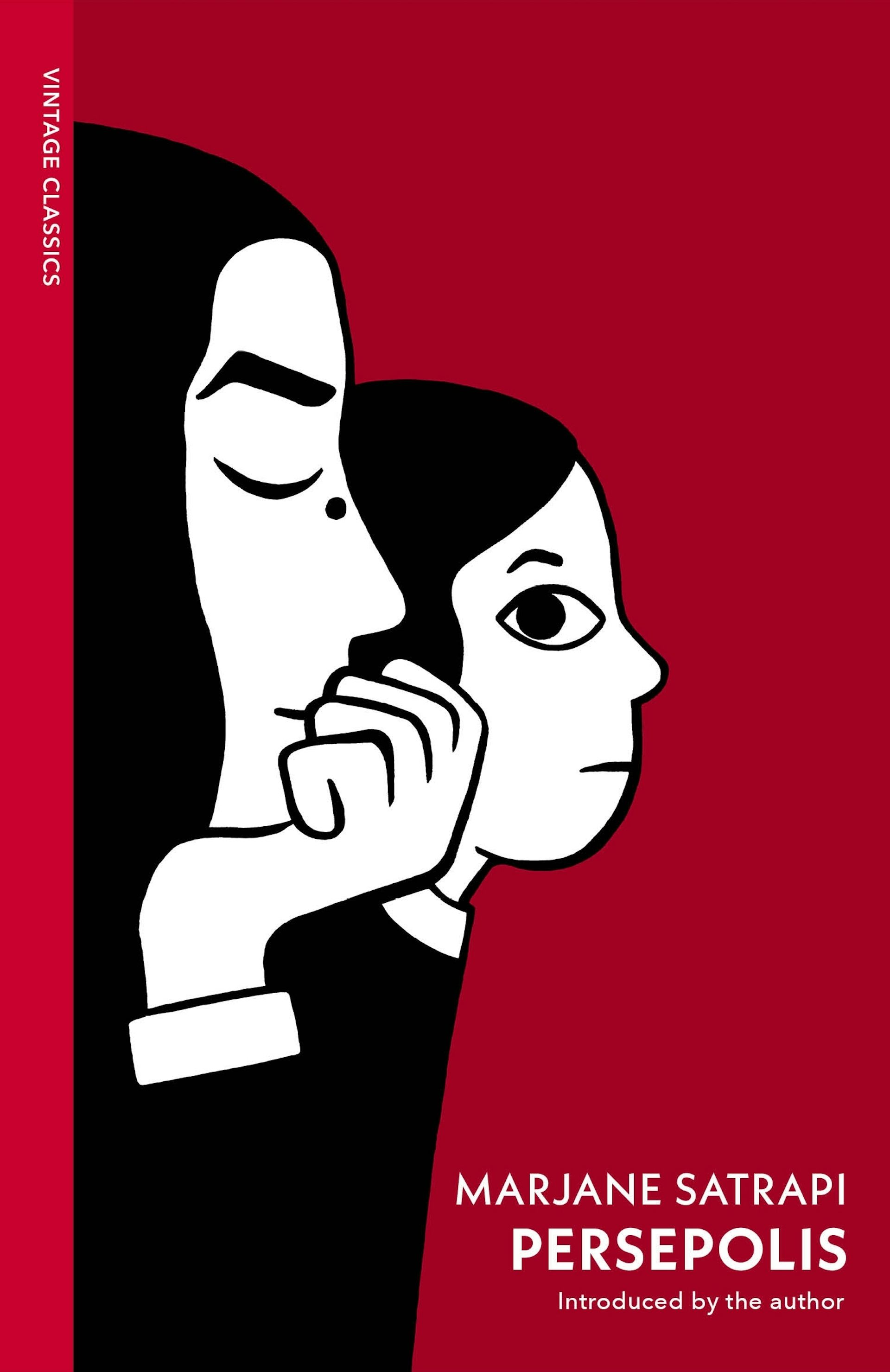
The power of Persepolis comes precisely from its ordinariness. Readers follow the life of a rebellious teenager. They learn about her family, grandparents, friends, teenage crushes, a failed marriage and the arguments that liven up any dinner table. Marjane’s story – garnished with music, humour and grief – reveals how extraordinary historical events are experienced through the mundane rhythms of everyday life.
تكمن قوة رواية “بيرسوبوليس” تحديداً في بساطتها. يتابع القراء حياة مراهقة متمردة. يتعرفون على عائلتها، وأجدادها، وأصدقائها، وعشاق المراهقة، وزواج فاشل، والمشاحنات التي تنعش أي مائدة عشاء. تروي قصة مارجان، المطعمة بالموسيقى والفكاهة والحزن، كيف يمكن تجربة الأحداث التاريخية غير العادية من خلال الإيقاعات العادية للحياة اليومية.
Yet Persepolis is equally about leaving behind familiarity and home. Throughout, family becomes both refuge and history.
ومع ذلك، تدور “بيرسوبوليس” أيضاً حول التخلي عن الألفة والوطن. طوال الرواية، تصبح العائلة ملجأ وتاريخاً في آن واحد.
In one of the book’s most moving sections, Satrapi’s beloved Uncle Anoosh tells her, “Our family memory must not be lost.” Decades later, those words resonate for me. Reading them, I often think of my own uncle, Kambiz, whom I lost long before my birth, when he was executed by the Islamic Republic aged 23.
في أحد أكثر أقسام الكتاب تأثيراً، تقول عائلة أنوش المحبوبة لساترابي: “يجب ألا تضيع ذاكرة عائلتنا”. بعد عقود، ما زالت تلك الكلمات تتردد أصداؤها لدي. عندما أقرأها، أفكر غالباً في عمي الخاص، كمبيز، الذي فقدته قبل ولادتي بوقت طويل، عندما أُعدمته الجمهورية الإسلامية وهو في الثالثة والعشرين من عمره.
But the significance of this moment extends beyond the boundaries of any single household. In authoritarian contexts, where states often seek to monopolise history and memory, families become custodians of alternative narratives. In stories passed down by parents, grandparents and relatives, Satrapi preserves memories of political imprisonment, resistance – and hope that official accounts might prefer to erase.
لكن أهمية هذه اللحظة تتجاوز حدود أي أسرة واحدة. في السياقات الاستبدادية، حيث تسعى الدول غالباً إلى احتكار التاريخ والذاكرة، تصبح العائلات حارسة للسرديات البديلة. في القصص التي تنتقلها الأجيال من الآباء والأجداد والأقارب، تحافظ ساترابي على ذكريات السجن السياسي، والمقاومة – والأمل الذي قد تفضل الروايات الرسمية محوه.
Nominated for an Oscar
ترشيحها لجائزة الأوسكار
Satrapi returned to Iran before eventually settling in France, where she built the artistic career that would make her one of the most influential voices of the Iranian diaspora. She created several graphic storytelling books.
عادت ساتراي إلى إيران قبل أن تستقر في نهاية المطاف في فرنسا، حيث بنت المسيرة الفنية التي جعلتها أحد أكثر الأصوات تأثيراً في الشتات الإيراني. وقد أنشأت العديد من كتب السرد القصصي المصورة.
She co-wrote and co-directed the animated 2007 film adaptation of Persepolis, and was nominated for an Oscar, becoming the first woman nominated in the category of best animated feature. She went on to direct feature films.
لقد شاركت في كتابة وإخراج فيلم “برسوبوليس” المتحرك لعام 2007، وتم ترشيحها لجائزة الأوسكار، لتصبح أول امرأة تُرشح في فئة أفضل عمل رسوم متحركة. وواصلت بعد ذلك إخراج أفلام روائية طويلة.
Satrapi’s alternative view of Iran is so compelling because she refuses to romanticise her own country, or to idealise Europe or the West. She rejects both nostalgic nationalism and complete assimilation. Instead, she inhabits the uncomfortable space in between.
إن نظرة ساتراي البديلة لإيران مقنعة للغاية لأنها ترفض تجميل بلادها، أو مثالية أوروبا أو الغرب. وهي ترفض كلاً من القومية الحنينية والاستيعاب الكامل. وبدلاً من ذلك، تسكن المساحة غير المريحة التي تقع بينهما.
For many Iranian migrants and exiles who came after her, this condition feels deeply familiar. Loving a country while criticising it. Belonging to multiple places while feeling fully accepted by none. Carrying memories that others cannot quite understand. Satrapi transformed these contradictions into a language that could be shared.
بالنسبة للعديد من المهاجرين والمنفيين الإيرانيين الذين أتوا بعدها، يبدو هذا الوضع مألوفاً بعمق. حب بلد ما مع انتقاده. الانتماء إلى أماكن متعددة مع الشعور بعدم القبول الكامل في أي منها. حمل ذكريات لا يستطيع الآخرون فهمها تماماً. حولت ساتراي هذه التناقضات إلى لغة يمكن مشاركتها.
She critiqued the repression of the Islamic Republic while remaining critical of Western hypocrisy. She condemned fanaticism without embracing cultural superiority. “Between one’s fanaticism and the other’s disdain, it’s hard to know which side to choose,” she wrote in Persepolis.
لقد انتقدت قمع الجمهورية الإسلامية بينما ظلت ناقدة للنفاق الغربي. وأدانت التعصب دون تبني التفوق الثقافي. وكتبت في “برسوبوليس”: “بين تعصب المرء وازدراء الآخر، يصعب معرفة أي جانب يجب الاختيار.”
Importantly, Satrapi never positioned herself as the sole voice of Iran. Rather, she understood her work as a form of translation. As Iran enters yet another period of uncertainty, marked by regional conflict, repression and deepening social fractures at home and in the diaspora, Satrapi continued to insist on the humanity and complexity of Iranian lives.
الأهم من ذلك، أن ساتراي لم تضع نفسها أبداً كصوت وحيد لإيران. بل أدركت عملها كشكل من أشكال الترجمة. ومع دخول إيران فترة أخرى من عدم اليقين، التي تتسم بالصراع الإقليمي والقمع والتصدعات الاجتماعية المتعمقة في الداخل وفي الشتات، واصلت ساتراي التأكيد على إنسانية وتعقيد الحياة الإيرانية.
Her activism included supporting the Woman, Life, Freedom movement, following the death of Mahsa Jina Amini: a 22-year-old Kurdish-Iranian woman detained for allegedly not properly wearing the Islamic headscarf in 2022.
شمل نشاطها دعم حركة “المرأة، الحياة، الحرية”، وذلك بعد وفاة مهسا جينا أميني: وهي شابة كردية-إيرانية تبلغ من العمر 22 عاماً، اعتُقلت للاشتباه في أنها لم تكن ترتدي الحجاب الإسلامي بشكل صحيح في عام 2022.
Her final years were spent challenging both the authoritarianism of the Iranian state and what she saw as the West’s persistent tendency to reduce Iranians to geopolitical abstractions, rather than people with histories, aspirations and agency.
قضت سنواتها الأخيرة في تحدي كل من سلطوية الدولة الإيرانية وما رأته أنه ميل غربي المستمر لاختزال الإيرانيين إلى مجرد تجريدات جيوسياسية، بدلاً من أن يكونوا أشخاصاً لهم تاريخ وتطلعات وفاعلية.
A gift for generations of exiles
هدية لأجيال من المهاجرين
For many Iranian exiles, Persepolis remains more than a memoir. It is a map. A guide to memory, identity, belonging and survival. It reminds me that exile is not simply a matter of geography, but of consciousness. It has taught me that dignity can be an act of resistance and that memory itself can become a political act in times of political amnesia.
بالنسبة للعديد من المهاجرين الإيرانيين، تظل مدينة “برسيبوليس” أكثر من مجرد مذكرات. إنها خريطة. دليل للذاكرة والهوية والانتماء والبقاء. تذكرني بأن المنفى ليس مجرد مسألة جغرافية، بل هو مسألة وعي. لقد علمتني أن الكرامة يمكن أن تكون عملاً من أعمال المقاومة، وأن الذاكرة بحد ذاتها يمكن أن تصبح عملاً سياسياً في أوقات فقدان الذاكرة السياسي.
Her characters rarely find liberation through departure alone; instead, they grapple with loneliness, reinvention and the persistent question of belonging. Yet Satrapi approached these themes with humour, tenderness and an insistence on complexity.
نادراً ما تجد شخصياتها التحرر بمجرد المغادرة؛ بل إنها تتصارع مع الوحدة، وإعادة التكوين، والسؤال المستمر عن الانتماء. ومع ذلك، تعاملت ساترافي مع هذه الموضوعات بروح الدعابة، والرقة، والإصرار على التعقيد.
Marjane Satrapi spent her life ensuring that humanity, resistance and the memory of Iran is never forgotten. In doing so, she gave generations of readers – and generations of exiles – a more sophisticated language for understanding home, freedom and what it means to remain human between worlds.
كرست مارجان ساترافي حياتها لضمان عدم نسيان الإنسانية والمقاومة وذاكرة إيران. وبذلك، منحت أجيالاً من القراء – وأجيالاً من المهاجرين – لغة أكثر تطوراً لفهم الوطن، والحرية، وما يعنيه أن يظل المرء إنساناً بين العوالم.
Shadi Rouhshahbaz does not work for, consult, own shares in or receive funding from any company or organisation that would benefit from this article, and has disclosed no relevant affiliations beyond their academic appointment.
لا يعمل شادي روحشباز أو يستشير أو يمتلك حصصاً أو يتلقى تمويلاً من أي شركة أو منظمة يمكن أن تستفيد من هذا المقال، ولم يكشف عن أي انتماءات ذات صلة تتجاوز تعيينه الأكاديمي.
Read more
-

أوقفت ألمانيا مشروع طائرة المقاتلة الرائدة FCAS – والتداعيات على الدفاع الأوروبي مقلقة
Germany pulled the plug on flagship FCAS fighter jet – the implications for European defence are worrying
-

كان الأستراليون الأصليون علماء الفلك الأوائل في العالم. لكن معرفتهم الآن في خطر.
Indigenous Australians were the world’s first astronomers. But their knowledge is now at risk