Los australianos indígenas fueron los primeros astrónomos del mundo. Pero su conocimiento corre peligro
Indigenous Australians were the world’s first astronomers. But their knowledge is now at risk
Aboriginal communities have observed the night sky for millennia. But they face a growing threat – light pollution.
Las comunidades aborígenes han observado el cielo nocturno durante milenios. Pero se enfrentan a una creciente amenaza: la contaminación lumínica.
I’m a proud Yorta Yorta and Barapa Barapa man, an Indigenous astronomer and a trainee ecologist.
Soy un hombre Yorta Yorta y Barapa Barapa orgulloso, astrónomo indígena y ecólogo en formación.
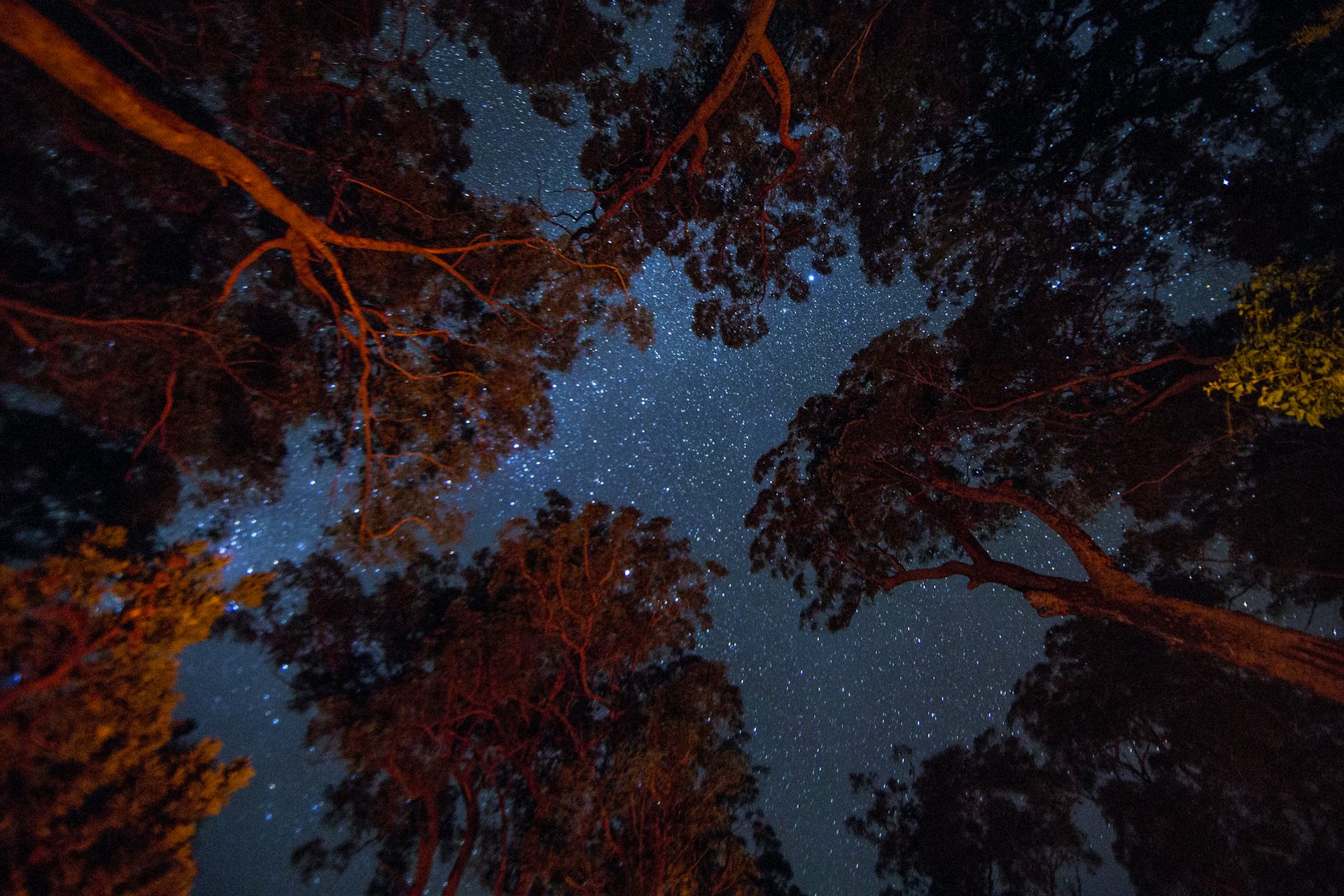
When I look at the night sky, I don’t just see stars. Instead, I see an ancient knowledge system that has guided people, culture and Country for tens of thousands of years.
Cuando miro el cielo nocturno, no solo veo estrellas. En cambio, veo un sistema de conocimiento ancestral que ha guiado a las personas, la cultura y la Tierra durante decenas de miles de años.
But that knowledge is now at risk. In many of our towns and cities, the stars are increasingly hidden behind a haze of artificial light. And that light pollution is threatening a unique way of understanding the world.
Pero ese conocimiento ahora está en riesgo. En muchos de nuestros pueblos y ciudades, las estrellas están cada vez más ocultas detrás de una neblina de luz artificial. Y esa contaminación lumínica está amenazando una forma única de entender el mundo.
A ‘living classroom’
Un ‘aula viva’
The night sky is a living classroom, at once a calendar, map, lore book and weather forecast.
El cielo nocturno es un aula viva, a la vez un calendario, un mapa, un libro de mitos y un pronóstico del tiempo.
Indigenous Elders share this knowledge with younger people – often outdoors, on Country, beneath the stars.
Los ancianos indígenas comparten este conocimiento con los jóvenes, a menudo al aire libre, en su territorio, bajo las estrellas.
They may start by talking about constellations, which have helped guide Indigenous Australians for millenia.
Pueden empezar hablando de constelaciones, que han ayudado a guiar a los australianos indígenas durante milenios.
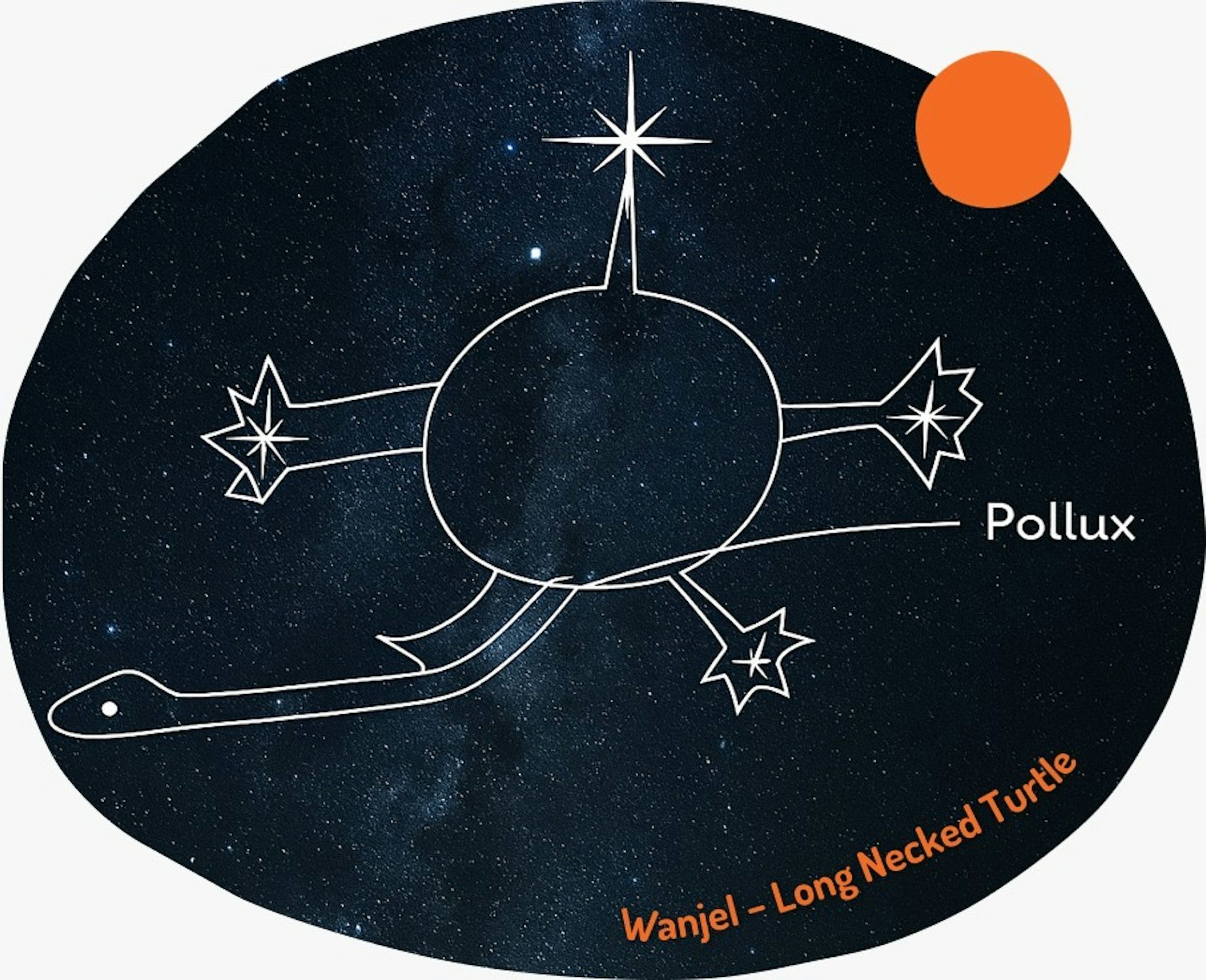
One example is the Wangel or “long-necked turtle” constellation. Various Indigenous communities looked to this constellation, based on the bright orange star Pollux, to know when it was time to travel and gather for different ceremonies. This may be because the bright orange star reflects the turtle’s orange colouring.
Un ejemplo es la constelación Wangel o la de la “tortuga de cuello largo”. Varias comunidades indígenas observaban esta constelación, basada en la brillante estrella Pollux, para saber cuándo era el momento de viajar y reunirse para diferentes ceremonias. Esto puede deberse a que la brillante estrella naranja refleja el color naranja de la tortuga.
Another is the Djurt or “red-rumped parrot” constellation. This constellation is based on the Antares star which appears bright red with a blue halo, resembling the parrot’s red and blue feathers. This constellation guided communities to spots where food was abundant, such as grasslands that were full of seeds.
Otra es la constelación Djurt o la del “loro de grupa roja”. Esta constelación se basa en la estrella Antares, que aparece de color rojo brillante con un halo azul, asemejándose a las plumas rojas y azules del loro. Esta constelación guio a las comunidades a lugares donde había abundancia de alimentos, como praderas llenas de semillas.
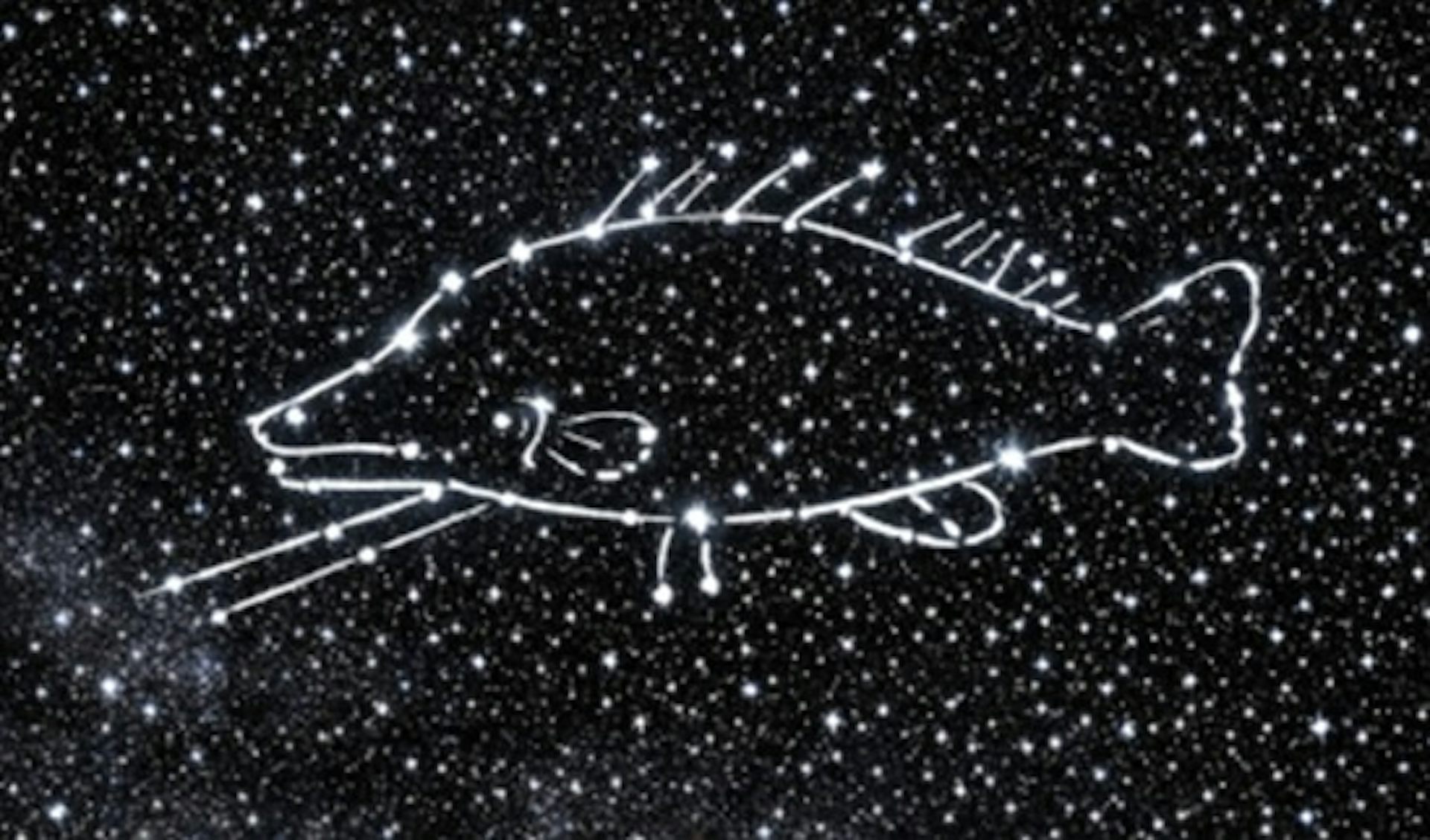
Constellations also hold lore, or rules, that guide sustainable practices. For example, when the Otchocut or “Murray cod” constellation appears in the night sky, we do not hunt Murray Cod. This is because it becomes visible when the rivers are warm and the fish are breeding, typically between October to November. Similarly, when the red-rumped parrot constellation appears, that means the parrot is breeding and therefore cannot be hunted.
Las constelaciones también contienen mitos, o reglas, que guían prácticas sostenibles. Por ejemplo, cuando aparece la constelación Otchocut o la del “Murray cod” en el cielo nocturno, no cazamos el Murray Cod. Esto se debe a que es visible cuando los ríos están cálidos y los peces están desovando, generalmente entre octubre y noviembre. De manera similar, cuando aparece la constelación del loro de grupa roja, significa que el loro está criando y, por lo tanto, no puede ser cazado.
The stars may also provide weather forecasts, but only if you have the knowledge and observation skills to understand them. For example, a star that twinkles and appears bright blue suggests a storm is coming. And if a cluster of stars twinkle quickly, it may mean the wind will become stronger.
Las estrellas también pueden proporcionar pronósticos del tiempo, pero solo si tienes el conocimiento y las habilidades de observación para entenderlos. Por ejemplo, una estrella que parpadea y parece de un azul brillante sugiere que se acerca una tormenta. Y si un cúmulo de estrellas parpadea rápidamente, puede significar que el viento se volverá más fuerte.
Stars and songlines
Estrellas y senderos cantados
The routes laid out by the stars are often connected to songlines. Songlines, sometimes known as dreaming tracks, are cultural pathways that connect traditional sites. Songlines also act as “drop pins” that indicate where important resources, such as waterholes and food, may be.
Las rutas trazadas por las estrellas a menudo están conectadas a los senderos cantados. Los senderos cantados, a veces conocidos como senderos de ensueño, son caminos culturales que conectan sitios tradicionales. Los senderos cantados también actúan como «puntos de referencia» que indican dónde pueden encontrarse recursos importantes, como pozos de agua y alimentos.
A well-known example is the Seven Sisters dreamtime story, which recounts the journey of seven sisters that ultimately become part of the Taurus constellation. For some Indigenous communities in central Australia, the Seven Sisters serve as a kind of celestial map. This is because the seven stars roughly mirror the location of seven waterholes.
Un ejemplo bien conocido es la historia del tiempo de ensueño de las Siete Hermanas, que relata el viaje de siete hermanas que finalmente forman parte de la constelación de Tauro. Para algunas comunidades indígenas en el centro de Australia, las Siete Hermanas sirven como una especie de mapa celestial. Esto se debe a que las siete estrellas reflejan aproximadamente la ubicación de siete pozos de agua.
The threat of light
La amenaza de la luz
As our cities grow, light pollution from streetlights, floodlights and buildings is spreading. As a result, it’s increasingly rare to see dark nights and starry skies near urban areas.
A medida que crecen nuestras ciudades, la contaminación lumínica de farolas, focos y edificios se está extendiendo. Como resultado, es cada vez más raro ver noches oscuras y cielos estrellados cerca de las zonas urbanas.
For Indigenous communities, this has a direct cultural impact.
Para las comunidades indígenas, esto tiene un impacto cultural directo.
Light pollution makes it near impossible to connect with the stars, and therefore share Indigenous sky knowledge with younger generations.
La contaminación lumínica hace casi imposible conectar con las estrellas y, por lo tanto, compartir el conocimiento ancestral del cielo indígena con las generaciones más jóvenes.
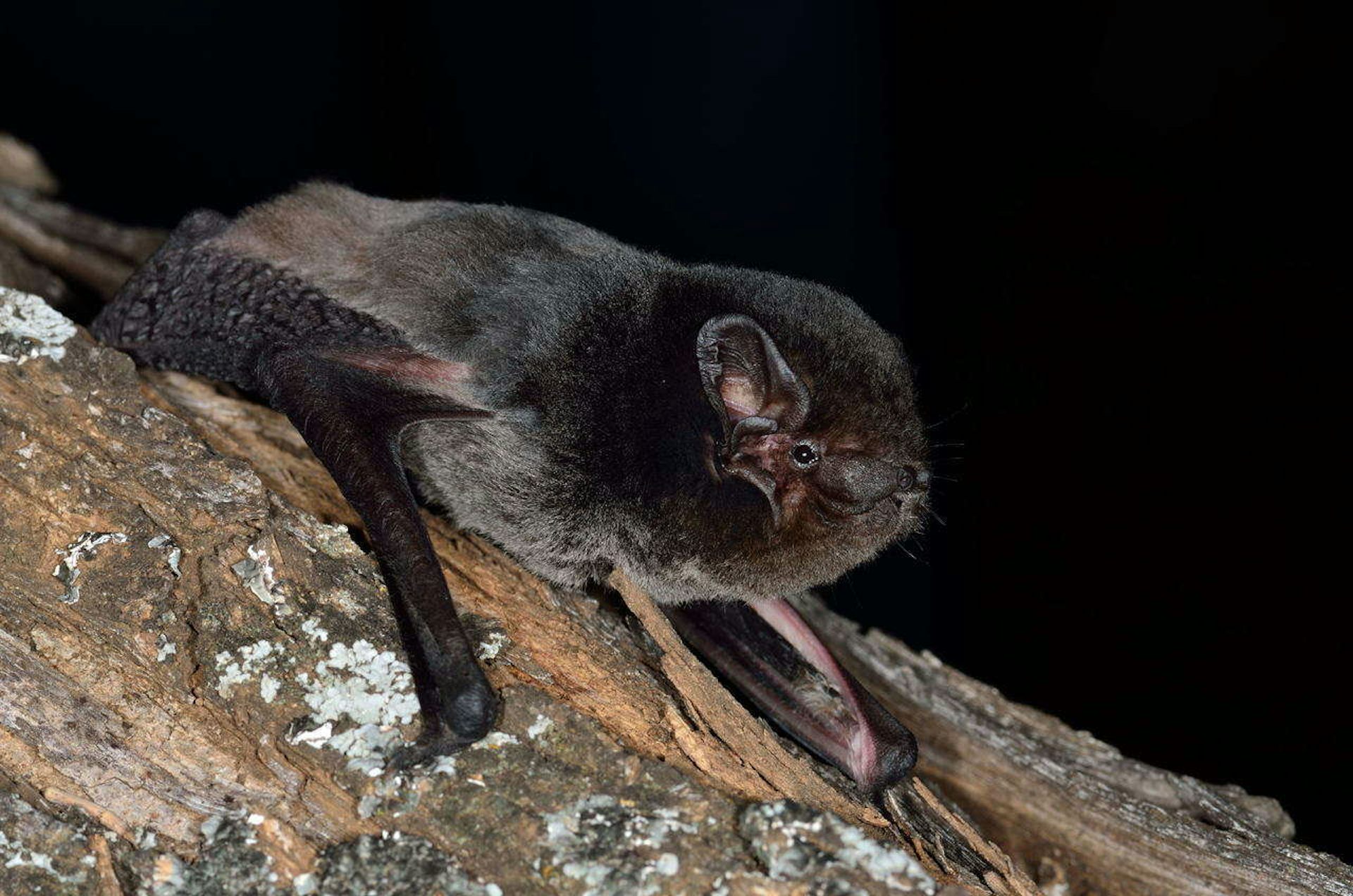
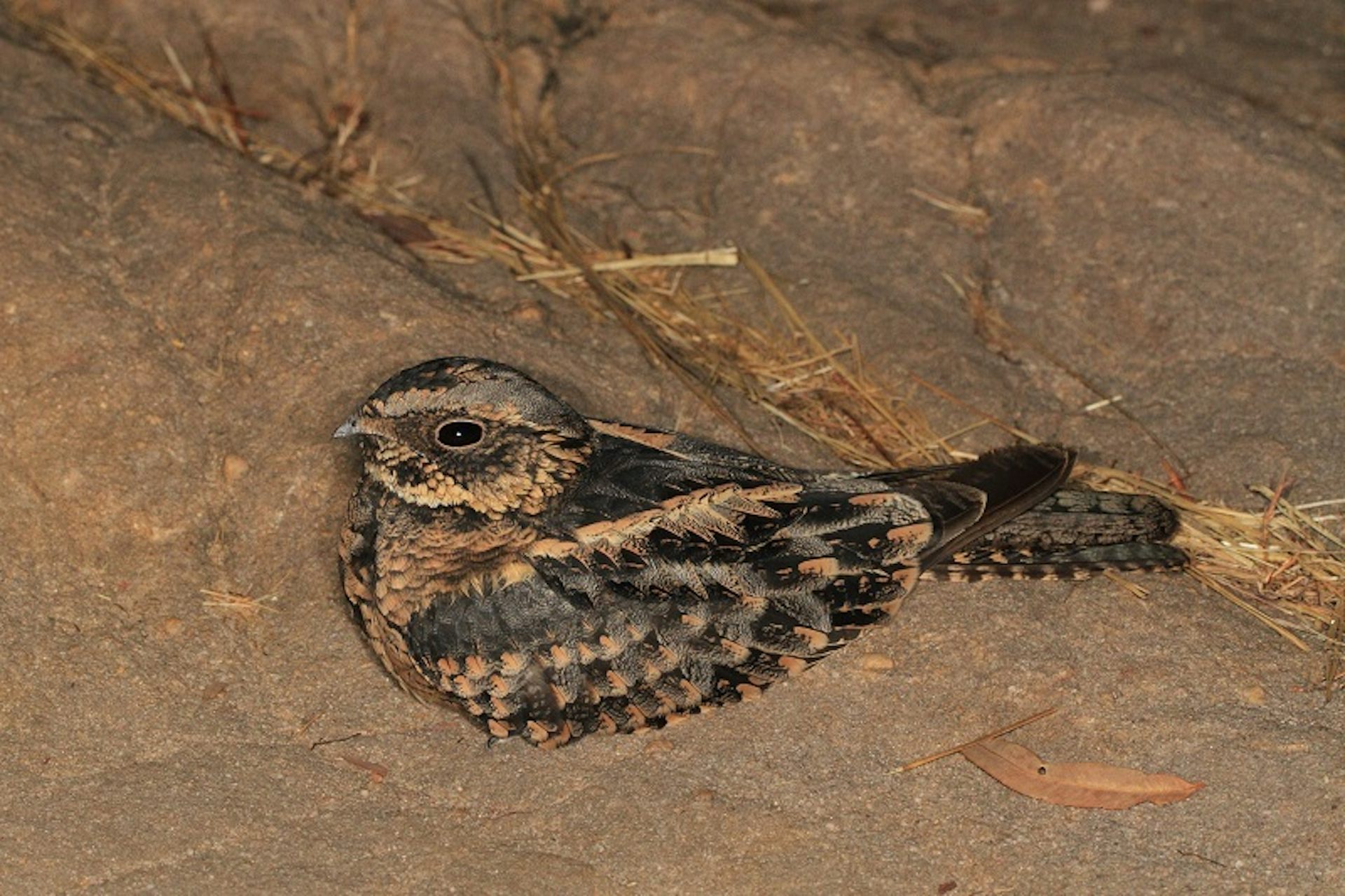
Light pollution also affects culturally important species. In Barapa Barapa culture, the microbat is a men’s totem and the nightjar is a women’s totem. Both are nocturnal animals that rely on darkness, so artificial light makes it harder for them to survive.
La contaminación lumínica también afecta a especies culturalmente importantes. En la cultura Barapa Barapa, el micromurciélago es un tótem masculino y el nocturno es un tótem femenino. Ambos son animales nocturnos que dependen de la oscuridad, por lo que la luz artificial les dificulta la supervivencia.
Beyond culture, light pollution has widespread ecological impacts, affecting how animals grow, behave and breed. Research suggests light pollution can stop clownfish eggs from hatching, shrink the brains of spiders and disorient threatened seabirds such as petrels and shearwaters.
Más allá de la cultura, la contaminación lumínica tiene amplios impactos ecológicos, afectando cómo crecen, se comportan y se reproducen los animales. La investigación sugiere que la contaminación lumínica puede impedir que los huevos de pez payaso eclosionen, reducir el cerebro de las arañas y desorientar a aves marinas amenazadas como los petreles y los alcatraces.
It can also negatively affect human health. Research shows artificial light – particularly from LED lights and electronic devices – may trigger sleep and mood disorders and certain cardiovascular problems.
También puede afectar negativamente la salud humana. La investigación muestra que la luz artificial – particularmente de las luces LED y los dispositivos electrónicos – puede desencadenar trastornos del sueño y del estado de ánimo, y ciertos problemas cardiovasculares.
So, what can we do?
Entonces, ¿qué podemos hacer?
The good news is, we can each help reduce light pollution by making simple lifestyle changes. Here are some ideas:
La buena noticia es que cada uno de nosotros puede ayudar a reducir la contaminación lumínica realizando cambios sencillos en el estilo de vida. Aquí hay algunas ideas:
turn off outdoor lights whenever you’re not using them
apagar las luces exteriores cuando no las estén usando
use lightbulbs with a lower brightness and warmer colouring
usar bombillas con menor brillo y un color más cálido
choose light designs that direct light only where its needed
elegir diseños de iluminación que dirijan la luz solo donde es necesaria
close curtains and blinds at night to stop indoor light from spilling out
cerrar cortinas y persianas por la noche para evitar que la luz interior se escape
during festive times such as Christmas, opt for daytime decorations instead of outdoor lights.
durante épocas festivas como la Navidad, optar por decoraciones diurnas en lugar de luces exteriores.
We can also better regulate the use of artificial light outdoors. Currently, Australia does not have any regulations around light pollution. But countries such as France have substantially reduced their light pollution levels by regulating what kind of lighting people can use and install.
También podemos regular mejor el uso de luz artificial en exteriores. Actualmente, Australia no tiene ninguna regulación sobre la contaminación lumínica. Pero países como Francia han reducido sustancialmente sus niveles de contaminación lumínica regulando el tipo de iluminación que las personas pueden usar e instalar.
Together, stronger regulation and simple lifestyle tweaks could help us tackle light pollution. And that’s key to keeping Indigenous sky knowledge alive.
Juntos, una regulación más estricta y pequeños ajustes en el estilo de vida podrían ayudarnos a combatir la contaminación lumínica. Y eso es clave para mantener vivo el conocimiento astronómico indígena.
Kai Lane works for Ecology Restoration Australia and also co-leads the Habitat Warriors program.
Kai Lane trabaja para Ecology Restoration Australia y también co-dirige el programa Habitat Warriors.
Jaana Dielenberg is an Ambassador for the Australasian Dark Sky Alliance, Science Communication Director of the Biodiversity Council, Honorary Fellow at The University of Melbourne and University Fellow (Biodiversity) at Charles Darwin University. She was previously employed under a grant funded by the Australian government’s National Environmental Science Program Threatened Species Recovery Hub.
Jaana Dielenberg es Embajadora de la Australasian Dark Sky Alliance, Directora de Comunicación Científica del Biodiversity Council, Miembro Honorario de The University of Melbourne y Miembro Universitario (Biodiversidad) de Charles Darwin University. Anteriormente trabajó bajo una subvención financiada por el National Environmental Science Program Threatened Species Recovery Hub del gobierno australiano.
Kaori Yokochi is a lecturer at Deakin University. She receives funding from various organisations for her ecological research. She is also a member of the Network for Ecological Research on Artificial Light and the Australasian Dark Sky Alliance.
Kaori Yokochi es profesora en Deakin University. Recibe financiación de varias organizaciones para su investigación ecológica. También es miembro de la Network for Ecological Research on Artificial Light y de la Australasian Dark Sky Alliance.
Read more
-

La investigación plagiada pasó pruebas automatizadas, y lo detecté, pero solo porque copió mi trabajo
Plagiarised research passed automated tests, and I detected it – but only because it copied my work
-
40 años después del desastre, por qué hay zorros, osos y bisontes de nuevo alrededor de Chernóbil
40 years on from the disaster, why there are foxes, bears and bison again around Chernobyl