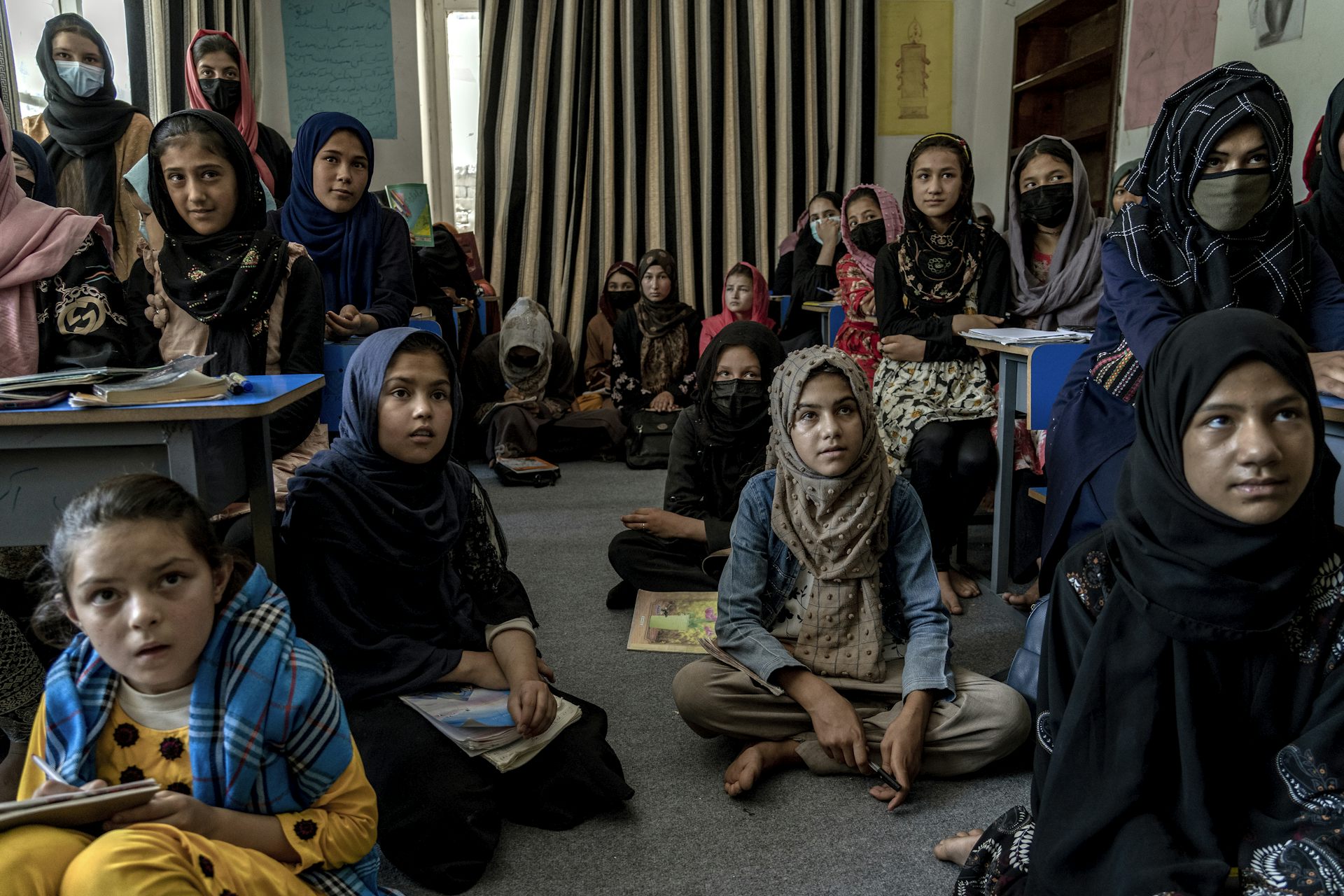
अफगानिस्तान में महिलाओं के अधिकारों का संकट एक चल रही मानवीय आपदा है
The women’s rights crisis in Afghanistan is an ongoing humanitarian calamity
What’s happening in Afghanistan is not simply gender discrimination; rather, it’s pushing an entire gender out of public systems altogether in a policy of gender apartheid by the ruling Taliban.
अफगानिस्तान में जो हो रहा है वह केवल लैंगिक भेदभाव नहीं है; बल्कि, यह सत्ताधारी तालिबान की लिंग-अपा PARTाइड की नीति के तहत पूरे लिंग को सार्वजनिक प्रणालियों से पूरी तरह बाहर कर रहा है।
Where is one of worst places to be a woman? Afghanistan.
एक महिला होने के लिए सबसे खराब जगहों में से एक कहाँ है? अफगानिस्तान।
That’s what most people think when it comes to the topic of the women’s rights crisis under the ruling Taliban in Afghanistan. But this only tells part of the story.
जब अफगानिस्तान में शासन करने वाले तालिबान के तहत महिलाओं के अधिकारों के संकट के विषय पर बात आती है, तो अधिकांश लोग यही सोचते हैं। लेकिन यह कहानी का केवल एक हिस्सा ही बताता है।
Focusing on the word “rights” hides something more serious underneath: how people live and survive in this situation. What’s unfolding in Afghanistan is not just a women’s rights crisis, but a humanitarian disaster.
“अधिकार” शब्द पर ध्यान केंद्रित करने से इसके नीचे कुछ अधिक गंभीर छिपा रहता है: लोग इस स्थिति में कैसे रहते हैं और जीवित रहते हैं। अफगानिस्तान में जो हो रहा है वह केवल महिलाओं के अधिकारों का संकट नहीं है, बल्कि एक मानवीय आपदा है।
It affects how people access health care, education, food systems and basic supports and whether these system can function at all when half the population has been systematically removed from them. It forces families to deal with women’s limited access to work and services, often pushing households into deeper economic and social vulnerability.
यह इस बात को प्रभावित करता है कि लोग स्वास्थ्य देखभाल, शिक्षा, खाद्य प्रणालियों और बुनियादी सहायता तक कैसे पहुँचते हैं और क्या ये प्रणालियाँ तब तक कार्य कर सकती हैं जब आधी आबादी को व्यवस्थित रूप से उनसे हटा दिया गया हो। यह परिवारों को काम और सेवाओं तक महिलाओं की सीमित पहुँच से निपटने के लिए मजबूर करता है, जिससे अक्सर घर अधिक आर्थिक और सामाजिक असुरक्षा में धकेल दिए जाते हैं।
The Taliban has steadily removed women from public spaces including work, health care and education. Recently, for example, female health-care workers were stopped at the gates of a United Nations office and banned from entering the facility by Taliban authorities.
तालिबान ने काम, स्वास्थ्य देखभाल और शिक्षा सहित सार्वजनिक स्थानों से महिलाओं को लगातार हटा दिया है। हाल ही में, उदाहरण के लिए, महिला स्वास्थ्य देखभाल कार्यकर्ताओं को संयुक्त राष्ट्र कार्यालय के गेट पर रोका गया और तालिबान अधिकारियों द्वारा सुविधा में प्रवेश करने से प्रतिबंधित कर दिया गया।
These ongoing removals are incrementally creating a system that determines who has the right to exist, to provide assistance and to receive assistance.
ये चल रहे निष्कासन धीरे-धीरे एक ऐसी प्रणाली का निर्माण कर रहे हैं जो यह निर्धारित करती है कि किसके पास अस्तित्व का अधिकार है, सहायता प्रदान करने का अधिकार है और सहायता प्राप्त करने का अधिकार है।
What’s happening in Afghanistan is not simply gender discrimination; rather, it’s pushing an entire gender out of public systems altogether. The predicament of Afghan women is less a social problem and more a structural crisis that shapes institutions and everyday life.
अफगानिस्तान में जो हो रहा है वह केवल लैंगिक भेदभाव नहीं है; बल्कि, यह एक पूरे लिंग को सार्वजनिक प्रणालियों से पूरी तरह बाहर कर रहा है। अफगान महिलाओं की दुर्दशा एक सामाजिक समस्या से कम और एक संरचनात्मक संकट से अधिक है जो संस्थानों और रोजमर्रा के जीवन को आकार देता है।
Gender apartheid
लिंग अधिनापन (Gender apartheid)
This is why the situation in Afghanistan is increasingly referred to as a form of gender apartheid rather than a women’s rights crisis. The exclusion of women reveals how institutions are built and will be maintained in the future.
इसी कारण अफगानिस्तान की स्थिति को एक महिलाओं के अधिकारों के संकट के बजाय लिंग अधिनापन का एक रूप कहा जा रहा है। महिलाओं का बहिष्कार इस बात को प्रकट करता है कि संस्थाएँ कैसे बनाई जाती हैं और भविष्य में कैसे बनाए रखी जाती हैं।
Gender apartheid refers to a situation in which people are banned from certain spaces or activities based on their gender identity.
लिंग अधिनापन उस स्थिति को संदर्भित करता है जिसमें लोगों को उनकी लिंग पहचान के आधार पर कुछ स्थानों या गतिविधियों से प्रतिबंधित किया जाता है।
This discriminatory and violent practice in Afghanistan has been widely documented and heavily reported on, but the situation continues to deteriorate daily.
अफगानिस्तान में यह भेदभावपूर्ण और हिंसक प्रथा व्यापक रूप से प्रलेखित और भारी रूप से रिपोर्ट की गई है, लेकिन स्थिति प्रतिदिन बिगड़ती जा रही है।
Its effects are also accumulative, with each restriction reinforcing others and deepening the overall crisis. These systemic rights violations would be increasingly difficult to reverse even if political bodies and the ruling government changed tomorrow.
इसके प्रभाव भी संचयी हैं, जहाँ प्रत्येक प्रतिबंध अन्य को मजबूत करता है और समग्र संकट को गहरा करता है। यदि राजनीतिक निकाय और सत्ताधारी सरकार कल बदल भी दें तो इन प्रणालीगत मानवाधिकार उल्लंघनों को उलटना और भी कठिन हो जाएगा।
That’s because removing women from professional spaces leads to schools losing teachers, hospitals losing trained staff and aid networks losing access to half the population. And this loss isn’t temporary; it limits how systems can respond to the growing needs around them.
ऐसा इसलिए है क्योंकि महिलाओं को पेशेवर स्थानों से हटा देने से स्कूलों को शिक्षकों का नुकसान होता है, अस्पतालों को प्रशिक्षित कर्मचारियों का नुकसान होता है और सहायता नेटवर्क को आधी आबादी तक पहुँच खोनी पड़ती है। और यह हानि अस्थायी नहीं है; यह उन क्षेत्रों के आसपास बढ़ती जरूरतों पर प्रणालियों की प्रतिक्रिया को सीमित करती है।
When women get barred from institutions, the problem isn’t just that these organizations suffer in their service delivery and performance. It also results in the loss of institutional memory — the skills, professional knowledge and experience that is no longer transferred to future generations.
जब महिलाओं को संस्थानों से वंचित किया जाता है, तो समस्या केवल यह नहीं है कि ये संगठन अपनी सेवा वितरण और प्रदर्शन में पीड़ित होते हैं। इसके परिणामस्वरूप संस्थागत स्मृति का नुकसान भी होता है — वे कौशल, व्यावसायिक ज्ञान और अनुभव जो अब भविष्य की पीढ़ियों को हस्तांतरित नहीं किए जाते हैं।
Over time, institutions also scale down or suspend certain services due to a shortage of female workers. As services shrink, significant gaps appear in the networks of care and support leaving entire groups of people without consistent access to support.
समय के साथ, महिला श्रमिकों की कमी के कारण संस्थाएँ कुछ सेवाओं को कम या निलंबित भी कर देती हैं। जैसे-जैसे सेवाएँ सिकुड़ती हैं, देखभाल और समर्थन के नेटवर्क में महत्वपूर्ण अंतराल दिखाई देते हैं, जिससे लोगों के पूरे समूह को समर्थन तक निरंतर पहुँच नहीं मिलती है।
Blocking aid and support
सहायता और समर्थन को रोकना
The Taliban refusal to allow female workers into UN and UNICEF offices is one of many examples happening today in Afghanistan that ban qualified women from entering places where they can deliver urgent care and assistance.
महिलाओं को संयुक्त राष्ट्र और यूनिसेफ कार्यालयों में प्रवेश की अनुमति देने से तालिबान का इनकार आज अफगानिस्तान में हो रही कई घटनाओं में से एक है, जहाँ योग्य महिलाओं को उन स्थानों में प्रवेश करने से प्रतिबंधित किया जाता है जहाँ वे तत्काल देखभाल और सहायता प्रदान कर सकती हैं।
This effective crackdown on women’s rights is blocking aid and support in a society where it’s desperately needed.
महिलाओं के अधिकारों पर यह प्रभावी दमन उस समाज में सहायता और समर्थन को रोक रहा है जहाँ इसकी सख्त आवश्यकता है।
Male workers are also limited in the ways they can assist female patients due to Taliban gender norms and restrictions, so support for women cannot be simply reassigned to them. This affects several aspects of humanitarian aid including health care, food distribution and protection systems.
तालिबान के लिंग मानदंडों और प्रतिबंधों के कारण पुरुष श्रमिकों को भी यह सीमित है कि वे महिला रोगियों की सहायता कैसे कर सकते हैं, इसलिए महिलाओं के लिए समर्थन को उन्हें बस पुनः आवंटित नहीं किया जा सकता है। यह स्वास्थ्य देखभाल, खाद्य वितरण और सुरक्षा प्रणालियों सहित मानवीय सहायता के कई पहलुओं को प्रभावित करता है।
It also delegates the burden of these unmet needs into households where women must provide unpaid labour and care-giving responsibilities.
यह इन अधूरी आवश्यकताओं का बोझ उन घरों में भी डालता है जहाँ महिलाओं को अवैतनिक श्रम और देखभाल देने की जिम्मेदारियाँ निभानी पड़ती हैं।
Taliban rule consequently delays or prevents life-saving interventions for women and children, a violation of the human right to survive.
तालिबान का शासन परिणामस्वरूप महिलाओं और बच्चों के लिए जीवन रक्षक हस्तक्षेपों में देरी करता है या उन्हें रोकता है, जो जीवित रहने के मानवाधिकार का उल्लंघन है।
It’s not just UN and UNICEF offices where women workers are banned from entry: they’re being turned away at other aid organizations, hospitals, schools and various public institutions in a widespread erosion of human rights. The Taliban has put in place a network of human rights violations across the entire humanitarian system.
यह केवल संयुक्त राष्ट्र और यूनिसेफ कार्यालय ही नहीं हैं जहाँ महिला श्रमिकों को प्रवेश से प्रतिबंधित किया गया है: उन्हें अन्य सहायता संगठनों, अस्पतालों, स्कूलों और विभिन्न सार्वजनिक संस्थानों में भी दूर किया जा रहा है, जो मानवाधिकारों के व्यापक क्षरण का संकेत है। तालिबान ने पूरे मानवीय प्रणाली में मानवाधिकारों के उल्लंघन का एक नेटवर्क स्थापित किया है।
Humanitarian aid also depends on access to information and correct data: who is hungry, who is unsafe and who needs protection. In Afghanistan, where women are limited in who they can interact with and where female staff are largely absent from outreach, surveys and home visits, this information becomes incomplete.
मानवीय सहायता के लिए जानकारी और सही डेटा तक पहुंच भी आवश्यक है: कौन भूखा है, कौन असुरक्षित है और किसे सुरक्षा की आवश्यकता है। अफगानिस्तान में, जहाँ महिलाओं की बातचीत करने की क्षमता सीमित है और महिला कर्मचारियों की आउटरीच, सर्वेक्षणों और घर-घर जाकर निरीक्षणों से बड़े पैमाने पर अनुपस्थिति है, यह जानकारी अधूरी हो जाती है।
Poor data leads to incomplete distribution of assistance and mismatched allocation of aid. As a result, the most vulnerable populations can remain invisible in official assessments.
खराब डेटा सहायता के अपूर्ण वितरण और सहायता के गलत आवंटन की ओर ले जाता है। परिणामस्वरूप, सबसे कमजोर आबादी आधिकारिक आकलन में अदृश्य रह सकती है।
This invisibility especially affects households headed by women and those living in remote or rural areas with already limited access.
यह अदृश्यता विशेष रूप से उन घरों को प्रभावित करती है जिनका नेतृत्व महिलाएँ करती हैं और जो पहले से ही सीमित पहुंच वाले दूरदराज या ग्रामीण क्षेत्रों में रहते हैं।
Normalizing crises
संकटों का सामान्यीकरण
The impact of Aghanistan’s gender apartheid might not be visible to many outside the country, but in the near future, humanitarian systems will break down.
अफगानिस्तान की लैंगिकapartheid का प्रभाव देश के बाहर कई लोगों को दिखाई नहीं दे सकता है, लेकिन निकट भविष्य में, मानवीय प्रणालियाँ टूट जाएँगी।
Future generations of female professionals have already been eliminated by the Taliban’s ban of girls from schools.
तालिबान द्वारा लड़कियों को स्कूलों से प्रतिबंधित करने से भविष्य की महिला पेशेवरों की पीढ़ियाँ पहले ही समाप्त हो चुकी हैं।
UNICEF estimates the ban could cost Afghanistan 25,000 teachers and health-care workers. In a country where women are prohibited from receiving care from male providers, banning women from both education and health-care work creates a profound medical emergency.
यूनिसेफ का अनुमान है कि इस प्रतिबंध से अफगानिस्तान को 25,000 शिक्षकों और स्वास्थ्य देखभाल कार्यकर्ताओं की कमी होगी। एक ऐसे देश में जहाँ महिलाओं को पुरुष प्रदाताओं से देखभाल प्राप्त करने से रोका गया है, महिलाओं को शिक्षा और स्वास्थ्य देखभाल दोनों कार्यों से प्रतिबंधित करने से एक गंभीर चिकित्सा आपातकाल पैदा होता है।
Over time, systems will be redesigned without women as providers even as they remain central as recipients. As gender restrictions disrupt the flow of resources, knowledge and care, the capacity to deliver services is declining every day despite high demand. Many women are also pushed into informal or hidden work that is insecure and vulnerable to exploitation and abuse.
समय के साथ, प्रणालियों को महिलाओं को प्रदाता के रूप में रखे बिना फिर से डिज़ाइन किया जाएगा, भले ही वे प्राप्तकर्ता के रूप में केंद्रीय बनी रहें। जैसे ही लैंगिक प्रतिबंध संसाधनों, ज्ञान और देखभाल के प्रवाह को बाधित करते हैं, उच्च मांग के बावजूद सेवाओं को प्रदान करने की क्षमता हर दिन कम हो रही है। कई महिलाओं को अनौपचारिक या छिपी हुई नौकरियों में धकेला जाता है जो असुरक्षित है और शोषण तथा दुर्व्यवहार के प्रति संवेदनशील है।
Gender apartheid in Afghanistan will not end through recognition alone. Naming systemic terror does not stop it and, without action, repeated exposure to crisis can instead normalize it through compassion fatigue. Humanitarian organizations now face a stark choice: operate under restrictive conditions and risk legitimizing them, or withdraw and leave people without support.
अफगानिस्तान में लैंगिकapartheid केवल मान्यता से समाप्त नहीं होगा। प्रणालीगत आतंक का नाम देना इसे नहीं रोकता है और, कार्रवाई के बिना, संकट का बार-बार सामना कर करुणा की थकान के माध्यम से इसे सामान्य बना सकता है। मानवीय संगठन अब एक स्पष्ट विकल्प का सामना कर रहे हैं: प्रतिबंधात्मक परिस्थितियों में काम करना और उन्हें वैध बनाने का जोखिम उठाना, या पीछे हटना और लोगों को समर्थन के बिना छोड़ देना।
The longer the situation persists, the more the exclusion of women in Afghanistan risks becoming a normalized structure rather than an emergency. The question is no longer only how to restore what’s been lost, but whether systems once dependent on women’s participation can be rebuilt at all.
स्थिति जितनी अधिक समय तक बनी रहती है, अफगानिस्तान में महिलाओं का बहिष्कार एक आपातकाल के बजाय एक सामान्य संरचना बनने का जोखिम उठाता है। प्रश्न अब केवल खोई हुई चीज़ों को कैसे बहाल करें, यह नहीं है, बल्कि यह है कि क्या महिलाओं की भागीदारी पर निर्भर प्रणालियों का पुनर्निर्माण बिल्कुल संभव है।
Sepita Hatami does not work for, consult, own shares in or receive funding from any company or organisation that would benefit from this article, and has disclosed no relevant affiliations beyond their academic appointment.
सेपिता हतामी इस लेख से लाभान्वित होने वाली किसी भी कंपनी या संगठन के लिए काम नहीं करते हैं, परामर्श नहीं करते हैं, हिस्सेदारी नहीं रखते हैं या कोई धन प्राप्त नहीं करते हैं, और उन्होंने अपने अकादमिक पद के अलावा कोई प्रासंगिक संबद्धता प्रकट नहीं की है।
Read more
-
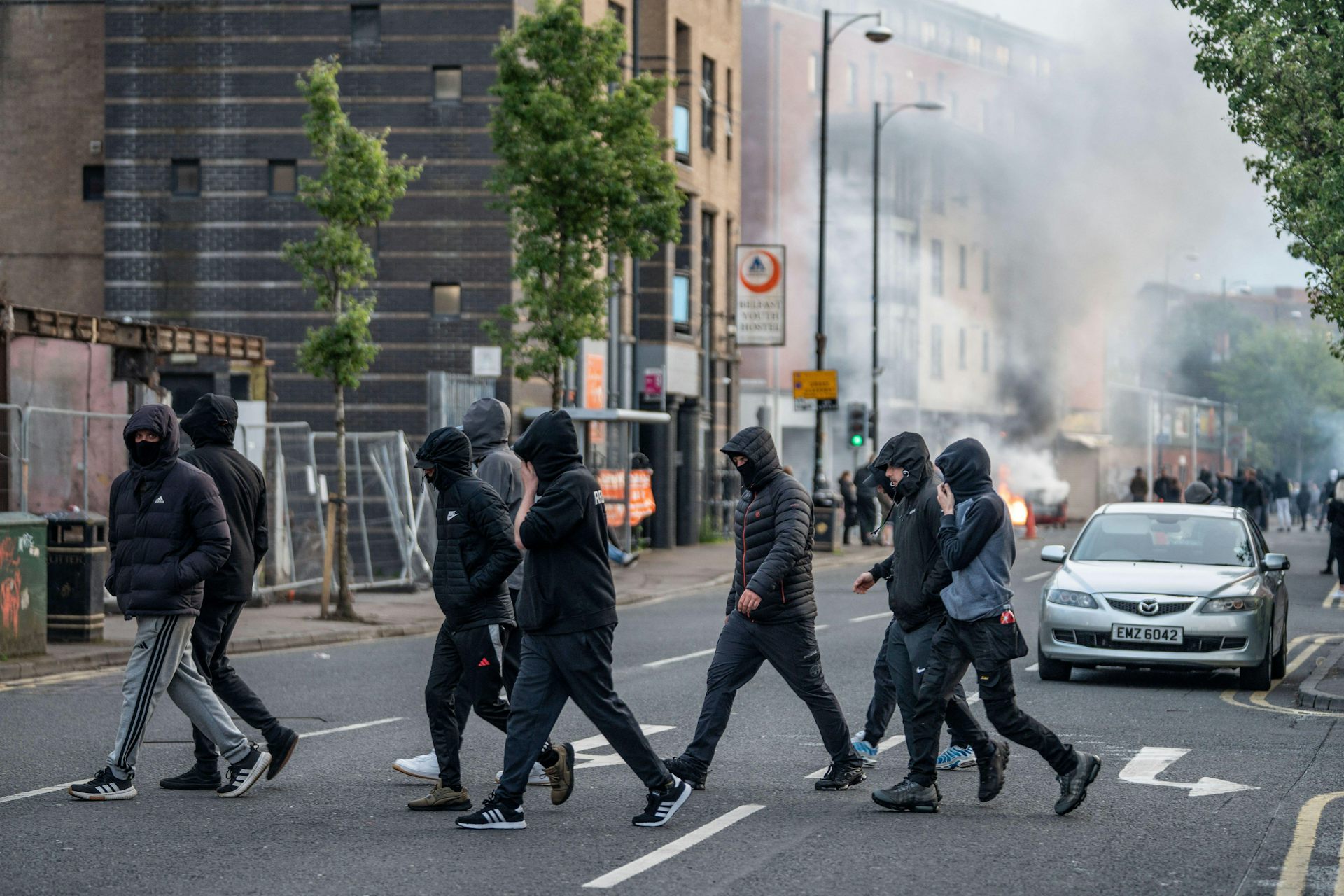
बेलफ़ास्ट में अशांति यह दर्शाती है कि आप्रवासन पर अति-दक्षिणपंथी विचार मुख्यधारा में आने के साथ सोशल मीडिया की शक्ति कितनी अधिक है।
Belfast unrest shows the power of social media as far‑right views on immigration enter the mainstream
-
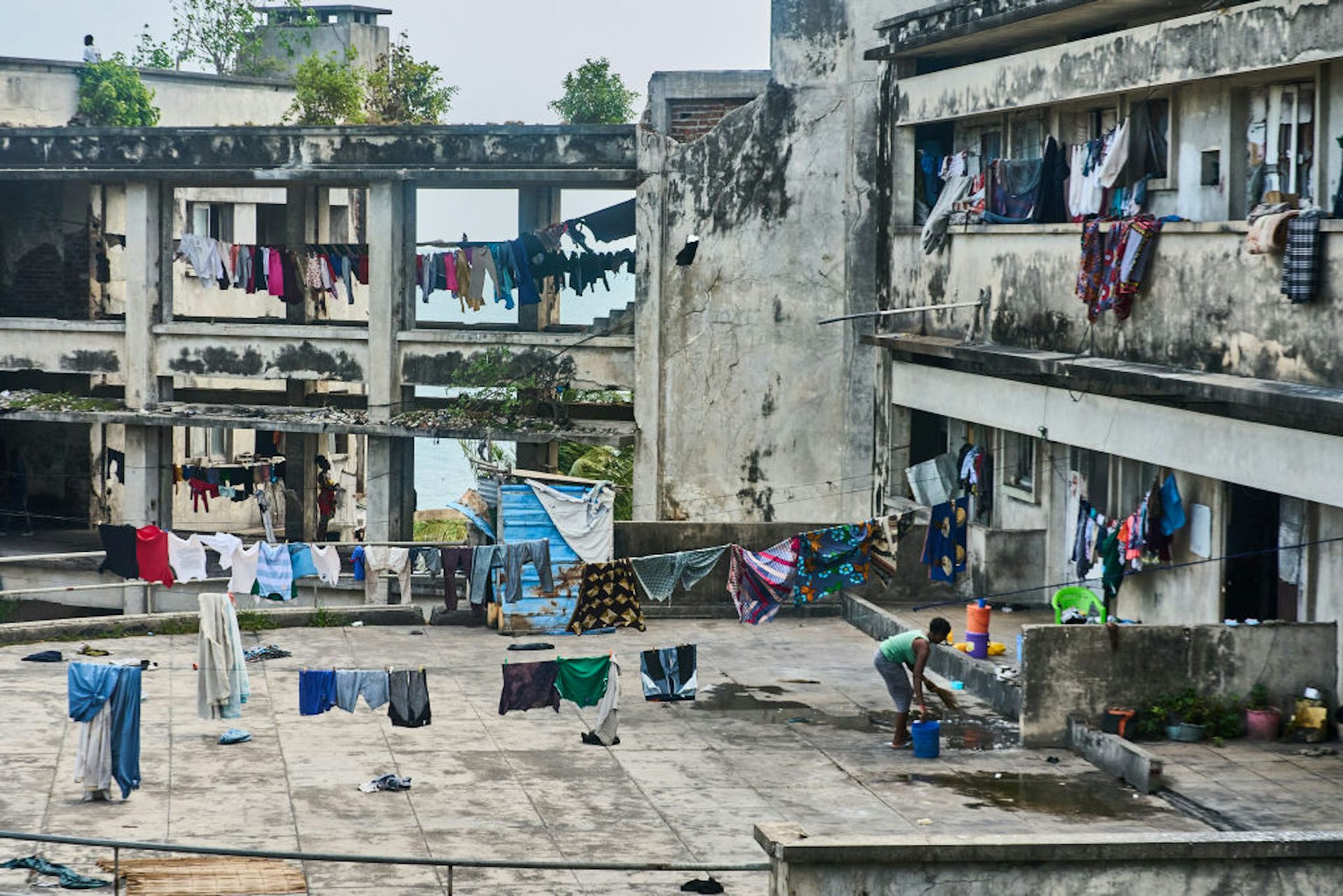
मोज़ाम्बिक की अर्थव्यवस्था विफल हो रही है: वे कठिन नीतिगत विकल्प जो तत्काल बनाने की आवश्यकता हैं
Mozambique’s economy is failing: the tough policy choices that need to be made urgently