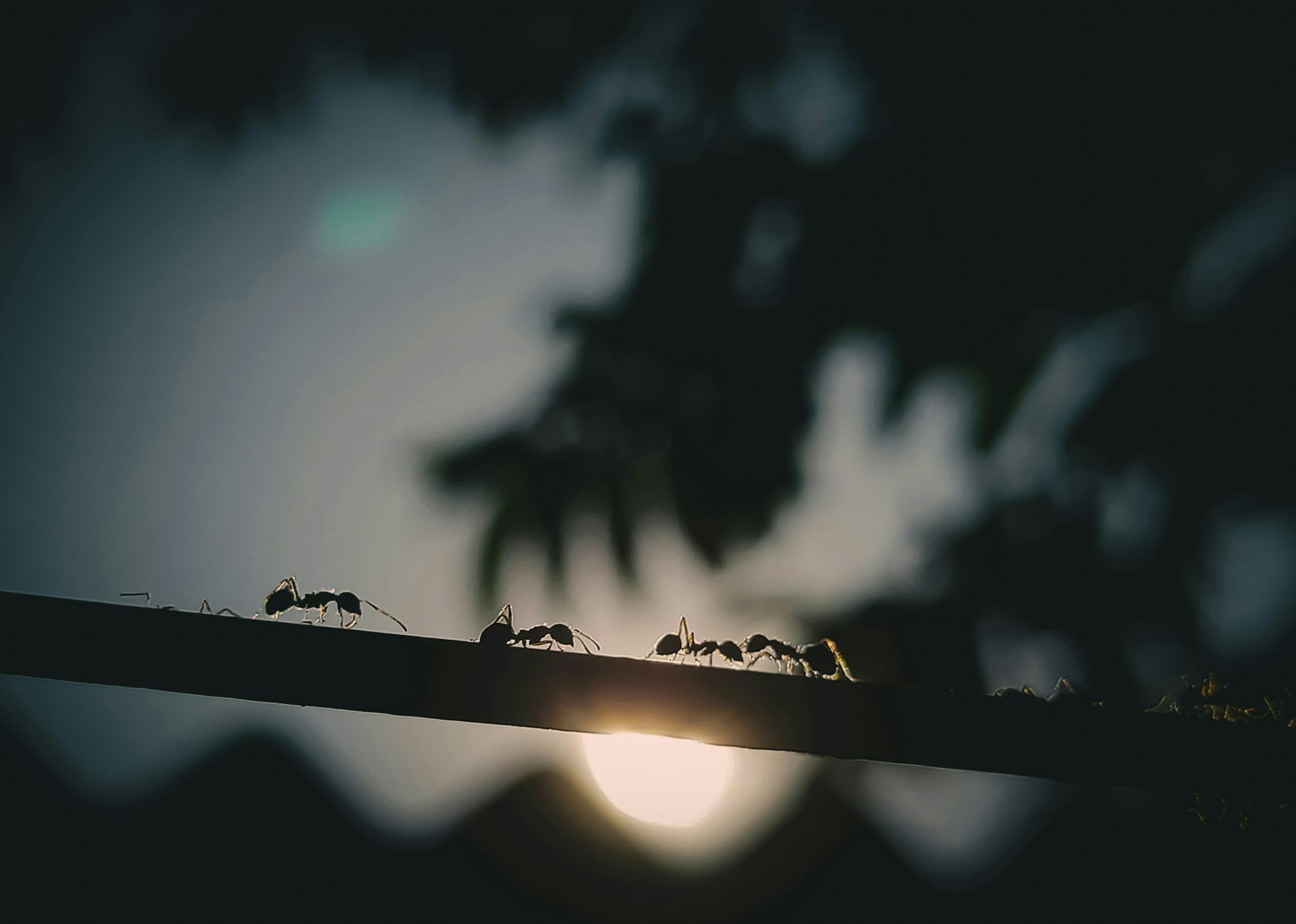
في مستعمرة النمل، الملكة ليست مسؤولة. فمن هي؟
In an ant colony, the queen isn’t in charge. So who is?
In humans, social complexity usually involves clear governance hierarchies, with leaders and middle managers directing our activities. But ants don’t work that way.
في البشر، غالبًا ما ينطوي التعقيد الاجتماعي على تسلسلات هرمية واضحة للحكم، حيث يوجه القادة والمدراء المتوسطون أنشطتنا. لكن النمل لا يعملون بهذه الطريقة.
Imagine trying to build a house without a blueprint, find a shortcut through an unfamiliar city without a map, or govern a large organisation with no leaders and no meetings.
تخيل محاولة بناء منزل بدون مخطط، أو إيجاد طريق مختصر عبر مدينة غير مألوفة بدون خريطة، أو حكم منظمة كبيرة بدون قادة ولا اجتماعات.
It sounds impossible. Yet tiny-brained ants, working without leaders or blueprints, have been solving problems like these for millions of years – and no, the queen isn’t the boss telling them what to do.
يبدو ذلك مستحيلاً. ومع ذلك، فإن النمل ذي العقول الصغيرة، الذي يعمل بدون قادة أو مخططات، كان يحل مثل هذه المشكلات لملايين السنين – ولا، الملكة ليست هي الرئيسة التي تخبرهم بما يجب عليهم فعله.
By almost any measure, ants are a wildly successful group of animals – there’s an estimated 20 quadrillion of them on Earth and they thrive on every continent but Antarctica.
بموجب أي مقياس تقريباً، النمل مجموعة من الحيوانات الناجحة بشكل مذهل – هناك ما يقدر بـ 20 كوادريليون منها على الأرض وتزدهر في كل قارة باستثناء أنتاركتيكا.
How have these minuscule animals managed to take over the world (and our kitchens) ? The answer is teamwork.
كيف تمكنت هذه الحيوانات المتناهية الصغر من السيطرة على العالم (ومطابخنا) ؟ الإجابة هي العمل الجماعي.
Bustling colonies
مستعمرات صاخبة
Ants are social animals that live in colonies ranging from a few individuals to vast continent-spanning supercolonies containing billions of ants.
النمل حيوانات اجتماعية تعيش في مستعمرات تتراوح من عدد قليل من الأفراد إلى مستعمرات عملاقة تمتد عبر القارات وتحتوي على مليارات النمل.
Bustling ant colonies display many of the features we associate with human societies, including:
تُظهر مستعمرات النمل الصاخبة العديد من السمات التي نربطها بالمجتمعات البشرية، بما في ذلك:
transportation networks
شبكات النقل
collective care of the young
الرعاية الجماعية للصغار
food systems (including agriculture in some species)
أنظمة الغذاء (بما في ذلك الزراعة في بعض الأنواع)
health care for injured nestmates.
الرعاية الصحية للزملاء المصابين.
In humans, this level of social complexity usually involves clear governance hierarchies, with leaders and middle managers directing our activities.
في البشر، ينطوي هذا المستوى من التعقيد الاجتماعي عادةً على تسلسلات هرمية واضحة للحوكمة، حيث يوجه القادة والمدراء المتوسطون أنشطتنا.
But ants don’t work that way. So who is in charge in an ant colony?
لكن النمل لا يعمل بهذه الطريقة. فمن هو المسؤول في مستعمرة النمل؟
The answer is simple: no one.
الإجابة بسيطة: لا أحد.
The queen isn’t in charge
الملكة ليست مسؤولة
Ant colonies are a classic example of a self-organised system, where complex behaviour emerges from the combined actions of many ants. Each follow relatively simple rules while communicating and interacting with each other.
تُعد مستعمرات النمل مثالاً كلاسيكياً لنظام منظم ذاتياً، حيث ينبثق السلوك المعقد من الأفعال المشتركة للعديد من النمل. تتبع كل واحدة من النمل قواعد بسيطة نسبياً أثناء التواصل والتفاعل مع بعضها البعض.
The human brain works in a similar way: individual neurons have simple behaviours and cannot think on their own, but together they give rise to the full range of human thought and behaviour.
يعمل الدماغ البشري بطريقة مماثلة: تمتلك الخلايا العصبية الفردية سلوكيات بسيطة ولا يمكنها التفكير بمفردها، ولكن معاً تتيح النطاق الكامل للفكر والسلوك البشري.
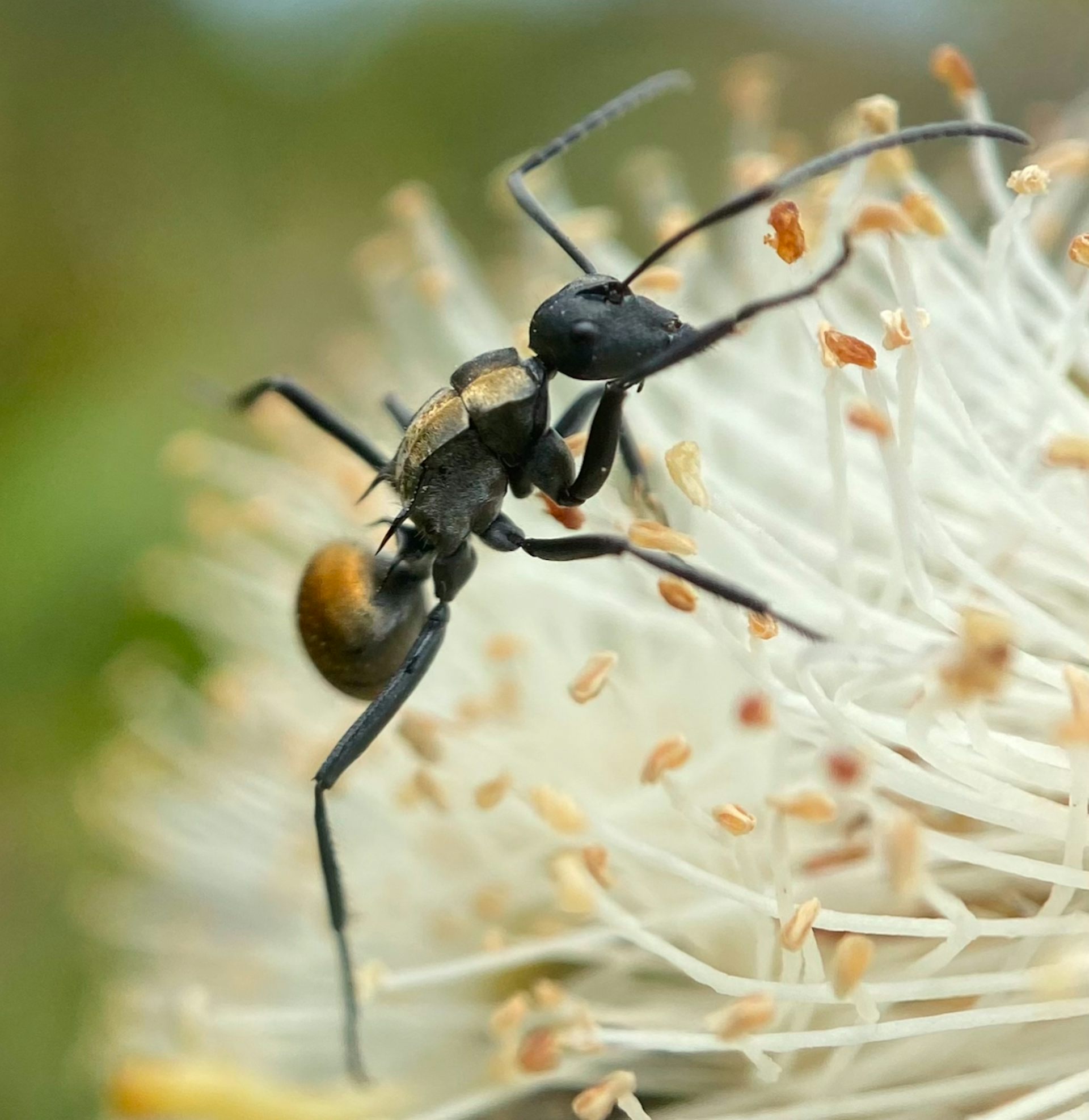
The queen, whom many people assume is in charge, has little involvement in decision-making or leadership.
الملكة، التي يفترض الكثيرون أنها المسؤولة، لديها مشاركة ضئيلة في اتخاذ القرارات أو القيادة.
Instead, her role is to maintain the colony’s workforce by producing new ants.
بدلاً من ذلك، يتمثل دورها في الحفاظ على القوة العاملة للمستعمرة عن طريق إنتاج نمل جديد.
In some ant species, workers will even kill their queens under particular conditions, such as declining productivity!
في بعض أنواع النمل، قد يقتل العمال ملكاتهم حتى في ظل ظروف معينة، مثل انخفاض الإنتاجية!
By working together, ant colonies are capable of complex behaviours and problem-solving skills far exceeding the abilities of an individual ant.
من خلال العمل معاً، تكون مستعمرات النمل قادرة على السلوكيات المعقدة ومهارات حل المشكلات التي تتجاوز قدرات النمل الفردي بكثير.
For example, some ant species run sophisticated transportation networks linking their colony to many food sources.
على سبيل المثال، تدير بعض أنواع النمل شبكات نقل متطورة تربط مستعمرتها بالعديد من مصادر الغذاء.
When a foraging worker finds a good source of food, such as some crumbs in your kitchen, she lays down drops of attractive chemicals called “pheromones” as she walks home.
عندما يجد عامل بحث عن الطعام مصدراً جيداً للطعام، مثل بعض الفتات في مطبخك، فإنه يترك قطرات من المواد الكيميائية الجاذبة تسمى “الفيرومونات” أثناء عودته إلى المنزل.
Other ants in the colony are attracted to the trail, reinforcing it with more pheromones as they go. As a result, the colony can rapidly deploy large numbers of workers to quickly collect food.
تنجذب النمل الأخرى في المستعمرة إلى المسار، وتقويه بمزيد من الفيرومونات أثناء ذهابها. ونتيجة لذلك، يمكن للمستعمرة نشر أعداد كبيرة من العمال بسرعة لجمع الطعام.
While an individual ant is only aware of the foods she herself has visited, the trail network allows the colony as a whole to be “aware” of many foods.
بينما يكون النمل الفردي واعياً فقط بالأطعمة التي زارها بنفسه، تسمح شبكة المسارات للمستعمرة ككل بأن تكون “واعية” بالعديد من الأطعمة.
Should a food source disappear or decline in quality, the colony can quickly refocus its efforts.
إذا اختفى مصدر طعام أو تدهور في جودته، يمكن للمستعمرة أن تعيد تركيز جهودها بسرعة.
Ants can also optimise their trail networks by finding shortcuts.
يمكن للنمل أيضاً تحسين شبكات مساراته عن طريق إيجاد اختصارات.
Since pheromone trails evaporate over time, shorter paths that are traversed more quickly get reinforced more often. Longer paths, by contrast, receive less traffic and get reinforced less often, which in turn causes the pheromone trail to fade and become less attractive.
بما أن مسارات الفيرومونات تتبخر بمرور الوقت، فإن المسارات الأقصر التي يتم اجتيازها بشكل أسرع يتم تعزيزها بشكل متكرر أكثر. في المقابل، تتلقى المسارات الأطول تداخلاً أقل وتُعزز بشكل أقل تكراراً، مما يتسبب بدوره في تلاشي مسار الفيرومونات وتصبح أقل جاذبية.
This simple feedback loop allows the colony to “discover” shorter routes that take less time to traverse while eliminating longer routes.
تسمح حلقة التغذية الراجعة البسيطة هذه للمستعمرة بـ “اكتشاف” مسارات أقصر تستغرق وقتاً أقل لعبورها مع إلغاء المسارات الأطول.
The resulting transportation network can be remarkably efficient.
يمكن أن تكون شبكة النقل الناتجة فعالة بشكل ملحوظ.
Remarkable architects
مهندسون معماريون رائعون
Nest construction is another impressive example of the power of self-organisation.
بناء الأعشاش هو مثال آخر مذهل لقوة التنظيم الذاتي.
Ant nests can be vast and intricately structured, with chambers for raising the young, food storage, and waste.
يمكن أن تكون أعشاش النمل شاسعة ومنظمة بدقة، مع غرف لتربية الصغار، وتخزين الطعام، والنفايات.
Yet no ant has a blueprint for the final nest design, nor is a boss ant in charge of directing construction activities.
ومع ذلك، لا يمتلك أي نمل مخططًا أوليًا لتصميم العش النهائي، ولا يوجد نمل رئيس مسؤول عن توجيه أنشطة البناء.
Instead, ants use simple rules to create their remarkable nest architecture.
بدلاً من ذلك، يستخدم النمل قواعد بسيطة لإنشاء هندسة أعشاشه الرائعة.
For example, in the black garden ant Lasius niger, nest building ants excavate soil and form it into small pellets.
على سبيل المثال، في نمل الحديقة الأسود Lasius niger، تحفر نمل بناء الأعشاش التربة وتشكلها إلى حبيبات صغيرة.
These pellets carry chemical cues making other ants more likely to deposit their own pellets nearby.
تحمل هذه الحبيبات إشارات كيميائية تجعل النمل الآخر أكثر احتمالاً لإيداع حبيباته الخاصة بالقرب منها.
Over time, this leads to the formation of structures such as pillars, walls, and eventually roofs, without any ant understanding the overall design.
مع مرور الوقت، يؤدي هذا إلى تشكيل هياكل مثل الأعمدة والجدران، وفي نهاية المطاف الأسقف، دون أن يفهم أي نمل التصميم العام.
This process, where individuals respond to cues left behind by other individuals, is called “stigmergy” and it underpins the construction of other insect-built structures such as termite mounds and honeycomb.
تسمى هذه العملية، حيث تستجيب الأفراد للإشارات التي يتركها أفراد آخرون، “الاستتباع” (stigmergy) ، وهي تدعم بناء هياكل أخرى مبنية من الحشرات مثل أكوام النمل الأبيض وخلية النحل.
More humans, more problems – but not so for ants
مزيد من البشر، ومزيد من المشكلات – ولكن ليس كذلك بالنسبة للنمل.
The use of simple behavioural rules enables ants to coordinate remarkably effectively as a group.
يُمكّن استخدام القواعد السلوكية البسيطة النمل من التنسيق بفعالية مذهلة كمجموعة.
In a study where groups were tasked with moving a T-shaped object through a tight space, human performance did not improve with group size.
في دراسة كُلِّفَت فيها المجموعات بنقل جسم على شكل حرف T عبر مساحة ضيقة، لم يتحسن الأداء البشري مع زيادة حجم المجموعة.
When participants were instructed not to speak, performance actually declined as groups got bigger.
عندما طُلب من المشاركين عدم التحدث، انخفض الأداء بالفعل مع ازدياد حجم المجموعات.
Similarly, it has long been known that as human group size increases, the performance of individual team members tends to decrease, a phenomenon known as the Ringelmann effect.
وبالمثل، من المعروف منذ فترة طويلة أنه كلما زاد حجم المجموعة البشرية، يميل أداء أعضاء الفريق الأفراد إلى الانخفاض، وهي ظاهرة تُعرف باسم تأثير رينجلمان.
Ants, by contrast, showed the opposite pattern: as group size increased, their performance actually improved.
على النقيض من ذلك، أظهر النمل نمطًا معاكسًا: فمع زيادة حجم المجموعة، تحسن أداؤهم بالفعل.
So next time you see a line of ants marching around your house, resist the urge to spray or whack them away.
لذا في المرة القادمة التي ترى فيها صفًا من النمل يسير حول منزلك، قاوم الرغبة في رشهم أو ضربهم بعيدًا.
Instead, take a moment to appreciate these tiny masters of teamwork.
بدلاً من ذلك، خذ لحظة لتقدير هؤلاء السادة الصغار للعمل الجماعي.
Tanya Latty co-founded and volunteers for conservation organisation Invertebrates Australia, is former president of the Australasian Society for the Study of Animal Behaviour and is on the Education committee for the Australian Entomological Society. She receives funding from the Australian Research Council, NSW Saving our Species, and Agrifutures Australia.
تانيّا لاتّي شاركت في تأسيس ومنتسبة تطوعية لمنظمة الحفاظ على البيئة “حشرات أستراليا”، وهي الرئيسة السابقة للجمعية الأسترالية لدراسة سلوك الحيوان، وهي عضو في لجنة التعليم للجمعية الحشرية الأسترالية. وهي تتلقى تمويلاً من مجلس الأبحاث الأسترالي، و”NSW Saving our Species”، و”Agrifutures Australia.”
Read more
-
في عصر الذكاء الاصطناعي، أصبح الإنتاج الإبداعي البشري ترفاً
In the age of AI, human creative output is becoming a luxury
-
بعد قمة غامضة، تريد الصين والولايات المتحدة العمل معًا مرة أخرى. قد لا يكون هذا خبراً جيداً للعالم.
After an opaque summit, China and the US want to work together again. That might not be good news for the world