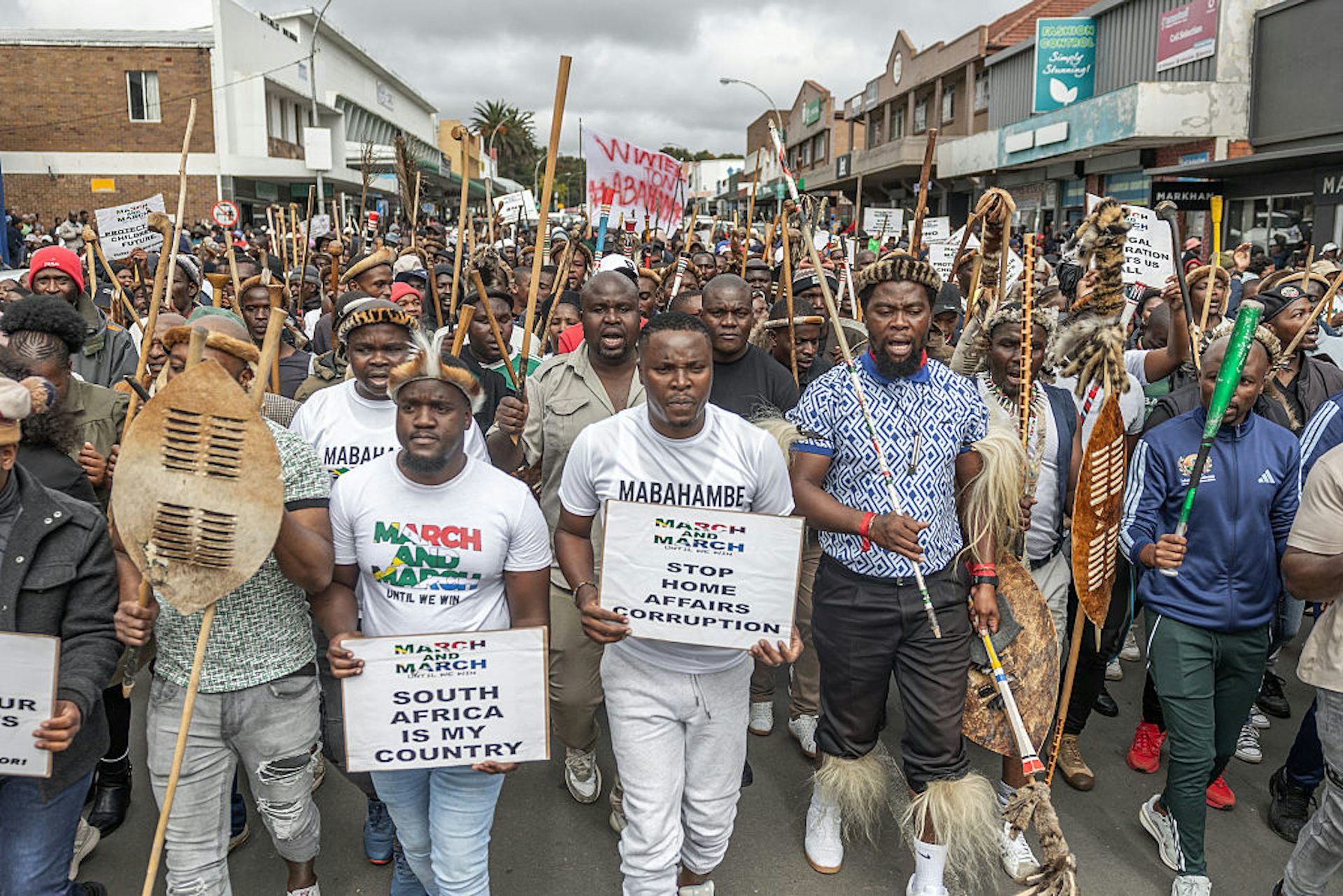
الجنوب أفريقيون أقل تسامحاً مع المهاجرين مما كان عليه في السابق – بؤر ساخنة، ودوافع، وحلول
South Africans are far less tolerant of migrants than before – hotspots, drivers and solutions
Data show that South Africans have become more hostile towards immigrants.
تُظهر البيانات أن الجنوب أفريقيين أصبحوا أكثر عداءً تجاه المهاجرين.
Anti-immigrant marches in several major South African cities (such as Tshwane and Johannesburg) in early May 2026 once again led to questions being asked about xenophobia in post-apartheid South Africa.
أدت مسيرات مناهضة المهاجرين في عدة مدن جنوب أفريقية رئيسية (مثل تشواني وجوهانسبرغ) في أوائل مايو 2026 مرة أخرى إلى طرح تساؤلات حول الرهاب الأجنبي في جنوب أفريقيا ما بعد الفصل العنصري.
In the wake of the protests President Cyril Ramaphosa called on South Africans to embrace solidarity with their African neighbours. For their part, foreign governments lodged their protests while police sought to curtail violence.
في أعقاب الاحتجاجات، دعا الرئيس سيريل رامافوزا مواطني جنوب أفريقيا إلى تبني التضامن مع جيرانهم الأفارقة. من جانبها، قدمت الحكومات الأجنبية احتجاجاتها بينما سعت الشرطة إلى الحد من العنف.
The tension in the country was palpable.
كان التوتر في البلاد ملموساً.
Are the recent outbreaks of anti-immigrant activism a harbinger of a wider uptick in anti-migrant sentiment amongst South Africans? Recent public opinion data from the Human Sciences Research Council (HSRC) suggests that this might be the case.
هل تمثل التفجرات الأخيرة للنشاط المناهض للمهاجرين نذيراً لتصاعد أوسع في المشاعر المعادية للمهاجرين بين مواطني جنوب أفريقيا؟ تشير بيانات الرأي العام الأخيرة الصادرة عن مجلس أبحاث العلوم الإنسانية (HSRC) إلى أن هذا قد يكون هو الحال.
The HSRC’s South African Social Attitudes Survey is an important source of information on what ordinary South Africans think about international migration. The survey series consists of nationally representative, repeated cross-sectional surveys that have been conducted annually by the HSRC since 2003.
يُعد مسح المواقف الاجتماعية لجنوب أفريقيا الصادر عن مجلس أبحاث العلوم الإنسانية مصدراً مهماً للمعلومات حول ما يفكر فيه المواطنون العاديون في جنوب أفريقيا بشأن الهجرة الدولية. تتكون سلسلة المسوحات من مسوحات مقطعية متكررة وممثلة وطنياً، أجراها المجلس سنوياً منذ عام 2003.
The latest data, from the 2025 survey, show that South Africans are more hostile towards immigrants than at any other time before since the survey began in 2003. An important dimension of the change has been an attitudinal shift and hardening of attitudes towards migrants among poorer and working-class adults. In addition, the recent growth of anti-immigrant sentiment has been geographically concentrated in four provinces: Mpumalanga, Gauteng, Limpopo and KwaZulu-Natal.
تُظهر أحدث البيانات، من مسح عام 2025، أن مواطني جنوب أفريقيا أكثر عداءً للمهاجرين مما كانوا عليه في أي وقت مضى منذ بدء المسح في عام 2003. كان أحد الأبعاد المهمة لهذا التغيير هو التحول وتصلب المواقف تجاه المهاجرين بين البالغين من الطبقات الفقيرة والعمالية. بالإضافة إلى ذلك، تركز النمو الأخير للمشاعر المناهضة للمهاجرين جغرافيًا في أربع مقاطعات: مبومالانجا، وغاونتينغ، وليمبوبو، وكوازولو ناتال.
The rise in anti-immigrant sentiment is particularly concerning given that the country is due to hold local government elections on 4 November 2026. Aspirant political parties, in an attempt to maintain or gain power, may seek to exploit anti-immigrant sentiment for their own ends. In this way elections can provide a potential accelerant for xenophobia.
يثير الارتفاع في المشاعر المناهضة للمهاجرين قلقاً خاصاً نظراً لأن البلاد من المقرر أن تعقد انتخابات حكومة محلية في 4 نوفمبر 2026. قد تسعى الأحزاب السياسية الطموحة، في محاولة للحفاظ على السلطة أو كسبها، إلى استغلال المشاعر المناهضة للمهاجرين لتحقيق مصالحها الخاصة. وبهذه الطريقة، يمكن أن توفر الانتخابات مُسرِّعاً محتملاً للرهاب الأجنبي.
Growing hostility may even provoke xenophobic violence in a country that has a long history of collective anti-immigrant hate crime. and is home to more than two million international migrants.
قد تؤدي العداوة المتزايدة حتى إلى استفزاز عنف رهابي أجنبي في بلد لديه تاريخ طويل من جرائم الكراهية الجماعية المناهضة للمهاجرين، ويضم أكثر من مليوني مهاجر دولي.
Declining Hospitality
تراجع الترحيب
South African Social Attitudes Survey has included the following in its questionnaire since 2003:
أدرج مسح المواقف الاجتماعية في جنوب أفريقيا ما يلي في استبيانه منذ عام 2003:
Please indicate which of the following statements applies to you? I generally welcome to South Africa… (i) All immigrants; (ii) Some immigrants; (iii) No immigrants; and (iv) Uncertain.
يرجى تحديد أي من العبارات التالية تنطبق عليك؟ أنا عموماً أرحب بـ جنوب أفريقيا… (أولاً) جميع المهاجرين؛ (ثانياً) بعض المهاجرين؛ (ثالثاً) لا مهاجرين؛ و (رابعاً) غير متأكد.
In 2003 about a third (34%) of the South African adult population said that they would welcome all immigrants. The remainder indicated that they would accept either none (32%) or some (35%) .
في عام 2003، قال حوالي ثلث (34%) من البالغين في جنوب أفريقيا إنهم سيرحبون بجميع المهاجرين. وأشار الباقون إلى أنهم سيقبلون إما لا أحد (32%) أو بعضهم (35%) .
The proportion of the public that would be prepared to welcome foreigners tended to fluctuate within a narrow band over the 2003-2017 period.
كان من المعتاد أن يتذبذب معدل الجمهور المستعد للترحيب بالأجانب ضمن نطاق ضيق خلال الفترة من 2003 إلى 2017.
But around the time of the COVID-19 pandemic in early 2020, the research data began to show an upswing in anti-immigrant sentiment.
ولكن حوالي وقت جائحة كوفيد-19 في أوائل عام 2020، بدأت بيانات البحث تظهر ارتفاعاً في المشاعر المعادية للمهاجرين.
About a quarter (26%) of those surveyed said that they would welcome all immigrants during the 2021 survey round. This was similar to figures in the mid-2010s.
قال حوالي ربع (26%) ممن شملهم الاستطلاع إنهم سيرحبون بجميع المهاجرين خلال جولة المسح لعام 2021. وكان هذا مشابهاً للأرقام في منتصف العقد الثاني من القرن الحادي والعشرين.
But the share that held this hospitable attitude fell in subsequent survey rounds. In 2025 15% of adults said that they would welcome all foreigners.
لكن الحصة التي احتفظت بهذا الموقف الترحيبي انخفضت في جولات المسح اللاحقة. ففي عام 2025، قال 15% من البالغين إنهم سيرحبون بجميع الأجانب.
Conversely, the proportion of the public adopting a hostile position (in other words ‘welcome no immigrants’) increased from 30% in 2021 to 42% in 2025.
وعلى النقيض من ذلك، زادت نسبة الجمهور الذي تبنى موقفاً معادياً (بعبارة أخرى “لا يرحب بالمهاجرين”) من 30% في عام 2021 إلى 42% في عام 2025.
Geography and class
الجغرافيا والطبقة
The provinces with the highest growth in anti-immigrant sentiment – Mpumalanga, Gauteng, Limpopo and KwaZulu-Natal – are ones through which most immigrants travel and often settle.
المقاطعات التي شهدت أعلى نمو في المشاعر المعادية للمهاجرين – مبومالانجا، وغاونتينغ، وليمبوبو، وكوازولو ناتال – هي المقاطعات التي يسافر عبرها ويستقر فيها معظم المهاجرين.
The situation has become particularly delicate in KwaZulu-Natal. The share of adults in the province who said that they would welcome no immigrants grew from 23% in 2021 to 45% in 2023 and then again to 60% in 2025.
أصبح الوضع دقيقاً بشكل خاص في كوازولو ناتال. ارتفعت نسبة البالغين في المقاطعة الذين قالوا إنهم لن يرحبوا بأي مهاجرين من 23% في عام 2021 إلى 45% في عام 2023، ثم إلى 60% مرة أخرى في عام 2025.
The upsurge in hostility in KwaZulu-Natal could be linked to growing popular anger against the current economic and political status quo. A staggering 88% of provincial residents are unhappy with present economic conditions, and an equal proportion expect conditions to worsen over the next five years.
يمكن ربط تصاعد العداء في كوازولو ناتال بالغضب الشعبي المتزايد ضد الوضع الاقتصادي والسياسي الراهن. يشعر 88% مذهل من سكان المقاطعة بعدم الرضا عن الظروف الاقتصادية الحالية، وتتوقع نسبة مساوية تفاقم هذه الظروف على مدى السنوات الخمس المقبلة.
The notable attitudinal shift among poor people is also concerning.
كما أن التحول الملحوظ في المواقف بين الفقراء مقلق أيضاً.
South Africa is a highly unequal nation characterised by stark economic divisions. Most citizens can be found on the wrong side of these divides and could be classified as economically disadvantaged.
جنوب أفريقيا هي أمة شديدة عدم المساواة وتتميز بانقسامات اقتصادية صارخة. يمكن العثور على معظم المواطنين في الجانب الخاطئ من هذه الانقسامات ويمكن تصنيفهم على أنهم محرومون اقتصادياً.
Historically, as research has shown, anti-immigrant sentiment in the country tended to cut across class divisions. But in the years following the COVID-19 pandemic, something changed.
تاريخياً، وكما أظهر البحث، كان الميل المعادي للمهاجرين في البلاد يميل إلى تجاوز الانقسامات الطبقية. ولكن في السنوات التي تلت جائحة كوفيد-19، تغير شيء ما.
Before the pandemic, South African Social Attitudes Survey data showed a linear relationship between economic disadvantage and anti-immigrant sentiment. In the years following the pandemic, however, a clear pattern emerged. As the lockdowns ended and the post-pandemic recovery began, most socioeconomic groups in South Africa became more and more hostile towards immigrants. But antipathy grew at a much more aggressive rate for the low and lower middle socioeconomic groups.
قبل الجائحة، أظهرت بيانات مسح المواقف الاجتماعية في جنوب أفريقيا علاقة خطية بين الحرمان الاقتصادي والمشاعر المعادية للمهاجرين. أما في السنوات التي تلت الجائحة، فقد ظهر نمط واضح. فمع انتهاء الإغلاقات وبدء التعافي بعد الجائحة، أصبحت معظم الفئات الاجتماعية والاقتصادية في جنوب أفريقيا أكثر عدائية تجاه المهاجرين. لكن الكراهية نمت بمعدل أكثر عدوانية بكثير بالنسبة للفئات الاجتماعية والاقتصادية المنخفضة والمنخفضة الأدنى.
During the 2025 survey round, adults in these groups were much more hostile towards foreigners than those in the upper middle and high socio-economic groups.
خلال جولة المسح لعام 2025، كان البالغون في هذه الفئات أكثر عداءً للأجانب بكثير من أولئك الذين ينتمون إلى الفئات الاجتماعية والاقتصادية المتوسطة العليا والعالية.
The drivers
الدوافع
What could have caused the economically disadvantaged to become more antagonistic towards immigrants over the last five years or so?
ما الذي يمكن أن يكون قد جعل المحرومين اقتصاديًا أكثر عداءً تجاه المهاجرين خلال السنوات الخمس الماضية تقريباً؟
It could be argued that the poor have become more likely to scapegoat foreigners for the failures and inequalities of the post-pandemic economic recovery. Poor people have been badly affected by a cost of living crisis and persistent deindustrialisation. They need someone to blame and foreigners have long provided a handy scapegoat.
يمكن القول إن الفقراء أصبحوا أكثر عرضة لتوجيه لوم كبش فداء للأجانب بسبب إخفاقات وتفاوتات التعافي الاقتصادي بعد الجائحة. لقد تأثر الفقراء بشدة بأزمة تكاليف المعيشة والتصنيع المتراجع المستمر. إنهم بحاجة إلى شخص يلومونه، وقد وفر الأجانب منذ فترة طويلة كبش فداء جاهزاً.
The South African economy has struggled in the last few years, dealing with doggedly high unemployment. The country also has notoriously high crime rates. Such problems, as experts have argued again and again, cannot be directly laid at the feet of immigrants living in the country. But it would appear that they are getting blamed anyway.
عانت اقتصاد جنوب أفريقيا في السنوات القليلة الماضية، وتعاملت مع معدلات بطالة مرتفعة بشكل عنيد. كما أن البلاد لديها معدلات جريمة عالية ومعروفة بها. مثل هذه المشاكل، كما جادل الخبراء مراراً وتكراراً، لا يمكن أن تُلقى مباشرة على عاتق المهاجرين الذين يعيشون في البلاد. ولكن يبدو أنهم يُلامون على أي حال.
What should be done?
ما الذي يجب القيام به؟
The South African government has a National Action Plan to Combat Racism, Racial Discrimination, Xenophobia and Related Intolerance.
لدى الحكومة الجنوب أفريقية خطة عمل وطنية لمكافحة العنصرية والتمييز العنصري والرهاب الأجنبي وعدم التسامح ذي الصلة.
Implemented in March 2019, one of its goals was to reduce public hostility towards migrants. Clearly, whether because of a lack of resources or government coordination, the plan has not succeeded.
تم تنفيذ الخطة في مارس/آذار 2019، وكان أحد أهدافها هو الحد من العداء العام تجاه المهاجرين. ومن الواضح أن الخطة لم تنجح، سواء بسبب نقص الموارد أو التنسيق الحكومي.
The country needs to reinvigorate it and its associated processes. What’s needed is political, civic and community leaders to address legitimate socio-economic grievances without allowing immigrants to become scapegoats for deeper structural failures in society.
تحتاج البلاد إلى إعادة تنشيط الخطة والعمليات المرتبطة بها. ما هو مطلوب هو أن يتولى القادة السياسيون والمواطنون والمجتمعيون معالجة المظالم الاجتماعية والاقتصادية المشروعة دون السماح للمهاجرين بأن يصبحوا كبش فداء لإخفاقات هيكلية أعمق في المجتمع.
Efforts to strengthen social cohesion, improve economic inclusion, enhance public trust in governance and promote responsible political leadership are also crucial.
كما أن الجهود المبذولة لتعزيز التماسك الاجتماعي، وتحسين الاندماج الاقتصادي، وتعزيز ثقة الجمهور في الحوكمة، وتشجيع القيادة السياسية المسؤولة، أمر بالغ الأهمية.
Well-provisioned and effective anti-xenophobia strategies are urgently required to address the worsening situation. The alternative is to allow hatred to flourish.
هناك حاجة ماسة إلى استراتيجيات فعالة ومُعدّة جيداً لمكافحة الرهاب الأجنبي لمعالجة الوضع المتدهور. البديل هو السماح للكراهية بالازدهار.
Steven Gordon has received funding from South Africa’s National Research Foundation. He is affiliated with the University of Johannesburg.
حصل ستيفن غوردون على تمويل من المؤسسة الوطنية للبحوث في جنوب أفريقيا. وهو منتسب إلى جامعة جوهانسبرغ.
Read more
-
الاستعمار الرقمي للسكان الأصليين: كيف يؤثر الإنترنت على حياة الشعوب الأصلية في الأمازون
Indigenous digital colonisation: How the internet is affecting the lives of Indigenous peoples in the Amazon
-
التمرد البلوشي: القنابل الانتحارية وتصاعد العنف يهددان الأمن الإقليمي وباكستان
Baloch insurgency: Suicide bombs and uptick in violence threaten Pakistan, regional security