ما هي طريقة جنون إيران؟ إغلاق مضيق هرمز يتردد صداه في مسرحية دنماركية قديمة تعود لقرون مضت – وهو مأساة للنظام العالمي.
The method in Iran’s madness? Closure of Strait of Hormuz echoes a centuries-old Danish play − and is a tragedy for the world order
Iran’s decision to levy tolls on ships passing through the crucial choke hold has an unlikely connection to the site of Shakespeare’s ‘Hamlet.’
قرار إيران فرض رسوم على السفن التي تمر عبر الممر الحرج يمتلك صلة غير متوقعة بموقع مسرحية شكسبير “هاملت”.
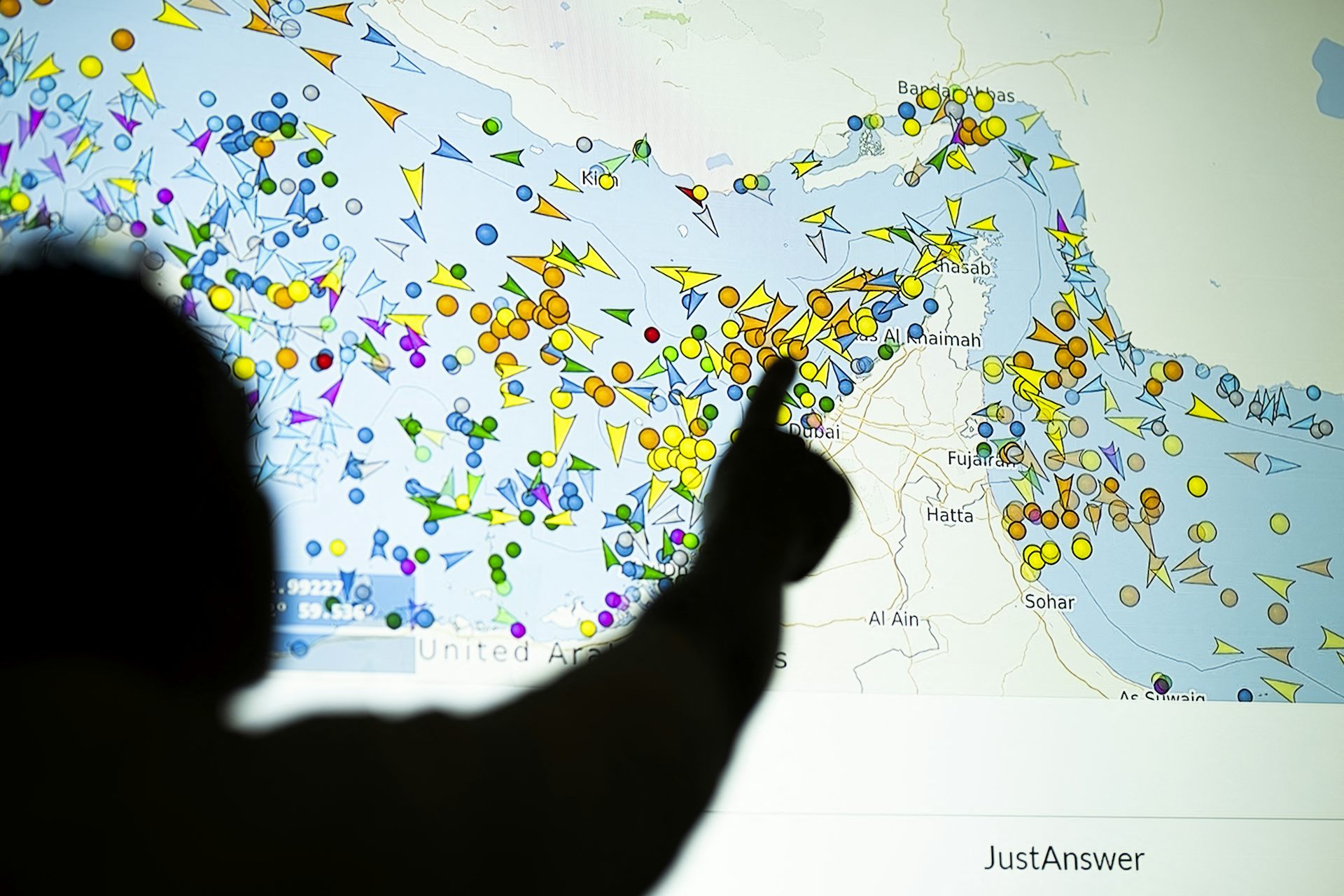
More than two months into the war in Iran, navigation through the Strait of Hormuz – the key waterway through which more than a third of the international trade in oil and gas passes – remains perilous and uncertain. Underscoring the uncertainty, on May 3, 2026, the Trump administration launched Project Freedom to help stranded ships through the strait. Yet the next day, at least two ships came under fire from Iran.
بعد مرور أكثر من شهرين على الحرب في إيران، لا يزال الإبحار عبر مضيق هرمز – الممر المائي الرئيسي الذي يمر عبره أكثر من ثلث التجارة الدولية في النفط والغاز – محفوفاً بالمخاطر وغير مؤكد. وفي تأكيد لهذا الغموض، أطلقت إدارة ترامب في 3 مايو 2026 “مشروع الحرية” لمساعدة السفن العالقة في المضيق. ومع ذلك، في اليوم التالي، تعرضت سفن على الأقل اثنتان لإطلاق النار من إيران.
Iran began blocking the strait to navigation on Feb. 28, after the United States and Israel launched a military campaign against the country. By mid-March, Tehran was demanding tolls of up to US$2 million per vessel. In response, the U.S. imposed what President Donald Trump declared to be a “complete” maritime blockade on Iran and subsequently threatened punishing economic sanctions on any entity that pays Iran’s tolls.
بدأت إيران في إغلاق المضيق أمام الملاحة في 28 فبراير، بعد أن شنت الولايات المتحدة وإسرائيل حملة عسكرية ضد البلاد. وبحلول منتصف مارس، كانت طهران تطالب بفرض رسوم تصل إلى مليوني دولار أمريكي لكل سفينة. وردت الولايات المتحدة بفرض ما أعلنه الرئيس دونالد ترامب حظراً بحرياً “كاملاً” على إيران، وهددت لاحقاً بفرض عقوبات اقتصادية عقابية على أي كيان يدفع رسوم إيران.
Following Iran’s lead, other nations are now contemplating using their own leverage over crucial choke points closer to their shores. Indonesia floated a proposal to charge tolls on vessels transiting the Strait of Malacca, before walking it back. China has also issued warnings against foreign military vessels transiting the Taiwan Strait.
وعلى خطى إيران، بدأت دول أخرى بالتفكير في استخدام نفوذها الخاص على نقاط الاختناق الحيوية الأقرب إلى سواحلها. فقد طرحت إندونيسيا مقترحاً لفرض رسوم على السفن العابرة لمضيق ملقا، قبل أن تتراجع عنه. كما أصدرت الصين تحذيرات ضد السفن العسكرية الأجنبية التي تعبر مضيق تايوان.
These events have prompted commentators to warn of the end of a golden era of navigational freedom that the U.S. has underwritten for more than a century. But as an expert on international law, I know that attempts by nations to weaponize their leverage over crucial geographic choke points at sea and on land are nothing new. In fact, they go back at least six centuries.
وقد دفعت هذه الأحداث المعلقين للتحذير من نهاية حقبة ذهبية من الحرية الملاحية التي دعمتها الولايات المتحدة لأكثر من قرن. ولكن بصفتي خبيراً في القانون الدولي، أعلم أن محاولات الدول لتسليح نفوذها على نقاط الاختناق الجغرافية الحيوية في البحار واليابسة ليست شيئاً جديداً. في الواقع، تعود هذه المحاولات إلى ما لا يقل عن ستة قرون.
The Danish roots of sea tolls
الجذور الدنماركية لرسوم المضيق
From the early 15th century until 1857, Denmark required ships passing through the narrow straits connecting the North Sea to the Baltic Sea to stop at the port city of Helsingør — or Elsinore, as Shakespeare styled it in “Hamlet” — and pay a toll before proceeding.
منذ أوائل القرن الخامس عشر وحتى عام 1857، كانت الدنمارك تُلزم السفن التي تعبر المضايق الضيقة التي تربط بحر الشمال بالبحر البلطي بالتوقف في مدينة ميناء هيلسينغور — أو إلسينور، كما وصفها شكسبير في مسرحية “هاملت” — ودفع رسوم قبل المتابعة.
At their peak, these Sound Dues generated nearly 10% of Danish national revenues. The Sound Dues rankled the maritime powers of the day, but Denmark could easily enforce them thanks to the narrowness of the Øresund Strait, which is less than 3 miles wide at Helsingør.
في أوجها، ولّدت رسوم المضيق هذه ما يقرب من 10% من الإيرادات الوطنية الدنماركية. أثارت رسوم المضيق استياء القوى البحرية في ذلك الوقت، لكن الدنمارك تمكنت من فرضها بسهولة بفضل ضيق مضيق أوريسوند، الذي يقل عرضه عن 3 أميال في هيلسينغور.
Ultimately, they were ended not through war but through diplomacy, led in large part by a rising maritime power with a strong interest in open sea-lanes: the United States.
في نهاية المطاف، لم يتم إنهاؤها بالحرب بل بالدبلوماسية، بقيادة قوة بحرية صاعدة لديها اهتمام قوي بالممرات المائية المفتوحة: الولايات المتحدة.
Seeking to increase its trade with Prussia, in 1843 the administration of President John Tyler advised Denmark of the United States’ refusal to pay the Sound Dues because they lacked any basis in international law. Rumors swirled that the U.S. was willing to back up its refusal to pay with force.
سعيًا لزيادة تجارتها مع بروسيا، نصحت إدارة الرئيس جون تايلر الدنمارك في عام 1843 برفض الولايات المتحدة دفع رسوم المضيق لافتقارها إلى أي أساس في القانون الدولي. انتشرت شائعات بأن الولايات المتحدة مستعدة لدعم رفضها بالقوة.
After years of uncertainty, the fate of the Sound Dues was resolved by the Copenhagen Convention of 1857. Denmark agreed to abolish the tolls forever in exchange for a one-time, lump-sum payment from the major trading nations. The principle of free navigation of the world’s oceans has largely prevailed since then, in part as a result of subsequent U.S. efforts to exercise these freedoms against those who would restrict them.
بعد سنوات من عدم اليقين، تم حل مصير رسوم المضيق بموجب اتفاقية كوبنهاغن لعام 1857. وافقت الدنمارك على إلغاء الرسوم إلى الأبد مقابل دفعة واحدة لمرة واحدة من الدول التجارية الكبرى. ومنذ ذلك الحين، ساد مبدأ الملاحة الحرة للمحيطات العالمية إلى حد كبير، جزئيًا نتيجة لجهود الولايات المتحدة اللاحقة لممارسة هذه الحريات ضد أولئك الذين يرغبون في تقييدها.
How the law developed
كيف تطور القانون
The Danish settlement reflected a broader body of law – the law of transit – that had been evolving alongside an international system of sovereign states for centuries.
عكس التسوية الدنماركية مجموعة أوسع من القانون – قانون العبور – الذي كان يتطور جنباً إلى جنب مع نظام دولي من الدول ذات السيادة لقرون.
Its core principle is that when convenience dictates or necessity requires, a country must allow the people, goods and vessels of other nations to pass through its territory for a journey that begins and ends elsewhere. The principle has deep roots in American and international legal history: Thomas Jefferson invoked it when negotiating with Spain, which then controlled Louisiana, to secure the United States’ right to navigate the Mississippi River.
مبدأه الأساسي هو أنه عندما تقتضي الملاءمة أو تتطلب الضرورة، يجب على دولة أن تسمح لشعوب وبضائع وسفن الدول الأخرى بالمرور عبر أراضيها في رحلة تبدأ وتنتهي في مكان آخر. لهذا المبدأ جذور عميقة في التاريخ القانوني الأمريكي والدولي: فقد استشهد به توماس جيفرسون عند التفاوض مع إسبانيا، التي كانت تسيطر آنذاك على لويزيانا، لتأمين حق الولايات المتحدة في الملاحة في نهر المسيسيبي.
Free transit guarantees have been a feature of every major international order since the Congress of Vienna ended the Napoleonic wars in 1815. Yet in each case, those guarantees have come under pressure as the order that produced them weakened.
كانت ضمانات العبور الحرة سمة مميزة لكل نظام دولي رئيسي منذ أن أنهى مؤتمر فيينا الحروب النابليونية عام 1815. ومع ذلك، في كل حالة، تعرضت هذه الضمانات للضغط مع ضعف النظام الذي أنتجها.
Before World War I, restrictions on transit rights multiplied across Europe. The League of Nations, a precursor to today’s United Nations, made strengthening transit rights its first priority in the 1920s. But these arrangements fell apart as fascism rose across Europe and Asia and regimes from Nazi Germany to Imperial Japan denounced their international legal obligations.
قبل الحرب العالمية الأولى، تضاعفت القيود على حقوق العبور في جميع أنحاء أوروبا. وقامت عصبة الأمم، التي كانت سابقة للأمم المتحدة اليوم، بجعل تعزيز حقوق العبور أولويتها القصوى في عشرينيات القرن الماضي. لكن هذه الترتيبات انهارت مع صعود الفاشية في أوروبا وآسيا، وأدانت الأنظمة، من ألمانيا النازية إلى اليابان الإمبراطورية، التزاماتها القانونية الدولية.
The post-World War II order reaffirmed transit rights – through the law of the sea, trade agreements and the laws governing civil aviation – and for decades they held.
أعاد النظام الذي أعقب الحرب العالمية الثانية تأكيد حقوق العبور – من خلال قانون البحار، واتفاقيات التجارة، والقوانين التي تحكم الطيران المدني – وظلت سارية لعقود.
The International Court of Justice clarified the governing legal principle for international straits in its very first case, decided in 1949: Any body of water useful to international navigation between two open seas is open to the vessels of all nations.
أوضحت محكمة العدل الدولية المبدأ القانوني الحاكم للمضايق الدولية في قضيتها الأولى، التي صدر فيها حكم عام 1949: أي مسطح مائي مفيد للملاحة الدولية بين بحرين مفتوحين هو مفتوح لسفن جميع الدول.
The U.N. Convention on the Law of the Sea, concluded in 1982, reaffirmed this rule in holding that countries may not charge tolls on vessels passing through straits within their waters. Although neither Iran nor the U.S. has ratified the convention, the U.S. accepts its provisions on navigational freedom as binding on all countries.
أعاد اتفاقية الأمم المتحدة لقانون البحار، التي وُقعت عام 1982، تأكيد هذه القاعدة بالقول إنه لا يجوز للدول فرض رسوم على السفن التي تمر عبر المضايق الواقعة ضمن مياهها. وعلى الرغم من أن إيران والولايات المتحدة لم تصادقا على الاتفاقية، إلا أن الولايات المتحدة تقبل أحكامها المتعلقة بحرية الملاحة ملزمة لجميع الدول.
Iran’s levying of tolls in the Strait of Hormuz violates the core legal principle that nations may not exploit advantages of geography to bilk foreigners who need to traverse their land or maritime territory. Yet the American and Israeli military campaign that provoked Iran’s response likewise violates the U.N. Charter’s rules on the use of force.
إن فرض إيران للرسوم في مضيق هرمز ينتهك المبدأ القانوني الأساسي الذي ينص على أنه لا يجوز للدول استغلال مزايا الجغرافيا للاحتيال على الأجانب الذين يحتاجون إلى عبور أراضيها أو مياهها البحرية. ومع ذلك، فإن الحملة العسكرية الأمريكية والإسرائيلية التي أثارت رد فعل إيران تنتهك بالمثل قواعد ميثاق الأمم المتحدة بشأن استخدام القوة.
Such issues are not just limited to the Strait of Hormuz. Indeed, trade law, security commitments and the norms against the unilateral redrawing of borders are all under strain.
هذه القضايا لا تقتصر على مضيق هرمز فحسب. في الواقع، تخضع قوانين التجارة، والالتزامات الأمنية، والمعايير المتعلقة بإعادة رسم الحدود أحادية الجانب لضغوط.
Seen in this larger context, China’s warnings against military passage through the Taiwan Strait and Indonesia’s trial balloon over the Malacca Strait are not isolated provocations. They are symptoms of the same underlying condition: an international order losing the shared commitment that has often made its rules enforceable.
بالنظر إلى هذا السياق الأوسع، فإن تحذيرات الصين من المرور العسكري عبر مضيق تايوان، وتجربة إندونيسيا الاستكشافية فوق مضيق ملقا، ليست استفزازات معزولة. إنها أعراض لنفس الظرف الأساسي: نظام دولي يفقد الالتزام المشترك الذي جعل قواعده قابلة للتنفيذ في كثير من الأحيان.
In January 2026, Trump told The New York Times that he did not need international law and that his own moral judgment was the only constraint on American foreign policy. Around the same time, Canadian Prime Minister Mark Carney warned that the American-led international order was “fading.”
في يناير 2026، قال ترامب لصحيفة نيويورك تايمز إنه لا يحتاج إلى القانون الدولي وأن حكمه الأخلاقي الخاص هو القيد الوحيد على السياسة الخارجية الأمريكية. وفي الوقت نفسه تقريباً، حذر رئيس الوزراء الكندي مارك كارني من أن النظام الدولي الذي تقوده الولايات المتحدة “يتلاشى.”
The Strait of Hormuz is where those trend lines are now colliding – to the detriment of billions of people around the world, and to the idea of an international order based on law rather than the naked exercise of power.
يعد مضيق هرمز هو المكان الذي تتصادم فيه خطوط الاتجاه هذه الآن – بما يضر بمليارات البشر حول العالم، وبفكرة النظام الدولي القائم على القانون بدلاً من الممارسة العارية للقوة.
Vivek Krishnamurthy does not work for, consult, own shares in or receive funding from any company or organization that would benefit from this article, and has disclosed no relevant affiliations beyond their academic appointment.
لا يعمل فيفيك كريشنمورثي لدى، ولا يمتلك حصصاً في، ولا يتلقى تمويلاً من أي شركة أو منظمة يمكن أن تستفيد من هذه المقالة، ولم يفصح عن أي انتماءات ذات صلة تتجاوز منصبه الأكاديمي.
Read more
-
أفضل ستة تكييفات لشكسبير ليست باللغة الإنجليزية
The six best Shakespeare adaptations that aren’t in English
-
يأتي اتهام الولايات المتحدة لراؤول كاسترو وسط تاريخ طويل من العدوان الأمريكي على كوبا
US indictment of Raúl Castro comes amid a long history of American aggression against Cuba