غزة: تركت ستة أشهر من وقف إطلاق النار المنطقة في الأنقاض ورؤية ضئيلة لمستقبل شعبها
Gaza: six months of ceasefire have left the territory in rubble and little vision for the future of its people
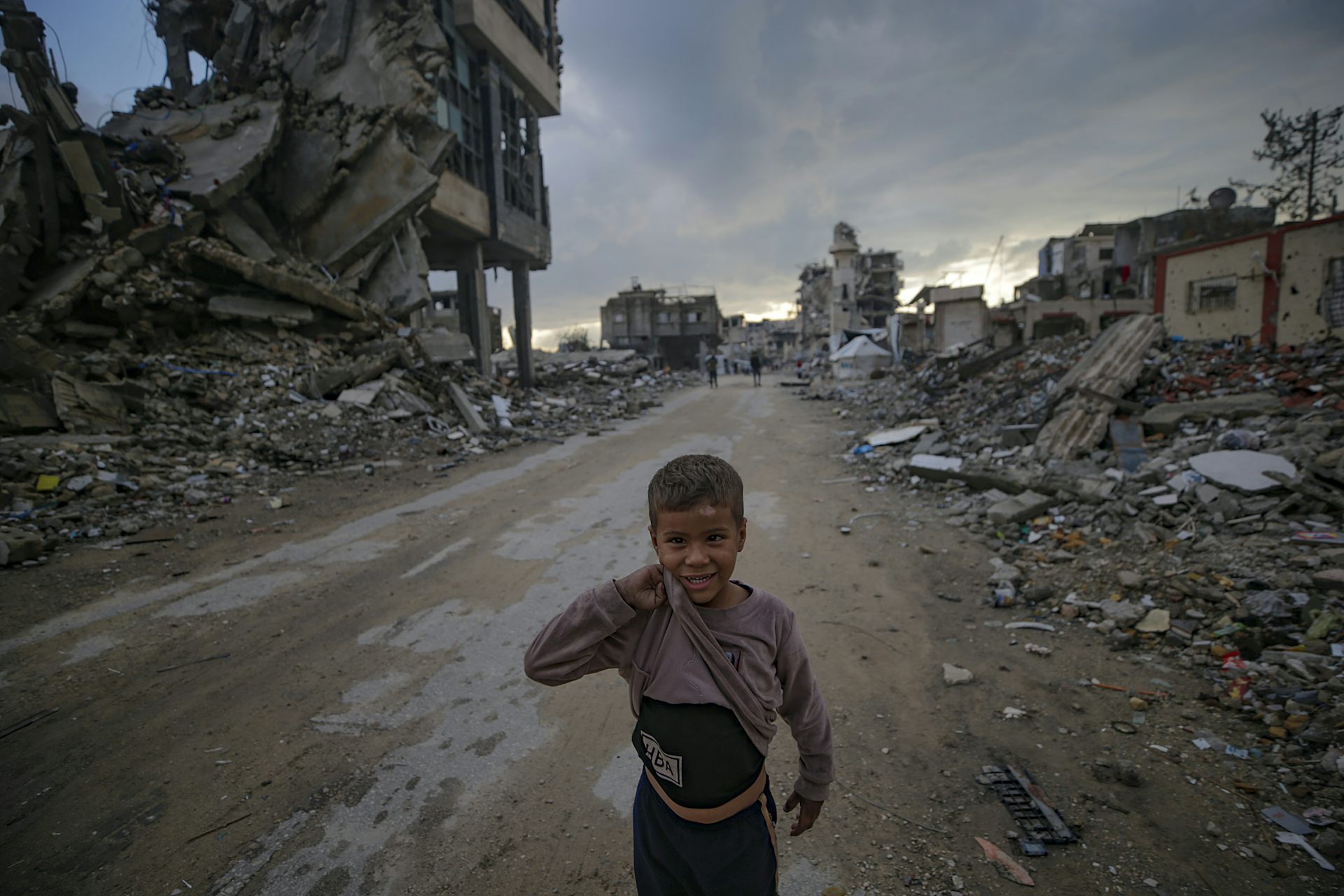
Between 80 and 90% of Gaza’s people have been displaced. Much of the territory is in ruins. A viable future for its people is hard to imagine.
نزح ما بين 80 و 90% من سكان غزة. وجزء كبير من المنطقة في حالة خراب. ومن الصعب تخيل مستقبل قابل للحياة لشعبها.
Municipal elections in the occupied West Bank and in the central Gaza city of Deir al-Balah on April 25 have been quickly framed by Fatah, the dominant faction within the Palestinian Authority (PA) , as a sweeping victory.
لقد صوّرت انتخابات البلديات في الضفة الغربية المحتلة ومدينة دير البلح المركزية في غزة في 25 أبريل بسرعة من قبل فتح، الفصيل المهيمن داخل السلطة الفلسطينية، على أنها انتصار ساحق.
But it’s worth taking a closer look at how the election was organised. Candidates were required to commit to the political programme of the Palestine Liberation Organisation (PLO) , which which includes the recognition of Israel, the renunciation of terrorism and the pursuit of a two-state solution. It was a condition that was widely seen as effectively excluding Hamas, which does not support these policies.
ولكن من الجدير إلقاء نظرة أقرب على كيفية تنظيم الانتخابات. طُلب من المرشحين الالتزام بالبرنامج السياسي لمنظمة التحرير الفلسطينية، الذي يشمل الاعتراف بإسرائيل، والتخلي عن الإرهاب، والسعي لتحقيق حل الدولتين. وكان هذا الشرط يُنظر إليه على نطاق واسع على أنه يستبعد فعلياً حماس، التي لا تدعم هذه السياسات.
Hamas – which is understood to be preparing to hold elections for its leadership, which has been decimated during the 30-month conflict in Gaza – did not field candidates. A number of other groups, including the People’s Front for the Liberation of Palestine, the Democratic Front for the Liberation of Palestine, the Palestine People’s Party, FIDA, and Palestinian National Initiative, also opted not to field candidates in the election.
لم تترشح حماس – التي يُفهم أنها تستعد لإجراء انتخابات لقيادتها، التي تعرضت للتدمير خلال الصراع الذي استمر 30 شهراً في غزة – أي مرشحين. كما اختارت مجموعة من المجموعات الأخرى، بما في ذلك الجبهة الشعبية لتحرير فلسطين، والجبهة الديمقراطية لتحرير فلسطين، وحزب الشعب الفلسطيني، وفداء، والمبادرة الوطنية الفلسطينية، عدم الترشح في الانتخابات.
It’s important, when looking at the turnout and results, to bear this in mind. In the West Bank, turnout reached around 56%, but Fatah-affiliated lists were elected unopposed in 197 councils, roughly half of all municipalities in this round.
من المهم، عند النظر إلى نسبة المشاركة والنتائج، أن نأخذ هذا في الاعتبار. ففي الضفة الغربية، وصلت نسبة المشاركة إلى حوالي 56%، لكن القوائم التابعة لفتح انتُخبت دون منافسة في 197 مجلسًا، أي ما يقرب من نصف جميع البلديات في هذه الجولة.
In the Gaza Strip, voting took place only in the central city of Deir al-Balah. Here, turnout was significantly lower, at around 23%, reflecting the mass displacement, incomplete voter registries and widespread loss of life. The Fatah-backed list won six of 15 seats. A list widely seen as aligned with Hamas secured two seats, with the remainder going to non-affiliated groups.
أما في قطاع غزة، فقد جرى التصويت فقط في مدينة دير البلح المركزية. وهنا، كانت نسبة المشاركة أقل بكثير، حيث بلغت حوالي 23%، مما يعكس النزوح الجماعي، وسجلات الناخبين غير المكتملة، والخسائر البشرية الواسعة. وفازت القائمة المدعومة من فتح بستة مقاعد من أصل 15 مقعداً. وحصلت قائمة يُنظر إليها على نطاق واسع على أنها تتماشى مع حماس على مقعدين، فيما ذهب الباقي إلى مجموعات غير تابعة.
For the Fatah-dominated Palestinian Authority, these municipal elections serve several purposes. They are presented as a way to reaffirm a political link between the West Bank and Gaza, and to signal a continued role in Gaza’s future governance. They also offer a platform promising reforms to the watching world at a moment when the PA faces pressure to demonstrate political legitimacy.
بالنسبة للسلطة الفلسطينية التي يهيمن عليها فتح، تخدم هذه الانتخابات البلدية عدة أغراض. حيث يتم تقديمها كوسيلة لتأكيد الرابط السياسي بين الضفة الغربية وغزة، ولإشارة إلى دور مستمر في الحكم المستقبلي لغزة. كما أنها توفر منصة تعد بإصلاحات للعالم المترقب في وقت تواجه فيه السلطة الفلسطينية ضغوطاً لإثبات الشرعية السياسية.
While regular municipal elections have been held in the West Bank, presidential and legislative elections have not been held since 2005 and 2006. In the intervening two decades, concerns over the concentration of power under Fatah leader Mahmoud Abbas have intensified. In this context, the municipal elections represented a lower-stakes form of participation. It was a way to show electoral activity without reopening the broader question of national leadership.
بينما جرت انتخابات بلدية منتظمة في الضفة الغربية، لم تُجرَ انتخابات رئاسية وتشريعية منذ عامي 2005 و 2006. وفي العقدين الماضيين، تكثفت المخاوف بشأن تركز السلطة في يد زعيم فتح محمود عباس. وفي هذا السياق، مثلت الانتخابات البلدية شكلاً من أشكال المشاركة ذات المخاطر الأقل. كانت وسيلة لإظهار النشاط الانتخابي دون إعادة فتح مسألة القيادة الوطنية الأوسع.
Rather than a clear mandate, the results point to a constrained political landscape, shaped as much by exclusion and limited participation as by electoral competition. What these elections will change on the ground is unclear, particularly in Gaza, which remains stricken by 30 months of war.
بدلاً من تفويض واضح، تشير النتائج إلى مشهد سياسي مقيّد، يتشكل بقدر ما هو بالاستبعاد والمشاركة المحدودة بقدر ما هو بالتنافس الانتخابي. وما إذا كانت هذه الانتخابات ستغير شيئاً على أرض الواقع غير واضح، خاصة في غزة، التي لا تزال تعاني من 30 شهراً من الحرب.
Gaza in ruins
غزة في أنقاض
According to the UN, over 1.9 million people – between 80% and 90% of Gaza’s population – are displaced – six months into what is supposed to be a ceasefire. Families live in damaged homes, tents or overcrowded shelters, without reliable access to clean water, electricity, food or healthcare.
وفقاً للأمم المتحدة، فإن أكثر من 1.9 مليون شخص – ما بين 80% و 90% من سكان غزة – نازحون، وذلك بعد مرور ستة أشهر على ما يُفترض أن يكون وقفاً لإطلاق النار. تعيش العائلات في منازل متضررة، أو خيام، أو ملاجئ مكتظة، دون وصول موثوق إلى المياه النظيفة أو الكهرباء أو الغذاء أو الرعاية الصحية.
According to the World Health Organization, only 19 of Gaza’s 36 hospitals function even partially and nearly half of essential medicines have run out. Conditions in displacement sites are deteriorating. Around 81% of sites show signs of rodents or pests, affecting 1.45 million people and increasing public health risks.
ووفقاً لمنظمة الصحة العالمية، لا يزال 19 من أصل 36 مستشفى في غزة يعمل حتى جزئياً، وقد نفدت ما يقرب من نصف الأدوية الأساسية. وتتدهور الأوضاع في مواقع النزوح. وتُظهر حوالي 81% من المواقع علامات وجود القوارض أو الآفات، مما يؤثر على 1.45 مليون شخص ويزيد من مخاطر الصحة العامة.
A recent joint World Bank–EU–UN assessment estimates that the recovery and reconstruction of the Gaza Strip will cost more than US$70 billion (£52 billion) . The restoration of housing alone accounts for US$18 billion in damage, while more than 68 million tonnes of debris will need to be removed before rebuilding can begin.
ويقدر تقييم حديث مشترك صادر عن البنك الدولي والاتحاد الأوروبي والأمم المتحدة أن تكلفة تعافي وإعادة إعمار قطاع غزة ستتجاوز 70 مليار دولار أمريكي (52 مليار جنيه إسترليني) . ويمثل ترميم المساكن وحده 18 مليار دولار من الأضرار، بينما سيتطلب إزالة أكثر من 68 مليون طن من الأنقاض قبل أن يبدأ أي إعادة بناء.
But reconstruction depends on access to materials, land and infrastructure and Israel continues to control all of these. Israeli authorities control the entry of aid into Gaza, funnel deliveries through a single crossing, impose inspection regimes that delay or halt shipments, and close crossings altogether. Aid entering Gaza fell by 37% in the three months to April 2026, as raids and other ceasefire violations continue.
لكن إعادة الإعمار تعتمد على الوصول إلى المواد والأرض والبنية التحتية، ولا تزال إسرائيل تسيطر على كل هذه العناصر. وتسيطر السلطات الإسرائيلية على دخول المساعدات إلى غزة، وتوجه الإمدادات عبر معبر واحد، وتفرض أنظمة تفتيش تؤخر أو توقف الشحنات، وتغلق المعابر بالكامل. وانخفض تدفق المساعدات إلى غزة بنسبة 37% في الأشهر الثلاثة التي سبقت أبريل 2026، مع استمرار الغارات وانتهاكات وقف إطلاق النار الأخرى.
Reconstruction without Palestinians
إعادة الإعمار بدون فلسطينيين
While the people of Gaza remain in these conditions, outsiders are moving ahead with plans to shape Gaza’s future. In November 2025, the UN Security Council endorsed resolution 2803, backing a US-led initiative known as the Board of Peace to oversee the territory. When it first met on February 19, the Board of Peace pledged around US$17 billion – including US$10 billion from the US and additional commitments from Gulf states such as the UAE, Qatar, Saudi Arabia and Kuwait.
بينما لا يزال أهل غزة يعيشون في هذه الظروف، يتقدم الأطراف الخارجية بخطط لتشكيل مستقبل غزة. ففي نوفمبر 2025، أقرّ مجلس الأمن التابع للأمم المتحدة القرار 2803، الذي يدعم مبادرة تقودها الولايات المتحدة ومعروفة باسم “مجلس السلام” للإشراف على الأراضي. وعند اجتماعه الأول في 19 فبراير، تعهد “مجلس السلام” بحوالي 17 مليار دولار أمريكي – بما في ذلك 10 مليارات دولار من الولايات المتحدة والتزامات إضافية من دول الخليج مثل الإمارات وقطر والمملكة العربية السعودية والكويت.
Palestinians have no representatives on the Board of Peace, which is chaired by the US president Donald Trump, who also sets the agenda and calls meetings. Israel, however, does, as do Trump’s most prominent envoys, Jared Kushner and Steven Witkoff, who both have considerable business and real estate interests in the Middle East.
ليس للفلسطينيين ممثلون في “مجلس السلام”، الذي يترأسه الرئيس الأمريكي دونالد ترامب، الذي يحدد أيضاً جدول الأعمال ويعقد الاجتماعات. أما إسرائيل، فذلك تفعل، وكذلك مبعوثو ترامب البارزون، جاريد كوشنر وستيفن ويتكوف، وكلاهما يمتلك مصالح تجارية وعقارية كبيرة في الشرق الأوسط.
Palestinian civil society organisations have warned that the Board of Peace excludes Palestinians from meaningful decision-making and undermines their right to self-determination. European governments have also raised concerns about the concentration of authority in the hands of the US president and the lack of oversight.
حذرت منظمات المجتمع المدني الفلسطينية من أن “مجلس السلام” يستبعد الفلسطينيين من صنع القرار الهادف ويقوّض حقهم في تقرير المصير. كما أعربت الحكومات الأوروبية عن قلقها بشأن تركز السلطة في أيدي الرئيس الأمريكي وغياب الرقابة.
Control over funding is also taking shape. The Gaza Reconstruction and Development (Grad) fund is structured as a World Bank Financial Intermediary Fund, with the bank acting as “limited trustee”. In practice, this means the World Bank manages donor money but has no say in how the money is spent. But World Bank president Ajay Banga also sits on the Board of Peace executive board, placing the institution inside the political structure that sets priorities.
كما يتشكل التحكم في التمويل. فصندوق إعادة إعمار وتنمية غزة (Grad) مُصمَّم كصندوق وسيط مالي للبنك الدولي، حيث يعمل البنك بمثابة “أمين محدود.” عملياً، يعني هذا أن البنك الدولي يدير أموال المانحين، لكن ليس له رأي في كيفية إنفاق هذه الأموال. لكن رئيس البنك الدولي، أجاي بانغا، يجلس أيضاً في المجلس التنفيذي لـ “مجلس السلام”، مما يضع المؤسسة داخل الهيكل السياسي الذي يحدد الأولويات.
In documents related to the Grad, the World Bank describes this moment as an opportunity to “fundamentally reshape” Gaza’s economy through private investment. The vision, as has been widely covered in the media, is to transform Gaza into a “hub” in the Imec development corridor that links India to the Middle East and beyond. The rebuilt Gaza would include a major port, high-tech industrial development, data centres and tourism resorts. Little provision has been made for the restoration of Palestinian homes, healthcare or water and power infrastructure.
في وثائق تتعلق بـ “Grad”، يصف البنك الدولي هذه المرحلة بأنها فرصة “لإعادة تشكيل جوهرية” لاقتصاد غزة من خلال الاستثمار الخاص. وتتمثل الرؤية، كما غطتها وسائل الإعلام على نطاق واسع، في تحويل غزة إلى “مركز” في الممر التنموي “إيميك” الذي يربط الهند بالشرق الأوسط وما وراءه. وستشمل غزة المعاد بناؤها ميناء رئيسياً، وتنمية صناعية عالية التقنية، ومراكز بيانات، ومنتجعات سياحية. ولم يتم تخصيص سوى قدر قليل لترميم المنازل الفلسطينية أو البنية التحتية للرعاية الصحية أو المياه والطاقة.
Recent discussions with the Dubai-based port operator and logistics company DP World appear to highlight Board of Peace priorities. In April 2026, representatives linked to the board explored bringing the company in to manage key parts of Gaza’s supply chains, including warehousing, tracking systems and the movement of both humanitarian and commercial goods.
ويبدو أن المناقشات الأخيرة مع مشغل الموانئ والشركة اللوجستية “دي بي وورلد” ومقرها دبي تسلط الضوء على أولويات “مجلس السلام.” ففي أبريل 2026، استكشف ممثلون مرتبطون بالمجلس إدخال الشركة لإدارة أجزاء رئيسية من سلاسل إمداد غزة، بما في ذلك التخزين وأنظمة التتبع وحركة كل من السلع الإنسانية والتجارية.
The talks also included proposals for a new port in Gaza or on the Egyptian coast, as well as a free-trade zone. It’s a plan for market-led development in its most concentrated form, which envisages the reconstruction of Gaza to serve regional and global economic interests. It reflects external priorities, not the needs on the ground in Gaza.
كما تضمنت المحادثات مقترحات لميناء جديد في غزة أو على الساحل المصري، بالإضافة إلى منطقة تجارة حرة. إنها خطة للتنمية القائمة على السوق في شكلها الأكثر تركيزاً، وتتصور إعادة إعمار غزة لخدمة المصالح الاقتصادية الإقليمية والعالمية. وهي تعكس أولويات خارجية، وليست الاحتياجات على الأرض في غزة.
Rafeef Ziadah does not work for, consult, own shares in or receive funding from any company or organisation that would benefit from this article, and has disclosed no relevant affiliations beyond their academic appointment.
رافيع زيادة لا يعمل لدى أو يستشير أو يمتلك حصصاً في أو يتلقى تمويلاً من أي شركة أو منظمة تستفيد من هذا المقال، ولم يكشف عن أي انتماءات ذات صلة تتجاوز تعيينه الأكاديمي.
Read more
-

الفواكه المجمدة والخضروات المعلبة رخيصة، ولكن هل هي صحية مثل الأطعمة الطازجة؟
Frozen fruit and canned veg are cheap, but are they as healthy as fresh food?
-
“ستموت حضارة بأكملها الليلة”: تهديد ترامب بالإبادة الجماعية ضد إيران يمثل أدنى مستوى جديد لأمريكا
‘A whole civilisation will die tonight’: Trump’s genocide threat against Iran was another new low for America