رؤية الكسوف من الأرض أمر مذهل – أما بالنسبة لرواد الفضاء الذين يرونه من الفضاء، فكان المشهد أعظم.
Seeing an eclipse from Earth is awe-inspiring – for astronauts seeing one from space, the scene was even more grand
Astronauts report feeling profoundly awestruck when they go to space, an anthropologist reports. This experience shapes their perspectives even back on Earth.
يُفيد عالم أنثروبولوجيا بأن رواد الفضاء يبلغون عن شعورهم بالذهول العميق عند ذهابهم إلى الفضاء. وتُشكّل هذه التجربة منظوراتهم حتى وهم على الأرض.
The astronauts on Artemis II’s trip to the Moon in April 2026 didn’t just have an amazing journey through space. They also saw something extraordinary. They were the first humans to see a total solar eclipse from space.
لم يقتصر الأمر على أن رواد الفضاء في رحلة أرتميس 2 إلى القمر في أبريل 2026 قد خاضوا رحلة مذهلة عبر الفضاء فحسب. بل شاهدوا أيضاً شيئاً استثنائياً. لقد كانوا أول البشر الذين يشاهدون كسوفاً شمسيًا كليًا من الفضاء.
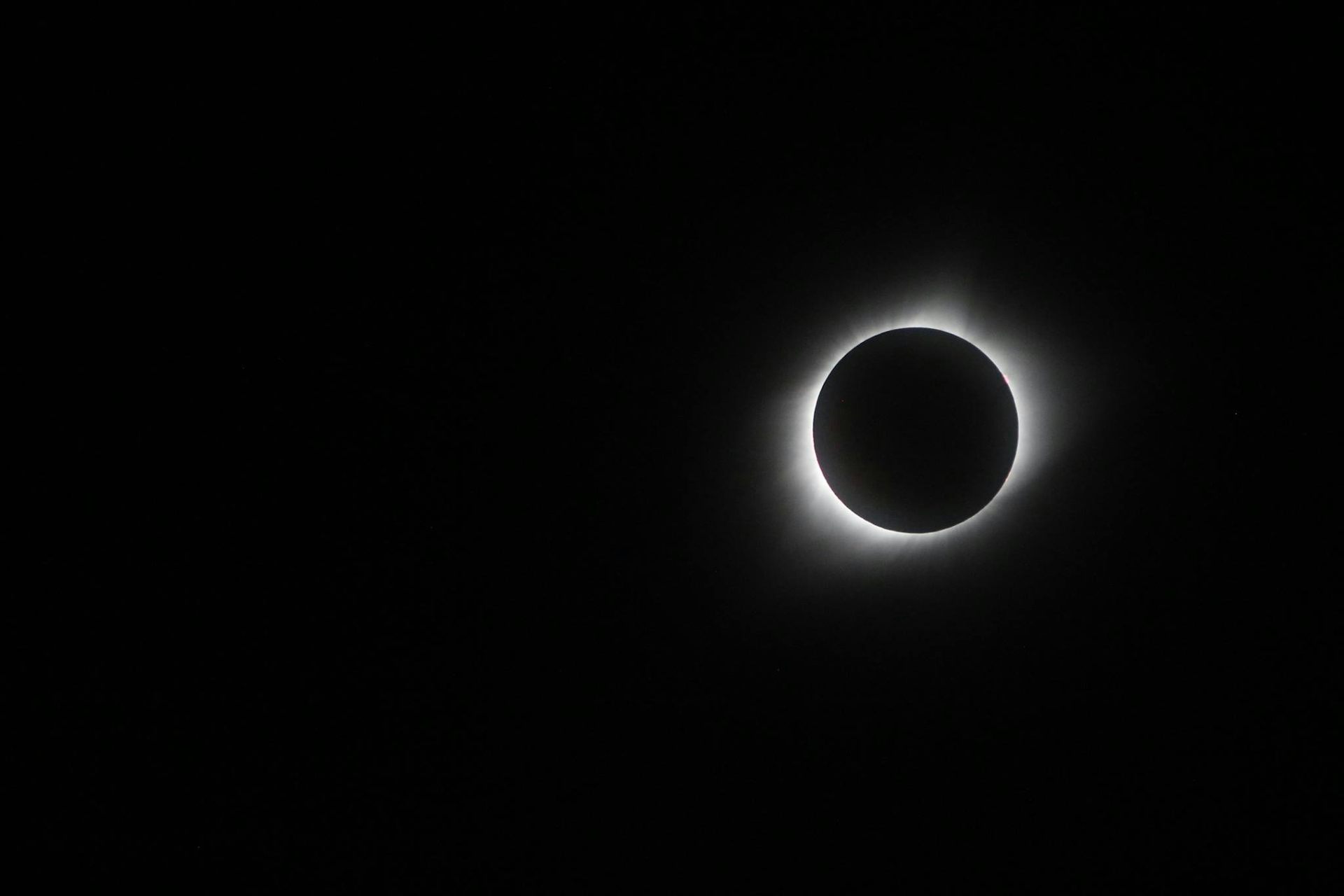
A solar eclipse happens when the Moon moves in front of the Sun. In a total eclipse, the Sun’s central disc is covered completely.
يحدث الكسوف الشمسي عندما يمر القمر أمام الشمس. وفي الكسوف الكلي، يتم تغطية قرص الشمس المركزي بالكامل.
From Earth, the circle of the Sun is about the same size as the circle of the Moon. With the bright circle blocked, you can see the undulating rays of the Sun’s corona, or outer atmosphere, that are normally too dim to be observed.
من الأرض، يكون محيط الشمس بحجم محيط القمر تقريباً. ومع حجب الدائرة الساطعة، يمكنك رؤية أشعة التاج الشمسي المتموجة، أو الغلاف الجوي الخارجي للشمس، والتي تكون عادة خافتة جداً بحيث لا يمكن ملاحظتها.

I’m a cultural anthropologist who studies awe-inspiring aspects of space exploration. I have been lucky enough to have seen two total solar eclipses. The first one was in Nebraska in 2017, the second in Indiana in 2024.
أنا عالم أنثروبولوجيا ثقافية أدرس الجوانب المذهلة لاستكشاف الفضاء. وقد كنت محظوظاً بما يكفي لرؤية كسوفين شمسيين كليين. كان الأول في نبراسكا عام 2017، والثاني في إنديانا عام 2024.
During my second total eclipse, the period of totality – that short span when you can remove your protective glasses and look directly at the eclipse – lasted close to 4 minutes. I saw waves of diffuse light snaking around an ink-black hole in the sky. It looked very wrong – almost alien.
خلال كسوفي الكلي الثاني، استمرت فترة الكلية – تلك الفترة القصيرة التي يمكنك فيها إزالة نظاراتك الواقية والنظر مباشرة إلى الكسوف – لما يقرب من 4 دقائق. رأيت موجات من الضوء المنتشر تلتف حول ثقب أسود بلون الحبر في السماء. بدا الأمر غريباً جداً – شبه فضائي.
On Aug. 12, 2026, there will be another total solar eclipse, visible only from Greenland, Iceland, Spain and the Balearic Islands of the Mediterranean. Some fortunate viewers in Spain and nearby islands may see the eclipse just before sunset, low on the horizon. The Moon illusion, a phenomenon where the Moon looks bigger when it’s near the horizon, might make this eclipse look unusually large.
في 12 أغسطس 2026، سيكون هناك كسوف شمسي كلي آخر، مرئي فقط من غرينلاند وأيسلندا وإسبانيا وجزر البليار في البحر الأبيض المتوسط. قد يتمكن بعض المشاهدين المحظوظين في إسبانيا والجزر القريبة من رؤية الكسوف قبل غروب الشمس بقليل، ومنخفضاً في الأفق. قد يجعل وهم القمر، وهي ظاهرة تبدو فيها الشمس أكبر عندما تكون قريبة من الأفق، هذا الكسوف يبدو أكبر من المعتاد.
Unusual eclipse perspectives
منظورات كسوف غير عادية
Astronauts will occasionally also have less common eclipse experiences. I interviewed one I call by the pseudonym “Jackie” in my research about astronauts’ experiences of awe. She was part of an astronaut training group that did a flight exercise during a total solar eclipse.
قد يمر رواد الفضاء أحيانًا بتجارب كسوف أقل شيوعًا. أجريت مقابلة مع إحداهن، وأطلق عليها اسم “جاكي” كاسم مستعار، في بحثي حول تجارب رواد الفضاء المتمثلة في الرهبة. كانت جزءًا من مجموعة تدريب رواد فضاء أجرت تمرين طيران خلال كسوف شمسي كلي.
Jackie and her squad flew their jets in the shadow of the Moon. This lengthened their time in totality because they could follow and stay within the shadow. Jackie was most impressed with how the Sun’s corona seemed to shift and ripple.
حلقت جاكي وفريقها بطائراتها النفاثة في ظل القمر. وقد أطال هذا من وقت وجودهم في مرحلة الكلية لأنهم تمكنوا من متابعة البقاء داخل الظل. أُعجبت جاكي بشكل خاص بالطريقة التي بدا بها تاج الشمس وكأنه يتحرك ويتموج.
“It’s not static … it’s alive,” she told me.
قالت لي: “إنه ليس ثابتًا… إنه حي”.
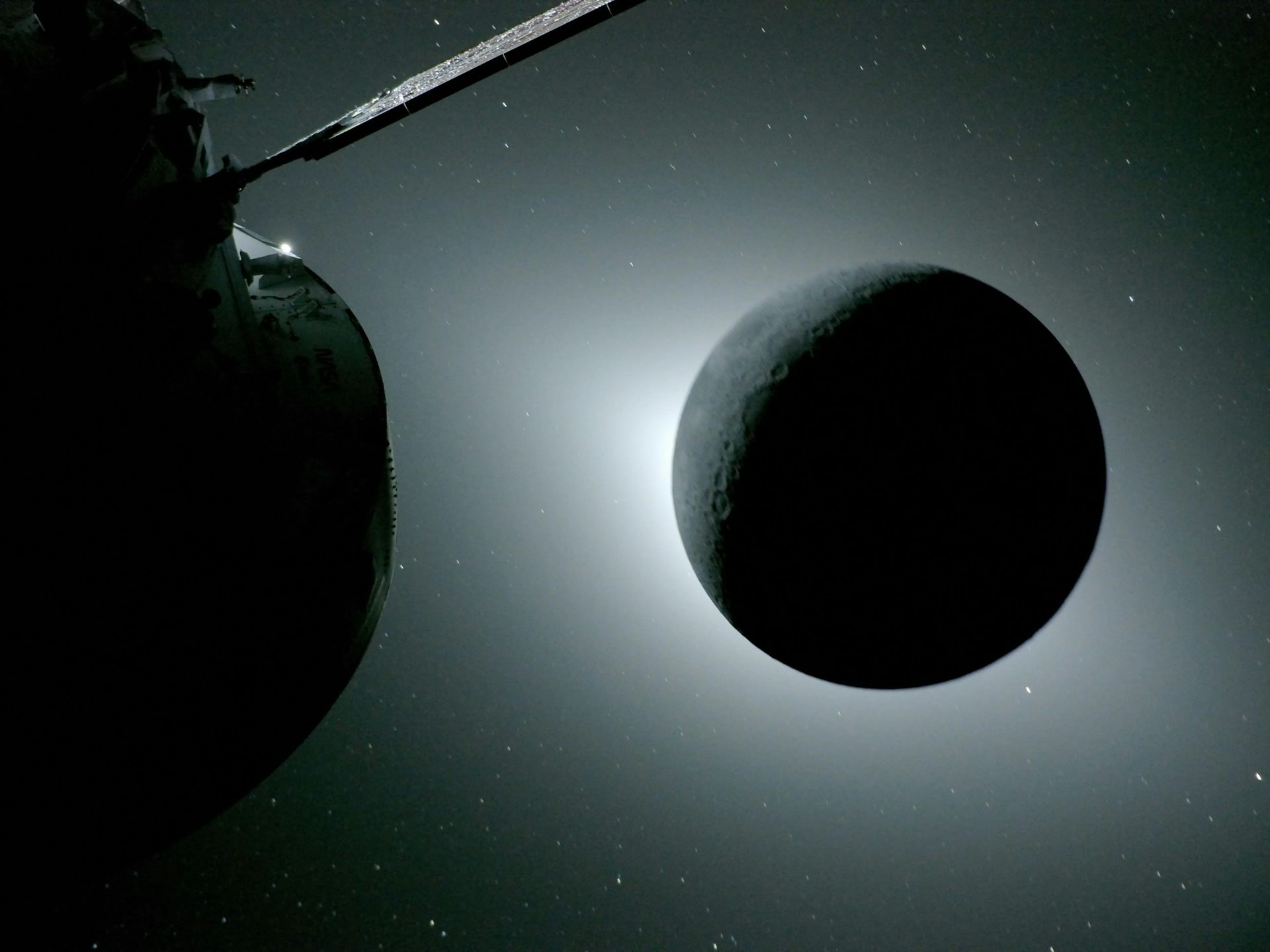
On April 6, 2026, the astronauts of NASA’s Artemis II mission saw another kind of unusual eclipse as they flew around the Moon. At one point during their flight, the Moon and the spacecraft aligned so that the Moon was directly between them and the Sun, blocking the Sun’s disk in a way that looks very different from what we see on Earth.
في 6 أبريل 2026، شاهد رواد فضاء مهمة “أرتميس 2” التابعة لوكالة ناسا نوعًا آخر من الكسوف غير العادي أثناء تحليقهم حول القمر. في مرحلة ما من رحلتهم، اصطف القمر ومركبة الفضاء بحيث كان القمر بينهما وبين الشمس مباشرة، مما حجب قرص الشمس بطريقة تبدو مختلفة جدًا عما نراه على الأرض.
Astronaut Victor Glover said it felt like they “just went sci-fi.”
قال رائد الفضاء فيكتور جلوفر إن الأمر شعر وكأنهم “عاشوا في خيال علمي.”
The astronauts were so close to the Moon that the Moon looked bigger than the Sun and hid more of its bright circle. Earth was also in view, and sunlight reflected from the Earth onto the Moon in a phenomenon NASA calls “earthshine.” This dim light is very similar to the moonlight that shines on the Earth at night.
كان رواد الفضاء قريبين جدًا من القمر لدرجة أن القمر بدا أكبر من الشمس وأخفى جزءًا أكبر من دائرتها المضيئة. كانت الأرض مرئية أيضًا، ووصل ضوء الشمس المنعكس من الأرض إلى القمر في ظاهرة تسميها ناسا “الإضاءة الأرضية”. هذا الضوء الخافت مشابه جدًا لضوء القمر الذي يضيء الأرض ليلاً.
Imagine the Sun hidden behind the Moon, creating a hazy halo around the Moon’s edges. At the same time, faint light reflected from Earth softly illuminates the Moon, revealing mountains and craters in a dim twilight. Now imagine this striking scene lasting 54 minutes.
تخيل الشمس مختبئة خلف القمر، مما يخلق هالة ضبابية حول حواف القمر. وفي الوقت نفسه، يضيء ضوء خافت منعكس من الأرض القمر بلطف، كاشفًا عن الجبال والفوهات في شفق خافت. والآن تخيل أن هذا المشهد المذهل يستمر لمدة 54 دقيقة.
This sight was, without a doubt, one of the most unusual eclipses ever seen by human eyes.
كان هذا المنظر، بلا شك، أحد أكثر الكسوفات غرابة التي رآها البشر.
Although Artemis’ astronauts are trained to think scientifically, this experience propelled them into a state of awe. They talked openly about how their brains were “not processing” what they observed. While NASA kept them busy with a variety of tasks, the sound of emotion and excitement in their voices as they broadcast live from their lunar flyby was unmistakable.
على الرغم من تدريب رواد فضاء “أرتميس” على التفكير العلمي، إلا أن هذه التجربة دفعتهم إلى حالة من الرهبة. تحدثوا علنًا عن كيف أن أدمغتهم “لم تعالج” ما شاهدوه. وبينما أبقتهم ناسا مشغولين بمجموعة متنوعة من المهام، كان صوت العاطفة والإثارة في أصواتهم أثناء بثهم المباشر من تحليقهم القمري لا يمكن إنكاره.
The psychology of awe
سيكولوجية الرهبة
Researchers have studied the effects of awe on the human brain, including awe felt during solar eclipses. Moments of wonder like these can transform how you feel and even how you think, making you more thoughtful and open-minded.
درس الباحثون تأثير الرهبة على الدماغ البشري، بما في ذلك الرهبة التي تُشعر بها أثناء الكسوف الشمسي. يمكن للحظات العجب كهذه أن تُغير طريقة شعورك وحتى طريقة تفكيرك، مما يجعلك أكثر تفكيراً وانفتاحاً على الأفكار.
In my own work I’ve found these experiences can change how astronauts understand their own place in the universe.
في عملي الخاص، وجدت أن هذه التجارب يمكن أن تُغير طريقة فهم رواد الفضاء لمكانتهم في الكون.
One astronaut said she gained an awareness of the fragility of our planet that now shapes everything she does, while another described becoming more curious after returning to Earth. A third said the awe he experienced in lunar orbit changed his understanding of time and infinity.
قالت إحدى رواد الفضاء إنها اكتسبت وعياً بهشاشة كوكبنا، وهو ما يشكل الآن كل ما تفعله، بينما وصفت أخرى أنها أصبحت أكثر فضولاً بعد العودة إلى الأرض. وقال ثالث إن الرهبة التي شعر بها في المدار القمري غيرت فهمه للزمن واللانهاية.
Space travel creates many opportunities for awe, but a solar eclipse from behind the Moon, as Mission Commander Reid Wiseman put it, required “20 new superlatives.”
يخلق السفر إلى الفضاء العديد من الفرص للشعور بالرهبة، لكن الكسوف الشمسي من خلف القمر، كما ذكر قائد المهمة ريد ويزمان، تطلب “عشرين صفة فائقة جديدة.”
It’s an experience most of the earthbound eclipse-chasers heading to Greenland or Iceland or Spain this summer will only dream about. Whether eclipses happen in space or on Earth, though, close encounters with the grandeur of our universe can make you feel profoundly human.
إنها تجربة سيحلم بها معظم مطاردِي الخسوف المقيدين بالأرض المتجهين إلى غرينلاند أو آيسلندا أو إسبانيا هذا الصيف. ومع ذلك، سواء حدثت الخسوف في الفضاء أو على الأرض، فإن اللقاءات الوثيقة مع عظمة كوننا يمكن أن تجعلك تشعر بإنسانية عميقة.
Deana L. Weibel is currently working on a project with funding from the National Air and Space Museum’s Aviation Space Writers Foundation Award. She has published a book, The Ultraview Effect: What We Can Learn from Astronauts about Awe, Humility, and Exploring the Unknown, with the University of California Press.
تعمل ديانا ل. وايبيل حالياً على مشروع بتمويل من جائزة مؤسسة الكتاب الفضائيين التابعة للمتحف الوطني للطيران والفضاء. وقد نشرت كتاباً بعنوان “تأثير الرؤية الفائقة: ما يمكننا تعلمه من رواد الفضاء حول الرهبة والتواضع واستكشاف المجهول”، بالتعاون مع مطبعة جامعة كاليفورنيا.
Read more
-

“ستموت حضارة بأكملها الليلة”: تهديد ترامب بالإبادة الجماعية ضد إيران يمثل أدنى مستوى جديد لأمريكا
‘A whole civilisation will die tonight’: Trump’s genocide threat against Iran was another new low for America
-
“الاتصال الأول” الذي ربما أدى إلى الحياة المعقدة على الأرض، شاهده العلماء أخيرًا
‘First contact’ that may have led to complex life on Earth finally witnessed by scientists