Chernobyl di Usia 40: File rahasia Stasi mengungkap sejauh mana kampanye misinformasi Soviet mengenai bencana nuklir
Chernobyl at 40: Secret Stasi files reveal extent of Soviet misinformation campaign over nuclear disaster
Once classified files from East Germany reveal the extent of Soviet actions to hide the true extent of catastrophe.
File yang dulunya diklasifikasikan dari Jerman Timur mengungkap sejauh mana tindakan Soviet untuk menyembunyikan skala bencana yang sebenarnya.
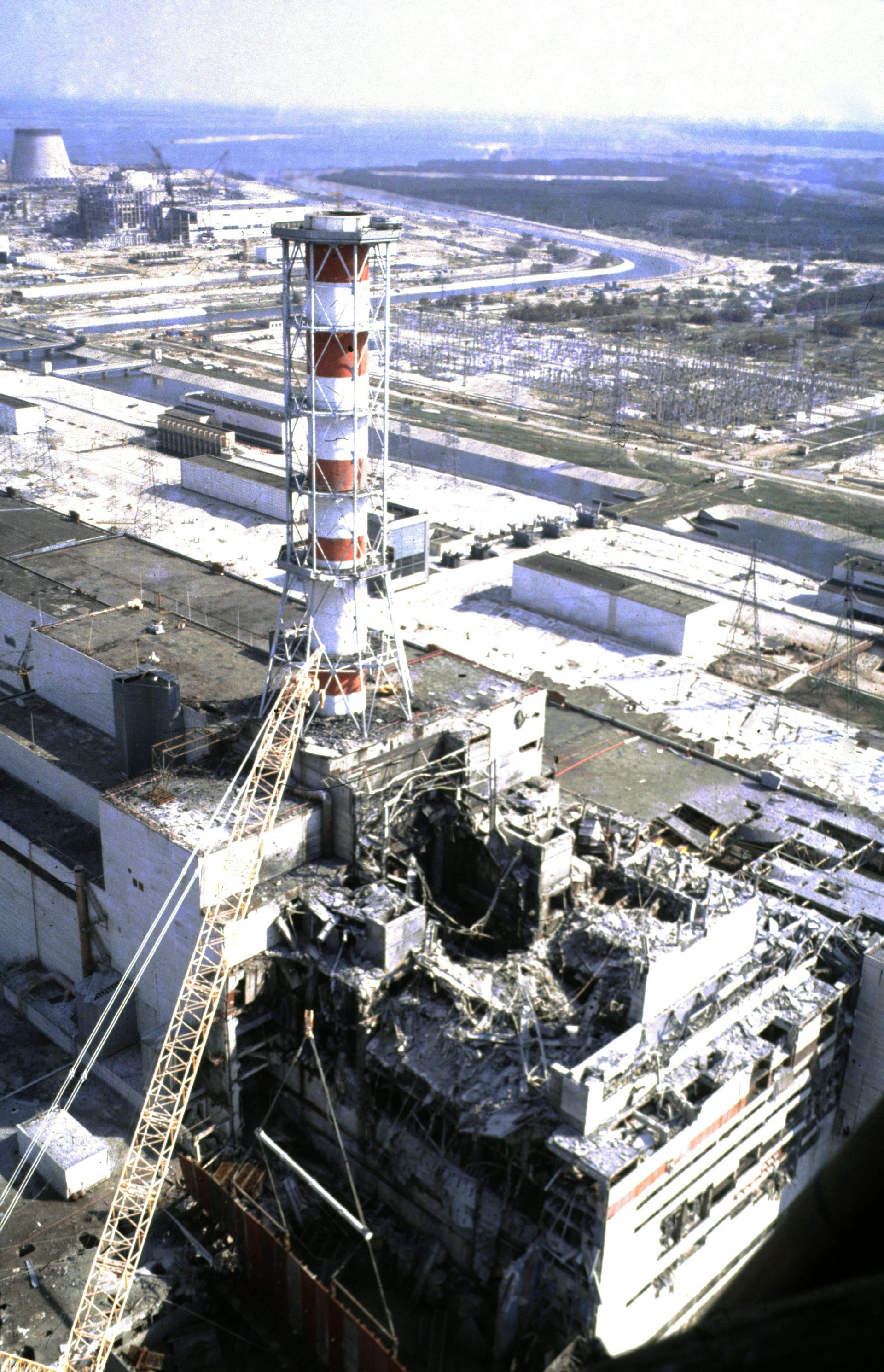
On April 26, 1986, Soviet engineers at the Chernobyl nuclear power plant were conducting a safety test. Doomed by a fatal design flaw and pushed to the limit by human negligence, reactor 4 exploded amid an attempted shutdown during a routine procedure, setting off a chain of events that ultimately released radioactive material hundreds of times greater than that of the atomic bomb dropped on Hiroshima.
Pada tanggal 26 April 1986, para insinyur Soviet di pembangkit listrik tenaga nuklir Chernobyl sedang melakukan uji keselamatan. Dilumpuhkan oleh cacat desain fatal dan didorong hingga batasnya oleh kelalaian manusia, reaktor 4 meledak di tengah upaya penghentian selama prosedur rutin, memicu serangkaian peristiwa yang pada akhirnya melepaskan material radioaktif ratusan kali lebih besar daripada bom atom yang dijatuhkan di Hiroshima.
Although the accident occurred north of Kyiv, Ukraine, near the border with Belarus, radioactive fallout was soon detected throughout northern and central Europe. Yet the Soviets did what they could to prevent the spread of information that would reveal the true horror of what had occurred.
Meskipun kecelakaan itu terjadi di utara Kyiv, Ukraina, dekat perbatasan dengan Belarus, jatuhan radioaktif segera terdeteksi di seluruh Eropa utara dan tengah. Namun, pihak Soviet melakukan segala upaya untuk mencegah penyebaran informasi yang akan mengungkap kengerian sebenarnya dari apa yang telah terjadi.
For decades, researchers, political leaders and advocacy groups have worked to uncover the story of the explosion. While science has allowed us to understand the circumstances of the explosion itself, it has taken much more work to uncover the layers of mismanagement, negligence and misinformation that resulted in human suffering, ecological disaster and economic damage.
Selama beberapa dekade, para peneliti, pemimpin politik, dan kelompok advokasi telah bekerja untuk mengungkap kisah ledakan itu. Sementara sains telah memungkinkan kita memahami keadaan ledakan itu sendiri, dibutuhkan upaya yang jauh lebih besar untuk mengungkap lapisan-lapisan salah urus, kelalaian, dan misinformasi yang mengakibatkan penderitaan manusia, bencana ekologis, dan kerusakan ekonomi.
One of the problems is that many of the official Soviet records of the event, such as the KGB files, are located in Moscow and are inaccessible to all but a few Russian government agencies.
Salah satu masalahnya adalah banyak catatan resmi Soviet tentang peristiwa itu, seperti berkas KGB, yang berlokasi di Moskow dan tidak dapat diakses kecuali oleh beberapa badan pemerintah Rusia.
But there is a partial workaround: Because East Germany was a Soviet satellite state and not a full member of the Soviet Union, official documents remained in the country after the fall of the Berlin Wall. In 1991, after the reunification of Germany, the German government passed a law allowing for the declassification of certain files from the Stasi, East Germany’s secret police and intelligence service. These files can now give us further insight into the mismanagement of Chernobyl, since the East German Stasi and the Soviet KGB were in communication on the matter.
Namun, ada solusi parsial: Karena Jerman Timur adalah negara satelit Soviet dan bukan anggota penuh Uni Soviet, dokumen resmi tetap berada di negara itu setelah jatuhnya Tembok Berlin. Pada tahun 1991, setelah reunifikasi Jerman, pemerintah Jerman mengesahkan undang-undang yang memungkinkan deklasifikasi berkas-berkas tertentu dari Stasi, polisi rahasia dan badan intelijen Jerman Timur. Berkas-berkas ini kini dapat memberi kita wawasan lebih lanjut tentang salah urus Chernobyl, karena Stasi Jerman Timur dan KGB Soviet berkomunikasi mengenai masalah ini.
I have spent the past three years reading Stasi files and researching the creation of misinformation in the former Eastern bloc, meeting with Stasi archivists in Berlin and viewing the original archival rooms in the former Stasi headquarters.
Saya telah menghabiskan tiga tahun terakhir membaca berkas Stasi dan meneliti penciptaan misinformasi di bekas blok Timur, bertemu dengan arsiparis Stasi di Berlin, dan melihat ruang arsip asli di bekas markas Stasi.
Looking at formerly top secret communication between the KGB and Stasi, it is clear that despite publicly insisting everything was under control, both intelligence agencies knew the explosion was absolutely devastating. They kept detailed records of hospitalizations, casualties, damaged crops, contaminated livestock and radiation levels.
Melihat komunikasi yang dulunya sangat rahasia antara KGB dan Stasi, jelas bahwa meskipun secara publik mereka bersikeras bahwa semuanya terkendali, kedua badan intelijen itu tahu bahwa ledakan itu benar-benar menghancurkan. Mereka menyimpan catatan terperinci tentang rawat inap, korban jiwa, tanaman yang rusak, ternak yang terkontaminasi, dan tingkat radiasi.
But only the very top officials in East Germany and the Soviet Union had access to these numbers. The main fear for both the KGB and Stasi was not the radiation that would harm affected populations but the damage done to their respective countries’ reputations.
Namun, hanya pejabat paling atas di Jerman Timur dan Uni Soviet yang memiliki akses ke angka-angka ini. Ketakutan utama bagi KGB dan Stasi bukanlah radiasi yang akan membahayakan populasi yang terkena dampak, melainkan kerusakan yang ditimbulkan pada reputasi negara masing-masing.
Controlling the message
Mengendalikan pesan
Handling the press was a top priority.
Menangani pers adalah prioritas utama.
In the Soviet Union, top government officials created their own briefings for the media to be published at precise dates and times. In a set of classified documents that one government official bravely saved and later published, the concreteness with which the lies were devised is apparent. It documents Mikhail Gorbachev, then-leader of the Soviet Union, saying in a Politburo meeting with top government officials: “When we inform the public, we should say that the power plant was being renovated at the time, so it doesn’t reflect badly on our reactor equipment.”
Di Uni Soviet, pejabat pemerintah tingkat atas membuat siaran pers mereka sendiri untuk media agar diterbitkan pada tanggal dan waktu yang tepat. Dalam serangkaian dokumen rahasia yang dengan berani diselamatkan dan kemudian diterbitkan oleh seorang pejabat pemerintah, kejelasan kebohongan yang dirancang terlihat jelas. Dokumen tersebut mencatat Mikhail Gorbachev, mantan pemimpin Uni Soviet, mengatakan dalam pertemuan Politbiro dengan pejabat pemerintah tingkat atas: “Ketika kita memberi tahu publik, kita harus mengatakan bahwa pembangkit listrik sedang direnovasi pada saat itu, sehingga tidak mencoreng peralatan reaktor kita.”
Later in the same meeting, another senior Soviet official, Nikolai Ryzhkov, suggests that the group prepare three different press releases: one for the Soviet people, one for the satellite states and another for Europe, the U.S. and Canada.
Kemudian dalam pertemuan yang sama, seorang pejabat senior Soviet lainnya, Nikolai Ryzhkov, menyarankan agar kelompok tersebut menyiapkan tiga siaran pers yang berbeda: satu untuk rakyat Soviet, satu untuk negara-negara satelit, dan satu lagi untuk Eropa, A.S., dan Kanada.
In East Germany, the Stasi reports mirrored this messaging. Although top officials are briefed on the presence of radioactive contaminants, the formerly classified Stasi files reiterate that the public is to be told that “absolutely no danger” is present. East German media, controlled by the state, then disseminated this information to the public.
Di Jerman Timur, laporan Stasi mencerminkan pesan ini. Meskipun pejabat tingkat atas diberi tahu tentang keberadaan kontaminan radioaktif, berkas Stasi yang sebelumnya rahasia menegaskan bahwa publik harus diberitahu bahwa “sama sekali tidak ada bahaya” yang ada. Media Jerman Timur, yang dikendalikan oleh negara, kemudian menyebarkan informasi ini kepada publik.
The problem for the East German state was that by the mid-1980s, a lot of people were able to pick up Western TV and radio signals. Many recognized that their own government wasn’t telling them the truth. However, they also knew that Western media would take any chance they got to disparage the Eastern bloc. The result was that many people knew that they weren’t being told the truth, but they weren’t sure exactly what the truth was.
Masalah bagi negara Jerman Timur adalah bahwa pada pertengahan tahun 1980-an, banyak orang mampu menangkap sinyal TV dan radio Barat. Banyak yang menyadari bahwa pemerintah mereka sendiri tidak memberi mereka kebenaran. Namun, mereka juga tahu bahwa media Barat akan mengambil setiap kesempatan untuk mencela blok Timur. Hasilnya adalah banyak orang tahu bahwa mereka tidak diberi kebenaran, tetapi mereka tidak yakin persis apa kebenarannya.
Much of the East German and Soviet propaganda at that time was designed to confuse and cast doubt, not necessarily to fully persuade. The idea was that enough conflicting information would tire people out.
Sebagian besar propaganda Jerman Timur dan Soviet pada saat itu dirancang untuk membingungkan dan menimbulkan keraguan, bukan harus sepenuhnya meyakinkan. Idenya adalah bahwa informasi yang bertentangan yang cukup akan membuat orang lelah.
Downplaying economic concerns
Mengurangi kekhawatiran ekonomi
One of the Stasi’s major concerns following the disaster was the economic damage that was sure to affect East Germany. Once people began to learn of the radioactive fallout over much of Europe, they grew fearful of their own produce and dairy products.
Salah satu kekhawatiran utama Stasi setelah bencana adalah kerusakan ekonomi yang pasti akan memengaruhi Jerman Timur. Setelah orang-orang mulai mengetahui tentang jatuhan radioaktif di sebagian besar Eropa, mereka menjadi takut terhadap hasil bumi dan produk susu mereka sendiri.
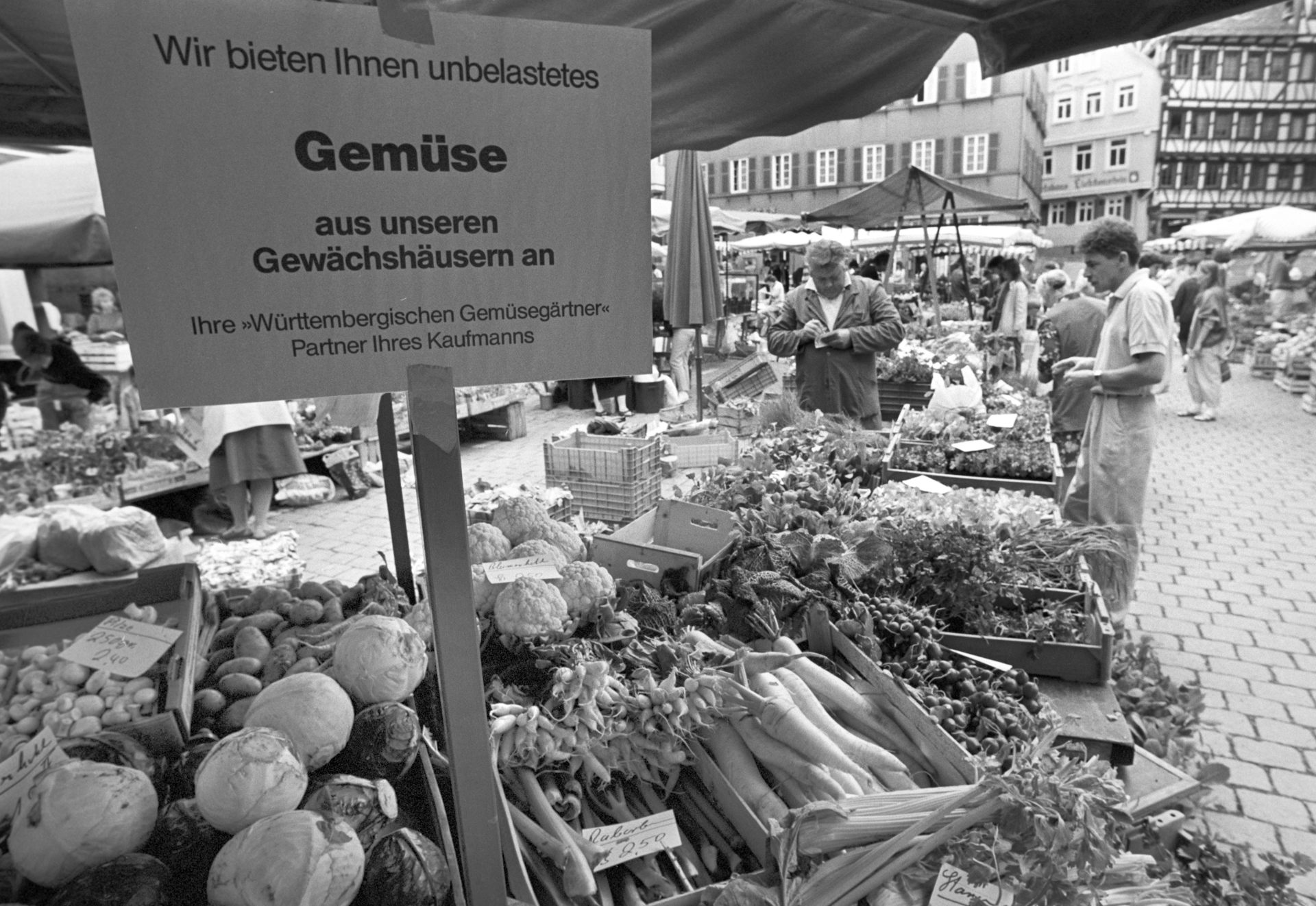
Children began refusing to drink milk at school, while people frequently asked produce vendors whether their products were grown in a greenhouse or outdoors. On the whole, people stopped buying many of these products.
Anak-anak mulai menolak minum susu di sekolah, sementara orang-orang sering bertanya kepada penjual hasil bumi apakah produk mereka ditanam di rumah kaca atau di luar ruangan. Secara keseluruhan, orang-orang berhenti membeli banyak produk ini.
With an excess of these goods, the East German government needed to devise a plan to continue to make money off potentially contaminated goods. The Stasi’s solution was to increase export of these goods to West Germany.
Dengan kelebihan barang-barang ini, pemerintah Jerman Timur perlu menyusun rencana untuk terus mendapatkan uang dari barang-barang yang berpotensi terkontaminasi. Solusi Stasi adalah meningkatkan ekspor barang-barang ini ke Jerman Barat.
In the formerly classified files, Stasi officials claim that exports would spread out the consumption of radioactive products, so that no one would consume unsafe levels of contaminated meat and produce.
Dalam berkas yang dulunya diklasifikasikan, pejabat Stasi mengklaim bahwa ekspor akan menyebarkan konsumsi produk radioaktif, sehingga tidak ada yang mengonsumsi tingkat daging dan hasil bumi terkontaminasi yang tidak aman.
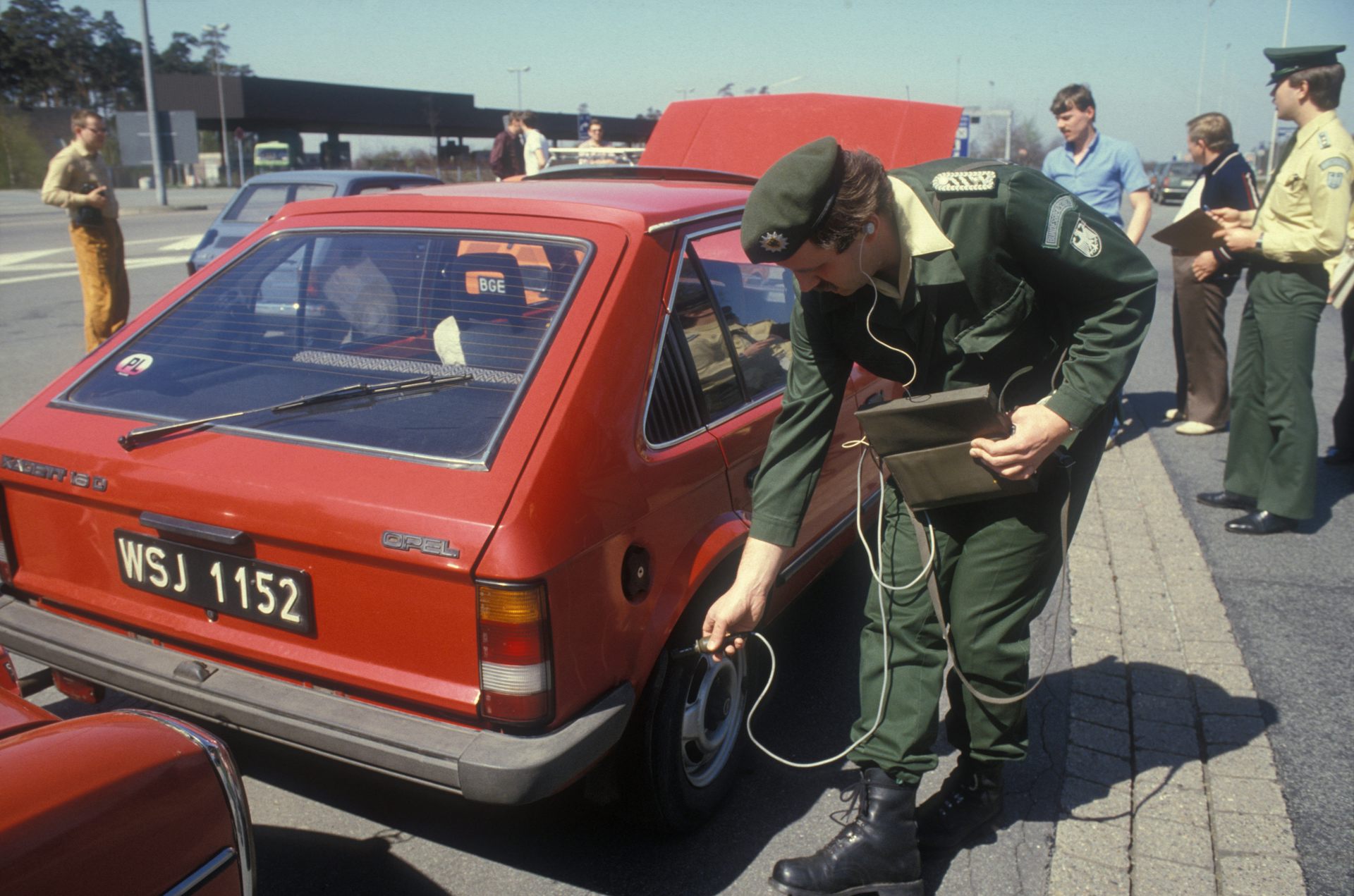
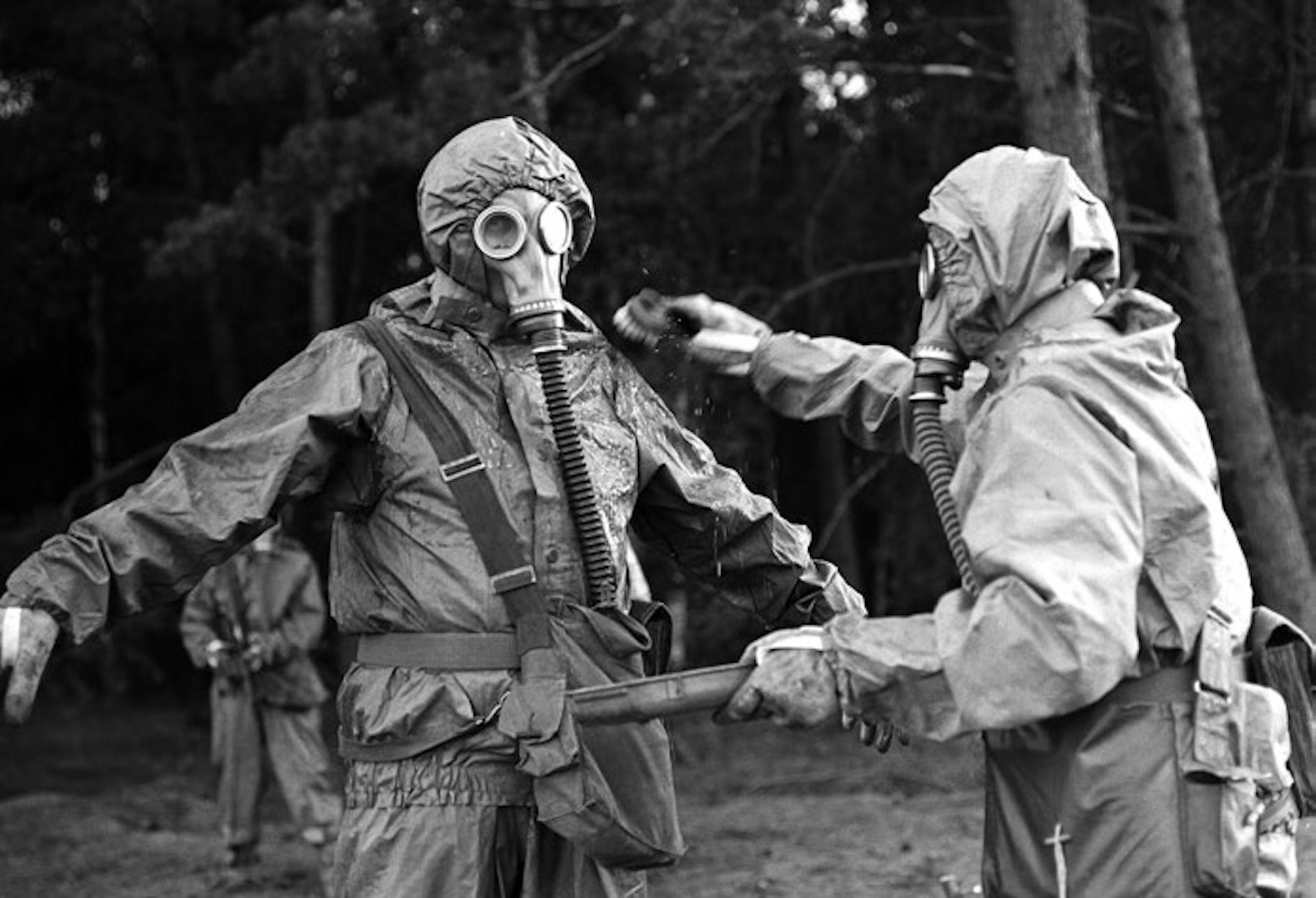
The problem for the East Germans was that West Germany quickly amended their regulations for border crossings from East to West. Vehicles emitting certain levels of radiation were no longer allowed across the border. As a response, the lower-ranking Stasi workers were required to clean radioactive vehicles themselves. In doing so, the state was knowingly risking the health and safety of its own officials.
Masalah bagi warga Jerman Timur adalah bahwa Jerman Barat dengan cepat mengubah peraturan mereka untuk penyeberangan perbatasan dari Timur ke Barat. Kendaraan yang memancarkan tingkat radiasi tertentu tidak lagi diizinkan melintasi perbatasan. Sebagai tanggapan, pekerja Stasi tingkat rendah diwajibkan untuk membersihkan kendaraan radioaktif itu sendiri. Dengan melakukan itu, negara secara sadar mempertaruhkan kesehatan dan keselamatan petugasnya sendiri.
The East German food export plan was modeled on a similar one proposed by the Soviet government. The Soviet strategy, however, was not to export contaminated goods abroad but rather to send contaminated meat products to “the majority of regions” in the Soviet Union “except for Moscow.”
Rencana ekspor makanan Jerman Timur dimodelkan berdasarkan rencana serupa yang diusulkan oleh pemerintah Soviet. Namun, strategi Soviet bukanlah mengekspor barang terkontaminasi ke luar negeri, melainkan mengirim produk daging terkontaminasi ke “sebagian besar wilayah” di Uni Soviet “kecuali Moskow.”
How disinformation proved an Achilles’ Heel
Bagaimana disinformasi membuktikan Achilles’ Heel
When the Stasi was founded in 1950, many of its employees genuinely believed in the East German cause.
Ketika Stasi didirikan pada tahun 1950, banyak karyawannya benar-benar percaya pada tujuan Jerman Timur.
Having witnessed the horrors of Nazi Germany, many older Stasi workers saw the East German state as the answer to creating a just and equitable society. By the 1980s, however, this sentiment had grown rare. Instead, many Stasi workers viewed their jobs as means to a decent income and privileged government treatment.
Setelah menyaksikan kengerian Jerman Nazi, banyak pekerja Stasi yang lebih tua melihat negara Jerman Timur sebagai jawaban untuk menciptakan masyarakat yang adil dan setara. Namun, pada tahun 1980-an, sentimen ini telah menjadi langka. Sebaliknya, banyak pekerja Stasi memandang pekerjaan mereka sebagai sarana untuk mendapatkan penghasilan yang layak dan perlakuan pemerintah yang istimewa.
As a result, many Stasi workers had grown disillusioned and dispassionate.
Akibatnya, banyak pekerja Stasi menjadi kecewa dan apatis.
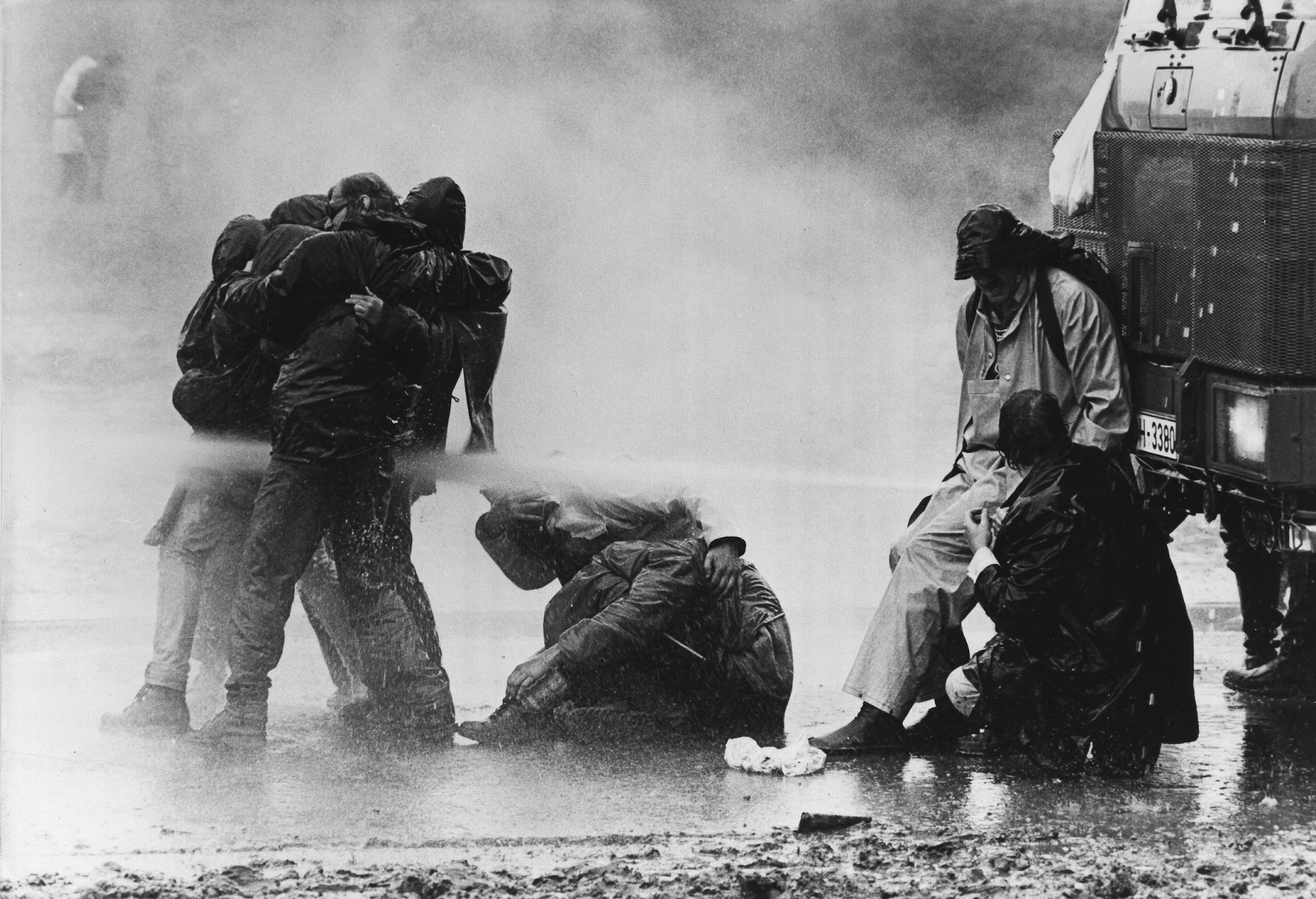
It was little surprise, then, that the Stasi put up little resistance when protesters stormed their headquarters in 1990, months after the Berlin Wall fell. While there are many factors in the demise of the communist bloc, the way the East German and Soviet governments handled the aftermath of Chernobyl contributed greatly to the growing popular sentiment against each regime.
Tidak mengherankan, saat itu, bahwa Stasi memberikan sedikit perlawanan ketika para pengunjuk rasa menyerbu markas mereka pada tahun 1990, berbulan-bulan setelah Tembok Berlin runtuh. Meskipun ada banyak faktor dalam keruntuhan blok komunis, cara pemerintah Jerman Timur dan Soviet menangani dampak pasca-Chernobyl sangat berkontribusi pada meningkatnya sentimen populer melawan setiap rezim.
In East Germany, the disinformation campaign after the nuclear disaster only strengthened the message that the state did not have its people’s best interests in mind and that it was willing to sacrifice their health and well-being in order to maintain a certain image.
Di Jerman Timur, kampanye disinformasi setelah bencana nuklir hanya memperkuat pesan bahwa negara tidak memikirkan kepentingan terbaik rakyatnya dan bahwa negara bersedia mengorbankan kesehatan dan kesejahteraan mereka demi mempertahankan citra tertentu.
Lauren Cassidy does not work for, consult, own shares in or receive funding from any company or organization that would benefit from this article, and has disclosed no relevant affiliations beyond their academic appointment.
Lauren Cassidy tidak bekerja untuk, berkonsultasi, memiliki saham di, atau menerima pendanaan dari perusahaan atau organisasi apa pun yang akan diuntungkan dari artikel ini, dan tidak mengungkapkan afiliasi relevan selain jabatan akademiknya.
Read more
-
Apa itu perang yang adil? Di tengah perang kata-kata antara pemerintahan Trump dan gereja Katolik
What is a just war? Inside the war of words between the Trump administration and the Catholic church
-
Pertukaran serangan AS dan Iran menunjukkan betapa jauhnya diplomasi telah berubah
US and Iran’s exchange of strikes shows how far diplomacy has changed