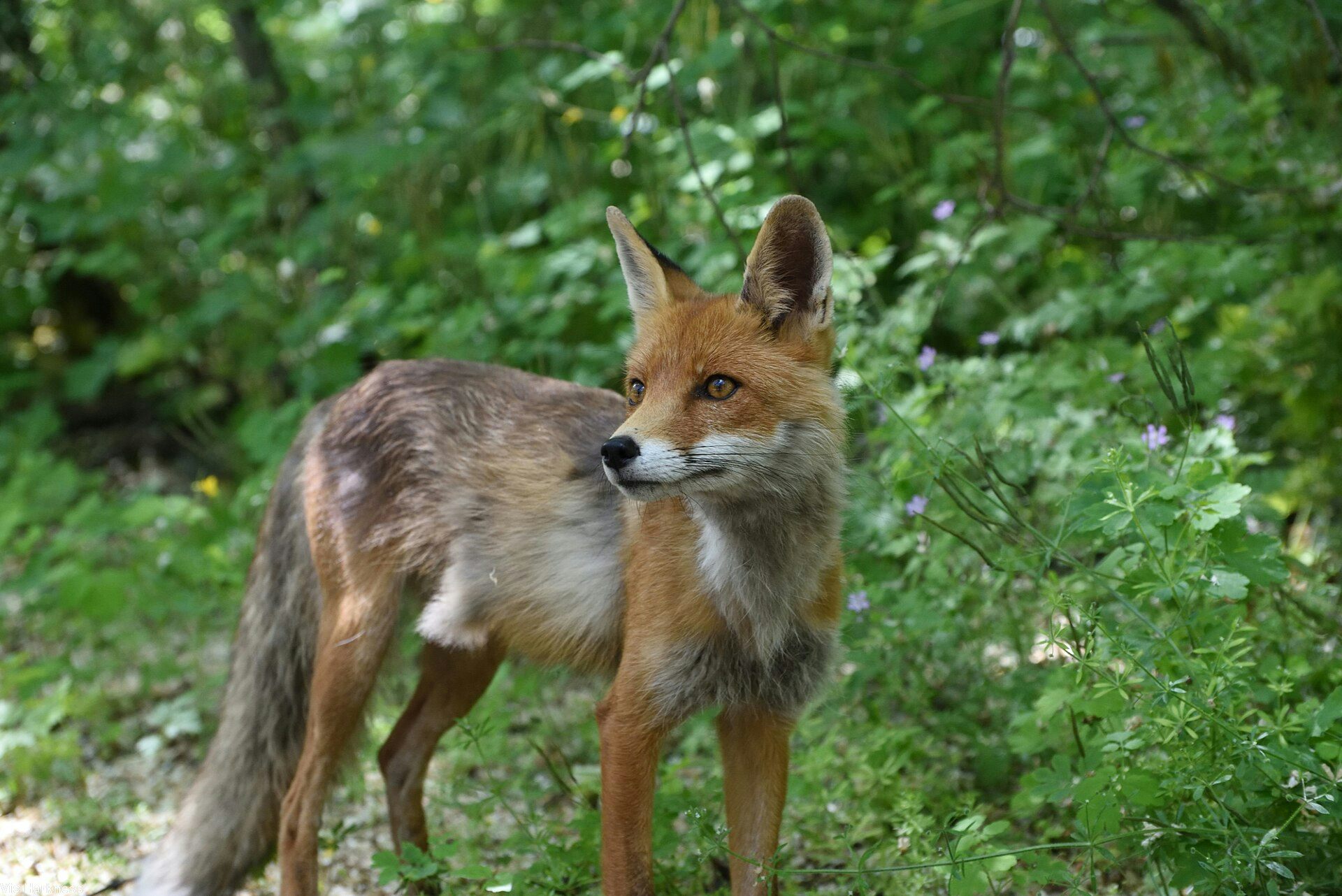
بعد 40 عاماً من الكارثة، لماذا عادت الثعالب والدببة والبيسون مجدداً حول تشيرنوبل؟
40 years on from the disaster, why there are foxes, bears and bison again around Chernobyl
Endangered species are making their home in a massive wild zone around the derelict Chernobyl nuclear plant.
تجد أنواع مهددة بالانقراض موطناً لها في منطقة برية ضخمة حول محطة تشيرنوبل النووية المهجورة.
In the novel When There Are Wolves Again by E.J. Swift, the Chernobyl disaster and its legacy is extrapolated to a near future where natural habitats are depleted and precarious.
في رواية “عندما تعود الذئاب” لإي. جيه. سويفت، يتم استقراء كارثة تشيرنوبل وإرثها إلى مستقبل قريب تكون فيه الموائل الطبيعية مستنزفة وهشة.
This work of eco-fiction deftly explores issues of possible paths to a future where animals return to a nature depleted area. In the real world, a parallel version of this story has been unfolding as nature is thriving around former nuclear power plants.
يستكشف هذا العمل من الخيال البيئي ببراعة قضايا المسارات المحتملة لمستقبل تعود فيه الحيوانات إلى منطقة طبيعية مستنزفة. وفي العالم الحقيقي، يتكشف نسخة موازية من هذه القصة حيث تزدهر الطبيعة حول محطات الطاقة النووية السابقة.
This is especially evident at the former Chernobyl plant in Ukraine, where the absence of human activity has enabled wildlife to flourish despite continuing radiation, 40 years after the nuclear disaster there.
يتجلى هذا بشكل خاص في محطة تشيرنوبل السابقة في أوكرانيا، حيث أتاح غياب النشاط البشري للحياة البرية أن تزدهر على الرغم من استمرار الإشعاع، بعد 40 عامًا من الكارثة النووية هناك.
A 2,600km² exclusion zone was established following the world’s worst civilian nuclear accident at Chernobyl in 1986, which released a radioactive cloud across Europe and led to the evacuation of around 115,000 people from the surrounding area. Almost immediately, radiation poisoning killed 31 plant workers and firefighters.
تم إنشاء منطقة حظر بحجم 2600 كيلومتر مربع بعد أسوأ حادث نووي مدني في العالم في تشيرنوبل عام 1986، والذي أطلق سحابة مشعة عبر أوروبا وأدى إلى إجلاء حوالي 115,000 شخص من المنطقة المحيطة. وفي وقت قريب جدًا، تسبب التسمم الإشعاعي في مقتل 31 عاملًا في المحطة ومكافح حريق.
It is 40 years since the Chernobyl disaster that led to the creation of the Chernobyl Exclusion Zone (CEZ) . Since 1986, it has turned into a thriving, unintentional wildlife sanctuary and a vast rewilding “laboratory”. The CEZ prohibits people living there, commercial activities, natural resource extraction and public access. Now the area is home to flourishing populations of large mammals.
لقد مرّت 40 عامًا على كارثة تشيرنوبل التي أدت إلى إنشاء منطقة حظر تشيرنوبل (CEZ) . ومنذ عام 1986، تحولت المنطقة إلى ملاذ بري مزدهر وغير مقصود ومختبر واسع لإعادة الحياة البرية. تحظر منطقة حظر تشيرنوبل على الأشخاص العيش فيها، والأنشطة التجارية، واستخراج الموارد الطبيعية، والوصول العام. والآن، تعد المنطقة موطنًا لتجمعات مزدهرة من الثدييات الكبيرة.
Populations of wolves, foxes, Eurasian lynx, elk and wild boar have significantly increased here. Species such as brown bears and European bison, meanwhile, have returned. This is rewilding in its most extreme form, given the inability of humans to intervene and it has resulted in several unexpected effects in the CEZ.
زادت أعداد الذئاب، والثعالب، والفهود الآسيوية، والأيائل، والخنازير البرية بشكل كبير هنا. وفي الوقت نفسه، عادت أنواع مثل الدب البني والأيل الأوروبي. وهذا هو إعادة الحياة البرية في شكلها الأكثر تطرفًا، نظرًا لعدم قدرة البشر على التدخل، وقد أدى إلى عدة تأثيرات غير متوقعة في منطقة حظر تشيرنوبل.
Studies indicate that the lack of human hunting, agriculture and development has a more positive impact on animal numbers than radiation has a negative one.
تشير الدراسات إلى أن نقص الصيد البشري والزراعة والتنمية له تأثير إيجابي على أعداد الحيوانات أكثر مما له تأثير سلبي بسبب الإشعاع.
Large mammal populations in the Belarusian sector of the zone are comparable to or higher than those in uncontaminated nature reserves. There is no doubt that initial radiation caused major damage to flora and fauna, most notably in the “red forest”, a 10km² area near the nuclear power plant.
إن تجمعات الثدييات الكبيرة في القطاع البيلاروسي للمنطقة تضاهي أو تفوق تلك الموجودة في المحميات الطبيعية غير الملوثة. ولا شك أن الإشعاع الأولي تسبب في أضرار جسيمة للنباتات والحيوانات، لا سيما في “الغابة الحمراء”، وهي منطقة تبلغ مساحتها 10 كيلومترات مربعة بالقرب من محطة الطاقة النووية.
This area earned its name after pine trees died and turned red-brown due to high radiation absorption. Yet long-term studies show that biodiversity has increased in the absence of humans.
اكتسبت هذه المنطقة اسمها بعد أن ماتت أشجار الصنوبر وتحولت إلى اللون البني المحمر بسبب الامتصاص العالي للإشعاع. ومع ذلك، تُظهر الدراسات طويلة الأجل أن التنوع البيولوجي قد ازداد في غياب البشر.
Return of rare species
عودة الأنواع النادرة
A range of endangered species have returned to the exclusion zone. This includes Przewalski’s horses, reintroduced in 1998 as a conservation experiment. They are now thriving, and the population has grown to over 150 animals within a distinct area of the Ukrainian part of the zone.
عادت مجموعة من الأنواع المهددة بالانقراض إلى منطقة الاستبعاد. ويشمل ذلك خيول برزيوالسكي، التي أعيد إدخالها عام 1998 كتجربة للحفظ. وهي تزدهر الآن، وقد نما عددها ليصل إلى أكثر من 150 حيوانًا ضمن منطقة متميزة في الجزء الأوكراني من المنطقة.
Both Eurasian lynx and European bison, which had disappeared from the area, have returned and established their populations. Several different bird species have returned, such as black storks, white storks and white-tailed eagles.
عاد كل من الوشق الأوراسي والبيسون الأوروبي، اللذان كانا قد اختفيا من المنطقة، وأقاما تجمعاتهما السكانية. كما عادت عدة أنواع مختلفة من الطيور، مثل طيور البلشون الأسود، والبلشون الأبيض، والنسر ذو الذيل الأبيض.
Most significant, is the return of the globally endangered greater spotted eagle, which depends on wetland habitats to hunt and is very sensitive to human disturbance. It had vanished from the area at the time of the nuclear accident.
والأهم من ذلك هو عودة النسر المرقط الكبير، المهدد عالميًا، والذي يعتمد على الموائل الرطبة للصيد وهو حساس للغاية للاضطراب البشري. لقد اختفى من المنطقة في وقت وقوع الحادث النووي.
In 2019, four pairs were recorded at the study site, and at least 13 pairs were documented nesting in the Belarusian part of the zone. Today, this region is the only place in the world where the population of this rare species is growing.
في عام 2019، تم تسجيل أربعة أزواج في موقع الدراسة، وتم توثيق تعشيش ما لا يقل عن 13 زوجًا في الجزء البيلاروسي من المنطقة. واليوم، تعد هذه المنطقة المكان الوحيد في العالم الذي يتزايد فيه عدد سكان هذا النوع النادر.
Frogs change colour
الضفادع تغير لونها
There is also scientific evidence that some species appear to be adapting to the radioactive environment. For example, tree frogs in the zone are darker, as higher melatonin levels seem to protect against radiation damage.
هناك أيضًا أدلة علمية تشير إلى أن بعض الأنواع تبدو وكأنها تتكيف مع البيئة المشعة. على سبيل المثال، الضفادع الشجرية في المنطقة أغمق، حيث يبدو أن مستويات الميلاتونين الأعلى تحمي من تلف الإشعاع.
There also appears to be resilience evolving in wolves as research on Eurasian wolves indicates potential adaptations to survive chronic radiation and reduce cancer risks.
يبدو أيضًا أن هناك مرونة تتطور في الذئاب، حيث تشير الأبحاث حول ذئاب أوراسيا إلى تكيفات محتملة للبقاء على قيد الحياة في الإشعاع المزمن وتقليل مخاطر السرطان.
Such adaptation is not limited to animals. A black fungus was first discovered in 1991 using remotely piloted robots growing inside reactor 4 of the former power plant. It appears to use melanin, which can protect against ultra-violet light, to convert gamma radiation into energy to grow faster than normal.
هذا التكيف لا يقتصر على الحيوانات. تم اكتشاف فطر أسود لأول مرة في عام 1991 باستخدام روبوتات يتم تشغيلها عن بعد تنمو داخل المفاعل 4 لمحطة الطاقة السابقة. ويبدو أنه يستخدم الميلانين، الذي يمكن أن يحمي من الأشعة فوق البنفسجية، لتحويل أشعة جاما إلى طاقة لينمو بشكل أسرع من المعتاد.
In addition, some plants in the nearby zone are demonstrating DNA repair as a response to the high levels of radiation. Such adaptation means the vegetation has evolved to survive, with some plants showing enhanced ability to manage heavy metals and radiation.
بالإضافة إلى ذلك، تُظهر بعض النباتات في المنطقة المجاورة إصلاح الحمض النووي (DNA) استجابةً للمستويات العالية من الإشعاع. يعني هذا التكيف أن الغطاء النباتي قد تطور للبقاء على قيد الحياة، حيث تُظهر بعض النباتات قدرة معززة على التعامل مع المعادن الثقيلة والإشعاع.
It is now one of Europe’s largest nature reserves, providing an important site for ecological research, particularly for how ecosystems recover when undisturbed.
إنه الآن أحد أكبر المحميات الطبيعية في أوروبا، ويوفر موقعًا مهمًا للبحوث البيئية، خاصة فيما يتعلق بكيفية تعافي النظم البيئية عند عدم المساس بها.
The zone has undoubtedly been shaped by radiation but also, crucially, by abandonment and time. As a consequence, the usual ecological rules no longer apply and this has meant Chernobyl now has some remarkable wildlife. For example, the hundreds of pet dogs abandoned in the aftermath of the disaster have become feral dogs that have evolved to be genetically distinct from populations elsewhere in Ukraine.
لقد تشكلت المنطقة بلا شك بفعل الإشعاع، ولكن أيضًا، وبشكل حاسم، بفعل الهجر والوقت. ونتيجة لذلك، لم تعد القواعد البيئية المعتادة تنطبق، مما يعني أن تشيرنوبل يمتلك الآن بعض الحياة البرية الرائعة. على سبيل المثال، أصبحت مئات الكلاب الأليفة التي تُركت في أعقاب الكارثة كلابًا ضالة تطورت لتكون متميزة وراثيًا عن التجمعات السكانية في أماكن أخرى من أوكرانيا.
Despite the evidence supporting rewilding here, it is apparent that not all outcomes of the disaster have been beneficial for flora and fauna. There is evolutionary pressure with some species showing reduced reproductive success and high mutation rates, resulting in some health issues for animals.
على الرغم من الأدلة التي تدعم إعادة الحياة البرية هنا، فمن الواضح أن جميع نتائج الكارثة لم تكن مفيدة للنباتات والحيوانات. هناك ضغط تطوري حيث تُظهر بعض الأنواع انخفاضًا في النجاح التكاثري ومعدلات طفرة عالية، مما يؤدي إلى بعض المشاكل الصحية للحيوانات.
But it is not only at Chernobyl where these nuclear zones are encouraging animals to return. Around other damaged nuclear reactors, such as Fukushima, mammals, including bears, raccoons and wild boars have now returned in high numbers transforming exclusion zones into unexpected sanctuaries. At some operating nuclear plants, local wildlife has been encouraged through habitat creation and protection of large, undisturbed exclusion areas.
لكن الأمر لا يقتصر على تشيرنوبل حيث تشجع هذه المناطق النووية عودة الحيوانات. حول مفاعلات نووية أخرى تضررت، مثل فوكوشيما، عادت الثدييات، بما في ذلك الدببة، والقنادس، والخنازير البرية، بأعداد كبيرة، محولةً مناطق الإقصاء إلى ملاجئ غير متوقعة. وفي بعض محطات الطاقة النووية العاملة، تم تشجيع الحياة البرية المحلية من خلال إنشاء الموائل وحماية مناطق الإقصاء الكبيرة وغير المضطربة.
Clearly, the situation is complicated, and it should not take a nuclear accident to stop humans pushing other species towards existential risk, let alone the continuing environmental degradation occurring around the globe. There are lessons to be learned from such catastrophes, and no neat conclusions, even 40 years after the disaster.
من الواضح أن الوضع معقد، ولا ينبغي أن يتطلب الأمر وقوع حادث نووي لوقف البشر عن دفع الأنواع الأخرى نحو خطر وجودي، ناهيك عن التدهور البيئي المستمر الذي يحدث في جميع أنحاء العالم. هناك دروس يجب تعلمها من مثل هذه الكوارث، ولا توجد استنتاجات واضحة، حتى بعد 40 عامًا من الكارثة.
Wildlife has largely returned to the area around Chernobyl due to the absence of people, although not predictably or evenly. It does illustrate, however, how ecosystems can respond and still flourish when the usual rules do not apply.
عادت الحياة البرية إلى المنطقة المحيطة بتشيرنوبل إلى حد كبير بسبب غياب الناس، على الرغم من أنه ليس بشكل يمكن التنبؤ به أو متساوٍ. ومع ذلك، فإنه يوضح كيف يمكن للنظم البيئية أن تستجيب وتزدهر عندما لا تنطبق القواعد المعتادة.
Nick Dunn receives funding from various UKRI funding councils and UK government bodies. He is a Director of DarkSky UK.
يتلقى نيك دان التمويل من مختلف مجالس التمويل التابعة لمجلس البحوث الكندي (UKRI) والهيئات الحكومية البريطانية. وهو مدير لـ DarkSky UK.
Read more
-

لقد حللنا 14 مليون منشور على ريديت للكشف عن تحول لافت في طريقة حديثنا عن الصحة العقلية
We analysed 14 million Reddit posts to reveal a striking shift in how we talk about mental health
-
فيروس الهانتال (Hantavirus) يختلف كثيراً عن كوفيد (COVID). وإليك سبب عدم تسبب “فيروس الأنديز” في الوباء القادم.
Hantavirus is very different to COVID. Here’s why the ‘Andes virus’ won’t cause the next pandemic