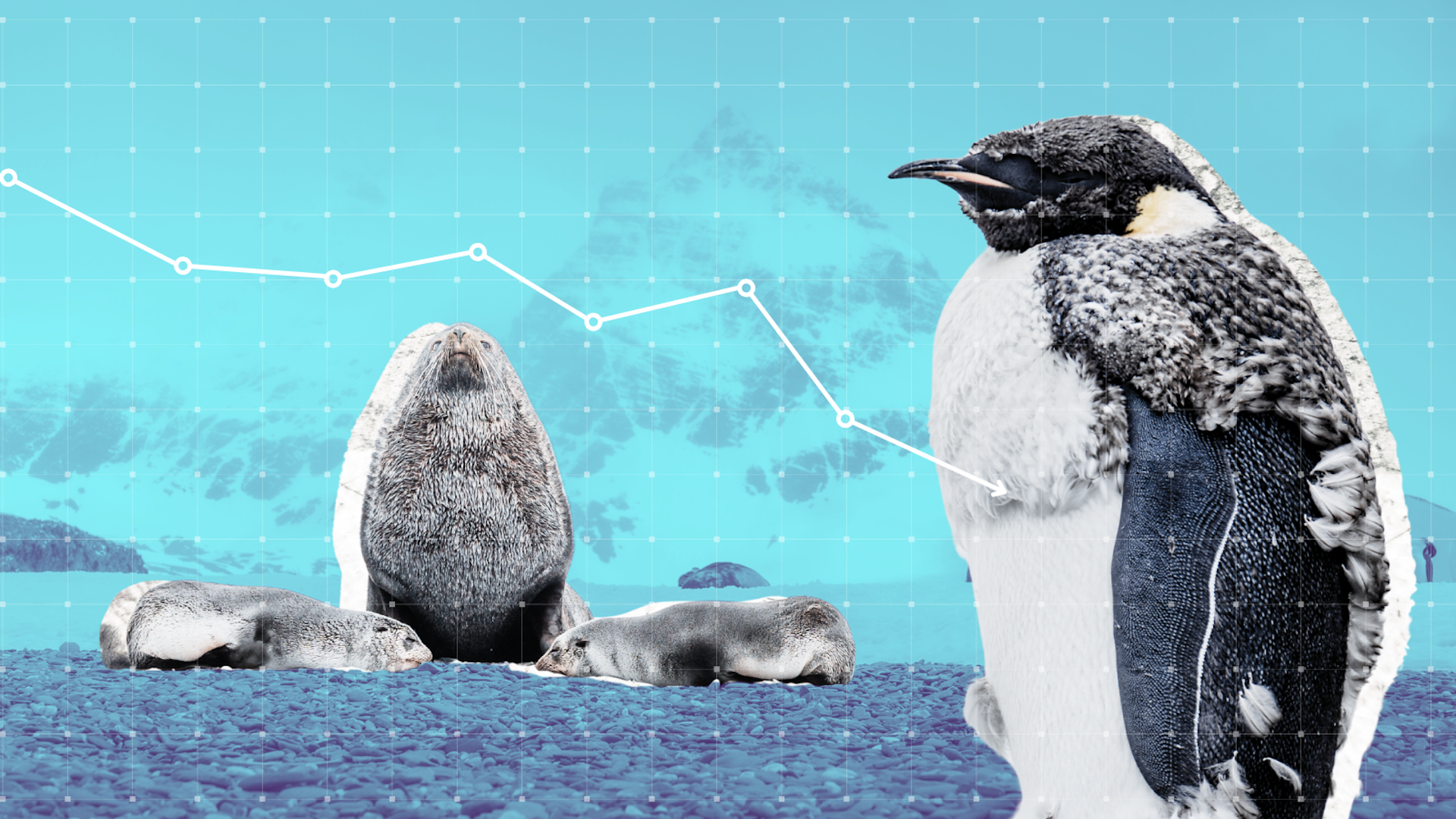
أصبح طائر البطريق الإمبراطوري المحبوب والفقمة ذات الفراء القطبية الجنوبية مهددين بالانقراض رسميًا. وإليك ما يمكن فعله
The beloved emperor penguin and Antarctic fur seal are now officially endangered. Here’s what can be done
The loss of iconic Antarctic wildlife is no longer a future possibility. It is happening in real-time, while we watch.
لم يعد فقدان الحياة البرية الأيقونية في القارة القطبية الجنوبية مجرد احتمال مستقبلي. إنه يحدث في الوقت الفعلي، ونحن نشاهد.
In 1902, British explorer Robert Falcon Scott spotted a large group of large black and white birds at Ross Island, Antarctica. This was among the many milestones of Scott’s famous Discovery expedition: the first breeding colony of emperor penguins.
في عام 1902، رصد المستكشف البريطاني روبرت فالكون سكوت مجموعة كبيرة من الطيور السوداء والبيضاء الكبيرة في جزيرة روس، أنتاركتيكا. كان هذا أحد المعالم العديدة لبعثة سكوت الشهيرة “الاستكشاف”: أول مستعمرة تكاثر لطيور الإمبراطور.
Now, only 124 years since this penguin colony was discovered, emperor penguins have officially been listed as endangered, along with the Antarctic fur seal. As the world warms, Antarctic krill are shifting southwards and sea ice is shrinking at record levels. And these unprecedented changes are having a domino effect on these species.
الآن، بعد مرور 124 عامًا فقط على اكتشاف مستعمرة البطاريق هذه، تم تصنيف طيور الإمبراطور رسميًا على أنها مهددة بالانقراض، إلى جانب فقمة الفراء في أنتاركتيكا. ومع ارتفاع حرارة العالم، تتجه الكريل في أنتاركتيكا جنوبًا ويتقلص الجليد البحري بمستويات قياسية. وتُحدث هذه التغيرات غير المسبوقة تأثير الدومينو على هذه الأنواع.
These are the first penguin and pinniped – marine mammals that have front and rear flippers – to be given this conservation status in the Southern Ocean. Their perilous situation is a critical turning point, and shows how rapidly the Antarctic environment is changing.
هذه هي أولى طيور البطريق والثدييات ذات الزعانف (Pinniped) – وهي ثدييات بحرية لديها زعانف أمامية وخلفية – التي تحصل على هذا الوضع المحمي في المحيط الجنوبي. إن وضعها المحفوف بالمخاطر يمثل نقطة تحول حاسمة، ويُظهر مدى سرعة تغير البيئة في أنتاركتيكا.
At the same time, the spread of highly contagious avian influenza, or bird flu, adds a new and immediate threat to Southern Ocean wildlife, compounding the pressures of climate change on stressed species.
وفي الوقت نفسه، يضيف انتشار إنفلونزا الطيور، أو “إنفلونزا الطيور”، شديدة العدوى، تهديدًا جديدًا وفوريًا للحياة البرية في المحيط الجنوبي، مما يزيد من ضغوط تغير المناخ على الأنواع المجهدة.
Dramatic declines linked to climate change
انخفاضات درامية مرتبطة بتغير المناخ
The first emperor penguin breeding colony was discovered at Cape Crozier, on Ross Island, during Robert Falcon Scott’s Discovery expedition in 1902. A decade later, Scott’s Terra Nova expedition returned, in part to collect emperor penguin eggs. It was an ill-fated expedition, immortalised in Apsley Cherry-Garrard’s famous book, The Worst Journey in the World.
اكتُشفت أول مستعمرة لتكاثر طيور البطريق الإمبراطوري في كيب كروزييه، في جزيرة روس، خلال بعثة الاكتشاف لروبرت فالكون سكوت عام 1902. بعد عقد من الزمان، عادت بعثة تيرا نوفا التابعة لسكوت، جزئياً لجمع بيض طيور البطريق الإمبراطوري. كانت رحلة نكراء، خُلّدت في كتاب أبسلي تشيري-غارارد الشهير، “أسوأ رحلة في العالم.”
In the 1960s, Scott’s son, Sir Peter Scott, one of the founders of modern conservation, helped establish the International Union for the Conservation of Nature’s Red List. Just 124 years after those early discoveries at Cape Crozier, that same framework has now been used to classify emperor penguins as endangered. The swift arc from discovery to extinction risk is a striking reminder of how quickly the species’ fortunes have changed.
في الستينيات، ساعد ابن سكوت، السير بيتر سكوت، أحد مؤسسي الحفاظ على البيئة الحديثة، في إنشاء القائمة الحمراء للاتحاد الدولي لحفظ الطبيعة. بعد 124 عاماً فقط من تلك الاكتشافات المبكرة في كيب كروزييه، تم استخدام نفس الإطار الآن لتصنيف طيور البطريق الإمبراطوري على أنها مهددة بالانقراض. إن المسار السريع من الاكتشاف إلى خطر الانقراض هو تذكير صارخ بالسرعة التي تغيرت بها حظوظ هذا النوع.
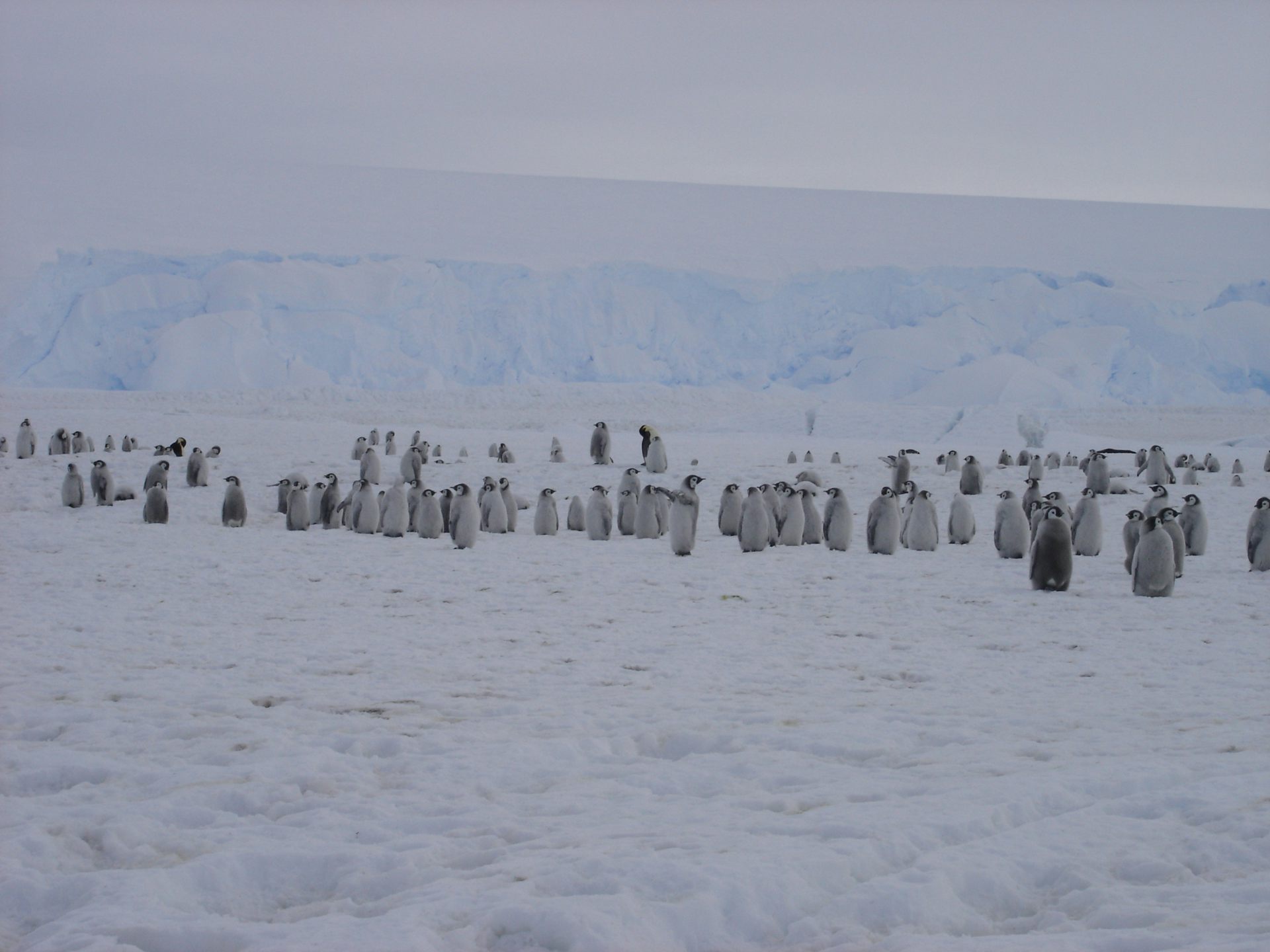
Over nine years, between 2009 and 2018, emperor penguin numbers fell by 10%. Their numbers are expected to halve by 2073.
على مدى تسع سنوات، بين عامي 2009 و 2018، انخفض عدد طيور البطريق الإمبراطوري بنسبة 10%. ومن المتوقع أن ينخفض عددها إلى النصف بحلول عام 2073.
The decline is more pronounced for Antarctic fur seals. Hunted to the brink of extinction in the early 1880s, by 1999 their numbers had rebounded to an estimated 2.1 million mature seals. But since then, the global population has decreased by more than 50%, to about 944,000 mature individuals.
الانخفاض أكثر وضوحاً بالنسبة لفقمات الفرو القطبية الجنوبية. بعد أن طُاردت حتى حافة الانقراض في أوائل الثمانينيات من القرن التاسع عشر، كانت أعدادها بحلول عام 1999 قد انتعشت لتصل إلى ما يقدر بـ 2.1 مليون فقمة بالغة. ولكن منذ ذلك الحين، انخفض عدد السكان العالمي بأكثر من 50%، ليصل إلى حوالي 944,000 فرد بالغ.
In just a decade, they have been reclassified on the IUCN’s Red List, going from of “least concern” – those species that are widespread and at low risk of extinction – to “endangered”. The IUCN’s red list is the comprehensive information source on the extinction risk status of species. This shows the remarkable speed at which these seals are declining.
في غضون عقد من الزمان فقط، أعيد تصنيفها في القائمة الحمراء للاتحاد الدولي لحفظ الطبيعة، حيث انتقلت من تصنيف “الأقل قلقاً” – وهي الأنواع المنتشرة وذات خطر انقراض منخفض – إلى “مهددة بالانقراض.” وتُعد القائمة الحمراء للاتحاد الدولي لحفظ الطبيعة المصدر الشامل للمعلومات حول حالة خطر انقراض الأنواع. ويُظهر هذا السرعة المذهلة التي تتناقص بها أعداد هذه الفقمات.
Climate change and bird flu
تغير المناخ وإنفلونزا الطيور
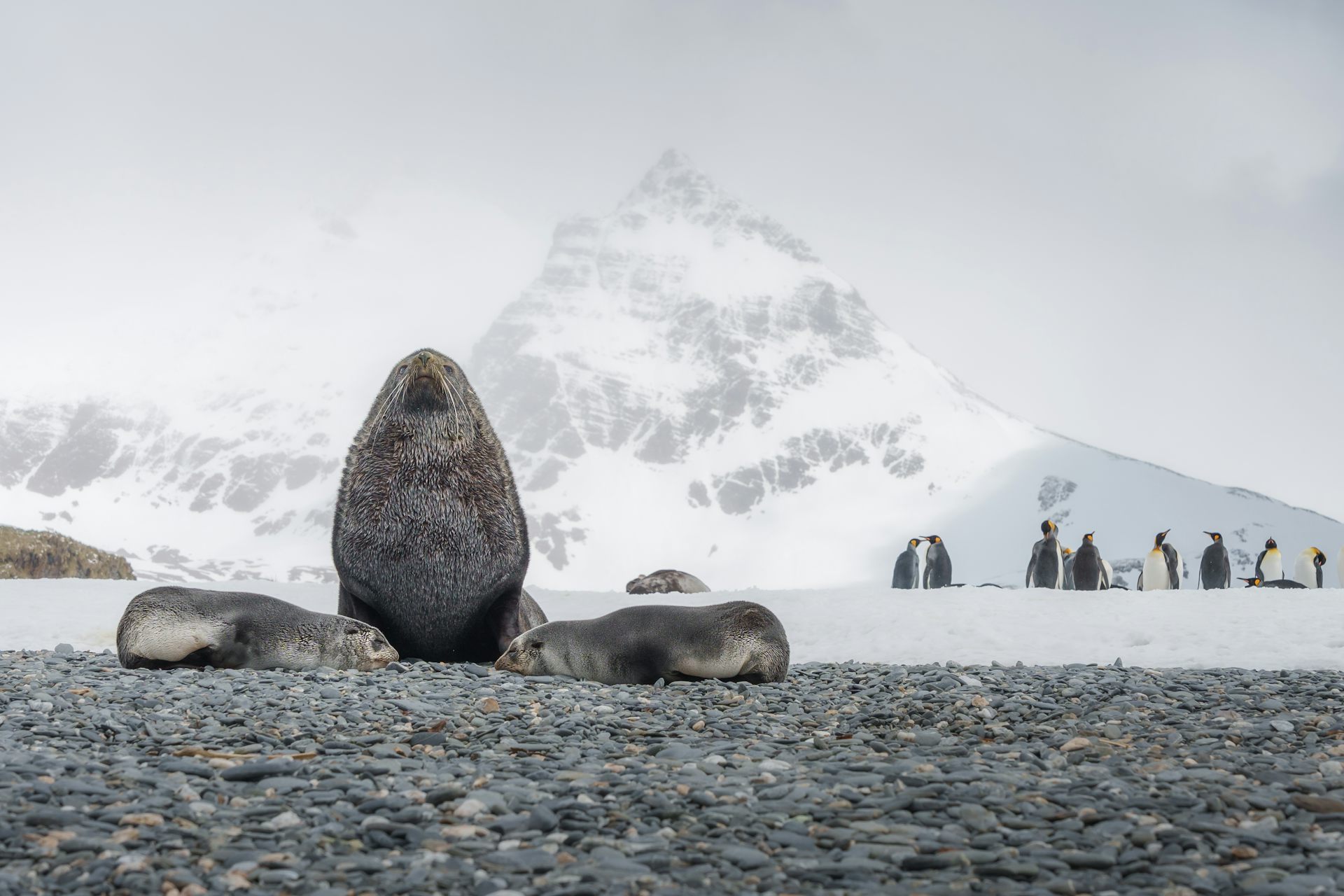
Both of these dramatic declines are linked to climate change. Warming ocean temperatures and a reduction in sea ice affect the availability of the Antarctic fur seal’s key prey, Antarctic krill. Krill are shifting southwards and moving deeper, potentially making them less accessible to some predators. Competition with a growing population of whales has also increased.
يرتبط كل من هذين التناقصين الدراماتيكيين بتغير المناخ. تؤثر درجات حرارة المحيط المرتفعة وانخفاض الجليد البحري على توافر فريسة رئيسية لـ “فقمة الفراء القطبية”، وهي الكريل القطبي. يتحرك الكريل جنوباً ويتعمق، مما قد يجعله أقل سهولة لبعض الحيوانات المفترسة. كما زادت المنافسة مع تزايد أعداد الحيتان.
Emperor penguins, by contrast, are completely dependent on sea ice. They use it as a stable platform for courtship, incubating their eggs and rearing chicks. But as sea ice declines and becomes less reliable, their breeding success is increasingly threatened. If the ice breaks up before chicks are fully developed, many are unable to survive.
في المقابل، تعتمد طيور البطريق الإمبراطور بالكامل على الجليد البحري. فهي تستخدمه كمنصة مستقرة لمغازلة الأزواج، ووضع البيض، وتربية الفراخ. ولكن مع انخفاض الجليد البحري وأصبح أقل موثوقية، يزداد تهديد نجاحها التكاثري. فإذا انكسر الجليد قبل أن تتطور الفراخ بالكامل، يفشل الكثير منها في البقاء على قيد الحياة.
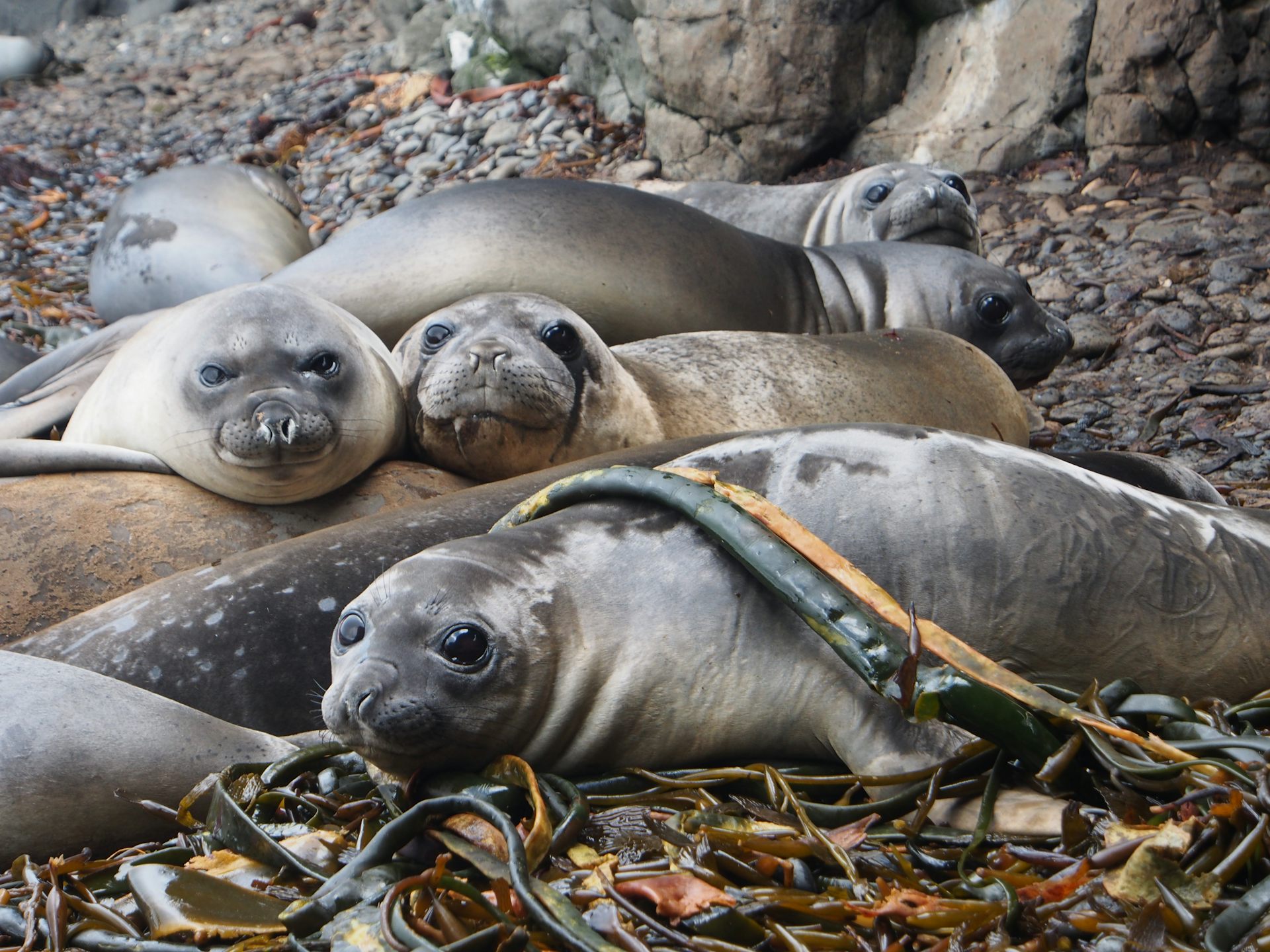
At the same time, the spread of highly contagious bird flu adds a new and immediate threat to Southern Ocean wildlife. High mortality associated with avian influenza has also caused the uplisting of the southern elephant seal to “vulnerable” this week.
في الوقت نفسه، يضيف انتشار إنفلونزا الطيور شديدة العدوى تهديداً جديداً وفورياً للحياة البرية في جنوب المحيط. كما تسبب ارتفاع معدل الوفيات المرتبط بالإنفلونزا الطيرية في تصنيف فقمة الفيل الجنوبية على أنها “معرضة للخطر” هذا الأسبوع.
Some elephant seal populations have experienced more than 90% of pups dying, alongside sharp declines in breeding adults. These represent tens of thousands of animals lost, with many Antarctic fur seals also dying as a result of bird flu outbreaks.
شهدت بعض تجمعات فقمات الفيل نفوق أكثر من 90% من الجراء، إلى جانب انخفاض حاد في البالغين المتكاثرين. ويمثل هذا عشرات الآلاف من الحيوانات المفقودة، مع نفوق العديد من فقمات الفراء القطبية أيضاً نتيجة لتفشي إنفلونزا الطيور.
We need to know more
نحتاج إلى معرفة المزيد
Emperor penguins, Antarctic fur seals and southern elephant seals are three of the more widely researched Southern Ocean predators. But there is still a lot we don’t know, because of the remote location and the difficulty of sustaining research over time. And there are many species we know far less about. Antarctic ice seals, including Weddell seals, crabeater seals, leopard seals, and Ross seals, have “unknown” population trends on the IUCN red list, meaning there is not enough data to know if numbers are declining.
طيور البطريق الإمبراطور، وفقمات الفرو القطبية، وفقمات الفيل الجنوبية هي ثلاثة من أكثر الحيوانات المفترسة التي تمت دراستها في المحيط الجنوبي. ولكن لا يزال هناك الكثير الذي لا نعرفه، بسبب الموقع النائي وصعوبة استدامة البحث بمرور الوقت. وهناك العديد من الأنواع التي نعرف عنها أقل بكثير. تظهر فقمات الجليد القطبية، بما في ذلك فقمات ويدل، وفقمات آكل الكابوريا، وفقمات النمر، وفقمات روس، اتجاهات سكانية “غير معروفة” في القائمة الحمراء للاتحاد الدولي لحفظ الطبيعة (IUCN) ، مما يعني عدم وجود بيانات كافية لمعرفة ما إذا كانت الأعداد في تناقص.
These recent listings make clear the urgent and ongoing need for improved, real-time monitoring. We need to know much more about wildlife health and population trends, the Antarctic environment and sea ice quality.
تجعل هذه الإدراجات الأخيرة واضحة الحاجة الملحة والمستمرة لتحسين المراقبة في الوقت الفعلي. نحتاج إلى معرفة المزيد عن صحة الحياة البرية واتجاهات التجمعات السكانية، والبيئة القطبية الجنوبية وجودة الجليد البحري.
Human-driven threats facing Antarctic wildlife are many, and cumulative. To respond, we need to better protect Antarctic habitat and the species that live there. We need to reduce the interaction of marine species with industrial fishing. And we must improve how we assess current and suspected threats in Antarctica, when there is growing evidence of impacts.
التهديدات التي يواجهها الحياة البرية في القارة القطبية الجنوبية، والتي يسببها الإنسان، كثيرة وتراكمية. للاستجابة لذلك، نحتاج إلى حماية موائل القارة القطبية الجنوبية والأنواع التي تعيش فيها بشكل أفضل. نحتاج إلى تقليل تفاعل الأنواع البحرية مع الصيد الصناعي. ويجب علينا تحسين كيفية تقييمنا للتهديدات الحالية والمشتبه بها في القارة القطبية الجنوبية، عندما تتزايد الأدلة على التأثيرات.
Defining these animals as endangered is a stark reminder of how quickly Antarctica is changing before our eyes. Without a rapid reduction in greenhouse gas emissions and sustained conservation action, these species may be lost forever.
يمثل تصنيف هذه الحيوانات على أنها مهددة بالانقراض تذكيراً صارخاً بالسرعة التي تتغير بها القارة القطبية الجنوبية أمام أعيننا. فبدون خفض سريع لانبعاثات الغازات الدفيئة وعملية الحفاظ المستدامة، قد تضيع هذه الأنواع إلى الأبد.
Mary-Anne Lea receives funding from the Australian Research Council, the Australian government, Rolex, the National Geographic Society and others. She is affiliated with the University of Tasmania, the Scientific Committee on Antarctic Research (SCAR) Expert Group on Birds and Marine Mammals, the SCAR Standing Committee on the Antarctic Treaty System (as a delegate to CCAMLR) and is a co-founder and board director of Homeward Bound Projects.
تتلقى ماري-آن ليا التمويل من المجلس الأسترالي للبحوث، والحكومة الأسترالية، وشركة رولكس، والجمعية الجغرافية الوطنية، وغيرهم. وهي منتسبة إلى جامعة تسمانيا، والمجموعة الخبيرة للحيوانات والثدييات البحرية التابعة للجنة العلمية لأبحاث القارة القطبية الجنوبية (SCAR) ، واللجنة الدائمة التابعة للاتفاقية القطبية الجنوبية (بصفتها مندوبة لدى CCAMLR) ، وهي مؤسسة مشاركة ومديرة مجلس إدارة لمشاريع العودة إلى الوطن (Homeward Bound Projects) .
Jane Younger receives funding from the Australian Research Council, National Geographic Society, Rolex, WIRES, the Marine Megafauna Research Fund, and Lindblad-National Geographic. She is affiliated with the University of Tasmania and Senior Editor of Ecology & Evolution.
تتلقى جين يونغر التمويل من المجلس الأسترالي للبحوث، والجمعية الجغرافية الوطنية، وشركة رولكس، وWIRES، وصندوق أبحاث الكائنات البحرية العملاقة، وليندبلاد-الجمعية الجغرافية الوطنية. وهي منتسبة إلى جامعة تسمانيا ومحررة أول لـ “الإيكولوجيا والتطور” (Ecology & Evolution) .
Noemie Friscourt receives funding from the Australian Research Council, the Australian government and the Antarctic Science Foundation. She is affiliated with the University of Tasmania.
تتلقى نومي فريسكورت التمويل من المجلس الأسترالي للبحوث، والحكومة الأسترالية، ومؤسسة علوم القارة القطبية الجنوبية. وهي منتسبة إلى جامعة تسمانيا.
Read more
-

هل يمكن أن يُحدث الحرب في أوكرانيا تغييراً سياسياً لروسيا؟
Could the war in Ukraine bring political change to Russia?
-

Spice Girls في الثلاثينات: كيف غيّر “قوة الفتاة” موسيقى البوب
Spice Girls at 30: how girl power changed pop