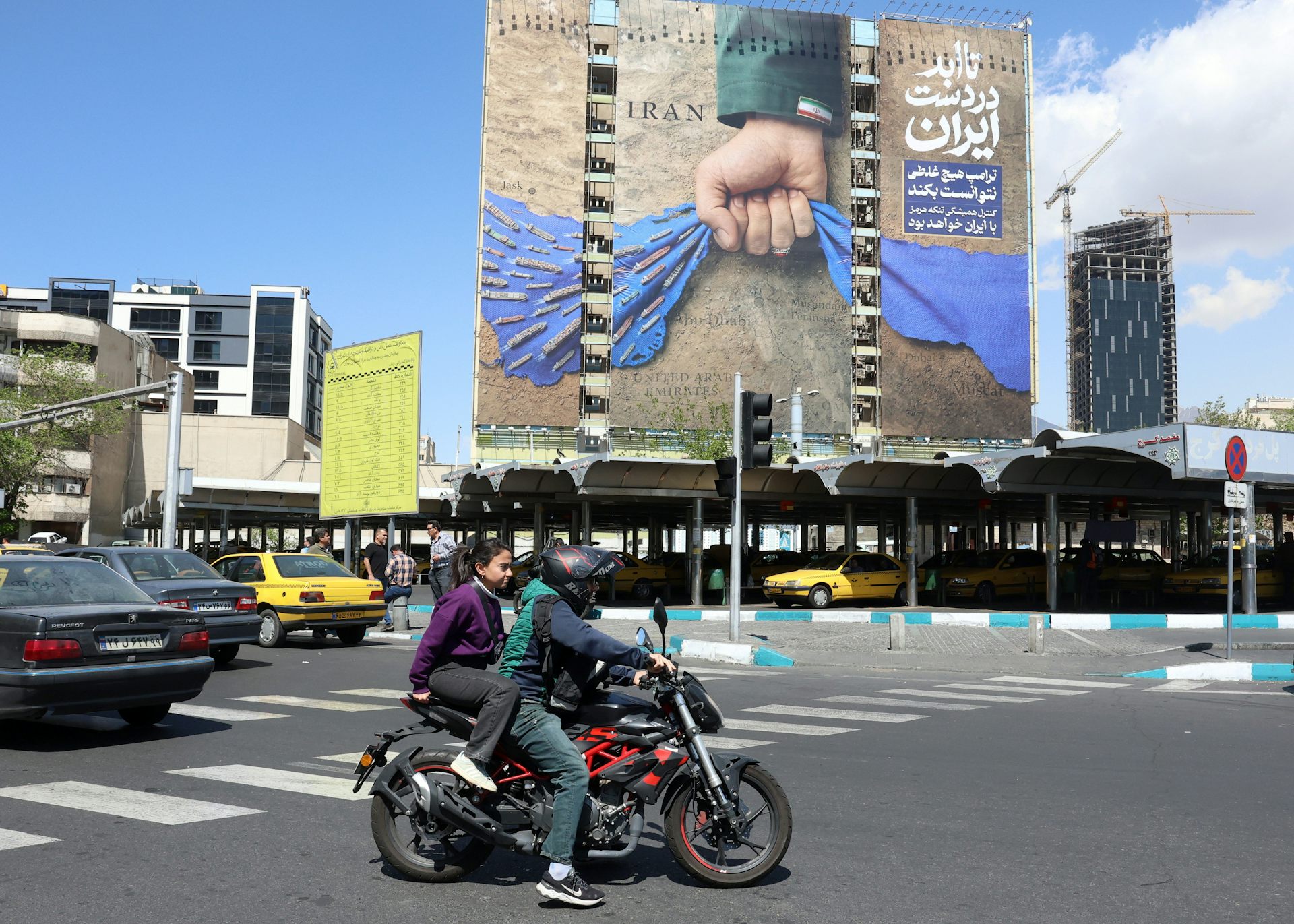
تمتلك إيران أداة قوية جديدة في مضيق هرمز يمكنها استغلالها حتى بعد فترة طويلة من الحرب
Iran has a powerful new tool in the Strait of Hormuz that it can leverage long after the war
Iran’s leaders are demanding sovereignty over the strait for a reason: it protects them from future attacks and can be a very effective bargaining chip.
يطالب قادة إيران بالسيادة على المضيق لسبب: فهو يحميهم من الهجمات المستقبلية ويمكن أن يكون ورقة مساومة فعالة للغاية.
The Trump administration claims its blockade of the Strait of Hormuz is working, with nine ships complying with orders to turn around.
تدعي إدارة ترامب أن حصارها لمضيق هرمز ناجح، حيث التزمت تسع سفن بتعليمات تغيير مسارها.
One of those was a Chinese-owned tanker called the Rich Starry that turned around in the Gulf of Oman on Wednesday to head back through the strait.
وكانت إحدى هذه السفن ناقلة نفط مملوكة للصين تسمى “ريتش ستارري” (Rich Starry) ، والتي غيرت مسارها في خليج عمان يوم الأربعاء لتعود عبر المضيق.
Iran, meanwhile, maintains it still has control over the strait and it will determine which ships transit through the crucial waterway. It also said if its ports are threatened, “no port in the Persian Gulf and the Sea of Oman will remain safe”.
في غضون ذلك، تؤكد إيران أنها لا تزال تسيطر على المضيق، وأنها هي التي ستحدد أي السفن تمر عبر هذا الممر المائي الحيوي. كما قالت إنه إذا تعرضت موانئها للتهديد، “فلن يبقى أي ميناء في الخليج العربي وبحر عمان آمناً.”
No matter how the blockade plays out, Iran will be in a far better position in the long term when it comes to maintaining control over the strait – not the US.
بغض النظر عن كيفية تطور الحصار، ستكون إيران في وضع أفضل بكثير على المدى الطويل فيما يتعلق بالحفاظ على السيطرة على المضيق – وليس الولايات المتحدة.
Iran’s powerful new tool
أداة إيران الجديدة القوية
For decades, Iran had threatened to use the Strait of Hormuz as leverage against its adversaries. It avoided doing so, however, until the current war against the United States and Israel, which it sees as existential.
لعقود من الزمن، هددت إيران باستخدام مضيق هرمز كورقة ضغط ضد خصومها. ومع ذلك، تجنبت القيام بذلك حتى الحرب الحالية ضد الولايات المتحدة وإسرائيل، التي تعتبرها وجودية.
Ironically, while the US and Israel aimed to weaken Iran’s nuclear and missile capabilities, the conflict has given Tehran a powerful new tool – control of the strait.
ومن المفارقات أن الولايات المتحدة وإسرائيل، بينما كانتا تهدفان إلى إضعاف القدرات النووية والصاروخية لإيران، فقد منح الصراع طهران أداة جديدة وقوية – وهي السيطرة على المضيق.
Tehran is now likely to make this control a core part of its long-term strategic thinking. In fact, Iran’s negotiators in the recent peace talks with the US had added Iranian sovereignty over the strait to their list of demands.
من المرجح أن تجعل طهران الآن هذه السيطرة جزءاً أساسياً من تفكيرها الاستراتيجي طويل الأجل. في الواقع، أضاف مفاوضون إيرانيون في المحادثات السلمية الأخيرة مع الولايات المتحدة السيادة الإيرانية على المضيق إلى قائمة مطالبهم.
This leverage serves at least three key purposes.
تخدم هذه الرافعة ثلاثة أغراض رئيسية على الأقل.
First, it provides significant revenue potential from the tolls and transit fees it is already charging ships going through the strait.
أولاً، إنها توفر إمكانات إيرادات كبيرة من الرسوم ورسوم العبور التي تفرضها بالفعل على السفن المارة عبر المضيق.
By imposing minimal transit-related costs — estimated at around US$1 per barrel or up to US$2 million (A$2.8 million) per tanker — Iran could reportedly generate some US$600 million (A$836 million) per month from oil and another US$800 million (A$1.1 billion) per month from gas shipments.
من الممكن لإيران، من خلال فرض تكاليف عبور دنيا- تُقدر بحوالي 1 دولار أمريكي للبرميل أو ما يصل إلى 2 مليون دولار أمريكي (2.8 مليون دولار أسترالي) لكل ناقلة- أن تولد ما يقدر بنحو 600 مليون دولار أمريكي (836 مليون دولار أسترالي) شهرياً من النفط و 800 مليون دولار أمريكي (1.1 مليار دولار أسترالي) شهرياً من شحنات الغاز.
Economists say at least 80% of the tolls would be paid by the Persian Gulf states – or as much as US$14 billion (A$20 billion) a year on oil alone.
يقول الاقتصاديون إن ما لا يقل عن 80% من الرسوم سيتم دفعها من دول الخليج العربي- أو ما يصل إلى 14 مليار دولار أمريكي (20 مليار دولار أسترالي) سنوياً من النفط وحده.
Second, the strait functions as a security guarantee. By demonstrating its ability to disrupt a critical global energy artery, Iran has raised the cost of any future military action against it. This creates deterrence through economic risk rather than purely military means.
ثانياً، يعمل المضيق كضمان أمني. من خلال إظهار قدرتها على تعطيل شريان طاقة عالمي حيوي، رفعت إيران تكلفة أي عمل عسكري مستقبلي ضدها. وهذا يخلق الردع من خلال المخاطر الاقتصادية بدلاً من الوسائل العسكرية البحتة.
Third, it gives Iran geopolitical leverage, particularly with countries in the Global South. Control over the strait allows Iran to bargain with energy-dependent states, encouraging them to circumvent US sanctions on the regime and deepen economic engagement in exchange for concessions accessing the strait.
ثالثاً، يمنح إيران نفوذاً جيوسياسياً، خاصة مع البلدان في الجنوب العالمي. تسمح السيطرة على المضيق لإيران بالتفاوض مع الدول المعتمدة على الطاقة، وتشجيعها على التحايل على العقوبات الأمريكية المفروضة على النظام وتعميق المشاركة الاقتصادية مقابل التنازلات المتعلقة بالوصول إلى المضيق.
The US is now trying to neutralise Iran’s leverage over the strait. Yet, this “siege of a siege” faces clear structural limitations.
تحاول الولايات المتحدة الآن تحييد نفوذ إيران على المضيق. ومع ذلك، يواجه هذا “الحصار على الحصار” قيوداً هيكلية واضحة.
For one, Iran’s control over the strait is much easier to maintain than a US blockade in international waters. Even with allied support (which has yet to materialise) , the US would struggle to restrict access to the strait for an extended period. Such an effort would be highly costly for the US military and would have significant consequences for the global economy.
فمن ناحية، إن سيطرة إيران على المضيق أسهل بكثير في الحفاظ عليها من الحصار الأمريكي في المياه الدولية. حتى مع الدعم الحليف (الذي لم يظهر بعد) ، ستواجه الولايات المتحدة صعوبة في تقييد الوصول إلى المضيق لفترة طويلة. مثل هذا الجهد سيكون مكلفاً للغاية للجيش الأمريكي وسيكون له عواقب وخيمة على الاقتصاد العالمي.
In this sense, Hormuz risks becoming America’s Suez moment — a strategic chokepoint that reveals the limits of power rather than its reach.
بهذا المعنى، يواجه هرمز خطر أن يصبح لحظة السويس الأمريكية- نقطة اختناق استراتيجية تكشف حدود القوة بدلاً من مداها.
How will China react?
كيف ستتفاعل الصين؟
But could China, which buys more than 80% of Iran’s oil, play a role in pressuring Iran to relax its control over the strait?
ولكن هل يمكن للصين، التي تشتري أكثر من 80% من نفط إيران، أن تلعب دوراً في الضغط على إيران لتخفيف سيطرتها على المضيق؟
It has not done yet, and is unlikely to do. So far, China is blaming the US and rejecting its blockade.
لم تفعل ذلك بعد، ومن غير المرجح أن تفعله. حتى الآن، تلوم الصين الولايات المتحدة وترفض حصارها.
In fact, China’s Foreign Ministry spokesperson Guo Jiakun used forceful language this week, calling the blockade “dangerous and irresponsible”.
في الواقع، استخدم المتحدث باسم وزارة الخارجية الصينية، غو جيياكون، لغة قوية هذا الأسبوع، واصفاً الحصار بأنه “خطير وغير مسؤول.”
Although one Chinese tanker has been turned around, others have transited through the new “tollbooth” system in recent days. This is an indication of China’s need and willingness to abide by Iran’s new rules – at least for the moment.
على الرغم من أن ناقلة صينية واحدة قد تم تحويل مسارها، إلا أن ناقلات أخرى عبرت نظام “نقاط التفتيش” الجديد في الأيام الأخيرة. وهذا مؤشر على حاجة الصين واستعدادها للامتثال لقواعد إيران الجديدة – على الأقل في الوقت الحالي.
While China is exposed to the US blockade – about 40% of its oil imports come through the waterway – it has prepared for this moment.
بينما تتعرض الصين لحصار الولايات المتحدة – حيث يأتي حوالي 40% من وارداتها النفطية عبر الممر المائي – فقد استعدت لهذه اللحظة.
It has diversified its oil imports to avoid being too reliant on any one supplier. And China is believed to have enough petroleum reserves to replace imports via the strait for up to seven months.
لقد نوّعت وارداتها النفطية لتجنب الاعتماد المفرط على أي مورد واحد. ويُعتقد أن الصين لديها احتياطيات نفطية كافية لاستبدال الواردات عبر المضيق لمدة تصل إلى سبعة أشهر.
Still, it remains to be seen if China would support a toll system in the long term. Despite Beijing’s silence so far, some experts believe it would oppose this. China has repeatedly stressed the need to return to “normal passage” through the strait as soon as possible.
ومع ذلك، لا يزال من غير الواضح ما إذا كانت الصين ستدعم نظام الرسوم على المدى الطويل. وعلى الرغم من صمت بكين حتى الآن، يعتقد بعض الخبراء أنها ستعارض ذلك. وقد شددت الصين مراراً على الحاجة إلى العودة إلى “العبور الطبيعي” عبر المضيق في أقرب وقت ممكن.
China’s expanding role in the region
الدور المتنامي للصين في المنطقة
China also stands to benefit from the political shifts that could come after the war.
وتستفيد الصين أيضاً من التحولات السياسية التي قد تتبع الحرب.
The war has pushed the Gulf states toward a shared realisation that alignment with the US and partnership with Israel do not necessarily guarantee their security.
دفعت الحرب دول الخليج نحو إدراك مشترك بأن التوافق مع الولايات المتحدة والشراكة مع إسرائيل لا يضمنان أمنها بالضرورة.
As a result, they may seek to diversify their relationships. This is reflected in the crown prince of Abu Dhabi’s visit to Beijing this week.
ونتيجة لذلك، قد تسعى إلى تنويع علاقاتها. وينعكس ذلك في زيارة ولي عهد أبوظبي إلى بكين هذا الأسبوع.
Trade between the Gulf states and China has grown significantly, with total exchanges reaching approximately US$257 billion (A$358 billion) in 2024, narrowly surpassing the Gulf’s combined trade with major Western economies.
ونمو التجارة بين دول الخليج والصين بشكل كبير، حيث بلغت إجمالي التبادلات حوالي 257 مليار دولار أمريكي (358 مليار دولار أسترالي) في عام 2024، متجاوزة بفارق ضئيل إجمالي تجارة الخليج مع الاقتصادات الغربية الكبرى.
China is also expanding its diplomatic footprint in the region, helping to mediate the agreement between Saudi Arabia and Iran in 2023 to normalise relations and playing an indirect role in the recent Pakistan talks between Iran and the US to end the war. It clearly sees a bigger role in the region in the future.
وتوسع الصين أيضاً بصمتها الدبلوماسية في المنطقة، حيث ساعدت في التوسط في الاتفاق بين المملكة العربية السعودية وإيران في عام 2023 لتطبيع العلاقات، ولعبت دوراً غير مباشر في المحادثات الأخيرة في باكستان بين إيران والولايات المتحدة لإنهاء الحرب. وهي ترى بوضوح دوراً أكبر في المنطقة في المستقبل.
Looking ahead, Iran may seek to leverage this moment to pursue a more regionally based security framework with the Gulf states, potentially with China acting as a guarantor or facilitator. Such a development would mark a significant departure from the longstanding US role as the primary security provider in the region.
وبالنظر إلى المستقبل، قد تسعى إيران إلى استغلال هذه اللحظة للسعي وراء إطار أمني قائم على المنطقة مع دول الخليج، وربما يكون ذلك مع قيام الصين بدور الضامن أو الميسِّر. وسيمثل مثل هذا التطور خروجاً كبيراً عن الدور الأمريكي الطويل الأمد كمزود أمني رئيسي في المنطقة.
Ali Mamouri does not work for, consult, own shares in or receive funding from any company or organisation that would benefit from this article, and has disclosed no relevant affiliations beyond their academic appointment.
علي ماموري لا يعمل لدى أو يشارك أو يمتلك حصصاً في أو يتلقى تمويلاً من أي شركة أو منظمة تستفيد من هذه المقالة، ولم يفصح عن أي انتماءات ذات صلة تتجاوز منصبه الأكاديمي.
Read more
-
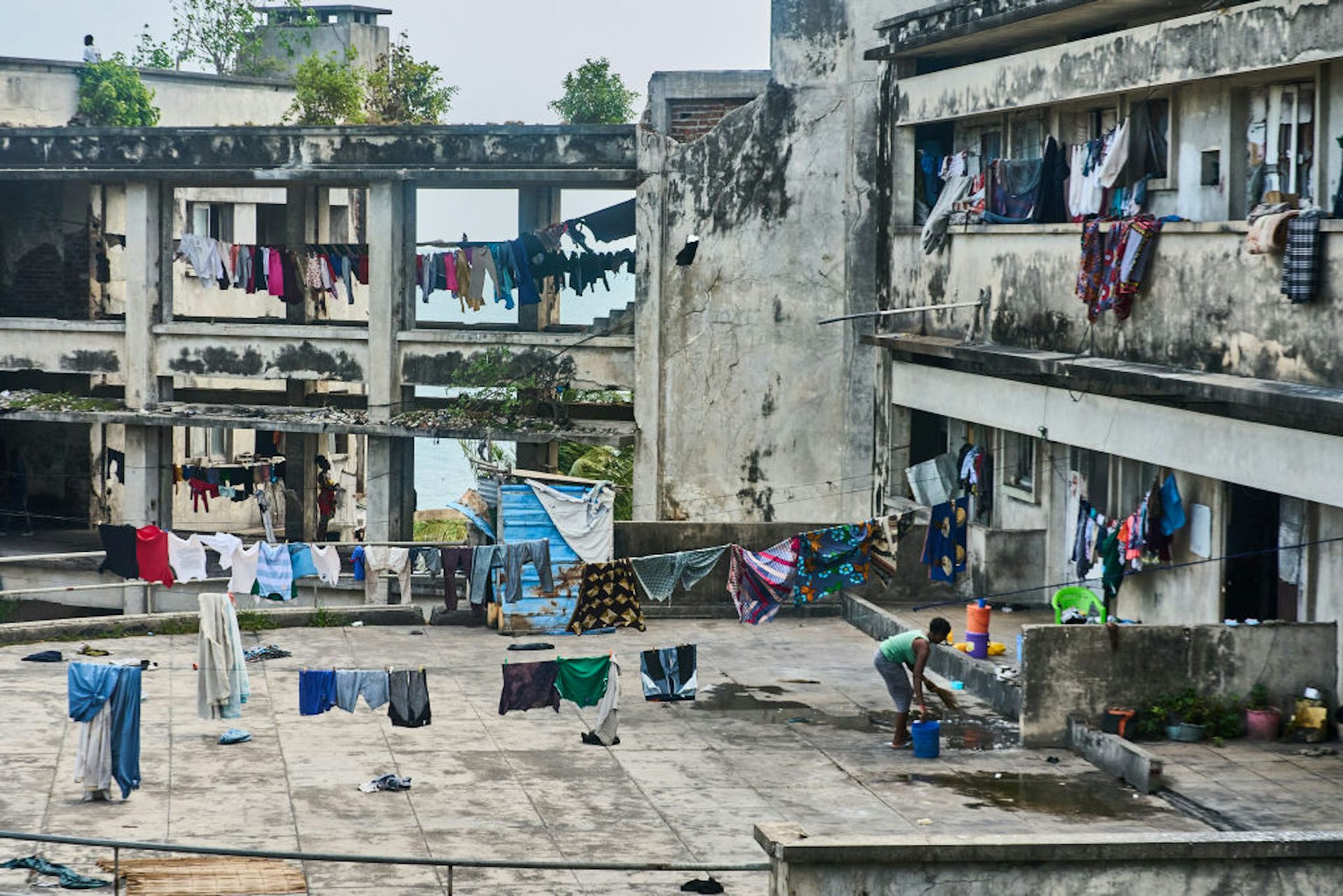
يتدهور اقتصاد موزمبيق: الخيارات السياسية الصعبة التي يجب اتخاذها بشكل عاجل
Mozambique’s economy is failing: the tough policy choices that need to be made urgently
-
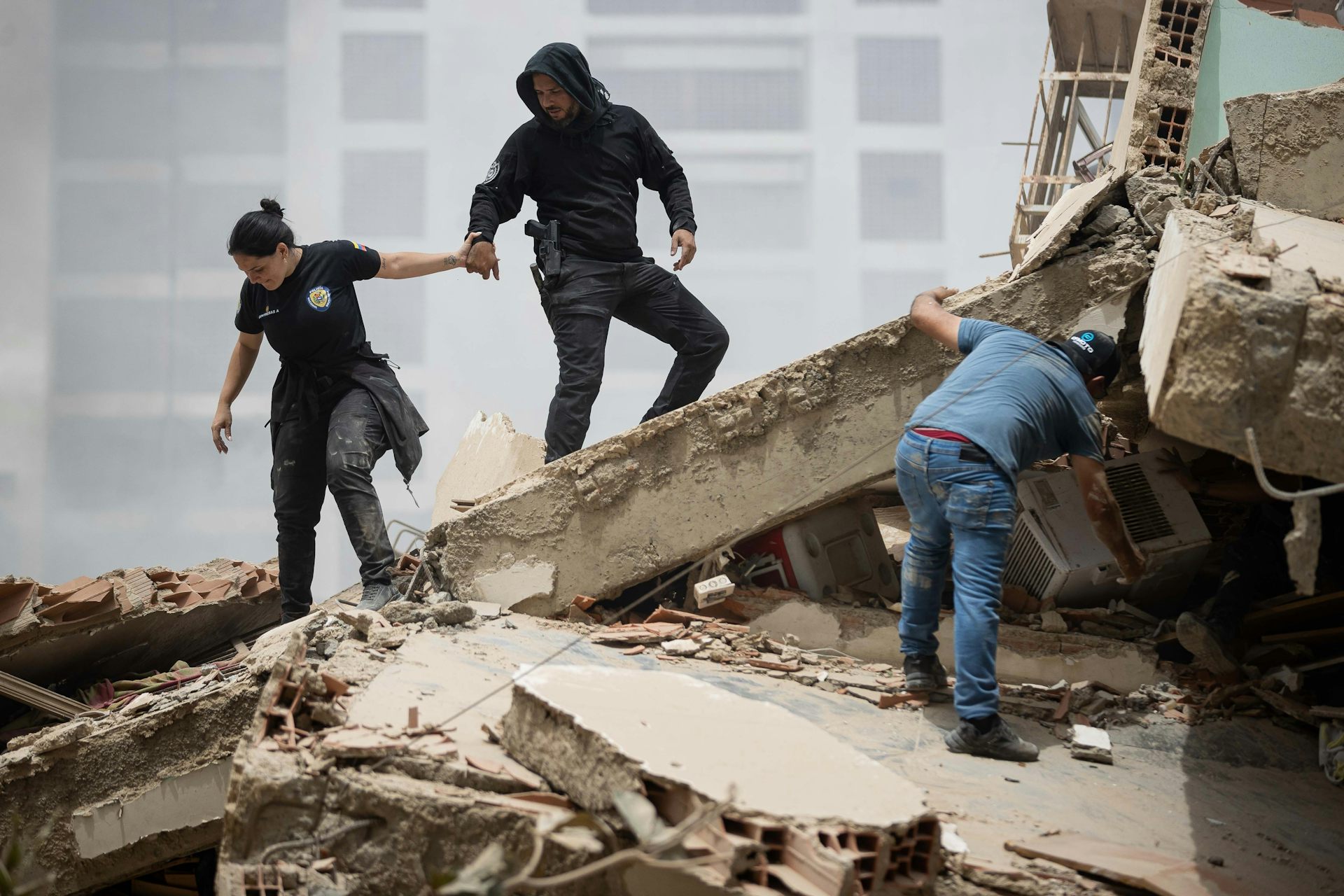
أسئلة وأجوبة الخبراء: لماذا انهارت كل هذه المباني في الزلزال المزدوج بفنزويلا؟
Expert Q&A: why did so many buildings collapse in Venezuela’s double earthquake?