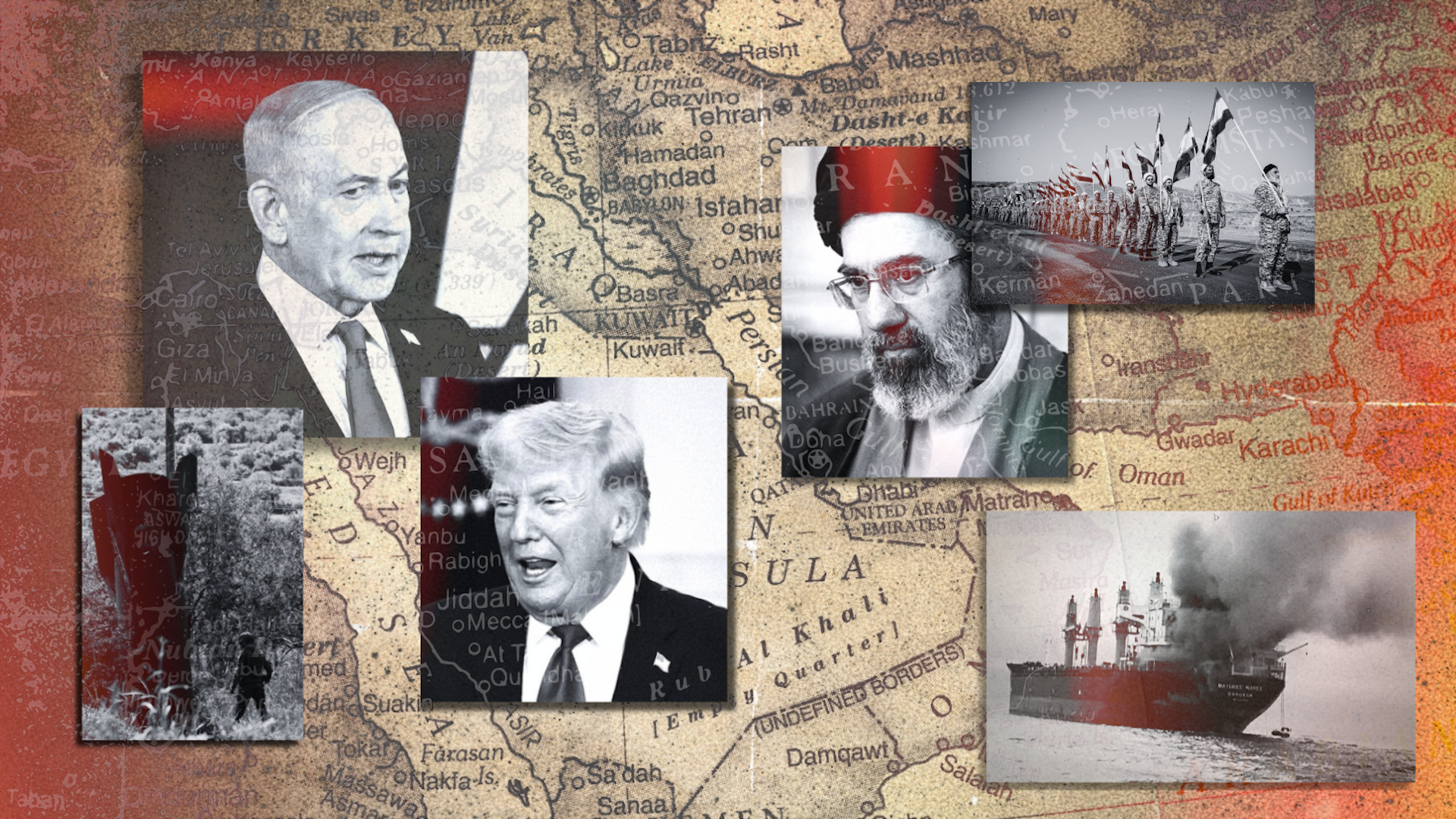
Comment la guerre avec l’Iran changera-t-elle le Moyen-Orient ? Nous avons interrogé 5 experts
How will the Iran war change the Middle East? We asked 5 experts
The US, Israel and Iran war will shift alliances and create insecurity for years to come.
La guerre entre les États-Unis, Israël et l’Iran va modifier les alliances et créer de l’insécurité pour les années à venir.
On February 28, the US and Israel launched a war against Iran following weeks of US military build-up in the region and threats from US President Donald Trump.
Le 28 février, les États-Unis et Israël ont lancé une guerre contre l’Iran après des semaines de renforcement militaire américain dans la région et des menaces du président américain Donald Trump.
In the ensuing weeks, Iran has retaliated by striking US assets in the Persian Gulf states and targets across Israel. Israel has launched a ground invasion into southern Lebanon in response to attacks from Hezbollah.
Dans les semaines qui ont suivi, l’Iran a riposté en frappant des actifs américains dans les États du Golfe Persique et des cibles à travers Israël. Israël a lancé une invasion terrestre dans le sud du Liban en réponse aux attaques de Hezbollah.
Oil and gas shipments through the Strait of Hormuz have come to a virtual standstill, threatening a global energy crisis. And thousands have been killed, most in Iran and Lebanon.
Les expéditions de pétrole et de gaz à travers le détroit d’Ormuz sont arrivées à un quasi-arrêt, menaçant une crise énergétique mondiale. Et des milliers de personnes ont été tuées, la plupart en Iran et au Liban.
The entire Middle East has been affected by this war – and the region will no doubt be very different once it’s resolved.
Tout le Moyen-Orient a été affecté par cette guerre – et la région sera sans aucun doute très différente une fois qu’elle sera résolue.
We asked five experts in international politics and Middle East studies to explain the most important changes they see happening following the war.
Nous avons demandé à cinq experts en politique internationale et en études sur le Moyen-Orient d’expliquer les changements les plus importants qu’ils observent se produire suite à la guerre.
The academic experts who shared their analysis of this topic are:
Les experts universitaires qui ont partagé leur analyse de ce sujet sont:
Scott Lucas Professor of International Politics, Clinton Institute, University College Dublin. He joined University College Dublin in 2022 as Professor of International Politics, having been on the staff of the University of Birmingham since 1989. He began his career as a specialist in US and British foreign policy, but his research interests now also cover current international affairs – especially North Africa, the Middle East, and Iran – New Media, and Intelligence Services.
Scott Lucas, Professeur de Politique Internationale, Clinton Institute, University College Dublin. Il a rejoint University College Dublin en 2022 en tant que Professeur de Politique Internationale, après avoir fait partie du personnel de l’Université de Birmingham depuis 1989. Il a commencé sa carrière comme spécialiste de la politique étrangère américaine et britannique, mais ses centres d’intérêt de recherche couvrent désormais également les affaires internationales actuelles – en particulier l’Afrique du Nord, le Moyen-Orient et l’Iran – les nouveaux médias et les services de renseignement.
Andrew Thomas Lecturer in Middle East Studies, Deakin University. He teaches units on International Relations, Middle East conflict and global governance. His book “Iran and the West: a non-Western approach to foreign policy” (2024) explores how non-Western perspectives on the Middle East and beyond can improve our understanding of intractible conflict.
Andrew Thomas, Chargé de cours d’études sur le Moyen-Orient, Deakin University. Il enseigne des unités sur les relations internationales, le conflit au Moyen-Orient et la gouvernance mondiale. Son livre « Iran and the West: a non-Western approach to foreign policy » (2024) explore comment les perspectives non occidentales sur le Moyen-Orient et au-delà peuvent améliorer notre compréhension du conflit intraitable.
Chris Ogden Associate Professor in Global Studies, University of Auckland, Waipapa Taumata Rau. He specialises in the interplay between identity, culture, security and domestic politics in India, China, South Asia, East Asia and the Indo-Pacific. His latest book is “The Authoritarian Century: China’s Rise and the Demise of the Liberal International Order” (Bristol University Press, 2022) .
Chris Ogden, Professeur associé d’études mondiales à l’Université d’Auckland, Waipapa Taumata Rau. Il se spécialise dans l’interaction entre l’identité, la culture, la sécurité et la politique intérieure en Inde, en Chine, en Asie du Sud, en Asie de l’Est et dans l’Indo-Pacifique. Son dernier livre est « The Authoritarian Century: China’s Rise and the Demise of the Liberal International Order » (Bristol University Press, 2022) .
Jessica Genauer Academic Director, Public Policy Institute, UNSW Sydney. She is an expert in international conflict and provide regular analysis for national and international outlets on war and conflict. Her research interests include conflict, threat perceptions, and post-conflict institution-building with a focus on the Middle East as well as Russia / Ukraine and the US.
Jessica Genauer, Directrice universitaire, Public Policy Institute, UNSW Sydney. Elle est une experte en conflit international et fournit des analyses régulières pour des médias nationaux et internationaux sur la guerre et les conflits. Ses centres d’intérêt de recherche comprennent les conflits, les perceptions de menaces et la reconstruction institutionnelle post-conflit, avec un accent sur le Moyen-Orient, ainsi que sur la Russie/Ukraine et les États-Unis.
Kristian Coates Ulrichsen Fellow for the Middle East at the Baker Institute, Rice University. His research examines the changing position of Persian Gulf states in the global order, as well as the emergence of longer-term, nonmilitary challenges to regional security. Previously, he worked as senior Gulf analyst at the Gulf Center for Strategic Studies and as co-director of the Kuwait Program on Development, Governance and Globalization in the Gulf States at the London School of Economics.
Fellow Kristian Coates Ulrichsen pour le Moyen-Orient à l’Institut Baker, Rice University. Ses recherches examinent la position changeante des États du Golfe Persique dans l’ordre mondial, ainsi que l’émergence de défis non militaires et à plus long terme pour la sécurité régionale. Précédemment, il a travaillé comme analyste principal du Golfe au Gulf Center for Strategic Studies et comme co-directeur du Programme Koweït sur le Développement, la Gouvernance et la Mondialisation dans les États du Golfe à la London School of Economics.
Chris Ogden is a senior research fellow with the Foreign Policy Centre, London.
Chris Ogden est un chercheur senior au Foreign Policy Centre, à Londres.
Andrew Thomas, Jessica Genauer, Kristian Coates Ulrichsen, and Scott Lucas do not work for, consult, own shares in or receive funding from any company or organisation that would benefit from this article, and have disclosed no relevant affiliations beyond their academic appointment.
Andrew Thomas, Jessica Genauer, Kristian Coates Ulrichsen et Scott Lucas ne sont employés par, ne consultent pour, ne détiennent pas d’actions dans, ni ne reçoivent de financement de toute entreprise ou organisation qui bénéficierait de cet article, et n’ont divulgué aucune affiliation pertinente au-delà de leur poste académique.
Read more
-
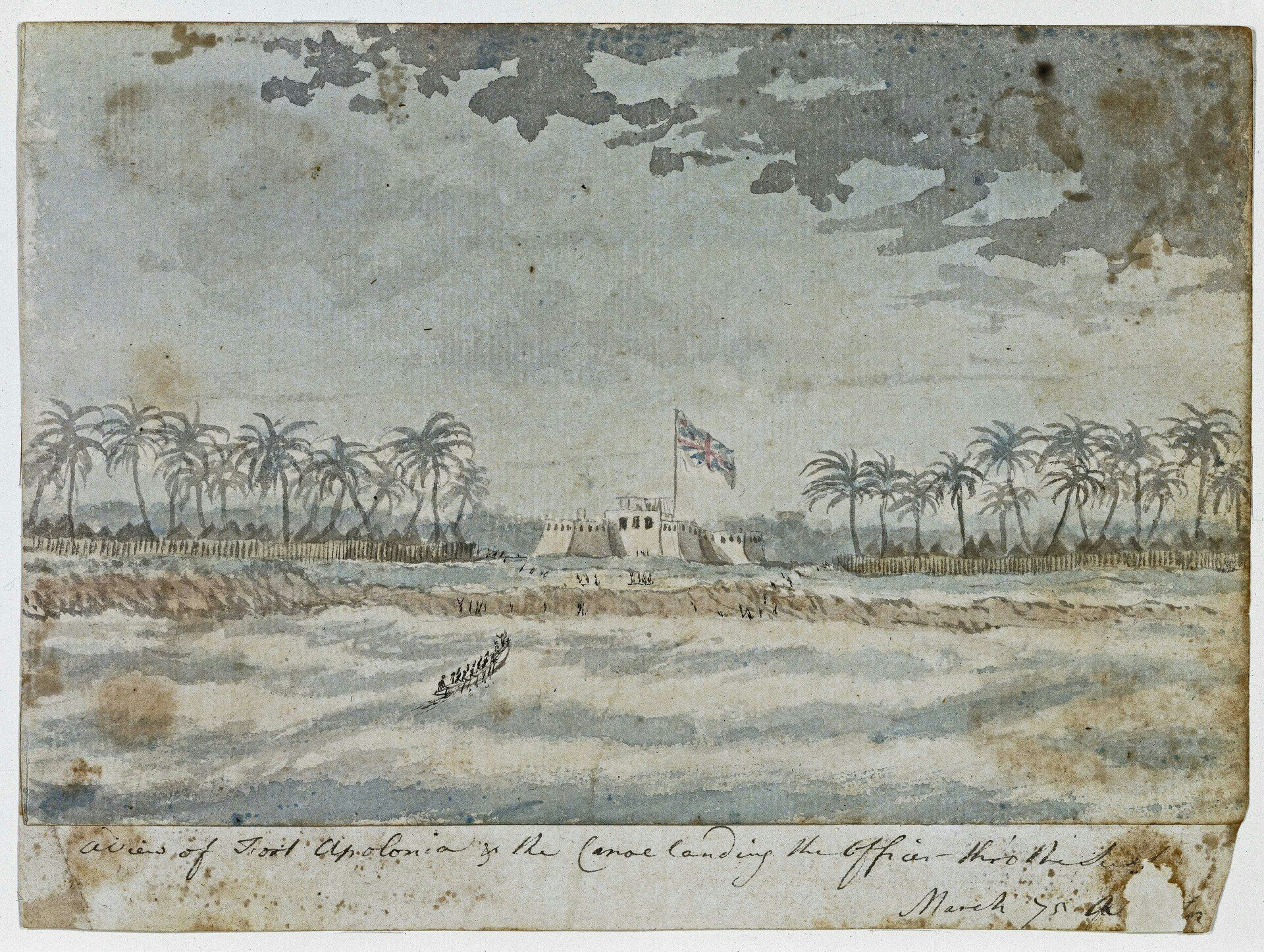
Appolonia : l’histoire d’un royaume africain qui a résisté à la traite négrière atlantique
Appolonia: the story of an African kingdom that resisted the Atlantic slave trade
-
Coupe du Monde 2026 : la véritable histoire des migrants africains résilients qui remodèlent le football mondial
World Cup 2026: the real story of the resilient African migrants reshaping global football