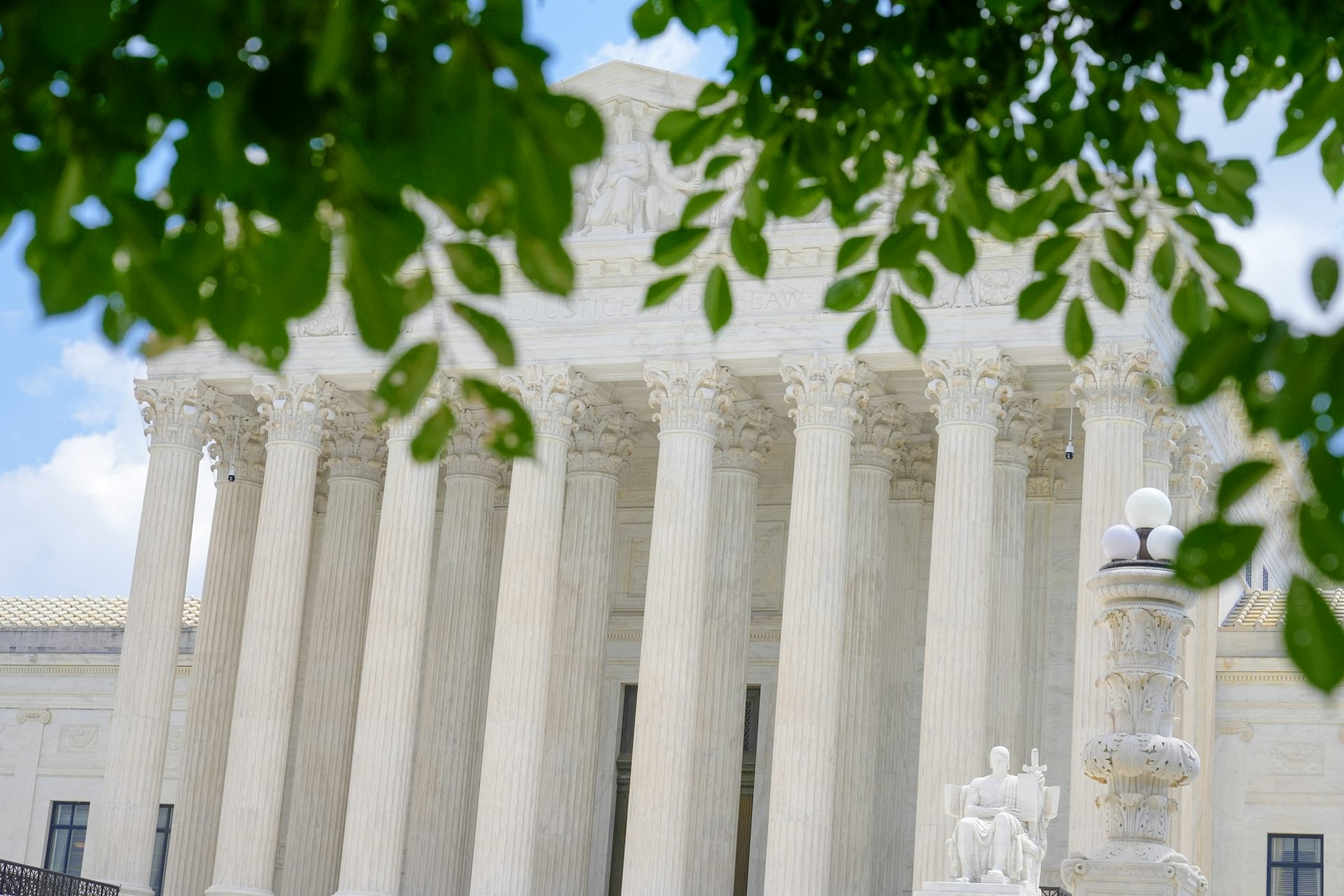
Em repreensão a Trump, Suprema Corte mantém cidadania por nascimento, enfatizando a promessa de igualdade na Declaração de Independência
In rebuke to Trump, Supreme Court upholds birthright citizenship, emphasizing the promise of equality in the Declaration of Independence
Pointing to the citizenship clause of the 14th Amendment, the high court ruled that all babies born in the United States ‘are citizens by birth.’
Apontando para a cláusula de cidadania da 14ª Emenda, o tribunal superior decidiu que todos os bebês nascidos nos Estados Unidos ‘são cidadãos por nascimento.’
The Supreme Court on June 30, 2026, declared that universal birthright citizenship is protected by the citizenship clause of the 14th Amendment to the U.S. Constitution, meaning that nearly all babies born in the United States automatically become American citizens, regardless of their parents’ immigration status.
A Suprema Corte, em 30 de junho de 2026, declarou que a cidadania universal por nascimento é protegida pela cláusula de cidadania da 14ª Emenda à Constituição dos EUA, significando que quase todos os bebês nascidos nos Estados Unidos se tornam automaticamente cidadãos americanos, independentemente do status de imigração de seus pais.
The ruling rejects President Donald Trump’s executive order, signed the first day of his second administration, which sought to end birthright citizenship for the children of parents present in the country illegally and for tourists visiting only temporarily.
O julgamento rejeita a ordem executiva do Presidente Donald Trump, assinada no primeiro dia de sua segunda administração, que buscava acabar com a cidadania por nascimento para os filhos de pais presentes no país ilegalmente e para turistas que visitam apenas temporariamente.
The high court ruled that “under the Constitution, they are citizens by birth.”
O tribunal superior decidiu que “sob a Constituição, eles são cidadãos por nascimento.”
A close decision
Uma decisão apertada
The ruling was split 5-4 on the meaning of the 14th Amendment. A sixth justice, Brett Kavanaugh, ruled against the Trump order on the grounds that it violates federal law – which Congress could alter – but not the Constitution itself, making the ruling 6-3 against Trump.
O julgamento foi dividido por 5 a 4 sobre o significado da 14ª Emenda. Um sexto juiz, Brett Kavanaugh, decidiu contra a ordem de Trump sob o argumento de que ela viola lei federal – que o Congresso poderia alterar – mas não a Constituição em si, tornando o resultado 6 a 3 contra Trump.
Supreme Court watchers, including myself, expected the three liberal justices – Ketanji Brown Jackson, Elena Kagan and Sonia Sotomayor – to rule in favor of universal birthright citizenship, but imagined that the six conservatives would divide.
Observadores do Supremo Tribunal Federal, incluindo eu, esperavam que as três juízas liberais – Ketanji Brown Jackson, Elena Kagan e Sonia Sotomayor – votassem a favor da cidadania universal por nascimento, mas imaginavam que os seis conservadores se dividiriam.
Two conservatives, Chief Justice John Roberts and Justice Amy Coney Barrett, joined the liberals to form a narrow majority.
Dois conservadores, o Juiz Presidente John Roberts e a Juíza Amy Coney Barrett, juntaram-se aos liberais para formar uma maioria estreita.
Four of the justices appointed by Republican presidents see the original public meaning of the 14th Amendment as quite different, primarily recognizing the citizenship of former slaves and their descendants after the Civil War. But they don’t see it applying to anyone born in the United States regardless of parentage.
Quatro dos juízes nomeados por presidentes republicanos veem o significado público original da 14ª Emenda como bastante diferente, reconhecendo principalmente a cidadania de ex-escravos e seus descendentes após a Guerra Civil. Mas eles não veem isso se aplicando a qualquer pessoa nascida nos Estados Unidos, independentemente da filiação.
In their view, birthright citizenship was only promised to those whose parents were legal residents with sole allegiance to the United States. As they see it, the American people can expand federal law to grant citizenship to others if they choose, but the Constitution does not demand it.
Em sua visão, a cidadania por nascimento foi prometida apenas àqueles cujos pais eram residentes legais com lealdade exclusiva aos Estados Unidos. Como eles veem, o povo americano pode expandir a lei federal para conceder cidadania a outros se desejar, mas a Constituição não exige isso.
The meaning of the Declaration
O Significado da Declaração
The timing of the landmark ruling is meaningful, coming a few days before the 250th anniversary of the Declaration of Independence on July 4, 1776.
O momento do julgamento histórico é significativo, pois ocorreu poucos dias antes do 250º aniversário da Declaração de Independência em 4 de julho de 1776.
As a longtime observer of the Supreme Court, I believe the best way to understand the dispute is that it reflects a deep conflict over how we see the meaning of the Declaration of Independence and how it frames the meaning of the Constitution.
Como observador de longa data da Suprema Corte, acredito que a melhor maneira de entender a disputa é que ela reflete um profundo conflito sobre como vemos o significado da Declaração de Independência e como esta enquadra o significado da Constituição.
Roberts concludes the ruling with the statement that “Citizenship, then and now, was the right to have rights – to freely participate in our political community.”
Roberts conclui o julgamento com a afirmação de que “A cidadania, então e agora, era o direito de ter direitos – de participar livremente em nossa comunidade política.”
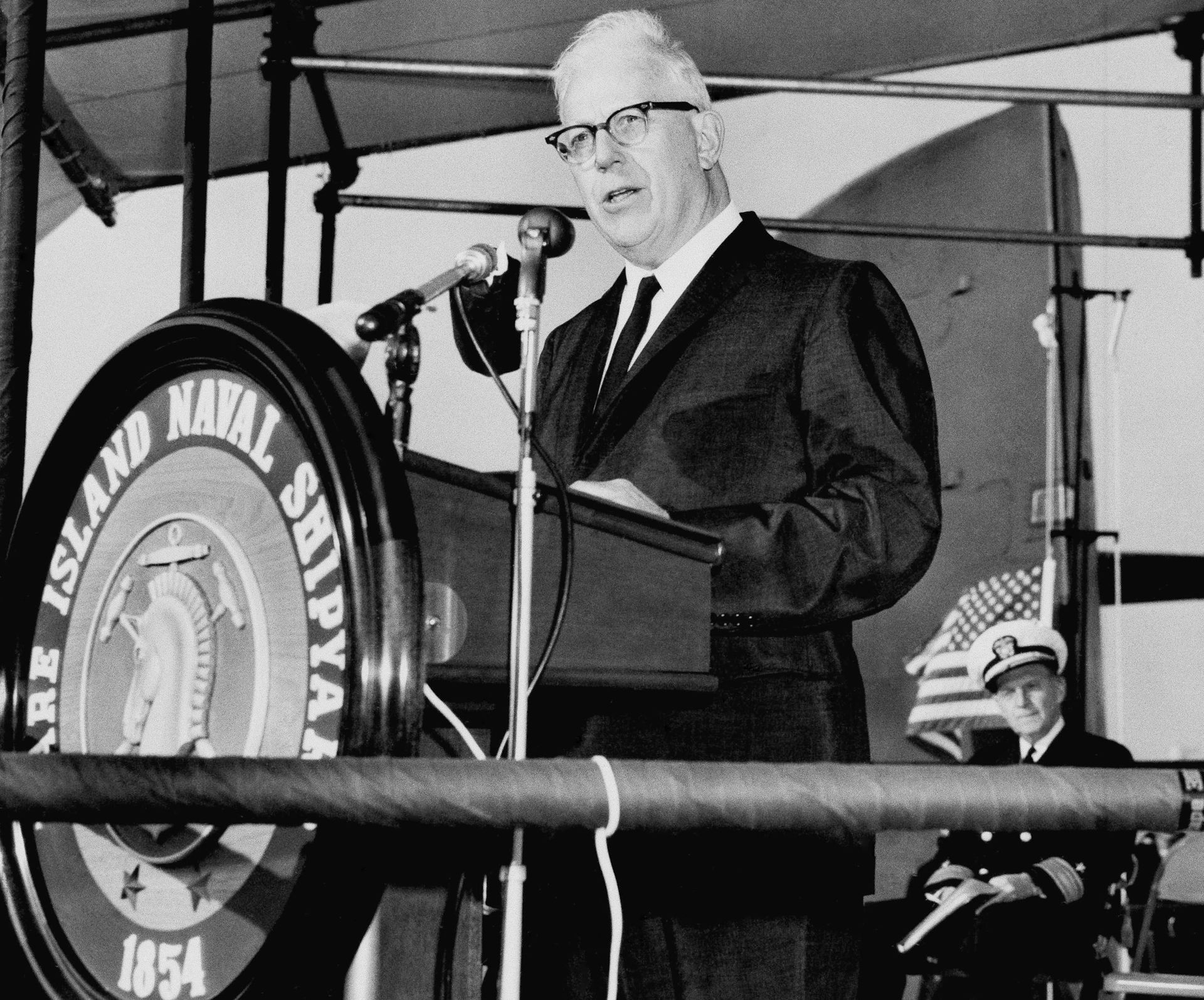
This is a reference to a famous quote from Chief Justice Earl Warren dissenting in a 1958 ruling recognizing congressional power to strip a native-born American of their citizenship for voting in a foreign election. Warren, the chief justice who authored Brown v. Board of Education in 1954 and many other landmark rulings expanding constitutional rights, wrote that “Citizenship is man’s basic right for it is nothing less than the right to have rights.”
Esta é uma referência a uma famosa citação do Chefe de Justiça Earl Warren, ao discordar em um julgamento de 1958 que reconheceu o poder do Congresso de despir um americano nascido no país de sua cidadania por votar em uma eleição estrangeira. Warren, o chefe de justiça que redigiu Brown v. Board of Education em 1954 e muitos outros julgamentos históricos que expandiram os direitos constitucionais, escreveu que “A cidadania é o direito básico do homem porque não é nada menos do que o direito de ter direitos.”
In Warren’s – and Roberts’ – view, the Declaration of Independence established not only the importance of individual rights, but also the equality of all in holding those rights. Citizenship must be equal and open, defined as broadly as the Constitution allows, rather than narrow in its scope.
Na visão de Warren – e de Roberts –, a Declaração de Independência estabeleceu não apenas a importância dos direitos individuais, mas também a igualdade de todos ao deter esses direitos. A cidadania deve ser igual e aberta, definida tão amplamente quanto a Constituição permite, em vez de restrita em seu escopo.
When the 14th Amendment expanded citizenship after the Civil War, it did so with universal language, addressing race but also something broader: “All persons born or naturalized in the United States, and subject to the jurisdiction thereof, are citizens of the United States and of the State wherein they reside.”
Quando a 14ª Emenda expandiu a cidadania após a Guerra Civil, o fez com linguagem universal, abordando raça, mas também algo mais amplo: “Todas as pessoas nascidas ou naturalizadas nos Estados Unidos e sujeitas à sua jurisdição são cidadãos dos Estados Unidos e do Estado onde residem.”
In the majority’s view, this must be read broadly to achieve the declaration’s insistence on rights and equality.
Na visão da maioria, isso deve ser lido de forma ampla para alcançar a insistência da declaração em direitos e igualdade.
The dissenters believe that the declaration did something else: It established a new sovereign people who control their own definition of citizenship. In this view, the Declaration of Independence established a distinct kind of equality — an equal share in control over the government through political representation and elections.
Os dissidentes acreditam que a declaração fez algo diferente: estabeleceu um novo povo soberano que controla sua própria definição de cidadania. Nessa visão, a Declaração de Independência estabeleceu um tipo distinto de igualdade — uma participação igual no controle do governo por meio da representação política e das eleições.
This view means that the current citizens must agree to offer an equal share in governance to any new members of society, but there is no such thing as citizenship without consent: No one can demand citizenship in a democracy by violating its laws.
Essa visão significa que os cidadãos atuais devem concordar em oferecer uma parte igual na governança a quaisquer novos membros da sociedade, mas não existe cidadania sem consentimento: ninguém pode exigir cidadania em uma democracia violando suas leis.
Accepting or rejecting the British inheritance
Aceitar ou rejeitar a herança britânica
On the second page of the ruling, Roberts explains that “the story of citizenship in the United States begins with the English common law.”
Na segunda página da decisão, Roberts explica que “a história da cidadania nos Estados Unidos começa com o direito comum inglês”.
Going back to the landmark Calvin’s Case in 1608, the British rule was that anyone born in the dominion of the king was a natural born subject.
Voltando ao marco de Calvin’s Case em 1608, o direito britânico era que qualquer pessoa nascida no domínio do rei era um súdito natural.
Roberts writes that “This view crossed the Atlantic with the colonists — and was adopted with little fanfare after the Revolution, as ‘subjects’ of the sovereign became ‘citizens’ of the States.”
Roberts escreve que “esta visão cruzou o Atlântico com os colonos — e foi adotada com pouco alarde após a Revolução, à medida que os ‘súditos’ do soberano se tornaram ‘cidadãos’ dos Estados.”
This British common law rule of broad citizenship shaped the discussion in the key case of Wong Kim Ark in 1898. As Roberts summarizes it, “What the Court held in Wong Kim Ark was simple: the Citizenship Clause incorporated the common law and granted citizenship to nearly all children born in the United States.”
Esta regra de direito comum britânico de cidadania ampla moldou o debate no caso chave de Wong Kim Ark em 1898. Como Roberts resume, “O que o Tribunal decidiu em Wong Kim Ark foi simples: a Cláusula de Cidadania incorporou o direito comum e concedeu cidadania à quase todos os filhos nascidos nos Estados Unidos.”
In the view of the dissenters, the problem is that subjects are not citizens. That means that being “under the jurisdiction” of the United States is very different from being under the jurisdiction of England or any other previous nation.
Na visão dos dissidentes, o problema é que súditos não são cidadãos. Isso significa que estar “sob a jurisdição” dos Estados Unidos é muito diferente de estar sob a jurisdição da Inglaterra ou de qualquer outra nação anterior.
Justice Clarence Thomas dissented on the grounds that “the English principle was a rule of feudal servitude, not a rule of citizenship.”
O juiz Clarence Thomas discordou sob o argumento de que “o princípio inglês era uma regra de servidão feudal, não uma regra de cidadania.”
Justice Samuel Alito agreed in his dissent, referring to the common law as “a medieval rule” and an “ancient British rule that even the United Kingdom has abandoned.”
O juiz Samuel Alito concordou em seu voto dissidente, referindo-se ao direito comum como “uma regra medieval” e uma “antiga regra britânica que até o Reino Unido abandonou”.
Alito insists that “the Declaration of Independence repudiated the foundation on which the British rule was based” because it “emphatically rejected the British theory of government.”
Alito insiste que “a Declaração de Independência repudiava o fundamento no qual o direito britânico estava baseado” porque “rejeitava enfaticamente a teoria britânica de governo.”
5-4 on the meaning of July 4
5-4 sobre o significado de 4 de julho
The Declaration of Independence established a new relationship between individuals and the government, moving from the government controlling the people to the people controlling the government. Subjects became citizens, and with it came the authority over who can become a new citizen.
A Declaração de Independência estabeleceu uma nova relação entre indivíduos e o governo, passando do controle governamental sobre o povo para o controle do povo sobre o governo. Os súditos tornaram-se cidadãos, e com isso veio a autoridade sobre quem pode se tornar um novo cidadão.
In the now-controlling interpretation of the Constitution, the American people did just that through the 14th Amendment, expanding the nature of citizenship to a more universal and equal footing, in line with the new racial equality the amendment enshrines.
Na interpretação agora dominante da Constituição, o povo americano fez exatamente isso através da 14ª Emenda, expandindo a natureza da cidadania para um patamar mais universal e igualitário, em linha com a nova igualdade racial que a emenda consagra.
Birthright citizenship applies to all who are born here. That view is now the law of the land.
A cidadania por nascimento se aplica a todos que nascem aqui. Essa visão é agora a lei do país.
In the other, now-dissenting view, the 14th Amendment granted citizenship only to those “who, at birth, owe allegiance solely to this country.”
Na outra visão, agora divergente, a 14ª Emenda concedeu cidadania apenas àqueles “que, ao nascer, devem lealdade unicamente a este país.”
Both sides agree, as Alito phrased it, that this may be “one of the most important decisions in the history of the Court.”
Ambos os lados concordam, como Alito expressou, que isto pode ser “uma das decisões mais importantes na história do Tribunal.”
Morgan Marietta does not work for, consult, own shares in or receive funding from any company or organization that would benefit from this article, and has disclosed no relevant affiliations beyond their academic appointment.
Morgan Marietta não trabalha para, não consulta, não possui ações em ou recebe financiamento de nenhuma empresa ou organização que se beneficiaria deste artigo, e não divulgou afiliações relevantes além do seu cargo acadêmico.
Read more
-

Quase tudo o que usamos online é de propriedade de grandes empresas de tecnologia. Há um caminho melhor a seguir.
Nearly everything we use online is owned by big tech. There’s a better way forward
-

Os ataques do Irã ao Israel foram uma tentativa de moldar a região em seus próprios termos – e pode conseguir isso.
Iran’s attacks on Israel were an attempt to shape the region on its own terms – and it might just do so