
Ulysses em isiZulu: por que uma tradução africana do clássico romance irlandês é importante no mundo de hoje
Ulysses in isiZulu: why an African translation of the classic Irish novel matters in today’s world
Writers from very different places can grapple with the same questions.
Escritores de lugares muito diferentes podem lidar com as mesmas questões.
Every year on 16 June, readers around the world celebrate Bloomsday, the annual commemoration of Irish writer James Joyce’s landmark 1922 novel Ulysses.
Todo ano, em 16 de junho, leitores ao redor do mundo celebram o Bloomsday, a comemoração anual do romance seminal de James Joyce, escritor irlandês, Ulysses.
The date marks the single day on which the novel unfolds: 16 June 1904, when its protagonist, Leopold Bloom, wanders through the city of Dublin. What began as a literary observance has become a global celebration of reading.
A data marca o único dia em que o romance se desenrola: 16 de junho de 1904, quando seu protagonista, Leopold Bloom, vagueia pela cidade de Dublin. O que começou como uma observância literária tornou-se uma celebração global da leitura.
In 2026 the festivities in Johannesburg had a special South African quality to them. At the centre of the event was South African writer and translator Sandile Ngidi’s isiZulu rendering of the character Molly Bloom’s famous soliloquy, the concluding episode of Ulysses.
Em 2026, as festividades em Joanesburgo tiveram um toque especial sul-africano. No centro do evento estava a adaptação isiZulu feita por Sandile Ngidi, escritor e tradutor sul-africano, do famoso solilóquio do personagem Molly Bloom, o episódio de encerramento de Ulysses.
As a scholar of African literatures, I am interested in how literary ideas travel. My research has shown how writers from very different contexts can grapple with similar political and artistic questions. Ngidi’s translation opens up one of the most challenging works of literature to new readers.
Como acadêmico de literaturas africanas, estou interessado em como as ideias literárias viajam. Minha pesquisa mostrou como escritores de contextos muito diferentes podem lidar com questões políticas e artísticas semelhantes. A tradução de Ngidi abre um dos trabalhos mais desafiadores da literatura para novos leitores.
The isiZulu translation represents only a small portion of this vast and notoriously difficult novel. Ulysses is based on one ordinary day in the lives of three characters who live in Dublin. It uses their experiences to explore identity, memory, desire, and modern life in early 20th-century Ireland.
A tradução isiZulu representa apenas uma pequena parte deste romance vasto e notoriamente difícil. Ulysses é baseado em um dia comum na vida de três personagens que vivem em Dublin. Ele usa suas experiências para explorar a identidade, a memória, o desejo e a vida moderna na Irlanda do início do século XX.
Since its publication, Ulysses has been formally translated into more than 40 languages, mostly within Europe. Its journey into isiZulu reminds us that literature travels most powerfully when it crosses linguistic and cultural boundaries and returns us to the urgent questions of our own time.
Desde sua publicação, Ulysses foi traduzido formalmente para mais de 40 idiomas, principalmente dentro da Europa. Sua jornada para o isiZulu nos lembra que a literatura viaja com mais força quando cruza fronteiras linguísticas e culturais, e nos reconecta às questões urgentes do nosso próprio tempo.
Translation as an act of imagination
Tradução como um ato de imaginação
Bridge Books, a community-centred bookshop in inner city Johannesburg, hosted the Bloomsday event, which also included readings from South African writers Ivan Vladislavić and Terry-Ann Adams.
A Bridge Books, uma livraria comunitária no centro de Joanesburgo, sediou o evento Bloomsday, que também incluiu leituras dos escritores sul-africanos Ivan Vladislavić e Terry-Ann Adams.
By holding a multilingual Bloomsday celebration in parts of the city where anti-immigrant groups have been marching, the organisers underscored a simple but powerful point: the civic imagination at the heart of Joyce’s work remains relevant wherever diverse communities claim space through stories and conversation.
Ao realizar uma celebração multilingue do Bloomsday em partes da cidade onde grupos anti-imigrantes têm marchado, os organizadores enfatizaram um ponto simples, mas poderoso: a imaginação cívica no cerne da obra de Joyce permanece relevante onde quer que comunidades diversas reivindiquem espaço através de histórias e conversas.
Ulysses is really about random and seemingly mundane interactions. Molly Bloom is one of the main characters, an opera singer who spends the day mostly in bed. Bloomsday is named after her and her husband, who is also a main character. He’s wandering the city remembering the death of their son, and stewing in the knowledge that Molly is having an affair. This is the universal drama of human life.
Ulysses trata realmente de interações aleatórias e aparentemente mundanas. Molly Bloom é uma das personagens principais, uma cantora de ópera que passa o dia na maior parte do tempo na cama. Bloomsday leva o nome dela e do marido, que também é um personagem principal. Ele está vagando pela cidade lembrando-se da morte do filho e remoendo o conhecimento de que Molly está tendo um caso. Este é o drama universal da vida humana.
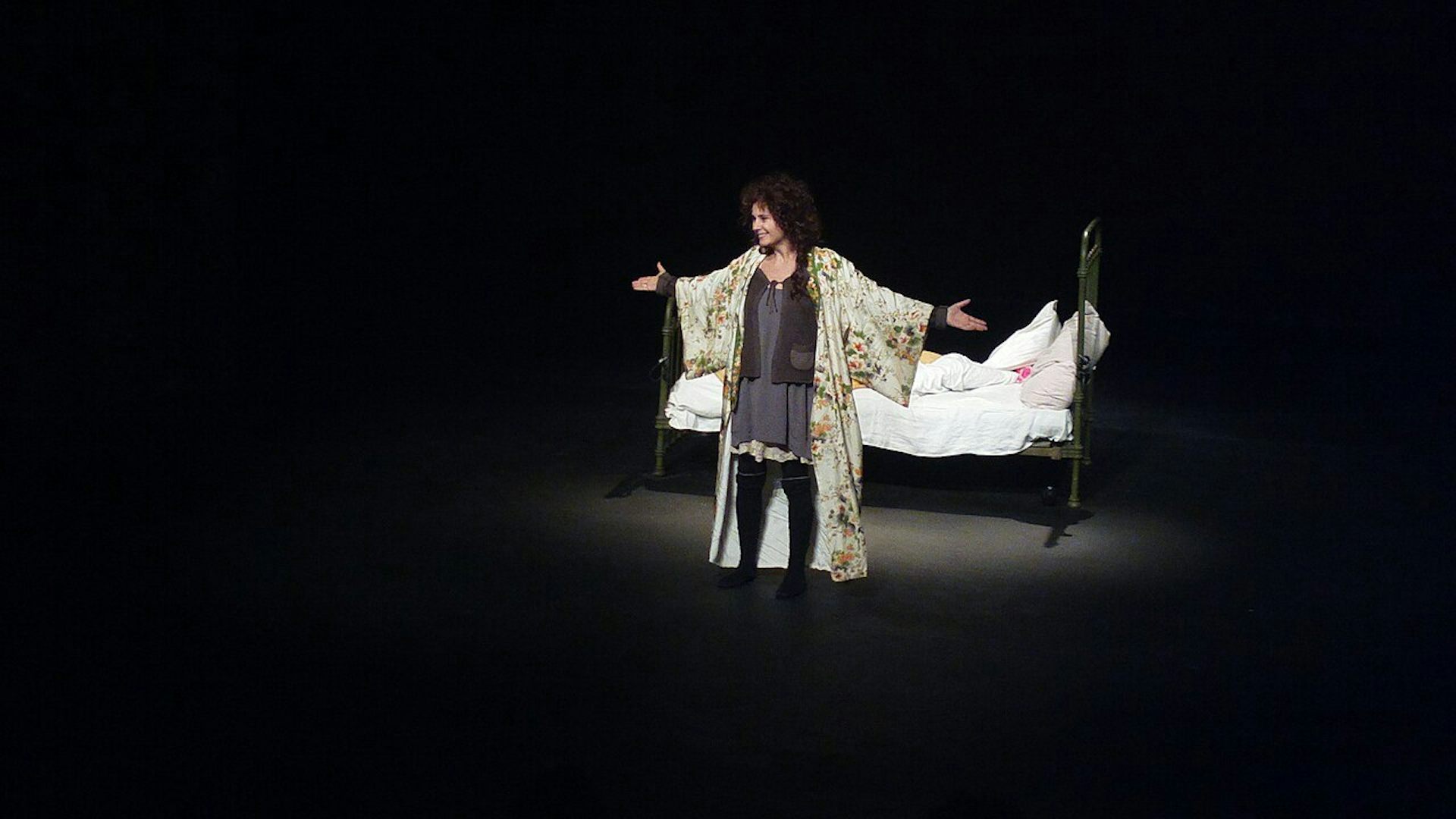
Ngidi’s translation matters. It challenges assumptions about which languages are considered suitable for conveying the so-called world literature. African languages are not peripheral to global literary culture but active participants in it, capable of carrying, reshaping and reinterpreting some of the most demanding works ever written.
A tradução de Ngidi importa. Ela desafia pressupostos sobre quais línguas são consideradas adequadas para transmitir a chamada literatura mundial. As línguas africanas não são periféricas à cultura literária global, mas participantes ativas nela, capazes de carregar, remodelar e reinterpretar alguns dos trabalhos mais exigentes já escritos.
In fact, reading Joyce in isiZulu raises larger questions about literary inheritance. Who owns a literary classic? Joyce himself was deeply concerned with the relationship between language and power.
Na verdade, ler Joyce em isiZulu levanta questões maiores sobre herança literária. Quem é o dono de um clássico literário? O próprio Joyce estava profundamente preocupado com a relação entre linguagem e poder.
Writing from a colonised Ireland, he grappled with the complexities of expressing Irish experience through English, the language of imperial rule. His work repeatedly explores tensions between local identity and global influence, between inherited forms and new possibilities.
Escrevendo de uma Irlanda colonizada, ele lidou com as complexidades de expressar a experiência irlandesa através do inglês, a língua do domínio imperial. Seu trabalho explora repetidamente tensões entre identidade local e influência global, entre formas herdadas e novas possibilidades.
James Joyce for everyone
James Joyce para todos
The concerns in Joyce’s fiction have become even more pertinent. Across many parts of the world, debates about belonging have become increasingly fraught. In both Ireland and South Africa, questions of migration, national identity and cultural inclusion have generated political tensions and, at times, hostility towards foreigners.
As preocupações na ficção de Joyce tornaram-se ainda mais pertinentes. Em muitas partes do mundo, os debates sobre pertencimento se tornaram cada vez mais tensos. Tanto na Irlanda quanto na África do Sul, questões de migração, identidade nacional e inclusão cultural geraram tensões políticas e, por vezes, hostilidade contra estrangeiros.
Joyce is often regarded as a writer for specialists and university students. His novels have a reputation for difficulty that makes them seem inaccessible. Yet events like the one in Johannesburg suggest a different story. Joyce survives because readers continue to reinvent him, finding new contexts, new languages and new communities in which his work can live.
Joyce é frequentemente considerado um escritor para especialistas e estudantes universitários. Seus romances têm uma reputação de dificuldade que os faz parecerem inacessíveis. No entanto, eventos como o ocorrido em Joanesburgo sugerem uma história diferente. Joyce sobrevive porque os leitores continuam a reinventá-lo, encontrando novos contextos, novas línguas e novas comunidades onde sua obra pode viver.
Translation, in this sense, is more than a literary exercise. It is an act of imagination that allows readers to encounter familiar questions from a different vantage point. Rather than simply reproducing Ulysses, the translation creates a new reading experience that illuminates both Joyce’s novel and the expressive possibilities of isiZulu.
A tradução, neste sentido, é mais do que um exercício literário. É um ato de imaginação que permite aos leitores encontrar questões familiares a partir de um ponto de vista diferente. Em vez de simplesmente reproduzir Ulysses, a tradução cria uma nova experiência de leitura que ilumina tanto o romance de Joyce quanto as possibilidades expressivas do isiZulu.
By carrying Joyce into isiZulu, Ngidi expands not only the readership of Ulysses but also the range of perspectives through which the novel can be understood.
Ao levar Joyce para o isiZulu, Ngidi expande não apenas o público leitor de Ulysses, mas também a gama de perspectivas pelas quais o romance pode ser compreendido.
The translation demonstrates that African languages are not simply vehicles for local experience; they are capable of engaging the most complex works of world literature while bringing new meanings to them.
A tradução demonstra que as línguas africanas não são simplesmente veículos para experiências locais; elas são capazes de lidar com as obras mais complexas da literatura mundial, ao mesmo tempo em que lhes conferem novos significados.
Tinashe Mushakavanhu does not work for, consult, own shares in or receive funding from any company or organisation that would benefit from this article, and has disclosed no relevant affiliations beyond their academic appointment.
Tinashe Mushakavanhu não trabalha, consulta, possui ações ou recebe financiamento de nenhuma empresa ou organização que se beneficiaria deste artigo, e não divulgou afiliações relevantes além de seu cargo acadêmico.
Read more
-
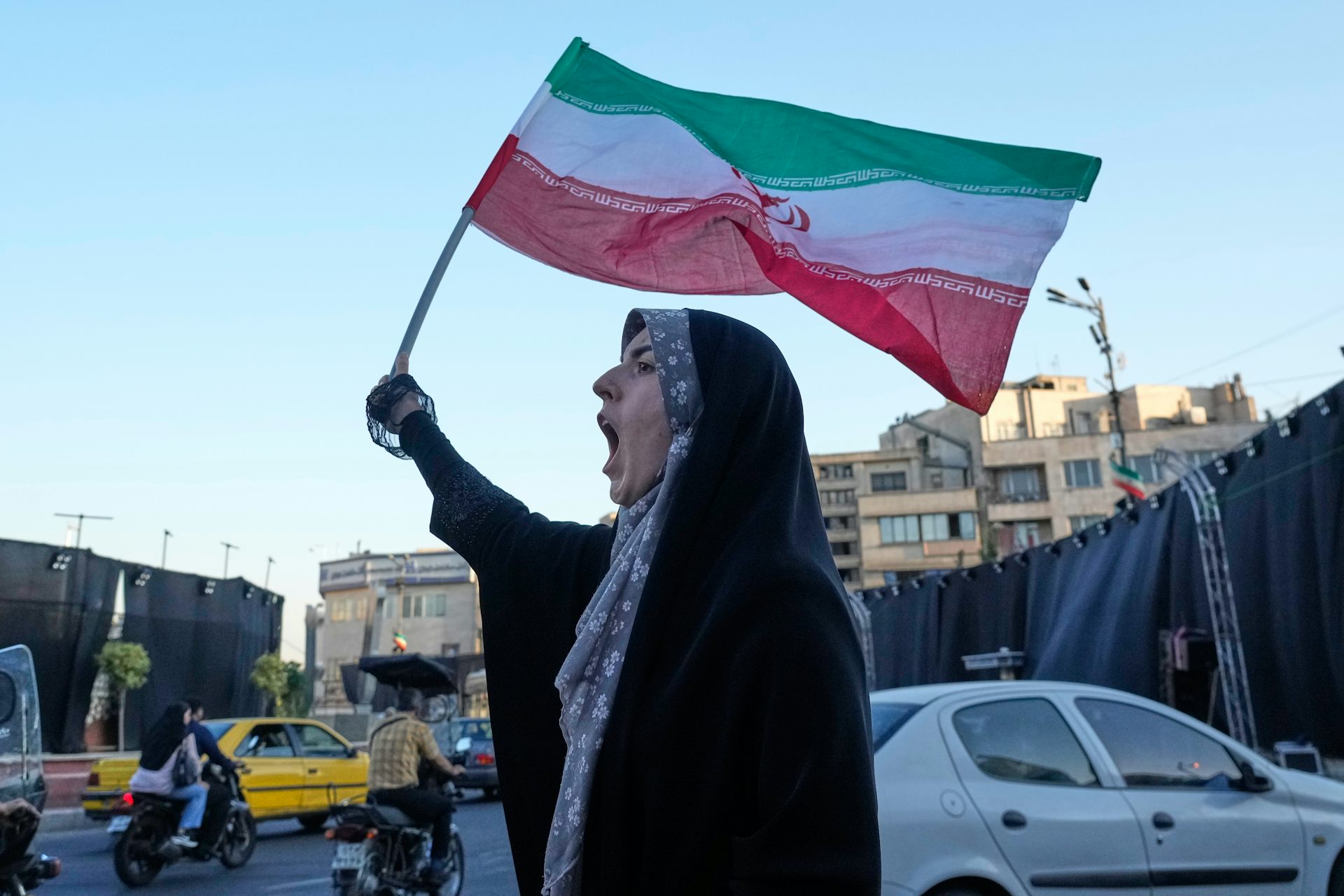
Um acordo de paz pode pôr fim à guerra do Irã, mas o que os EUA e Israel realmente conquistaram?
A peace deal may bring an end to the Iran war, but what did the US and Israel truly achieve?
-
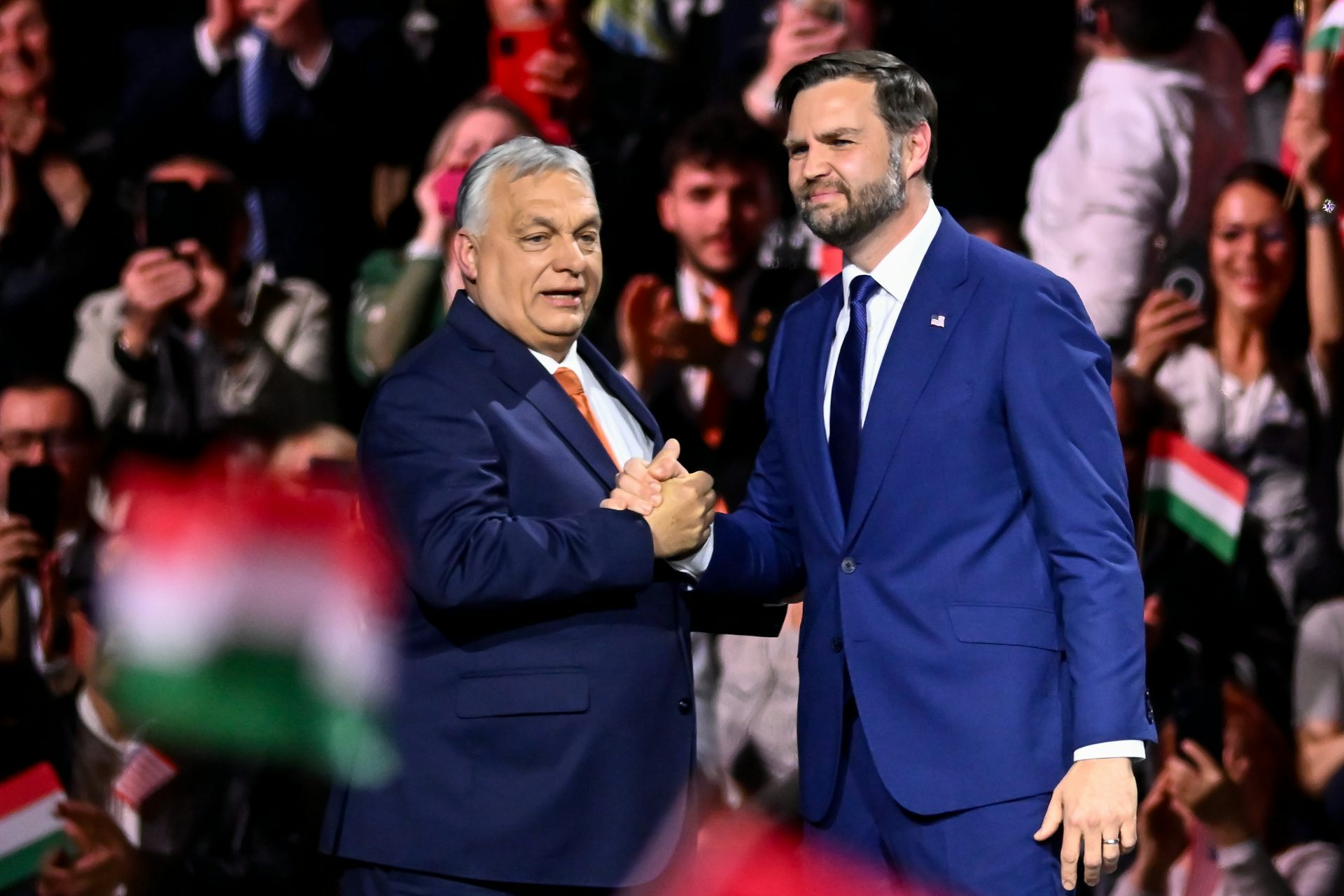
O que a derrota eleitoral de Viktor Orbán significa para Putin, Trump e o aumento do populismo de direita
What Viktor Orbán’s election loss means for Putin, Trump and the rise of right-wing populism