
isiZulu में यूलीसिस: आज की दुनिया में क्लासिक आयरिश उपन्यास के अफ्रीकी अनुवाद का महत्व
Ulysses in isiZulu: why an African translation of the classic Irish novel matters in today’s world
Writers from very different places can grapple with the same questions.
बहुत अलग-अलग स्थानों के लेखक भी एक ही तरह के सवालों से जूझ सकते हैं।
Every year on 16 June, readers around the world celebrate Bloomsday, the annual commemoration of Irish writer James Joyce’s landmark 1922 novel Ulysses.
हर साल 16 जून को, दुनिया भर के पाठक ब्लूम्सडे मनाते हैं, जो आयरिश लेखक जेम्स जॉयस के ऐतिहासिक उपन्यास ‘यूलिसिस’ (Ulysses) का वार्षिक स्मरणोत्सव है।
The date marks the single day on which the novel unfolds: 16 June 1904, when its protagonist, Leopold Bloom, wanders through the city of Dublin. What began as a literary observance has become a global celebration of reading.
यह तारीख उस एक दिन को चिह्नित करती है जब उपन्यास घटित होता है: 16 जून 1904, जब इसके मुख्य पात्र, लियोपोल्ड ब्लूम, डबलिन शहर में घूमते हैं। जो शुरुआत साहित्यिक अनुष्ठान के रूप में हुई थी, वह पढ़ने का एक वैश्विक उत्सव बन गया है।
In 2026 the festivities in Johannesburg had a special South African quality to them. At the centre of the event was South African writer and translator Sandile Ngidi’s isiZulu rendering of the character Molly Bloom’s famous soliloquy, the concluding episode of Ulysses.
2026 में जोहान्सबर्ग में मनाए गए उत्सवों में एक विशेष दक्षिण अफ्रीकी रंग था। इस कार्यक्रम के केंद्र में दक्षिण अफ्रीकी लेखक और अनुवादक सैंडिले न्गीडी द्वारा चरित्र मॉली ब्लूम के प्रसिद्ध स्वगत भाषण का isiZulu रूपांतरण था, जो यूलिसिस का समापन एपिसोड है।
As a scholar of African literatures, I am interested in how literary ideas travel. My research has shown how writers from very different contexts can grapple with similar political and artistic questions. Ngidi’s translation opens up one of the most challenging works of literature to new readers.
अफ्रीकी साहित्य के विद्वान के रूप में, मुझे यह जानने में रुचि है कि साहित्यिक विचार कैसे यात्रा करते हैं। मेरे शोध ने दिखाया है कि विभिन्न संदर्भों के लेखक भी समान राजनीतिक और कलात्मक प्रश्नों से किस प्रकार जूझ सकते हैं। न्गीडी का अनुवाद साहित्य के सबसे चुनौतीपूर्ण कार्यों में से एक को नए पाठकों के लिए खोलता है।
The isiZulu translation represents only a small portion of this vast and notoriously difficult novel. Ulysses is based on one ordinary day in the lives of three characters who live in Dublin. It uses their experiences to explore identity, memory, desire, and modern life in early 20th-century Ireland.
isiZulu अनुवाद इस विशाल और कुख्यात रूप से कठिन उपन्यास का केवल एक छोटा सा अंश प्रस्तुत करता है। यूलिसिस डबलिन में रहने वाले तीन पात्रों के जीवन के एक साधारण दिन पर आधारित है। यह पहचान, स्मृति, इच्छा और 20वीं सदी की शुरुआत में आयरलैंड में आधुनिक जीवन का पता लगाने के लिए उनके अनुभवों का उपयोग करता है।
Since its publication, Ulysses has been formally translated into more than 40 languages, mostly within Europe. Its journey into isiZulu reminds us that literature travels most powerfully when it crosses linguistic and cultural boundaries and returns us to the urgent questions of our own time.
अपनी प्रकाशन के बाद से, यूलिसिस का औपचारिक रूप से 40 से अधिक भाषाओं में अनुवाद किया गया है, जिनमें अधिकतर यूरोप की भाषाएँ हैं। isiZulu में इसकी यात्रा हमें याद दिलाती है कि साहित्य सबसे शक्तिशाली ढंग से तब यात्रा करता है जब यह भाषाई और सांस्कृतिक सीमाओं को पार करता है और हमें हमारे अपने समय के ज़रूरी प्रश्नों तक वापस लाता है।
Translation as an act of imagination
अनुवाद कल्पना के एक कार्य के रूप में
Bridge Books, a community-centred bookshop in inner city Johannesburg, hosted the Bloomsday event, which also included readings from South African writers Ivan Vladislavić and Terry-Ann Adams.
ब्रिज बुक्स, जो जोहान्सबर्ग के आंतरिक शहर में स्थित एक समुदाय-केंद्रित किताबों की दुकान है, ने ब्लूम्सडे इवेंट की मेज़बानी की, जिसमें दक्षिण अफ्रीकी लेखकों इवान व्लादिस्लाविक और टेरी-ऐन एडम्स द्वारा पाठ वाचन भी शामिल था।
By holding a multilingual Bloomsday celebration in parts of the city where anti-immigrant groups have been marching, the organisers underscored a simple but powerful point: the civic imagination at the heart of Joyce’s work remains relevant wherever diverse communities claim space through stories and conversation.
शहर के उन हिस्सों में बहुभाषी ब्लूम्सडे समारोह का आयोजन करके, जहाँ अप्रवासी विरोधी समूह मार्च कर रहे हैं, आयोजकों ने एक सरल लेकिन शक्तिशाली बात पर ज़ोर दिया: जोयस के काम के केंद्र में नागरिक कल्पना कहीं भी प्रासंगिक बनी रहती है, जहाँ विविध समुदाय कहानियों और बातचीत के माध्यम से जगह का दावा करते हैं।
Ulysses is really about random and seemingly mundane interactions. Molly Bloom is one of the main characters, an opera singer who spends the day mostly in bed. Bloomsday is named after her and her husband, who is also a main character. He’s wandering the city remembering the death of their son, and stewing in the knowledge that Molly is having an affair. This is the universal drama of human life.
उलीसेस वास्तव में यादृच्छिक और सामान्य लगने वाली बातचीत के बारे में है। मॉली ब्लूम मुख्य पात्रों में से एक हैं, जो एक ऑपेरा गायिका हैं और अपना दिन ज़्यादातर बिस्तर पर बिताती हैं। ब्लूम्सडे उनके और उनके पति के नाम पर रखा गया है, जो स्वयं भी एक मुख्य पात्र हैं। वह शहर में घूम रहे हैं, अपने बेटे की मृत्यु को याद कर रहे हैं, और इस ज्ञान में डूबे हुए हैं कि मॉली का अफेयर चल रहा है। यह मानव जीवन का सार्वभौमिक नाटक है।
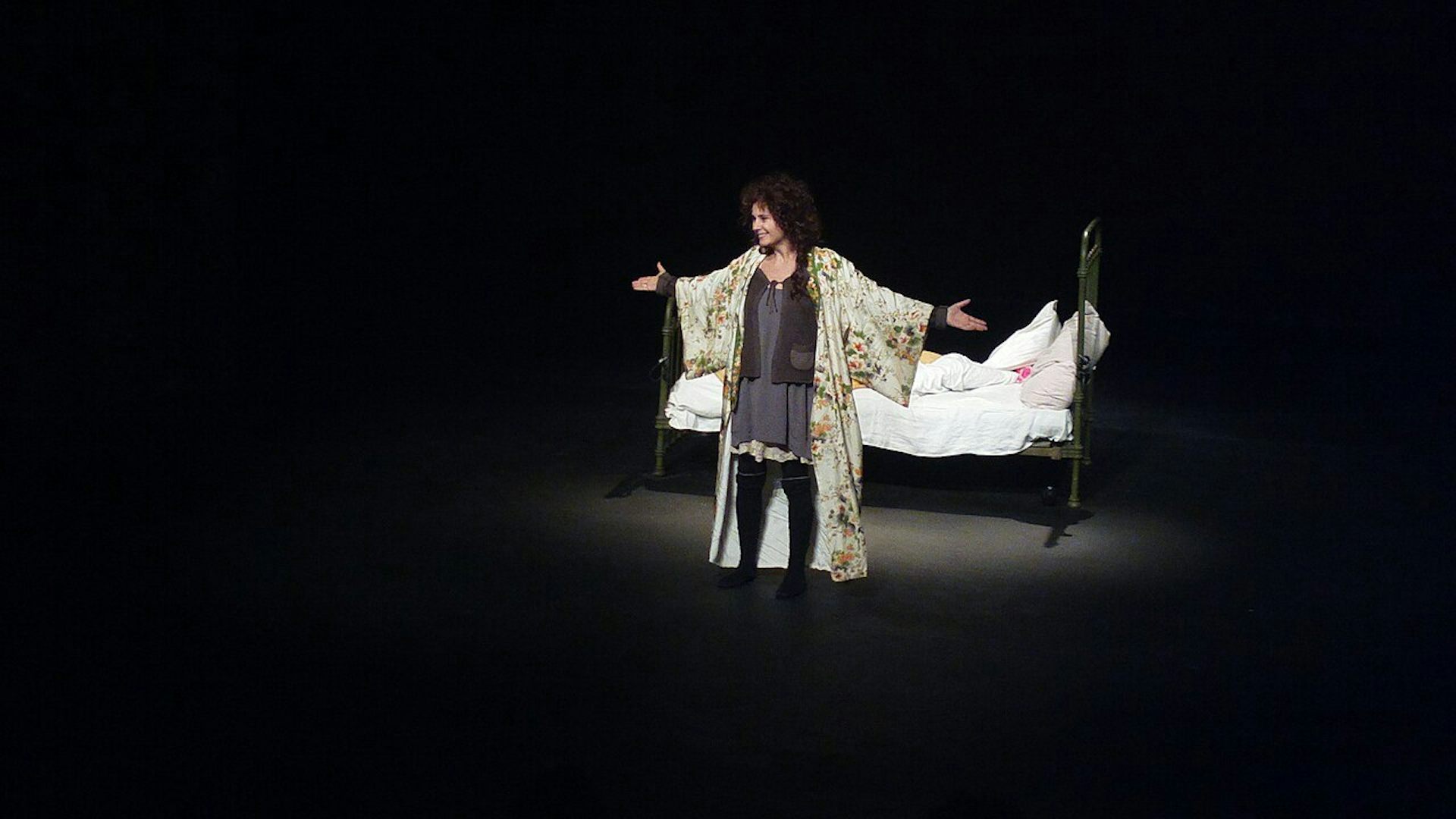
Ngidi’s translation matters. It challenges assumptions about which languages are considered suitable for conveying the so-called world literature. African languages are not peripheral to global literary culture but active participants in it, capable of carrying, reshaping and reinterpreting some of the most demanding works ever written.
एनजीडी की अनुवाद महत्वपूर्ण है। यह इस धारणा को चुनौती देता है कि कौन सी भाषाएँ तथाकथित विश्व साहित्य को व्यक्त करने के लिए उपयुक्त मानी जाती हैं। अफ्रीकी भाषाएँ वैश्विक साहित्यिक संस्कृति के लिए परिधीय नहीं हैं, बल्कि इसमें सक्रिय भागीदार हैं, जो लिखे गए कुछ सबसे कठिन कार्यों को ले जाने, उनका पुनर्गठन करने और उनकी पुनर्व्याख्या करने में सक्षम हैं।
In fact, reading Joyce in isiZulu raises larger questions about literary inheritance. Who owns a literary classic? Joyce himself was deeply concerned with the relationship between language and power.
वास्तव में, isiZulu में जोयस को पढ़ना साहित्यिक विरासत के बारे में बड़े सवाल उठाता है। एक साहित्यिक क्लासिक का मालिक कौन होता है? जोयस स्वयं भाषा और शक्ति के बीच संबंध से गहराई से चिंतित थे।
Writing from a colonised Ireland, he grappled with the complexities of expressing Irish experience through English, the language of imperial rule. His work repeatedly explores tensions between local identity and global influence, between inherited forms and new possibilities.
एक वसाहतग्रस्त आयरलैंड से लिखते हुए, उन्होंने अंग्रेजी के माध्यम से आयरिश अनुभव व्यक्त करने की जटिलताओं से संघर्ष किया, जो साम्राज्यवादी शासन की भाषा थी। उनका काम बार-बार स्थानीय पहचान और वैश्विक प्रभाव, तथा विरासत में मिली शैलियों और नई संभावनाओं के बीच तनाव का पता लगाता है।
James Joyce for everyone
जेम्स जॉयस हर किसी के लिए
The concerns in Joyce’s fiction have become even more pertinent. Across many parts of the world, debates about belonging have become increasingly fraught. In both Ireland and South Africa, questions of migration, national identity and cultural inclusion have generated political tensions and, at times, hostility towards foreigners.
जॉयस की कल्पना में उठाए गए मुद्दे और भी अधिक प्रासंगिक हो गए हैं। दुनिया के कई हिस्सों में, अपनेपन से जुड़े बहसें लगातार तनावपूर्ण होती जा रही हैं। आयरलैंड और दक्षिण अफ्रीका दोनों में, प्रवासन, राष्ट्रीय पहचान और सांस्कृतिक समावेशन के प्रश्न राजनीतिक तनाव पैदा करते रहे हैं और कभी-कभी विदेशियों के प्रति शत्रुता भी उत्पन्न करते हैं।
Joyce is often regarded as a writer for specialists and university students. His novels have a reputation for difficulty that makes them seem inaccessible. Yet events like the one in Johannesburg suggest a different story. Joyce survives because readers continue to reinvent him, finding new contexts, new languages and new communities in which his work can live.
जॉयस को अक्सर विशेषज्ञों और विश्वविद्यालय के छात्रों के लिए एक लेखक माना जाता है। उनके उपन्यासों की कठिनाई की ऐसी प्रतिष्ठा है कि वे दुर्गम लगते हैं। फिर भी, जोहानसबर्ग जैसी घटनाएँ एक अलग कहानी का सुझाव देती हैं। जॉयस इसलिए जीवित रहते हैं क्योंकि पाठक उन्हें लगातार नया रूप देते रहते हैं, ऐसे नए संदर्भ, नई भाषाएँ और नए समुदाय खोजते हैं जहाँ उनका काम जी सकता है।
Translation, in this sense, is more than a literary exercise. It is an act of imagination that allows readers to encounter familiar questions from a different vantage point. Rather than simply reproducing Ulysses, the translation creates a new reading experience that illuminates both Joyce’s novel and the expressive possibilities of isiZulu.
इस अर्थ में, अनुवाद केवल एक साहित्यिक अभ्यास से कहीं अधिक है। यह कल्पना की वह क्रिया है जो पाठकों को परिचित प्रश्नों का सामना एक अलग दृष्टिकोण से करने देती है। सिर्फ़ ‘यूलिसिस’ को दोहराने के बजाय, यह अनुवाद एक नया पठन अनुभव बनाता है जो जॉयस के उपन्यास और isiZulu की अभिव्यक्तिपूर्ण संभावनाओं दोनों को प्रकाशित करता है।
By carrying Joyce into isiZulu, Ngidi expands not only the readership of Ulysses but also the range of perspectives through which the novel can be understood.
जॉयस को isiZulu में लाकर, न्गिडी न केवल ‘यूलिसिस’ के पाठकों का दायरा बढ़ाते हैं, बल्कि उन दृष्टिकोणों की श्रृंखला भी बढ़ाते हैं जिनके माध्यम से इस उपन्यास को समझा जा सकता है।
The translation demonstrates that African languages are not simply vehicles for local experience; they are capable of engaging the most complex works of world literature while bringing new meanings to them.
यह अनुवाद दर्शाता है कि अफ्रीकी भाषाएँ केवल स्थानीय अनुभव के वाहन नहीं हैं; वे विश्व साहित्य के सबसे जटिल कार्यों को संलग्न करने में सक्षम हैं, साथ ही उनमें नए अर्थ भी लाती हैं।
Tinashe Mushakavanhu does not work for, consult, own shares in or receive funding from any company or organisation that would benefit from this article, and has disclosed no relevant affiliations beyond their academic appointment.
तिनाशे मुशाकावानहु किसी भी कंपनी या संगठन के लिए काम नहीं करते हैं, न ही वह उनसे परामर्श लेते हैं, न ही उनके पास उनकी कोई हिस्सेदारी है या उन्हें फंडिंग मिलती है जो इस लेख से लाभान्वित होगी, और उन्होंने अपने अकादमिक पद से परे कोई प्रासंगिक जुड़ाव का खुलासा नहीं किया है।
Read more
-

जेरेमी क्लार्कसन को आक्रामक प्रोस्टेट कैंसर है। लेकिन कुछ कैंसर दूसरों की तुलना में अधिक आक्रामक क्या बनाते हैं?
Jeremy Clarkson has aggressive prostate cancer. But what makes some cancers more aggressive than others?