霍尔木兹海峡:为何美国和伊朗在截然不同的法律水域航行
Strait of Hormuz: Why the US and Iran are sailing in ve…
Tehran and Washington look to different rules to govern their conduct in the key choke point.
德黑兰和华盛顿在关键咽喉点寻求不同的规则来规范其行为。
The Strait of Hormuz exists in the eye of the beholder.
霍尔木兹海峡在观察者的眼中存在。
While everyone agrees that, geographically speaking, it is a strait – a narrow sea passage connecting two places that ships want to go – its political and legal status is rather more complicated.
尽管所有人都同意,从地理上看,它是一个海峡——一条连接两个地方、船只希望通行的狭窄海道——但其政治和法律地位却要复杂得多。
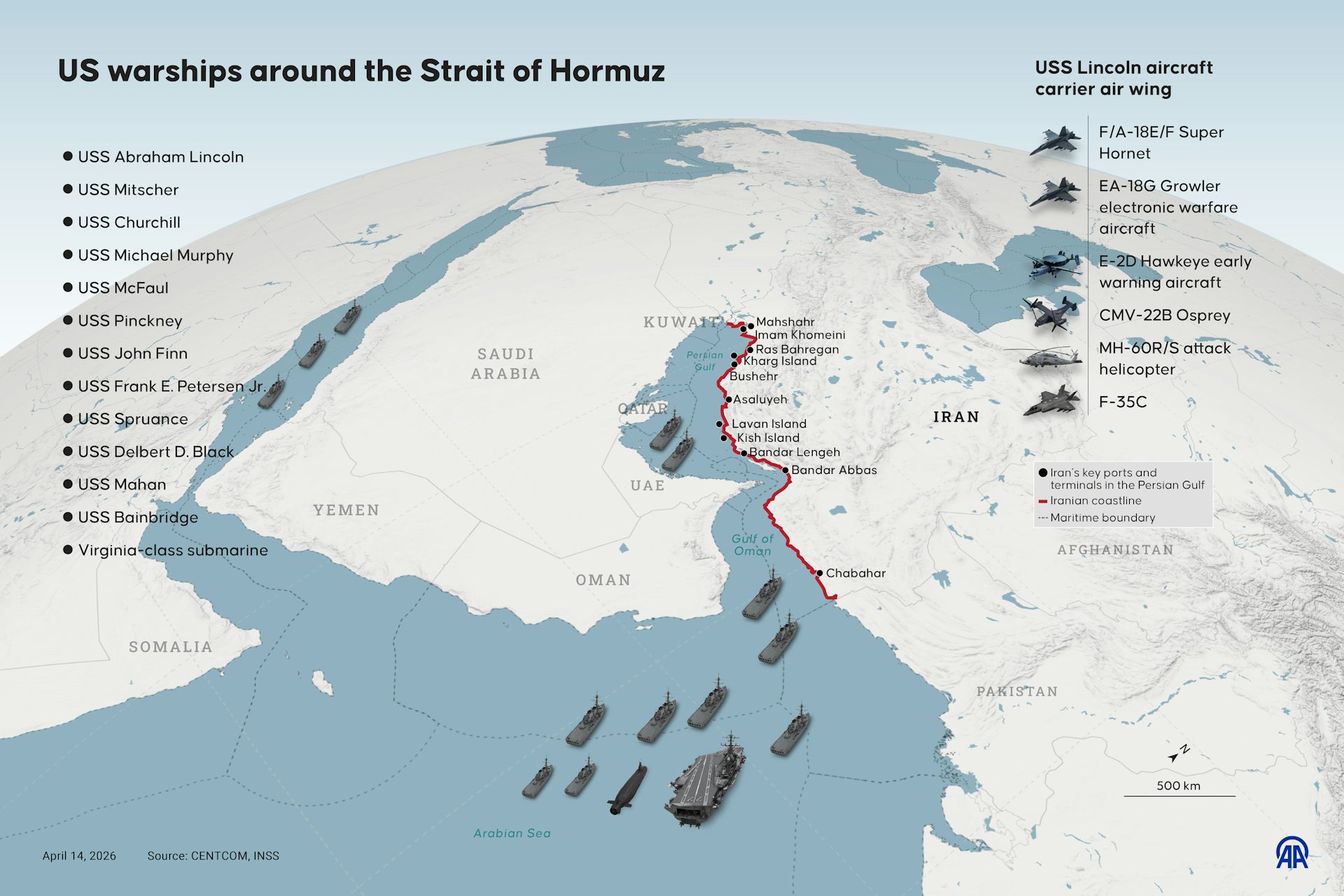
The United States and Iran both eye the strait – a choke point through which 20% of the world’s oil passes – very differently. Washington sees the Strait of Hormuz as exclusively an international waterway, whereas Tehran sees it as part of it territorial waters.
美国和伊朗都对这条海峡——一条全球20%石油流经的咽喉点——有着截然不同的看法。华盛顿认为霍尔木兹海峡是纯粹的国际水道,而德黑兰则认为它是其领海的一部分。
It follows that Iran’s toll-charging of ships is seen by the U.S. as illegal. Similarly, U.S. President Donald Trump’s blockade of the passage is a “grave violation” of sovereignty to Iran.
因此,美国认为伊朗对船只征收过路费是非法的。同样,美国总统唐纳德·特朗普对该通道的封锁,在伊朗看来是主权的“严重侵犯”。
As an expert in the law of the sea, I know part of the problem is that the U.S. and Iran are living in two different worlds when it comes to the international laws governing the strait. Further complicating matters, both are in a different legal universe than most of the rest of the world.
作为海洋法专家,我知道问题的一部分在于,当涉及到管理这条海峡的国际法时,美国和伊朗仿佛生活在两个不同的世界。更复杂的是,两国都处于一个与世界大部分地区不同的法律宇宙中。
The law of the sea
海洋法
The “law of the sea” is a network of international laws, customs and agreements that set out the foundation for rights of access and control in the ocean. The framework sits apart from the laws of warfare, which are also relevant to the Persian Gulf situation.
“海洋法”是一套国际法、习惯和协议的网络,为海洋的通行和控制权奠定了基础。该框架独立于战争法,但战争法也与波斯湾局势相关。
The United Nations Convention on the Law of the Sea, or UNCLOS, is a major plank of the law of the sea. Completed in 1982 and in force since 1994, it aims to create a stable set of zones and places – like international straits – where everyone agrees on who can do what. It has been ratified by 171 countries and the European Union, but not Iran or the United States. Iran has signed it but has yet to ratify; the U.S. has done neither.
《联合国海洋法公约》(UNCLOS)是海洋法的一个主要支柱。该公约于1982年完成,并自1994年起生效,旨在建立一套稳定的区域和地点——例如国际海峡——所有人都同意谁可以做什么。它已获得171个国家和欧盟的批准,但伊朗和美国尚未批准。伊朗已签署但尚未批准;美国两者均未做。
This means that the rules which almost every country in the world has consented to can’t serve as a basis of agreement over how the U.S. and Iran should govern their actions in the strait during the current war.
这意味着,几乎所有国家都同意的规则,不能作为决定美伊两国在当前战争期间应如何在海峡行事的协议基础。
The view from Iran
伊朗的观点
Both Iran and the U.S. agree that under the law of the sea, the Strait of Hormuz is an international strait, but not on what kind of international strait it is. Moreover, they disagree on the relevant laws that exist, and how they apply.
伊朗和美国都同意,根据海洋法,霍尔木兹海峡是一个国际海峡,但对于它属于哪种类型的国际海峡则存在分歧。此外,他们对于现有的相关法律及其适用方式也存在分歧。
For Iran, the Strait of Hormuz is an international strait as set out under international law predating UNCLOS – notably the International Court of Justice’s ruling in the 1949 Corfu Channel case and the 1958 Territorial Seas Convention.
对伊朗而言,霍尔木兹海峡是根据《联合国海洋法公约》之前制定的国际法规定的国际海峡——特别是国际法院在1949年科孚海峡案的裁决和1958年领海公约。
These older standards state that foreign ships have a right of “innocent passage” through international straits. Put in other terms, this means that if a ship is simply passing through, without doing anything else and without harming the security of the coastal countries, it must be allowed passage.
这些较早的标准规定,外国船舶有权通过国际海峡进行“无害通过”。换句话说,这意味着如果一艘船只是单纯通过,没有进行其他活动,并且不损害沿岸国家的安全,那么它必须被允许通过。
This gives Iran – and Oman, the strait’s other bordering country – power to make and enforce some rules over passage, such as rules for safety and the environment. They also have wide discretion to decide if passage is “non-innocent” and therefore not allowed. But it does not give them the right to impede innocent passage.
这赋予了伊朗——以及海峡的另一个邻国阿曼——制定和执行一些通过规则的权力,例如安全和环境规则。他们还拥有广泛的自由裁量权来决定通过是否为“非无害”,从而不被允许。但这并不赋予他们阻碍无害通过的权利。
Contrary to the older standard, however, Tehran claims the right to “suspend” passage through its half of the strait, citing the waters as its territorial sea. This is a violation of the 1958 Territorial Seas Convention that Iran relies on for legal support, which says that when a territorial sea is also an international strait, innocent passage cannot be suspended.
然而,与较早的标准相反,德黑兰声称有权在其半部分海峡“暂停”通过,并援引该水域为自己的领海。这违反了伊朗所依赖的1958年领海公约,该公约规定,当领海同时也是国际海峡时,无害通过不能被暂停。
The US interpretation
美国观点
For the U.S., the Strait of Hormuz is an international strait requiring “transit passage,” as per UNCLOS. Although the United States is not a member of UNCLOS, it argues that the agreement’s updated concept of an “international strait” should apply.
对美国而言,霍尔木兹海峡是一条需要“过境通行”的国际水道,根据《联合国海洋法公约》(UNCLOS)规定。尽管美国不是《联合国海洋法公约》的成员国,但它认为该协定更新的“国际水道”概念也应适用。
Understanding a waterway as the newer type of “international strait,” which requires transit passage, shifts the balance against a coastal country’s control and toward free navigation.
将水道理解为需要过境通行的新型“国际水道”,会削弱沿岸国家的控制权,并倾向于自由航行。
Under this standard, countries bordering straits – like Iran and Oman in the case of Hormuz – must also allow overflight and submarines below the surface. Passage must be allowed so long as it is “continuous and expeditious.”
根据这一标准,与海峡接壤的国家——例如霍尔木兹海峡的伊朗和阿曼——还必须允许空域通行和水下潜艇通过。只要通行是“连续和迅速的”,就必须予以允许。
The U.S. has forcefully asserted this position at sea through regular “Freedom of Navigation” patrols through the Strait of Hormuz and other straits around the world. The patrols are a visible rejection of claims over the ocean that the U.S. deems illegal or excessive.
美国通过在霍尔木兹海峡和其他全球海峡进行定期的“自由航行”巡逻,在海上强力主张了这一立场。这些巡逻公开否认了美国认为非法或过度的海洋主张。
The basic U.S. argument is supported by some leading legal scholars, such as James Kraska, a professor of international maritime law at the U.S. Naval War College, who decries the Iranian position as “lawfare” and argues that Iran must abide by the compromises made in UNCLOS.
美国的基本论点得到了一些顶尖法律学者的支持,例如美国海军战争学院国际海洋法教授詹姆斯·克拉斯卡(James Kraska),他谴责伊朗的立场是“法律战”,并认为伊朗必须遵守《联合国海洋法公约》所达成的妥协。
A ‘persistent objector’
“持续反对国”
But the U.S. is a global outlier here, and one of only a handful of countries – alongside the United Kingdom, France, Australia, Thailand and Papua New Guinea – which argue that “transit passage” is required by custom.
但美国是这里的全球异类,它是少数几个国家之一——与英国、法国、澳大利亚、泰国和巴布亚新几内亚一起——认为“过境通行”是习惯法所要求的。
Custom, in this sense, is established if a practice at sea is seen as consistent and is backed by wide agreement over its legality. If something is seen as customary law, it applies to everyone. The only way to prevent a custom from applying to you is through the “persistent objection rule,” which gives a country an exemption to newly emerging standards if it has shown itself to be consistently against it.
在这种意义上,习惯法是当海上实践被认为是一致的,并且其合法性得到了广泛共识时建立起来的。如果某事被视为习惯法,它就适用于所有人。唯一阻止习惯法适用于你的方法是“持续反对原则”,该原则赋予一个国家豁免权,使其可以免于遵守新出现的标准,前提是该国一直表现出反对这些标准。
Legal scholars are split on whether transit passage is customary law – although law of the sea specialists tend to say it is not.
法学学者们对于过境通行是否属于习惯法存在分歧——尽管海洋法专家倾向于说它不是。
Tehran argues that even if transit passage were customary international law, Iran is a “persistent objector,” and therefore, the rule doesn’t apply to them.
德黑兰认为,即使过境通行是习惯国际法,伊朗也是一个“持续反对国”,因此该规则不适用于伊朗。
And it is true that Iran’s objection has been consistent. Both Iran and Oman argued in favor of innocent passage, and against transit passage, at the UNCLOS negotiations.
事实上,伊朗的反对一直是一致的。在《联合国海洋法公约》的谈判中,伊朗和阿曼两国都支持无害通过,反对过境通行。
Iran reaffirmed its perspective upon signing UNCLOS in 1982. Tehran argues that because transit passage is tied up in the compromises made by UNCLOS, only countries that ratify the treaty can claim the right to transit passage – and neither the U.S. nor Iran has ratified it.
伊朗于1982年签署《联合国海洋法公约》时重申了其立场。德黑兰认为,由于过境通行与《联合国海洋法公约》所做的妥协挂钩,只有批准该条约的国家才能主张过境通行权——而美国和伊朗都没有批准它。
Navigating troubled waters
航行于动荡水域
The complex military situation and economic disruption are only part of the story of the Strait of Hormuz.
复杂的军事局势和经济中断只是霍尔木兹海峡故事的一部分。
What lies beneath is a complicated legal situation. Not only do the U.S. and Iran disagree about the legal status of the strait, but the countries that flag oil tankers – and which are therefore responsible for them – must also navigate their own commitments and perspectives under the law of the sea.
隐藏在水面之下的是一个复杂的法律局面。不仅美国和伊朗对海峡的法律地位存在分歧,那些悬挂油轮旗帜(因此对其负有责任)的国家,也必须根据海洋法来处理自身的承诺和观点。
Every nation wants to avoid a legal precedent that is contrary to its long-term interests. But for international law to function – to reduce conflict and enable trade – what is needed is an agreement about what rules exist, and a shared commitment to abide by them.
每个国家都希望避免与自身长期利益相悖的法律先例。但要让国际法发挥作用——减少冲突并促进贸易——所需要的,是就现有规则达成一致,并共同承诺遵守这些规则。
Only that would achieve a stable post-war status for the Strait of Hormuz. How we get there, however, requires navigating some very tricky waters.
只有这样才能为霍尔木兹海峡实现稳定的战后地位。然而,如何达到这一目标,需要渡过一些非常棘手的困境。
Elizabeth Mendenhall does not work for, consult, own shares in or receive funding from any company or organization that would benefit from this article, and has disclosed no relevant affiliations beyond their academic appointment.
伊丽莎白·门登霍尔不为任何从本文中受益的公司或组织工作、提供咨询、拥有股份或接受资金,并且除了其学术任命之外,没有披露任何相关的隶属关系。