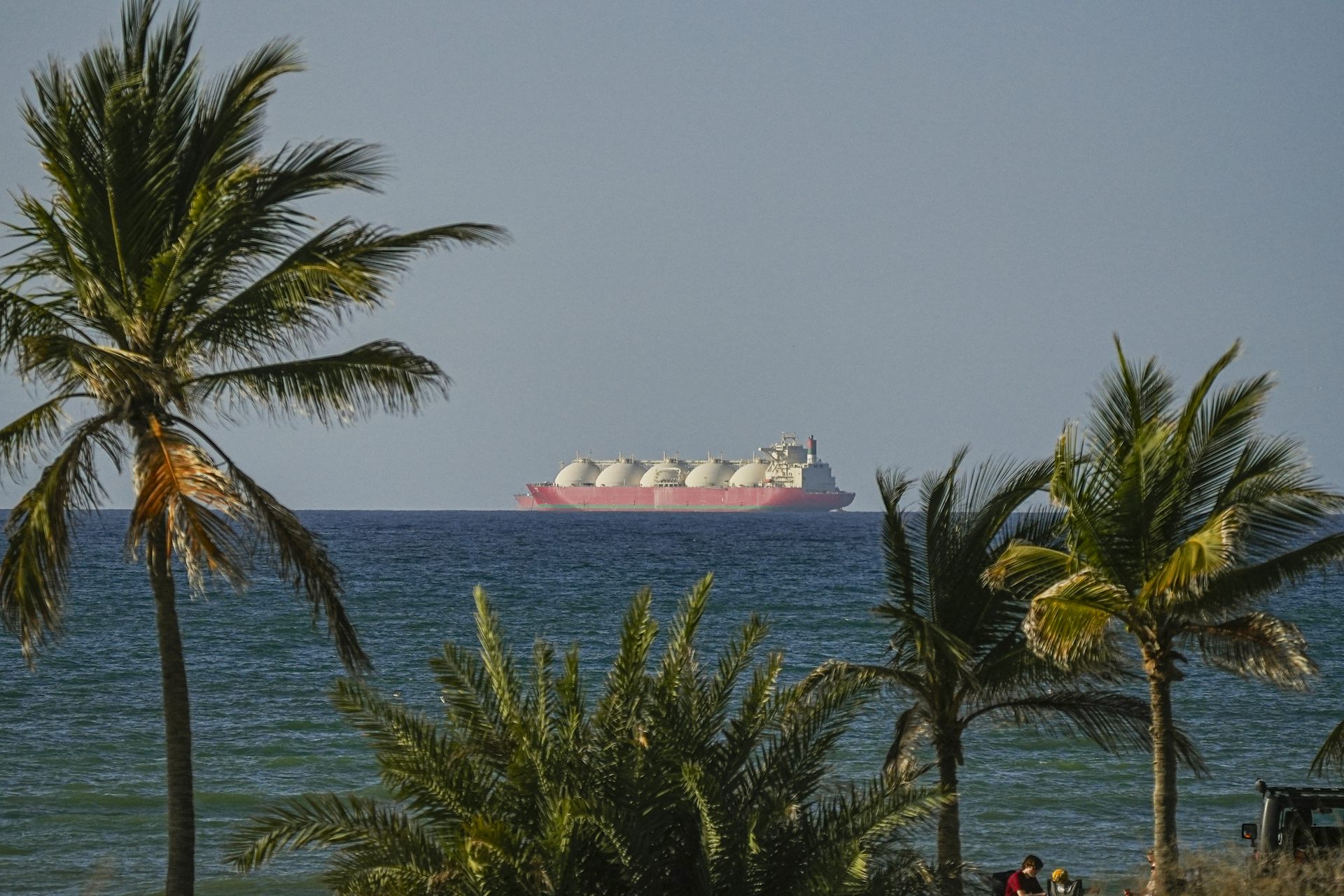
Estreito de Ormuz: Por que os EUA e o Irã navegam em águas legais muito diferentes
Strait of Hormuz: Why the US and Iran are sailing in very different legal waters
Tehran and Washington look to different rules to govern their conduct in the key choke point.
Teerã e Washington recorrem a regras diferentes para governar sua conduta no ponto de estrangulamento crucial.
The Strait of Hormuz exists in the eye of the beholder.
O Estreito de Ormuz existe no olho do observador.
While everyone agrees that, geographically speaking, it is a strait – a narrow sea passage connecting two places that ships want to go – its political and legal status is rather more complicated.
Embora todos concordem que, geograficamente falando, é um estreito – uma passagem marítima estreita que conecta dois lugares por onde os navios querem passar – seu status político e legal é bastante mais complicado.
The United States and Iran both eye the strait – a choke point through which 20% of the world’s oil passes – very differently. Washington sees the Strait of Hormuz as exclusively an international waterway, whereas Tehran sees it as part of it territorial waters.
Os Estados Unidos e o Irã olham para o estreito – um ponto de estrangulamento por onde passa 20% do petróleo mundial – de maneiras muito diferentes. Washington vê o Estreito de Ormuz como uma via navegável exclusivamente internacional, enquanto Teerã o vê como parte de suas águas territoriais.
It follows that Iran’s toll-charging of ships is seen by the U.S. as illegal. Similarly, U.S. President Donald Trump’s blockade of the passage is a “grave violation” of sovereignty to Iran.
Consequentemente, a cobrança de pedágio de navios pelo Irã é vista pelos EUA como ilegal. Da mesma forma, o bloqueio da passagem pelo presidente dos EUA, Donald Trump, é considerado um “grave violação” da soberania pelo Irã.
As an expert in the law of the sea, I know part of the problem is that the U.S. and Iran are living in two different worlds when it comes to the international laws governing the strait. Further complicating matters, both are in a different legal universe than most of the rest of the world.
Como especialista no direito do mar, sei que parte do problema é que os EUA e o Irã vivem em dois mundos diferentes quando se trata das leis internacionais que regem o estreito. Para complicar ainda mais, ambos estão em um universo legal diferente da maior parte do resto do mundo.
The law of the sea
O direito do mar
The “law of the sea” is a network of international laws, customs and agreements that set out the foundation for rights of access and control in the ocean. The framework sits apart from the laws of warfare, which are also relevant to the Persian Gulf situation.
O “direito do mar” é uma rede de leis internacionais, costumes e acordos que estabelecem a base para os direitos de acesso e controle no oceano. Este quadro está separado das leis de guerra, que também são relevantes para a situação do Golfo Pérsico.
The United Nations Convention on the Law of the Sea, or UNCLOS, is a major plank of the law of the sea. Completed in 1982 and in force since 1994, it aims to create a stable set of zones and places – like international straits – where everyone agrees on who can do what. It has been ratified by 171 countries and the European Union, but not Iran or the United States. Iran has signed it but has yet to ratify; the U.S. has done neither.
A Convenção das Nações Unidas sobre o Direito do Mar, ou UNCLOS, é um pilar fundamental do direito do mar. Concluída em 1982 e em vigor desde 1994, visa criar um conjunto estável de zonas e locais – como estreitos internacionais – onde todos concordam sobre quem pode fazer o quê. Foi ratificada por 171 países e pela União Europeia, mas não pelo Irã nem pelos Estados Unidos. O Irã assinou-a, mas ainda não a ratificou; os EUA não fizeram nenhuma das duas coisas.
This means that the rules which almost every country in the world has consented to can’t serve as a basis of agreement over how the U.S. and Iran should govern their actions in the strait during the current war.
Isso significa que as regras às quais quase todos os países do mundo consentiram não podem servir como base de acordo sobre como os EUA e o Irã devem governar suas ações no estreito durante a guerra atual.
The view from Iran
A visão do Irã
Both Iran and the U.S. agree that under the law of the sea, the Strait of Hormuz is an international strait, but not on what kind of international strait it is. Moreover, they disagree on the relevant laws that exist, and how they apply.
Tanto o Irã quanto os EUA concordam que, sob o direito do mar, o Estreito de Ormuz é um estreito internacional, mas não sobre que tipo de estreito internacional ele é. Além disso, discordam sobre as leis relevantes que existem e como elas se aplicam.
For Iran, the Strait of Hormuz is an international strait as set out under international law predating UNCLOS – notably the International Court of Justice’s ruling in the 1949 Corfu Channel case and the 1958 Territorial Seas Convention.
Para o Irã, o Estreito de Ormuz é um estreito internacional conforme estabelecido pelo direito internacional anterior à UNCLOS – notavelmente o acórdão do Tribunal Internacional de Justiça no caso do Canal Corfu de 1949 e a Convenção sobre os Mares Territoriais de 1958.
These older standards state that foreign ships have a right of “innocent passage” through international straits. Put in other terms, this means that if a ship is simply passing through, without doing anything else and without harming the security of the coastal countries, it must be allowed passage.
Esses padrões mais antigos afirmam que os navios estrangeiros têm o direito de “trânsito inocente” através de estreitos internacionais. Em outras palavras, isso significa que, se um navio estiver simplesmente passando, sem fazer mais nada e sem prejudicar a segurança dos países costeiros, ele deve ter passagem permitida.
This gives Iran – and Oman, the strait’s other bordering country – power to make and enforce some rules over passage, such as rules for safety and the environment. They also have wide discretion to decide if passage is “non-innocent” and therefore not allowed. But it does not give them the right to impede innocent passage.
Isso dá ao Irã – e ao Oman, o outro país vizinho do estreito – o poder de criar e fazer cumprir algumas regras sobre a passagem, como regras de segurança e ambientais. Eles também têm ampla discricionariedade para decidir se a passagem é “não inocente” e, portanto, não permitida. Mas isso não lhes dá o direito de impedir o trânsito inocente.
Contrary to the older standard, however, Tehran claims the right to “suspend” passage through its half of the strait, citing the waters as its territorial sea. This is a violation of the 1958 Territorial Seas Convention that Iran relies on for legal support, which says that when a territorial sea is also an international strait, innocent passage cannot be suspended.
Contudo, contrariamente ao padrão mais antigo, Teerã reivindica o direito de “suspender” a passagem por sua metade do estreito, citando as águas como seu mar territorial. Isso é uma violação da Convenção sobre os Mares Territoriais de 1958, na qual o Irã se baseia para apoio legal, que afirma que quando um mar territorial é também um estreito internacional, o trânsito inocente não pode ser suspenso.
The US interpretation
A interpretação dos EUA
For the U.S., the Strait of Hormuz is an international strait requiring “transit passage,” as per UNCLOS. Although the United States is not a member of UNCLOS, it argues that the agreement’s updated concept of an “international strait” should apply.
Para os EUA, o Estreito de Ormuz é um estreito internacional que exige “passagem de trânsito”, conforme a UNCLOS. Embora os Estados Unidos não sejam membros da UNCLOS, argumentam que o conceito atualizado de “estreito internacional” do acordo deve ser aplicado.
Understanding a waterway as the newer type of “international strait,” which requires transit passage, shifts the balance against a coastal country’s control and toward free navigation.
Entender uma via navegável como o novo tipo de “estreito internacional”, que exige passagem de trânsito, altera o equilíbrio contra o controle de um país costeiro e a favor da navegação livre.
Under this standard, countries bordering straits – like Iran and Oman in the case of Hormuz – must also allow overflight and submarines below the surface. Passage must be allowed so long as it is “continuous and expeditious.”
Sob este padrão, os países que fazem fronteira com estreitos – como Irã e Omã no caso de Ormuz – também devem permitir sobrevoo e submarinos abaixo da superfície. A passagem deve ser permitida desde que seja “contínua e expedita”.
The U.S. has forcefully asserted this position at sea through regular “Freedom of Navigation” patrols through the Strait of Hormuz and other straits around the world. The patrols are a visible rejection of claims over the ocean that the U.S. deems illegal or excessive.
Os EUA afirmaram vigorosamente esta posição no mar por meio de patrulhas regulares de “Liberdade de Navegação” através do Estreito de Ormuz e outros estreitos ao redor do mundo. As patrulhas são uma rejeição visível de reivindicações sobre o oceano que os EUA consideram ilegais ou excessivas.
The basic U.S. argument is supported by some leading legal scholars, such as James Kraska, a professor of international maritime law at the U.S. Naval War College, who decries the Iranian position as “lawfare” and argues that Iran must abide by the compromises made in UNCLOS.
O argumento básico dos EUA é apoiado por alguns renomados acadêmicos do direito, como James Kraska, professor de direito marítimo internacional no U.S. Naval War College, que critica a posição iraniana como “guerra legal” (lawfare) e argumenta que o Irã deve cumprir os compromissos feitos na UNCLOS.
A ‘persistent objector’
Um ‘objeto persistente’
But the U.S. is a global outlier here, and one of only a handful of countries – alongside the United Kingdom, France, Australia, Thailand and Papua New Guinea – which argue that “transit passage” is required by custom.
Mas os EUA são um desvio global aqui, e um dos poucos países – juntamente com o Reino Unido, França, Austrália, Tailândia e Papua Nova Guiné – que argumentam que a “passagem de trânsito” é exigida pelo costume.
Custom, in this sense, is established if a practice at sea is seen as consistent and is backed by wide agreement over its legality. If something is seen as customary law, it applies to everyone. The only way to prevent a custom from applying to you is through the “persistent objection rule,” which gives a country an exemption to newly emerging standards if it has shown itself to be consistently against it.
Costume, neste sentido, é estabelecido se uma prática no mar for vista como consistente e for apoiada por um amplo acordo sobre sua legalidade. Se algo é visto como direito costumeiro, aplica-se a todos. A única maneira de impedir que um costume se aplique a você é através da “regra da objeção persistente”, que concede a um país uma isenção de padrões recém-surgidos se ele tiver demonstrado estar consistentemente contra eles.
Legal scholars are split on whether transit passage is customary law – although law of the sea specialists tend to say it is not.
Juristas estão divididos sobre se a passagem de trânsito é direito costumeiro – embora os especialistas em direito do mar tendam a dizer que não é.
Tehran argues that even if transit passage were customary international law, Iran is a “persistent objector,” and therefore, the rule doesn’t apply to them.
Teerã argumenta que mesmo que a passagem de trânsito fosse direito internacional costumeiro, o Irã é um “objeto persistente”, e, portanto, a regra não se aplica a eles.
And it is true that Iran’s objection has been consistent. Both Iran and Oman argued in favor of innocent passage, and against transit passage, at the UNCLOS negotiations.
E é verdade que a objeção do Irã tem sido consistente. Tanto o Irã quanto Oman defenderam a passagem inocente e se opuseram à passagem de trânsito nas negociações da UNCLOS.
Iran reaffirmed its perspective upon signing UNCLOS in 1982. Tehran argues that because transit passage is tied up in the compromises made by UNCLOS, only countries that ratify the treaty can claim the right to transit passage – and neither the U.S. nor Iran has ratified it.
O Irã reafirmou sua perspectiva ao assinar a UNCLOS em 1982. Teerã argumenta que, porque a passagem de trânsito está ligada aos compromissos feitos pela UNCLOS, apenas os países que ratificam o tratado podem reivindicar o direito de passagem de trânsito – e nem os EUA nem o Irã o ratificaram.
Navigating troubled waters
Navegando águas turbulentas
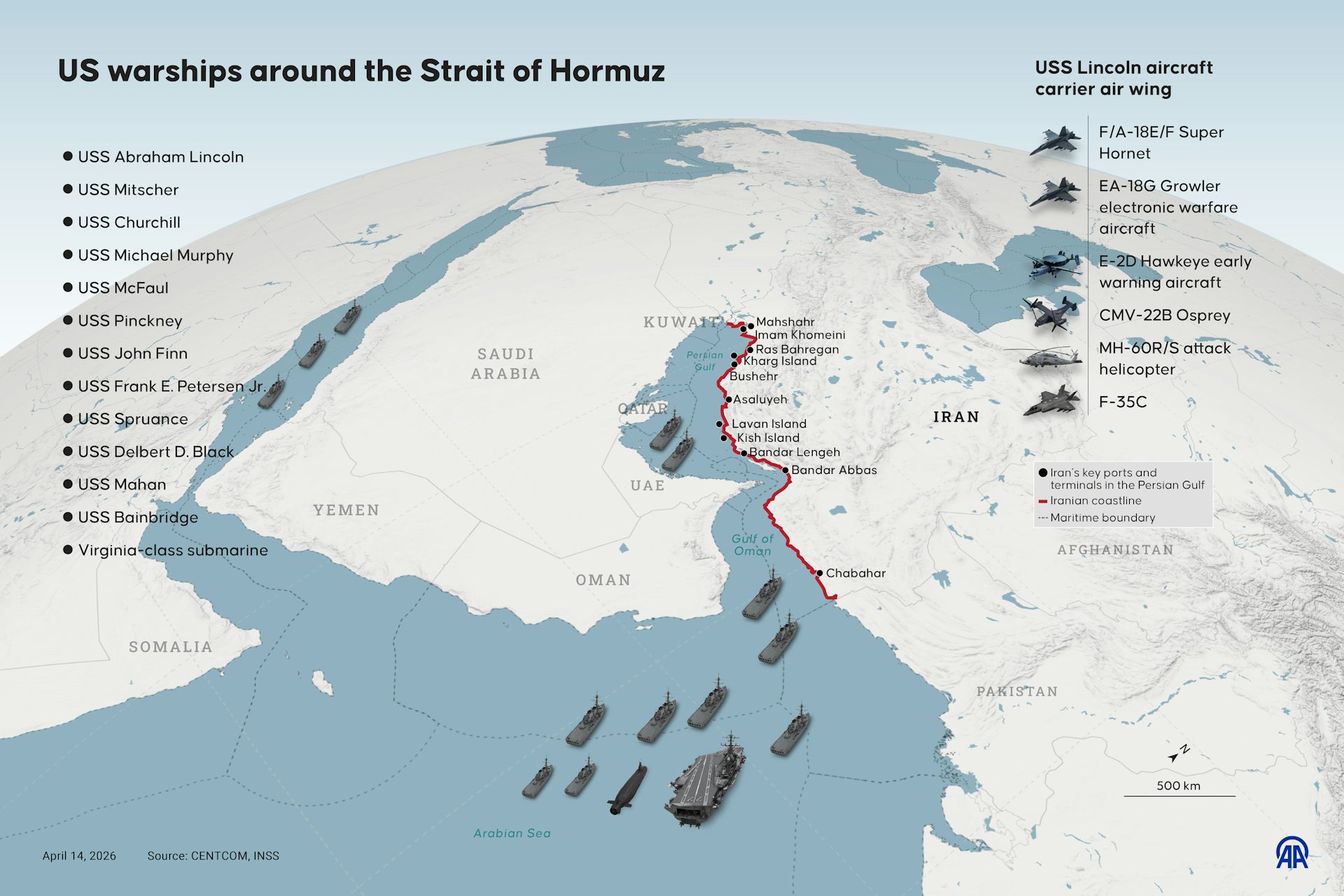
The complex military situation and economic disruption are only part of the story of the Strait of Hormuz.
A complexa situação militar e a disrupção econômica são apenas parte da história do Estreito de Ormuz.
What lies beneath is a complicated legal situation. Not only do the U.S. and Iran disagree about the legal status of the strait, but the countries that flag oil tankers – and which are therefore responsible for them – must also navigate their own commitments and perspectives under the law of the sea.
O que está por baixo é uma situação legal complicada. Não só os EUA e o Irã discordam sobre o status legal do estreito, mas os países que bandeiram os petroleiros – e que, portanto, são responsáveis por eles – também devem navegar pelos seus próprios compromissos e perspectivas sob o direito do mar.
Every nation wants to avoid a legal precedent that is contrary to its long-term interests. But for international law to function – to reduce conflict and enable trade – what is needed is an agreement about what rules exist, and a shared commitment to abide by them.
Toda nação quer evitar um precedente legal que seja contrário aos seus interesses de longo prazo. Mas, para que o direito internacional funcione – para reduzir conflitos e permitir o comércio – o que é necessário é um acordo sobre quais regras existem e um compromisso compartilhado de cumpri-las.
Only that would achieve a stable post-war status for the Strait of Hormuz. How we get there, however, requires navigating some very tricky waters.
Somente isso alcançaria um status pós-guerra estável para o Estreito de Ormuz. Como chegaremos lá, no entanto, exige navegar por águas muito traiçoeiras.
Elizabeth Mendenhall does not work for, consult, own shares in or receive funding from any company or organization that would benefit from this article, and has disclosed no relevant affiliations beyond their academic appointment.
Elizabeth Mendenhall não trabalha, não é consultora, não possui ações nem recebe financiamento de nenhuma empresa ou organização que se beneficiaria deste artigo, e não divulgou afiliações relevantes além de seu cargo acadêmico.
Read more
-

Hugh Jackman interpreta Robin Hood como um vilão – é uma abordagem mal aproveitada do herói dos pobres
Hugh Jackman plays Robin Hood as wicked – it’s a badly timed take on the hero of the poor