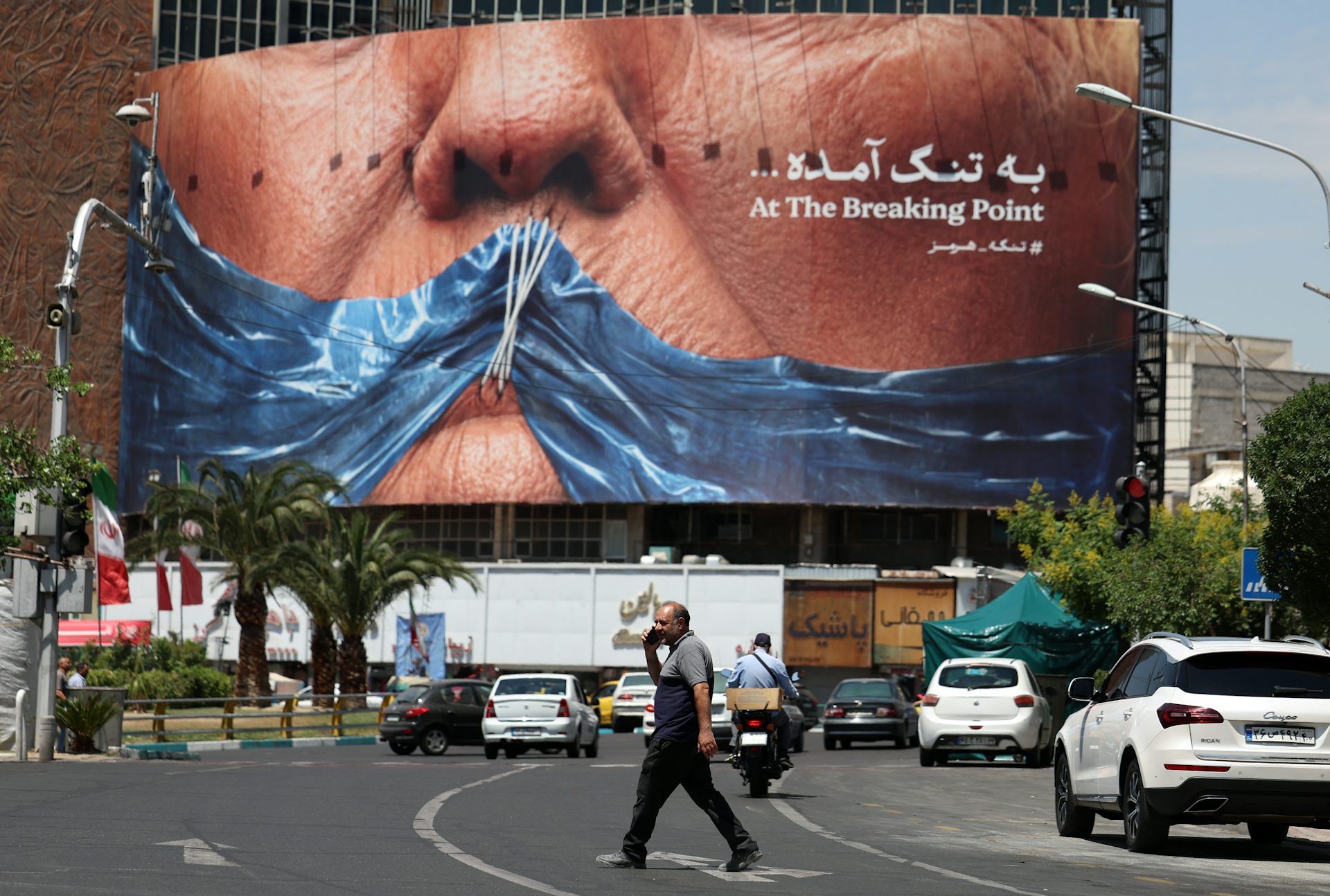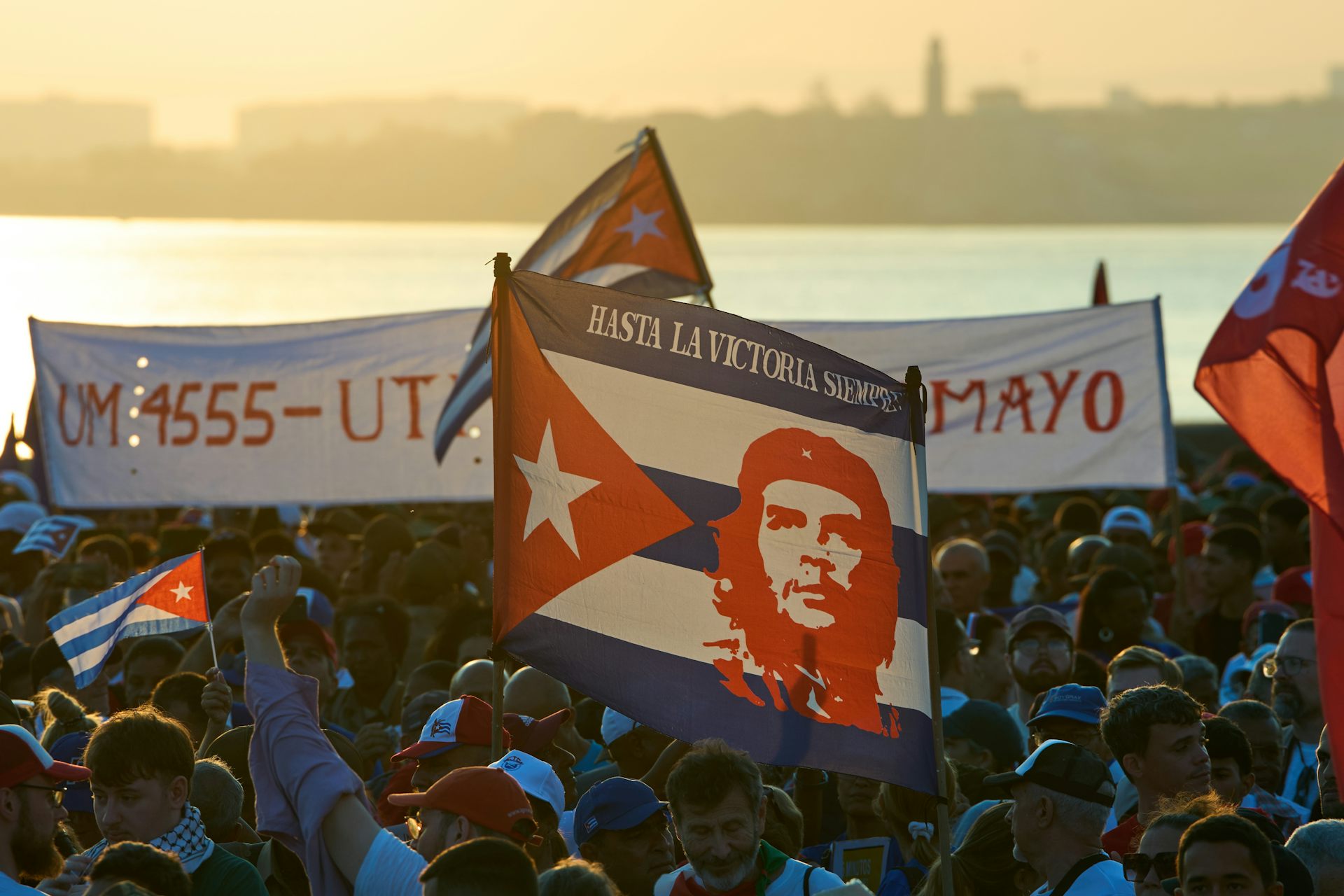
Nothing angers Cubans more than being told by Americans how to run their country.
没有什么比美国人告诉他们如何管理自己的国家更让古巴人生气了。
For months, US President Donald Trump has been fixated on Cuba. He’s issued threats and imposed additional sanctions on the island. The US military has conducted dozens of intelligence-gathering flights off the coast in recent weeks, suggesting a prelude to an invasion.
几个月以来,美国总统唐纳德·特朗普一直痴迷于古巴。他对该岛发出了威胁并实施了额外的制裁。最近几周,美军在海岸外进行了数十次情报收集飞行,这暗示着入侵的前奏。
The Cuban government has indicated a readiness to negotiate with the Trump administration on some issues, such as migration, drug trafficking and investment openings for Cuban-Americans. But Cuba’s sovereignty is not negotiable.
古巴政府表示,他们愿意就一些问题,如移民、贩毒以及为古巴裔美国人提供的投资机会,与特朗普政府进行谈判。但古巴的主权是不可协商的。
After interviewing Cuban President Miguel Díaz-Canel last month, US journalist Kristen Welker seemed to catch on:
在去年采访古巴总统米格尔·迪亚斯-卡内尔之后,美国记者克里斯汀·韦尔克似乎领悟到了:
Nothing gets under [Cubans’] skin more than the notion that the United States can tell the Cuban government who should lead it or what it should be doing, how it should be governing, because that challenges the very idea of the sovereignty of the country.
没有什么比美国可以告诉古巴政府谁应该领导它、它应该做什么、如何治理更能触动[古巴人]的神经,因为这挑战了国家主权的基本观念。
This US obsession with controlling, influencing and coercing Cuba long predates Trump and even the Cold War. This is how President Theodore Roosevelt described the island in 1906:
美国对控制、影响和胁迫古巴的痴迷早于特朗普甚至冷战时期。这是总统西奥多·罗斯福在1906年对该岛的描述:
I am so angry with that infernal little Cuban republic that I would like to wipe its people off the face of the earth. All we have wanted from them was that they would behave themselves and be prosperous and happy so that we would not have to interfere. And now, lo and behold, they have started an utterly unjustifiable and pointless revolution.
我对那个该死的古巴共和国感到如此愤怒,我希望将它的人民从地球上抹去。我们从他们那里所希望的只是让他们遵守行为规范,并过上繁荣幸福的生活,这样我们就无需干涉。而现在,奇迹般地,他们发动了一场完全不公正且毫无意义的革命。
Understanding the current impasse between the two adversarial neighbours requires looking at this full arc of history. While the 1823 Monroe Doctrine sought to establish US predominance in the entire American continent, Cuba has always been a particular focus of Washington’s attention.
理解这两个对立邻国之间目前的僵局,需要回顾这段完整的历史。虽然1823年的“单一同盟条约”旨在确立美国在整个美洲大陆的霸权,但古巴一直都是华盛顿关注的特别焦点。
‘Americanisation’ of the island
岛屿的“美国化”
From the moment the 13 American colonies declared independence from Britain, Americans assumed Cuba would become part of the union. Successive US administrations sought to purchase, annex or otherwise control Cuba, claiming this was inevitable by virtue of the laws of gravity and geography. It was also seen as part of a self-proclaimed “civilising mission”.
从美国殖民地宣布独立于英国的那一刻起,美国人就认为古巴将成为联邦的一部分。接下来的美国政府试图购买、吞并或以其他方式控制古巴,声称这是由引力与地理法则所决定的必然结果。这也被视为一种自称的“文明使命”。
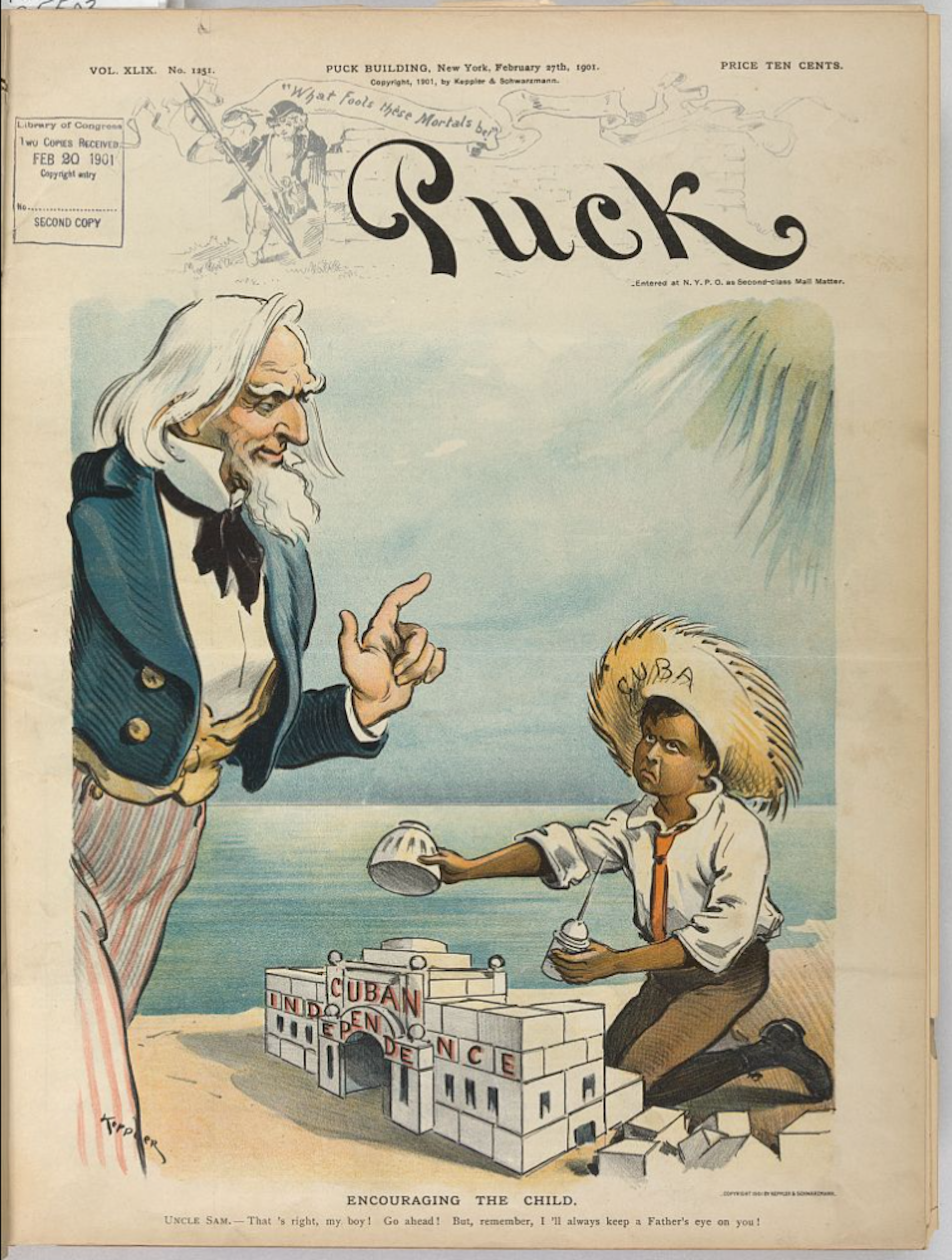
When the Cubans eventually defeated their Spanish colonial masters in 1898, the United States stepped in and occupied the island to thwart its independence.
当古巴人最终于1898年击败西班牙殖民统治者时,美国介入并占领了该岛,以阻止其独立。
At the time, at least one third of Cubans were former slaves or of mixed race. The US governor of Cuba, Leonard Wood, argued they were not ready for self-government.
当时,至少三分之一的古巴人是前奴隶或混血。古巴的美国总督莱纳德·伍德认为他们尚未准备好进行自治。
Certainly, the US – especially the Southern former slave holders – didn’t want another Haiti in its neighbourhood. Haitian slaves had seized control of their island nation from the French in a violent rebellion in 1804, echoing the cries of the French revolution for liberty, fraternity and equality.
当然,美国——尤其是南方的前奴隶主们——不希望在其邻近地区出现另一个海地。海地奴隶在1804年通过暴力叛乱从法国手中夺取了他们的岛国控制权,这呼应了法国大革命中对自由、兄弟情谊和平等的呼喊。
The US military occupation of Cuba ended in 1902 and Cuba formally declared independence – albeit with provisions. These allowed for future US intervention whenever Washington thought the Cuban people needed a guiding hand (which turned out to be fairly often) .
美国对古巴的军事占领于1902年结束,古巴正式宣布独立——尽管带有某些条款。这些条款允许美国在华盛顿认为古巴人民需要指导时(事实证明,这种情况相当频繁),进行未来的干预。
In the decades that followed, US business interests deeply penetrated every sector of Cuba’s economy and had complete sway over Cuban governments.
在随后的几十年里,美国的商业利益深入渗透到古巴经济的各个部门,并对古巴政府拥有完全的支配权。
On a cultural level, Cuba rapidly became “Americanised” through a new US-style education system. Travel to the island picked up, too. The popular Terry’s Guide to Cuba reassured US visitors in the 1920s they would feel right at home because “thousands [of Cubans] act, think, talk and look like Americans”.
在文化层面,古巴通过一种新的美国式教育体系迅速“美国化”。对该岛的旅行也随之增加。1920年代流行的《特里对古巴指南》向美国游客保证,他们会感到如家般舒适,因为“成千上万的古巴人”在行动、思想、言语和外表上都像美国人。
Castro’s mission
卡斯特罗的使命
All of this changed with the rise of Fidel Castro.
这一切都随着菲德尔·卡斯特罗的崛起而改变。
During the Cuban Revolution, Castro announced in April 1959 that the revolutionary government would be “Cubanising Cuba”. This might seem “paradoxical”, he explained, but Cubans “undervalued” everything Cuban. They had become “imbued with a type of complex of self-doubt” in the face of the overwhelming US influence on the island’s culture, politics and economy.
在古巴革命期间,卡斯特罗于1959年4月宣布革命政府将“古巴化古巴”。他解释说,这可能看起来是“矛盾的”,但古巴人“低估”了古巴的一切。在岛上美国对文化、政治和经济的压倒性影响面前,他们变得“充斥着一种自我怀疑的复杂”。
US journalist Elizabeth Sutherland similarly observed at the time that Cubans suffered from a “cultural inferiority complex typical of colonised peoples”.
美国记者伊丽莎白·萨瑟兰当时也观察到,古巴人遭受着“殖民化人民典型的文化劣势复杂”。
For North Americans, however, Castro’s blunt statement seemed at best to reflect ingratitude, and at worst, an insult. As the US broadcaster Walter Cronkite recalled:
然而,对于北美人民来说,卡斯特罗的直言不讳的声明至少反映了不感激,最坏的情况是侮辱。正如美国广播员沃尔特·克朗基回忆的那样:
The rise of Fidel Castro in Cuba was a terrible shock to the American people. This brought communism practically to our shores. Cuba was a resort land for Americans […] we considered it part of the United States.
菲德尔·卡斯特罗在古巴的崛起给美国人民带来了可怕的冲击。这使共产主义几乎到了我们的岸边。古巴是美国人的度假地[…] 我们认为它是美利坚合众国的一部分。
At the heart of Cuba’s revolutionary project has been an assertion of Cuba’s sovereignty, independence and national identity. The drive has been to create a new, united and socially just Cuban nation, as envisioned by its great national hero and poet, José Martí.
古巴革命项目的核心在于对古巴主权、独立和民族身份的断言。推动力在于创造一个新、统一和社会公正的古巴民族,正如其伟大民族英雄和诗人何塞·马尔蒂所设想的那样。
So, for Cubans it’s a matter of history. For North Americans, it’s a matter of self-image. They had “convinced themselves,” writes historian Louis A. Pérez, of the “beneficent purpose […] from which [the US] derived the moral authority to presume power over Cuba”.
因此,对古巴人来说,这是一件历史问题。对北美人民来说,这是一件自我形象的问题。历史学家路易斯·A·佩雷斯写道,他们“说服自己”,认为[美国]从何处获得了对古巴施加权力的道德权威:“仁慈的目的[…] 从而[美国]获得了凌驾于古巴之上的道德权威”。
When the Obama administration finally resumed relations with Cuba in 2014, it felt like a historic shift was taking place. The US might finally respect Cuban sovereignty and engage with Cuba on equal terms.
当奥巴马政府于2014年最终恢复与古巴的关系时,感觉就像发生了历史性的转变。美国终于可能尊重古巴的主权,并与古巴平等地交往。
As President Barack Obama said at the time:
正如巴拉克·奥巴马总统当时所说:
It does not serve America’s interests, or the Cuban people, to try to push Cuba toward collapse. […] We can never erase the history between us, but we believe that you should be empowered to live with dignity and self-determination.
试图将古巴推向崩溃,既不符合美国的利益,也不符合古巴人民的利益。[…] 我们永远不能抹去我们之间的历史,但我们相信你们应该被赋予活在尊严和自决中的权利。
Trump has now reverted to Washington’s traditional neo-colonialist view of Cuba, proclaiming he can do what he likes with the island. Perhaps it is time to try a new approach. As the spectacular debacle of the US-backed Bay of Pigs invasion showed 65 years ago, Cubans remain ready to defend their independence and their right to determine their own future.
特朗普现在又回到了华盛顿传统的新殖民主义观点,宣称他可以随心所欲地对待这个岛屿。也许是时候尝试一种新的方法了。正如65年前美国支持的猪湾事件的惊人失败所表明的那样,古巴人仍然准备捍卫他们的独立和决定自己未来的权利。
Deborah Shnookal does not work for, consult, own shares in or receive funding from any company or organisation that would benefit from this article, and has disclosed no relevant affiliations beyond their academic appointment.
黛博拉·申库克尔不为、不咨询、不拥有任何可能从本文中受益的公司或组织股份,并且除了他们的学术职位之外,没有披露任何相关隶属关系。