维克托·奥尔班的选举失利显示了其宣传机器的局限性
Viktor Orbán’s election loss shows the limits of his pr…
Even controlling 80% of the media wasn’t enough in the face of a well-organised opposition.
即使控制了80%的媒体,在面对有组织的反对力量时也远远不够。
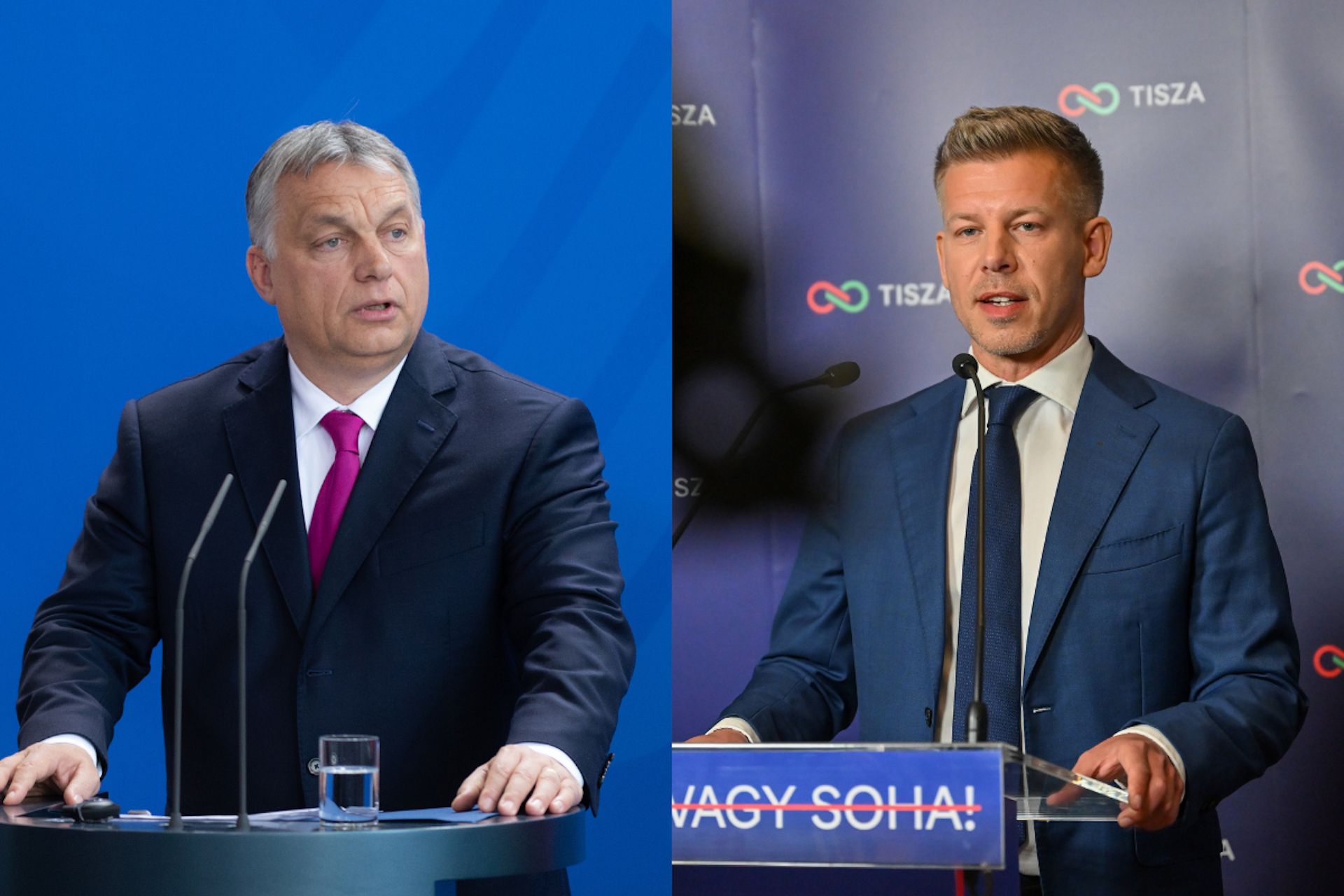
Hungarian voters have overwhelmingly rejected the 16-year rule of authoritarian strongman Viktor Orbán, electing his one-time political ally, Péter Magyar, to replace him. Magyar’s Tisza party has secured a two-thirds majority in parliament and therefore a supermajority. This will allow the new government to roll back some of the illiberal measures introduced Orbán governments over the years. Magyar has said that he intends to work for a “free, European” Hungary, which would reverse his predecessor’s rejection of Brussels.
匈牙利选民压倒性地拒绝了威权强人维克多·奥尔班长达16年的统治,选举了他的前政治盟友佩特尔·马吉尔接替他。马吉尔的“蒂萨党”在议会获得了三分之二的多数席位,从而获得了超多数。这将使新政府能够推翻奥尔班政府多年来引入的一些非自由主义措施。马吉尔表示,他打算为一个“自由的、欧洲的”匈牙利努力,这将扭转其前任否认布鲁塞尔的态度。
One of Magyar’s key election promises was to restore press freedom, and reform state-run media, which, under Orbán, had become a powerful tool for distributing disinformation.
马吉尔的关键竞选承诺之一是恢复新闻自由,并改革国有媒体,在奥尔班治下,这些媒体已成为传播虚假信息有力的工具。
This huge win for Tisza followed a campaign marred by what many foreign monitors claimed were unprecedented levels of disinformation, foreign interference and government propaganda. In fact, the result may come as a surprise to those who believe that in information autocracies such as Hungary, where access to news and political discussion is controlled by what have been dubbed “spin dictators”, election results can easily be controlled by the ruling party.
蒂萨党取得的这一巨大胜利,是在一场充斥着许多外国观察人士声称的空前虚假信息、外国干预和政府宣传的竞选活动之后。事实上,对于那些相信在匈牙利这类信息威权国家,新闻和政治讨论的获取受到所谓的“宣传独裁者”的控制,选举结果很容易被执政党操纵的人来说,这一结果可能令人感到意外。
Orbán is a textbook example of an information autocrat. The propaganda arsenal deployed by his ruling Fidesz party in this campaign was as formidable as ever. Pro-government election billboards blanketed the country, financed not just by Fidesz but by the government itself and by powerful publicly owned agencies such as the state energy conglomerate MVM, by the Magyar Nemzeti Bank (MNB) – Hungary’s central bank – and by a host of government-aligned NGOs.
奥尔班是信息独裁的教科书式例子。他执政的“正义与公正党”(Fidesz)在本次竞选活动中部署的宣传武器库依然强大。亲政府的选举广告牌遍布全国,不仅由“正义与公正党”资助,还由政府本身、国家能源集团MVM、匈牙利国家银行(MNB)等强大的国有机构,以及大量与政府结盟的非政府组织资助。
State communication channels were repurposed wholesale for partisan messaging. Pro-government media and troll networks amplified existential warnings about the opposition.
国家通讯渠道被彻底重新用于党派宣传。亲政府媒体和网络水军放大了关于反对派的生存警告。
But Fidesz’s tactics went further than messaging. Elaborate theatrics were deployed to scare or influence voters. A bomb was allegedly defused in Serbia that had supposedly targeted Hungarian election infrastructure. Ukrainian cash and gold assets were seized on spurious grounds concerning some shadowy threat from Ukraine’s “war mafia”. Each spectacle seemed designed to lend weight to Fidesz’s warnings about external interference.
但“正义与公正党”的策略远不止于宣传。他们部署了复杂的戏剧表演来恐吓或影响选民。据称,在塞尔维亚发现了一枚目标指向匈牙利选举基础设施的炸弹。关于来自乌克兰“战争黑帮”的某种阴影威胁,乌克兰的现金和黄金资产被以虚假理由没收。每一次奇观似乎都是为了给“正义与公正党”关于外部干预的警告增加分量。
Fidesz attempted to fire up its electoral base by framing the election as an existential struggle for Hungary itself. Since it was first elected in 2010, Fidesz has relied almost exclusively on this strategy, painting its challenger as a danger to the country, and turning elections into a matter of life and death.
“正义与公正党”试图通过将选举描绘成匈牙利自身的生存斗争来激发其选民基础。自2010年首次当选以来,“正义与公正党”几乎一直依赖这一策略,将挑战者描绘成对国家的危险,并将选举变成了一场生死攸关的事件。
But this time around, Fidesz has learned to its cost that it was insufficient to stick to the playbook that has kept it in power for 16 years. Things have changed – most notably the Hungarian economy, which has essentially flatlined since 2022, with near-zero real GDP growth compounded by the highest inflation in the EU. The second big shift has been political – the consolidation of the opposition behind a single credible challenger to Orbán. Previously, Fidesz had been able easily defeat the fragmented and ineffective coalitions it had previously faced.
但这一次,“正义与公正党”付出了代价,吸取了教训,即仅仅坚持维持其执政16年的剧本是远远不够的。情况已经改变——最显著的是匈牙利的经济,自2022年以来基本上停滞不前,实际GDP增长接近零,再加上欧盟最高的通货膨胀率。第二个重大转变是政治上的——反对派在一位可信的挑战者身后实现了整合,对抗奥尔班。此前,“正义与公正党”曾能够轻松击败其之前面临的碎片化和无效的联合政府。
Orbán’s failing appeal
奥尔班的吸引力正在减弱
Despite Orbán’s considerable arsenal of information manipulation tools, his election pitch appears to have been broadly rejected. This appears to have been a failure of strategy, unexpected from such a wily political veteran. In his annual “state of the nation” address in February, Orbán promised more of the same, to protect Hungary from change and outside threats such as from Brussels.
尽管奥尔班拥有大量信息操纵工具,但他的竞选口号似乎遭到了普遍拒绝。这看起来是一次战略上的失败,对于一位如此狡猾的政治老手来说,这是出乎意料的。在二月份的年度“国情咨文”演讲中,奥尔班承诺了更多类似的内容,旨在保护匈牙利免受变化和来自布鲁塞尔等外部威胁的影响。
But that’s a pitch to true believers, not to the wavering or undecided. There was no attempt to build bridges to new groups or attempt to extend his electoral coalition.
但这只是对坚定信徒的宣传,而不是对犹豫不决或未定夺选者的宣传。他没有试图与新的群体建立联系,也没有试图扩大其选举联盟。
Having watched Fidesz govern all this time, I believe the answer is that the voter manipulation system the party built built over the years is poorly suited for this purpose. Persuading new voters to come round to your side is hard and requires credibility, good arguments and strong messages, none of which the government has any more. Much easier to focus on fear caused by slander, misinformation and the moral panic button.
长期观察斐迪斯党执政以来,我认为答案是,该党多年来建立的选民操纵体系不适合当前目的。说服新选民支持你很难,需要可信度、良好的论点和强有力的信息,而政府已经没有任何这些了。比起这些,更容易关注由诽谤、错误信息和道德恐慌按钮引发的恐惧。
This clearly didn’t work. In February, a survey found that only 23% of Hungarians believed the government’s central claim that victory for Magyar and his Tisza party would result in Hungary being dragged into a foreign war, a theme hammered on by Orbán in his state of the nation speech. Even among Fidesz voters, nearly half – 43% – said they didn’t believe this.
这显然没有奏效。二月份的一项调查发现,只有23%的匈牙利人相信政府的核心论点,即马贾尔和他的蒂萨党获胜会导致匈牙利卷入外国战争,这也是奥尔班在国情咨文演讲中反复强调的主题。即使在斐迪斯党选民中,近一半——43%——也表示不相信这一点。
Political science literature is clear on the risks of negative campaigning. Attack messages can attract attention – but their effectiveness hinges on whether voters find them credible. Dishonest attacks can boomerang, eroding trust in the attacker rather than the target. And this clearly happened in Hungary in this election campaign.
政治科学文献明确指出了负面竞选的风险。攻击性信息可以吸引注意力——但其有效性取决于选民是否认为其可信。不诚实的攻击可能会适得其反,侵蚀的是对攻击者的信任,而不是对目标的信任。而这在本次匈牙利选举活动中显然发生了。
All of which points to a broader lesson about information control in illiberal regimes: it can easily be overstated. Hungary’s 2026 election has revealed that an information autocracy can have its limits. And in the face of a faltering economy and a united and credible opposition, Orbán’s campaign reached those limits – and failed as a result.
所有这些都指向了一个关于非自由政权信息控制的更广泛教训:它很容易被夸大。匈牙利2026年的选举揭示了信息专制也有其局限性。面对经济衰退和团结且可信的反对派,奥尔班的竞选活动达到了这些极限——并因此失败了。
Alexander Bor receives funding from European Union’s Horizon 2020 research and innovation programme.
Alexander Bor 接受欧洲联盟“地平线2020”研究与创新计划的资助。