特朗普的美国-伊朗停火协议是代价高昂地回归战前状态——而解决核问题将面临“不可分割性问题”
Trump’s US-Iran ceasefire deal is a costly return to pr…
Iran has emerged with its uranium enrichment knowledge intact, its stockpile buried and fresh reason to believe that only a nuclear weapon would have deterred the US-Israel attack.
伊朗带着其铀浓缩知识完好无损、库存被掩埋,以及有新的理由相信只有核武器才能阻止美以的攻击。
Shehbaz Sharif, the prime minister of Pakistan, which served as the key negotiator between the U.S. and Iran, announced on June 14, 2026, that the two sides had agreed on a deal to end the war. It will be officially signed on June 19 in Switzerland.
巴基斯坦总理谢赫巴兹·谢里夫宣布,美伊双方已就结束战争达成协议。他于2026年6月14日公布了这一消息,该协议将于瑞士当地时间6月19日正式签署。
President Donald Trump announced it on Truth Social as a triumph, claiming that the Strait of Hormuz is open for everyone, the U.S. blockade has been lifted, and the oil is flowing again. What Trump did not mention was Iran’s nuclear program and what happens to its enriched uranium stockpile, one of the main reasons cited for starting the war.
唐纳德·特朗普总统在Truth Social上宣布了此事,称之为一项胜利,声称霍尔木兹海峡已对所有人开放,美国封锁已被解除,石油再次流动。然而,特朗普没有提及伊朗的核计划以及其浓缩铀库存的处理问题——这是最初爆发战争的主要原因之一。
The nuclear issue – along with core issues such as ballistic missiles and Iran’s proxies – has been deferred for 60 days.
关于核问题,连同弹道导弹和伊朗代理人等核心议题,已被推迟了60天。
This raises two important questions: What was the war actually for? And what did the U.S. achieve?
这提出了两个重要问题:这场战争到底是为了什么?美国取得了什么成就?
As an international and nuclear security expert, I believe the answer is nothing – and in the process the U.S. lost credibility as a negotiating partner.
作为一名国际和核安全专家,我认为答案是“一无所获”——而在这个过程中,美国失去了作为谈判伙伴的信誉。
Why the nuclear question is the hardest
为什么核问题是最难的
The “rationalist theory of war,” as developed by political scientist James Fearon in 1995, identifies three problems that drive states to war when they would prefer to reach a deal: incomplete information about each other’s resolve; the inability to credibly promise a deal or commitment; and what international relations scholars call the indivisibility problem – when the thing in dispute cannot be split or shared, because it leaves no middle ground to settle on.
政治学家詹姆斯·菲伦(James Fearon)于1995年提出的“理性战争理论”,指出了国家在倾向达成协议时,会面临三个推动其走向战争的问题:彼此决心信息不完整;无法令人信服地承诺协议或承诺;以及国际关系学者所称的不可分割性问题——即争议的事物不能被分割或分享,因为它没有中间地带可以解决。
The war clarified the first reason. Each side saw what the other would actually do – how much force the U.S. was willing to use and what Iran could absorb while still staying in the fight.
战争阐明了第一个原因。各方都看到了对方实际会怎么做——美国愿意使用多少武力,伊朗在继续战斗时能承受多大的损失。
What the war could not solve was the nuclear commitment problem. And this goes far back between the U.S. and Iran.
战争未能解决的是核承诺问题。这一点在美国和伊朗之间由来已久。
Iran adhered to the 2015 Joint Comprehensive Plan of Action, the landmark nuclear deal that restricted Tehran’s nuclear program. The International Atomic Energy Agency verified that Tehran kept uranium enrichment to 3.67% and its stockpile under 300 kilograms – a concentration used to fuel a power reactor but far too low for a weapons program.
伊朗遵守了2015年《联合全面行动计划》(Joint Comprehensive Plan of Action),这是一项限制德黑兰核计划的里程碑式协议。国际原子能机构(IAEA)证实,德黑兰将铀浓缩保持在3.67%,其库存低于300公斤——这种浓度用于燃料反应堆,但对于武器项目来说太低了。
But the U.S. walked away in 2018, and Trump later called it “the worst deal ever” over its sunset clauses and on its silence on Iran’s ballistic missiles.
但美国在2018年退出,特朗普后来称之为“有史以来最糟糕的协议”,原因在于其自动终止条款以及对伊朗弹道导弹问题的沉默。
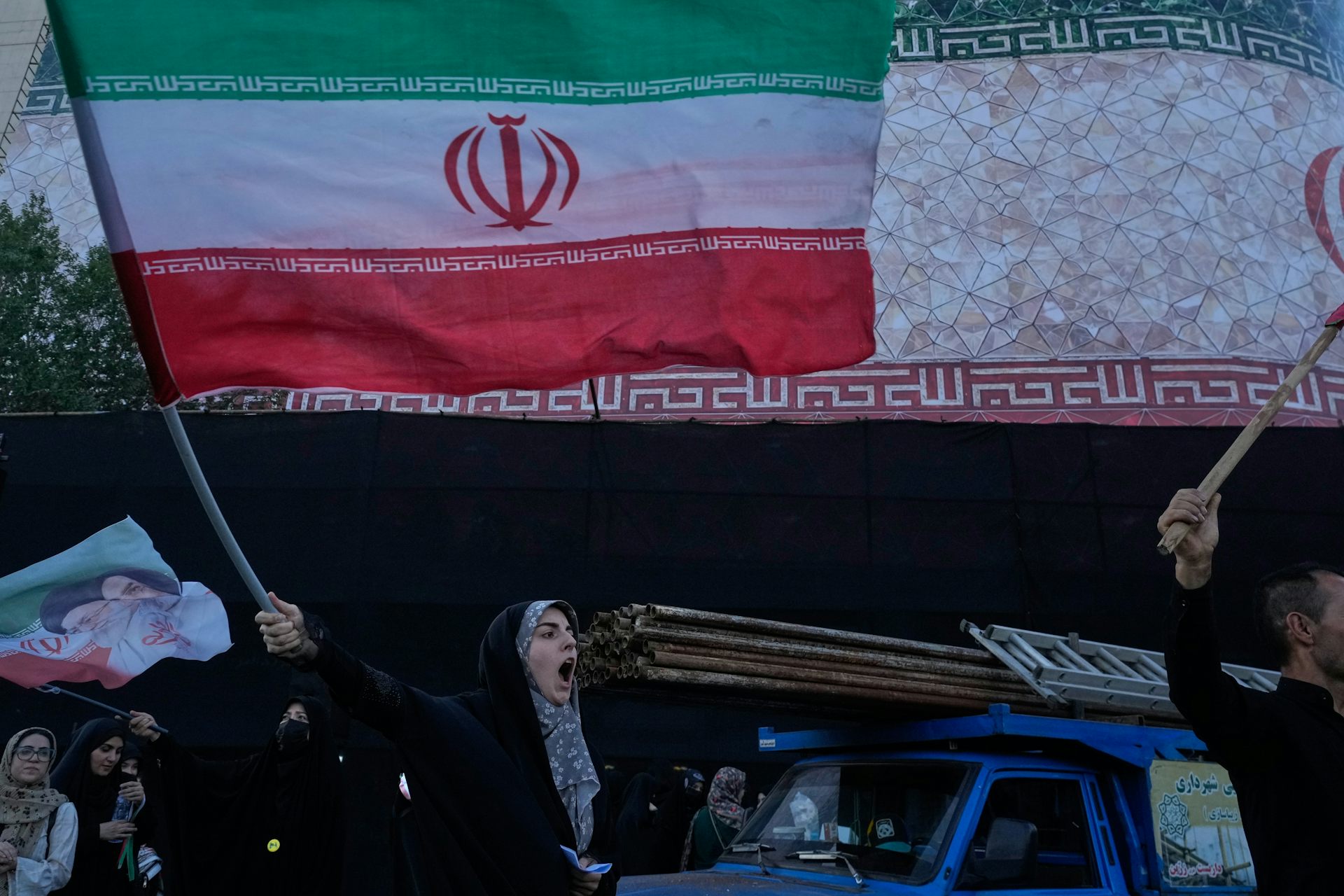
Iran returned to negotiations in 2025, and the U.S. and Israel bombed Iran while those talks were still taking place. Similarly, in February 2026 the negotiations were ongoing and a deal was within reach when Israel and the U.S. struck Iran – killing Supreme Leader Ali Khamenei and lead negotiator Ali Larijani.
伊朗于2025年重返谈判桌,而美国和以色列却在这些会谈进行期间轰炸了伊朗。类似地,在2026年2月,当谈判正在进行、协议唾手可得时,以色列和美国袭击了伊朗——杀死了最高领袖阿里·哈梅内伊和首席谈判代表阿里·拉里贾尼。
The U.S. has demonstrated a record of reneging on its deals and breaking the negotiating process. Which is why Iran now insists on guarantees and demands sanctions relief before signing a deal, and not just good faith.
美国有记录违反其协议并破坏谈判进程。这就是为什么伊朗现在坚持要求保证,并在签署协议前要求解除制裁,而不仅仅是好意承诺。
A state that previously kept its commitments and was still bombed has little reason to accept promises of relief in the future. For this reason, I believe the 60-day deferral is a window for Tehran to watch whether the U.S. and Israel will hold the ceasefire on all fronts, including Lebanon.
一个此前信守承诺但仍遭到轰炸的国家,没有理由相信未来会得到援助的承诺。因此,我认为推迟60天为德黑兰提供了一个观察窗口期,以看美国和以色列是否会在包括黎巴嫩在内的所有战线上维持停火。
The third problem of indivisibility – when the thing or issue in dispute can’t be split or shared – is why the nuclear question is the hardest.
不可分割性的第三个问题——即争议的事物或议题不能被分割或分享——正是核问题最难的原因。
Most disputes can be split. Sanctions, for example, can be lifted by degrees. Even a nuclear program can be split, which the world saw in the Joint Comprehensive Plan of Action deal, with centrifuges counted, enrichment capped and a stockpile metered.
大多数争端是可以分割的。例如,制裁可以逐步解除。甚至核计划也是可以分割的,世界在《联合全面行动计划》协议中就看到了这一点:通过清点离心机、限制浓缩度并计量库存来实现。
What cannot be split is the U.S. demand for zero uranium enrichment and Tehran calling uranium enrichment a sovereign right.
无法分割的是美国要求零铀浓缩度,以及德黑兰将铀浓缩视为主权权利。
A deal, a war and a ceasefire
一笔交易,一场战争和一次停火
The 2015 nuclear deal also limited Iran’s centrifuges – the machines that do the enriching – and placed Iran’s nuclear program under the most intrusive inspections, all in exchange for sanctions relief.
2015年的核协议还限制了伊朗的离心机——这些用于富集工作的机器,并将伊朗的核计划置于最严格的检查之下,所有这一切都是为了换取制裁减免。
The nuclear question was not part of the 2015 deal – it was the actual deal.
核问题并非2015年协议的一部分——它才是真正的协议。
During the June 2025 negotiations with Iran, and again in February 2026, the U.S. position was about the nuclear program, but in the opposite direction from the Joint Comprehensive Plan of Action. It was not about limits but the total elimination of Iran’s nuclear program.
在2025年6月与伊朗的谈判中,以及在2026年2月的再次谈判中,美国的立场是关于核计划的,但方向却与《联合全面行动计划》相反。它不是关于限制,而是要求彻底消除伊朗的核计划。
In both rounds of talks in 2025 and 2026, Washington’s envoy, Steve Witkoff, demanded zero enrichment and the dismantling of Natanz, Fordow and Isfahan – Iran’s three most important nuclear sites. Iran called enrichment a sovereign right and refused.
在 2025 年和 2026 年的两次会谈中,华盛顿特派员史蒂夫·维特科夫要求取消任何富集活动并拆除纳坦兹、福多和伊斯法罕——伊朗最重要的三个核设施。伊朗称富集是主权权利,并拒绝了这一要求。
Both rounds of negotiations ended in bombings.
两轮谈判都以轰炸告终。
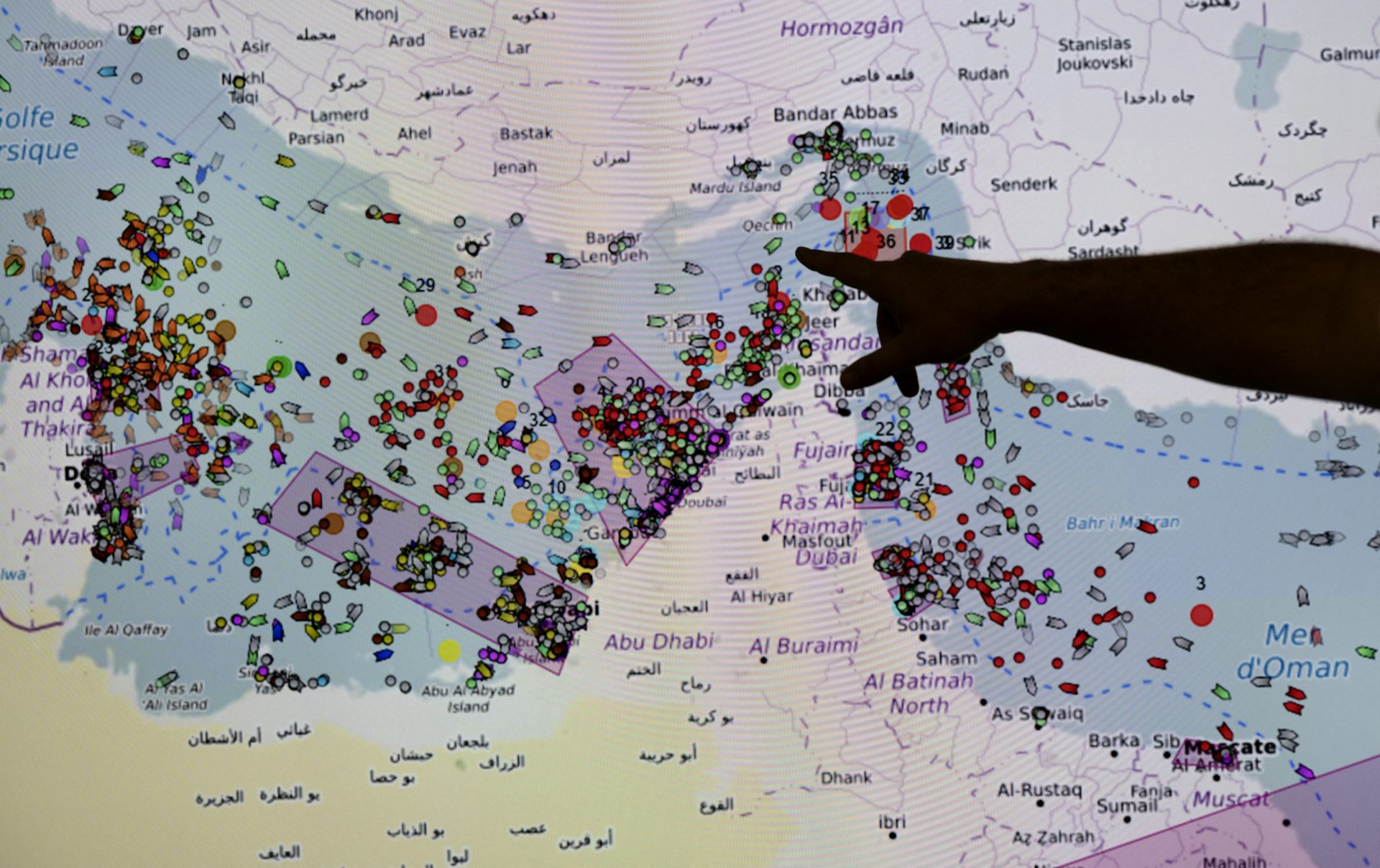
The current deal to be signed on June 19 does not put a cap on Iran’s enrichment, nor does it discuss the elimination of its nuclear program. It ends the fighting, reopens the Strait of Hormuz and consigns enrichment, the stockpile, missiles and Iran’s regional proxies to 60-day negotiations.
定于6月19日签署的当前协议,既没有限制伊朗的浓缩铀富集程度,也没有讨论消除其核计划。它结束了冲突,重新开放了霍尔木兹海峡,并将浓缩铀、库存、导弹和伊朗的地区代理问题提交给为期60天的谈判。
In a recent New York Times interview, Trump said he was in no rush to remove the near-bomb-grade fuel still buried under the bombed sites. He claimed Iran would suspend enrichment for 15 or 20 years and enrich only for nonmilitary purposes.
在最近的一篇《纽约时报》采访中,特朗普说他没有急着清除埋在被炸地点下的近乎炸弹级别的燃料。他声称伊朗将暂停富集十五到二十年,并且只用于非军事目的的富集。
In the Joint Comprehensive Plan of Action deal under President Barack Obama, the nuclear question was addressed where 97% of Iran’s stockpile was shipped out of the country and the cap was a verified fact.
在奥巴马总统的《联合全面行动计划》协议中,核问题得到了解决,伊朗97%的库存被运出该国,且这一上限是一个经过验证的事实。
Because it doesn’t address any of these issues, the Trump deal is a ceasefire agreement, not a nuclear agreement.
因为它没有解决这些问题中的任何一个,特朗普协议只是一个停火协议,而不是一项核协议。
A costly return to the status quo
重返现状的代价高昂
Going back to the bargaining theory, we know the war settled the information problem – it revealed what each side would endure.
回顾讨价还价理论,我们知道战争解决了信息问题——它揭示了各方能忍受什么。
The commitment problem remains. Neither side can yet make a promise the other believes, least of all an Iran whose negotiators were killed.
承诺问题依然存在。任何一方都无法做出令另一方相信的承诺,更不用说那些谈判代表被杀害的伊朗了。
And I believe the indivisibility problem is now worse. The question of zero enrichment versus a sovereign right cannot be split. The current 60-day deferral is not a resolution. It is the same unsolved problem with a clock attached.
我认为不可分割性问题现在更糟。零富集与主权权利的问题无法拆分。目前的60天延期并非解决方案。它只是一个带着时钟的、同样未解决的问题。
The one thing that could change is American restraint. If Washington holds Israel from striking Iran and Lebanon, it can slowly rebuild its credibility that was destroyed by the two wars. And that is a real challenge for the Trump administration.
唯一可能改变的是美国的克制。如果华盛顿阻止以色列攻击伊朗和黎巴嫩,它就能慢慢重建被两次战争摧毁的可信度。这对特朗普政府来说是一个真正的挑战。
Even as the deal was being finalized, Israel struck Beirut, the kind of action that can derail any talks.
即使在协议即将敲定之际,以色列仍袭击了贝鲁特,这种行动足以破坏任何谈判。
In my view, the 60-day window should be read not as the path to a settlement but as the interval or pause before the next one fails.
在我看来,这60天的窗口不应被视为走向和解的道路,而应被视为下一次失败之前的间隔或停顿。
I argued in April that this conflict would not end in a clean settlement but in a series of contested pauses. The deal to be signed on June 19 is the first of them.
我在四月曾指出,这场冲突不会以干净的和解告终,而会经历一系列充满争议的停顿。6月19日签署的协议只是其中的第一个。
Iran emerges with its enrichment knowledge intact, its stockpile buried and fresh reason to believe that only a nuclear weapon would have deterred the U.S.-Israel attack.
伊朗带着其富集知识完好无损地出现,其库存被掩埋,并有新的理由相信只有核武器才能阻止美以的攻击。
But Iran also knows that it stood its ground and was able to strike U.S. bases and allies in the region. It has discovered leverage it did not previously know it held. The Strait of Hormuz has proved a better deterrent than the nuclear bomb.
但伊朗也知道它坚守了阵地,并能够打击该地区的美国基地和盟友。它发现了一个此前不知道自己拥有的筹码。霍尔木兹海峡已被证明比核弹更具威慑力。
The strait is open, the oil is flowing, and the question the war was fought over sits exactly where it began. Thousands of lives were lost to arrive back to square one. Nobody has won, though both sides will say they did.
海峡依然畅通,石油仍在流动,而这场战争爆发的问题恰好回到了起点。付出了成千上万的生命代价,最终又回到了原点。没有人获胜,尽管双方都会说自己赢了。
Farah N. Jan does not work for, consult, own shares in or receive funding from any company or organization that would benefit from this article, and has disclosed no relevant affiliations beyond their academic appointment.
法拉·N·詹不为任何受益于本文的公司或组织工作、咨询、拥有股份或接受资金,并且除了其学术任命外,未披露任何相关隶属关系。