漂浮的火山岩正在破坏巴布亚新几内亚的生命——而且这个问题将持续很久
Floating volcanic rock is disrupting life in Papua New …
An underwater eruption has spread vast ‘rafts’ of pumice through the Bismarck Sea, hampering marine travel and wreaking uncertain long-term consequences.
一次海底喷发使大量的浮石“筏子”扩散到俾斯麦海,阻碍了海洋交通,并带来了不确定的长期后果。
People in parts of Papua New Guinea are facing an unusual problem. Floating volcanic rock is making boat travel difficult, blocking access to fishing grounds and disrupting daily life in coastal communities.
巴布亚新几内亚部分地区的人们正面临一个不寻常的问题。漂浮的火山岩使得船只通行困难,阻碍了渔场的进入,并扰乱了沿海社区的日常生活。
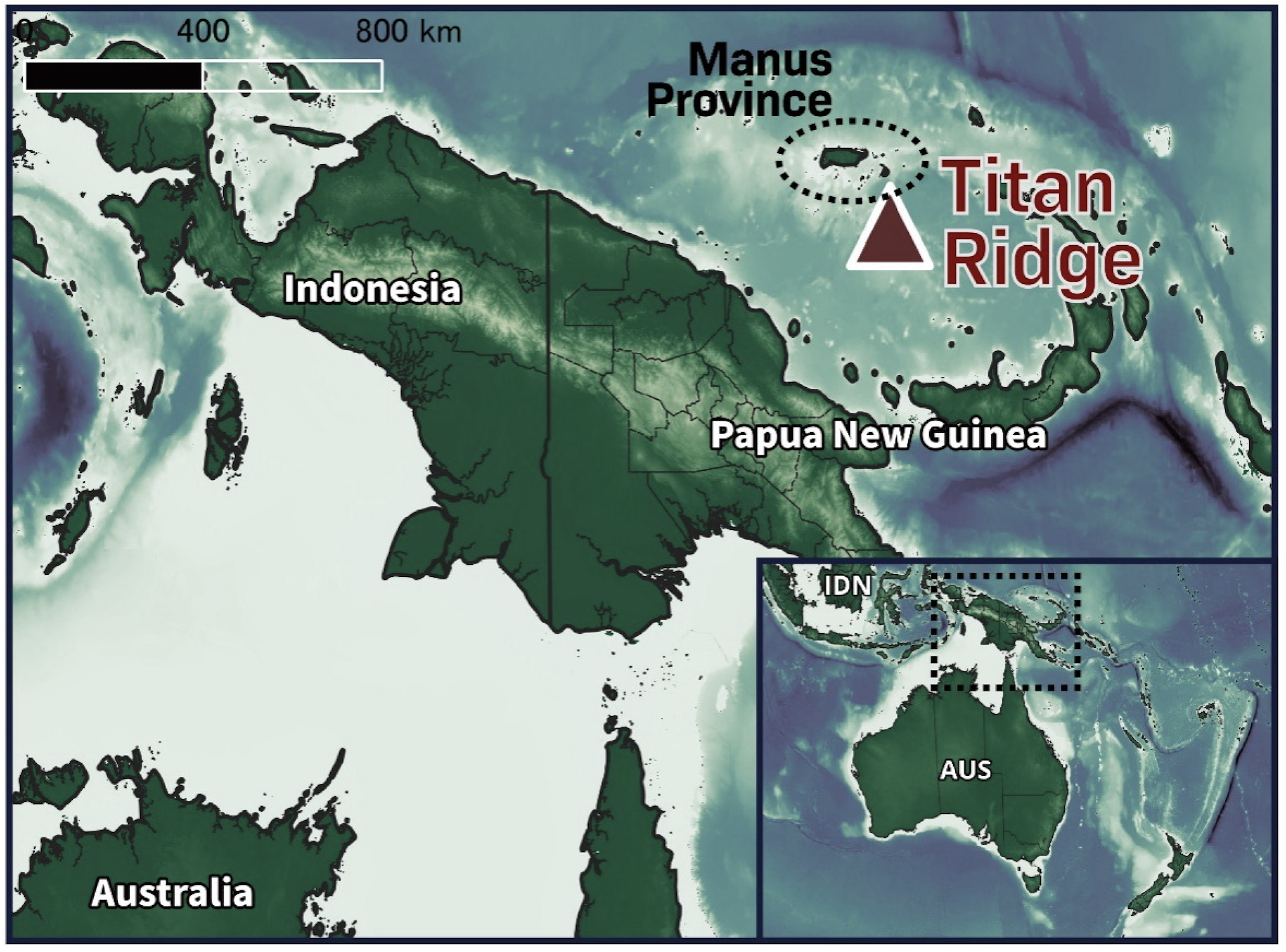
The source of the pumice is the ongoing Titan Ridge eruption from an underwater volcano in the Bismarck Sea. Since May 9, the eruption has produced vast amounts of pumice – a lightweight, porous volcanic rock that floats on the ocean surface.
这些浮石的来源是俾斯麦海海底一座正在持续喷发的泰坦岭(Titan Ridge)火山。自5月9日以来,这次喷发产生了大量的浮石——这是一种轻质、多孔的火山岩,漂浮在海面上。
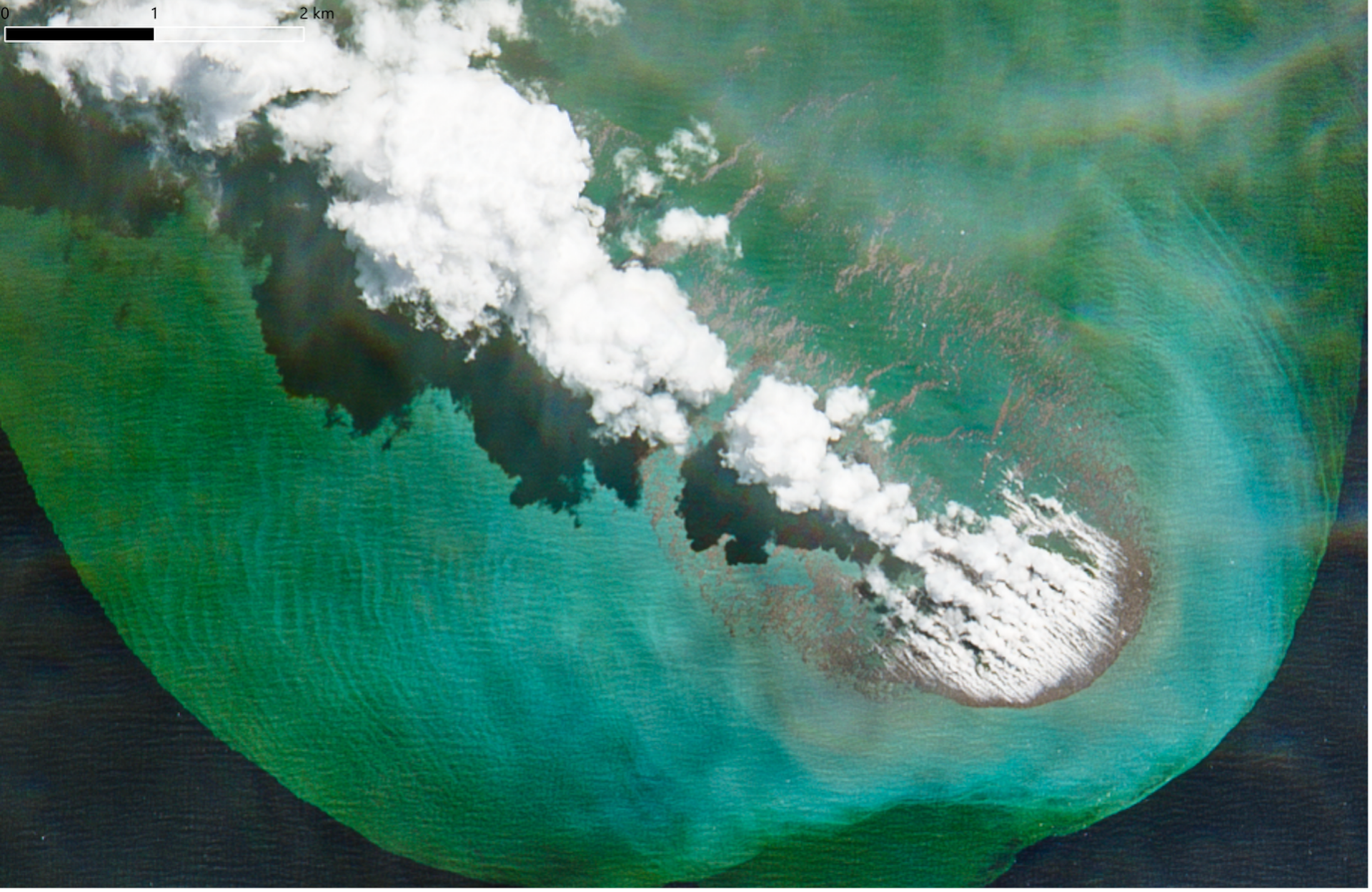
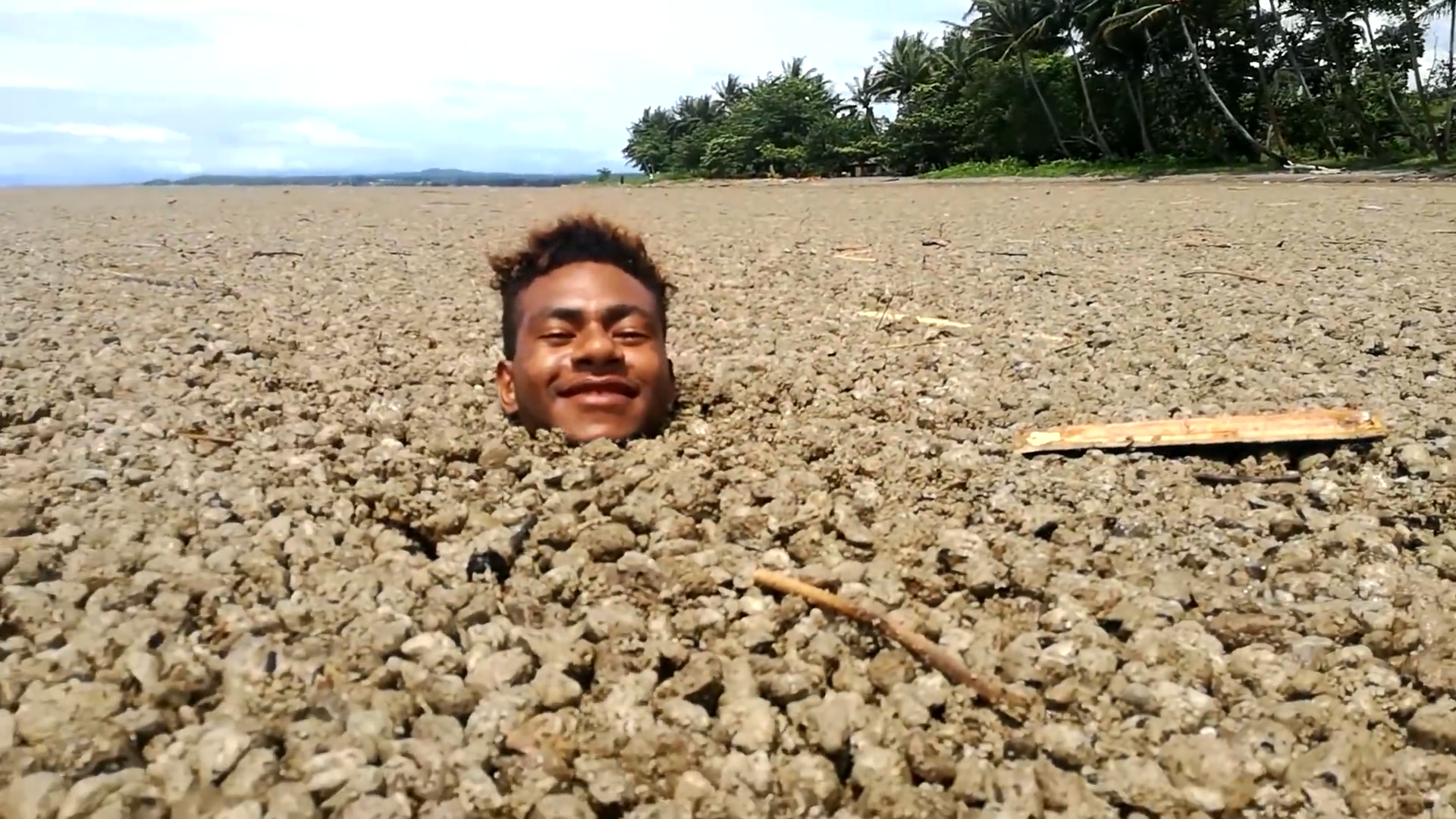
Reports from Manus Province in the country’s northeast describe chunks of pumice accumulating along coastlines and waterways in enormous “rafts” 2–5 metres thick. In some locations, residents report being able to walk where there was previously open water.
来自该国东北部马努斯省(Manus Province)的报道描述了块状浮石沿着海岸线和水道堆积成巨大的“浮筏”,厚度达2至5米。在一些地点,居民报告说他们现在可以在以前是开阔水域的地方行走。
It’s a strange sight, but not an unprecedented one. Submarine eruptions have produced similarly vast pumice rafts before, and the experience from those events suggests the disruption facing Manus communities could persist for months or even years, long after the Titan Ridge eruption itself has ended.
这景象虽然奇特,但并非前所未见。海底喷发之前也曾产生过规模相似的浮石筏,这些事件的经验表明,马努斯社区面临的干扰可能会持续数月甚至数年,远超泰坦岭火山本身结束之后的时间。
A lifeline cut off
一条生命线被切断
For many Manus communities, small boats are essential for accessing fishing grounds, neighbouring villages, markets, schools and healthcare services. When those transport routes become difficult to use, the consequences extend well beyond inconvenience.
对于许多马努斯社区来说,小船对于进入渔场、邻近村庄、市场、学校和医疗服务至关重要。当这些交通路线难以使用时,其后果远超不便。
PNG’s Disaster Minister Billy Joseph has described growing concerns regarding food security and access to essential supplies.
巴布亚新几内亚(PNG)灾害部长比利·约瑟夫描述了日益增长的粮食安全和获取基本物资方面的担忧。
The ocean serves as the backbone of Manus livelihoods, providing daily sustenance and the primary source of income through seafood sales. In some villages, residents have begun manually clearing pumice from shorelines and waterways in an effort to restore access to fishing grounds and prevent longer-term damage to local fisheries.
海洋是马努斯人生的支柱,通过海产品销售提供日常的口粮和主要的收入来源。在一些村庄,居民已经开始手动清除海岸线和水道中的浮石,以恢复进入渔场的通道并防止对当地渔业造成长期损害。
A costly precedent from Japan
日本的代价高昂的先例
Titan Ridge is not the first submarine eruption to generate widespread pumice rafts.
虎脊(Titan Ridge)并非第一个产生大范围浮石筏子海底喷发的地点。
In 2021, the submarine eruption of Fukutoku-Oka-no-Ba south of Japan produced large quantities of floating pumice that drifted to the Nansei islands including Okinawa. There, pumice clogged 71 harbours and marinas, damaged hundreds of vessel engines, disrupted ferry services and affected tourism and fishery industries.
2021年,在日本南部福德奥卡之湾发生的海底喷发产生了大量漂浮浮石,这些浮石飘到了南西群岛,包括冲绳。在那里,浮石堵塞了71个港口和码头,损坏了数百台船用发动机,扰乱了渡轮服务,并影响了旅游业和渔业。
The economic cost in the Okinawa Prefecture alone exceeded 515 million yen.
仅冲绳县的经济损失就超过了5.15亿日元。
Japan had extensive transport infrastructure, alternative supply chains and substantial federal resources for clean-up and recovery. The cleanup effort employed heavy machinery on land and sea and removed more than 110,000 cubic metres of pumice from the ports and beaches at an additional cost of more than 1 billion yen.
日本拥有完善的交通基础设施、替代供应链以及用于清理和恢复的大量联邦资源。清理工作动用了陆地和海上的重型机械,从港口和海滩移除了超过11万立方米的浮石,额外成本超过了10亿日元。
Despite its scale, the cleanup was only somewhat useful. Most pumice rafts only washed away the following spring with the change in seasonal winds.
尽管规模巨大,但这次清理作用有限。大多数浮石筏子只是随着季节性风的变化在来年春天被冲走。
Why this could last for years
为什么这可能会持续数年
While pumice from the 2021 Fukutoku-Oka-no-Ba eruption caused major disruption to ports, ferries and tourism in Japan, reports from Manus highlight a different concern: the potential impacts on food security and livelihoods in communities that depend directly on the ocean. These impacts may persist far longer than people expect.
虽然2021年福德久冈之坝喷发产生的浮石对日本的港口、渡轮和旅游业造成了重大破坏,但来自马努斯(Manus)的报告强调了不同的担忧:即对直接依赖海洋的社区的粮食安全和生计的潜在影响。这些影响可能会持续的时间比人们预期的要长得多。
Even after the eruption ends, the pumice already floating on the ocean will continue to move through the region for months to years. To understand why, it helps to understand how pumice behaves.
即使喷发结束,漂浮在海面上的浮石仍将在数月至数年内继续移动该地区。为了理解这一点,最好了解一下浮石的行为方式。
Pumice forms when gas-rich magma erupts and rapidly cools. The escaping gas leaves behind countless tiny holes, creating a rock that can be porous enough to float.
浮石是在富含气体的岩浆喷出并快速冷却时形成的。逃逸的气体留下了无数微小的孔洞,形成了一种足够多孔隙从而能够漂浮的岩石。
Individual pieces of pumice lump together to form enormous floating rafts covering hundreds or even thousands of square kilometres.
单个浮石块会聚集在一起,形成巨大的漂浮筏子,覆盖数百甚至数千平方公里。
Many people believe that floating pumice quickly becomes waterlogged and sinks. Research by my colleagues and I shows otherwise.
许多人认为漂浮的浮石很快会吸饱水并沉没。我与同事的研究表明并非如此。
Previous submarine eruptions show some pumice can remain afloat for years. Ocean currents, winds, and storms can repeatedly redistribute pumice across large areas of the ocean, moving it between coasts and islands long after an eruption ends.
以前的海底喷发显示,一些浮石可以漂浮多年。洋流、风和风暴可以将浮石反复重新分配到大片海域,在喷发结束后很长时间内,将它们带到海岸和岛屿之间。
After the 2012 submarine eruption of Havre volcano north of New Zealand, pumice travelled thousands of kilometres across the Pacific, reaching Queensland about eight months later and even Tasmania more than a year afterwards. So even after the Titan Ridge eruption, we can expect the pumice already produced to float around the region for months or years to come.
在新西兰北部2012年哈弗火山(Havre volcano)的海底喷发后,浮石穿越太平洋数千公里,大约八个月后到达昆士兰州,甚至一年多后才到达塔斯马尼亚。因此,即使在泰坦岭(Titan Ridge)喷发之后,我们也可以预期已经产生的浮石将在未来几个月或几年内漂浮在该地区周围。
An ecological toll, too
生态成本,也是如此
Humans won’t be the only ones affected. Whole ecosystems may suffer.
受影响的不会只有人类。整个生态系统都可能遭受损失。
Months after the 2021 Fukutoku-Oka-no-Ba eruption in Japan, scientists observed dead farmed fish with stomachs full of pumice, indicating that some species may mistake floating pumice for food. The same researchers also documented pumice rafts passing across fringing coral reefs, temporarily reducing light levels and physically colliding with shallow-water coral colonies.
在日本2021年福德久冈之坝喷发数月后,科学家观察到死去的养殖鱼类胃里装满了浮石,这表明某些物种可能将漂浮的浮石误认为是食物。这些研究人员还记录了浮石筏经过珊瑚礁边缘,暂时降低了光照水平,并与浅水珊瑚群落发生物理碰撞。
Research following the 2022 Hunga Tonga-Hunga Ha’apai eruption in Tonga suggests another possible ecological impact. Satellite observations showed volcanic particles suspended in seawater reduced light penetration through the water column, potentially affecting coral reefs and other marine ecosystems that depend on sunlight.
对汤加2022年洪加通加-洪加哈阿帕伊喷发后的研究表明了另一种可能的生态影响。卫星观测显示,悬浮在海水中的火山颗粒降低了水柱的光线穿透率,可能影响依赖阳光的珊瑚礁和其他海洋生态系统。
Whether similar impacts will occur in Papua New Guinea is not yet known. However, these observations suggest the marine ecological effects may extend beyond the immediate disruptions.
巴布亚新几内亚是否会发生类似影响尚不清楚。然而,这些观察结果表明海洋生态影响可能超出直接的干扰范围。
For now, the immediate concern remains the disruption to fishing, water and food security, and boat transport for essential services in Manus Province. But the people of Manus are dealing with only the first stage of the problem.
目前,主要的担忧仍然是马努斯省渔业、水和粮食安全以及基本服务船只运输的中断。但马努斯的人们所面对的只是问题的第一阶段。
Pumice rafts are an unusual volcanic hazard because their impacts do not necessarily end when an eruption stops. The experience from Japan is that once the pumice enters coastal waterways, there are few easy solutions.
浮石筏是一种不寻常的火山灾害,因为其影响并非在喷发停止时必然结束。日本的经验表明,一旦浮石进入沿海水道,就没有简单的解决方案。
Rebecca Carey does not work for, consult, own shares in or receive funding from any company or organisation that would benefit from this article, and has disclosed no relevant affiliations beyond their academic appointment.
Rebecca Carey不为任何从本文受益的公司或组织工作、提供咨询、拥有股份或接受资金,并且除了其学术职位外,未披露任何相关隶属关系。