乌克兰战争现在比第一次世界大战还要长——但相似之处令人不安
Ukraine war now longer than the first world war – but t…
Russia’s war in Ukraine has passed another grim milestone.
俄罗斯在乌克兰的战争又达到了一个严峻的里程碑。
The war in Ukraine has now exceeded the first world war in duration. And while the comparison between these two conflicts is imperfect, it is becoming difficult to ignore.
乌克兰的战争持续时间现已超过了第一次世界大战。尽管比较这两场冲突并不完美,但这一点却越来越难以忽视。
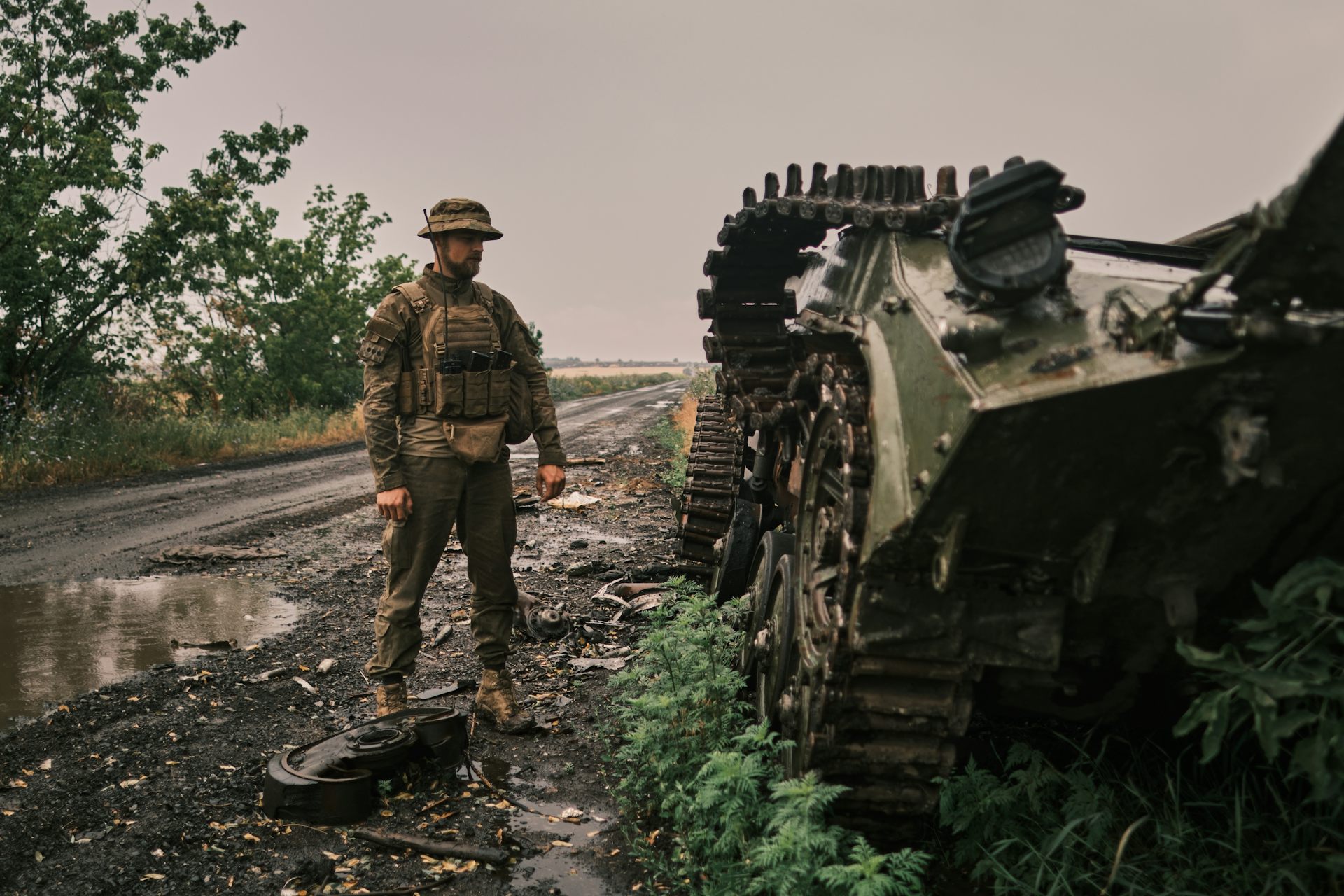
Some of the similarities are obvious. At the tactical level, the conflict in Ukraine has witnessed the return of artillery as the dominant arm of battle.
一些相似之处显而易见。在战术层面,乌克兰的冲突见证了炮兵作为主导作战力量的回归。
During much of the first year of the war, artillery was responsible for the vast majority of casualties. Although drones have since transformed the battlefield, artillery remains indispensable to both sides.
在战争的第一年大部分时间里,炮兵造成了绝大多数伤亡。尽管无人机自此改变了战场环境,但炮兵对双方来说仍然不可或缺。
Equally striking has been the return of extensive trench systems. Not since the Iran-Iraq war, which was fought between 1980 and 1988, has a major interstate conflict depended so heavily upon field fortifications and prepared positions such as trenches, concrete obstacles and belts of barbed wire.
同样引人注目的是大规模战壕系统的回归。自1980年至1988年间爆发的伊拉克战争以来,重大的国家间冲突从未如此依赖野战工事和预设阵地,例如战壕、混凝土障碍物和铁丝网带。
Large-scale manoeuvre has given way to attritional combat measured in hundreds of metres rather than tens of kilometres.
大规模机动已让位于以数百米而非数十公里计量的消耗性战斗。
Yet the deeper similarities lie not in trenches or artillery, but in the underlying logic of the war itself. Like the first world war, the conflict in Ukraine has become a contest of endurance: manpower, industrial capacity, economic resilience and political will.
然而,更深层次的相似之处不在于战壕或炮兵,而在于战争本身的底层逻辑。与第一次世界大战一样,乌克兰冲突已经成为一场耐力竞赛:人力、工业产能、经济韧性和政治意志。
These factors, rather than any individual weapons system, are likely to determine its eventual outcome. Of these, the most important is manpower.
这些因素,而非任何单一的武器系统,可能会决定其最终结果。在这些因素中,最重要的是人力。
Broadly comparable losses
大体可比的损失
During the first world war, British, French and German governments routinely published casualty lists. The public knew that victories often came at immense cost.
在第一次世界大战期间,英国、法国和德国政府都会定期公布伤亡名单。公众知道,胜利往往是以巨大的代价换来的。
Military leaders understood that the key question was not simply how many casualties the enemy had suffered, but whether their own societies could continue to bear comparable losses for longer than the opponent.
军事领导人明白,关键问题不仅仅是敌人遭受了多少伤亡,而是他们自己的社会是否能比对手更长时间地承受可比较的损失。
Battles such as Verdun and the Somme in 1916 and Passchendaele (also known as the Third Battle of Ypres) in 1917 generally produced losses that were severe for both sides. This was well understood on the home front.
像1916年的凡尔登和索姆河战役,以及1917年的帕斯刻纳德(又称伊普尔第三次战役)等战役,通常都会造成双方严重的伤亡。这一点在本土是众所周知的。
Yet in the Ukraine war, we are regularly invited to believe that Russia sustains several times the number of dead than is suffered by Ukraine. In a particularly unlikely example, Ukraine’s president, Volodymyr Zelensky, claimed that 47 Russians were dying for every Ukrainian earlier in 2026.
然而,在乌克兰战争中,我们经常被邀请相信俄罗斯的死伤人数是乌克兰的数倍。在一个特别可疑的例子中,乌克兰总统弗拉基米尔·泽连斯基曾在2026年初声称,每名乌克兰人对应有47名俄罗斯人阵亡。
About a year ago, I was having dinner at a London club with a well-connected former Ukrainian government official whom I have known for some time. Our conversation turned to casualties.
大约一年前,我在伦敦一家俱乐部和一位我认识已久的、与乌克兰前政府官员共进晚餐。我们的谈话转向了伤亡问题。
I asked them: “Tell me, no bullshit: what is the real casualty ratio?” My companion paused before replying quietly: “Same as the Russians.” Surprised, I asked for the source. “The General Staff,” they replied.
我问他:“告诉我,不吹牛的话:真实的伤亡比例是多少?”我的同伴停顿了一下,然后轻声回答:“和俄罗斯一样。”我感到惊讶,便询问了消息来源。“总参谋部,”他回答道。
The General Staff of the Armed Forces of Ukraine is the senior military command headquarters of Ukraine’s armed forces – the body responsible for planning, directing and coordinating military operations at the highest level.
乌克兰武装部队总参谋部是乌克兰武装部队的高级军事指挥总部——负责最高级别军事行动的规划、指导和协调机构。
This is an anecdote, but publicly available evidence tends to support this assertion. Sources such as the New York Times have also confirmed that casualties on both sides are similar, with Russia sustaining more, but not multiple times more. Russia, of course, has a far larger population than Ukraine.
这只是一个轶事,但公开可用的证据倾向于支持这一说法。《纽约时报》等消息来源也证实了双方的伤亡情况相似,俄罗斯确实损失更多,但并非是数倍之多。当然,俄罗斯的人口远大于乌克兰。
The precise casualty figures remain contested and are likely to remain so until long after the war ends. What matters for present purposes, however, is that the available evidence points towards a war of broadly comparable losses rather than one in which either side enjoys an overwhelming advantage in manpower attrition.
精确的伤亡数字仍然存在争议,并且很可能在战争结束很久之后仍会如此。然而,对于当前目的来说重要的是,现有证据指向的是一场损失大致相当的战争,而不是一方在人力消耗上拥有压倒性优势的战争。
Even if these figures are broadly correct, Ukraine has held the line against a much larger adversary for over four years now and has shown extraordinary resilience in the face of invasion. Its capacity for innovation has repeatedly surprised observers.
即使这些数字大致正确,乌克兰至今已经抵御了一个规模大得多的对手超过四年,并在入侵面前展现了非凡的韧性。其创新能力多次令观察家感到惊讶。
New drones, autonomous systems and precision-strike technologies are often presented as solutions to the country’s growing manpower difficulties. Some commentators even suggest that robotic systems may compensate for shortages of personnel.
新型无人机、自主系统和精确打击技术经常被提出作为解决该国日益严重的人力短缺问题的方案。一些评论家甚至提出,机器人系统可以弥补人员的不足。
The difficulty with this argument is that war is an interactive contest. Almost every significant Ukrainian innovation has been met by a Russian adaptation and vice versa. The result has been a continuing cycle of measure and countermeasure rather than a decisive technological breakthrough by either side.
这个论点的难点在于,战争是一个互动性的竞争。几乎每一次重大的乌克兰创新都遭到了俄罗斯的模仿和应对,反之亦然。结果是持续的“措施与对策”循环,而不是任何一方决定性的技术突破。
Technology matters enormously, but it rarely abolishes the need for manpower. Artillery, tanks, aircraft and machine guns transformed warfare between 1914 and 1918, yet none removed the requirement to occupy and defend ground with soldiers.
技术至关重要,但它很少能消除对人力需求。火炮、坦克、飞机和机枪在1914年至1918年间改变了战争的面貌,但没有一种技术消除了用士兵占领和防御阵地的要求。
The same remains true today. As military doctrine has long recognised, drones, missiles and aircraft can destroy, disrupt and delay, but ground can only be taken and held by troops.
今天的情况依然如此。正如军事学说长期以来所认识到的,无人机、导弹和飞机可以摧毁、扰乱和延误,但地面只能由部队夺取和占据。
There are other echoes of 1918. The small infiltration and assault groups employed by both sides in Ukraine’s drone-saturated battlefields bear a striking resemblance to the German stormtroopers who achieved remarkable successes during the Spring Offensive of 1918.
这里还有其他关于1918年的回响。双方在乌克兰无人机密布的战场上使用的小型渗透和突击小组,与德国人在1918年春季攻势期间取得卓越战果的“突击队员”有惊人的相似之处。
As so often in warfare, however, innovation did not confer a lasting advantage. The British and French adapted, developed countermeasures and eventually improved upon many of the new tactics themselves.
然而,正如战争中经常发生的那样,创新并没有带来持久的优势。英国和法国进行了调整,开发了反制措施,并最终改进了许多新的战术本身。
What transformed the strategic balance in the first world war was not tactical innovation or a decisive technological breakthrough, but the arrival of the US Army and Marine Corps. More than 2 million American soldiers ultimately served in Europe, and their battlefield presence convinced Germany that time was no longer on its side.
第一次世界大战中改变战略平衡的,并非战术创新或决定性的技术突破,而是美国陆军和海军陆战队的到来。超过两百万名美军士兵最终在欧洲服役,他们的战场存在让德国相信时间不再站在其一方。
Ukraine faces no such prospect today. For all the discussion of technological revolution, the war in Ukraine remains a contest of human endurance – just like the first world war.
今天的乌克兰不会面临这样的前景。无论如何谈论技术革命,乌克兰的战争仍然是一场人类耐力的较量——就像第一次世界大战一样。
Frank Ledwidge does not work for, consult, own shares in or receive funding from any company or organisation that would benefit from this article, and has disclosed no relevant affiliations beyond their academic appointment.
Frank Ledwidge 不受任何从本文受益的公司或组织雇佣、提供咨询服务、拥有股份或获得资金支持,并且除了其学术职位之外,未披露任何相关任职关系。