最高法院的“影子议程”带来了仓促的决定,这些决定具有深远的影响,且绕过了其通常审慎的审议过程
Supreme Court’s ‘shadow docket’ brings hasty decisions …
What is the Supreme Court’s ‘shadow docket’ and why is it important?
什么是最高法院的“影子议程”,它为什么重要?
The recent publication of confidential Supreme Court memoranda by The New York Times has brought to light a pivotal moment in the court’s history. “The birth of the Supreme Court’s shadow docket has long been a mystery,” wrote reporters Jodi Kantor and Adam Liptak. “Until now.”
《纽约时报》近期公布的最高法院机密备忘录,揭示了法院历史上一个关键时刻。记者乔迪·坎托和亚当·利普塔克写道:“最高法院‘影子审理程序’的诞生长期以来一直是个谜团。直到现在。”
Originally coined by legal scholar William Baude, the term “shadow docket” refers to the Supreme Court’s emergency docket, which, as Baude wrote, includes “a range of orders and summary decisions that defy its normal procedural regularity.”
该术语最初由法学学者威廉·鲍德(William Baude)提出,“影子审理程序”(shadow docket)指的是最高法院的紧急审理程序。鲍德写道,该程序包括“一系列偏离其正常程序规范的命令和简要裁决。”
That’s law professor-speak for cases that are given abbreviated consideration and accelerated review by the justices, all out of public view – what The New York Times story referred to as the court “sprinting.” These cases aren’t included in the annual list of cases the justices have chosen to consider and that are presented by attorneys in public sessions, called “oral argument,” at the court.
法学教授们用这种说法,指的是那些在公众视野之外,由法官们进行简略审理和加速审查的案件。这正是《纽约时报》报道所称的法院“疾驰”的案件。这些案件没有包含在法官们选择审理并由律师在法庭上进行“口头辩论”的年度案件清单中。
During the second Trump administration, such shadow docket cases have proliferated as President Donald Trump has continued to push boundaries, challenge precedents and expand executive power. These cases have typically involved a request by the presidential administration “to suspend lower court orders” that temporarily block “an administration policy from taking effect,” according to liberal legal advocacy group the Brennan Center for Justice at New York University School of Law.
在第二个特朗普政府时期,随着唐纳德·特朗普总统持续挑战既有判例和扩大行政权力,此类影子审理案件激增。根据纽约大学法学院的自由法律倡导组织布伦南司法中心(Brennan Center for Justice),这些案件通常涉及总统行政部门“要求暂停下级法院的命令”,从而暂时阻止“一项行政政策生效”。
The lack of transparency in considering and ruling on the shadow docket, combined with the weight of the issues presented to the court via that docket, mean that the practice has come under strong criticism by many court watchers. Here’s how the process works and what you need to know to evaluate it.
缺乏对影子审理程序进行审理和裁决的透明度,加上通过该程序提交给法院的议题的重大性,使得这种做法受到了许多观察人士的强烈批评。以下是该流程的工作原理以及您需要了解的内容,以便进行评估。
The merits docket
实体案件审理流程
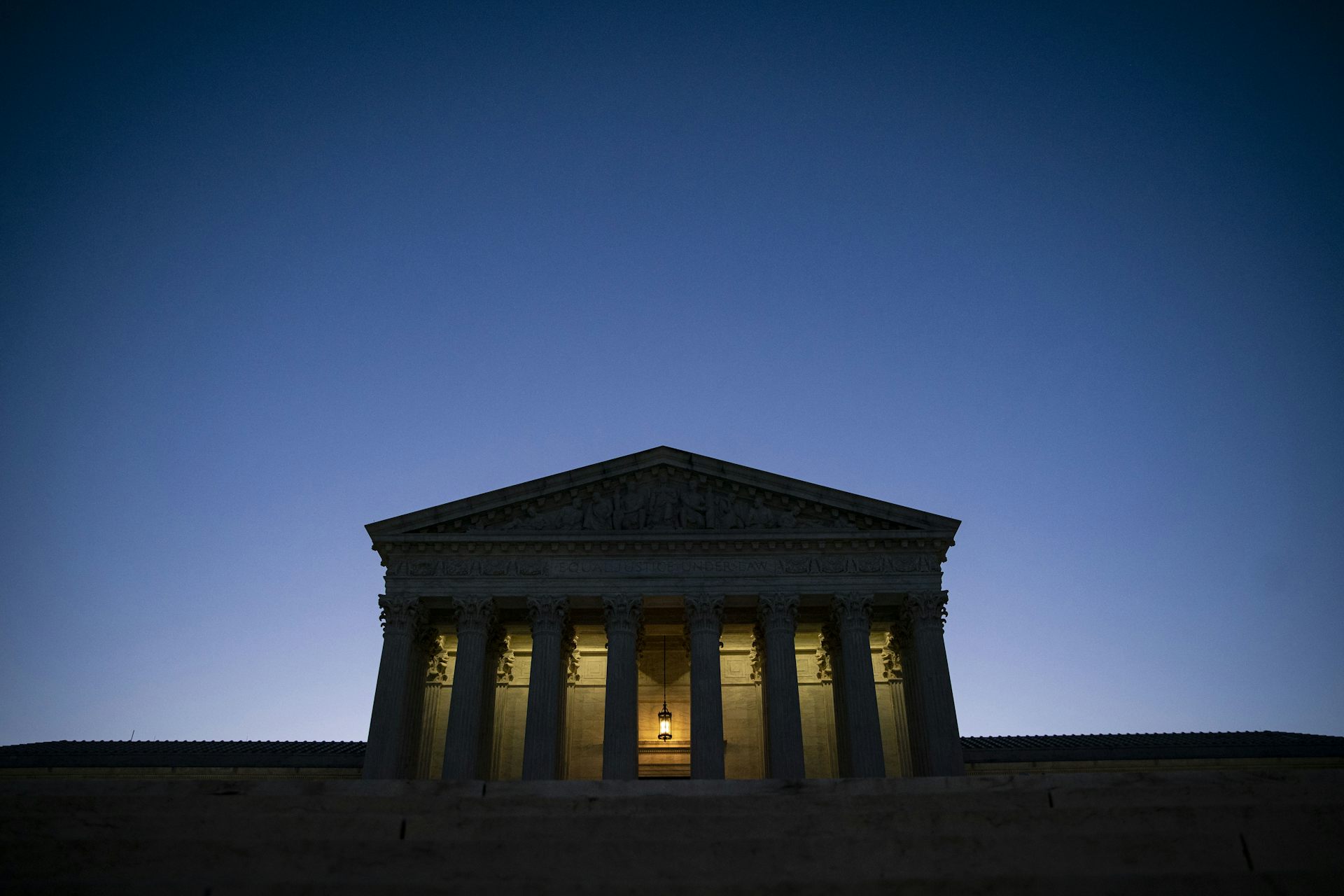
The emergency docket is different from the court’s merits docket, which is the customary path for cases to reach the Supreme Court.
紧急案件审理流程与法院的实体案件审理流程不同,后者是案件达到最高法院的常规途径。
Ordinarily, in federal courts, a case begins in a federal district court. An appeal of the decision in the case is made to a federal appeals court. If a party in the case wants to appeal further, they can aim for U.S. Supreme Court review. That requires filing a “petition for writ of certiorari” to the court.
通常情况下,在联邦法院,案件始于联邦地区法院。对该案判决的上诉会提交给联邦上诉法院。如果案件中的一方希望进一步上诉,他们可以寻求美国最高法院的审查。这需要向法院提交一份“寻求传票令状的请愿书”(petition for writ of certiorari)。
The Supreme Court does not take all the cases for which it has been petitioned. The court holds complete discretion to choose which cases to consider each term and always rejects the vast majority of petitions that it receives. By custom, the court agrees to consider a case if at least four justices vote to grant the writ of certiorari.
最高法院不会受理所有被请愿的案件。法院拥有完全的自由裁量权来决定每个审期考虑哪些案件,并且总是驳回绝大多数收到的请愿书。根据惯例,如果至少有四名大法官投票同意签发传票令状,法院才会同意审理该案。
For the cases that the court agrees to consider, the parties to that case file briefs – written legal arguments – with the Supreme Court. Third parties can also file briefs with the court to assert their own arguments; these are known as “friend of the court” or amicus curiae briefs.
对于法院同意审理的案件,该案的当事方会向最高法院提交书面法律论证——即法律摘要(briefs)。第三方也可以向法院提交法律摘要来提出自己的论点;这些被称为“法院之友”或法律顾问摘要(amicus curiae briefs)。
The justices then read those briefs and hear oral arguments in the case in a public session, during which they can question attorneys for both sides, before they meet and confer. At the end of this conference, the justices vote on the outcome in the case before assigning an author to draft the opinions.
随后,大法官们阅读这些法律摘要,并在公开庭审中听取案件的口头辩论,在此过程中,他们可以询问双方的律师,然后再进行会议讨论。在这次会议结束时,大法官们投票决定案件的结果,然后指派一位作者起草判决意见。
The merits docket – the ordinary process – is methodical. It promotes deliberation and reasoned decision-making resulting in lengthy opinions that explain the justices’ rationale and provide guidance for lower courts in future cases.
实体案件审理流程——即常规程序——是系统化的。它促进了深思熟虑和理性决策,从而产生了冗长的判决意见,这些意见解释了大法官的推理过程,并为未来案件的下级法院提供了指导。
The emergency docket
紧急案件审理
On the other hand, the emergency docket is a process whereby the court makes quick decisions without full briefing and deliberation, and it produces orders and rulings that almost always present little to no explanation.
另一方面,紧急案件审理是一种法院在没有充分准备和审议的情况下做出快速决定的程序,其产生的命令和裁决几乎总是缺乏解释。
As Baude wrote, “Many of the orders lack the transparency that we have come to appreciate in its merits cases.”
正如鲍德所写:“许多命令缺乏我们在本案审理中逐渐认识到的透明度。”
Most of the court’s rulings and orders in cases on the emergency docket go without explanation. On occasion, however, the court produces short opinions that provide some explanation in emergency docket cases, albeit these are often dissents from the justices who disagree with the ruling.
紧急案件审理中的大多数判决和命令都没有解释。然而,偶尔法院会出具简短的意见,在紧急案件审理中提供一些解释,尽管这些意见通常是与判决意见不一致的法官的异议意见。
Transparency is important, especially for the Supreme Court, because it builds trust and legitimacy. According to Gallup, as of September 2025, 42% of respondents approve, 52% disapprove and 6% have no opinion of the Supreme Court. A 2025 Pew Research Center poll found that 48% of Americans have a favorable view of the court, down from 70% five years earlier.
透明度很重要,特别是对最高法院而言,因为它能建立信任和合法性。根据盖洛普(Gallup)的数据,截至2025年9月,42%的受访者赞成,52%反对,6%没有意见。皮尤研究中心(Pew Research Center)2025年的一项民意调查发现,48%的美国人对法院持好印象,低于五年前的70%。
As a constitutional law scholar, I’ve written elsewhere that the low approval might be attributable to the court’s undisciplined overruling of landmark cases regarding individual rights, such as the abortion rights case Roe v. Wade. In my view, it is reasonable to conclude that the court’s lack of transparency, specifically with its growing emergency docket, contributes to distrust in the court.
作为一名宪法学学者,我曾在其他地方写过,低支持率可能归因于法院对个人权利的里程碑案件(例如堕胎权案《罗诉韦德案》)缺乏纪律性的推翻判决。在我看来,可以合理地得出结论,法院缺乏透明度,特别是其不断扩大的紧急案件审理,加剧了对法院的不信任。
As the late Justice Sandra Day O’Connor stated, “The Court’s power lies … in its legitimacy, a product of substance and perception that shows itself in the people’s acceptance of the Judiciary as fit to determine what the Nation’s law means and to declare what it demands.”
前大法官桑德拉·戴·奥康纳(Sandra Day O’Connor)曾说:“法院的力量……在于其合法性,这是实质和认知相结合的产物,体现在人民接受司法机构有能力确定国家法律的含义并宣布其要求的方面。”
Conversely, a lack of transparency breeds distrust and erodes institutional legitimacy.
相反,缺乏透明度会滋生不信任,并侵蚀制度合法性。
Unprecedented action
前所未有的行动
The 2016 case at the center of the memoranda published by The New York Times – West Virginia v. EPA – concerned environmental regulation. As the justices’ memoranda illustrate, West Virginia, North Dakota and several energy companies sued the Obama administration over its Clean Power Plan and sought to block the new, transformative regulation from going into effect.
2016年《纽约时报》公布的备忘录核心案件——《西弗吉尼亚州诉环保局案》——涉及环境监管。正如大法官的备忘录所示,西弗吉尼亚州、北达科他州和多家能源公司就其《清洁电力计划》起诉奥巴马政府,并试图阻止这项新的、具有变革性的规定生效。
The Clean Power Plan would have required states and energy companies to shift electricity production from higher-emitting to lower-emitting production methods to reduce carbon dioxide emissions.
《清洁电力计划》要求各州和能源公司将电力生产从高排放方法转向低排放方法,以减少二氧化碳排放。
After losing at the trial court, the states and energy companies filed an emergency appeal to the Supreme Court asking the justices to pause the Obama regulation from going into effect while the parties litigated the case in the lower courts.
在初审法院败诉后,这些州和能源公司向最高法院提交了紧急上诉,请求大法官在各方在下级法院进行诉讼期间,暂停奥巴马的规定生效。
This was a highly unusual request because, as Taraleigh Davis at SCOTUSblog confirms, “nobody had previously asked the court to halt such a major executive regulatory action before any appellate court had ruled on it.”
这是一个非常不寻常的请求,因为正如SCOTUSblog的Taraleigh Davis所确认的,“此前没有人曾要求法院在任何上诉法院作出裁决之前,就阻止如此重大的行政监管行动。”
The court granted the unprecedented stay on Feb. 9, 2016, without any explanation as to why it temporarily blocked the Clean Power Plan. It eventually struck down the plan on June 22, 2022.
法院于2016年2月9日批准了这一前所未有的禁令,但没有解释为何暂时阻止《清洁电力计划》的实施。最终,法院于2022年6月22日宣布废除了该计划。
Defenders of the emergency docket frequently claim that the court’s conduct is permissible because its orders are temporary. In West Virginia v. EPA, the court temporarily blocked the Clean Power Plan from going into effect until it eventually struck it down after hearing the case on its merits docket.
紧急案件审理的辩护者经常声称,法院的行为是允许的,因为其命令是临时的。在《西弗吉尼亚州诉环保局案》中,法院暂时阻止了《清洁电力计划》的实施,直到它在审理其实质案件后最终宣布废除。
What is overlooked, however, is that even temporary orders from the court can have lasting implications that are difficult, and in some cases impossible, to undo.
然而,被忽视的是,即使是法院临时的命令也可能产生持久的影响,这些影响很难,在某些情况下根本无法逆转。
Damage done
损害后果
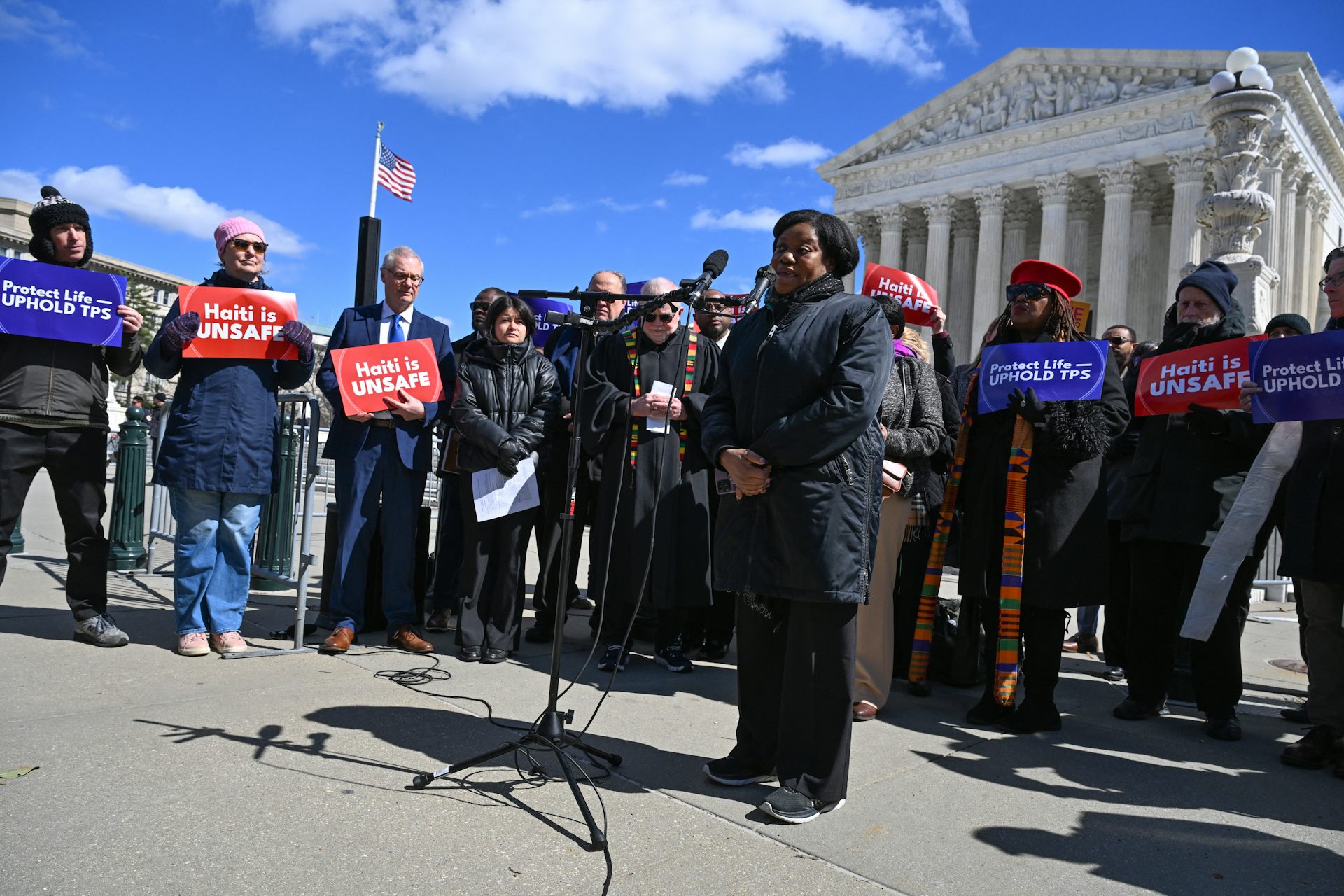
Consider the example of one of Trump’s immigration actions.
考虑特朗普移民行动的一个例子。
The administration seeks to terminate the temporary protected status for Haitian nationals, which had shielded them from deportation. But a federal district court temporarily blocked the president from doing so as the litigation continued.
政府试图终止海裔国民的临时保护身份,该身份曾使他们免于被驱逐。但随着诉讼的进行,一家联邦地区法院暂时阻止了总统这样做。
The administration then filed an emergency appeal to the Supreme Court – still pending as of this writing – asking the court to overrule the district court. If granted, the court effectively would allow the administration to revoke TPS for Haitian nationals.
随后,政府向最高法院提交了紧急上诉——截至撰写本文,该上诉仍在审理中——请求法院推翻地区法院的裁决。如果获准,法院实际上将允许政府撤销海裔国民的临时保护身份。
As an amicus brief in the case articulated, if TPS is revoked, Haitians “will be forced to face the untenable options of leaving behind their citizen children and/or partners, bringing family members with them to a country submerged in crisis, violence, and food insecurity, or staying in the U.S. without any legal status or work authorization and facing the constant threat of deportation.”
在该案件的“友邦律师简报”(amicus brief)中阐述道,如果撤销临时保护身份,海裔人“将被迫面临无法承受的选择,即留下公民子女和/或伴侣,将家人带到一个深陷危机、暴力和粮食不安全的国家,或者留在美国而没有任何法律身份或工作授权,并面临持续的被驱逐威胁。”
In other words, if the Supreme Court overrules the district court in this case on its emergency docket, then the Trump administration could deport the Haitian nationals even as their cases challenging the revocation of their TPS continue.
换句话说,如果最高法院在其紧急议程上推翻了本案的地区法院裁决,那么即使海裔人挑战其临时保护身份撤销的案件仍在进行,特朗普政府仍可能驱逐这些海裔国民。
If the Haitian nationals ultimately prevail, reversing their deportation would be exceptionally difficult to do.
如果海裔国民最终胜诉,推翻他们的驱逐令将极其困难。
Wayne Unger does not work for, consult, own shares in or receive funding from any company or organization that would benefit from this article, and has disclosed no relevant affiliations beyond their academic appointment.
Wayne Unger不为任何受益于本文的公司或组织工作、提供咨询、拥有股份或接受资金,并且除了其学术任命之外,未披露任何相关隶属关系。