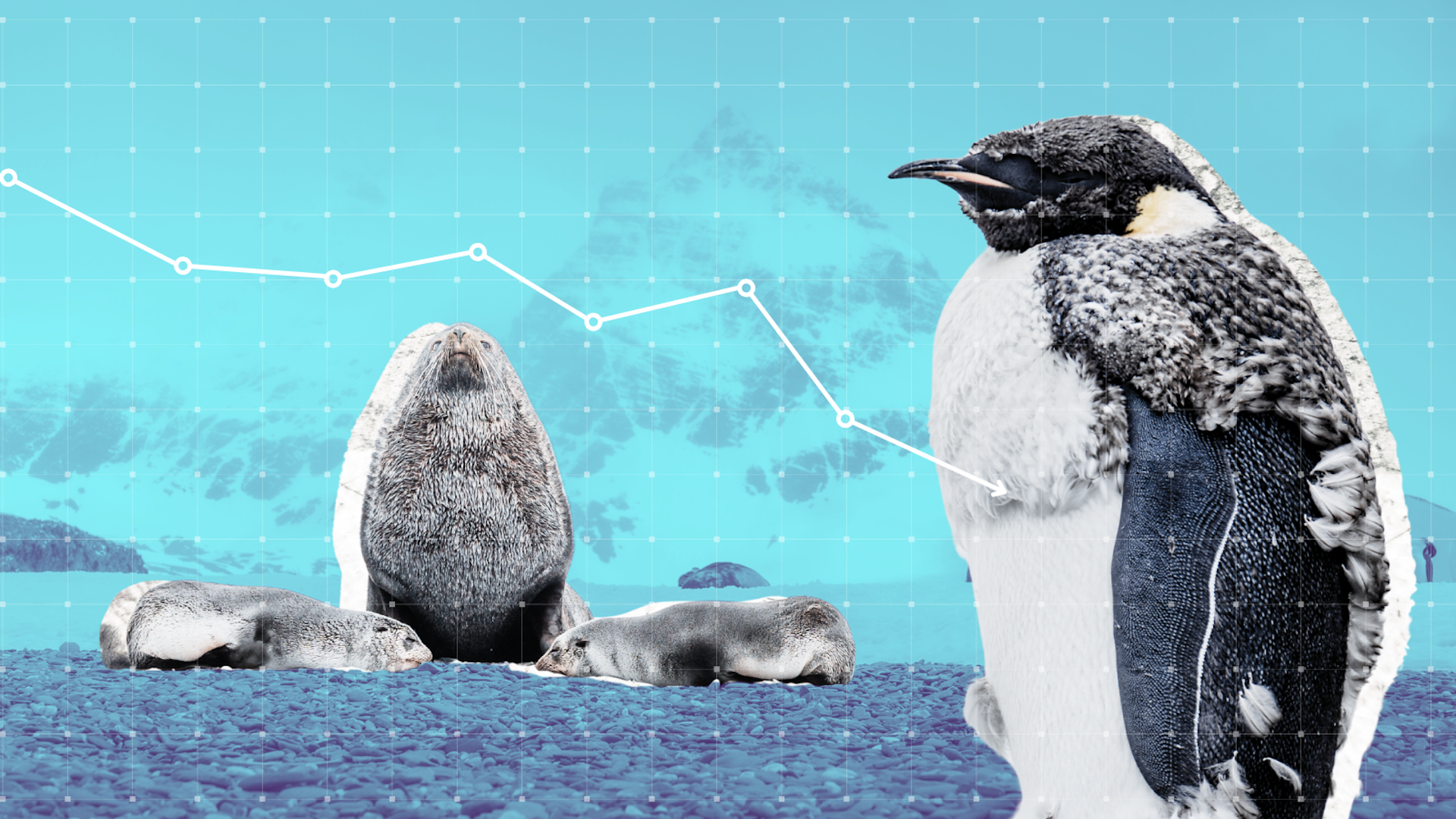
可爱的企鹅和南极海豹现已被列为濒危物种。以下是我们可以做的事情
The beloved emperor penguin and Antarctic fur seal are …
The loss of iconic Antarctic wildlife is no longer a future possibility. It is happening in real-time, while we watch.
标志性的南极野生动物的消失不再是未来可能。它正在我们眼前实时发生。
In 1902, British explorer Robert Falcon Scott spotted a large group of large black and white birds at Ross Island, Antarctica. This was among the many milestones of Scott’s famous Discovery expedition: the first breeding colony of emperor penguins.
1902年,英国探险家罗伯特·福尔科特·斯科特在南极洲的罗斯岛发现了一群大型的黑白鸟类。这是斯科特著名的“发现号”探险队取得的许多里程碑之一:帝企鹅的首个繁殖群落。
Now, only 124 years since this penguin colony was discovered, emperor penguins have officially been listed as endangered, along with the Antarctic fur seal. As the world warms, Antarctic krill are shifting southwards and sea ice is shrinking at record levels. And these unprecedented changes are having a domino effect on these species.
如今,距离这个企鹅群落被发现仅过去了124年,帝企鹅和南极海豹已正式被列为濒危物种。随着全球变暖,南极磷虾正在向南迁移,海冰正以创纪录的速度消退。这些前所未有的变化正在对这些物种产生多米诺骨牌效应。
These are the first penguin and pinniped – marine mammals that have front and rear flippers – to be given this conservation status in the Southern Ocean. Their perilous situation is a critical turning point, and shows how rapidly the Antarctic environment is changing.
这些是南大洋首批获得这种保护地位的企鹅和鳍足类动物——即拥有前后鳍状肢的海洋哺乳动物。它们岌岌可危的处境是一个关键的转折点,也显示了南极环境变化的速度之快。
At the same time, the spread of highly contagious avian influenza, or bird flu, adds a new and immediate threat to Southern Ocean wildlife, compounding the pressures of climate change on stressed species.
与此同时,高度传染性的禽流感(或称禽流)的传播,给南大洋野生动物带来了新的、直接的威胁,加剧了气候变化对这些压力物种的压力。
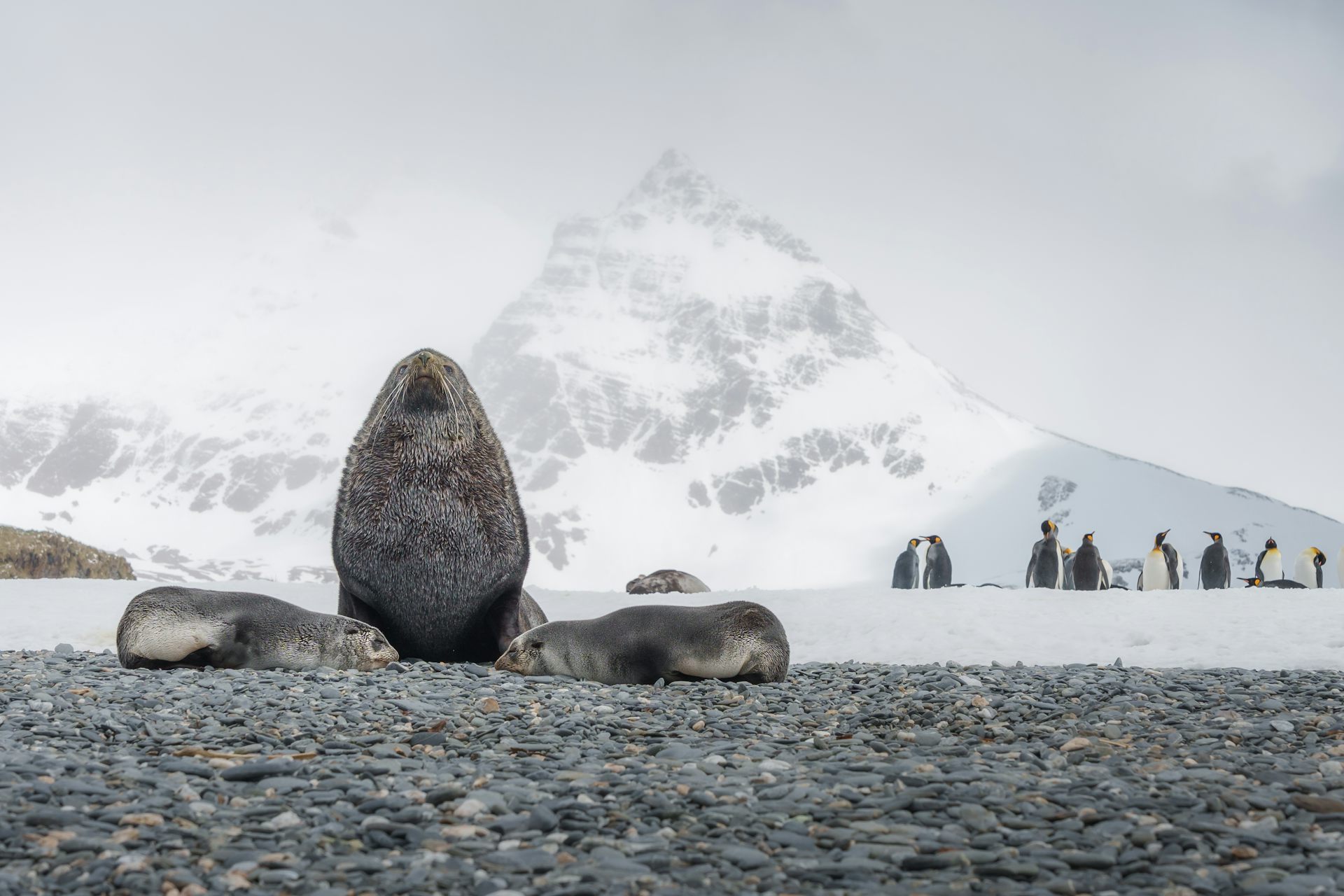
Dramatic declines linked to climate change
与气候变化相关的急剧下降
The first emperor penguin breeding colony was discovered at Cape Crozier, on Ross Island, during Robert Falcon Scott’s Discovery expedition in 1902. A decade later, Scott’s Terra Nova expedition returned, in part to collect emperor penguin eggs. It was an ill-fated expedition, immortalised in Apsley Cherry-Garrard’s famous book, The Worst Journey in the World.
第一座皇帝企鹅繁殖地是在1902年罗伯特·福尔科特·斯科特(Robert Falcon Scott)的“发现”探险期间,在罗斯岛的克罗齐尔角(Cape Crozier)发现的。十年后,斯科特的“新地”探险队返回,部分目的是收集皇帝企鹅的蛋。这是一次不成功的探险,被记录在阿普斯利·切里-加拉德(Apsley Cherry-Garrard)的著名著作《世界上最糟糕的旅程》中。
In the 1960s, Scott’s son, Sir Peter Scott, one of the founders of modern conservation, helped establish the International Union for the Conservation of Nature’s Red List. Just 124 years after those early discoveries at Cape Crozier, that same framework has now been used to classify emperor penguins as endangered. The swift arc from discovery to extinction risk is a striking reminder of how quickly the species’ fortunes have changed.
在20世纪60年代,斯科特的儿子皮特·斯科特爵士(Sir Peter Scott),现代保护事业的创始人之一,帮助建立了国际自然保护联盟(IUCN)的红色名录。在克罗齐尔角早期发现的这些地点,仅仅124年后,同样的框架已被用于将皇帝企鹅列为濒危物种。从发现到面临灭绝风险的快速转变,令人警醒地提醒着我们该物种的命运变化之快。
Over nine years, between 2009 and 2018, emperor penguin numbers fell by 10%. Their numbers are expected to halve by 2073.
在2009年至2018年间,皇帝企鹅的数量下降了10%。预计到2073年,它们的数量将减半。
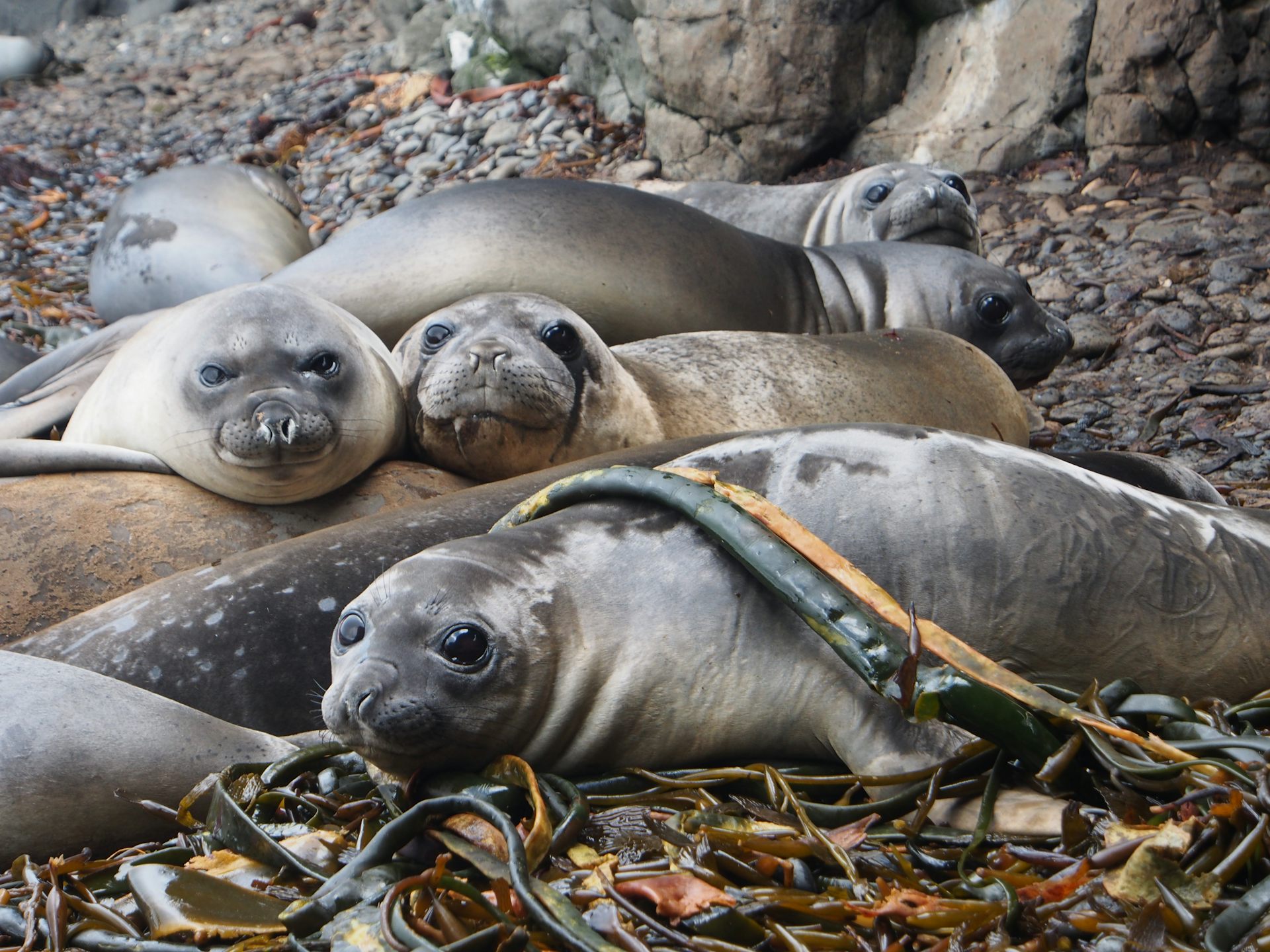
The decline is more pronounced for Antarctic fur seals. Hunted to the brink of extinction in the early 1880s, by 1999 their numbers had rebounded to an estimated 2.1 million mature seals. But since then, the global population has decreased by more than 50%, to about 944,000 mature individuals.
南极海貂的下降更为明显。它们曾在19世纪80年代初被追杀到濒临灭绝的边缘,到1999年,它们的数量已反弹至估计的210万只成年海豹。但从那时起,全球种群数量已下降了50%以上,降至约94.4万只成年个体。
In just a decade, they have been reclassified on the IUCN’s Red List, going from of “least concern” – those species that are widespread and at low risk of extinction – to “endangered”. The IUCN’s red list is the comprehensive information source on the extinction risk status of species. This shows the remarkable speed at which these seals are declining.
在短短十年内,它们在IUCN红色名录上的分类发生了变化,从“关注度最低”(指广泛分布且灭绝风险低的物种)变为了“濒危”。IUCN红色名录是关于物种灭绝风险状况的综合信息来源。这展示了这些海豹下降的惊人速度。
Climate change and bird flu
气候变化和禽流感
Both of these dramatic declines are linked to climate change. Warming ocean temperatures and a reduction in sea ice affect the availability of the Antarctic fur seal’s key prey, Antarctic krill. Krill are shifting southwards and moving deeper, potentially making them less accessible to some predators. Competition with a growing population of whales has also increased.
这两种急剧的下降都与气候变化有关。海洋温度的升高和海冰的减少影响了南极海豹的主要猎物——南极磷虾的可用性。磷虾正在向南移动并深入,这可能会使它们对一些捕食者来说更难获取。与不断增长的鲸鱼种群的竞争也增加了。
Emperor penguins, by contrast, are completely dependent on sea ice. They use it as a stable platform for courtship, incubating their eggs and rearing chicks. But as sea ice declines and becomes less reliable, their breeding success is increasingly threatened. If the ice breaks up before chicks are fully developed, many are unable to survive.
相比之下,帝企鹅完全依赖海冰。它们利用海冰作为求偶、孵蛋和抚养雏鸟的稳定平台。但随着海冰的退化和可靠性的降低,它们的繁殖成功率正面临越来越大的威胁。如果冰层在雏鸟完全发育之前破碎,许多企鹅将无法存活。
At the same time, the spread of highly contagious bird flu adds a new and immediate threat to Southern Ocean wildlife. High mortality associated with avian influenza has also caused the uplisting of the southern elephant seal to “vulnerable” this week.
与此同时,高度传染性的禽流感的传播给南大洋野生动物带来了新的即时威胁。与禽流感相关的高死亡率本周也导致了南象海豹的保护等级被提升至“易危”。
Some elephant seal populations have experienced more than 90% of pups dying, alongside sharp declines in breeding adults. These represent tens of thousands of animals lost, with many Antarctic fur seals also dying as a result of bird flu outbreaks.
一些象海豹种群的幼崽死亡率超过了90%,同时繁殖成体数量也急剧下降。这代表着数万只动物的损失,许多南极海豹也因禽流感爆发而死亡。
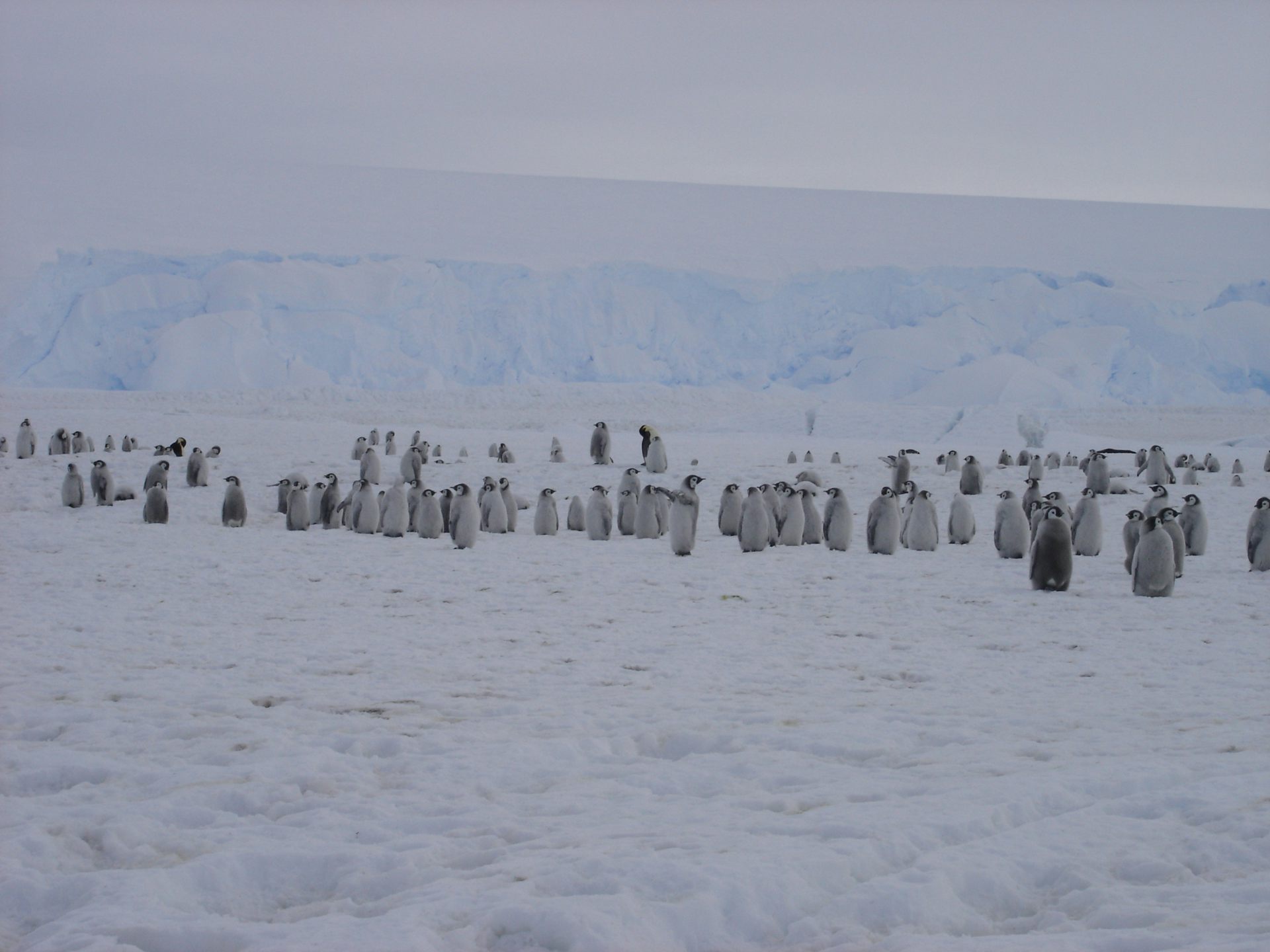
We need to know more
我们需要了解更多
Emperor penguins, Antarctic fur seals and southern elephant seals are three of the more widely researched Southern Ocean predators. But there is still a lot we don’t know, because of the remote location and the difficulty of sustaining research over time. And there are many species we know far less about. Antarctic ice seals, including Weddell seals, crabeater seals, leopard seals, and Ross seals, have “unknown” population trends on the IUCN red list, meaning there is not enough data to know if numbers are declining.
帝企鹅、南极海豹和南象海豹是南大洋研究较多的三种掠食者。但由于地理位置偏远和难以长期维持研究,我们仍然不知道很多事情。还有许多物种,我们了解得更少。包括威德尔海豹、螃蟹海豹、豹海豹和罗斯海豹在内的南极冰海豹,在IUCN红色名录上具有“未知”的种群趋势,这意味着缺乏足够的数据来判断其数量是否正在下降。
These recent listings make clear the urgent and ongoing need for improved, real-time monitoring. We need to know much more about wildlife health and population trends, the Antarctic environment and sea ice quality.
这些最近的列入名录清楚地表明了改进、实时监测的迫切和持续需求。我们需要了解更多关于野生动物健康和种群趋势、南极环境和海冰质量的信息。
Human-driven threats facing Antarctic wildlife are many, and cumulative. To respond, we need to better protect Antarctic habitat and the species that live there. We need to reduce the interaction of marine species with industrial fishing. And we must improve how we assess current and suspected threats in Antarctica, when there is growing evidence of impacts.
威胁南极野生动物的因素是人类驱动的,数量众多且具有累积性。为了应对这些威胁,我们需要更好地保护南极栖息地和生活在那里的物种。我们需要减少海洋物种与工业捕捞的相互作用。并且,当影响的证据日益增加时,我们必须改进评估南极当前和可疑威胁的方法。
Defining these animals as endangered is a stark reminder of how quickly Antarctica is changing before our eyes. Without a rapid reduction in greenhouse gas emissions and sustained conservation action, these species may be lost forever.
将这些动物定义为濒危物种,生动地提醒我们南极正在我们眼前发生着多快的变化。如果没有温室气体排放的快速减少和持续的保护行动,这些物种可能会永远消失。
Mary-Anne Lea receives funding from the Australian Research Council, the Australian government, Rolex, the National Geographic Society and others. She is affiliated with the University of Tasmania, the Scientific Committee on Antarctic Research (SCAR) Expert Group on Birds and Marine Mammals, the SCAR Standing Committee on the Antarctic Treaty System (as a delegate to CCAMLR) and is a co-founder and board director of Homeward Bound Projects.
Mary-Anne Lea的资金来自澳大利亚研究理事会、澳大利亚政府、劳力士、国家地理学会等。她隶属于塔斯马尼亚大学、南极研究科学委员会(SCAR)鸟类和海洋哺乳动物专家组、SCAR南极条约体系常设委员会(作为CCAMLR的代表),并且是Homeward Bound Projects的联合创始人兼董事。
Jane Younger receives funding from the Australian Research Council, National Geographic Society, Rolex, WIRES, the Marine Megafauna Research Fund, and Lindblad-National Geographic. She is affiliated with the University of Tasmania and Senior Editor of Ecology & Evolution.
Jane Younger的资金来自澳大利亚研究理事会、国家地理学会、劳力士、WIRES、海洋巨型动物研究基金和Lindblad-国家地理。她隶属于塔斯马尼亚大学,并担任《生态学与进化论》的高级编辑。
Noemie Friscourt receives funding from the Australian Research Council, the Australian government and the Antarctic Science Foundation. She is affiliated with the University of Tasmania.
Noemie Friscourt的资金来自澳大利亚研究理事会、澳大利亚政府和南极科学基金会。她隶属于塔斯马尼亚大学。