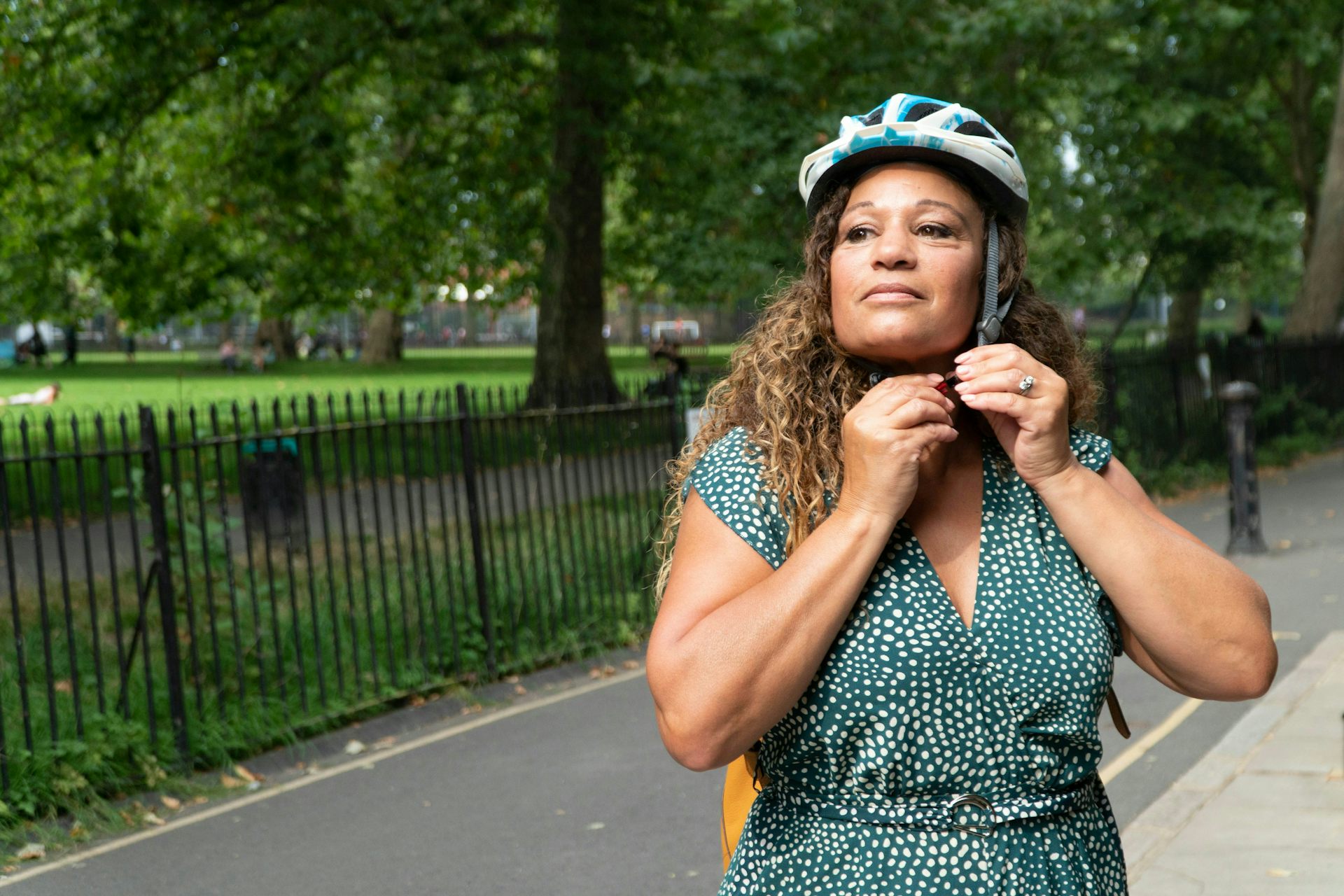
Plan your route, keep your bike by the door, and don’t worry about Lycra – small habits can get you back on the bike.
规划好路线,把自行车放在门口,不用担心紧身衣——一些小习惯能让你重新骑上自行车。
As fuel prices climb and oil supply shocks multiply, you might be thinking – perhaps for the first time in years – about dusting off the bike and riding again. Perhaps you’re kicking yourself you haven’t done it already.
随着燃料价格上涨和石油供应冲击不断增加,你可能正在想——也许这是多年来第一次——掸掸自行车,重新骑行。也许你正在责怪自己,为什么还没有这么做。
But getting back on a bike rarely comes from a single moment of willpower. It usually emerges from small changes that rebuild capacity over time: a serviced bike, calmer traffic, having permission to ride slowly, riding an e-bike, or cycling part-way.
但重新骑上自行车很少源于某一刻的意志力。它通常源于随着时间推移而重建能力的微小改变:一辆经过保养的自行车、更平稳的交通、获得慢速骑行的许可、骑电动自行车,或只是骑一段路。
Mass cycling did not return to cities by accident. In the Netherlands, the dominance of everyday cycling emerged after a deliberate break with car-centred transport following the 1973 oil crisis. Public protest over road deaths and energy dependence also contributed.
大众骑行并非偶然回归城市。在荷兰,日常骑行的主导地位是在1973年石油危机后,有意识地脱离以汽车为中心的交通模式后才出现的。关于道路死亡人数和能源依赖的公众抗议也起到了作用。
Cycling became viable again not because people were persuaded to try harder, but because car use was actively constrained and alternatives were made easier.
骑行之所以再次变得可行,并非因为人们被说服去努力尝试,而是因为汽车的使用受到了积极的限制,而替代方案变得更容易了。
If we want people to return to bikes in car-centric societies, the question is not why they stopped cycling – but what would make cycling possible again.
如果我们希望人们能在以汽车为中心的社会重新骑上自行车,问题不在于他们为什么停止骑行——而在于什么能让骑行再次成为可能。
It’s not just about motivation
这不仅仅是关于动力
People often assume the hardest part of cycling again is motivation.
人们经常认为,重新开始骑自行车最难的部分是动力。
But bikes tend to stop being ridden long before people decide to stop cycling. Something small went wrong and was never fixed. The bike ends up in the garage with flat tyres, tucked behind boxes, or hanging unused.
但自行车往往在人们决定停止骑行很久之前就停止骑行了。一些小问题出了错,但从未得到修复。自行车最终停在车库里,轮胎是瘪的,被塞在箱子后面,或者挂在那里无人使用。
When that happens, cycling doesn’t feel like a choice any more. It feels unavailable.
当这种情况发生时,骑行就不再让人感觉像是一种选择。它感觉是不可得的。
In our research with people who had stopped riding in Sydney, cycling faded when everyday arrangements no longer worked: storage was awkward, routes became stressful, or minor mechanical issues accumulated.
在我们对悉尼那些已经停止骑行的人的研究中,当日常安排不再适用时,骑行就消退了:存储不方便,路线变得有压力,或者小机械问题积累起来。
People are more likely to cycle when the bike is stored near the front door and ready to use.
当自行车存放在靠近前门且随时可用时,人们更有可能骑行。
Cycling depends on a combination of bodies, bikes, routes, time and confidence. When any one of these falls out of sync, your capacity to cycle drains away.
骑行取决于身体、自行车、路线、时间以及信心等多种因素的结合。当其中任何一个脱节时,你骑行的能力就会逐渐流失。
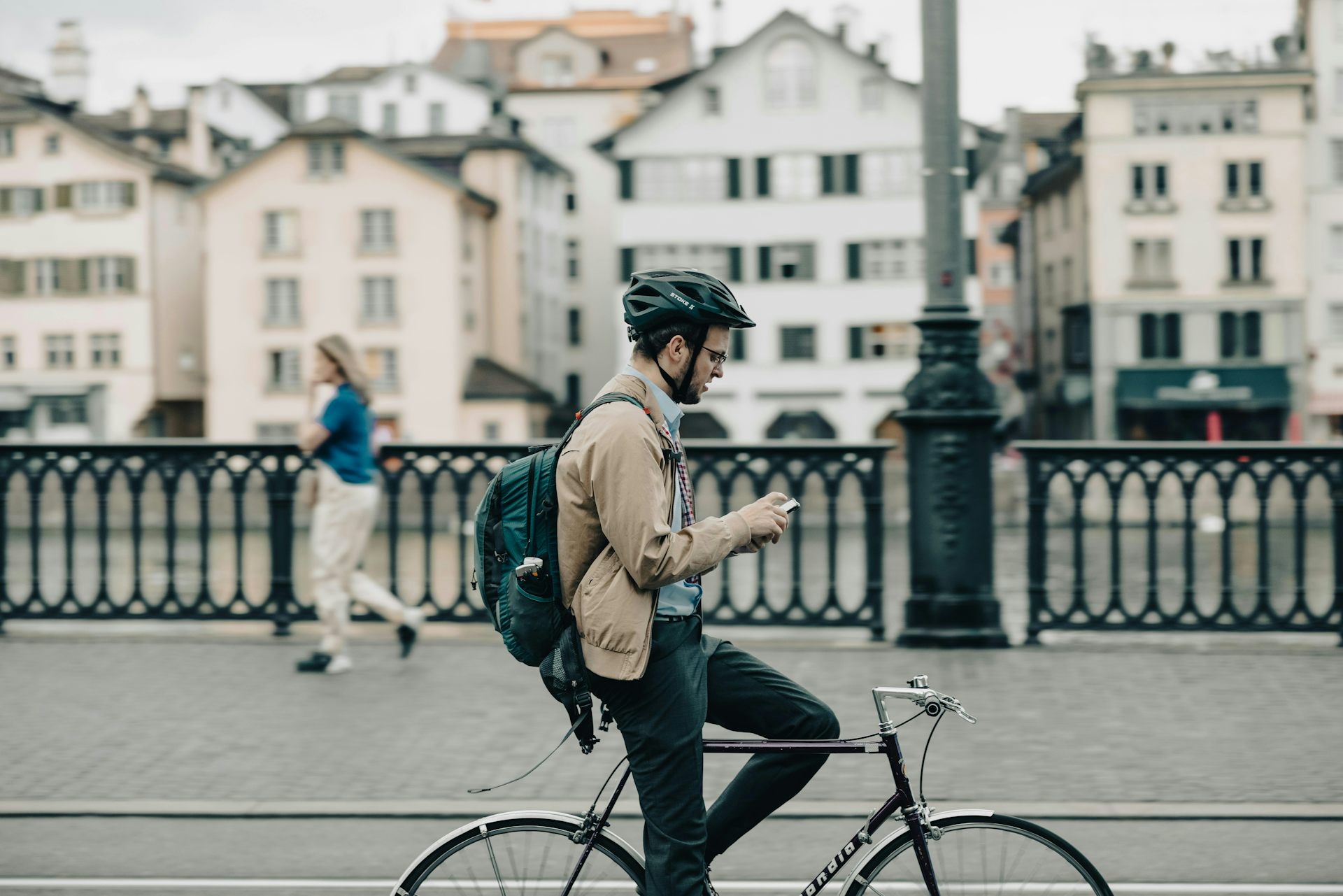
Abandon ideas about ‘proper’ cyclists
放弃关于“标准”骑行者的观念
One of the strongest barriers we encountered was the sense of not fitting the image of a “proper” cyclist.
我们遇到的最强大的障碍之一,就是不符合“标准”骑行者的形象感。
In Australia, that image is still closely tied to being male, wearing a lot of Lycra, owning an expensive bike and costly cycling gear and riding really fast.
在澳大利亚,这种形象仍然与男性、穿着大量莱卡衣、拥有昂贵的自行车和昂贵的骑行装备,并且骑行速度非常快紧密联系在一起。
Women, older riders and those returning to cycling after a long break often experience that culture as quietly excluding.
女性、年长的骑行者以及那些长时间中断后重返骑行的人,经常感受到这种文化具有排他性。
In reality, cycling does not require a lot of specialist gear for most everyday trips.
实际上,对于大多数日常出行来说,骑行并不需要太多专业的装备。
In places where cycling functions as everyday transport – such as large parts of Europe and Asia – people ride in work clothes, at relaxed speeds, on practical bikes.
在骑行作为日常交通工具的地方——例如欧洲和亚洲的大部分地区——人们穿着工作服,以轻松的速度,骑着实用的自行车。
Similarly, e-bikes enable a range of differently abled bodies to cycle (suggesting we should rethink some of the ways e-bikes have been recently demonised) .
同样,电动自行车使各种不同能力的人群能够骑行(这表明我们应该重新思考一些最近对电动自行车进行污名化的方式)。
Letting go of narrow definitions of who cycling is for can reopen the possibility of riding at all.
放下对骑行适用人群的狭隘定义,可以重新开启骑行的可能性。
Cycling routes might have improved
骑行路线可能有所改善
Our research into the significant increase in cycling during the COVID pandemic found the lockdowns offered a rare natural experiment.
我们对新冠疫情期间骑行显著增加的研究发现,封锁措施提供了一个罕见的自然实验。
Many Australians returned to cycling after years away because traffic temporarily disappeared.
许多澳大利亚人多年未骑行后重返骑行,因为交通暂时消失了。
With fewer cars on the road, cycling felt calmer and less demanding, and confidence grew quickly. A significant investment was made in cycling infrastructure across Australian cities (although this investment is still minuscule compared with car infrastructure spending) .
由于道路上的汽车减少,骑行感觉更平静、要求更低,信心也迅速增长。澳大利亚各城市在骑行基础设施方面进行了大量投资(尽管与汽车基础设施支出相比,这笔投资仍然微不足道)。
So if you’re reluctant to cycle again because you’re afraid of being hit by a car, it’s worth checking if cycling routes have improved since last you rode.
因此,如果你因为害怕被汽车撞到而不愿再次骑行,值得检查一下自上次骑行以来,骑行路线是否有所改善。
Start by using a digital map to search for cycling routes separate from vehicle traffic.
从使用数字地图搜索与车辆交通分离的骑行路线开始。
Get your bike serviced
给你的自行车做一次保养
A serviced bike changes everything.
一辆经过保养的自行车,能改变一切。
A lot of the anxiety stopping people from riding can be greatly reduced by simply having gears that work, brakes that respond and tyres that hold air.
许多阻止人们骑行的焦虑,只需确保变速器能正常工作、刹车能响应、轮胎能充气,就能大大减轻。
Our research found these small material fixes can make a big difference to getting people back on the bike.
我们的研究发现,这些微小的材料修复,能让人们重拾骑行乐趣,带来巨大的改变。
There are myriad explainer and DIY videos on YouTube covering maintenance basics if getting the bike professionally serviced is out of your budget.
如果请专业人士检修自行车超出了你的预算,YouTube上有无数的解释和DIY视频可以学习基础维护知识。
You can also try to find a local community bike kitchen or council‑supported course. Some councils also run programs where experienced riders can show you good cycling routes through your suburb or city.
你也可以尝试寻找当地的社区自行车工坊或由市政支持的课程。一些市政还会运行项目,让经验丰富的骑手带你探索郊区或城市的好骑行路线。
These make maintenance affordable but also reconnect people with cycling as something ordinary and shared, rather than technical or elite.
这些不仅让维护变得负担得起,也让人们重新将骑行视为一种普通而共享的活动,而非技术性或精英化的活动。
You don’t have to ride the whole way
你不必全程骑行
Another quiet enabler is allowing cycling to be partial and occasional. Some begin by riding to a train station or local cafe rather than committing to an entire commute.
另一个不引人注意的促进因素是允许骑行是部分和偶尔的。有些人从骑到火车站或当地咖啡馆开始,而不是承诺完成整个通勤。
In our interviews, people stayed on the bike longest when they allowed themselves to mix modes of transport, adjust routes and change plans without feeling they had “failed” at cycling.
在我们的访谈中,当人们允许自己混合交通方式、调整路线和更改计划,而不会觉得自己在骑行上“失败”时,他们骑行的时间最长。
Treating cycling as one option among several, rather than an all‑or‑nothing identity, makes it easier to start.
将骑行视为众多选择中的一种,而不是一种全有或全无的身份,会让人更容易开始。
Make cycling ordinary again
让骑自行车再次成为日常
The Dutch experience after the oil crisis shows society-wide shifts follow when everyday conditions change, not when individuals are told to try harder.
荷兰在石油危机后的经验表明,社会层面的转变源于日常条件的改变,而非个体被要求更努力。
As the world once again confronts energy uncertainty, the lesson is timely.
随着世界再次面临能源不确定性,这一经验显得尤为及时。
The challenge for cities is not to convince people that cycling is good. It is to make cycling ordinary enough that people can return to it without having to become a “cyclist” first.
城市面临的挑战不是说服人们骑自行车是件好事。而是要让骑自行车足够日常化,让人们无需先成为“骑车人”就能回归这项习惯。
Glen Fuller received funding in the past from the ARC for the research project Pedalling for Change.
过去,Glen Fuller曾获得ARC的资助,用于“Pedalling for Change”研究项目。