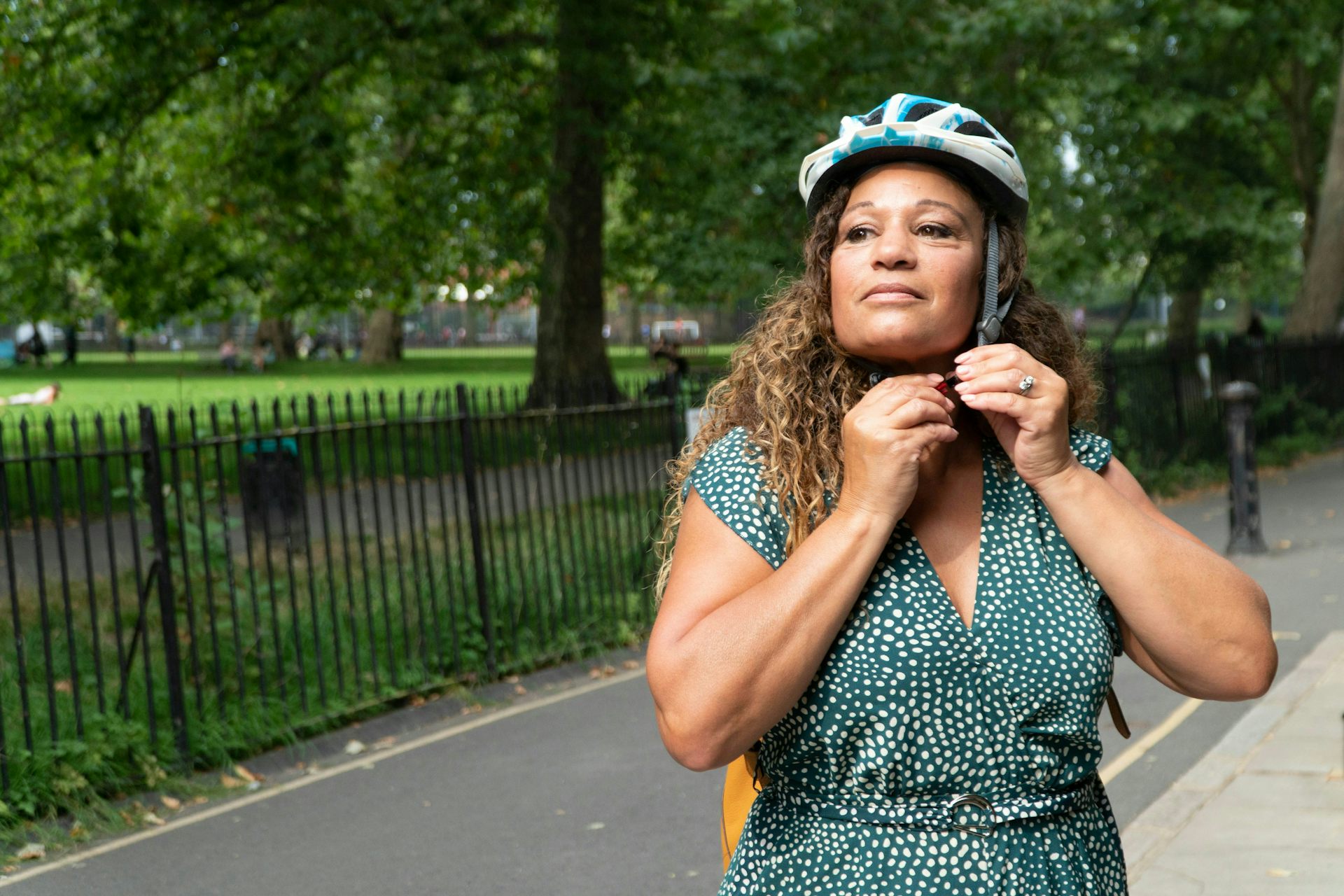
साइकिल चलाने के लिए आपको ‘साइकिल चालक’ होना ज़रूरी नहीं है। यहाँ बताया गया है कि आप फिर से कैसे शुरुआत कर सकते हैं
You don’t have to be a ‘cyclist’ to ride a bike. Here’s how to start again
Plan your route, keep your bike by the door, and don’t worry about Lycra – small habits can get you back on the bike.
अपने मार्ग की योजना बनाएं, अपनी साइकिल दरवाज़े के पास रखें, और लाइक्रा के बारे में चिंता न करें – छोटी आदतें आपको फिर से साइकिल पर ला सकती हैं।
As fuel prices climb and oil supply shocks multiply, you might be thinking – perhaps for the first time in years – about dusting off the bike and riding again. Perhaps you’re kicking yourself you haven’t done it already.
जैसे-जैसे ईंधन की कीमतें बढ़ती हैं और तेल की आपूर्ति में झटके बढ़ते हैं, शायद आप सोच रहे होंगे – शायद सालों में पहली बार – कि बाइक को धूल झाड़कर फिर से सवारी पर ले जाना चाहिए। शायद आप खुद को कोस रहे होंगे कि आपने यह पहले ही क्यों नहीं किया।
But getting back on a bike rarely comes from a single moment of willpower. It usually emerges from small changes that rebuild capacity over time: a serviced bike, calmer traffic, having permission to ride slowly, riding an e-bike, or cycling part-way.
लेकिन बाइक पर वापस बैठना शायद ही कभी इच्छाशक्ति के एक अकेले पल से होता है। यह आमतौर पर छोटे बदलावों से उभरता है जो समय के साथ क्षमता का पुनर्निर्माण करते हैं: एक सर्विस की हुई बाइक, शांत यातायात, धीरे-धीरे सवारी करने की अनुमति होना, ई-बाइक चलाना, या आंशिक रूप से साइकिल चलाना।
Mass cycling did not return to cities by accident. In the Netherlands, the dominance of everyday cycling emerged after a deliberate break with car-centred transport following the 1973 oil crisis. Public protest over road deaths and energy dependence also contributed.
बड़े पैमाने पर साइकिलिंग शहरों में गलती से वापस नहीं आई। नीदरलैंड में, रोज़मर्रा की साइकिलिंग का प्रभुत्व 1973 के तेल संकट के बाद कार-केंद्रित परिवहन से जानबूझकर दूरी बनाने के बाद उभरा। सड़क पर मौतों और ऊर्जा पर निर्भरता को लेकर सार्वजनिक विरोध ने भी योगदान दिया।
Cycling became viable again not because people were persuaded to try harder, but because car use was actively constrained and alternatives were made easier.
साइकिलिंग फिर से व्यवहार्य इसलिए नहीं हुई कि लोगों को और मेहनत करने के लिए मना किया गया, बल्कि इसलिए हुई कि कार के उपयोग को सक्रिय रूप से सीमित किया गया और विकल्प आसान बनाए गए।
If we want people to return to bikes in car-centric societies, the question is not why they stopped cycling – but what would make cycling possible again.
यदि हम चाहते हैं कि लोग कार-केंद्रित समाजों में बाइक पर लौटें, तो सवाल यह नहीं है कि उन्होंने साइकिल चलाना क्यों बंद किया – बल्कि यह है कि साइकिल चलाना फिर से संभव क्या बनाएगा।
It’s not just about motivation
यह सिर्फ प्रेरणा के बारे में नहीं है
People often assume the hardest part of cycling again is motivation.
लोग अक्सर यह मान लेते हैं कि साइकिल चलाना फिर से शुरू करने का सबसे कठिन हिस्सा प्रेरणा होती है।
But bikes tend to stop being ridden long before people decide to stop cycling. Something small went wrong and was never fixed. The bike ends up in the garage with flat tyres, tucked behind boxes, or hanging unused.
लेकिन बाइक लोग साइकिल चलाना बंद करने का फैसला करने से बहुत पहले ही रुक जाती हैं। कुछ छोटी चीज़ गलत हो जाती है और उसे कभी ठीक नहीं किया जाता। बाइक टायर पंक्चर के साथ गैरेज में, बक्सों के पीछे सजी हुई, या इस्तेमाल न होने के कारण लटकी रहती है।
When that happens, cycling doesn’t feel like a choice any more. It feels unavailable.
जब ऐसा होता है, तो साइकिल चलाना अब एक विकल्प नहीं लगता। यह अनुपलब्ध महसूस होता है।
In our research with people who had stopped riding in Sydney, cycling faded when everyday arrangements no longer worked: storage was awkward, routes became stressful, or minor mechanical issues accumulated.
सिडनी में साइकिल चलाना बंद करने वाले लोगों पर किए गए हमारे शोध में पता चला कि जब रोज़मर्रा की व्यवस्थाएँ काम करना बंद कर देती थीं: भंडारण अजीब था, रास्ते तनावपूर्ण हो गए, या छोटी यांत्रिक समस्याएँ जमा हो गईं, तो साइकिल चलाना फीका पड़ गया।
People are more likely to cycle when the bike is stored near the front door and ready to use.
लोग तब साइकिल चलाने की अधिक संभावना रखते हैं जब बाइक सामने के दरवाजे के पास स्टोर की गई हो और उपयोग के लिए तैयार हो।
Cycling depends on a combination of bodies, bikes, routes, time and confidence. When any one of these falls out of sync, your capacity to cycle drains away.
साइकिल चलाना शरीर, बाइक, रास्ते, समय और आत्मविश्वास के संयोजन पर निर्भर करता है। जब इनमें से कोई भी चीज़ तालमेल से बाहर हो जाती है, तो साइकिल चलाने की आपकी क्षमता कम होती जाती है।
Abandon ideas about ‘proper’ cyclists
‘सही’ साइकिल चालक के विचारों को त्यागें
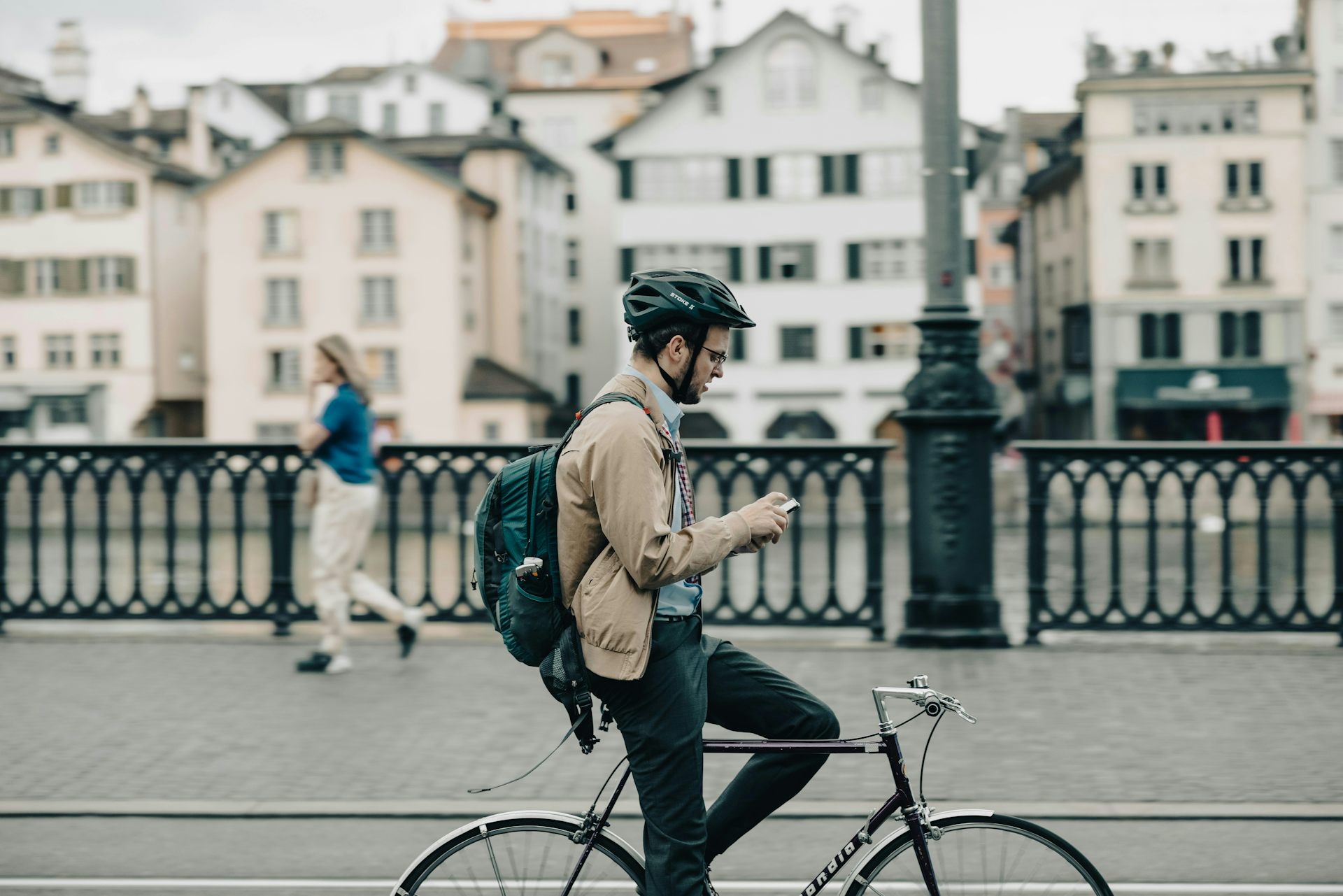
One of the strongest barriers we encountered was the sense of not fitting the image of a “proper” cyclist.
हमारा सामना सबसे बड़ी बाधाओं में से एक यह भावना थी कि हम “सही” साइकिल चालक की छवि में फिट नहीं होते हैं।
In Australia, that image is still closely tied to being male, wearing a lot of Lycra, owning an expensive bike and costly cycling gear and riding really fast.
ऑस्ट्रेलिया में, यह छवि अभी भी पुरुष होने, बहुत सारा लाइक्रा पहनना, एक महंगी बाइक और महंगे साइकिलिंग गियर का मालिक होना और बहुत तेज़ सवारी करना से जुड़ी हुई है।
Women, older riders and those returning to cycling after a long break often experience that culture as quietly excluding.
महिलाएं, बड़ी उम्र के सवार और जो लंबे ब्रेक के बाद साइकिलिंग पर लौटते हैं, अक्सर इस संस्कृति को चुपचाप बहिष्कृत महसूस करते हैं।
In reality, cycling does not require a lot of specialist gear for most everyday trips.
वास्तव में, अधिकांश रोज़मर्रा की यात्राओं के लिए साइकिलिंग को बहुत सारे विशेष गियर की आवश्यकता नहीं होती है।
In places where cycling functions as everyday transport – such as large parts of Europe and Asia – people ride in work clothes, at relaxed speeds, on practical bikes.
उन जगहों पर जहाँ साइकिलिंग रोज़मर्रा के परिवहन के रूप में कार्य करती है – जैसे यूरोप और एशिया के बड़े हिस्से – लोग काम के कपड़ों में, धीमी गति से, व्यावहारिक बाइक पर सवारी करते हैं।
Similarly, e-bikes enable a range of differently abled bodies to cycle (suggesting we should rethink some of the ways e-bikes have been recently demonised) .
इसी तरह, ई-बाइक विभिन्न प्रकार के शारीरिक रूप से सक्षम शरीरों को साइकिल चलाने में सक्षम बनाती हैं (यह सुझाव देते हुए कि हमें कुछ तरीकों पर पुनर्विचार करना चाहिए जिनसे हाल ही में ई-बाइक को बदनाम किया गया है) ।
Letting go of narrow definitions of who cycling is for can reopen the possibility of riding at all.
यह छोड़ना कि साइकिलिंग किसके लिए है, इसकी संकीर्ण परिभाषाएं क्या हैं, सवारी करने की संभावना को फिर से खोल सकता है।
Cycling routes might have improved
साइकिलिंग मार्गों में सुधार हो सकता है
Our research into the significant increase in cycling during the COVID pandemic found the lockdowns offered a rare natural experiment.
महामारी के दौरान साइकिलिंग में हुई उल्लेखनीय वृद्धि पर हमारे शोध में पाया गया कि लॉकडाउन ने एक दुर्लभ प्राकृतिक प्रयोग प्रदान किया।
Many Australians returned to cycling after years away because traffic temporarily disappeared.
कई ऑस्ट्रेलियाई लोग वर्षों बाद साइकिलिंग पर लौटे क्योंकि यातायात अस्थायी रूप से गायब हो गया था।
With fewer cars on the road, cycling felt calmer and less demanding, and confidence grew quickly. A significant investment was made in cycling infrastructure across Australian cities (although this investment is still minuscule compared with car infrastructure spending) .
सड़क पर कम कारों के कारण, साइकिलिंग शांत और कम मांग वाली महसूस हुई, और आत्मविश्वास तेजी से बढ़ा। ऑस्ट्रेलियाई शहरों में साइकिलिंग बुनियादी ढांचे में एक महत्वपूर्ण निवेश किया गया (हालांकि यह निवेश अभी भी कार बुनियादी ढांचे पर खर्च किए गए खर्च की तुलना में नगण्य है) ।
So if you’re reluctant to cycle again because you’re afraid of being hit by a car, it’s worth checking if cycling routes have improved since last you rode.
इसलिए, यदि आप कार से टकराने के डर से दोबारा साइकिल चलाने में हिचकिचा रहे हैं, तो यह जांचना लायक है कि जब से आपने आखिरी बार सवारी की है, तब से साइकिलिंग मार्गों में सुधार हुआ है या नहीं।
Start by using a digital map to search for cycling routes separate from vehicle traffic.
वाहन यातायात से अलग साइकिलिंग मार्ग खोजने के लिए एक डिजिटल मानचित्र का उपयोग करके शुरुआत करें।
Get your bike serviced
अपनी बाइक की सर्विस करवाएं
A serviced bike changes everything.
एक सर्विस की हुई बाइक सब कुछ बदल देती है।
A lot of the anxiety stopping people from riding can be greatly reduced by simply having gears that work, brakes that respond and tyres that hold air.
लोगों को सवारी करने से रोकने वाली बहुत सारी चिंताएं केवल काम करने वाले गियर, प्रतिक्रिया देने वाले ब्रेक और हवा से भरे टायरों से काफी कम की जा सकती हैं।
Our research found these small material fixes can make a big difference to getting people back on the bike.
हमारे शोध में पाया गया कि ये छोटे भौतिक सुधार लोगों को फिर से बाइक पर लाने में बड़ा अंतर ला सकते हैं।
There are myriad explainer and DIY videos on YouTube covering maintenance basics if getting the bike professionally serviced is out of your budget.
यदि बाइक को पेशेवर रूप से सर्विस करवाना आपके बजट से बाहर है, तो यूट्यूब पर रखरखाव के मूल सिद्धांतों को कवर करने वाले अनगिनत व्याख्यात्मक और डीआईवाई वीडियो उपलब्ध हैं।
You can also try to find a local community bike kitchen or council‑supported course. Some councils also run programs where experienced riders can show you good cycling routes through your suburb or city.
आप एक स्थानीय सामुदायिक बाइक किचन या परिषद-समर्थित पाठ्यक्रम खोजने की भी कोशिश कर सकते हैं। कुछ परिषदें ऐसे कार्यक्रम भी चलाती हैं जहाँ अनुभवी सवार आपको आपके उपनगर या शहर से अच्छे साइकिलिंग मार्ग दिखा सकते हैं।
These make maintenance affordable but also reconnect people with cycling as something ordinary and shared, rather than technical or elite.
ये रखरखाव को किफायती बनाते हैं, लेकिन लोगों को साइकिलिंग के साथ फिर से जोड़ते हैं, इसे तकनीकी या विशिष्ट के बजाय एक साधारण और साझा गतिविधि के रूप में।
You don’t have to ride the whole way
आपको पूरी दूरी साइकिल से नहीं चलानी है
Another quiet enabler is allowing cycling to be partial and occasional. Some begin by riding to a train station or local cafe rather than committing to an entire commute.
एक और शांत सहायक यह है कि साइकिल चलाने को आंशिक और कभी-कभार होने देना। कुछ लोग पूरी यात्रा के लिए प्रतिबद्ध होने के बजाय ट्रेन स्टेशन या स्थानीय कैफे तक साइकिल चलाकर शुरुआत करते हैं।
In our interviews, people stayed on the bike longest when they allowed themselves to mix modes of transport, adjust routes and change plans without feeling they had “failed” at cycling.
हमारे इंटरव्यू में, लोगों ने तब सबसे लंबे समय तक साइकिल चलाई जब उन्होंने खुद को परिवहन के विभिन्न साधनों को मिलाने, मार्गों को समायोजित करने और योजनाएं बदलने की अनुमति दी, बिना यह महसूस किए कि वे साइकिल चलाने में “असफल” हो गए हैं।
Treating cycling as one option among several, rather than an all‑or‑nothing identity, makes it easier to start.
साइकिलिंग को किसी ‘सब कुछ या कुछ नहीं’ वाली पहचान के बजाय कई विकल्पों में से एक विकल्प मानना, इसे शुरू करना आसान बनाता है।
Make cycling ordinary again
साइकिलिंग को फिर से सामान्य बनाना
The Dutch experience after the oil crisis shows society-wide shifts follow when everyday conditions change, not when individuals are told to try harder.
तेल संकट के बाद डच का अनुभव दिखाता है कि जब रोज़मर्रा की परिस्थितियाँ बदलती हैं, तो समाज-व्यापी बदलाव आते हैं, न कि जब व्यक्तियों को और अधिक प्रयास करने के लिए कहा जाता है।
As the world once again confronts energy uncertainty, the lesson is timely.
जैसे ही दुनिया एक बार फिर ऊर्जा अनिश्चितता का सामना करती है, यह सबक समय पर है।
The challenge for cities is not to convince people that cycling is good. It is to make cycling ordinary enough that people can return to it without having to become a “cyclist” first.
शहरों के लिए चुनौती यह नहीं है कि लोगों को मना किया जाए कि साइकिलिंग अच्छी है। चुनौती यह है कि साइकिलिंग को इतना सामान्य बनाया जाए कि लोग पहले ‘साइकिलिस्ट’ बनने की ज़रूरत के बिना इसमें लौट सकें।
Glen Fuller received funding in the past from the ARC for the research project Pedalling for Change.
ग्लेन fuller को अतीत में अनुसंधान परियोजना ‘पेडलिंग फॉर चेंज’ के लिए ARC से फंडिंग मिली थी।
Read more
-

क्या आप आवाज़ के मालिक हो सकते हैं? टेलर स्विफ्ट की नवीनतम कानूनी कार्रवाई एआई और कॉपीराइट के लिए बड़े सवाल उठाती है।
Can you own a voice? Taylor Swift’s latest legal move raises big questions for AI and copyright
-

क्या आप अपने बच्चे की नींद को लेकर चिंतित हैं? बेडरूम से स्क्रीन दूर रखें और सोने से पहले आईपैड का उपयोग सीमित करें।
Worried about your child’s sleep? Keep screens out of bedrooms and limit iPads before bed