以色列对黎巴嫩的攻势可能会加强真主党——正当它最虚弱的时候
Israel’s onslaught against Lebanon may strengthen Hezbo…
The majority of Lebanese people distrusts Hezbollah, but the Israeli attacks are driving many in the south back into their fold.
大多数黎巴嫩人不信任真主党,但以色列的袭击正让南部许多人重新倒向它。
As the tentative ceasefire in Lebanon holds, people are returning to their homes in the south to find widespread destruction. Whole villages laid waste, roads and bridges ruined, hospitals and other civic infrastructure flattened. And the Israeli army still very much in evidence in many areas.
随着黎巴嫩暂时的停火,人们返回南部家园,却发现大面积的破坏。整个村庄荒废,道路和桥梁损毁,医院和其他民用基础设施被夷平。以色列军队在许多地区仍留有明显的踪迹。
The most recent conflict between Israel and Lebanon has killed more than 2,100 people and displaced more than a million more. Israel’s stated aim is to destroy Hezbollah, which it describes as an Iranian proxy. But this is a misleading framing of the situation. And trying to destroy Hezbollah by attacking and occupying Lebanon is a dangerous misreading of the situation.
以色列和黎巴嫩最近的冲突已造成超过2,100人死亡,并使超过一百万人流离失所。以色列宣称的目标是摧毁真主党,并将其描述为伊朗的代理人。但这只是对局势的误导性描述。试图通过攻击和占领黎巴嫩来摧毁真主党,是对局势的危险误读。
Hezbollah, the so-called “Party of God”, is not the same thing as Lebanon. Yet the party is deeply embedded in Lebanese politics. The group emerged during the Lebanese civil war and in the aftermath of Israel’s 1982 invasion. It grew rapidly by combining armed resistance with political representation and services for Shia communities that had long been neglected by the Lebanese state.
真主党,这个所谓的“真主党”,与黎巴嫩本身并非同一回事。然而,该党却深深植根于黎巴嫩的政治之中。该组织是在黎巴嫩内战和以色列1982年入侵的余波中崛起的。它通过将武装抵抗与政治代表权相结合,并为长期被黎巴嫩国家忽视的什叶派社区提供服务,迅速发展壮大。
In the southern suburbs of Beirut, known as Dahiyeh, and across the south, it became a provider of services. Hezbollah built schools, clinics and welfare networks that helped it convert resistance into social legitimacy. That presence built loyalty and dependence that outlasted its original resistance role.
在贝鲁特的南部郊区,即达希耶(Dahiyeh),以及整个南部地区,它成为了服务提供者。真主党建立了学校、诊所和福利网络,帮助它将抵抗运动转化为社会合法性。这种存在建立的忠诚度和依赖性,超越了其最初的抵抗角色。
Lebanon’s postwar political system is built on sectarian power sharing. Hezbollah entered parliament in the 1990s and built alliances well beyond its core Shia base, which enabled it to join coalition governments.
黎巴嫩战后的政治体系建立在教派权力分享的基础上。真主党在20世纪90年代进入议会,并建立了远超其核心什叶派基础的联盟,使其能够加入联合政府。
But unlike other major Lebanese factions, it retained its weapons after the civil war. This allowed it to combine formal political participation with an armed capacity that was outside the control of the state. Its alliance with Christian groups, most significantly Free Patriotic Movement, Lebanon’s largest Christian party, gave it cross-sectarian legitimacy and protection against isolation.
但与其他主要的黎巴嫩派系不同,它在内战后保留了武器。这使其能够将正式的政治参与与不受国家控制的武装能力相结合。它与基督教团体,尤其是黎巴嫩最大的基督教政党“自由爱国运动”(Free Patriotic Movement)的联盟,赋予了它跨教派的合法性,并使其免受孤立。
Hezbollah’s ability to shape Lebanese politics has often rested less on governing than on stopping other groups from governing. The clearest illustration was the presidency. After Michel Aoun completed his term in October 2022, Lebanon went without a president for more than two years. Hezbollah blocked every candidate that threatened its interests. Parliament failed to elect a successor 13 times.
真主党塑造黎巴嫩政治的能力,往往更多地依赖于阻止其他团体执政,而非执政本身。最明显的例证就是总统职位。在米歇尔·阿翁于2022年10月结束任期后,黎巴嫩缺乏总统超过两年。真主党阻止了所有威胁其利益的候选人。议会未能选出继任者达13次。
Lebanon drifted without a head of state through the 2024 war with Israel. Its caretaker government could not take major decisions. Desperately needed economic assistance was withheld by international donors. It was Hezbollah’s blocking power made visible. Lebanon’s caretaker government could not take major decisions or enact the reforms international donors required. Desperately needed economic assistance was withheld as a result.
在与以色列的2024年战争中,黎巴嫩在没有国家元首的情况下漂流。其临时政府无法做出重大决定。急需的经济援助被国际捐助方扣留。这使得真主党的阻碍力量暴露无遗。黎巴嫩的临时政府既无法做出重大决定,也无法实施国际捐助方要求的改革。结果就是,急需的经济援助被扣留了。
Hezbollah’s political weakness
真济武装的政治弱点
This current conflict has caught Hezbollah in a weaker political position than it once enjoyed. The anti-government protests of 2019, economic collapse and the Beirut port explosion has deepened public anger at Lebanon’s ruling class — and at Hezbollah as part of it. Hezbollah’s attempts to obstruct the judicial investigation into the explosion deepened that anger further.
当前的冲突使真济武装处于比以往更弱的政治地位。2019年的反政府抗议、经济崩溃和贝鲁特港口爆炸事件,加剧了公众对黎巴嫩执政阶层——以及对真济武装的愤怒。真济武装试图阻挠对爆炸事件的司法调查,进一步加深了这种愤怒。
The 2022 elections confirmed the shift. Hezbollah and its allies lost the majority they had held since 2018. Independents and reformists who emerged out of the protests took seats in a more fragmented legislature.
2022年的选举证实了这一转变。真济武装及其盟友失去了自2018年以来一直掌握的多数席位。独立人士和改革派在抗议活动中崛起,并在一个更加碎片化的立法机构中占据了席位。
The Arab Barometer’s 2024 survey found that just 30% of Lebanese expressed significant trust in Hezbollah, with 55% saying they had no trust at all. Hezbollah’s claim to speak for Lebanon — or even for all Lebanese Shia — is now more contested than at any point in its modern history.
《阿拉伯晴雨表》2024年的一项调查发现,只有30%的黎巴嫩人对真济武装表达了显著的信任,而55%的人则表示完全不信任。真济武装声称代表黎巴嫩——甚至代表所有黎巴嫩什叶派——的说法,现在比其现代历史上任何时候都更具争议性。
The 2024 war, with the devastating pager attacks of September 17 and 18, substantially degraded Hezbollah’s military and further weakened its political standing. Assad’s fall in Syria in December removed a key source of regional support.
2024年的战争,以及9月17日和18日毁灭性的对讲机攻击,极大地削弱了真济武装的军事实力,并进一步削弱了其政治地位。阿萨德在12月在叙利亚的垮台,切断了其重要的地区支持来源。
In January 2025, the Lebanese parliament finally elected Joseph Aoun as president — something that would have been unthinkable when Hezbollah was at its peak and was able to use its influence to exclude him. Aoun, a former army commander, has always insisted it was the army – not Hezbollah – that should be the defender of Lebanon’s sovereignty.
2025年1月,黎巴嫩议会最终选举了约瑟夫·阿翁为总统——在真济武装鼎盛时期并能够利用其影响力排除他时,这是不可想象的。阿翁曾是军方指挥官,他一直坚持认为,捍卫黎巴嫩主权的是军队,而不是真济武装。
Operation: destroy Hezbollah
行动:摧毁真主党
Israel’s stated objective for many years has been to create a more durable security order along its northern border by weakening or dismantling Hezbollah. But, at the same time, Israeli strikes have inflicted devastation far beyond Hezbollah itself, hitting civilians, infrastructure and communities across the country.
以色列多年来宣称的目标是通过削弱或瓦解真主党,在其北部边境建立一个更持久的安全秩序。但与此同时,以色列的袭击造成的破坏远远超出了真主党本身,波及了全国的平民、基础设施和社区。
The destruction of places such as Dahiyeh reflects a broader logic of warfare in which dense urban space is treated as part of the battlefield. UN experts have argued that the destruction of homes and mass displacement amount to collective punishment in violation of international law.
像达希耶(Dahiyeh)等地的破坏反映了一种更广泛的战争逻辑,即将密集的城市空间视为战场的一部分。联合国专家认为,房屋的破坏和大规模流离失所构成了违反国际法的集体惩罚。
The argument echoes broader legal debates about Israel’s conduct in Gaza, where UN experts have made similar findings.
这一论点呼应了关于以色列在加沙地带行为的更广泛法律辩论,联合国专家在那里也做出了类似的发现。
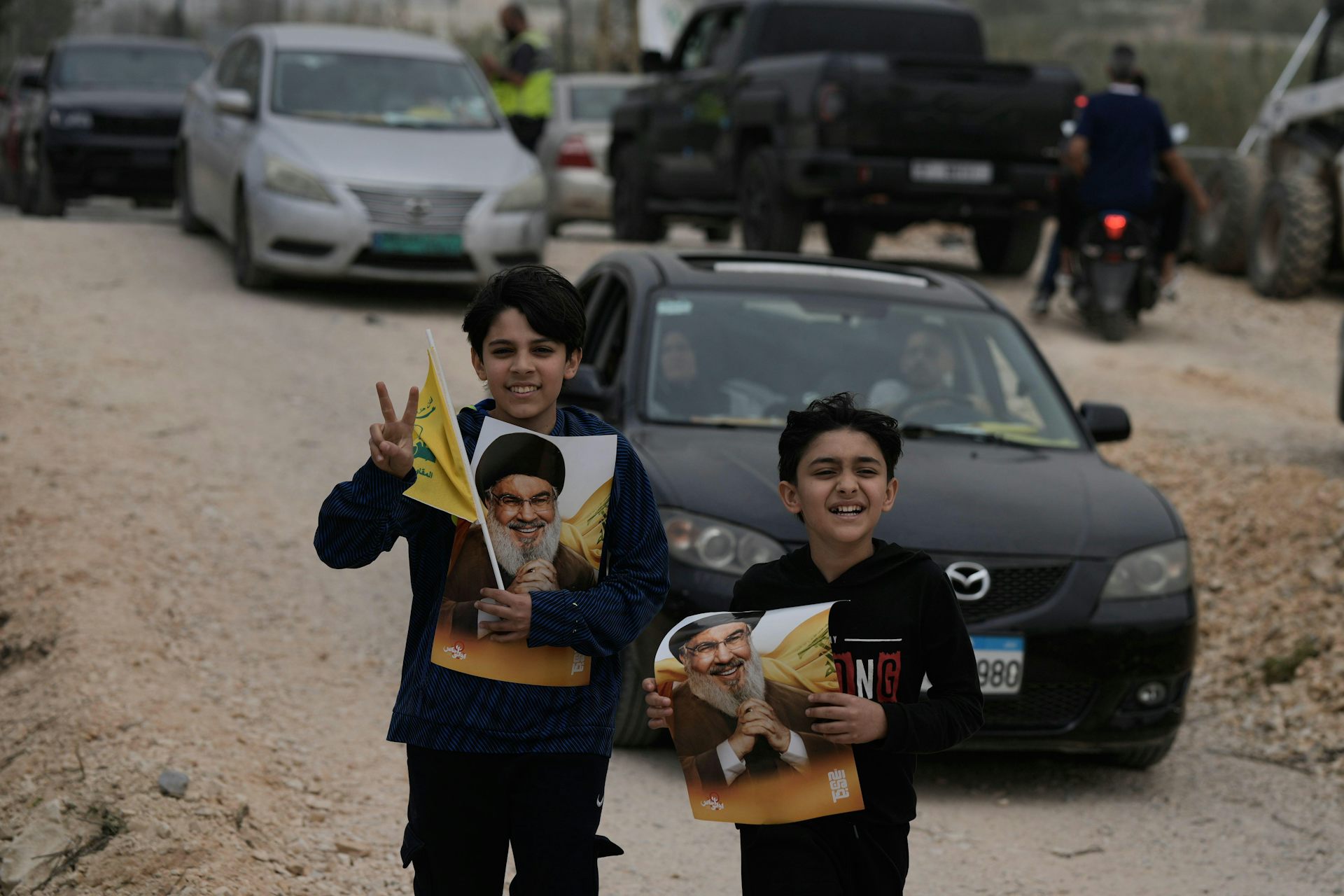
That is also why the simple frame of “Israel versus Hezbollah” erases so much. Many of those driven from their homes in the south or in Dahiyeh had grown critical of Hezbollah, or had not chosen this war at all. Yet they found themselves bombed out of neighbourhoods that had been designated as legitimate targets, because of an assumed association with Hezbollah. The civilians killed and displaced are not bystanders to somebody else’s conflict. They are among its principal victims.
这也是为什么“以色列对抗真主党”这种简单的框架抹去了太多东西。许多从南部或达希耶失去家园的人,原本对真主党持批评态度,或者根本没有选择参与这场战争。然而,他们却发现自己被轰炸出那些被指定为合法目标的社区,仅仅因为被认为与真主党有关联。那些被杀和流离失所的平民,并非旁观者,他们是这场冲突的主要受害者之一。
A ceasefire was announced on April 17, and – while Hezbollah has not formally endorsed it – the group appears to be observing it for now. Yet the truce leaves the central political question unresolved. Israeli officials have made clear they do not regard it as settling the question of southern Lebanon’s demilitarisation.
停火于4月17日宣布,尽管真主党尚未正式认可,但该组织目前似乎正在遵守停火协议。然而,休战并未解决核心的政治问题。以色列官员明确表示,他们不认为这解决了黎巴嫩南部非军事化的问题。
Expecting the Lebanese army to dismantle Hezbollah by force is unrealistic. If Hezbollah resisted — and it would — the result could be open civil conflict. It would fracture the army, deepen sectarian tensions, and drive Shia communities back behind the very organisation whose grip had begun to loosen, leaving it politically stronger than it was before the latest round of hostilities.
期望黎巴嫩军队通过武力瓦解真主党是不现实的。如果真主党抵抗——而它一定会抵抗——结果可能是公开的内战。这将使军队分裂,加剧教派紧张局势,并将什叶派社区推回到那个其影响力开始减弱的组织背后,使其政治力量比最近一轮敌对行动之前更加强大。
Any lasting settlement will have to reckon with the reality this war has exposed: Hezbollah is not Lebanon. But at the moment it’s Lebanon which is being punished.
任何持久的解决方案都必须正视这场战争所暴露的现实:真主党不是黎巴嫩。但目前遭受惩罚的是黎巴嫩。
John Nagle does not work for, consult, own shares in or receive funding from any company or organisation that would benefit from this article, and has disclosed no relevant affiliations beyond their academic appointment.
John Nagle不为任何从本文中受益的公司或组织工作、提供咨询、拥有股份或接受资金,并且除了其学术任命外,未披露任何相关隶属关系。