随着企业竞相追逐星辰,我们需要在空间治理方面进行国际合作。
As corporations race for the stars, we need internation…
Human activity is causing large disruptions to the near-Earth space environment. We need an intergovernmental panel on space sustainability.
人类活动正在对近地空间环境造成巨大干扰。我们需要一个关于空间可持续性的政府间小组。
The science academies of G7 member countries have identified international space governance as a pressing issue for the G7 Leaders’ Summit, to be held from June 15-17 in Evian, France.
G7成员国的科学学院已将国际空间治理确定为G7领导人峰会(于法国埃维安举行,时间为6月15日至17日)的一个紧迫议题。
The explosive growth of large satellite constellations over the last decade offers great promise for near-universal access to broadband internet. But this growth comes with risks that are not yet fully understood.
过去十年间,大型卫星星座的爆炸式增长为实现近乎普遍的宽带互联网接入提供了巨大前景。但这种增长也伴随着尚未完全了解的风险。
These include contamination of the night sky, disruption of astronomy research, increasing risk of satellite collisions and hazards from large numbers of satellites falling back to Earth.
这些风险包括夜空污染、干扰天文学研究、卫星碰撞风险增加,以及大量卫星坠回地球带来的危害。
Our understanding of the human impact on the near-Earth space environment is at a similar stage to our understanding of climate change back in the 1990s. We know that increased human activity is causing large disruptions to the space environment, but whether a tipping point is soon to be reached is not yet clear.
我们对人类对近地空间环境影响的了解,与我们在20世纪90年代了解气候变化时的阶段相似。我们知道人类活动的增加正在对空间环境造成巨大干扰,但是否即将达到临界点尚不明确。
In this context, one of the most significant recommendations for G7 member states is to establish an intergovernmental panel on space sustainability (IPSS) .
在这种背景下,对G7成员国最重要的建议之一是建立一个政府间空间可持续性小组(IPSS)。
Impacts on atmospheric chemistry
对大气化学的影响
Research and understanding of human impacts in space is still at a very early stage. For example, we don’t really know when some orbital altitudes will become so overpopulated with space debris that they reach operational capacity.
关于人类在太空影响的研究和理解仍处于非常初级阶段。例如,我们并不知道某些轨道高度何时会因为太空碎片过度拥挤而达到操作容量。
Scientists have also recently recognized that the increased global rocket-launch rate — with more than one rocket now being launched every day — may lead to a reversal in the recovery of the ozone layer.
科学家们最近还认识到,全球火箭发射率的增加——现在每天发射的火箭超过一艘——可能会导致臭氧层恢复进程逆转。
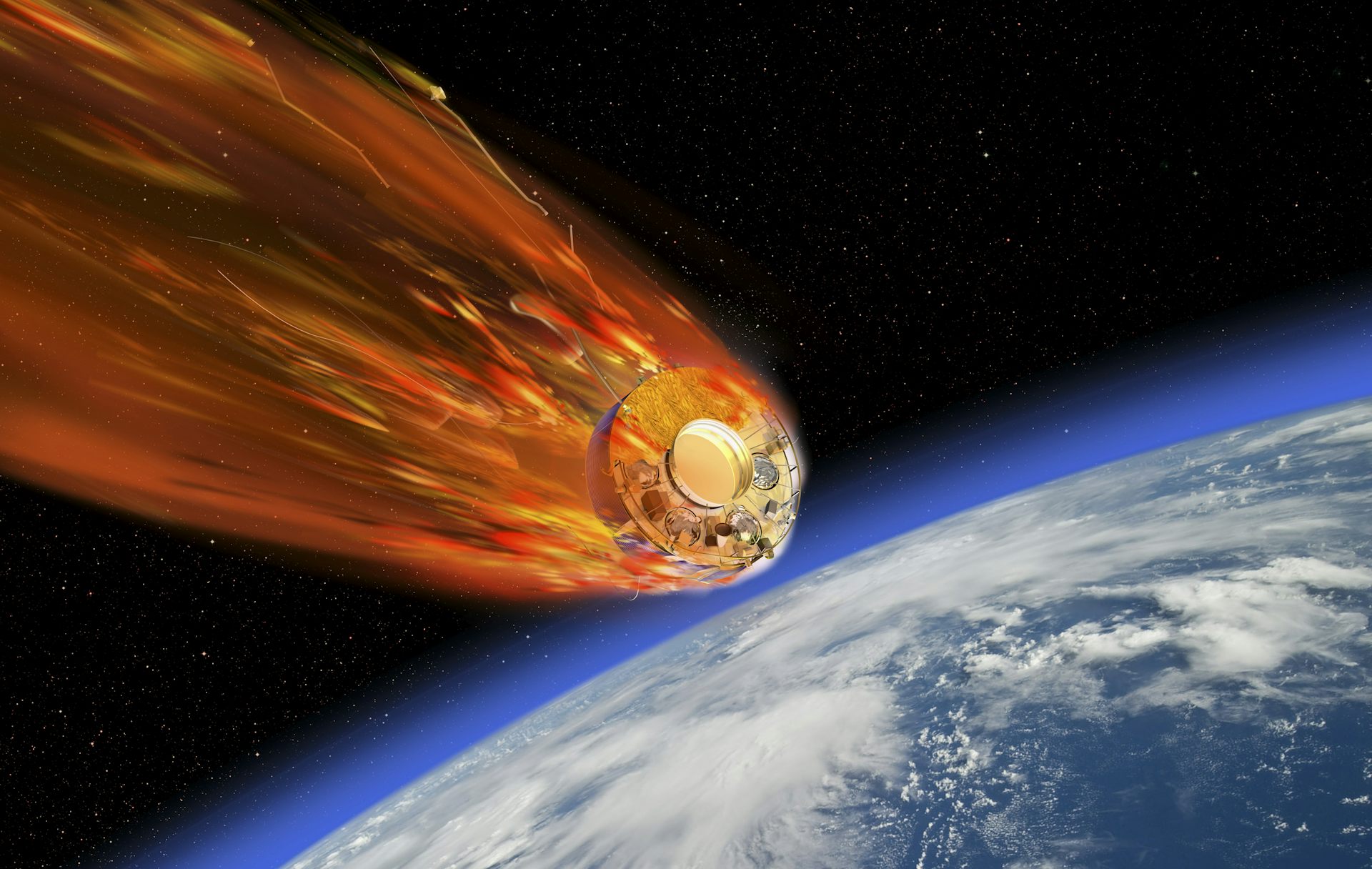
Similarly, we are aware that satellites burning up as they fall back to the Earth’s atmosphere will have significant effects on the chemistry in the upper atmosphere. We know there are now several of these large satellite re-entries occurring every day, but the full effects of this are not clear.
同样,我们知道卫星在坠入地球大气层时燃烧会对高层大气化学产生重大影响。我们知道现在每天都会发生几次大型卫星再入,但其全部影响尚不清楚。
Messy space governance
混乱的太空治理
Several scientific bodies now advise on policy in different areas of space sustainability. One is the Inter-Agency Space Debris Coordination Committee, which focuses on space debris degradation of the environment.
多个科学机构现在就太空可持续性的不同领域提供政策建议。其中一个是“跨机构空间碎片协调委员会”(Inter-Agency Space Debris Coordination Committee),它专注于空间碎片对环境的降解影响。
Another is the International Astronomical Union Centre for the Protection of the Dark and Quiet Sky, which co-ordinates efforts to reduce the impact of satellites on optical and radio astronomy.
另一个是国际天文学联合会“保护黑暗与宁静天空中心”(International Astronomical Union Centre for the Protection of the Dark and Quiet Sky),它协调努力以减少卫星对光学和射电天文学的影响。
But no single body exists to provide comprehensive policy input to governments for policy and regulatory decisions. The situation is similar to that in climate change research, when the early Advisory Group on Greenhouse Gases (AGGG) , formed in the 1980s, transitioned to the Intergovernmental Panel on Climate Change (IPCC) .
但目前没有单一机构能够为各国政府提供全面的政策输入,以用于政策和监管决策。这种情况类似于气候变化研究中的情况,当时最初的“温室气体咨询小组”(AGGG)成立于20世纪80年代,后过渡到了“政府间气候变化专门科学委员会”(IPCC)。
We urgently need an intergovernmental panel on space sustainability (IPSS) .
我们迫切需要一个关于太空可持续性的政府间专门科学委员会(IPSS)。
Ten years ago, the number of active satellites in low-Earth orbit numbered almost 2,000; today, it’s close to 20,000. In recent years, governments and corporations have announced plans for up to a million more.
十年前,低地球轨道上的活跃卫星数量接近2,000颗;而今天,这个数字已接近20,000颗。近年来,各国政府和企业宣布了部署多达一百万颗卫星的计划。
Defining global thresholds
定义全球阈值
How could this IPSS be structured, to approach space governance in a similar way to how the IPCC approached the climate change problem?
IPSS应如何构建,才能像IPCC处理气候变化问题那样来处理空间治理问题?
A primary goal should be to define global thresholds for sustainability. Much like the 1.5 C limit in climate science, the panel should identify thresholds beyond which specific orbital altitudes have reached carrying capacity.
首要目标应该是为可持续性定义全球阈值。就像气候科学中的1.5摄氏度限制一样,该小组应确定特定轨道高度达到承载容量的阈值。
Like the IPCC, an IPSS should include several working groups to provide transparent and accessible summaries of scientific results for policy makers.
与IPCC一样,IPSS应包括多个工作组,为政策制定者提供透明且易懂的科学结果摘要。
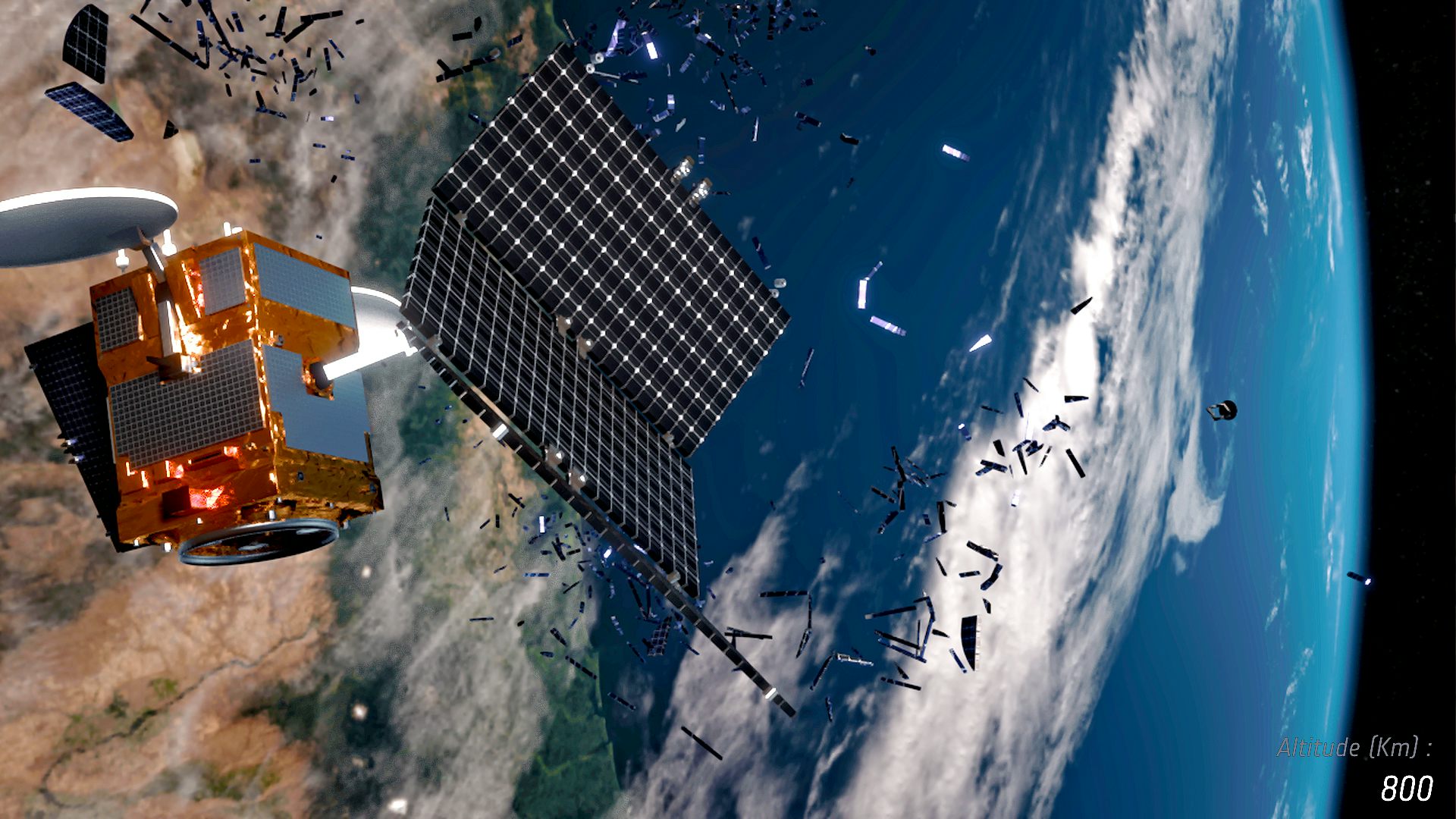
One should focus on the physical science of the orbital environment. This means the state of low-Earth orbit as a finite resource — including estimates of space debris and collision growth, effects of space weather and models of sustainable future launch traffic.
其中一个应侧重于轨道环境的物理科学。这意味着将近地轨道视为有限资源——包括空间碎片和碰撞增长的估计、空间天气的影响以及可持续未来发射流量的模型。
Another working group should centre on the environmental and societal impacts of large satellite constellations. This would assess stratospheric ozone depletion caused by rocket launch emissions, the effects of higher satellite re-entry rates, changes to atmospheric chemistry and increased casualty risks. It would also quantify their impact on ground-based astronomy.
另一个工作组应侧重于大型卫星星座的环境和社会影响。这将评估火箭发射排放引起的平流层臭氧耗竭、更高的卫星再入率的影响、大气化学的变化以及增加的伤亡风险。它还将量化其对地面天文学的影响。
Finally a working group on mitigation and policy could set the stage for clear international standards for post-mission satellite disposal, active debris removal and new licensing requirements that account for a constellation’s “system-wide” rather than “per-satellite” risk.
最后,一个关于缓解和政策的工作组可以为任务后卫星处置、主动碎片清除以及新的许可要求设定舞台,这些要求应考虑星座的“系统级”而非“单颗卫星”的风险。
Space traffic footprints
空间交通足迹
A useful addition to the IPSS would be a Task Force on Space Traffic Footprints. Modelled after the IPCC’s Task Force on National Greenhouse Gas Inventories, this body would develop standardized methodologies for states to report their “space traffic footprint” — the burden their space objects pose to the safety and sustainability of the low-Earth orbit environment.
IPSS的一个有益补充是设立一个空间交通足迹工作组。该工作组可借鉴政府间气候变化专门委员会(IPCC)的国家温室气体清单工作组的模式,为各国制定报告其“空间交通足迹”的标准化方法——即其空间物体对近地轨道环境安全和可持续性构成的负担。
Similar to the IPCC’s role in vetting climate models, the IPSS needs to provide independent assessment of claims regarding satellite demisability — the way satellites are safely decommissioned and de-orbited. This should evaluate how successful de-orbiting technologies are and how well we can track satellites and estimate their location uncertainties.
与IPCC在审查气候模型方面的作用类似,IPSS需要对卫星可处置性(即安全退役和离轨的方式)的声明提供独立评估。这应评估离轨技术的成功程度,以及我们跟踪卫星和估计其位置不确定性的能力。
By creating a co-ordinated international approach now, the IPSS will help balance the enormous promise of commercial activity in space with the environmental risks — just as the IPCC has done with Earth’s changing climate from human activities.
现在建立协调一致的国际方法,IPSS将有助于平衡空间商业活动的巨大潜力与环境风险——正如IPCC曾对人类活动改变地球气候所做的那样。
Peter Brown receives funding from the Natural Sciences and Engineering Research Council of Canada, the United Sstates National Aeronautics and Space Administration, the European Space Agency, Natural Resources Canada and Defence Research and Development Canada
Peter Brown的资金来源于加拿大自然科学与工程研究理事会、美国国家航空航天局、欧洲空间局、加拿大自然资源部和加拿大国防研究与发展局。