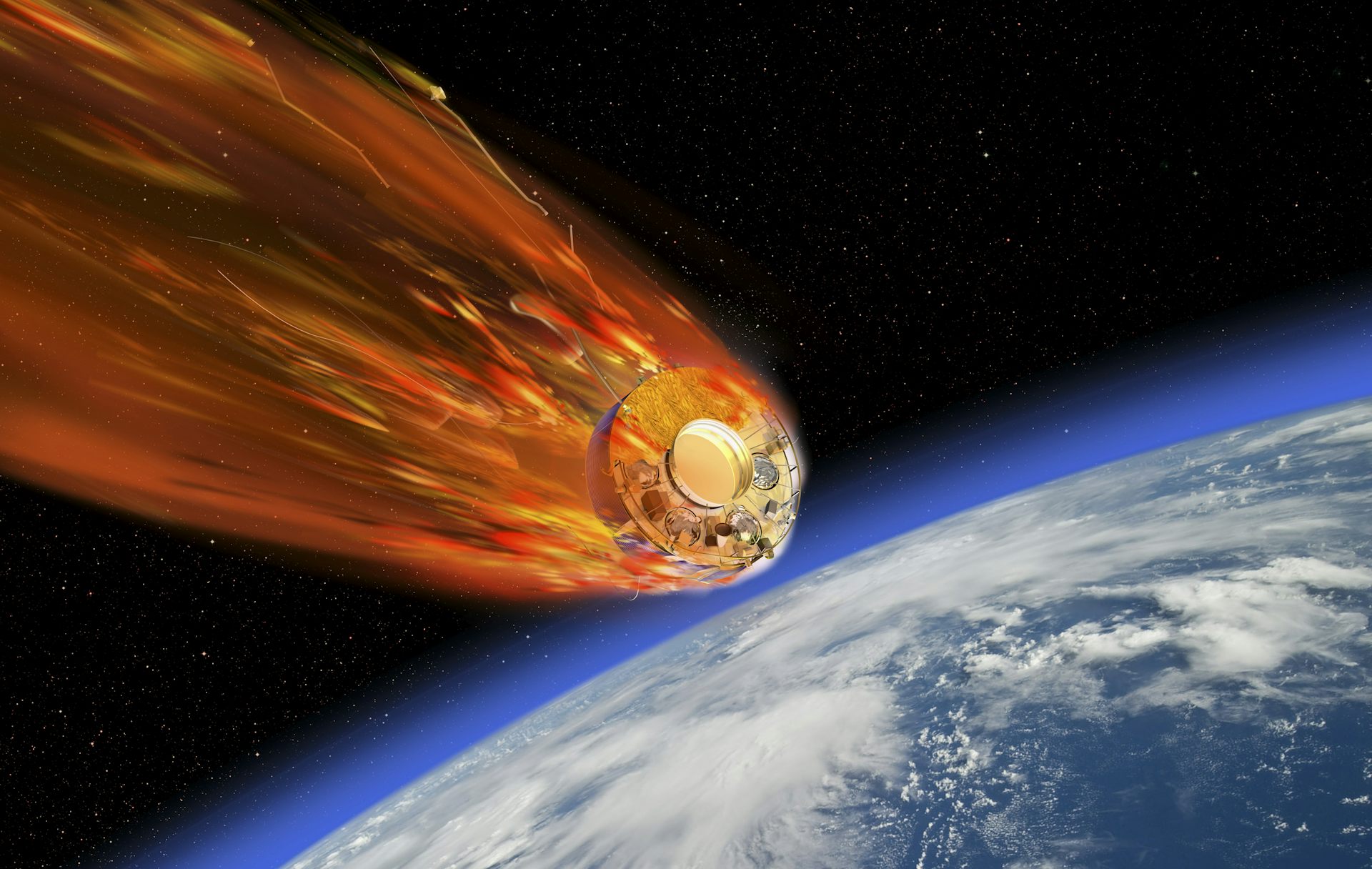
Ketika korporasi berlomba mencapai bintang-bintang, kita membutuhkan kolaborasi internasional dalam tata kelola antariksa
As corporations race for the stars, we need international collaboration on space governance
Human activity is causing large disruptions to the near-Earth space environment. We need an intergovernmental panel on space sustainability.
Aktivitas manusia menyebabkan gangguan besar pada lingkungan antariksa dekat Bumi. Kita membutuhkan panel antar-pemerintah tentang keberlanjutan antariksa.
The science academies of G7 member countries have identified international space governance as a pressing issue for the G7 Leaders’ Summit, to be held from June 15-17 in Evian, France.
Akademi sains negara-negara anggota G7 telah mengidentifikasi tata kelola ruang angkasa internasional sebagai isu mendesak untuk KTT Pemimpin G7, yang akan diadakan pada 15-17 Juni di Evian, Prancis.
The explosive growth of large satellite constellations over the last decade offers great promise for near-universal access to broadband internet. But this growth comes with risks that are not yet fully understood.
Pertumbuhan pesat konstelasi satelit besar selama dekade terakhir menawarkan janji besar untuk akses internet pita lebar yang hampir universal. Namun, pertumbuhan ini disertai dengan risiko yang belum sepenuhnya dipahami.
These include contamination of the night sky, disruption of astronomy research, increasing risk of satellite collisions and hazards from large numbers of satellites falling back to Earth.
Ini termasuk kontaminasi langit malam, gangguan penelitian astronomi, peningkatan risiko tabrakan satelit, dan bahaya dari banyaknya satelit yang jatuh kembali ke Bumi.
Our understanding of the human impact on the near-Earth space environment is at a similar stage to our understanding of climate change back in the 1990s. We know that increased human activity is causing large disruptions to the space environment, but whether a tipping point is soon to be reached is not yet clear.
Pemahaman kita tentang dampak manusia pada lingkungan ruang angkasa dekat Bumi berada pada tahap yang serupa dengan pemahaman kita tentang perubahan iklim pada tahun 1990-an. Kita tahu bahwa peningkatan aktivitas manusia menyebabkan gangguan besar pada lingkungan ruang angkasa, tetapi apakah titik kritis akan segera tercapai belum jelas.
In this context, one of the most significant recommendations for G7 member states is to establish an intergovernmental panel on space sustainability (IPSS) .
Dalam konteks ini, salah satu rekomendasi paling signifikan bagi negara-negara anggota G7 adalah membentuk panel antar pemerintah tentang keberlanjutan ruang angkasa (IPSS) .
Impacts on atmospheric chemistry
Dampak pada kimia atmosfer
Research and understanding of human impacts in space is still at a very early stage. For example, we don’t really know when some orbital altitudes will become so overpopulated with space debris that they reach operational capacity.
Penelitian dan pemahaman tentang dampak manusia di luar angkasa masih pada tahap yang sangat awal. Misalnya, kita tidak benar-benar tahu kapan beberapa ketinggian orbit akan menjadi terlalu padat dengan puing-puing antariksa sehingga mencapai kapasitas operasional.
Scientists have also recently recognized that the increased global rocket-launch rate — with more than one rocket now being launched every day — may lead to a reversal in the recovery of the ozone layer.
Para ilmuwan juga baru-baru ini menyadari bahwa peningkatan laju peluncuran roket global — dengan lebih dari satu roket yang diluncurkan setiap hari — dapat menyebabkan pembalikan pemulihan lapisan ozon.
Similarly, we are aware that satellites burning up as they fall back to the Earth’s atmosphere will have significant effects on the chemistry in the upper atmosphere. We know there are now several of these large satellite re-entries occurring every day, but the full effects of this are not clear.
Demikian pula, kami menyadari bahwa satelit yang terbakar saat jatuh kembali ke atmosfer Bumi akan memiliki efek signifikan pada kimia di atmosfer atas. Kami tahu bahwa sekarang ada beberapa masuknya satelit besar ini yang terjadi setiap hari, tetapi efek penuhnya belum jelas.
Messy space governance
Tata Kelola Ruang Angkasa yang Berantakan
Several scientific bodies now advise on policy in different areas of space sustainability. One is the Inter-Agency Space Debris Coordination Committee, which focuses on space debris degradation of the environment.
Beberapa badan ilmiah kini memberikan saran kebijakan di berbagai bidang keberlanjutan ruang angkasa. Salah satunya adalah Inter-Agency Space Debris Coordination Committee, yang berfokus pada degradasi sampah antariksa terhadap lingkungan.
Another is the International Astronomical Union Centre for the Protection of the Dark and Quiet Sky, which co-ordinates efforts to reduce the impact of satellites on optical and radio astronomy.
Lainnya adalah International Astronomical Union Centre for the Protection of the Dark and Quiet Sky, yang mengoordinasikan upaya untuk mengurangi dampak satelit pada astronomi optik dan radio.
But no single body exists to provide comprehensive policy input to governments for policy and regulatory decisions. The situation is similar to that in climate change research, when the early Advisory Group on Greenhouse Gases (AGGG) , formed in the 1980s, transitioned to the Intergovernmental Panel on Climate Change (IPCC) .
Namun, tidak ada badan tunggal yang memberikan masukan kebijakan komprehensif kepada pemerintah untuk keputusan kebijakan dan regulasi. Situasinya mirip dengan penelitian perubahan iklim, ketika Advisory Group on Greenhouse Gases (AGGG) awal, yang dibentuk pada tahun 1980-an, bertransisi menjadi Intergovernmental Panel on Climate Change (IPCC) .
We urgently need an intergovernmental panel on space sustainability (IPSS) .
Kita sangat membutuhkan panel antar-pemerintah tentang keberlanjutan ruang angkasa (IPSS) .
Ten years ago, the number of active satellites in low-Earth orbit numbered almost 2,000; today, it’s close to 20,000. In recent years, governments and corporations have announced plans for up to a million more.
Sepuluh tahun lalu, jumlah satelit aktif di orbit Bumi rendah berjumlah hampir 2.000; hari ini, angkanya mendekati 20.000. Dalam beberapa tahun terakhir, pemerintah dan perusahaan telah mengumumkan rencana untuk hingga satu juta lebih banyak.
Defining global thresholds
Mendefinisikan ambang batas global
How could this IPSS be structured, to approach space governance in a similar way to how the IPCC approached the climate change problem?
Bagaimana IPSS ini dapat disusun, untuk mendekati tata kelola antariksa dengan cara yang serupa dengan cara IPCC mendekati masalah perubahan iklim?
A primary goal should be to define global thresholds for sustainability. Much like the 1.5 C limit in climate science, the panel should identify thresholds beyond which specific orbital altitudes have reached carrying capacity.
Tujuan utama haruslah mendefinisikan ambang batas global untuk keberlanjutan. Sama seperti batas 1,5 C dalam ilmu iklim, panel ini harus mengidentifikasi ambang batas di mana ketinggian orbit tertentu telah mencapai kapasitas dukung.
Like the IPCC, an IPSS should include several working groups to provide transparent and accessible summaries of scientific results for policy makers.
Seperti IPCC, IPSS harus mencakup beberapa kelompok kerja untuk memberikan ringkasan hasil ilmiah yang transparan dan mudah diakses bagi pembuat kebijakan.
One should focus on the physical science of the orbital environment. This means the state of low-Earth orbit as a finite resource — including estimates of space debris and collision growth, effects of space weather and models of sustainable future launch traffic.
Salah satunya harus berfokus pada ilmu fisika lingkungan orbit. Ini berarti kondisi orbit Bumi rendah sebagai sumber daya terbatas — termasuk perkiraan sampah antariksa dan pertumbuhan tabrakan, efek cuaca antariksa, dan model lalu lintas peluncuran masa depan yang berkelanjutan.
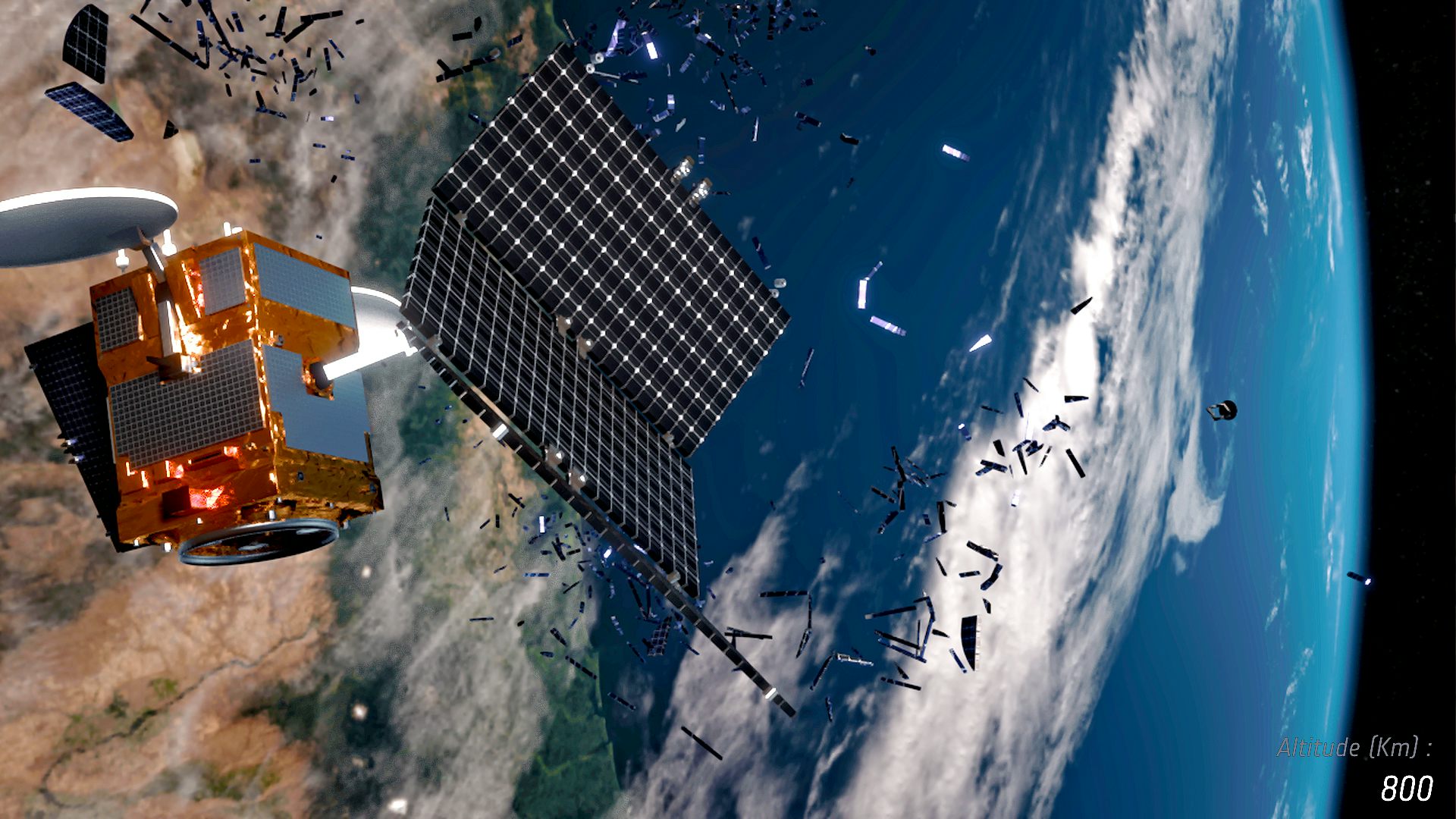
Another working group should centre on the environmental and societal impacts of large satellite constellations. This would assess stratospheric ozone depletion caused by rocket launch emissions, the effects of higher satellite re-entry rates, changes to atmospheric chemistry and increased casualty risks. It would also quantify their impact on ground-based astronomy.
Kelompok kerja lain harus berpusat pada dampak lingkungan dan sosial dari konstelasi satelit besar. Ini akan menilai penipisan ozon stratosfer yang disebabkan oleh emisi peluncuran roket, efek dari tingkat masuk kembali satelit yang lebih tinggi, perubahan pada kimia atmosfer, dan peningkatan risiko korban. Ini juga akan mengukur dampak mereka pada astronomi berbasis darat.
Finally a working group on mitigation and policy could set the stage for clear international standards for post-mission satellite disposal, active debris removal and new licensing requirements that account for a constellation’s “system-wide” rather than “per-satellite” risk.
Akhirnya, kelompok kerja tentang mitigasi dan kebijakan dapat menyiapkan panggung untuk standar internasional yang jelas untuk pembuangan satelit pasca-misi, penghapusan puing aktif, dan persyaratan perizinan baru yang memperhitungkan risiko “seluruh sistem” konstelasi daripada “per-satelit.”
Space traffic footprints
Jejak Lalu Lintas Antariksa
A useful addition to the IPSS would be a Task Force on Space Traffic Footprints. Modelled after the IPCC’s Task Force on National Greenhouse Gas Inventories, this body would develop standardized methodologies for states to report their “space traffic footprint” — the burden their space objects pose to the safety and sustainability of the low-Earth orbit environment.
Tambahan yang berguna untuk IPSS adalah Gugus Tugas Jejak Lalu Lintas Antariksa. Dimodelkan berdasarkan Gugus Tugas Inventaris Gas Rumah Kaca Nasional IPCC, badan ini akan mengembangkan metodologi standar bagi negara-negara untuk melaporkan “jejak lalu lintas antariksa” mereka — beban yang ditimbulkan oleh objek antariksa mereka terhadap keselamatan dan keberlanjutan lingkungan orbit Bumi rendah.
Similar to the IPCC’s role in vetting climate models, the IPSS needs to provide independent assessment of claims regarding satellite demisability — the way satellites are safely decommissioned and de-orbited. This should evaluate how successful de-orbiting technologies are and how well we can track satellites and estimate their location uncertainties.
Serupa dengan peran IPCC dalam memverifikasi model iklim, IPSS perlu memberikan penilaian independen atas klaim mengenai demisibilitas satelit — cara satelit dinonaktifkan dan dihilangkan dari orbit dengan aman. Ini harus mengevaluasi seberapa berhasil teknologi de-orbiting dan seberapa baik kita dapat melacak satelit dan memperkirakan ketidakpastian lokasi mereka.
By creating a co-ordinated international approach now, the IPSS will help balance the enormous promise of commercial activity in space with the environmental risks — just as the IPCC has done with Earth’s changing climate from human activities.
Dengan menciptakan pendekatan internasional yang terkoordinasi sekarang, IPSS akan membantu menyeimbangkan janji besar aktivitas komersial di luar angkasa dengan risiko lingkungan — sama seperti yang telah dilakukan IPCC terhadap perubahan iklim Bumi dari aktivitas manusia.
Peter Brown receives funding from the Natural Sciences and Engineering Research Council of Canada, the United Sstates National Aeronautics and Space Administration, the European Space Agency, Natural Resources Canada and Defence Research and Development Canada
Peter Brown menerima pendanaan dari Natural Sciences and Engineering Research Council of Canada, the United States National Aeronautics and Space Administration, the European Space Agency, Natural Resources Canada dan Defence Research and Development Canada
Read more
-

Apa arti ‘era pasca-antibiotik’ bagi kedokteran modern
What a ‘post-antibiotic era’ could mean for modern medicine
-
Menjadi tuan rumah bagi Putin dan Trump, Tiongkok mengirimkan pesan – kini ia yang memegang kendali.
Playing host to Putin and Trump, China sends a message – it’s now in the driver’s seat