博物馆一直与欧洲帝国主义纠缠在一起。世界上第一个“AI艺术”博物馆会不同吗?
Museums have always been entangled with European imperi…
Dataland will be a ‘living museum’. But behind its futuristic facade and the fleeting cultural landscapes hosted inside, the museum has much deeper historical roots.
Dataland 将是一个“活态博物馆”。但在其未来主义的外表和内部容纳的转瞬即逝的文化景观之下,这座博物馆拥有更深厚的历史根源。
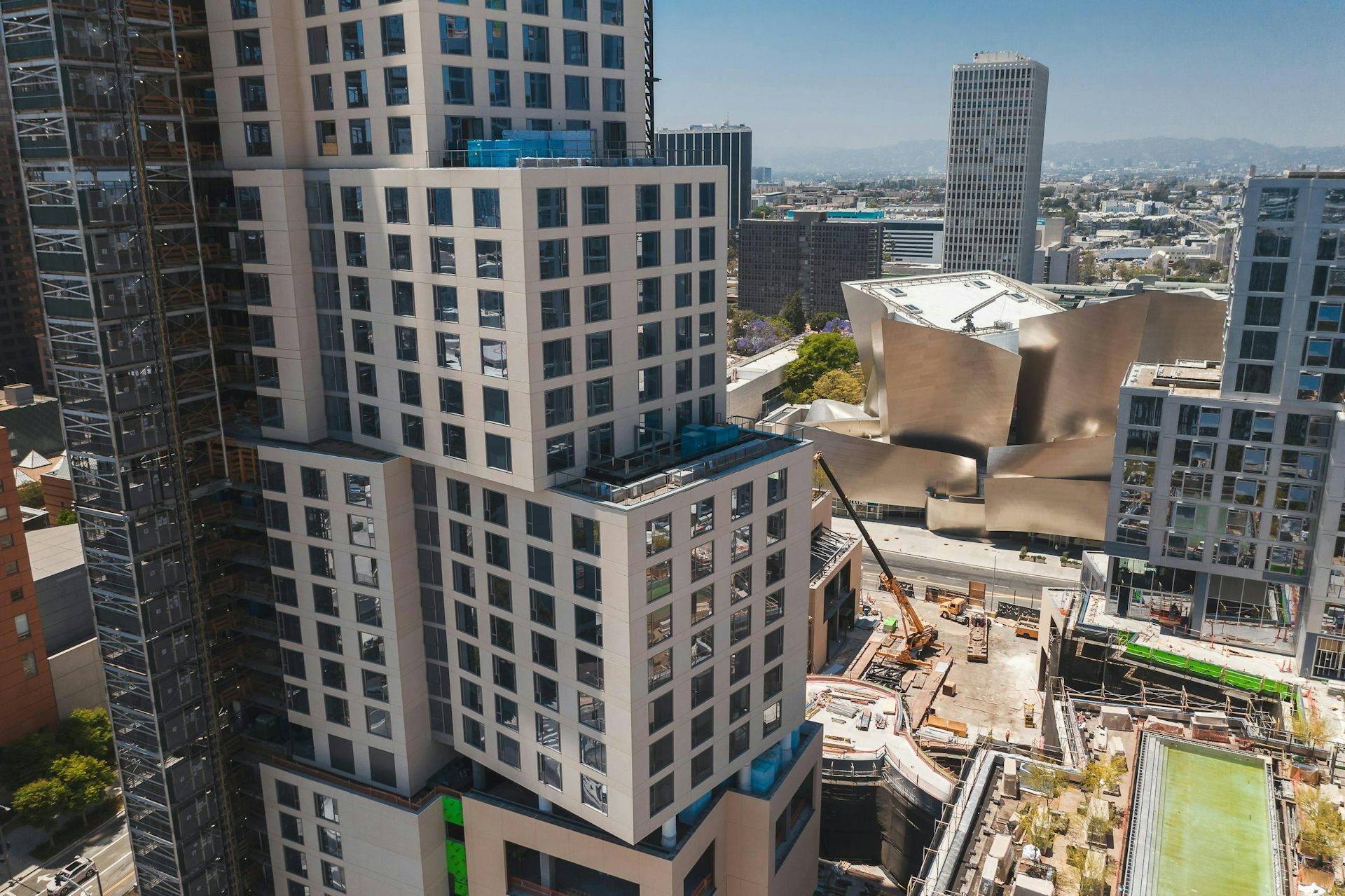
The “world first museum of AI arts” is scheduled to open next month in a 35,000 square feet purpose-built facility in downtown Los Angeles.
“世界首个AI艺术博物馆”定于下月在洛杉矶市中心一座占地35,000平方英尺的专用设施内开幕。
Dataland is the brainchild of Refik Anadol and Efsun Erkiliç, artists known for using artificial intelligence and vast datasets to create large-scale immersive art projects.
Dataland 是 Refik Anadol 和 Efsun Erkiliç 的作品,这两位艺术家以利用人工智能和海量数据集来创作大型沉浸式艺术项目而闻名。
The “living museum” will present a continuously evolving immersive, audiovisual experience based on millions of images, sounds and scents from nature. As an indication of what it will be like, Dataland’s website presents phantasmagorical images of ecological wonder and awe.
“活博物馆”将呈现一种基于来自大自然的数百万张图像、声音和气味的持续演变的沉浸式、视听体验。作为对其未来样貌的预告,Dataland的网站展示了生态奇观和敬畏的幻象般的图像。
Anadol says he wants Dataland to
安纳多尔说他希望Dataland能
develop a new paradigm of what a museum can be, by fusing human imagination with machine intelligence and the most advanced technologies available.
开发一种博物馆的新范式,将人类想象力与机器智能以及最先进的技术融合。
But behind its futuristic facade and the fleeting cultural landscapes hosted inside, the museum has much deeper historical roots.
然而,在其未来主义的外观和内部举办的转瞬即逝的文化景观背后,这座博物馆拥有更深厚的历史根源。
The birth of the museum
博物馆的诞生
A clear connection exists between the aspirations and dreams of Dataland’s founders and the 19th century fascination with emerging technologies. Large-scale exhibitions promised new forms of public spectacle and commercialised entertainment.
数据之地创始人抱负与梦想,与19世纪对新兴技术的迷恋之间存在着清晰的联系。大型展览预示了新型的公众奇观和商业化娱乐形式。
The Crystal Palace exhibition was held in London in 1851. Its purpose-built glass and iron building was considered a technological marvel.
水晶宫展览于1851年在伦敦举行。其专门建造的玻璃和钢铁建筑被视为一项技术奇迹。
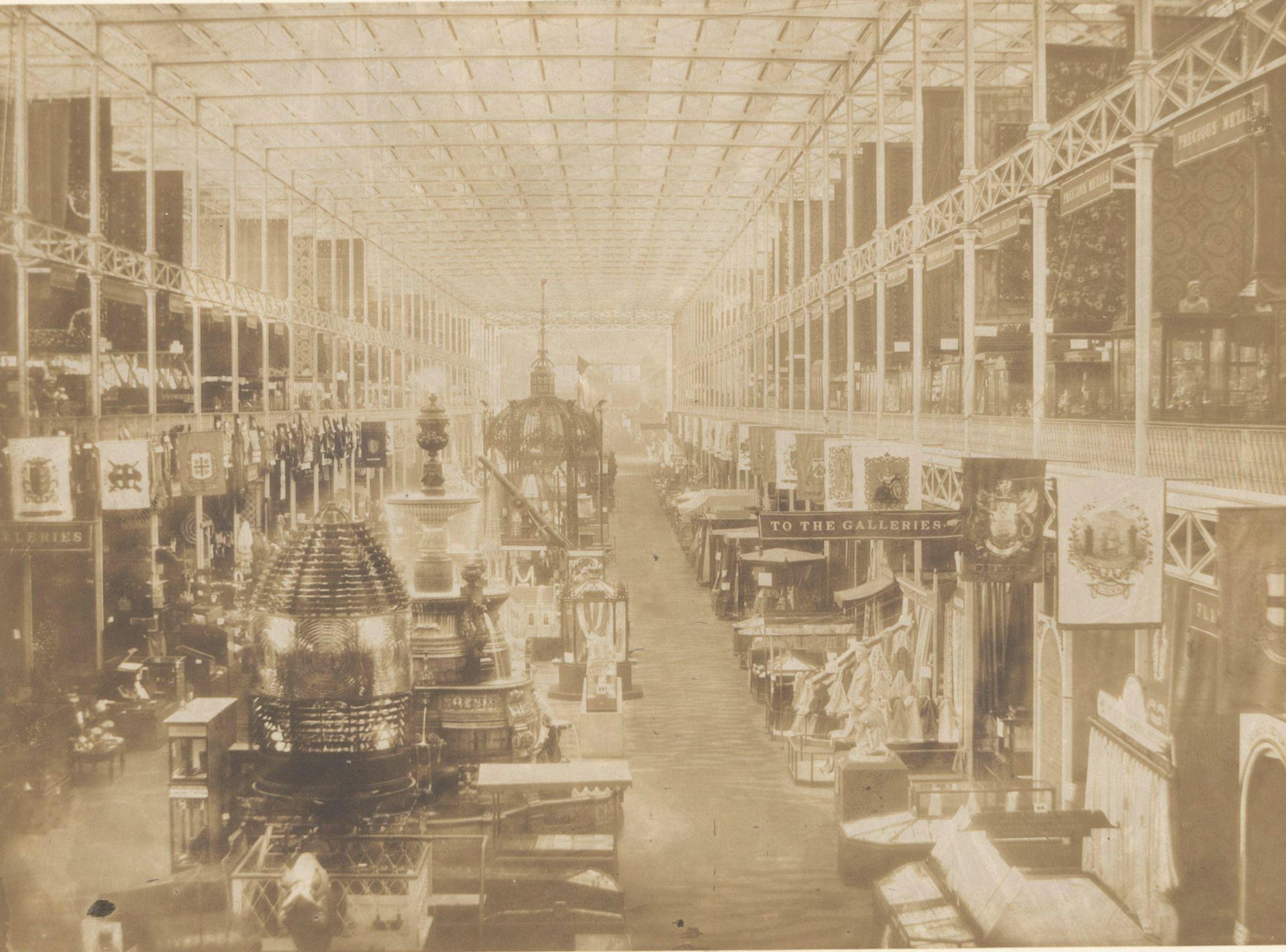
Visited by over six million people, it was designed to promote Britain as an industrial power.
该展会吸引了超过六百万游客,旨在将英国推介为工业强国。
It showcased more than 100,000 objects from around the globe. These included locomotives, hydraulic presses, agricultural products and musical instruments. Its most famous item was the world’s largest-known diamond, acquired from India two years earlier for Queen Victoria.
它展示了来自全球的超过10万件展品。这些展品包括机车、液压机、农产品和乐器。其最著名的展品是世界上已知最大的钻石,该钻石于两年前从印度购得,献给维多利亚女王。
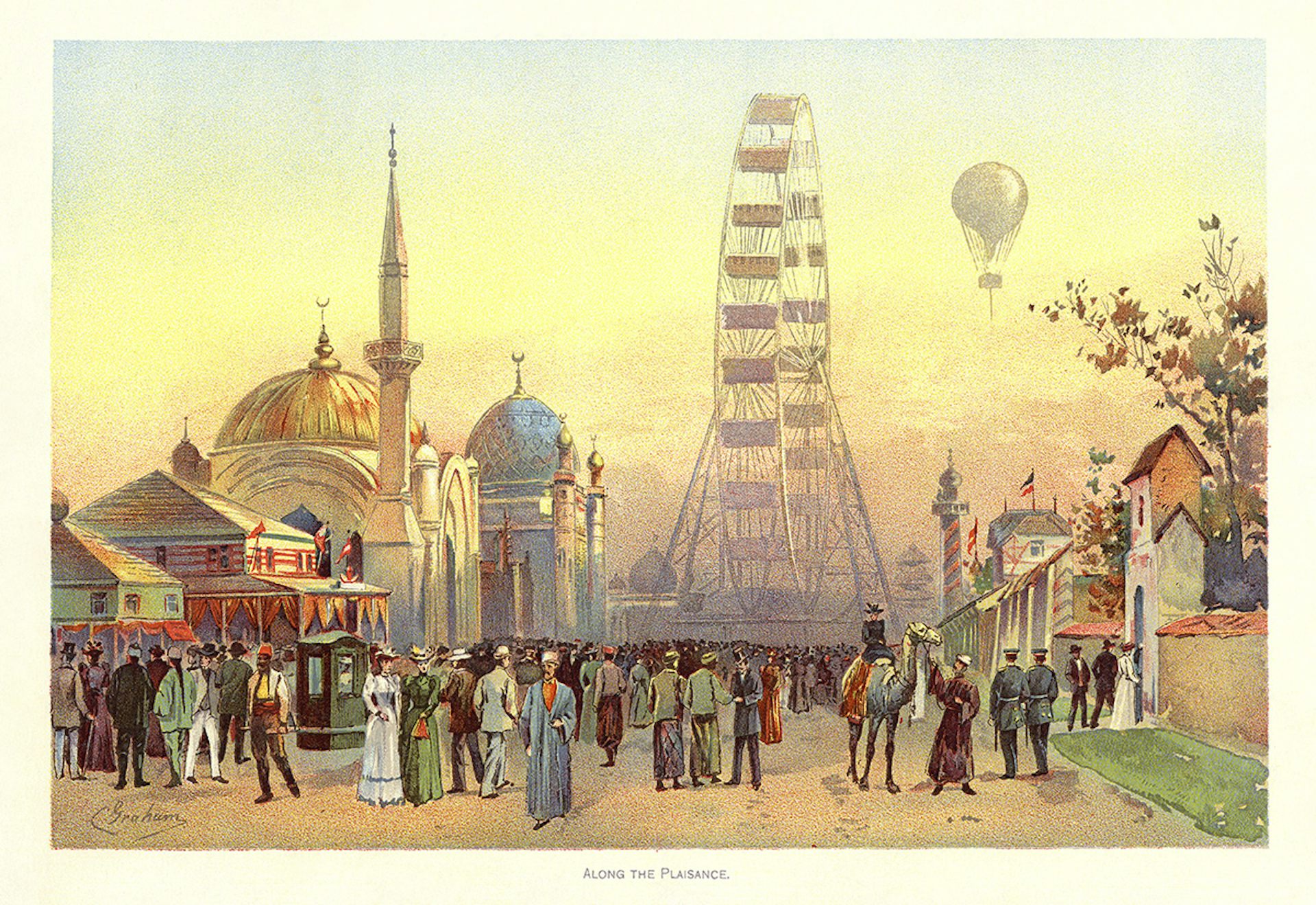
The “midway” at the 1893 Chicago World’s Fair was famous for its exhilarating amusements and living exhibits.
1893年芝加哥世界博览会的“游乐区”以其刺激的娱乐项目和活体展品而闻名。
Premier attractions were the world’s first Ferris wheel and the world’s first commercial movie theatre. It also featured human display villages, or “human zoos”, that reinforced racist colonial hierarchies.
主要的景点包括世界上第一座摩天轮和世界上第一家商业电影院。它还展示了人类展示村,或“人类动物园”,这些展品强化了种族主义的殖民等级制度。
This era kicked off the modern public museum movement in Europe and the United States. Early museums were rooted in Enlightenment ideals of industrial and technological progress, civic education and national identity.
这一时期开启了欧洲和美国现代公共博物馆运动。早期博物馆植根于启蒙思想,关注工业和技术进步、公民教育和民族认同。
Museums including the South Kensington Museum (1857) and the Smithsonian’s Graphic Arts Department (1897) extended visitor fascination with new technologies such as cinema and railway travel, and sold mass-produced souvenirs of exotic and intriguing cultures.
包括南肯辛顿博物馆(1857年)和史密森尼学会图形艺术部(1897年)在内的博物馆,扩大了参观者对电影和铁路旅行等新技术的兴趣,并销售了大量生产的异域和奇特文化的纪念品。
Just as we today express conflicted views about AI-generated art, 19th-century audiences needed to learn how to respond to new cultural forms. Entertainment was key.
正如我们今天对AI生成艺术表达出矛盾的看法一样,19世纪的观众也需要学习如何应对新的文化形式。娱乐是关键。
They quickly learnt viewing motion pictures was a social and public activity, improved if they suspended disbelief and expressed individual reactions.
他们很快学会了观看电影是一种社交和公共活动,如果他们悬置怀疑并表达个人反应,这种体验会更好。
The most well-known (albeit exaggerated) account describes an 1895 screening of a Lumière Brothers film. As the moving image of a train seemingly hurtled toward the audience, viewers are said to have screamed and ducked under seats.
最著名的(尽管有些夸张的)记载描述了1895年一场卢米埃尔兄弟电影的放映。当一列火车动态影像似乎冲向观众时,据说观众们惊叫并躲到了座位底下。
Global exploitation
全球剥削
There is a darker side to the 19th-century precursors of Dataland.
在Dataland的19世纪前身中,存在着一个更黑暗的侧面。
The project’s dataset is a large nature model (LNM) – an open-source model trained on half a billion images sourced “ethically” from partner institutions including the Smithsonian in Washington, DC, and London’s Natural History Museum.
该项目的数据集是一个大型自然模型(LNM)——一个开源模型,使用了“道德地”从包括华盛顿特区史密森尼学会和伦敦自然历史博物馆在内的合作机构获取的五亿张图像进行训练。
These images are complemented by data gathered by Anadol’s team from 16 rainforests “from Chile to Indonesia to Australia”.
这些图像辅以Anadol团队从“智利到印度尼西亚再到澳大利亚”的16个雨林收集的数据。
Dataland’s website does not provide provenance information about partner institution’s source collections. But we know they would likely include 19th century specimens.
Dataland的网站没有提供关于合作机构来源馆藏的出处信息。但我们知道,这些馆藏很可能包括19世纪的标本。
Natural history collecting was a lucrative industry in the 19th century. The increasing ease with which people and commodities were able to travel the world expanded supply chains and the global industry of specimen transfer.
自然历史采集在19世纪是一个利润丰厚的产业。人们和商品能够环游世界的便利性增加,扩大了供应链和全球标本转移产业。
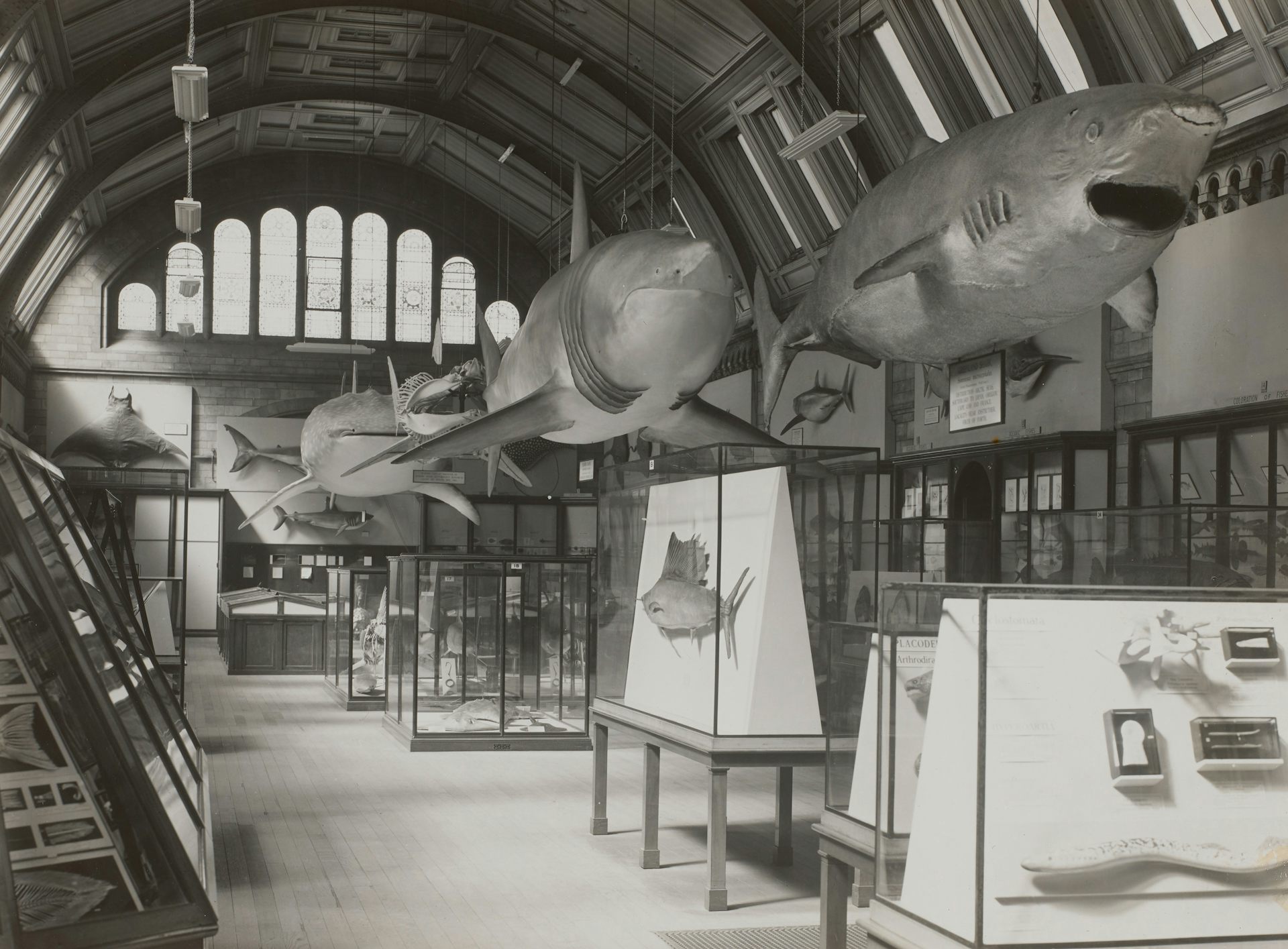
Museum collecting was deeply entangled with the violent, systemic processes of European imperialism, colonial expansion and scientific exploitation.
博物馆的采集工作与欧洲帝国主义、殖民扩张和科学剥削的暴力、系统性过程深度交织。
Dataland promotes its “permission-based” approach to using data from institutions. It cites contemporary collaboration with the Yawanawá people of the Amazon as “radically responsible”.
Dataland推广其使用机构数据的“基于许可”的方法。它将与亚马逊雅瓦纳瓦人(Yawanawá)的当代合作描述为“极具责任感”。
It also insists it manages the environmental impact of the museum’s consumption of natural resources.
它还坚持管理博物馆消耗自然资源的对环境的影响。
But Dataland does not appear to apply its own ethical standards for producing collections from rainforests to the vast historical resources it sources from its partner museums.
但Dataland似乎没有将其为从雨林采集馆藏所制定的伦理标准,应用于其从合作博物馆获取的庞大历史资源。
It is silent on the obligations it may have to contemporary descendants of communities from which specimens and knowledge were extracted. It provides no guardrails about appropriate cultural protocols or safeguards for anyone wanting to access or learn more about any of its collections.
它对自身可能对那些标本和知识被提取的社区的当代后代所负的义务保持沉默。它没有提供任何关于适当文化协议或任何希望访问或了解其任何馆藏的人的保障措施。
This approach is out of step with the United Nations Declaration on the Rights of Indigenous Peoples. The declaration enshrines the rights of Indigenous peoples to self-determination over their data. This includes traditional knowledge and ownership over natural resources.
这种做法与《联合国原住民权利宣言》背道而驰。该宣言确立了原住民对其数据的自决权。这包括传统知识和自然资源的所有权。
Many of the kinds of institutions Dataland has partnered with are now seeking to repair the loss of Indigenous knowledge, cultural heritage and authority caused by colonial collecting.
Dataland合作的许多类型的机构现在正寻求修复因殖民采集造成的原住民知识、文化遗产和权威的损失。
The Natural Sciences Collections Association UK explains this reparative work is
英国自然科学馆藏协会解释说,这种修复性工作是
proactive in telling hidden truths however difficult, about how we got our collections – [we must] acknowledge we have them, but at what cost?
积极地揭示了无论多么困难的隐藏真相,关于我们如何获得这些馆藏——[我们必须]承认我们拥有它们,但代价是什么?
The lack of transparency and self-awareness regarding the large nature model’s use of historical collection materials is a significant oversight. It echoes criticism that AI art does not adequately seek human consent or offer credit or compensation for contemporary art.
缺乏透明度和自我意识,尤其是在大型自然模型使用历史馆藏材料方面,是一个重大的疏忽。这呼应了批评,即人工智能艺术没有充分寻求人类同意,也没有为当代艺术提供署名或补偿。
Dataland is a museum of the future. But it cannot outrun the historical and very human legacies of the form it has chosen to align itself with – the museum.
Dataland是一个未来的博物馆。但它无法逃脱其选择依附的形式——博物馆——所承载的历史和非常人性化的遗产。
Kylie Message does not work for, consult, own shares in or receive funding from any company or organisation that would benefit from this article, and has disclosed no relevant affiliations beyond their academic appointment.
Kylie Message不为任何从本文中受益的公司或组织工作、咨询、拥有股份或接受资金,并且除了其学术任命外,未披露任何相关隶属关系。
Read more
-

“Bingles、指球和‘啤酒桶波尔卡’——数百部被遗忘的著作展示了棒球学术研究的多元世界”
Bingles, knuckleballs and ‘Beer Barrel Polka’ – hundred…