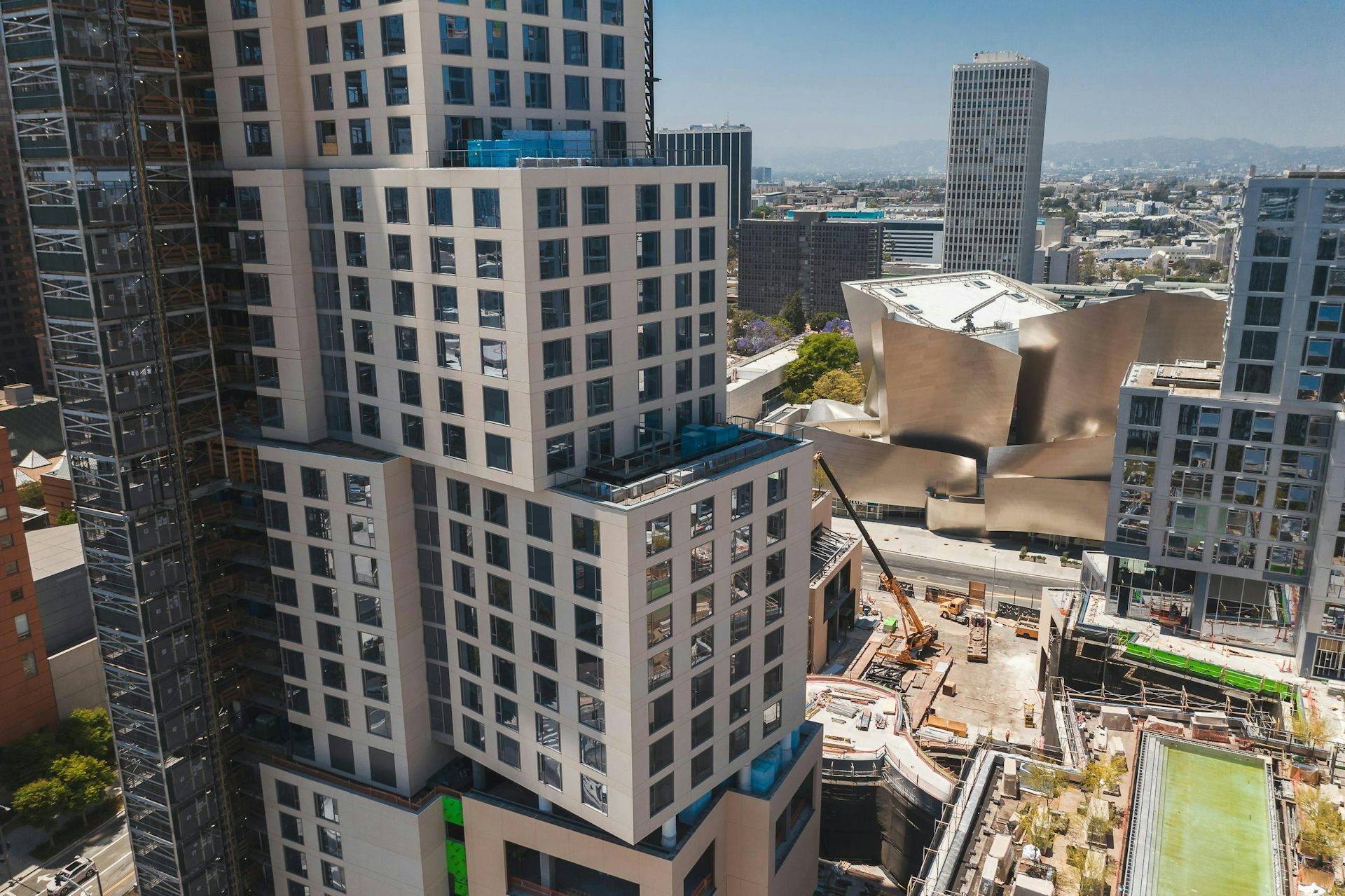
لطالما كانت المتاحف متشابكة مع الإمبريالية الأوروبية. فهل سيكون متحف فن الذكاء الاصطناعي الأول في العالم مختلفاً؟
Museums have always been entangled with European imperialism. Will the world’s first ‘AI art’ museum be any different?
Dataland will be a ‘living museum’. But behind its futuristic facade and the fleeting cultural landscapes hosted inside, the museum has much deeper historical roots.
ستكون “داتا لاند” بمثابة “متحف حي”. ولكن وراء واجهته المستقبلية والمشاهد الثقافية العابرة المستضافة في الداخل، يمتلك المتحف جذوراً تاريخية أعمق بكثير.
The “world first museum of AI arts” is scheduled to open next month in a 35,000 square feet purpose-built facility in downtown Los Angeles.
من المقرر افتتاح “المتحف العالمي الأول لفنون الذكاء الاصطناعي” الشهر القادم في منشأة مخصصة بمساحة 35,000 قدم مربع في وسط مدينة لوس أنجلوس.
Dataland is the brainchild of Refik Anadol and Efsun Erkiliç, artists known for using artificial intelligence and vast datasets to create large-scale immersive art projects.
داتا لاند هو نتاج رفيق أنادول وإفسون إركيليتش، وهما فنانان معروفان باستخدامهما للذكاء الاصطناعي ومجموعات البيانات الضخمة لإنشاء مشاريع فنية غامرة واسعة النطاق.
The “living museum” will present a continuously evolving immersive, audiovisual experience based on millions of images, sounds and scents from nature. As an indication of what it will be like, Dataland’s website presents phantasmagorical images of ecological wonder and awe.
سيعرض “المتحف الحي” تجربة سمعية بصرية غامرة ومتطورة باستمرار، تعتمد على ملايين الصور والأصوات والروائح المستمدة من الطبيعة. وكدليل على ما سيبدو عليه، يعرض موقع داتالاند صوراً سريالية للعجب والرهبة البيئية.
Anadol says he wants Dataland to
أنادول يقول إنه يريد لـ داتالاند أن
develop a new paradigm of what a museum can be, by fusing human imagination with machine intelligence and the most advanced technologies available.
تطوير نموذج جديد لمفهوم المتحف، عبر دمج الخيال البشري بالذكاء الاصطناعي وأحدث التقنيات المتاحة.
But behind its futuristic facade and the fleeting cultural landscapes hosted inside, the museum has much deeper historical roots.
لكن خلف واجهته المستقبلية والمشاهد الثقافية العابرة التي يستضيفها في الداخل، يمتلك المتحف جذوراً تاريخية أعمق بكثير.
The birth of the museum
ولادة المتحف
A clear connection exists between the aspirations and dreams of Dataland’s founders and the 19th century fascination with emerging technologies. Large-scale exhibitions promised new forms of public spectacle and commercialised entertainment.
يوجد اتصال واضح بين تطلعات وأحلام مؤسسي داتالاند والافتتان بالتقنيات الناشئة في القرن التاسع عشر. وعدت المعارض واسعة النطاق بأشكال جديدة من الاستعراض العام والترفيه التجاري.
The Crystal Palace exhibition was held in London in 1851. Its purpose-built glass and iron building was considered a technological marvel.
أُقيم معرض قصر الكريستال في لندن عام 1851. واعتُبر مبناه المصنوع من الزجاج والحديد والمبني لغرض معين إعجازاً تكنولوجياً.
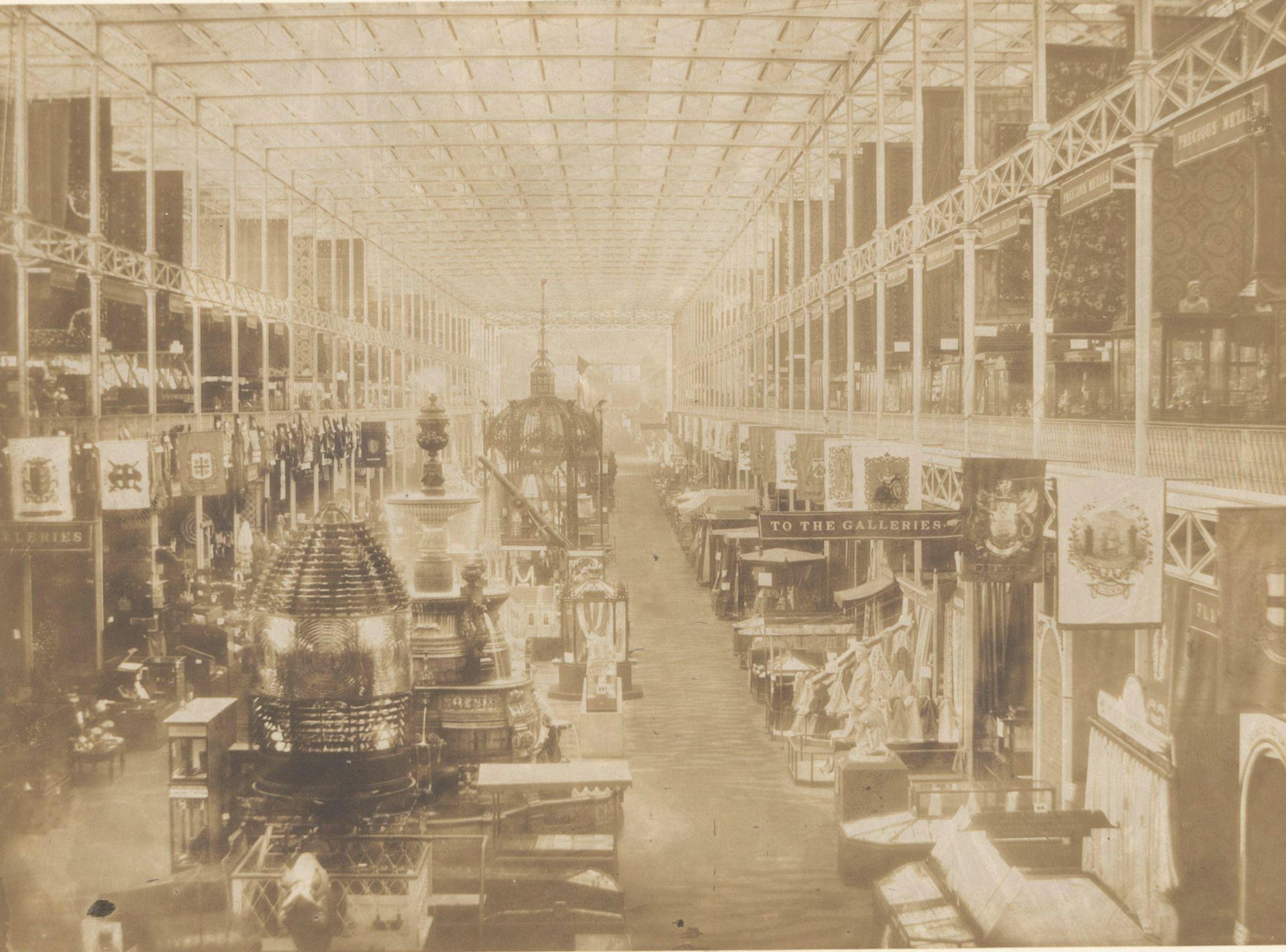
Visited by over six million people, it was designed to promote Britain as an industrial power.
زاره أكثر من ستة ملايين شخص، وقد صُمم لتعزيز مكانة بريطانيا كقوة صناعية.
It showcased more than 100,000 objects from around the globe. These included locomotives, hydraulic presses, agricultural products and musical instruments. Its most famous item was the world’s largest-known diamond, acquired from India two years earlier for Queen Victoria.
عرض أكثر من 100,000 قطعة أثرية من جميع أنحاء العالم. وشملت هذه القطع القاطرات والمكابس الهيدروليكية والمنتجات الزراعية والآلات الموسيقية. وكان أشهر معروضاته هو أكبر ماسة معروفة في العالم، والتي تم الحصول عليها من الهند قبل عامين للملكة فيكتوريا.
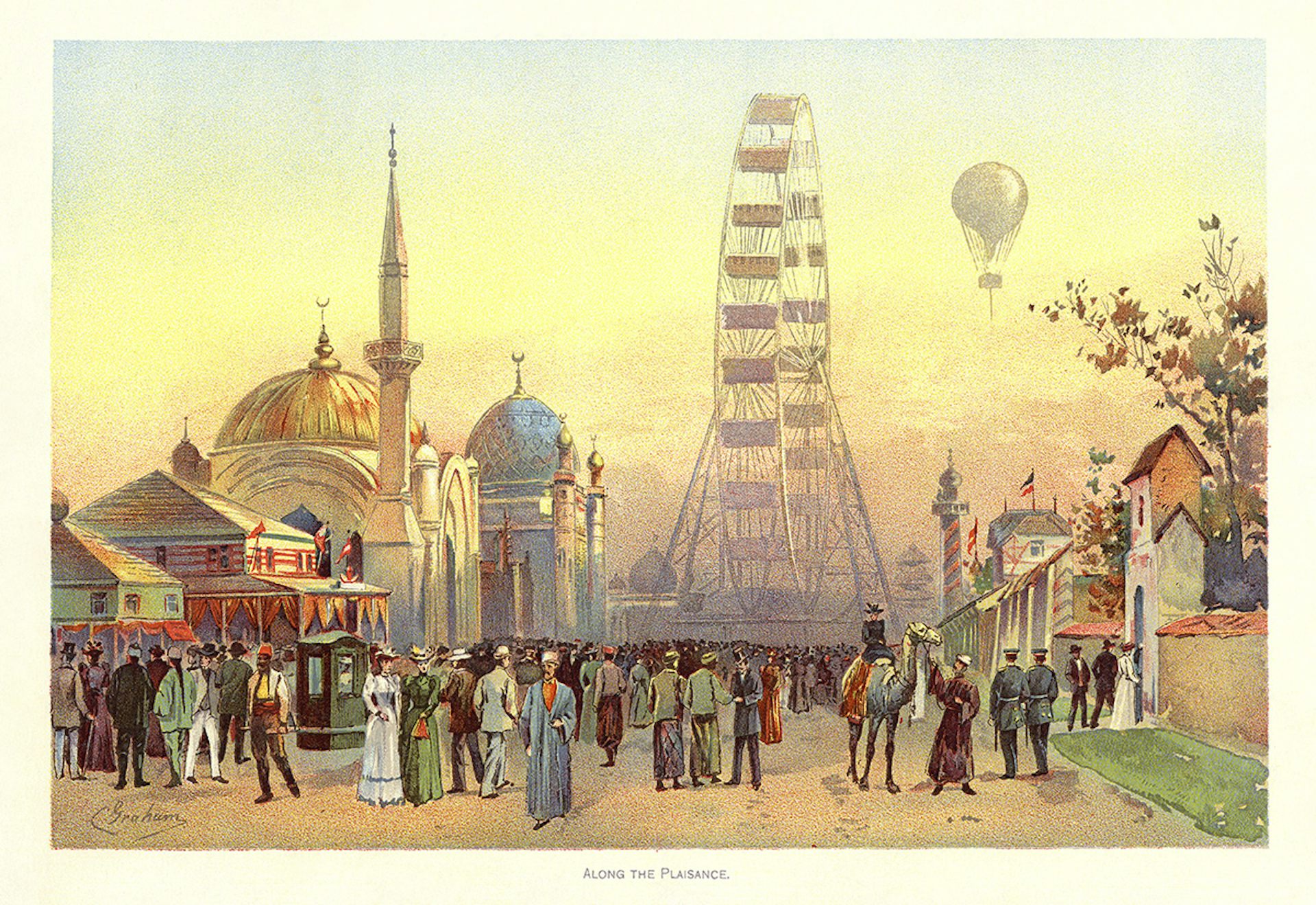
The “midway” at the 1893 Chicago World’s Fair was famous for its exhilarating amusements and living exhibits.
اشتهرت “منطقة المتعة” في معرض شيكاغو العالمي عام 1893 بتسلية مبهجة وعروض حية.
Premier attractions were the world’s first Ferris wheel and the world’s first commercial movie theatre. It also featured human display villages, or “human zoos”, that reinforced racist colonial hierarchies.
كانت أبرز المعالم هي أول عجلة فيريس في العالم وأول مسرح سينمائي تجاري في العالم. كما ضم المعرض قرى عرض بشرية، أو “حدائق حيوان بشرية”، عززت التسلسلات الهرمية الاستعمارية العنصرية.
This era kicked off the modern public museum movement in Europe and the United States. Early museums were rooted in Enlightenment ideals of industrial and technological progress, civic education and national identity.
أطلقت هذه الحقبة حركة المتاحف العامة الحديثة في أوروبا والولايات المتحدة. كانت المتاحف المبكرة متجذرة في مُثُل التنوير المتعلقة بالتقدم الصناعي والتكنولوجي، والتربية المدنية، والهوية الوطنية.
Museums including the South Kensington Museum (1857) and the Smithsonian’s Graphic Arts Department (1897) extended visitor fascination with new technologies such as cinema and railway travel, and sold mass-produced souvenirs of exotic and intriguing cultures.
وسعت المتاحف، بما في ذلك متحف ساوث كنسينغتون (1857) وقسم الفنون التشكيلية في متحف سميثسونيان (1897) ، افتتان الزوار بالتقنيات الجديدة مثل السينما والسفر بالسكك الحديدية، وباعت تذكارات منتجة بكميات كبيرة من ثقافات غريبة ومثيرة للاهتمام.
Just as we today express conflicted views about AI-generated art, 19th-century audiences needed to learn how to respond to new cultural forms. Entertainment was key.
تماماً كما نعبر اليوم عن آراء متضاربة حول الفن المُولّد بالذكاء الاصطناعي، احتاج الجمهور في القرن التاسع عشر إلى تعلم كيفية الاستجابة للأشكال الثقافية الجديدة. وكان الترفيه هو المفتاح.
They quickly learnt viewing motion pictures was a social and public activity, improved if they suspended disbelief and expressed individual reactions.
تعلموا بسرعة أن مشاهدة الأفلام المتحركة هي نشاط اجتماعي وعام، يتحسن إذا علّقوا عدم التصديق وعبّروا عن ردود أفعال فردية.
The most well-known (albeit exaggerated) account describes an 1895 screening of a Lumière Brothers film. As the moving image of a train seemingly hurtled toward the audience, viewers are said to have screamed and ducked under seats.
تصف أشهر الروايات (وإن كانت مبالغاً فيها) عرضاً لفيلم من إخوان لوميير عام 1895. وعندما بدا أن الصورة المتحركة لقطار اندفعت نحو الجمهور، قيل إن المشاهدين صرخوا وانحنوا تحت المقاعد.
Global exploitation
الاستغلال العالمي
There is a darker side to the 19th-century precursors of Dataland.
هناك جانب أكثر قتامة في السلائف التي سبقت “داتا لاند” في القرن التاسع عشر.
The project’s dataset is a large nature model (LNM) – an open-source model trained on half a billion images sourced “ethically” from partner institutions including the Smithsonian in Washington, DC, and London’s Natural History Museum.
تُعد مجموعة بيانات المشروع نموذجًا طبيعيًا كبيرًا (LNM) – وهو نموذج مفتوح المصدر تم تدريبه على نصف مليار صورة مصدرها “أخلاقيًا” من مؤسسات شريكة بما في ذلك متحف سميثسونيان في واشنطن العاصمة، ومتحف التاريخ الطبيعي في لندن.
These images are complemented by data gathered by Anadol’s team from 16 rainforests “from Chile to Indonesia to Australia”.
تُستكمل هذه الصور بالبيانات التي جمعها فريق أنادول من 16 غابة مطيرة “من تشيلي إلى إندونيسيا إلى أستراليا.”
Dataland’s website does not provide provenance information about partner institution’s source collections. But we know they would likely include 19th century specimens.
لا يوفر موقع “داتا لاند” معلومات المنشأ حول المجموعات المصدرة للمؤسسات الشريكة. لكننا نعلم أنها من المرجح أن تتضمن عينات تعود إلى القرن التاسع عشر.
Natural history collecting was a lucrative industry in the 19th century. The increasing ease with which people and commodities were able to travel the world expanded supply chains and the global industry of specimen transfer.
كان جمع التاريخ الطبيعي صناعة مربحة في القرن التاسع عشر. أدى التزايد في سهولة تنقل الأشخاص والسلع حول العالم إلى توسيع سلاسل الإمداد والصناعة العالمية لنقل العينات.
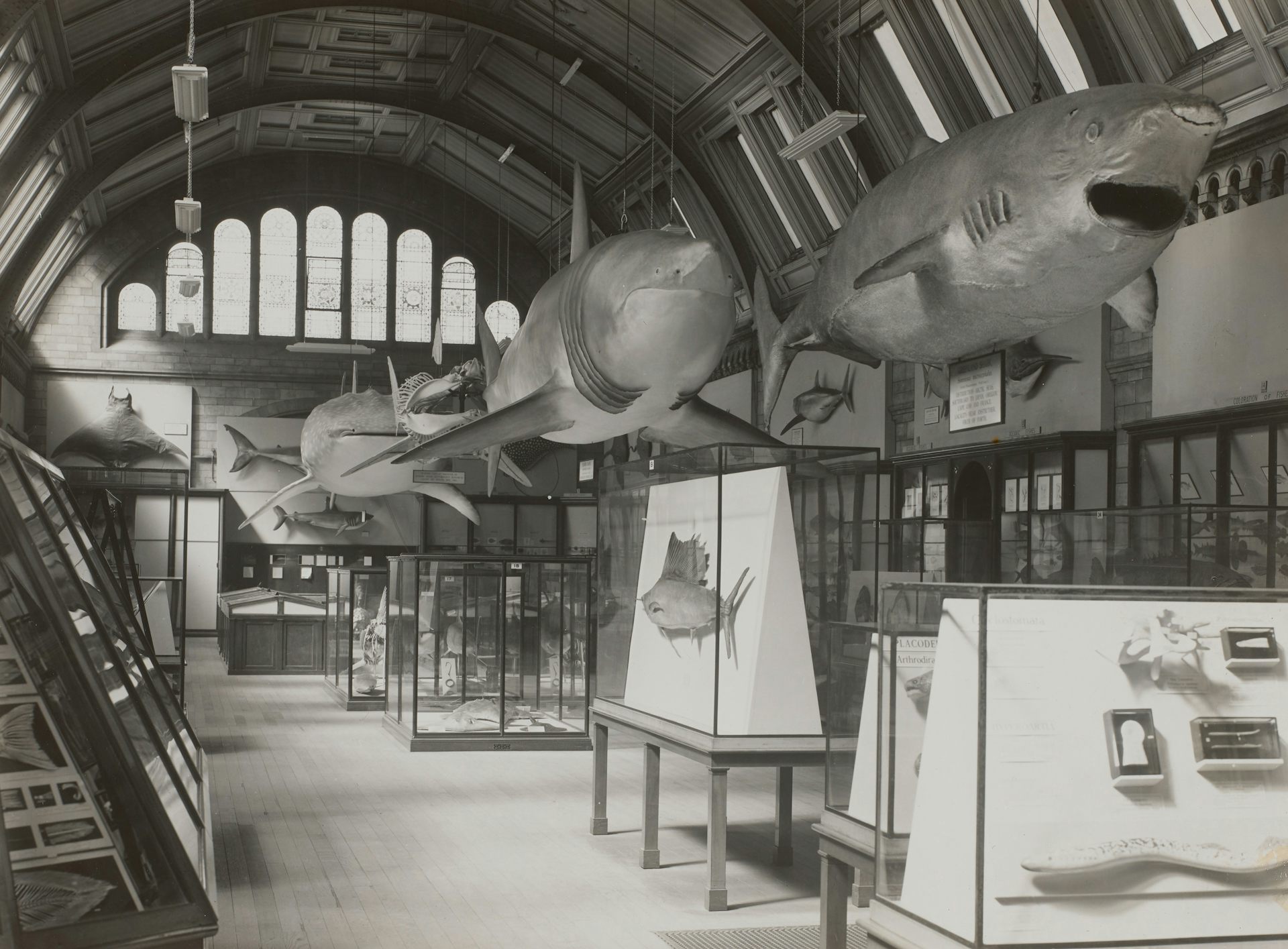
Museum collecting was deeply entangled with the violent, systemic processes of European imperialism, colonial expansion and scientific exploitation.
كان جمع المتاحف متشابكًا بعمق مع العمليات العنيفة والمنهجية للإمبريالية الأوروبية، والتوسع الاستعماري، والاستغلال العلمي.
Dataland promotes its “permission-based” approach to using data from institutions. It cites contemporary collaboration with the Yawanawá people of the Amazon as “radically responsible”.
تُروّج “داتا لاند” لنهجها “القائم على التصريح” لاستخدام البيانات من المؤسسات. وتستشهد بالتعاون المعاصر مع شعب يافانواوا في الأمازون باعتباره “مسؤولًا جذريًا.”
It also insists it manages the environmental impact of the museum’s consumption of natural resources.
كما تصر على أنها تدير التأثير البيئي لاستهلاك المتحف للموارد الطبيعية.
But Dataland does not appear to apply its own ethical standards for producing collections from rainforests to the vast historical resources it sources from its partner museums.
لكن “داتا لاند” لا يبدو أنها تطبق معاييرها الأخلاقية الخاصة لإنتاج المجموعات من الغابات المطيرة على الموارد التاريخية الهائلة التي تستمدها من متاحفها الشريكة.
It is silent on the obligations it may have to contemporary descendants of communities from which specimens and knowledge were extracted. It provides no guardrails about appropriate cultural protocols or safeguards for anyone wanting to access or learn more about any of its collections.
إنها صامتة بشأن الالتزامات التي قد تكون ملزمة لها تجاه أحفاد المجتمعات المعاصرة التي استُخرجت منها العينات والمعرفة. ولا تقدم أي ضوابط بشأن البروتوكولات الثقافية المناسبة أو الضمانات لأي شخص يرغب في الوصول إلى أي من مجموعاتها أو معرفة المزيد عنها.
This approach is out of step with the United Nations Declaration on the Rights of Indigenous Peoples. The declaration enshrines the rights of Indigenous peoples to self-determination over their data. This includes traditional knowledge and ownership over natural resources.
هذا النهج يبتعد عن إعلان الأمم المتحدة بشأن حقوق الشعوب الأصلية. ويُكرّس الإعلان حقوق الشعوب الأصلية في تقرير المصير فيما يتعلق ببياناتها. ويشمل ذلك المعرفة التقليدية والملكية على الموارد الطبيعية.
Many of the kinds of institutions Dataland has partnered with are now seeking to repair the loss of Indigenous knowledge, cultural heritage and authority caused by colonial collecting.
العديد من أنواع المؤسسات التي عقدت “داتا لاند” شراكات معها تسعى الآن إلى إصلاح الخسارة في المعرفة الأصلية والتراث الثقافي والسلطة التي تسببها المجموعات الاستعمارية.
The Natural Sciences Collections Association UK explains this reparative work is
تشرح جمعية مجموعات العلوم الطبيعية في المملكة المتحدة أن هذا العمل الإصلاحي هو
proactive in telling hidden truths however difficult, about how we got our collections – [we must] acknowledge we have them, but at what cost?
استباقي في الكشف عن الحقائق الخفية مهما كانت صعبة، حول كيفية حصولنا على مجموعاتنا – [يجب أن] نعترف بأننا نمتلكها، ولكن بأي ثمن؟
The lack of transparency and self-awareness regarding the large nature model’s use of historical collection materials is a significant oversight. It echoes criticism that AI art does not adequately seek human consent or offer credit or compensation for contemporary art.
يُعد الافتقار إلى الشفافية والوعي الذاتي فيما يتعلق باستخدام النموذج الطبيعي الكبير لمواد المجموعات التاريخية إغفالًا كبيرًا. وهو يتردد صداه مع الانتقادات التي تقول إن فن الذكاء الاصطناعي لا يسعى بشكل كافٍ للحصول على موافقة الإنسان أو تقديم الإشارة أو التعويض عن الفن المعاصر.
Dataland is a museum of the future. But it cannot outrun the historical and very human legacies of the form it has chosen to align itself with – the museum.
“داتا لاند” هو متحف المستقبل. لكنه لا يستطيع الهروب من التراث التاريخي والإنساني للغاية للشكل الذي اختار أن يتماشى معه – المتحف.
Kylie Message does not work for, consult, own shares in or receive funding from any company or organisation that would benefit from this article, and has disclosed no relevant affiliations beyond their academic appointment.
لا تعمل كايلي مسيدج، ولا تستشير، ولا تمتلك حصصًا في، أو تتلقى تمويلاً من أي شركة أو منظمة يمكن أن تستفيد من هذه المقالة، ولم تكشف عن أي انتماءات ذات صلة تتجاوز منصبها الأكاديمي.
Read more
-
من “الولايات المتحدة ٩٤” حتى الآن: كيف تغيرت كرة القدم منذ كأس العالم الأمريكية الأخيرة
From ‘USA94’ to now: how soccer has changed since the last American World Cup
-
أمريكا في عام ٢٥٠: البريطانيون الذين دعموا حرب الاستقلال
America at 250: the Britons who supported the War of Independence