O ‘couro vegano’ não é tão sustentável ou ecológico quanto as marcas podem alegar
‘Vegan leather’ isn’t as sustainable or eco‑friendly as brands might claim
Many alternatives to animal leather – even the ones made with plants – are plastic‑based composites with short lifespans.
Muitas alternativas ao couro animal – mesmo as feitas com plantas – são compósitos à base de plástico com vida útil curta.
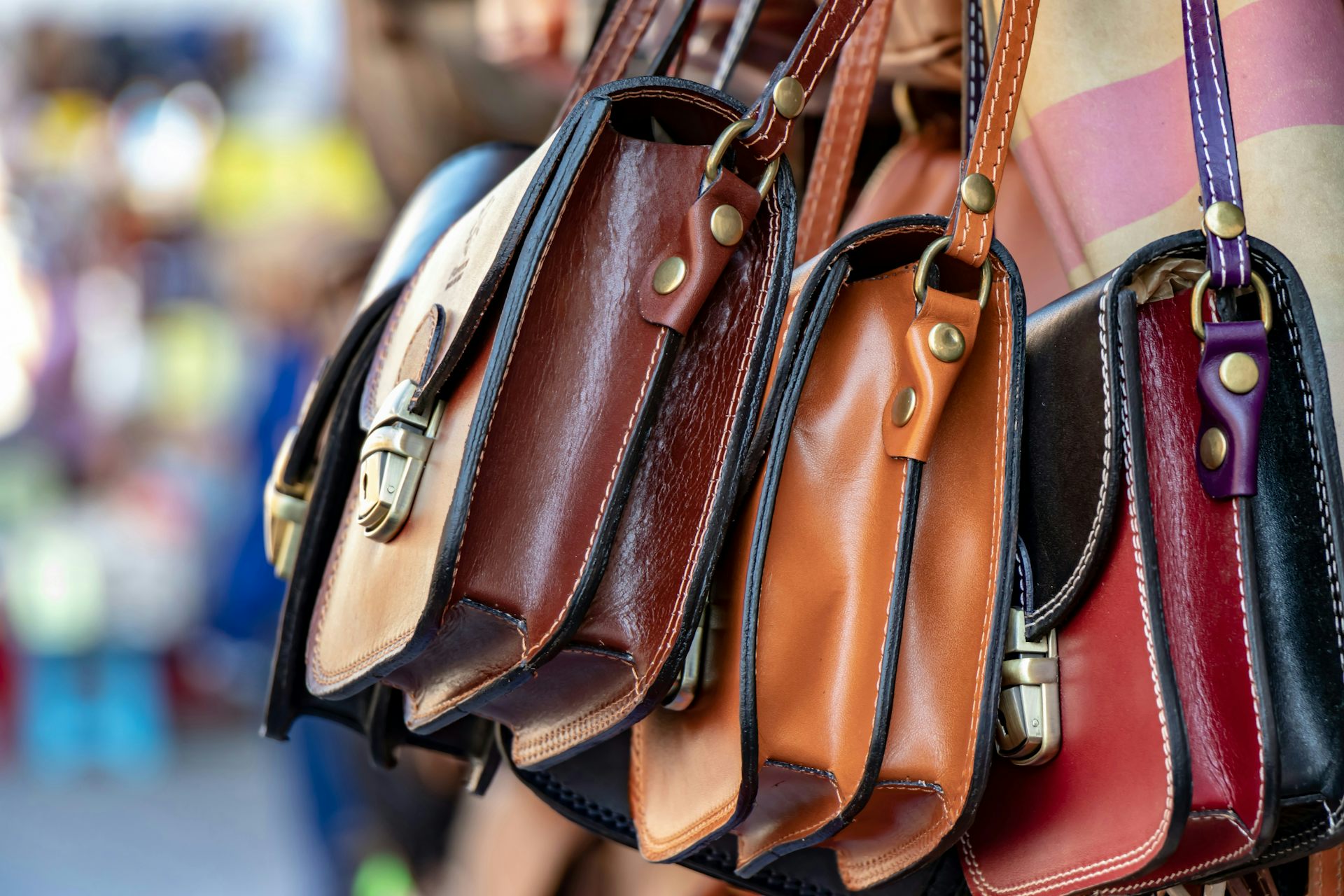
In a high-end fashion store or luxury car showroom, the term “vegan leather” sends a strong message of quality. For many shoppers, it promises the look and feel of real leather without using animal skins. As brands move away from animal leather, “vegan” has come to suggest something that is both kinder to animals and better for the planet.
Em uma loja de moda de alto padrão ou showroom de carros de luxo, o termo “couro vegano” transmite uma forte mensagem de qualidade. Para muitos compradores, promete o visual e o toque do couro real sem usar peles de animais. À medida que as marcas se afastam do couro animal, “vegano” passou a sugerir algo que é mais gentil com os animais e melhor para o planeta.
However, the reality is more complicated. While these materials remove animal products, they often replace one environmental problem with another. Vegan leather is not one material, but a broad label that covers everything from plastic coatings to plant-based surfaces, which is why regulators are starting to question vague green claims.
No entanto, a realidade é mais complicada. Embora esses materiais eliminem produtos de origem animal, eles frequentemente substituem um problema ambiental por outro. Couro vegano não é um material, mas um rótulo amplo que cobre tudo, desde revestimentos plásticos até superfícies à base de plantas, razão pela qual os reguladores começaram a questionar alegações verdes vagas.
The appeal of leather alternatives is easy to understand. Concerns about animal welfare, climate change and deforestation have pushed shoppers and brands towards options that seem more responsible.
O apelo das alternativas ao couro é fácil de entender. Preocupações com o bem-estar animal, as mudanças climáticas e o desmatamento impulsionaram compradores e marcas em direção a opções que parecem mais responsáveis.
As a result, “vegan leather” is often seen as the better choice – even though how long it lasts, and where it ends up, is rarely questioned.
Como resultado, o “couro vegano” é frequentemente visto como a melhor escolha – mesmo que por quanto tempo ele dura e para onde ele vai, raramente é questionado.
The rise of synthetic hide
A ascensão da pele sintética
For decades, these materials were known as “pleather” or vinyl. Today, better finishes have turned thin plastic films into convincing leather lookalikes.
Por décadas, esses materiais foram conhecidos como “pleather” ou vinil. Hoje, acabamentos melhores transformaram filmes plásticos finos em imitações de couro convincentes.
Most vegan leathers consist of polyurethane (PU) or polyvinyl chloride (PVC) coatings bonded to fabric backings. They are waterproof and easy to emboss, but they are also petroleum-derived plastics.
A maioria dos couros veganos consiste em revestimentos de poliuretano (PU) ou policloreto de vinila (PVC) aderidos a bases de tecido. Eles são à prova d’água e fáceis de gravar, mas também são plásticos derivados de petróleo.
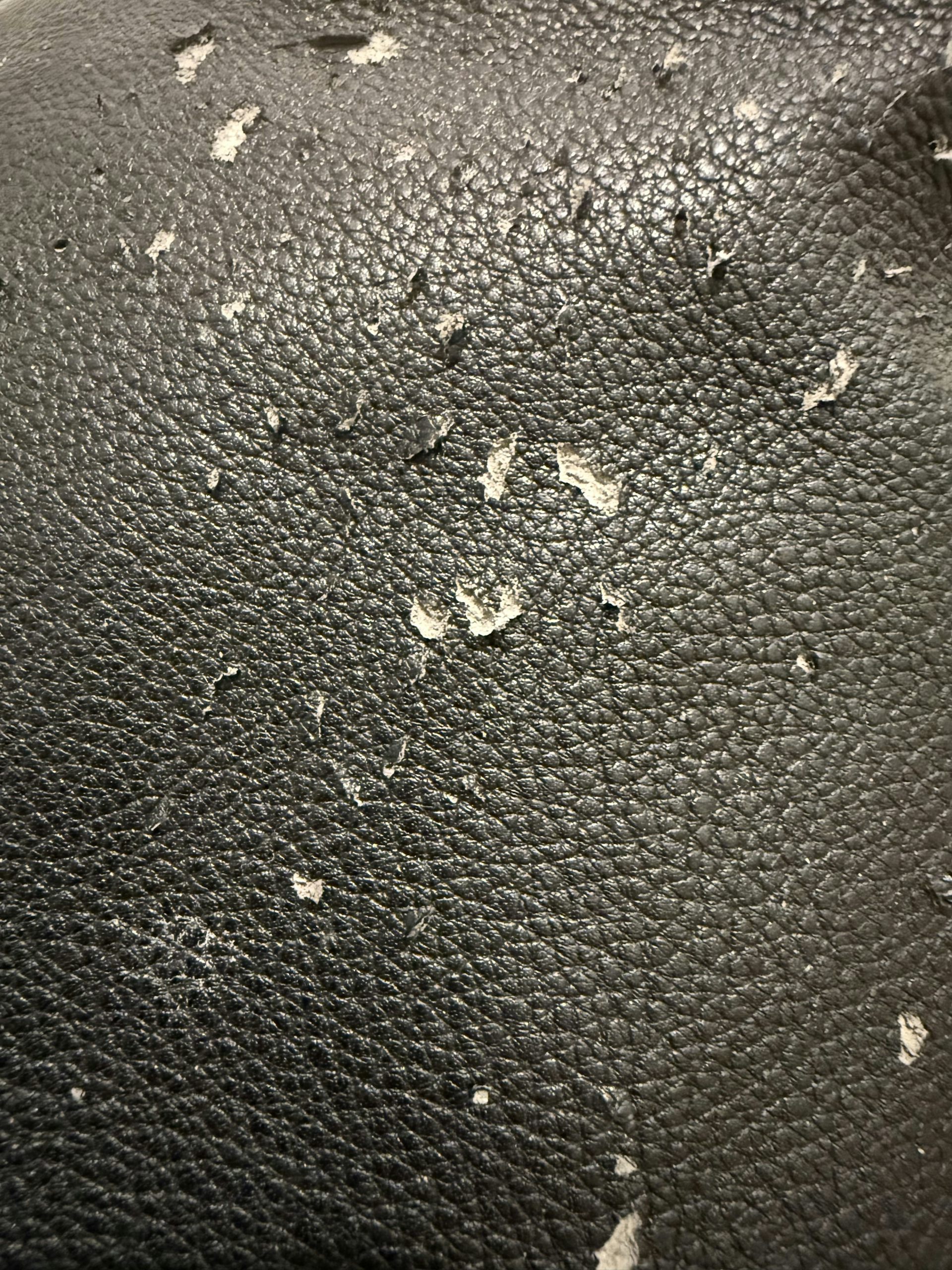
When the surface of a PU‑coated bag cracks or peels, the damage is more than cosmetic. As the coating breaks down, it sheds microplastics into the environment.
Quando a superfície de uma bolsa revestida de PU racha ou descasca, o dano é mais do que cosmético. À medida que o revestimento se decompõe, ele libera microplásticos no meio ambiente.
The plastic underneath the plants
O plástico debaixo das plantas
In response to concerns about plastic, new fake leather materials have been developed from pineapples, mushrooms, apples, grapes and even cacti. These bio-based options are often sold as the sustainable answer.
Em resposta às preocupações sobre o plástico, novos materiais de couro falso foram desenvolvidos a partir de abacaxis, cogumelos, maçãs, uvas e até cactos. Estas opções de base biológica são frequentemente vendidas como a resposta sustentável.
However, using a plant does not automatically make a product better for the environment.
No entanto, usar uma planta não torna automaticamente um produto melhor para o meio ambiente.
The issue lies in how these materials are made. A “pineapple leather” shoe may be praised for its plant fibres, but those fibres are usually held together with plastic resins to make the material durable.
O problema reside em como esses materiais são feitos. Um sapato de “couro de abacaxi” pode ser elogiado por suas fibras vegetais, mas essas fibras são geralmente mantidas juntas com resinas plásticas para tornar o material durável.
The result is a mixed material that cannot be recycled in Australia, even though marketing often focuses on the plant ingredient and hides the plastic underneath.
O resultado é um material misto que não pode ser reciclado na Austrália, mesmo que o marketing se concentre no ingrediente vegetal e esconda o plástico por baixo.
Plant leather doesn’t last long
Couro vegetal não dura muito
A key challenge with many vegan leather alternatives is strength. Raw plant fibres are too weak to handle the repeated wear and pressure faced by shoes, bags and car seats. To improve performance, manufacturers layer plant materials onto plastic binders or polyester backings.
Um desafio principal com muitas alternativas de couro vegano é a resistência. As fibras vegetais cruas são muito fracas para suportar o desgaste e a pressão repetidos enfrentados por sapatos, bolsas e assentos de carro. Para melhorar o desempenho, os fabricantes sobrepõem materiais vegetais a aglutinantes plásticos ou forros de poliéster.
Even then, many of these materials break down sooner than real leather and cannot be properly repaired. Traditional leather can be conditioned, patched and allowed to age over time, but plant-based alternatives tend to fail once the surface coating cracks or peels.
Mesmo assim, muitos desses materiais se decompõem mais cedo do que o couro real e não podem ser reparados adequadamente. O couro tradicional pode ser condicionado, remendado e permitido envelhecer com o tempo, mas as alternativas à base de plantas tendem a falhar assim que o revestimento superficial racha ou descasca.
A mushroom- or apple-based bag also cannot be composted because of the plastic beneath its surface, meaning it reaches disposal much sooner. Some plant-based vegan leather products have reported lifespans of as little as two years.
Uma bolsa à base de cogumelo ou maçã também não pode ser compostada por causa do plástico sob sua superfície, o que significa que chega ao descarte muito mais cedo. Alguns produtos de couro vegano à base de plantas relataram vidas úteis de apenas dois anos.
This points to a broader issue. In a circular economy that prioritises reuse, repair and material recovery, sustainability is about keeping products in use and at their highest value for as long as possible.
Isso aponta para um problema mais amplo. Em uma economia circular que prioriza a reutilização, o reparo e a recuperação de materiais, a sustentabilidade consiste em manter os produtos em uso e em seu maior valor pelo maior tempo possível.
Brands must walk the talk
Marcas devem cumprir o que dizem
The problems hidden by elusive marketing labels are becoming harder to ignore. The Australian Competition and Consumer Commission (ACCC) has made it clear broad labels such as “sustainable” or “eco-friendly” must be backed up with evidence.
Os problemas escondidos por rótulos de marketing evasivos estão se tornando mais difíceis de ignorar. A Australian Competition and Consumer Commission (ACCC) deixou claro que rótulos amplos como “sustentável” ou “ecológico” devem ser comprovados com evidências.
If brands use the word “vegan” to suggest lower environmental impact, they must be able to prove that claim by looking at the product’s full life cycle.
Se as marcas usam a palavra “vegano” para sugerir um menor impacto ambiental, elas devem ser capazes de comprovar essa alegação analisando o ciclo de vida completo do produto.
At the same time, the Productivity Commission’s 2026 inquiry into the circular economy highlights Australia’s growing problem with products that cannot be recycled. As product stewardship schemes expand, durability, recyclability and what happens to a product at the end of its life will matter as much as animal welfare.
Ao mesmo tempo, a investigação de 2026 da Productivity Commission sobre a economia circular destaca o crescente problema da Austrália com produtos que não podem ser reciclados. À medida que os esquemas de gestão de produtos se expandem, a durabilidade, a reciclabilidade e o que acontece com um produto no final de sua vida útil serão tão importantes quanto o bem-estar animal.
The ethical distinction
A distinção ética
None of this means animal leather comes without environmental or chemical costs. These include methane emissions from livestock and the toxic chemicals used in tanning. For many consumers, avoiding animal-derived materials is still an important ethical choice.
Nada disso significa que o couro animal venha sem custos ambientais ou químicos. Estes incluem emissões de metano do gado e os produtos químicos tóxicos usados no curtimento. Para muitos consumidores, evitar materiais de origem animal ainda é uma escolha ética importante.
However, “vegan” and “sustainable” are not the same thing. One describes what has been left out of a product, while the other describes how that product performs over its entire life. Treating the two as interchangeable can replace meaningful progress with reassuring labels.
No entanto, “vegano” e “sustentável” não são a mesma coisa. Um descreve o que foi excluído de um produto, enquanto o outro descreve o desempenho desse produto ao longo de toda a sua vida útil. Tratar os dois como intercambiáveis pode substituir um progresso significativo por rótulos tranquilizadores.
The takeaway is a call for material honesty. Sustainability can’t be reduced to a single word or ingredient. It’s measured by how long a product stays useful before it needs to be thrown away. A bag that avoids animal materials but breaks down within a few years simply creates waste sooner.
A conclusão é um apelo à honestidade material. A sustentabilidade não pode ser reduzida a uma única palavra ou ingrediente. Ela é medida por quanto tempo um produto permanece útil antes de precisar ser descartado. Uma bolsa que evita materiais animais, mas que se decompõe em poucos anos, simplesmente cria lixo mais cedo.
If vegan alternatives are going to be sustainable, they must be designed to last. Sustainability is measured in years of use, not words on a tag.
Se as alternativas veganas forem ser sustentáveis, elas devem ser projetadas para durar. A sustentabilidade é medida em anos de uso, não em palavras em uma etiqueta.
Saniyat Islam is affiliated with The Textile Institute.
Saniyat Islam é afiliada ao The Textile Institute.
Caroline Swee Lin Tan does not work for, consult, own shares in or receive funding from any company or organisation that would benefit from this article, and has disclosed no relevant affiliations beyond their academic appointment.
Caroline Swee Lin Tan não trabalha, não consulta, não possui ações nem recebe financiamento de nenhuma empresa ou organização que se beneficiaria deste artigo, e não divulgou afiliações relevantes além de seu cargo acadêmico.
Read more
-
Andy Burnham está de volta em Westminster: o que isso diz sobre o sistema político em mudança da Grã-Bretanha
Andy Burnham is back at Westminster: what this says about Britain’s changing political system
-
Os EUA estão na liderança da nova corrida espacial – mas outros países vêm logo atrás
The US is leading the new space race – but other countries are close behind