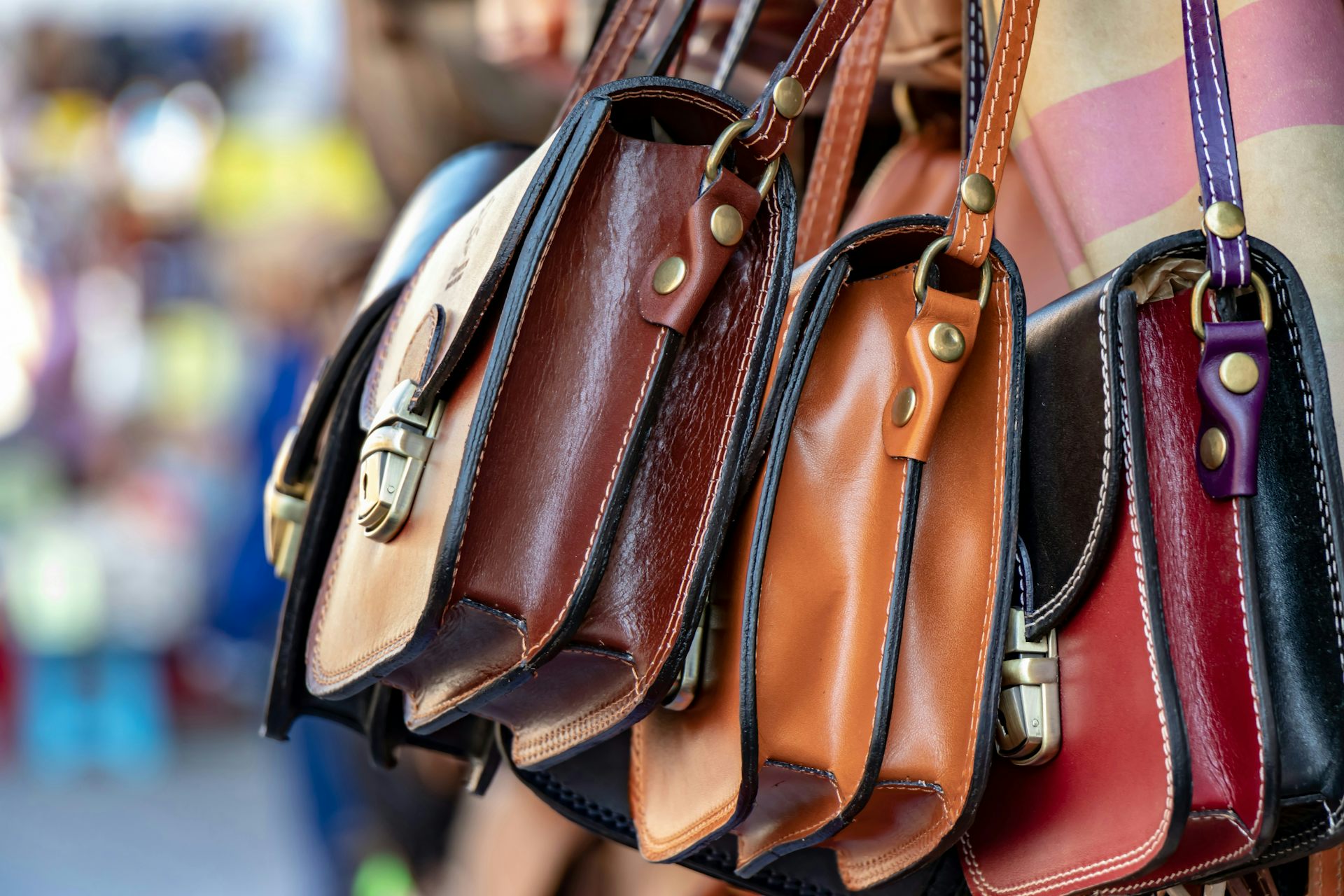
El ‘cuero vegano’ no es tan sostenible ni ecológico como las marcas podrían afirmar
‘Vegan leather’ isn’t as sustainable or eco‑friendly as brands might claim
Many alternatives to animal leather – even the ones made with plants – are plastic‑based composites with short lifespans.
Muchas alternativas al cuero animal – incluso las hechas con plantas – son compuestos a base de plástico con vidas útiles cortas.
In a high-end fashion store or luxury car showroom, the term “vegan leather” sends a strong message of quality. For many shoppers, it promises the look and feel of real leather without using animal skins. As brands move away from animal leather, “vegan” has come to suggest something that is both kinder to animals and better for the planet.
En una tienda de moda de alta gama o un concesionario de coches de lujo, el término «cuero vegano» transmite un fuerte mensaje de calidad. Para muchos compradores, promete el aspecto y la sensación del cuero real sin utilizar pieles de animales. A medida que las marcas se alejan del cuero animal, «vegano» ha llegado a sugerir algo que es más amable con los animales y mejor para el planeta.
However, the reality is more complicated. While these materials remove animal products, they often replace one environmental problem with another. Vegan leather is not one material, but a broad label that covers everything from plastic coatings to plant-based surfaces, which is why regulators are starting to question vague green claims.
Sin embargo, la realidad es más complicada. Aunque estos materiales eliminan los productos animales, a menudo reemplazan un problema ambiental por otro. El cuero vegano no es un material, sino una etiqueta amplia que cubre desde recubrimientos de plástico hasta superficies a base de plantas, razón por la cual los reguladores están empezando a cuestionar las vagas afirmaciones ecológicas.
The appeal of leather alternatives is easy to understand. Concerns about animal welfare, climate change and deforestation have pushed shoppers and brands towards options that seem more responsible.
El atractivo de las alternativas al cuero es fácil de entender. Las preocupaciones sobre el bienestar animal, el cambio climático y la deforestación han impulsado a compradores y marcas hacia opciones que parecen más responsables.
As a result, “vegan leather” is often seen as the better choice – even though how long it lasts, and where it ends up, is rarely questioned.
Como resultado, el «cuero vegano» a menudo se considera la mejor opción, incluso cuando rara vez se cuestiona cuánto dura y dónde termina.
The rise of synthetic hide
El auge del cuero sintético
For decades, these materials were known as “pleather” or vinyl. Today, better finishes have turned thin plastic films into convincing leather lookalikes.
Durante décadas, estos materiales se conocieron como «pleather» o vinilo. Hoy en día, mejores acabados han convertido películas plásticas delgadas en imitaciones de cuero convincentes.
Most vegan leathers consist of polyurethane (PU) or polyvinyl chloride (PVC) coatings bonded to fabric backings. They are waterproof and easy to emboss, but they are also petroleum-derived plastics.
La mayoría de los cueros veganos consisten en recubrimientos de poliuretano (PU) o cloruro de polivinilo (PVC) adheridos a bases de tela. Son impermeables y fáciles de grabar, pero también son plásticos derivados del petróleo.
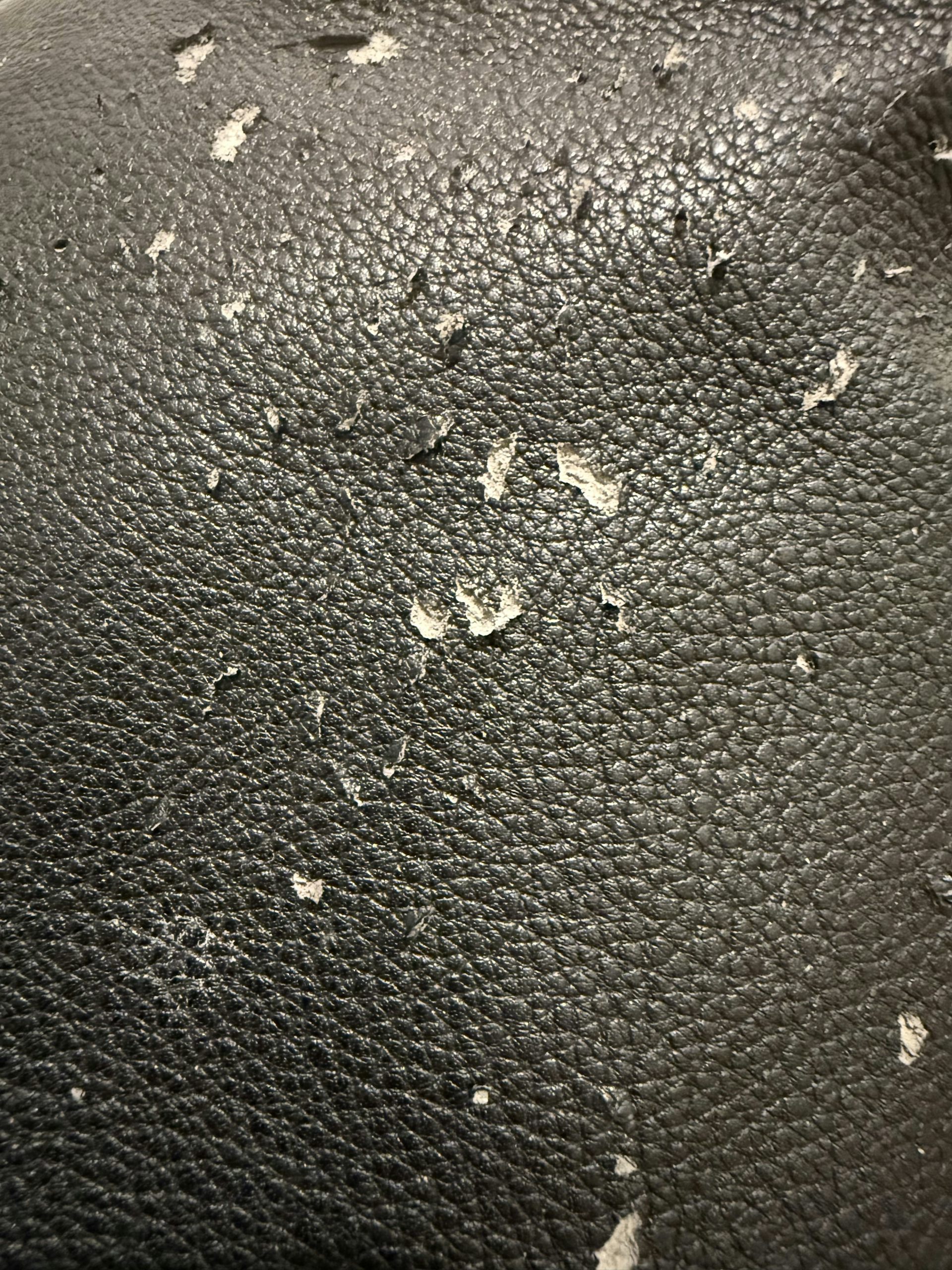
When the surface of a PU‑coated bag cracks or peels, the damage is more than cosmetic. As the coating breaks down, it sheds microplastics into the environment.
Cuando la superficie de un bolso recubierto de PU se agrieta o se pela, el daño es más que cosmético. A medida que el recubrimiento se descompone, libera microplásticos al medio ambiente.
The plastic underneath the plants
El plástico debajo de las plantas
In response to concerns about plastic, new fake leather materials have been developed from pineapples, mushrooms, apples, grapes and even cacti. These bio-based options are often sold as the sustainable answer.
En respuesta a las preocupaciones sobre el plástico, se han desarrollado nuevos materiales de cuero sintético a partir de piñas, hongos, manzanas, uvas e incluso cactus. Estas opciones de base biológica a menudo se venden como la respuesta sostenible.
However, using a plant does not automatically make a product better for the environment.
Sin embargo, usar una planta no hace automáticamente que un producto sea mejor para el medio ambiente.
The issue lies in how these materials are made. A “pineapple leather” shoe may be praised for its plant fibres, but those fibres are usually held together with plastic resins to make the material durable.
El problema radica en cómo se hacen estos materiales. Un zapato de «cuero de piña» puede ser elogiado por sus fibras vegetales, pero esas fibras suelen mantenerse unidas con resinas plásticas para hacer el material duradero.
The result is a mixed material that cannot be recycled in Australia, even though marketing often focuses on the plant ingredient and hides the plastic underneath.
El resultado es un material mixto que no se puede reciclar en Australia, aunque el marketing a menudo se centra en el ingrediente vegetal y oculta el plástico que hay debajo.
Plant leather doesn’t last long
El cuero vegetal no dura mucho
A key challenge with many vegan leather alternatives is strength. Raw plant fibres are too weak to handle the repeated wear and pressure faced by shoes, bags and car seats. To improve performance, manufacturers layer plant materials onto plastic binders or polyester backings.
Un desafío clave con muchas alternativas de cuero vegano es la resistencia. Las fibras vegetales crudas son demasiado débiles para soportar el desgaste y la presión repetidos que sufren los zapatos, bolsos y asientos de coche. Para mejorar el rendimiento, los fabricantes superponen materiales vegetales sobre aglutinantes plásticos o bases de poliéster.
Even then, many of these materials break down sooner than real leather and cannot be properly repaired. Traditional leather can be conditioned, patched and allowed to age over time, but plant-based alternatives tend to fail once the surface coating cracks or peels.
Incluso entonces, muchos de estos materiales se degradan antes que el cuero real y no pueden repararse adecuadamente. El cuero tradicional puede acondicionarse, parchearse y dejarse envejecer con el tiempo, pero las alternativas a base de plantas tienden a fallar una vez que el revestimiento superficial se agrieta o se pela.
A mushroom- or apple-based bag also cannot be composted because of the plastic beneath its surface, meaning it reaches disposal much sooner. Some plant-based vegan leather products have reported lifespans of as little as two years.
Un bolso a base de hongos o manzana tampoco puede compostarse debido al plástico bajo su superficie, lo que significa que llega a la eliminación mucho antes. Algunos productos de cuero vegano a base de plantas han reportado vidas útiles de tan solo dos años.
This points to a broader issue. In a circular economy that prioritises reuse, repair and material recovery, sustainability is about keeping products in use and at their highest value for as long as possible.
Esto apunta a un problema más amplio. En una economía circular que prioriza la reutilización, la reparación y la recuperación de materiales, la sostenibilidad consiste en mantener los productos en uso y en su máximo valor durante el mayor tiempo posible.
Brands must walk the talk
Las marcas deben cumplir con lo que dicen
The problems hidden by elusive marketing labels are becoming harder to ignore. The Australian Competition and Consumer Commission (ACCC) has made it clear broad labels such as “sustainable” or “eco-friendly” must be backed up with evidence.
Los problemas ocultos por etiquetas de marketing elusivas son cada vez más difíciles de ignorar. La Comisión Australiana de Competencia y Consumo (ACCC) ha dejado claro que las etiquetas amplias como «sostenible» o «ecológico» deben estar respaldadas por pruebas.
If brands use the word “vegan” to suggest lower environmental impact, they must be able to prove that claim by looking at the product’s full life cycle.
Si las marcas usan la palabra «vegano» para sugerir un menor impacto ambiental, deben poder demostrar esa afirmación analizando el ciclo de vida completo del producto.
At the same time, the Productivity Commission’s 2026 inquiry into the circular economy highlights Australia’s growing problem with products that cannot be recycled. As product stewardship schemes expand, durability, recyclability and what happens to a product at the end of its life will matter as much as animal welfare.
Al mismo tiempo, la investigación de 2026 de la Comisión de Productividad sobre la economía circular destaca el creciente problema de Australia con los productos que no se pueden reciclar. A medida que se expanden los esquemas de gestión de productos, la durabilidad, la reciclabilidad y lo que le sucede a un producto al final de su vida útil serán tan importantes como el bienestar animal.
The ethical distinction
La distinción ética
None of this means animal leather comes without environmental or chemical costs. These include methane emissions from livestock and the toxic chemicals used in tanning. For many consumers, avoiding animal-derived materials is still an important ethical choice.
Nada de esto significa que el cuero animal esté libre de costes ambientales o químicos. Estos incluyen las emisiones de metano del ganado y los químicos tóxicos utilizados en el curtido. Para muchos consumidores, evitar los materiales de origen animal sigue siendo una elección ética importante.
However, “vegan” and “sustainable” are not the same thing. One describes what has been left out of a product, while the other describes how that product performs over its entire life. Treating the two as interchangeable can replace meaningful progress with reassuring labels.
Sin embargo, «vegano» y «sostenible» no son lo mismo. Uno describe lo que se ha excluido de un producto, mientras que el otro describe cómo funciona ese producto durante toda su vida útil. Tratar ambos como intercambiables puede reemplazar un progreso significativo con etiquetas tranquilizadoras.
The takeaway is a call for material honesty. Sustainability can’t be reduced to a single word or ingredient. It’s measured by how long a product stays useful before it needs to be thrown away. A bag that avoids animal materials but breaks down within a few years simply creates waste sooner.
La conclusión es un llamado a la honestidad material. La sostenibilidad no puede reducirse a una sola palabra o ingrediente. Se mide por cuánto tiempo sigue siendo útil un producto antes de que deba tirarse. Un bolso que evita los materiales animales pero que se descompone en pocos años simplemente crea residuos antes.
If vegan alternatives are going to be sustainable, they must be designed to last. Sustainability is measured in years of use, not words on a tag.
Si las alternativas veganas van a ser sostenibles, deben estar diseñadas para durar. La sostenibilidad se mide en años de uso, no en palabras en una etiqueta.
Saniyat Islam is affiliated with The Textile Institute.
Saniyat Islam está afiliado al The Textile Institute.
Caroline Swee Lin Tan does not work for, consult, own shares in or receive funding from any company or organisation that would benefit from this article, and has disclosed no relevant affiliations beyond their academic appointment.
Caroline Swee Lin Tan no trabaja, asesora, posee acciones ni recibe financiación de ninguna empresa u organización que se beneficiaría de este artículo, y no ha revelado afiliaciones relevantes más allá de su nombramiento académico.
Read more
-
Desenterrando el genocidio olvidado de Namibia a través de la arqueología forense
Unearthing Namibia’s forgotten genocide through forensic archaeology
-

Derrocar a Keir Starmer es más difícil de lo que parece: las reglas del partido le dan la opción de seguir luchando
Ousting Keir Starmer is harder than it looks – party rules mean he can choose to keep fighting