O conflito do Oriente Médio parece cada vez mais uma guerra que ninguém pode vencer
Middle East conflict looks increasingly like a war nobody can win
But the longer it continues the more damage it does to the whole world.
Mas quanto mais tempo continuar, mais dano causa ao mundo inteiro.
Let’s begin with a simple question that rarely gets a straight answer: what would victory over Iran actually look like? In Washington and Jerusalem, the answers tend to sound definitive: eliminate Iran’s nuclear capability, break its regional power, perhaps even force political change at the top. It’s the language of decisive war, the kind with a clear endpoint.
Vamos começar com uma pergunta simples que raramente recebe uma resposta direta: como seria, na verdade, a vitória sobre o Irã? Em Washington e Jerusalém, as respostas tendem a soar definitivas: eliminar a capacidade nuclear do Irã, quebrar seu poder regional, talvez até forçar mudanças políticas no topo. É a linguagem de uma guerra decisiva, o tipo com um ponto final claro.
But shift the perspective to Tehran, and the definition changes completely. Victory, for Iran, is survival. That asymmetry shapes the entire conflict. In wars like this, the side that needs less to claim success often has the advantage – and, right now, Iran needs far less.
Mas mude a perspectiva para Teerã, e a definição muda completamente. Vitória, para o Irã, é sobrevivência. Essa assimetria molda todo o conflito. Em guerras como esta, o lado que precisa de menos para reivindicar o sucesso geralmente tem a vantagem – e, no momento, o Irã precisa de muito menos.
There is no denying the military imbalance. The US and Israel can strike with extraordinary precision and reach. They have demonstrated that repeatedly – targeting infrastructure, leadership and strategic assets.
Não há como negar o desequilíbrio militar. Os EUA e Israel podem atacar com precisão e alcance extraordinários. Eles demonstraram isso repetidamente – visando infraestrutura, liderança e ativos estratégicos.
But tactical success has yet to translate into political outcome. Iran’s state hasn’t fractured. Its governing system remains intact, and its networks – military, regional, ideological – continue to function. Even its most sensitive capabilities, including nuclear expertise, remain resilient.
Mas o sucesso tático ainda não se traduziu em resultado político. O estado do Irã não se fragmentou. Seu sistema de governo permanece intacto, e suas redes – militares, regionais, ideológicas – continuam a funcionar. Até suas capacidades mais sensíveis, incluindo a expertise nuclear, permanecem resilientes.
The deeper miscalculation lies in assuming Tehran is playing the same game as Washington. It isn’t. Iran is not trying to defeat the US or Israel outright. It is trying to outlast them, complicate their objectives and raise the cost of progress until it becomes unsustainable.
O erro de cálculo mais profundo reside em assumir que Teerã está jogando o mesmo jogo que Washington. Não está. O Irã não está tentando derrotar os EUA ou Israel de forma aberta. Está tentando sobreviver a eles, complicar seus objetivos e elevar o custo do progresso até que ele se torne insustentável.
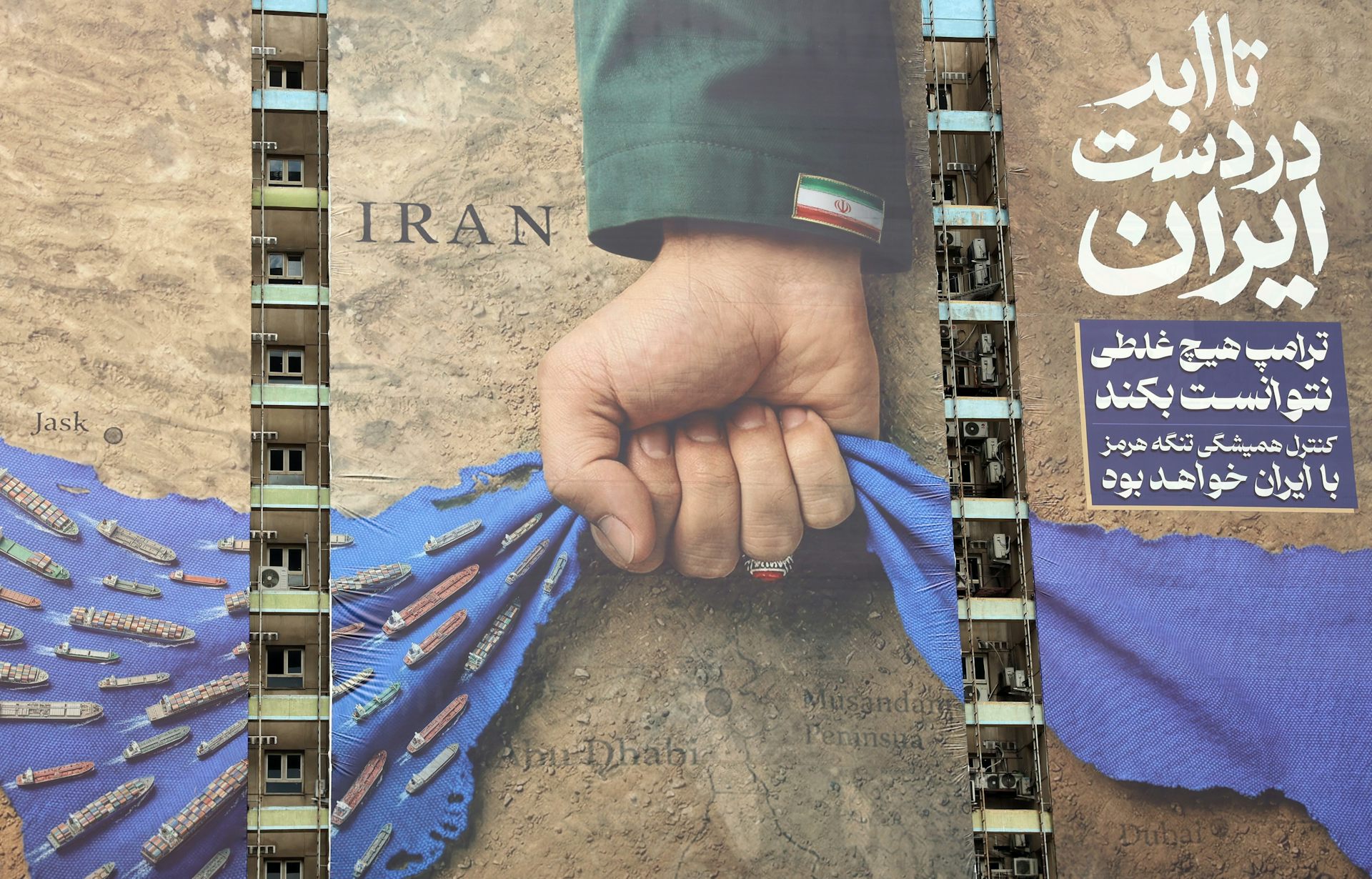
This logic is visible in how the conflict has unfolded. The battlefield extends beyond direct confrontation into shipping lanes, energy markets and regional alliances. Disruptions in the Strait of Hormuz are not incidental – they are pressure points with global consequences.
Essa lógica é visível em como o conflito se desenrolou. O campo de batalha se estende além do confronto direto, alcançando rotas marítimas, mercados de energia e alianças regionais. Interrupções no Estreito de Ormuz não são incidentais – são pontos de pressão com consequências globais.
Iran’s strategy is not about dominance but entanglement. It doesn’t need battlefield superiority if it can draw its adversaries into a conflict that is too costly to resolve and too complex to conclude.
A estratégia do Irã não é sobre domínio, mas sobre emaranhamento. Ele não precisa de superioridade em campo de batalha se puder arrastar seus adversários para um conflito que é muito custoso de resolver e muito complexo de concluir.
When wars stall, the instinct is to escalate: more bombing, strikes on energy infrastructure, even, in extremis, “boots on the ground”. The assumption is that more force will finally produce a different outcome.
Quando as guerras estagnam, o instinto é escalar: mais bombardeios, ataques à infraestrutura de energia, até mesmo, em último caso, “botas no chão.” A suposição é que mais força finalmente produzirá um resultado diferente.
But Iran is not a passive target. It has already shown a willingness to retaliate across the region, including against Saudi Arabia, the United Arab Emirates, Qatar, Kuwait, Bahrain, Oman, as well as targets in Jordan and Iraq. Strikes on Iran’s energy systems would not stay contained – they would invite retaliation against these same states, widening the conflict.
Mas o Irã não é um alvo passivo. Ele já demonstrou disposição para retaliar em toda a região, incluindo contra a Arábia Saudita, os Emirados Árabes Unidos, Qatar, Kuwait, Bahrein, Omã, bem como alvos no Jordão e no Iraque. Ataques aos sistemas de energia do Irã não ficariam contidos – eles convidariam retaliação contra esses mesmos estados, alargando o conflito.
There is another constraint: American is estimated to have already used up around 45% to 50% of key missile stockpiles, including roughly 30% of its Tomahawk missile inventory. So the stark reality is that escalation is no longer just about willingness, but capacity — and in any wider war, the question may not be how far the US can go, but how much it has left.
Há outra restrição: estima-se que os EUA já tenham gasto cerca de 45% a 50% dos estoques de mísseis chave, incluindo aproximadamente 30% de seu inventário de mísseis Tomahawk. Assim, a dura realidade é que a escalada não é mais apenas sobre disposição, mas sobre capacidade – e em qualquer guerra mais ampla, a questão pode não ser até onde os EUA podem ir, mas quanto lhes resta.
The consequences would also extend beyond the battlefield. Iran’s response would be sustained attacks on neighbouring countries, on their power, fuel, and water systems, rendering parts of the region increasingly unlivable as temperatures soar over summer. Huge numbers of people would be forced to leave, risking another large-scale displacement crisis.
As consequências também se estenderiam além do campo de batalha. A resposta do Irã seria ataques sustentados a países vizinhos, em seus sistemas de energia, combustível e água, tornando partes da região cada vez mais inabitáveis à medida que as temperaturas sobem no verão. Um grande número de pessoas seria forçado a deixar o local, arriscando outra crise de deslocamento em grande escala.
Even then, the core reality remains unchanged. Iran is built for endurance – any ground campaign would likely become prolonged and attritional. More importantly, escalation misses the point – the problem is not a lack of force, but the absence of a political objective that force can realistically achieve.
Mesmo então, a realidade central permanece inalterada. O Irã é construído para a resistência – qualquer campanha terrestre provavelmente se tornaria prolongada e de desgaste. Mais importante, a escalada perde o ponto principal – o problema não é a falta de força, mas a ausência de um objetivo político que a força possa alcançar realisticamente.
Compounding the problem is a quieter but equally significant reality; the US and Israel do not appear to be fully aligned in their end goals. Israel’s posture suggests a pursuit of maximal outcomes – deep, possibly irreversible weakening of Iran’s system, if not outright regime collapse. The US, by contrast, appears to oscillate between coercion, containment and negotiation.
Agravando o problema está uma realidade mais silenciosa, mas igualmente significativa; os EUA e Israel não parecem estar totalmente alinhados em seus objetivos finais. A postura de Israel sugere a busca por resultados máximos – um enfraquecimento profundo, possivelmente irreversível, do sistema iraniano, se não o colapso total do regime. Os EUA, por contraste, parecem oscilar entre coerção, contenção e negociação.
These are not just differences in emphasis – they are differences in strategy. Wars fought without a shared definition of victory rarely produce victory at all. What they produce instead is sustained military activity without strategic convergence – constant movement, but little progress toward resolution.
Estas não são apenas diferenças de ênfase – são diferenças de estratégia. Guerras travadas sem uma definição compartilhada de vitória raramente produzem vitória alguma. O que elas produzem, em vez disso, é uma atividade militar sustentada sem convergência estratégica – movimento constante, mas pouco progresso em direção à resolução.
No conclusion in sight
Sem conclusão à vista
At some point, it becomes necessary to describe things as they are. This is no longer a war moving toward a decisive conclusion. It is a conflict settling into a pattern – strikes followed by pauses, ceasefires that hold just long enough to prevent collapse, and negotiations that advance just enough to avoid failure.
Em algum momento, torna-se necessário descrever as coisas como elas são. Não é mais uma guerra caminhando para uma conclusão decisiva. É um conflito que se estabelece em um padrão – greves seguidas por pausas, cessar-fogos que duram o suficiente apenas para evitar o colapso, e negociações que avançam o suficiente apenas para evitar o fracasso.
And those ceasefires tell their own story. Their repeated extension reflects not progress, but constraint. Washington, under Donald Trump, has strong incentives to keep talks alive, avoid deeper escalation, and end the war sooner rather than later. The alternatives – regional war or global economic shock – are far harder to manage. That dynamic gives Tehran leverage. It does not need to concede quickly when delay itself strengthens its position.
E esses cessar-fogos contam sua própria história. Sua extensão repetida reflete não progresso, mas restrição. Washington, sob Donald Trump, tem fortes incentivos para manter os diálogos vivos, evitar uma escalada mais profunda e acabar com a guerra o mais rápido possível. As alternativas – guerra regional ou choque econômico global – são muito mais difíceis de gerenciar. Essa dinâmica dá alavancagem a Teerã. Não precisa ceder rapidamente quando o atraso em si fortalece sua posição.
Time, in this sense, is not neutral. The longer the conflict drags on, the more it intersects with the most sensitive pressure points of the global economy. Energy markets are stressed, with supply routes under strain and reserves tightening. Industries that depend on stable fuel flows – aviation, shipping, manufacturing – are increasingly exposed.
O tempo, neste sentido, não é neutro. Quanto mais o conflito se arrasta, mais ele se cruza com os pontos de pressão mais sensíveis da economia global. Os mercados de energia estão estressados, com rotas de suprimento sob tensão e reservas diminuindo. Indústrias que dependem de fluxos de combustível estáveis – aviação, transporte marítimo, manufatura – estão cada vez mais expostas.
What began as a regional conflict has morphed into systemic risk. Even limited disruption can ripple outward, affecting prices, supply chains and political stability. The longer the stalemate persists, the greater the cumulative strain and the closer it edges toward a broader economic shock.
O que começou como um conflito regional se transformou em risco sistêmico. Mesmo uma interrupção limitada pode repercutir, afetando preços, cadeias de suprimentos e estabilidade política. Quanto mais o impasse persiste, maior é o estresse cumulativo e mais perto ele chega de um choque econômico mais amplo.
Who really holds the advantage?
Quem realmente detém a vantagem?
In purely military terms, the answer is obvious: the US and Israel retain overwhelming superiority. But wars are not decided by capability alone. They are decided by how goals, costs, and time interact.
Em termos puramente militares, a resposta é óbvia: os EUA e Israel retêm uma superioridade avassaladora. Mas as guerras não são decididas apenas pela capacidade. Elas são decididas pela forma como objetivos, custos e tempo interagem.
In that equation, Iran’s position is stronger than it appears. It has set a lower threshold for success, demonstrated a higher tolerance for prolonged pressure, and shown an ability to impose costs beyond the battlefield. Most importantly, it does not need to win. It only needs to prevent its adversaries from achieving their aims. So far, it has done exactly that.
Nessa equação, a posição do Irã é mais forte do que parece. Ele estabeleceu um limiar mais baixo para o sucesso, demonstrou uma tolerância maior a pressões prolongadas e mostrou uma capacidade de impor custos além do campo de batalha. O mais importante é que ele não precisa vencer. Ele só precisa impedir que seus adversários atinjam seus objetivos. Até agora, ele fez exatamente isso.
Which brings us back to the original question: can the US and Israel win this war? If winning means forcing Iran into submission or fundamentally reshaping its strategic posture, the answer is increasingly difficult to avoid – they cannot.
O que nos traz de volta à pergunta original: os EUA e Israel podem vencer esta guerra? Se vencer significa forçar o Irã à submissão ou remodelar fundamentalmente sua postura estratégica, a resposta é cada vez mais difícil de ser evitada – eles não podem.
What they can do is continue. Manage the conflict, contain its spread and shape its margins. But that is not victory. It is endurance.
O que eles podem fazer é continuar. Gerenciar o conflito, conter sua propagação e moldar suas margens. Mas isso não é vitória. É resistência.
The real danger is not defeat, but the persistence of a belief that just a little more pressure, a little more escalation, or a little more time will produce a different result. If that belief is wrong, then this is not a war on the verge of being won. It is a war that cannot be won at all. A forever war.
O verdadeiro perigo não é a derrota, mas a persistência de uma crença de que um pouco mais de pressão, um pouco mais de escalada ou um pouco mais de tempo produzirão um resultado diferente. Se essa crença estiver errada, então esta não é uma guerra prestes a ser vencida. É uma guerra que não pode ser vencida de jeito nenhum. Uma guerra para sempre.
The authors do not work for, consult, own shares in or receive funding from any company or organisation that would benefit from this article, and have disclosed no relevant affiliations beyond their academic appointment.
Os autores não trabalham, consultam, possuem ações ou recebem financiamento de nenhuma empresa ou organização que se beneficiaria deste artigo, e não divulgaram afiliações relevantes além de seu cargo acadêmico.
Read more
-
Eu investiguei um surto de hantavírus. Aqui está o que posso dizer sobre o cluster do navio de cruzeiro
I’ve investigated a hantavirus outbreak. Here’s what I can tell you about the cruise ship cluster
-
Uma unidade de combate de elite de amantes gays – a Banda Sagrada Tebana na Grécia Antiga
An elite fighting unit of gay lovers – the Theban Sacred Band in ancient Greece